Project Overview
A real aluminum profile crushing plant operating on March 24, 2023, processing thermal break aluminum, discarded door frames and window profiles through a controlled feeding system.
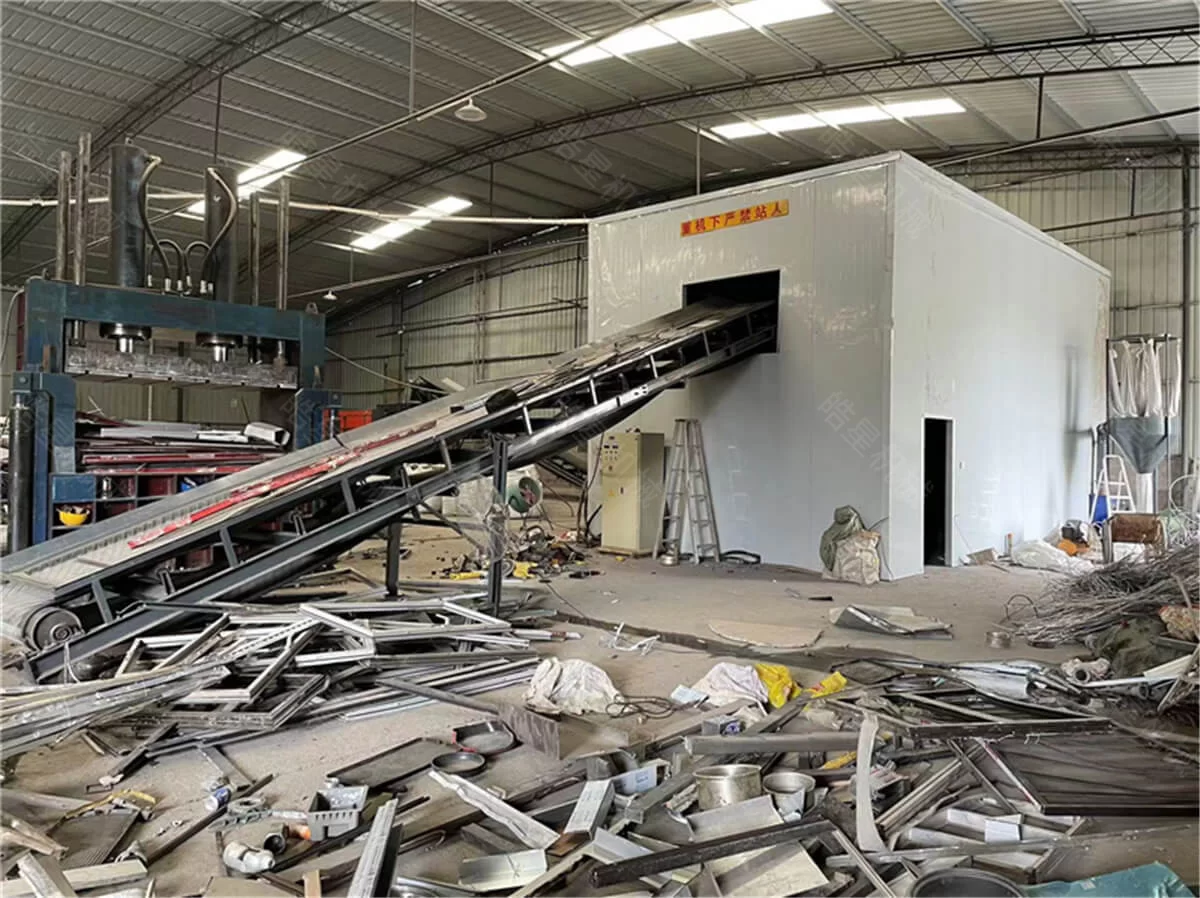
On March 24, 2023, an aluminum door and window profile crushing plant was operating inside a recycling workshop where large quantities of aluminum scrap were waiting to be processed.
The feed material consisted mainly of long aluminum profiles, thermal break aluminum sections, dismantled window frames and irregular door frame scrap. Some pieces remained straight, while others had been bent, cut or deformed during dismantling and transportation.
Unlike uniform extrusion offcuts from an aluminum factory, discarded door and window materials vary considerably in length, cross-section and shape. This makes the feeding stage particularly important. At this site, the profiles were delivered toward the crusher in manageable quantities rather than being pushed into the crushing chamber as one large bundle.
Aluminum Profiles Waiting for Processing
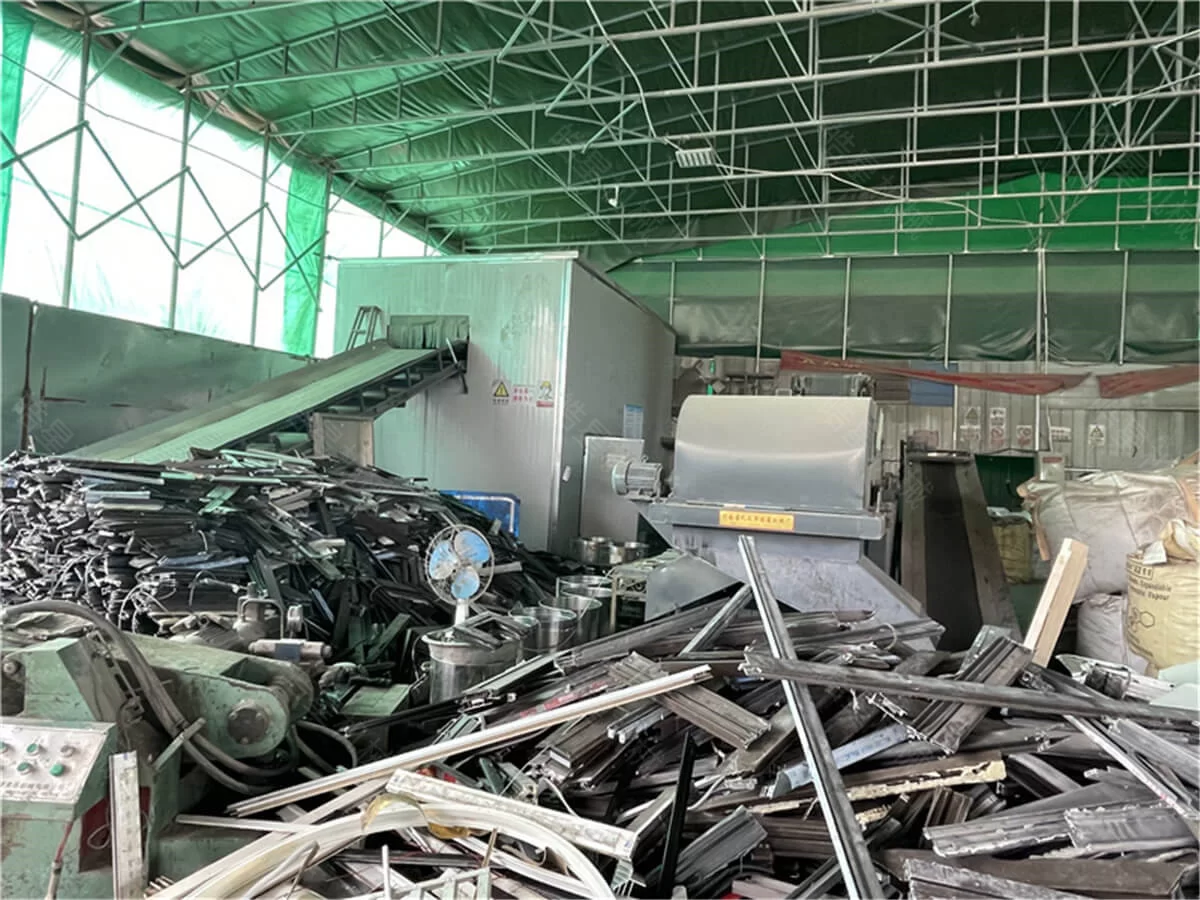
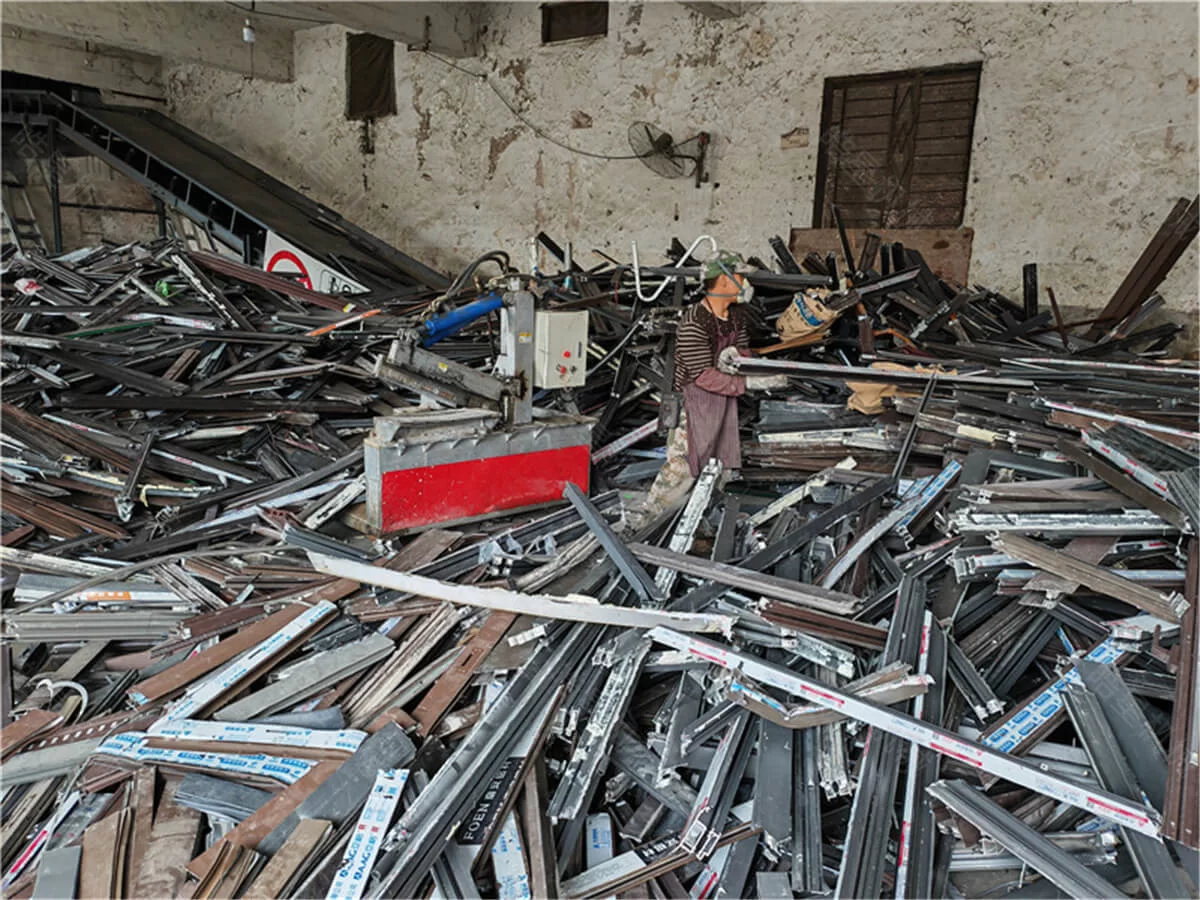
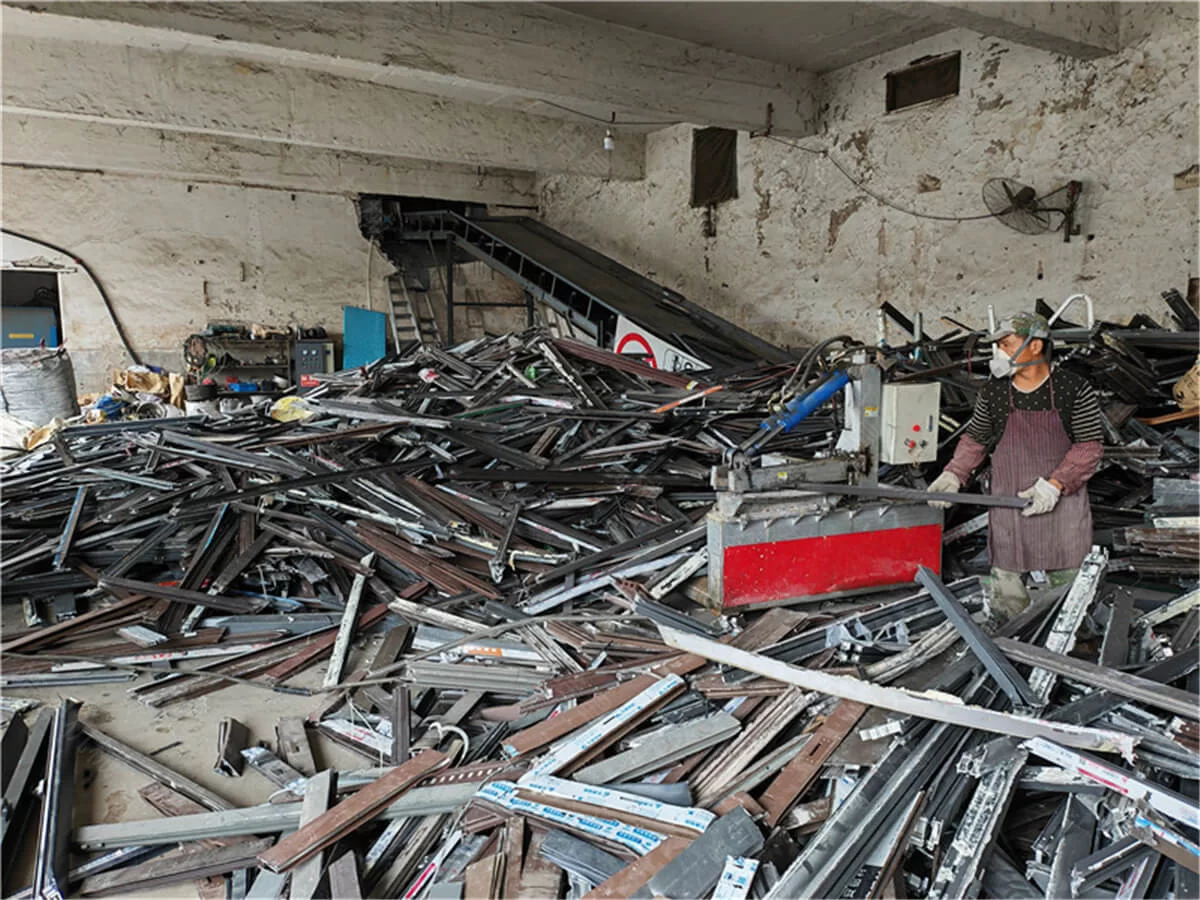
The workshop contained a substantial stock of dismantled aluminum door and window materials. The on-site photographs show long profiles stacked around the production area, together with shorter offcuts and irregular frame sections.
The main materials visible at the site included:
Discarded aluminum window profiles
Aluminum door frame sections
Thermal break aluminum profiles
Short aluminum extrusion offcuts
Bent and deformed frame materials
Mixed-length profiles from dismantled doors and windows
These materials are relatively light compared with solid steel scrap, but their long and hollow structures cause them to occupy considerable workshop space. Irregular profiles can also overlap and become interlocked, making them inconvenient to stack, transfer and feed evenly.
Reducing the size of the profiles changes the bulky frame material into a form that is easier to convey and collect. It also prepares the output for sorting and material recovery in an aluminum recycling line.
Controlled Feeding for Mixed-Length Profiles
Long door and window profiles cannot always be fed in the same way as short and uniform aluminum offcuts. When several bent or overlapping profiles enter the crusher together, the amount of material reaching the crushing chamber can change suddenly.
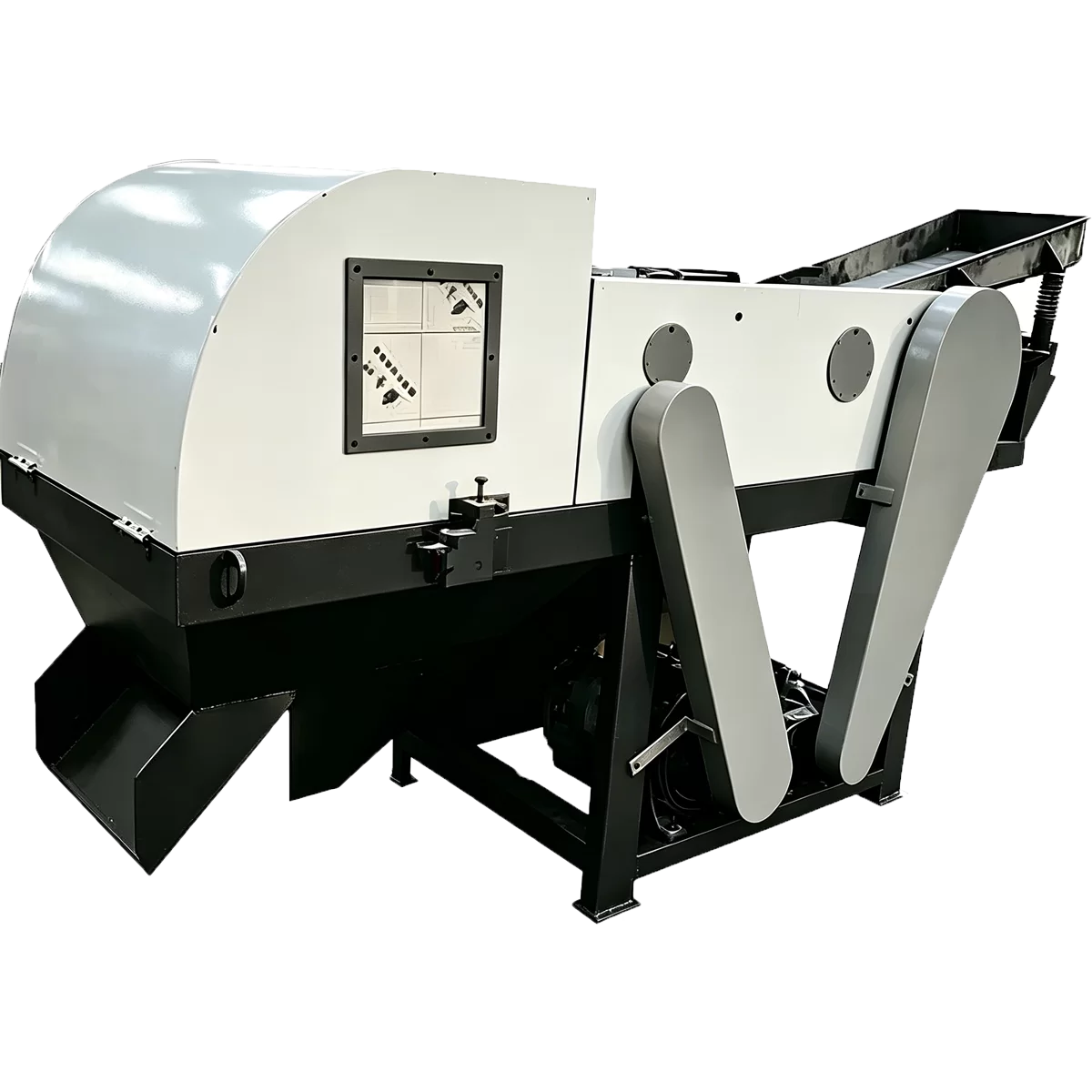
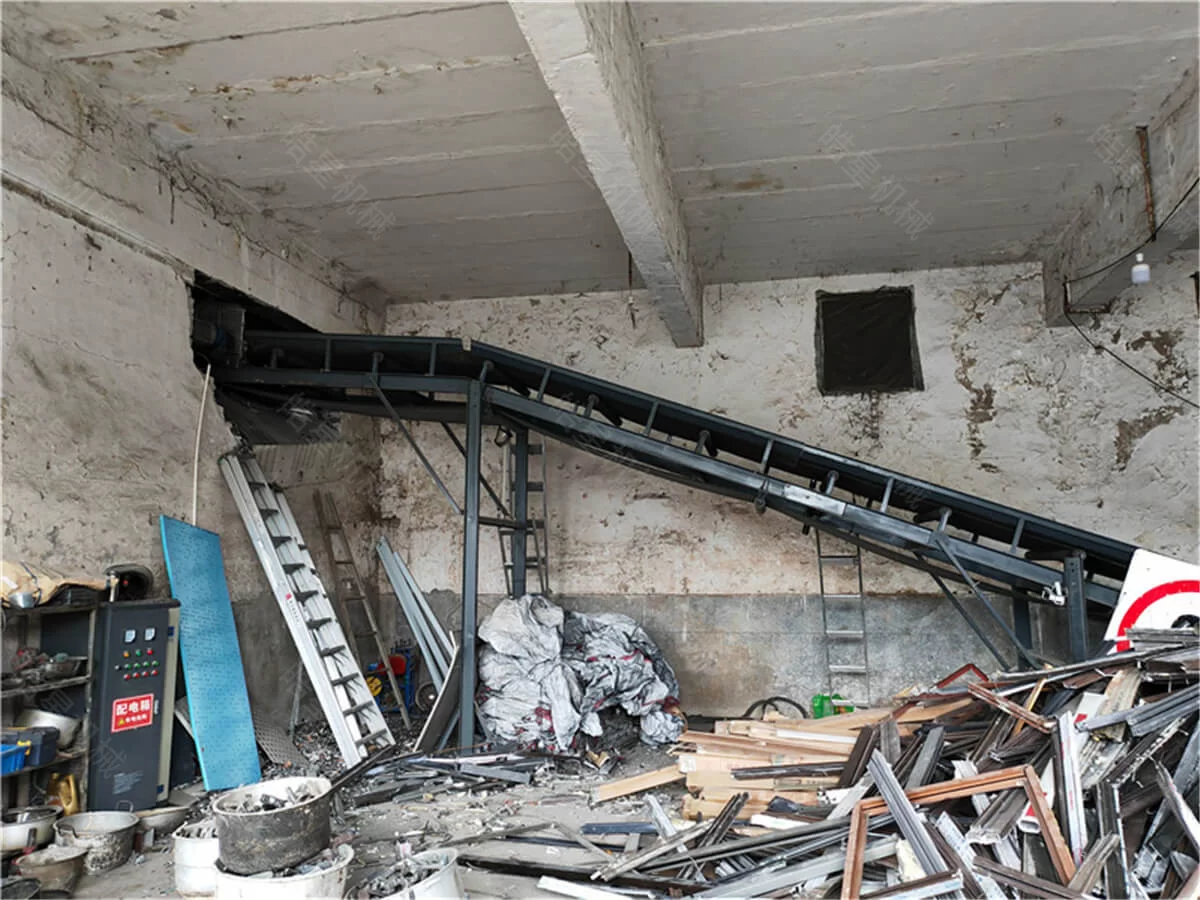
The feeding equipment at this site transferred the profiles toward the main crusher in manageable batches. This allowed the material flow to better match the processing condition of the machine and reduced the simultaneous entry of large bundles.
Controlled feeding was useful for this application because it helped:
Prevent excessive quantities of profiles from entering the crusher at once
Reduce sudden changes in the main machine load
Keep long aluminum sections moving toward the crushing chamber
Limit interruptions between separate batches of material
Provide a more consistent flow of mixed-length profiles
Reduce the need to push material directly toward the crusher
The feeding method is especially important when processing dismantled door and window scrap. Unlike clean factory offcuts, recycled materials rarely arrive in identical lengths or neatly separated batches. The line must therefore accommodate changes in profile size, shape and arrangement.
Production Line Arrangement
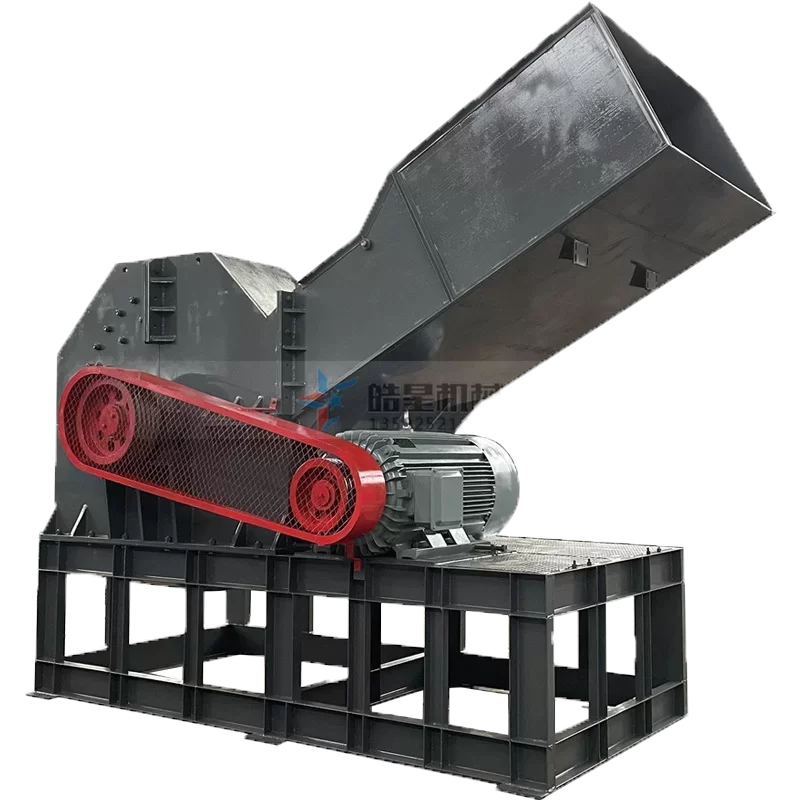
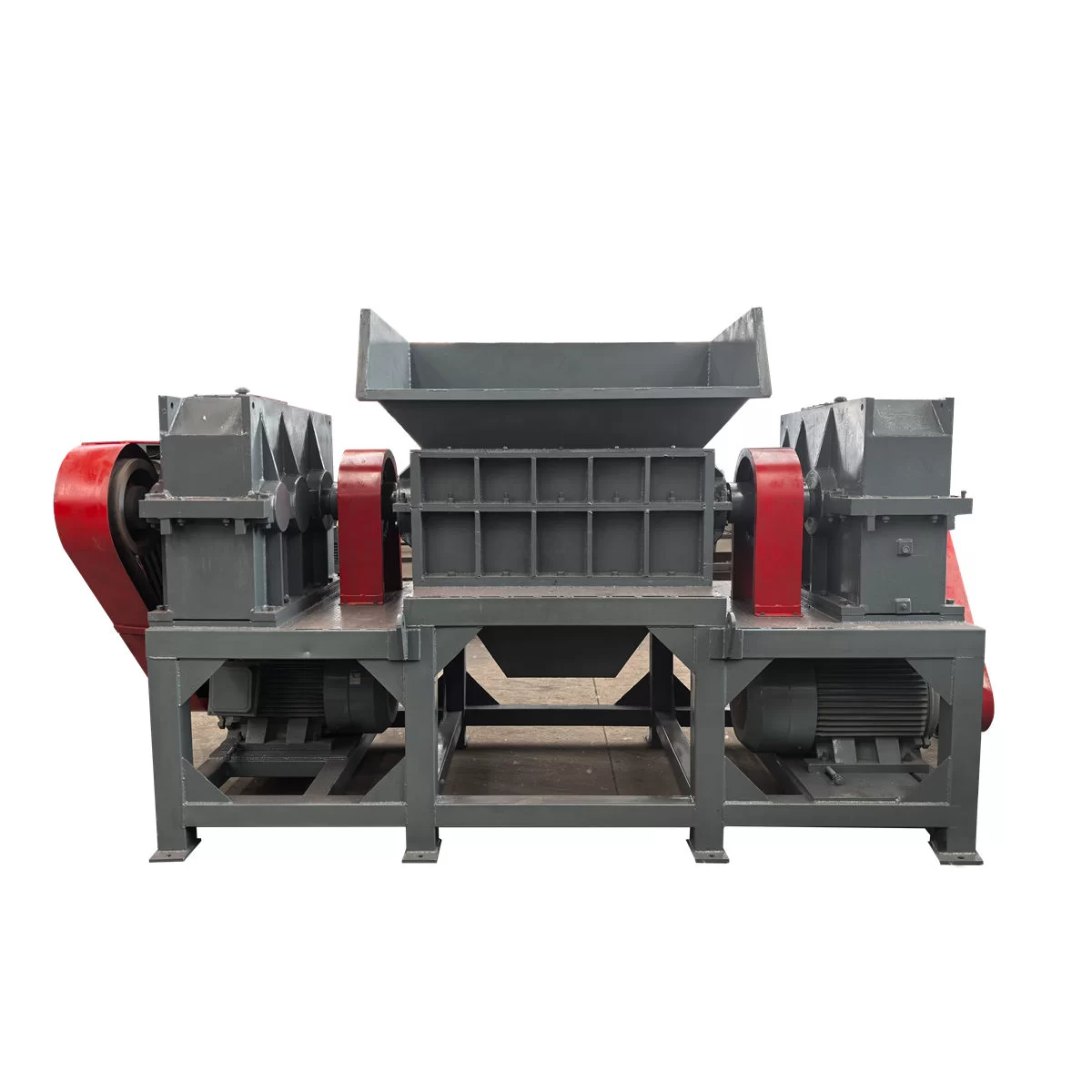
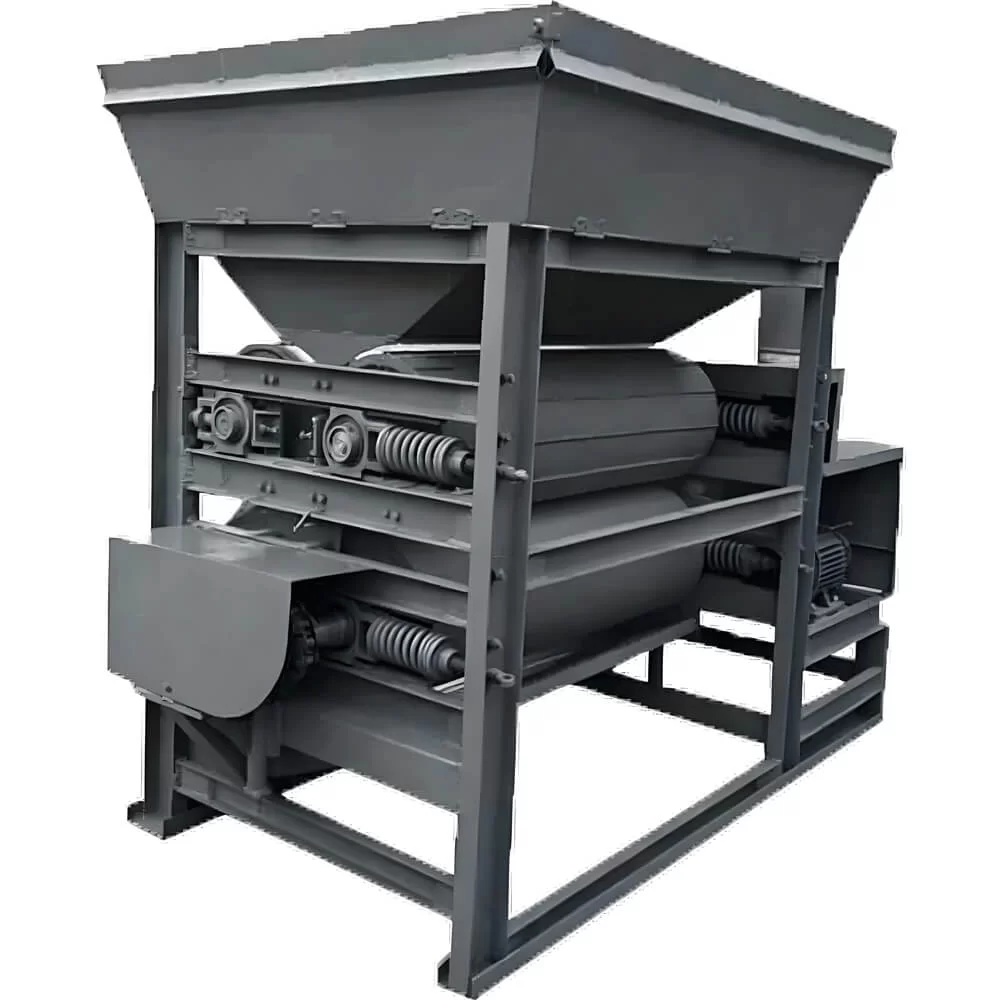
The equipment was installed as a connected production line rather than as a standalone crusher. Its feeding, crushing and discharge sections were arranged to move the material through the main processing stages.
The operating sequence was as follows:
The aluminum profiles were moved from the workshop stockpile to the feeding area.
Long and irregular materials were placed onto the feeding equipment in manageable quantities.
The feeding section transferred the profiles toward the main crushing machine.
The crusher reduced the aluminum door and window materials into smaller pieces.
The processed material left the crushing area through the discharge equipment.
The output was collected or transferred for subsequent recycling operations.
The layout provided working space around the feeding and crushing sections. This made it easier to transfer raw materials, observe the feeding condition and access the equipment for routine inspection and maintenance.
The photographs show both the installed production line and the surrounding material stock, providing a practical view of the equipment arrangement inside the recycling workshop.
Handling Thermal Break Aluminum Profiles
Thermal break aluminum is commonly found in modern door and window systems. These profiles normally contain non-metallic insulation strips between separate aluminum sections.
Dismantled materials may also carry rubber seals, protective film, screws, steel inserts and other attachments. Their composition can therefore differ significantly from clean aluminum extrusion offcuts.
When thermal break sections make up a large proportion of the feed, the thermal break aluminum crusher should be selected according to the profile dimensions, attached materials and required output condition.
Before configuring the equipment, the actual feed material should be checked for:
The maximum length and cross-section of the profiles
The wall thickness of the aluminum sections
The proportion of thermal break aluminum
The presence of steel screws or reinforcing components
Rubber, plastic and other non-metallic attachments
The required size of the crushed output
The downstream sorting and recycling process
These factors affect the feeding arrangement, crusher configuration and possible need for downstream separation equipment. The production line should be configured according to the actual material condition rather than relying only on the general description “aluminum profile scrap.”
Material Condition After Crushing
After passing through the crusher, the long aluminum door and window profiles were reduced into shorter pieces. The original frame shapes and hollow profile structures were broken down, making the material more convenient to discharge and collect.
Before crushing, the feed material consisted of long, bulky and irregular sections that occupied a large amount of workshop space. Some profiles overlapped or became interlocked, making transfer and uniform feeding more difficult.
After crushing, the processed material no longer retained the complete door frame or window profile shape. The shorter output was easier to move through the discharge section and prepare for the next recycling stage.
The final output size depends on the crusher configuration and the requirements of the downstream process. When the crushed profiles contain steel screws or reinforcing inserts, a magnetic separator may be used to separate suitable ferrous components from the material stream.
A Practical Reference for Door and Window Recyclers
This project presents a practical example of processing accumulated aluminum door and window scrap in a recycling workshop.
The main challenge was not simply reducing the size of the aluminum. It was handling a large stock of profiles with different lengths, shapes and cross-sections. The feeding system delivered the material toward the crusher in controlled quantities, while the connected discharge section moved the processed output away from the main machine.
For recycling businesses handling similar aluminum window frames, door profiles and thermal break aluminum, the site provides a useful reference for planning the raw material storage area, feeding section, main crushing equipment and downstream material collection.
The final configuration should be based on representative samples or clear photographs of the customer’s actual feed material. Profile dimensions, attached materials, required output size and downstream separation requirements should all be evaluated before equipment selection.
For available configurations and material requirements, view our aluminum profile crushing plant.