🏭 Category: Steel Shredding Equipment

Oil Filter Crusher

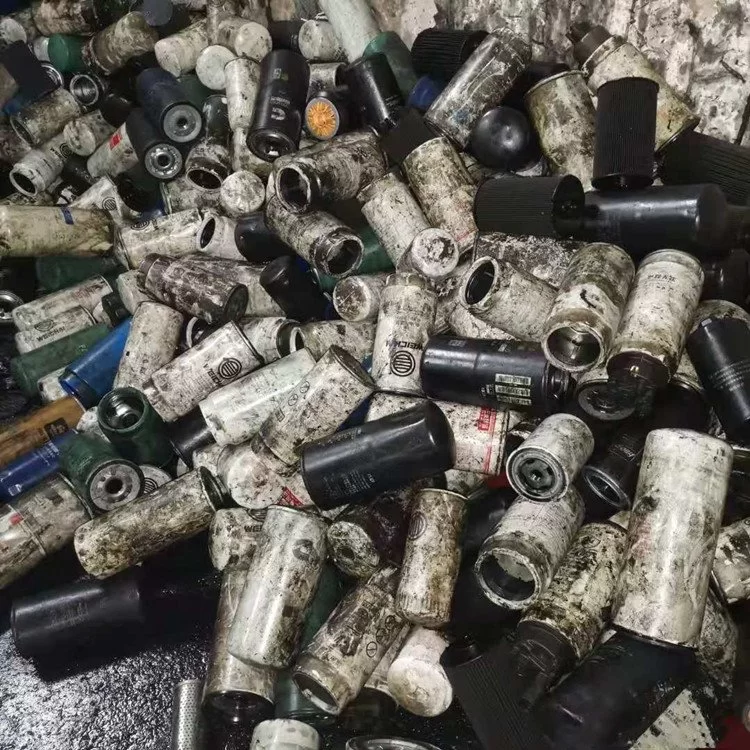
Applicable Materials: Prepared and drained automotive oil filters, diesel filters, hydraulic oil filters and selected metal-cased industrial filters. Air filters, cabin filters, plastic filters and filters with different internal structures require separate evaluation before processing.

Product Parameters

Key technical information for quick evaluation.

Power
30kW-450kW(View Specs)
Production Capacity
0.8t/h-15t/h(View Specs)
Output Size
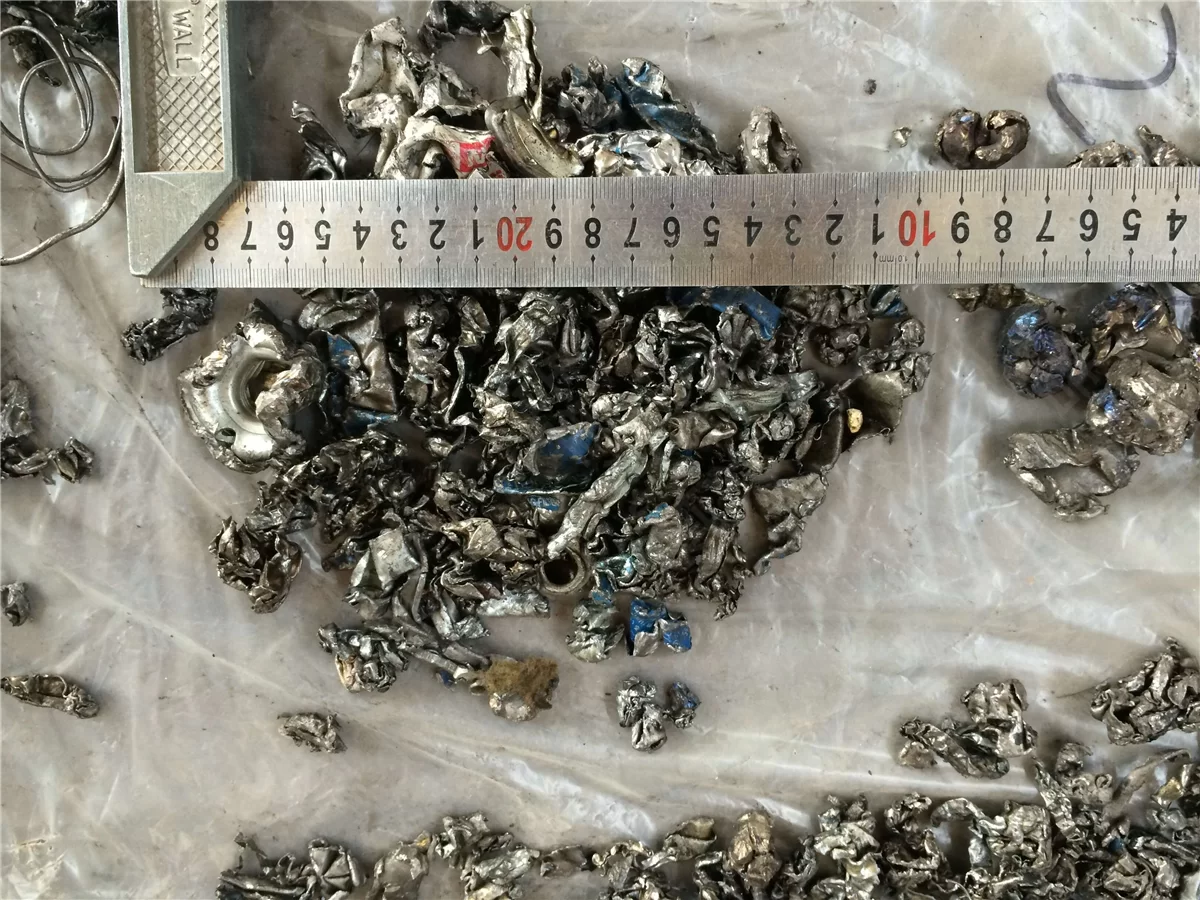
20mm-100mm(Screen Customization Available)
Production Line Composition
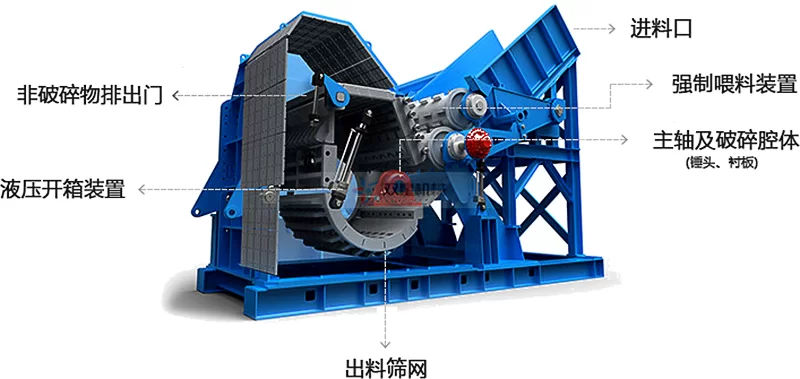
Oil filter crusher main unit, high-speed rotor, hammer assembly, wear-resistant liner plates, screen grate, drive motor, sealed feed connection, liquid collection tray, electric control cabinet and safety protection system. Optional equipment includes feeding and discharge conveyors, twin shaft shredder, magnetic separator, screening equipment, manual sorting platform, liquid collection tank and dust collection system.
Reference Price
(Price varies by model. See specs or call.)
Product Details

Oil Filter Crusher

Review the equipment introduction, working principle, advantages and technical specifications in one clear page.

01

Equipment Introduction


Oil Filter Crusher

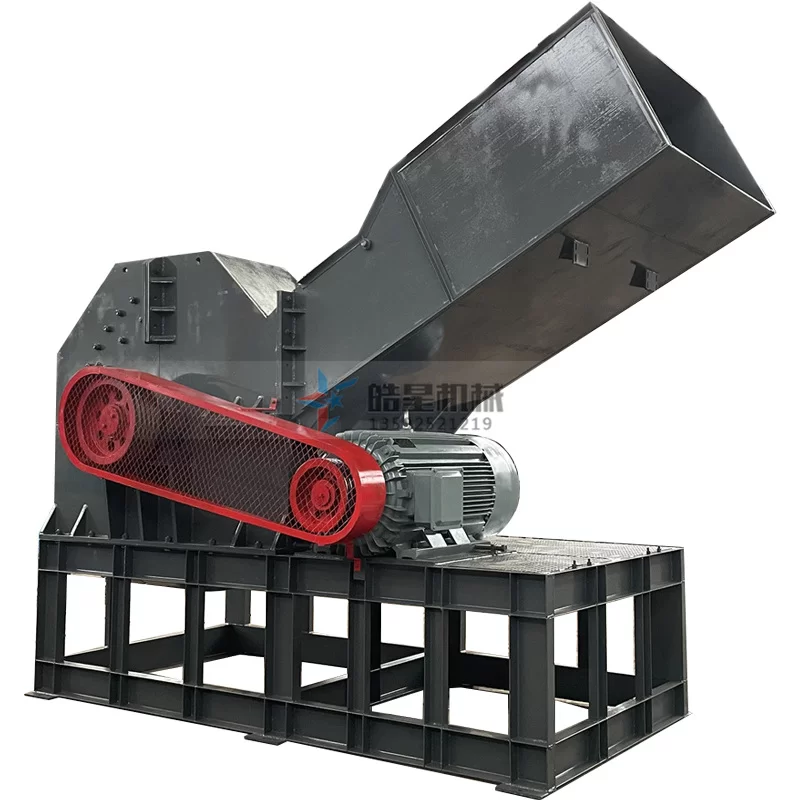
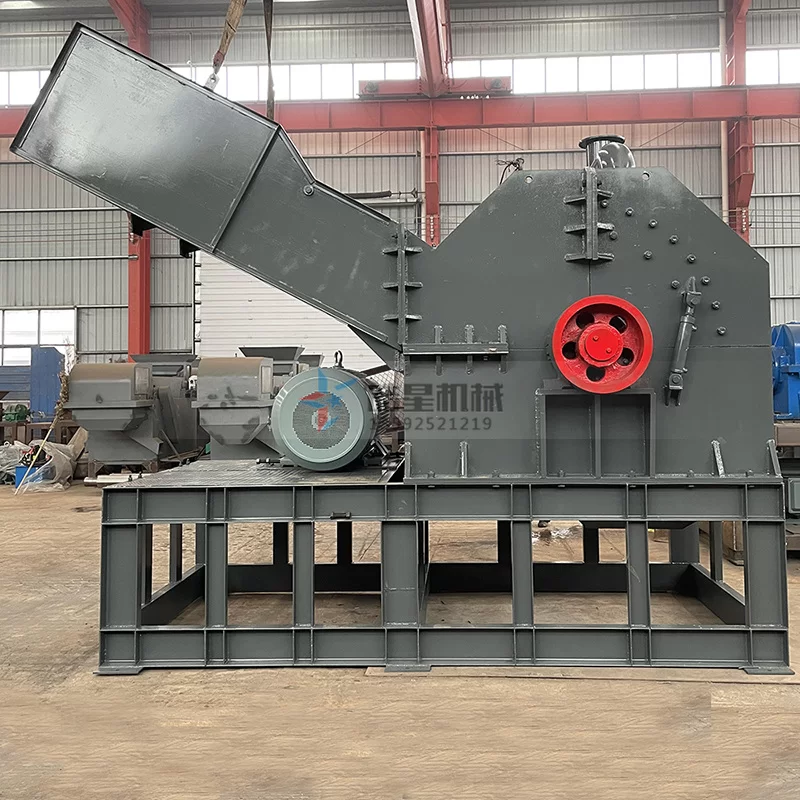
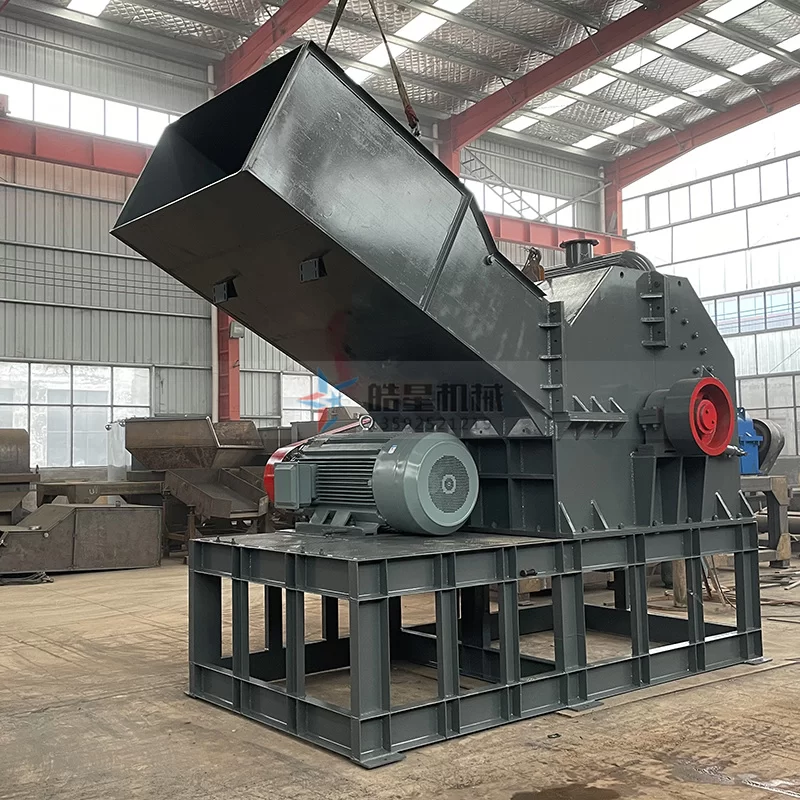
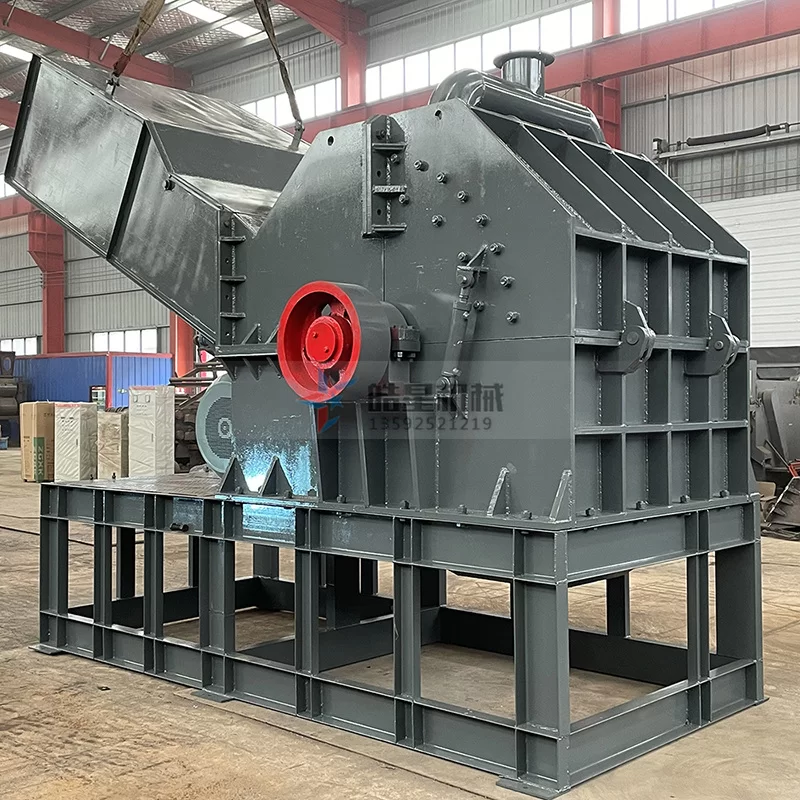
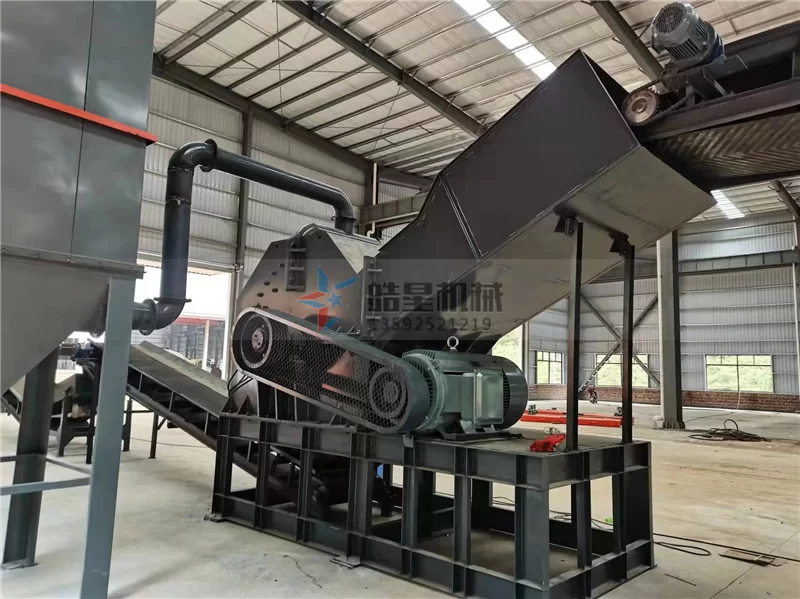
The oil filter crusher is a hammer-type crushing machine used to open and reduce prepared waste oil filters from automobiles, trucks, motorcycles and industrial machinery. The crushing process exposes the metal casing, filter paper, rubber seals, springs and other internal components for downstream collection and separation.

Waste oil filters must be drained and inspected before crushing. Residual oil, fuel, coolant, pressurized components, batteries and other hazardous materials require separate handling according to local operating and environmental requirements.

A high-speed rotor drives the hammers to repeatedly impact, deform and break the prepared filters inside the crushing chamber. The hammers, liner plates and screen grate work together to reduce the material, while the selected screen opening helps control the discharge size.

After crushing, a magnetic separator can recover ferrous metal from loosened filter paper, rubber and other non-magnetic residues. Screening, manual sorting and liquid collection can be added according to the filter construction, residual oil content and required recovered materials.

An eddy current separator is not normally required for clean steel oil filters. It may only be considered when the prepared material contains suitable conductive non-ferrous metals mixed with non-conductive residues after ferrous metal removal.

Bulky, bundled or difficult-to-feed filter material may require primary preparation by a twin shaft shredder before entering the hammer crusher. Whether this stage is required depends on the filter dimensions, construction and feeding condition.

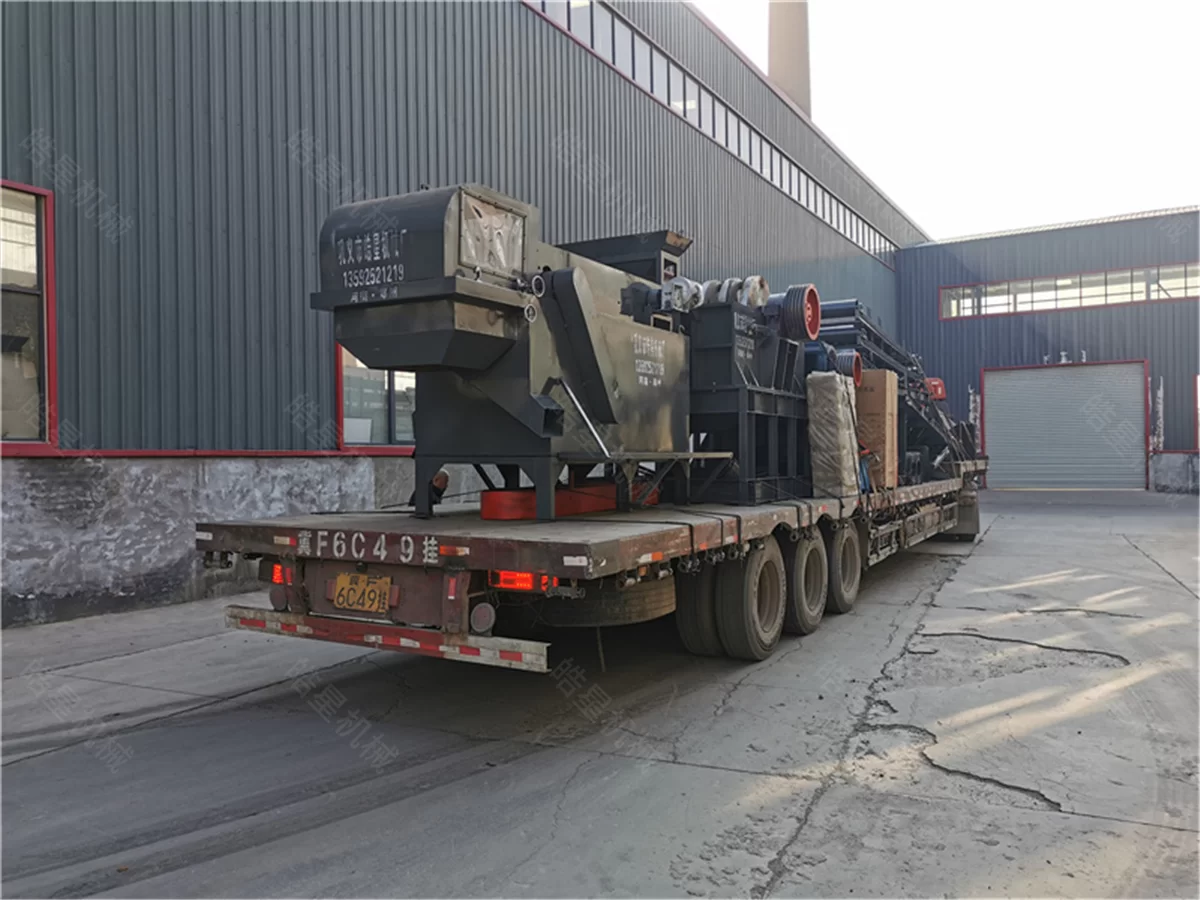
The oil filter crusher can operate as an individual machine or form part of an oil filter recycling line with controlled feeding, liquid collection, magnetic separation, screening, material sorting, dust collection and centralized control.

The final configuration depends on the filter type, maximum dimensions, metal casing thickness, residual liquid content, required capacity, expected output size and downstream treatment method.
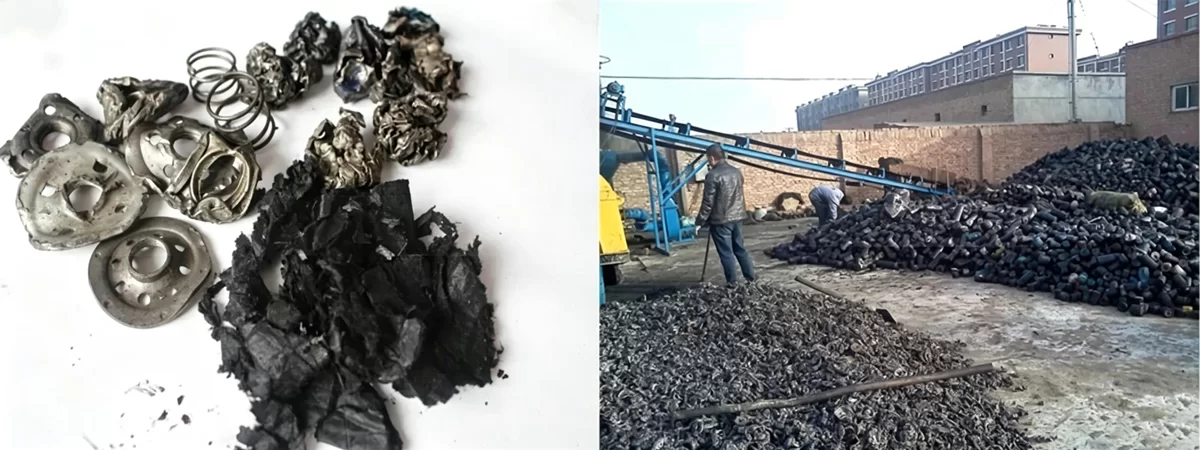

Oil Filter Crusher

02

Working Principle

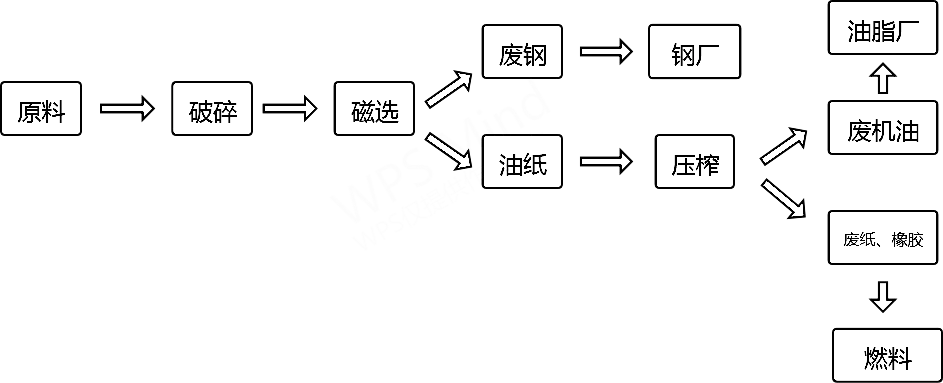
Engine Oil Filter Crushing and Sorting Process

Oil Filter Crusher Working Process

1. Filter Inspection and Draining

Used oil filters should be inspected and drained before crushing. Residual oil should be collected through a suitable draining and storage system according to local environmental and operating requirements.

Filters containing fuel, coolant, pressurized components, excessive liquid or unidentified substances must be removed and handled separately.

2. Controlled Feeding

Prepared filters are transferred into the crushing chamber by a conveyor or suitable feeding device. Feeding quantity should be controlled according to the filter dimensions, metal casing thickness and crusher load.

3. Hammer Crushing

A high-speed rotor drives the hammers to repeatedly impact, deform and break the filter casing. Friction and compression between the hammers, liner plates and screen grate further reduce the material and expose the internal filter paper, spring, rubber seal and other components.

4. Screen-Controlled Discharge

Material that meets the selected screen opening is discharged from the crushing chamber, while oversized pieces remain inside for further crushing. The actual output depends on the filter construction, casing thickness, hammer arrangement and screen opening.

5. Liquid Collection

Residual liquid released during handling and crushing can be collected through trays, sealed transfer points or a downstream liquid collection system. The crusher itself does not guarantee complete oil removal from the processed material.

6. Magnetic Separation

After crushing, magnetic separation can recover steel casings, springs and other ferrous components from loosened filter paper, rubber and non-magnetic residues.

7. Screening and Material Sorting

The remaining material can be screened or manually sorted according to the required recovered fractions. Filter paper, rubber, fine material and residual metal should be managed according to the selected recycling process.

8. Dust and Vapor Control

Crushing contaminated filters may generate dust, oil mist or vapor. Enclosed feeding, ventilation, vapor collection and dust control should be selected according to the residual liquid content, operating temperature and local safety requirements.

03

Features and Advantages

Used Oil Filter Crusher Features

Designed for Drained Used Oil Filters

The machine is suitable for processing used oil filters after proper draining. This helps reduce residual oil content before crushing and supports more stable material handling.

Crushing and Material Loosening

The crusher breaks the metal filter shells and loosens internal components such as filter paper, rubber seals, springs and residual oil. This prepares the crushed material for further separation and collection.

Ferrous Metal Recovery

With a magnetic separator, steel shells, springs and other ferrous components can be separated from the mixed crushed material.

Optional Oil and Dust Control System

Oil collection, dust collection and exhaust treatment equipment can be configured according to the material condition and site requirements.

Heavy-Duty Structure

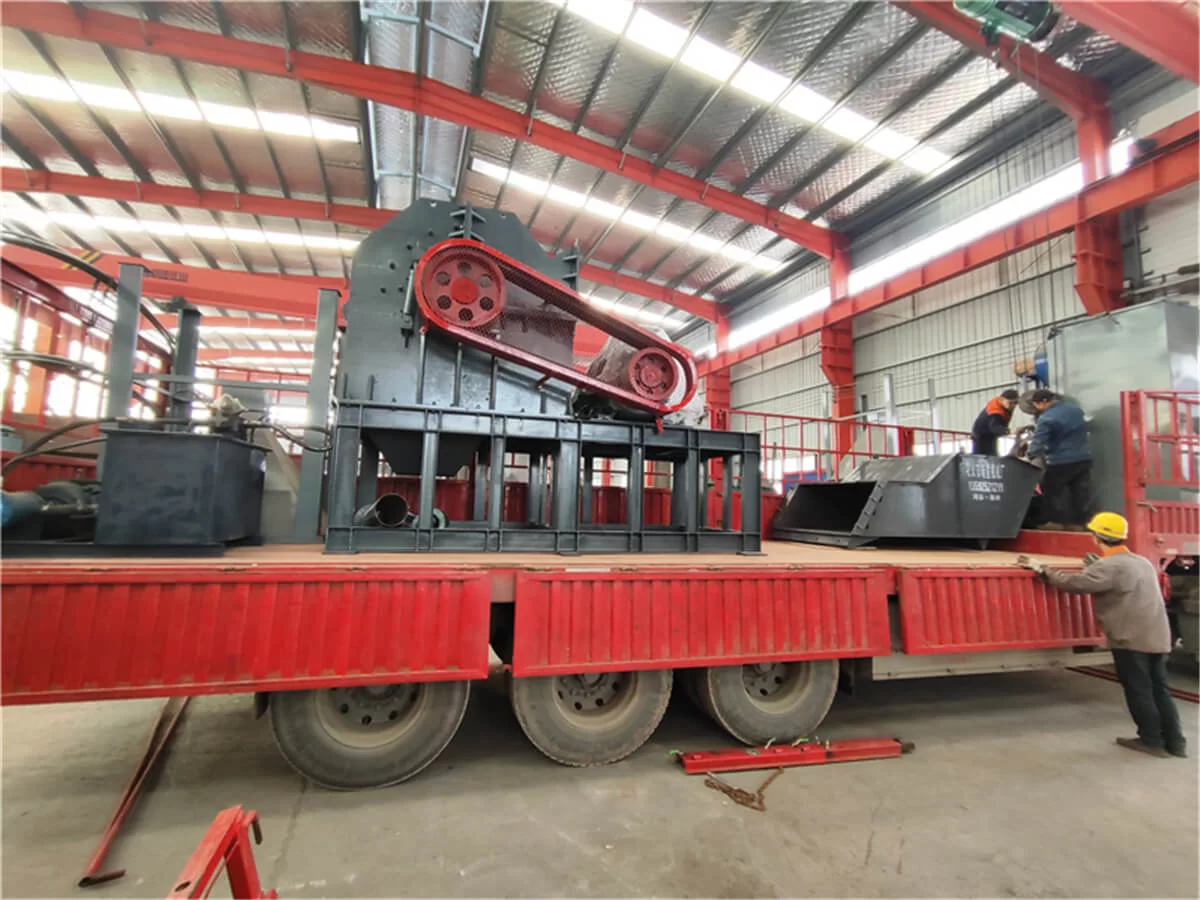
The crusher can be built with a reinforced steel housing, wear-resistant liners and durable crushing parts for the continuous processing of metal oil filters.

Customizable Recycling Line

The recycling line can be customized according to the oil filter size, residual oil content, required capacity and site layout. Available customization options include:

  • Feeding method

  • Crusher model

  • Motor power

  • Separator configuration

  • Oil collection system

  • Dust collection system

  • Discharge conveyor

  • Control system

04

Technical Specifications

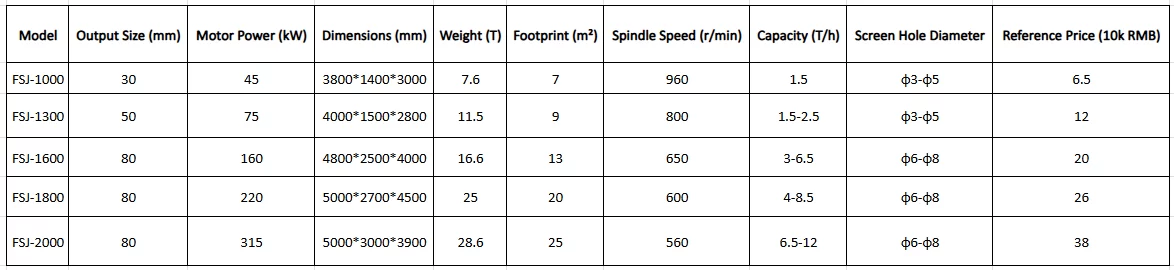
Parameter description diagram for Oil Filter Crusher | Used Oil Filter Recycling Machine | Haoxing Machinery:

Oil Filter Crusher Parameters and Price List

Note: Specifications are for reference only. Actual capacity depends on oil filter size, residual oil content, material structure, feeding method, output size requirement and production line configuration.

Custom configurations are available according to material condition, required capacity, site layout and separation requirements. The line can be equipped with feeding equipment, main crusher, discharge conveyor, magnetic separator, optional separation equipment, oil collection system, dust collector and electric control cabinet.

Applications

  • Used oil filter recycling

  • Automotive oil filter processing

  • Truck and motorcycle oil filter recycling

  • Construction machinery oil filter recycling

  • Oil filter recovery from end-of-life vehicles

  • Scrap metal and oil filter material separation

  • Centralized oil filter processing at repair shops and recycling sites

  • Oil filter pretreatment before metal recovery

FAQ

Frequently Asked Questions

Find common questions about scrap metal crushers, shredders, recycling lines, equipment selection, capacity configuration and operation requirements.

QWhat maintenance is required for an oil filter crusher?

A

Regular maintenance includes checking blades or crushing parts, hydraulic system or motor system, bearings, belts, fasteners, lubrication points, oil collection parts, discharge area, and electrical components. Stable feeding, timely cleaning, and replacement of worn parts can help reduce downtime and keep the oil filter crusher running efficiently.

QCan an oil filter crusher be used in a complete recycling line?

A

Yes. An oil filter crusher can be used in a complete waste oil filter recycling line with feeding equipment, crushing equipment, oil collection devices, conveyors, screening equipment, magnetic separation equipment, dust or mist collection systems, and electric control cabinets. The final configuration can be customized according to material type, capacity requirement, and recycling target.

QHow do I choose a suitable oil filter crusher model?

A

The suitable model depends on filter size, filter type, feeding method, hourly capacity, motor power, discharge requirements, residual oil condition, and site layout. Customers can provide material photos, videos, filter dimensions, and capacity requirements, and we can recommend a suitable oil filter crushing solution.

QCan an oil filter crusher separate metal and residual oil?

A

An oil filter crusher can help squeeze and crush used oil filters, making it easier to recover metal shells and collect part of the residual oil. For better separation results, the machine can be combined with oil collection, screening, conveying, and further separation equipment according to the recycling process.

QWhat is the main purpose of crushing used oil filters?

A

The main purpose of crushing used oil filters is to reduce filter volume, separate metal shells from filter paper and residual oil, and make storage, transportation, sorting, and recycling easier. Crushed oil filters are easier to handle and can help improve metal recovery efficiency.

QWhat materials can an oil filter crusher process?

A

An oil filter crusher is mainly used to process used oil filters, waste automobile oil filters, truck oil filters, engine oil filters, diesel filters, and similar metal filter components. For filters containing residual oil, pre-draining or a suitable oil collection system is recommended to reduce leakage and improve recycling safety.

QAre oil filter crushers classified by model?

A

Yes. Oil filter crushers are available in different models according to capacity, motor power, and feeding size. Common models include 600-type and 800-type machines. Customers are welcome to visit the factory for testing and model selection.

QCan used oil filters be processed without removing the oil first?

A

In many recycling processes, used oil filters should be drained or pre-treated before crushing to reduce oil leakage and environmental risks. A suitable oil filter crusher can help separate metal shells and residual oil more efficiently.

QCan an oil filter crusher use 220V power?

A

Small oil filter crushers can be customized for 220V power in some cases. For larger-capacity equipment, 380V industrial power is usually recommended to ensure stable operation and sufficient crushing force.

QIs waste oil filter recycling still profitable?

A

Waste oil filter recycling still has market demand, but the actual profit depends on local recycling policies, waste oil filter sources, processing scale, metal recovery value, and disposal requirements. It is recommended to evaluate the local market before investment.

Post a Question

Leave your question about material type, capacity, equipment model or recycling line configuration.

Verification code
Get A Quote

Get Instant Pricing & Specs

Send your email and tell us your material type, capacity requirement and site condition. Our team will provide equipment selection, technical specifications and quotation details.

  • Model recommendation
  • Capacity configuration
  • Recycling line quotation

Request Product Details

We usually reply with equipment details and pricing information as soon as possible.

WhatsApp
💬
WhatsApp
WhatsApp QR Code
Scan or click to chat with us on WhatsApp.