Drum Crusher Working Process
1. Drum Inspection and Preparation
Metal drums and paint buckets must be emptied, opened, drained and inspected before crushing. Labels and material records should be checked when the previous contents are known.
Sealed drums, pressurized containers and barrels containing fuel, solvents, chemicals, flammable residues or unidentified substances must not be treated as ordinary crusher feed.
2. Controlled Feeding
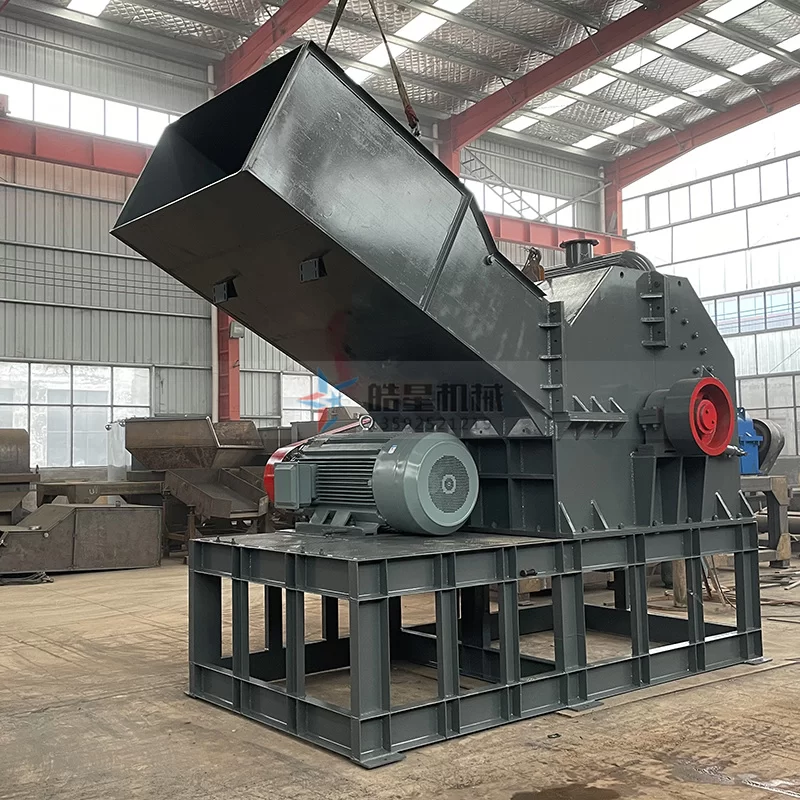
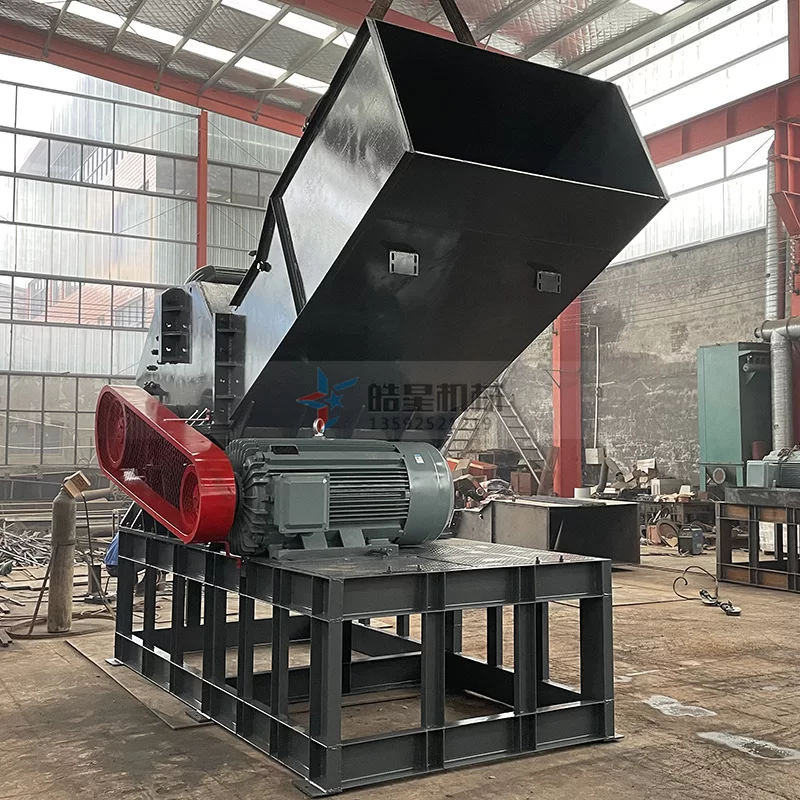
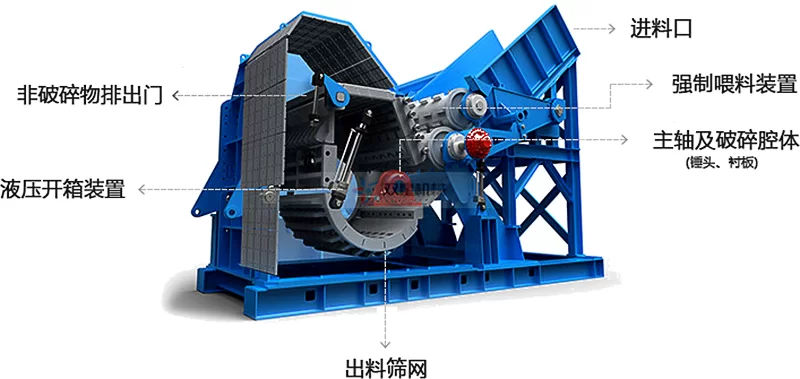
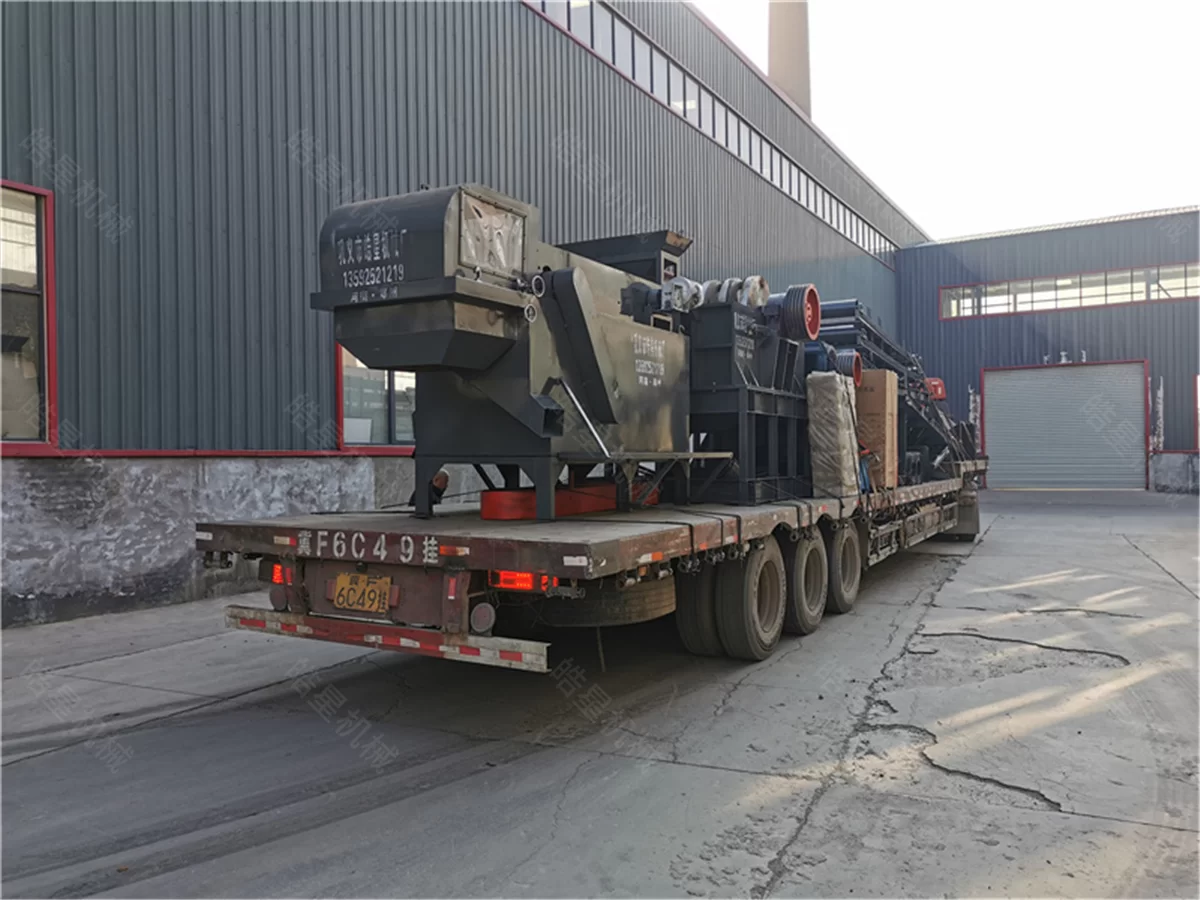
Prepared drums are transferred into the crushing chamber by a conveyor or suitable feeding device. The feeding quantity should be controlled according to the drum dimensions, wall thickness and crusher load.
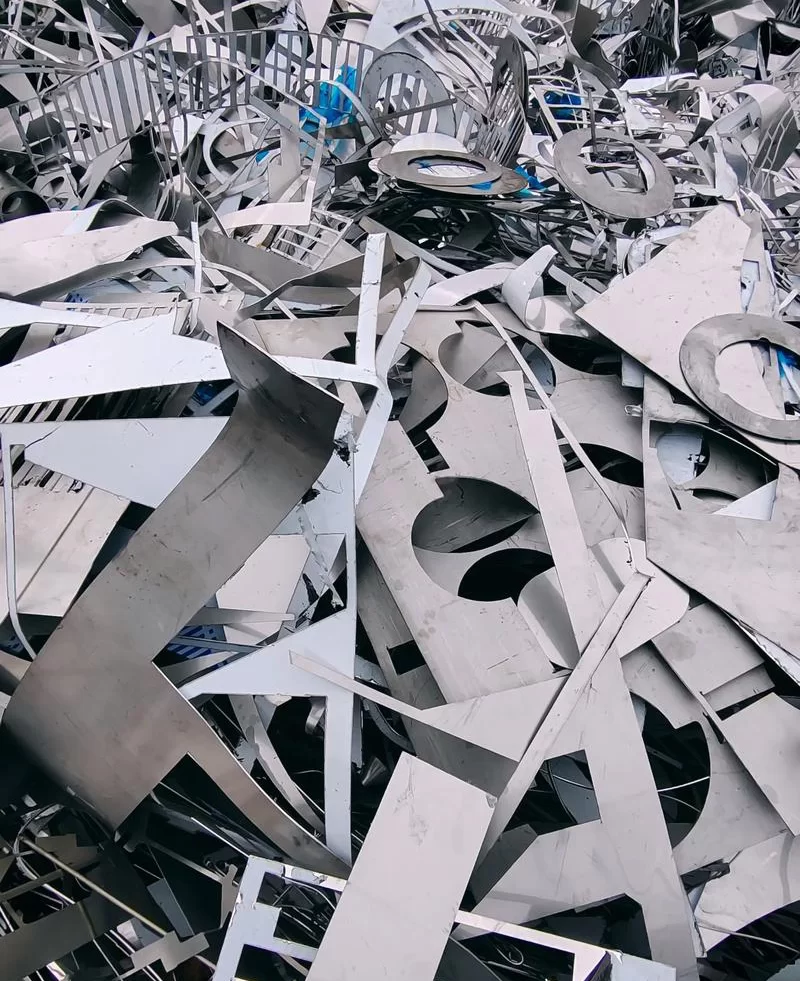
Bundled or compacted drum scrap may require bale opening or primary shredding before entering the hammer crusher.
3. Hammer Crushing
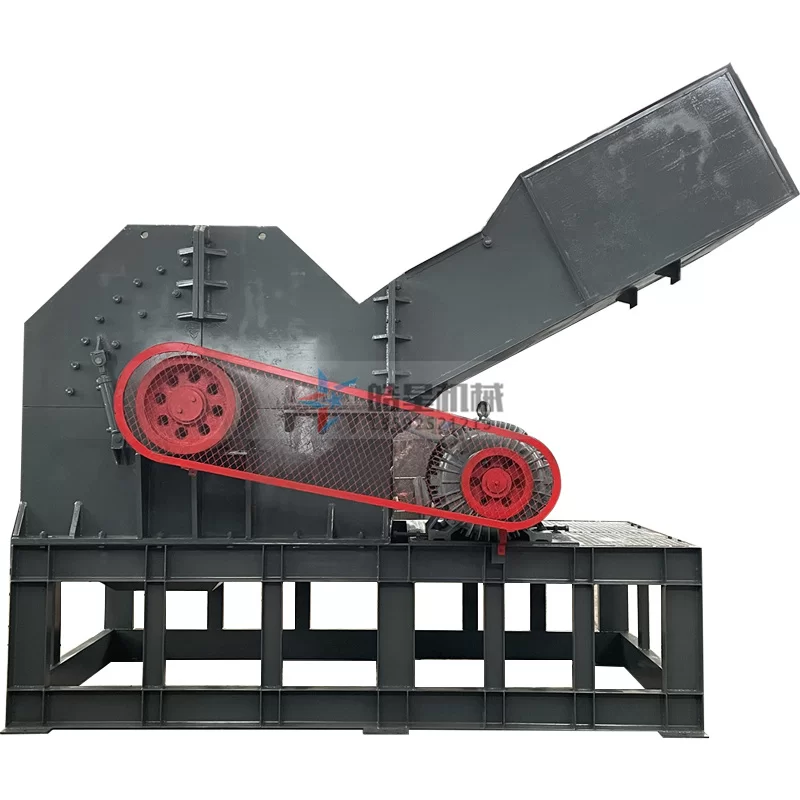
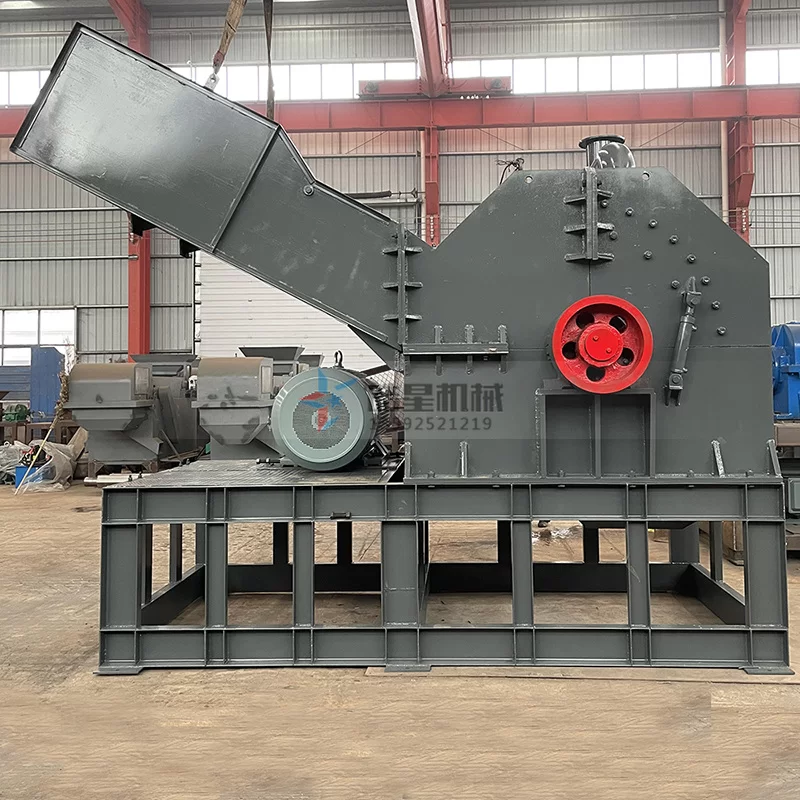
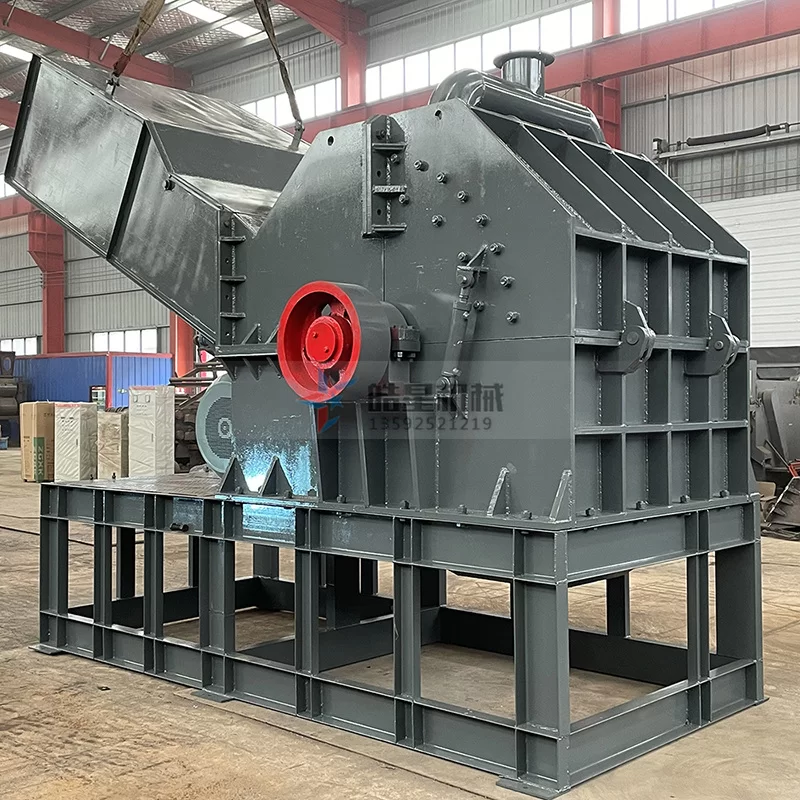
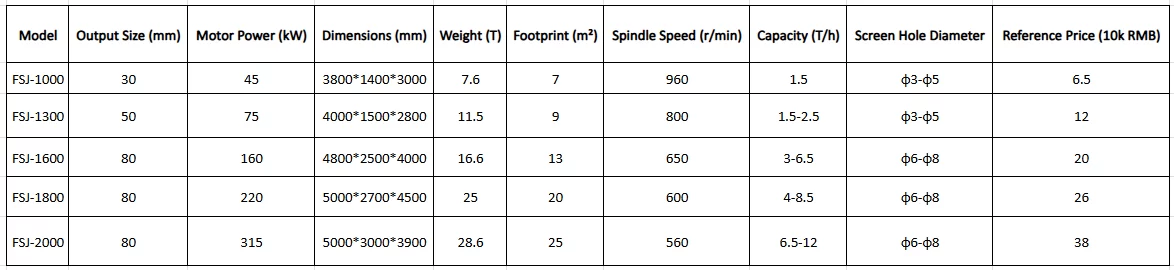
A high-speed rotor drives the hammers to repeatedly impact, deform and break the metal drums. Friction and compression between the hammers, liner plates and screen grate further reduce the material.
4. Screen-Controlled Discharge
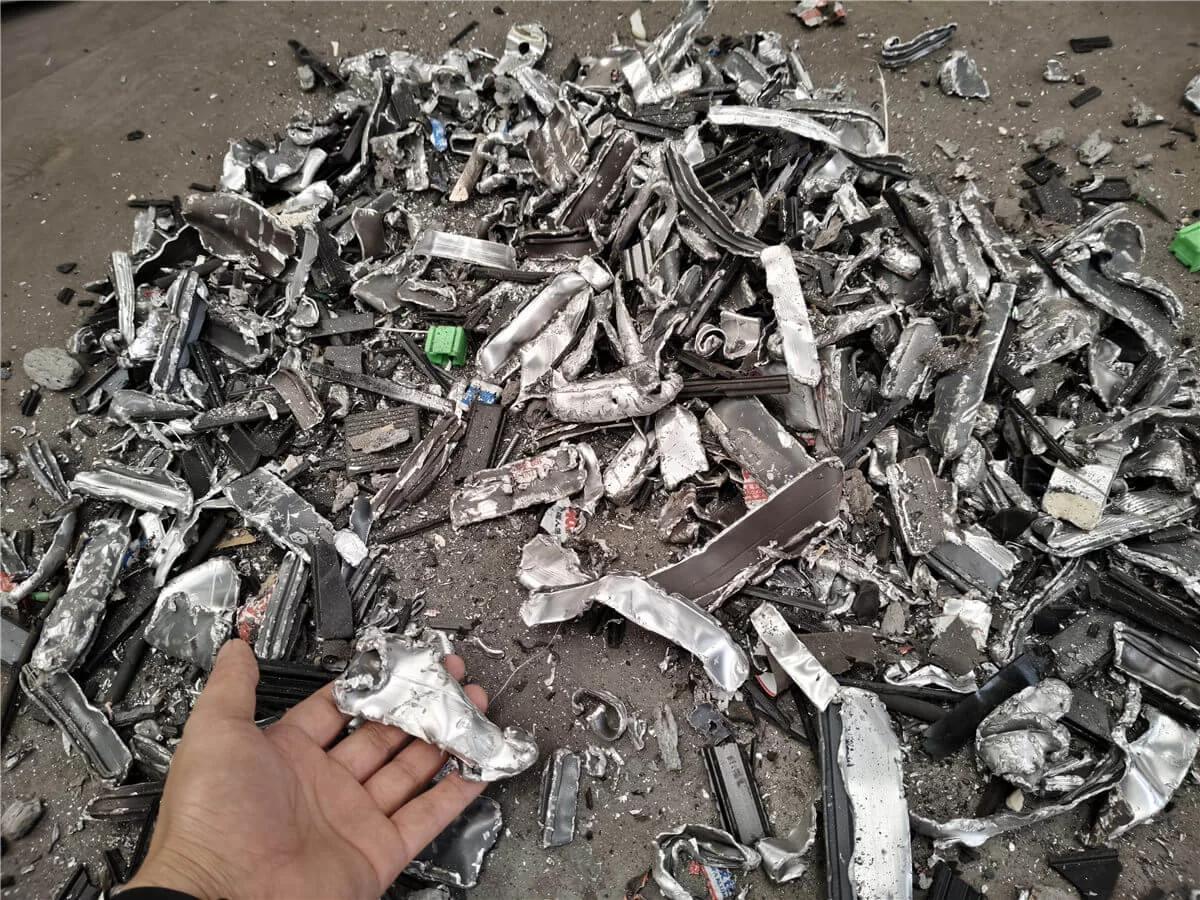
Material that meets the selected screen opening is discharged from the crushing chamber, while oversized pieces remain inside for further crushing. The output depends on the drum material, wall thickness, hammer arrangement and screen opening.
5. Magnetic Separation
After crushing, magnetic separation can recover steel and tinplate material from loosened paint, rust and suitable non-magnetic residues.
Magnetic separation does not remove oil, solvents or chemical contamination from the recovered metal.
6. Optional Screening and Airflow Sorting
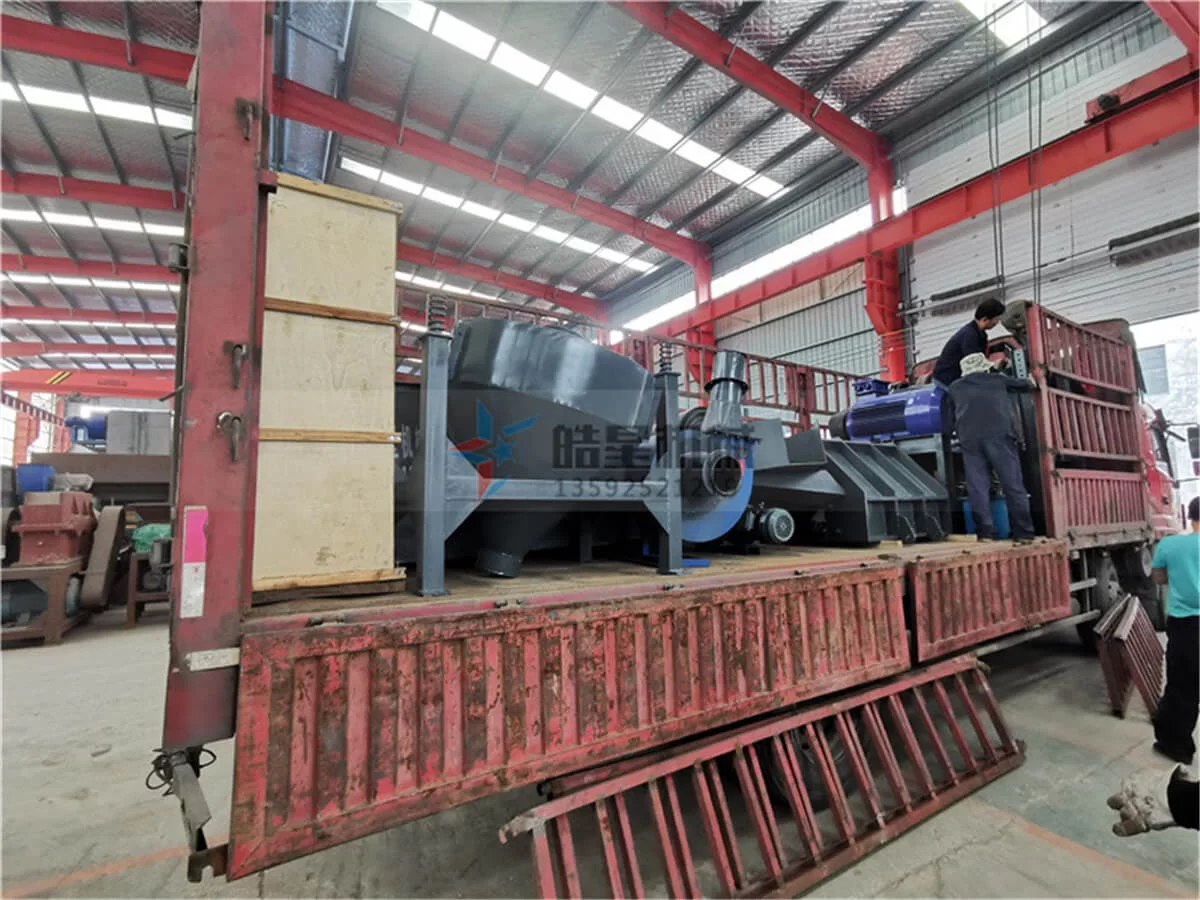
Screening can be added to separate different particle-size fractions. Airflow sorting may help remove lightweight labels, coating fragments and other low-density impurities when the material condition is suitable.
7. Dust and Vapor Control
Crushing coated or previously contaminated drums may release dust, coating fragments, odors or vapors. Enclosed feeding, ventilation, vapor collection and dust control should be selected according to the drum history, residual contamination and local safety requirements.
8. Material Collection
Processed steel, non-magnetic residue and collected fine material are transferred to their respective collection areas according to the selected process.