Aluminum profiles are processed in several different forms. Some recycling plants receive long extrusion offcuts and complete window frames, while others handle short production scrap that already fits a crusher inlet.
These materials should not automatically use the same machine.
A shredding plant is generally intended for coarse preparation of long, bulky or difficult-to-feed profiles. A crushing plant uses high-speed impact and a screen to produce smaller material with a more controlled discharge size.
The correct choice depends on the incoming profile dimensions and the required downstream result.
What Material Is Being Processed?
The term aluminum profile can include:
Long extrusion offcuts
Window and door frames
Short production cutoffs
Thermal break aluminum profiles
Painted architectural profiles
Profiles with screws and steel connectors
Clean manufacturing rejects
Mixed demolition profiles
Before choosing equipment, determine whether the material is loose, bundled, folded, cut into short sections or mixed with attachments.
Material photographs should show both the overall length and the profile cross-section.
When an Aluminum Profile Shredding Plant Is Suitable
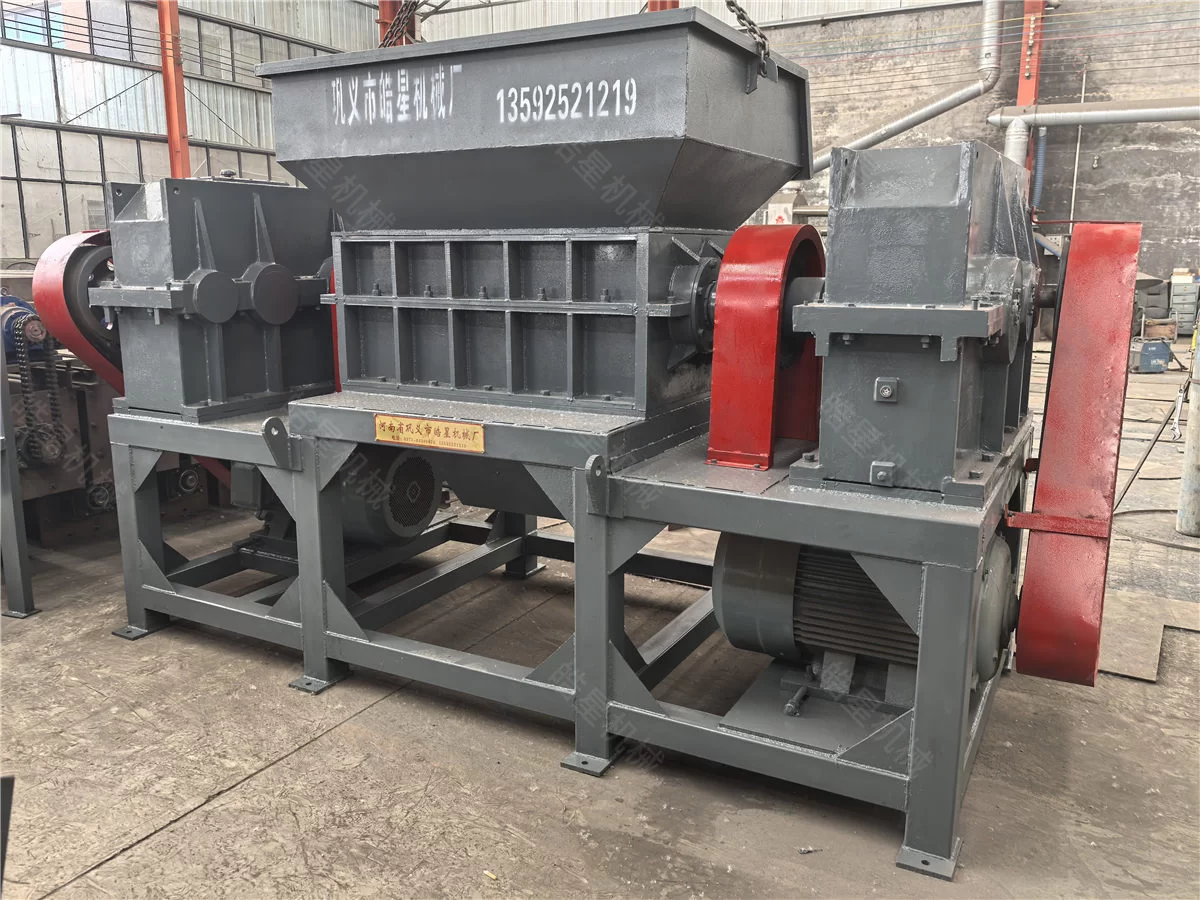
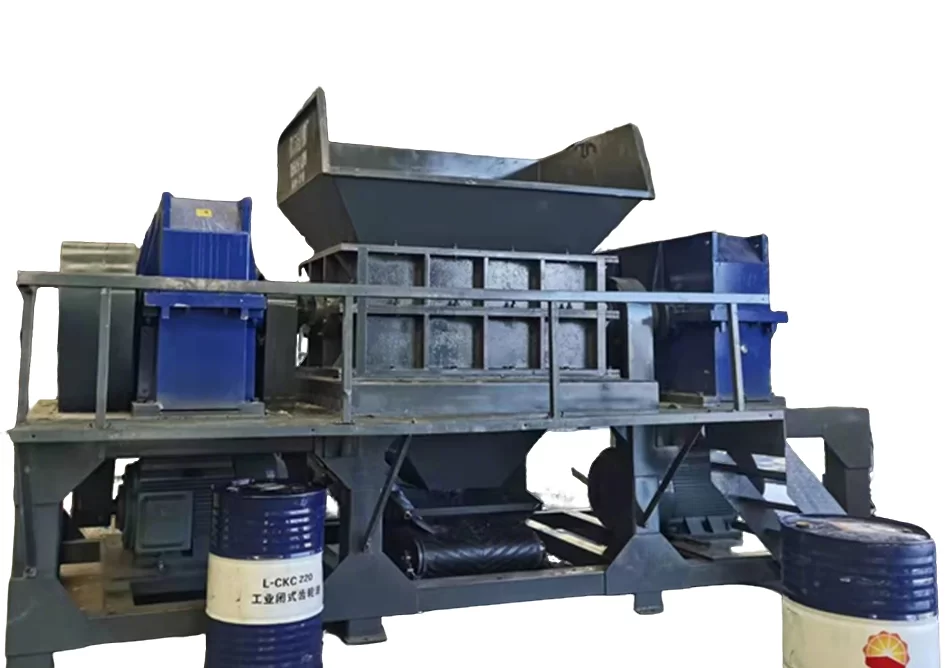
A shredder uses low-speed, high-torque cutter shafts to grip, bend, tear and shear the material.
It is normally considered when the feed includes:
Long aluminum profiles
Bulky window or door frames
Bundled profile scrap
Irregular sections that do not enter a crusher steadily
Profiles that require coarse size reduction before inspection
Material that needs controlled primary feeding into a secondary machine
The shredder reduces the maximum dimensions but does not normally produce a precise final particle size.
Its discharge is usually coarse and irregular. The main purpose is to improve handling and prepare the profiles for the next process.
When an Aluminum Profile Crushing Plant Is Suitable
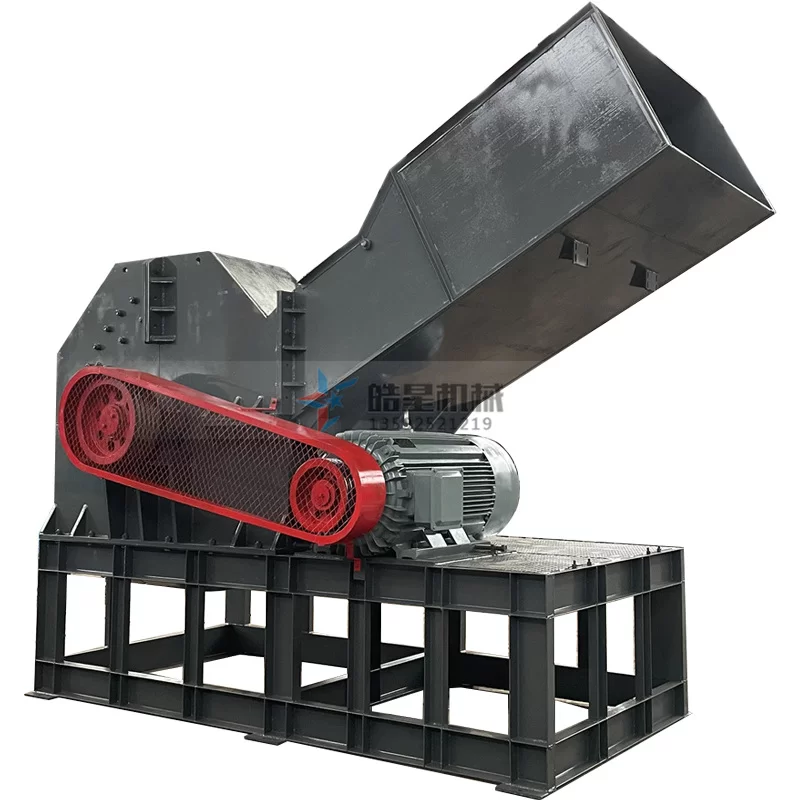
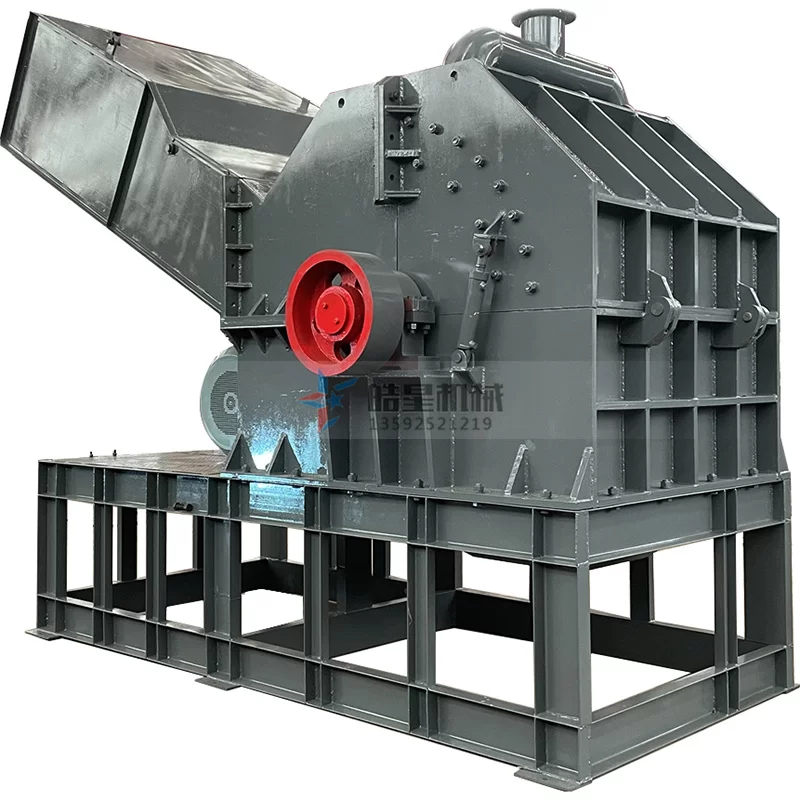
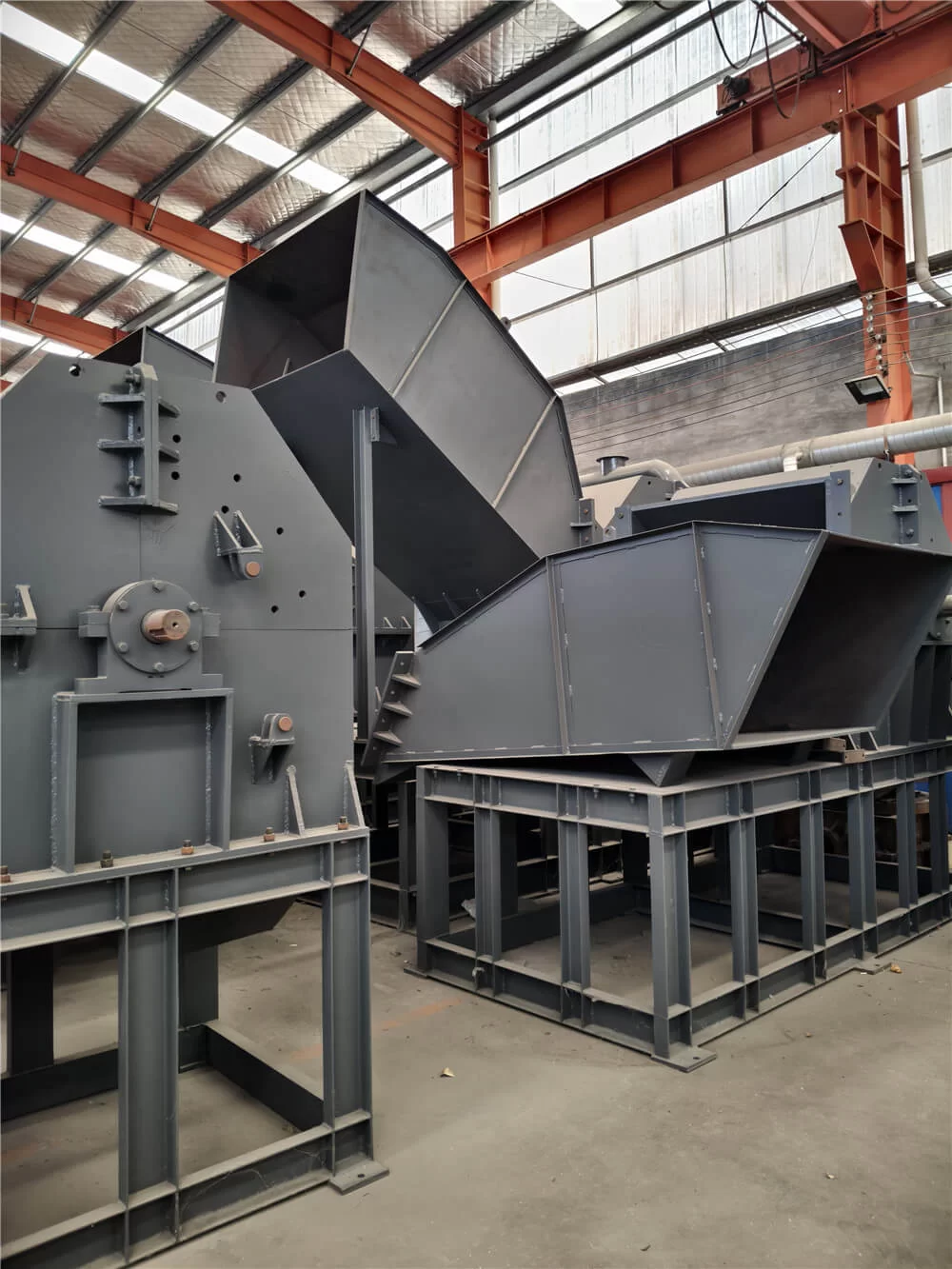
An aluminum profile crusher uses a high-speed rotor and hammers to strike, fold and break prepared material. A bottom screen controls when material can leave the crushing chamber.
A crushing plant is more suitable when:
Profiles have already been cut or pre-shredded
The feed fits the crusher inlet
A smaller discharge size is required
Iron attachments need to be liberated
Bulk density needs to be increased
The material will enter magnetic or other downstream separation
The crusher is not a substitute for preparing excessively long profiles. Long pieces can create unstable feeding and place unnecessary impact load on the inlet and rotor.
Do Long Profiles Need Pre-Shredding?
Not every long profile requires a twin shaft shredder, but the maximum feed length must match the selected feeding system and crusher inlet.
Short production offcuts can sometimes enter a hammer crusher directly. Long extrusion sections and complete frames may require:
Guillotine cutting
Manual dismantling
Hydraulic shearing
Twin shaft shredding
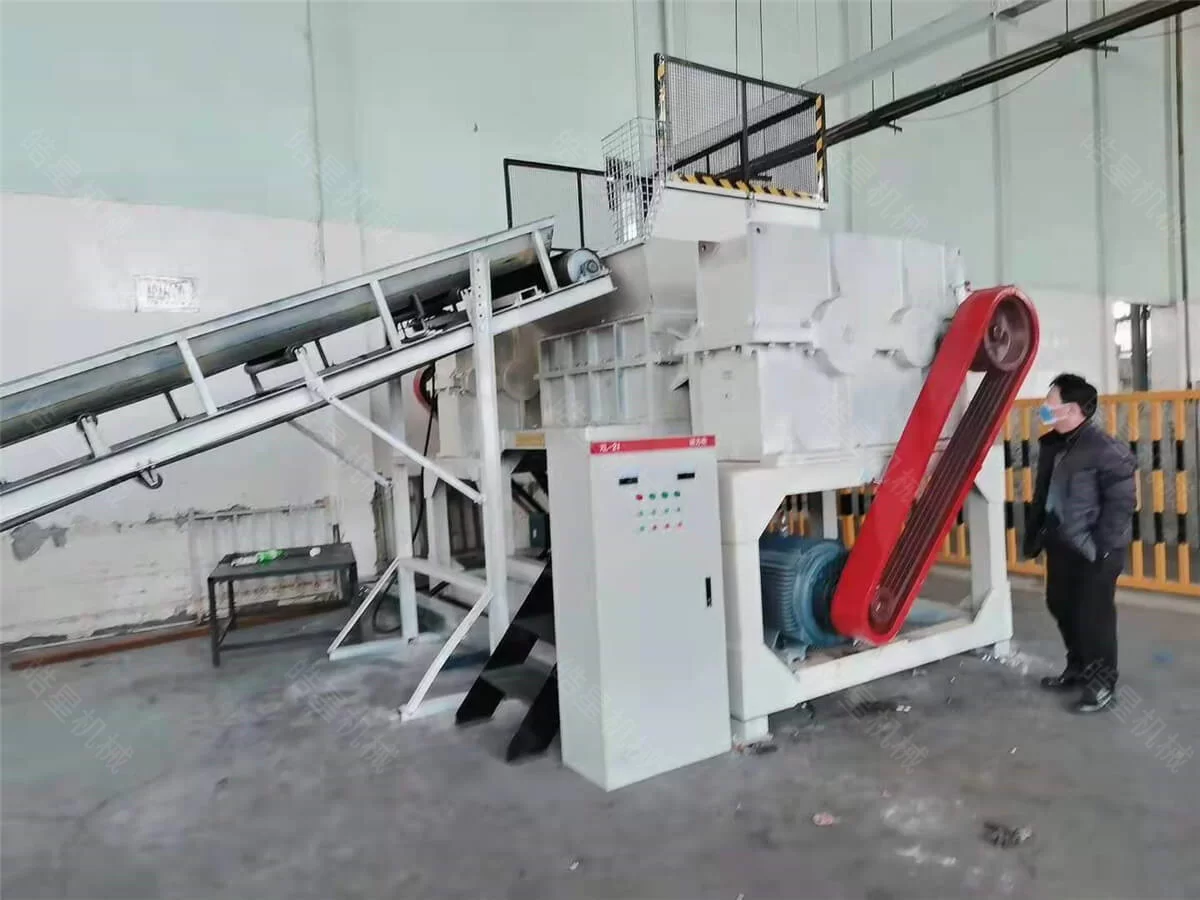
Controlled conveyor feeding
The decision should be based on actual feed length, profile strength and hourly feeding conditions.
If manual cutting becomes the main production bottleneck, adding a shredder may provide a more stable process.
Ordinary Aluminum Profiles and Thermal Break Profiles
Ordinary profiles and thermal break profiles should not be treated as identical feed materials.
A thermal break profile may contain:
Polyamide insulating strips
Rubber seals
Steel screws
Locks and hinges
Plastic corner pieces
Surface coatings
The recycling objective is often not only size reduction. The process may also need to expose attached steel parts and separate part of the plastic fraction.
A crusher can improve liberation after the material has been prepared to a suitable feeding size. Magnetic separation can remove liberated iron and steel, but it cannot remove plastic insulating strips.
Additional screening, air separation or manual sorting may be required depending on the desired product.
Shredder and Crusher Perform Different Jobs
The simplest distinction is:
Shredder
Low speed and high torque
Coarse primary size reduction
Suitable for long and bulky feed
No precise screen-controlled output
Used mainly for preparation and stable feeding
Crusher
High-speed hammer impact
Secondary or direct crushing of prepared profiles
Uses a screen to control discharge
Produces smaller pieces
Improves liberation of attached materials
A production line may use either machine or both.
Option 1: Direct Aluminum Profile Crushing
A direct crushing process can be arranged as:
Prepared aluminum profiles → Controlled conveyor → Hammer crusher → Magnetic separation → Screening → Product collection
This configuration is suitable when the profiles:
Already fit the crusher inlet
Have a relatively consistent shape
Do not contain long flexible strips
Can be fed at a controlled rate
Require smaller screen-controlled output
It has fewer main machines but places higher requirements on feed preparation.
Option 2: Shredding Before Crushing
A two-stage process can be arranged as:
Long or bulky profiles → Twin shaft shredder → Transfer conveyor → Hammer crusher → Magnetic separation → Screening → Product collection
The shredder first reduces the profile length and opens bundled or assembled material. The crusher then produces smaller pieces and improves liberation.
This arrangement is more suitable for variable feed sizes, but it requires more installation space, electrical power and maintenance.
The additional machine should only be included when the feed condition makes the first stage necessary.
Magnetic Separation
Steel screws, locks and reinforcing pieces should be separated after they have been released from the aluminum.
A magnetic separator is commonly installed after the crusher because hammer impact can expose attached iron parts. Installing a magnet before sufficient liberation may remove loose steel but leave attached components in the aluminum product.
The magnet type and installation position depend on:
Maximum particle size
Material layer thickness
Conveyor speed
Iron content
Required aluminum cleanliness
Is an Eddy Current Separator Always Required?
An eddy current separator is useful when conductive non-ferrous metal must be separated from plastic, rubber, glass or other non-conductive residue.
It is not automatically required for clean aluminum production offcuts.
If the feed is already clean aluminum with only removable steel attachments, magnetic separation and screening may be sufficient. Adding an eddy current separator in this case may increase cost without creating a meaningful additional product.
For mixed demolition profiles, the material composition should be tested before the separation equipment is finalized.
Information Needed Before Selecting the Process
Provide the following information:
Maximum and typical profile length
Profile cross-section and wall thickness
Loose, bundled or assembled condition
Percentage of thermal break profiles
Steel attachments and maximum iron size
Plastic, rubber and glass content
Required hourly capacity
Required output size
Available installation area
Required final aluminum product
A sample test can confirm whether the profiles feed directly into a crusher or require primary shredding.
Conclusion
Choose an aluminum profile shredding plant when the feed is long, bulky, bundled or difficult to control. Choose an aluminum profile crushing plant when the material has already been prepared and the process requires smaller, screen-controlled output.
Some projects need both stages, but adding a shredder without a clear feed requirement increases investment and power consumption. The process should be selected from the actual profile dimensions, attachments and required final product.