Project Overview
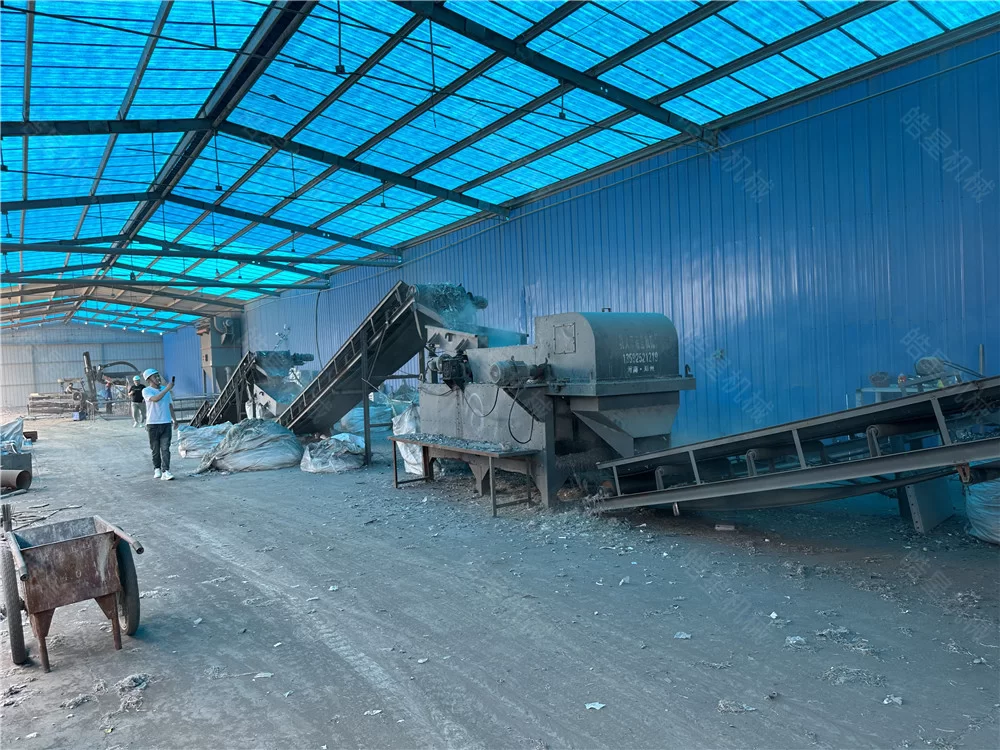
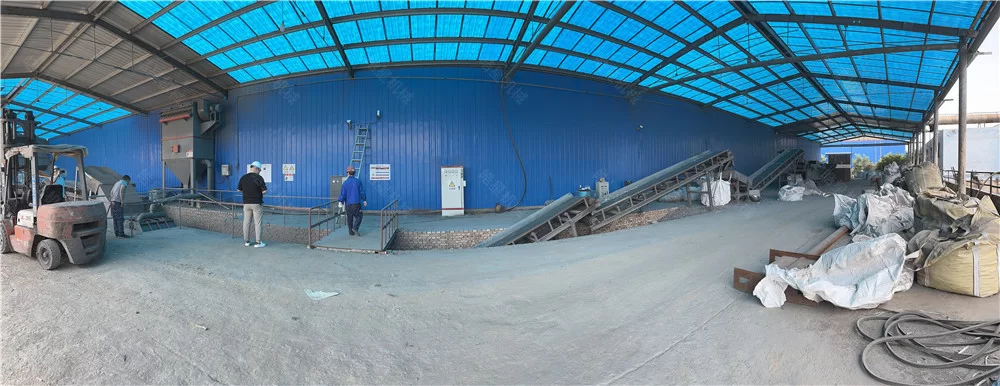
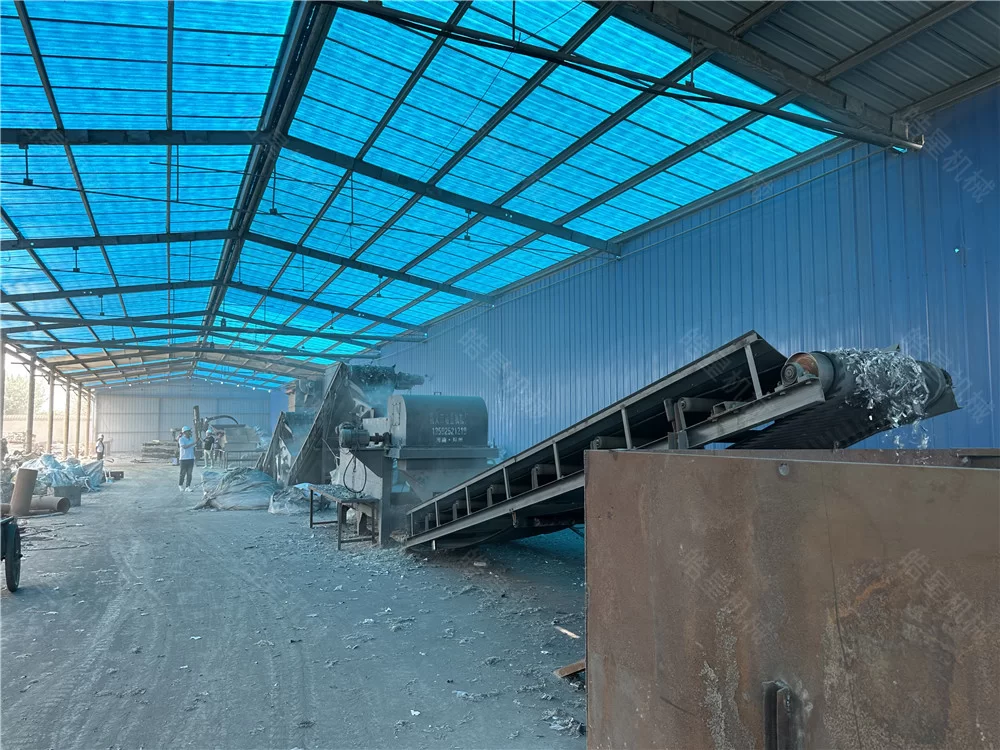
Customer working-site photos show a scrap aluminum crusher, twin shaft shredder, magnetic separator and eddy current separator processing mixed aluminum scrap and aluminum profiles.
The latest customer working-site photos show a complete material preparation and sorting process for mixed scrap aluminum, waste aluminum profiles and other suitable aluminum materials. The equipment operating at the site includes a twin shaft shredder, scrap aluminum crusher, magnetic separator and eddy current separator. Each machine performs a different task, and the line arrangement follows the condition of the incoming material rather than treating every type of aluminum scrap in the same way.
Incoming Scrap Aluminum and Aluminum Profiles
The material handled at the site includes mixed scrap aluminum, cut aluminum profiles, production offcuts, dismantled aluminum sections and other prepared aluminum waste. Before feeding, the operator checks the material dimensions, thickness, attached steel, rubber, plastic and other components. Sealed containers, batteries, pressure vessels, residual liquids and unknown hazardous materials must be removed and handled separately.
Long aluminum profiles and bulky mixed aluminum scrap can bridge at the inlet or enter a hammer crusher unevenly. Material that exceeds the crusher feeding limits is therefore reduced first. Correct preparation helps stabilize the downstream load and reduces sudden impact caused by oversized or bundled feed.
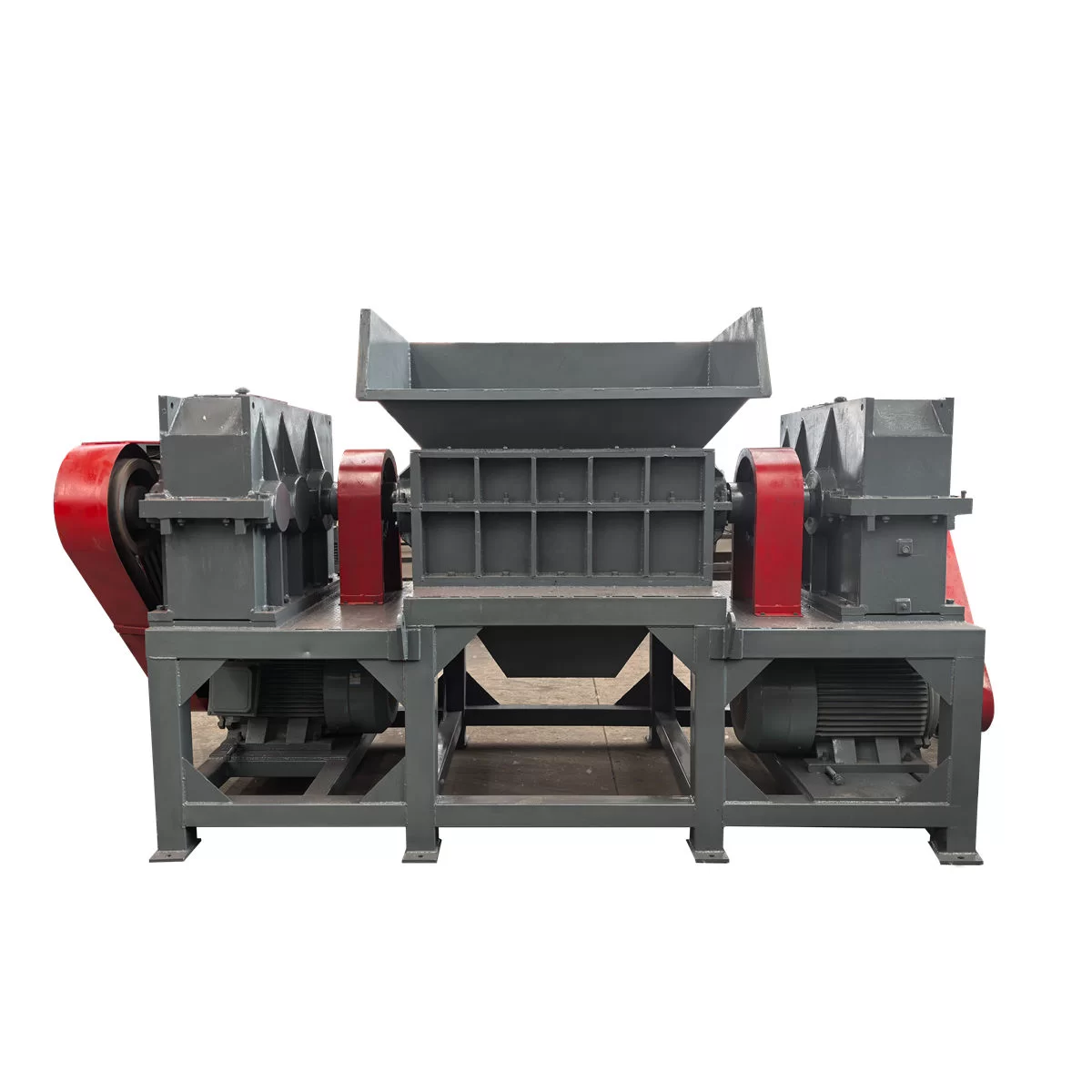
Twin Shaft Shredder for Coarse Pre-Treatment
The twin shaft shredder works at low speed and high torque. Its two cutter shafts grab, shear and tear long or bulky aluminum scrap into looser pieces for controlled conveying. This stage is used for coarse pre-treatment and volume reduction. It does not produce a small, screen-controlled final particle size.
At the customer site, the shredder helps open irregular aluminum profiles and mixed scrap before the material enters the next processing stage. Cutter configuration, feed opening and motor power must match the maximum dimensions, wall thickness and individual weight of the actual material.
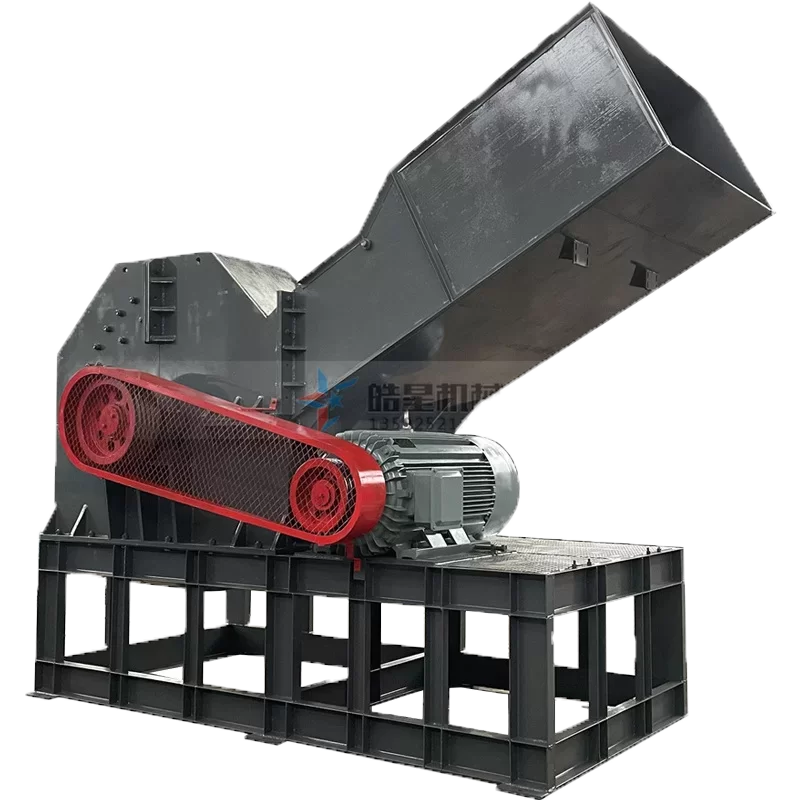
Scrap Aluminum Crusher for Further Size Reduction
Prepared material is transferred to the scrap aluminum crusher for high-speed hammer crushing. The rotor and hammers repeatedly impact and deform the aluminum, while the screen grate retains oversized pieces for continued processing. The selected screen opening helps control the discharge range required for conveying and subsequent sorting.
The scrap aluminum crusher and twin shaft shredder are not interchangeable. The shredder performs coarse tearing and opening, while the crusher performs higher-speed size reduction and material liberation. Some prepared aluminum scrap may enter the crusher directly, but long profiles, bundled sections and bulky pieces may require primary shredding first.
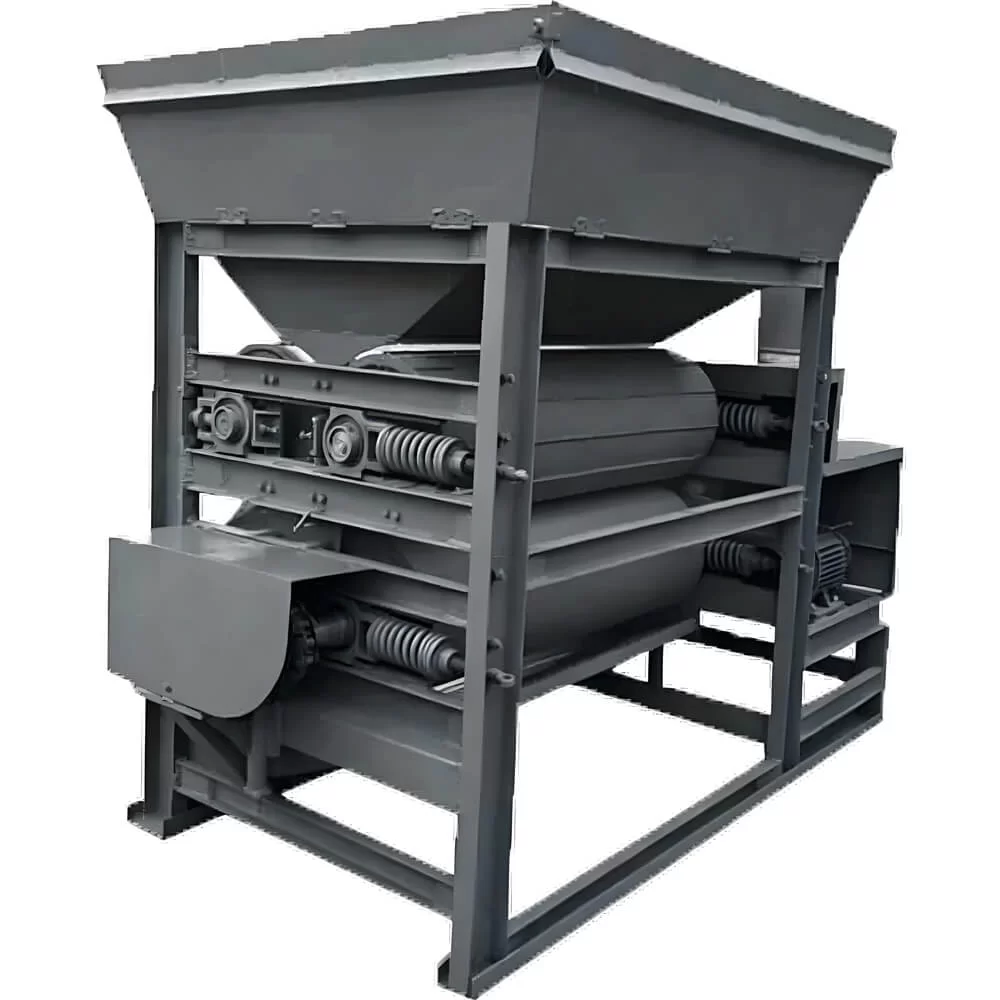
Magnetic Separation of Ferrous Attachments
After shredding and crushing expose embedded components, the material passes through a magnetic separator. It is used to remove suitable ferrous items such as screws, hinges, steel reinforcement, bolts and iron fragments from the aluminum-rich stream.
The magnetic separator only acts on ferromagnetic material. It does not separate aluminum from plastic, rubber or other non-magnetic residues, so stable conveying and a suitable material layer are important before the next sorting stage.
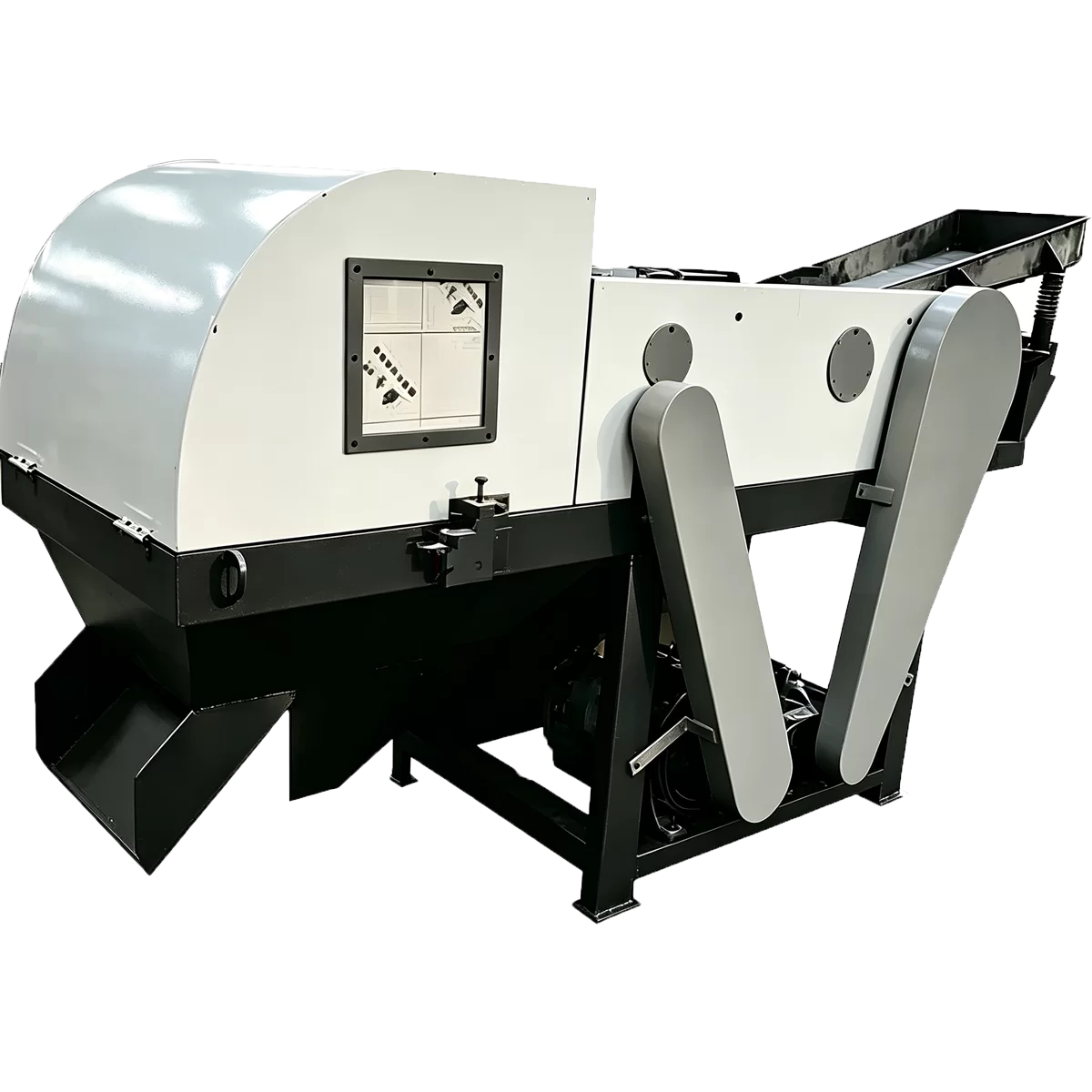
Eddy Current Separation of Non-Ferrous Metal
After ferrous metal removal, appropriately sized and evenly spread material enters the eddy current separator. The high-speed magnetic rotor produces a changing magnetic field that repels conductive non-ferrous metal, helping recover aluminum from suitable non-conductive residues.
Effective eddy current separation depends on particle size, material distribution, moisture, belt speed and the difference between the conductive metal and the remaining material. The equipment does not identify different aluminum alloy grades and should not be described as a universal separator for every mixed-metal stream.
Observed Working-Site Arrangement
The customer line uses connected conveying sections to maintain a controlled flow between shredding, crushing and sorting. Space is reserved around the main machines, motors, bearings, screens and electrical cabinets for inspection and maintenance. Discharge points are kept accessible so the recovered aluminum, ferrous fraction and non-metallic residue can be collected separately.
The site photos record actual equipment operation rather than a staged product display. They show how the processing route is organized around the customer’s scrap aluminum and aluminum profile feedstock. Actual capacity and recovery results depend on the material composition, feed dimensions, contamination, screen opening, operating adjustments and required product specification. Haoxing Machinery evaluates these conditions before confirming a line configuration for another project.