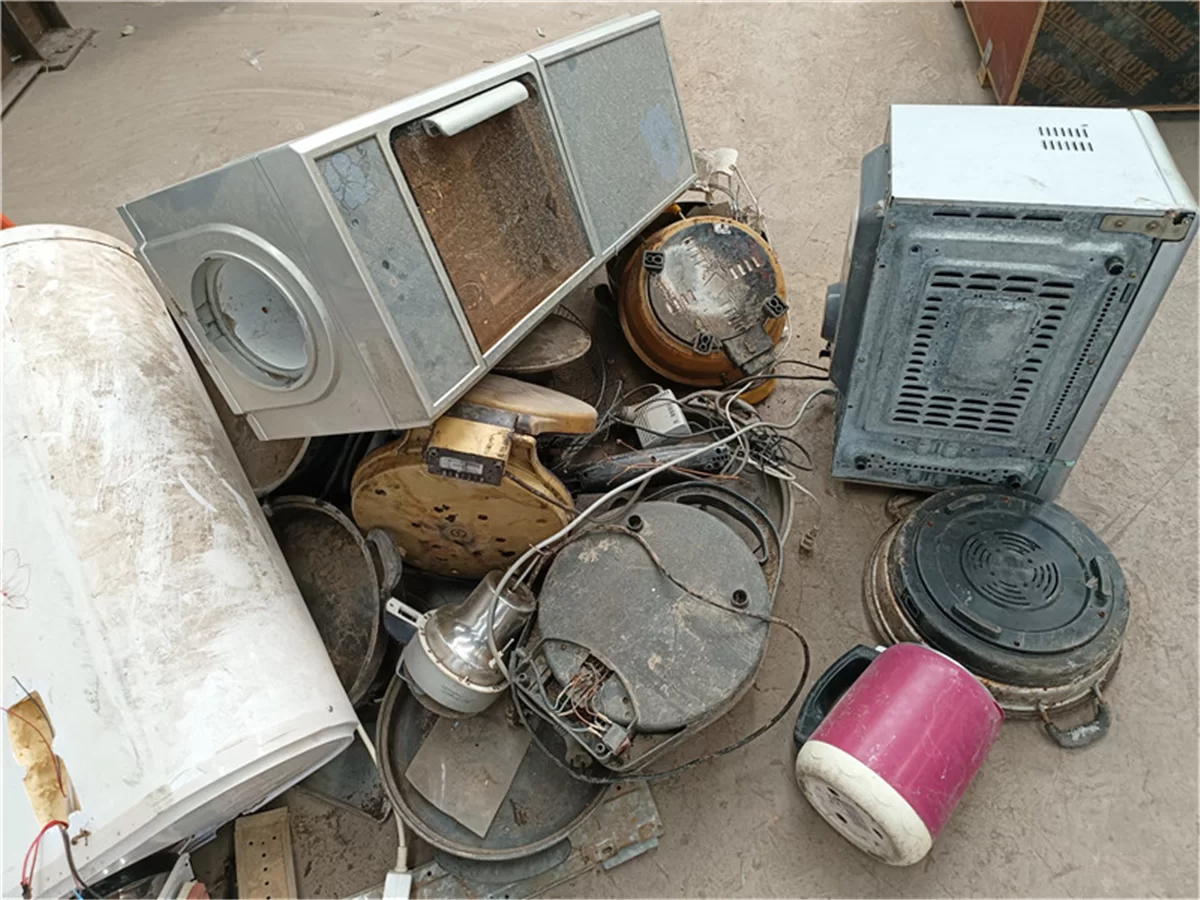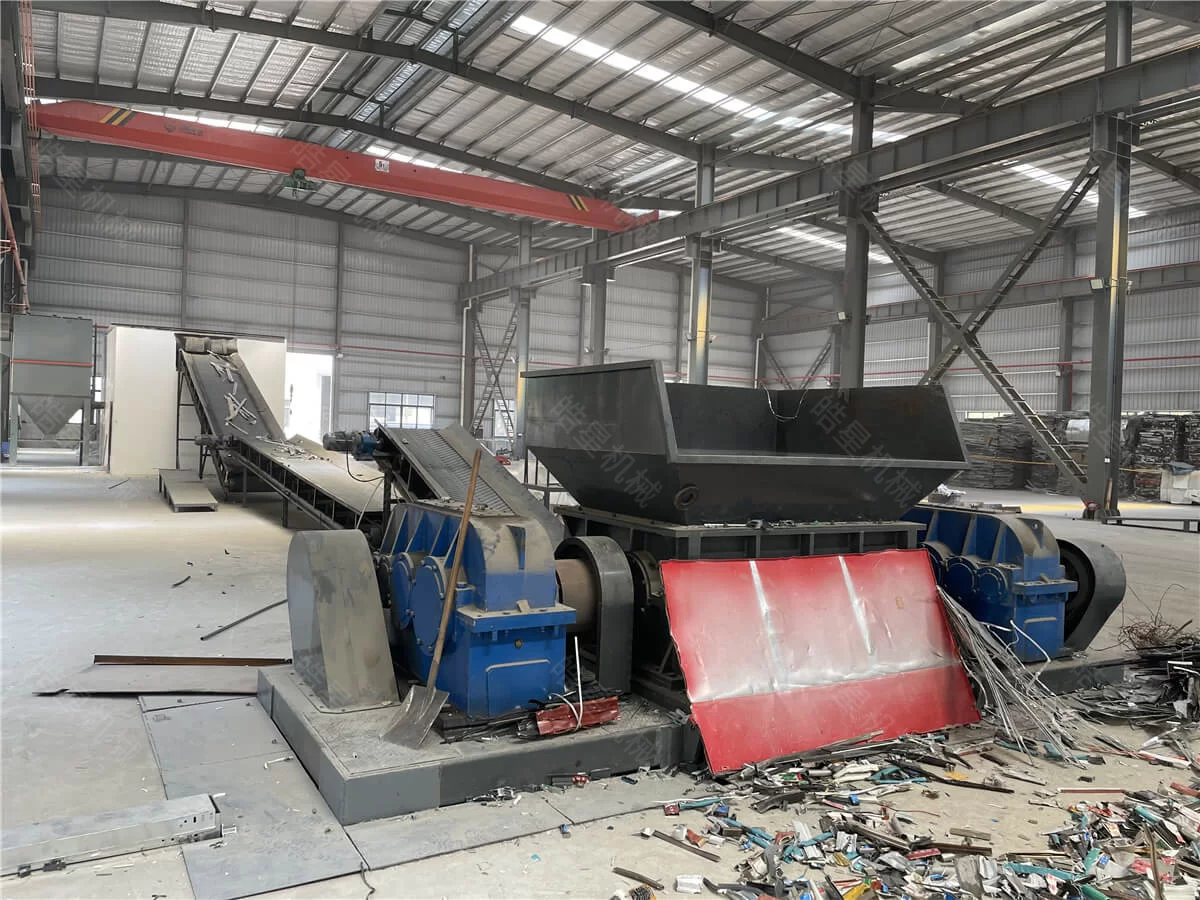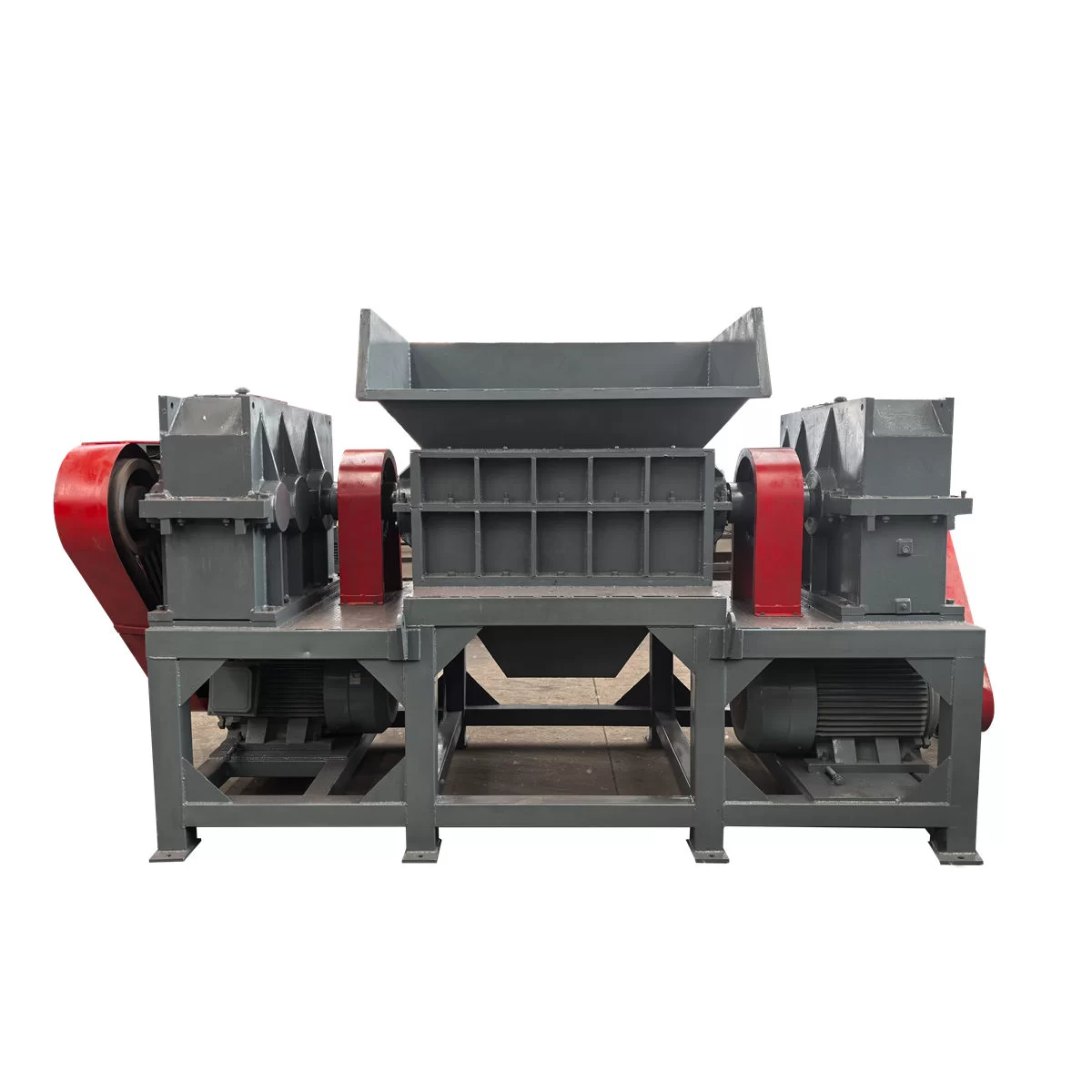
Appliance steel shells can be useful feed material for a scrap steel shredder, but complete household appliances should not be placed into a general metal shredder without dismantling and appropriate preparation.
A refrigerator shell, washing machine cabinet and air conditioner housing may look similar from the outside, but their internal components and preparation requirements are different.
Why Appliance Preparation Is Necessary
Household appliances may contain:
Refrigerants
Compressor oil
Electric motors
Capacitors
Batteries
Wiring
Glass
Plastic
Rubber
Foam
Concrete counterweights
Electronic control boards
Sealed components
Some materials reduce metal quality. Others can damage equipment, interfere with separation or require controlled handling before mechanical processing.
The shredder should receive prepared appliance shells, not unidentified complete appliances.
Refrigerator Preparation
A refrigerator can contain refrigerant, compressor oil, insulation foam, tubing, wiring, glass and electrical parts.
Before the steel shell is evaluated for shredding:
Recover refrigerant using an appropriate process
Remove the compressor and drain applicable oil
Remove shelves, glass and loose plastic components
Remove electrical controls and wiring where required
Evaluate insulation and foam content
Confirm that no sealed circuit remains pressurized
The remaining cabinet may still contain foam between steel panels. This can affect dust generation, discharge composition and downstream separation.
Washing Machine Preparation
Washing machines can contain motors, wiring, electronic controls, water pumps, plastic tubs, stainless steel drums and heavy counterweights.
Concrete counterweights are particularly important. They should be removed before the outer cabinet enters a metal shredder.
Preparation may include:
Removing the motor
Removing concrete or cast counterweights
Removing the inner drum where separately recovered
Removing electrical parts
Draining residual water
Removing glass doors when present
Separating large plastic components
After preparation, the remaining sheet steel shell is easier to feed and produces a more predictable output.
Air Conditioner Preparation
Complete air conditioners require refrigerant recovery and dismantling before size reduction.
Components that may need removal include:
Refrigerant
Compressor
Compressor oil
Copper-aluminum heat exchanger
Capacitors
Batteries in control units
Wiring
Electronic boards
Plastic housing parts
Fan assembly
Copper-aluminum radiators often have a different recycling value and processing route from the steel appliance shell. They are normally separated before the cabinet is shredded.
Batteries and Capacitors
Batteries must be removed from appliances before shredding.
Capacitors and other stored-energy components also require inspection and appropriate handling. These components should not be hidden inside a prepared appliance shell load.
The operator should not assume that every appliance received from a collection site has already been depolluted.
Glass and Counterweights
Glass panels and doors can break during processing and contaminate the metal fraction.
Concrete and other heavy counterweights add unnecessary load, increase wear and create large quantities of non-metallic residue. These components should be removed whenever practical before shredding.
When the Prepared Shell Can Be Shredded
A prepared appliance shell may be suitable when:
Hazardous fluids have been removed
Refrigerant circuits have been handled
Batteries and capacitors are removed
Large motors and compressors are removed
Glass and heavy counterweights are removed
Maximum dimensions fit the hopper
Remaining material thickness suits the cutter configuration
Plastic and foam content has been evaluated
The shell can then undergo coarse size reduction in a twin shaft shredder.
Shredder or Crusher?
Large and bulky prepared appliance shells are normally better suited to primary shredding.
The twin shaft shredder reduces the cabinets into shorter and looser pieces. If smaller output and improved liberation are required, the material may then enter a hammer crusher.
The shredder provides coarse size reduction. The crusher provides higher-speed impact and screen-controlled discharge.
Downstream Separation
After shredding or secondary crushing, suitable processes may include:
Magnetic separation
Manual inspection
Screening
Air separation
Non-ferrous recovery
Plastic and residue collection
The required process depends on how thoroughly the appliance was dismantled before shredding.
Information Required for Equipment Selection
Provide:
Appliance types
Whether appliances are complete or dismantled
Maximum cabinet dimensions
Approximate steel thickness
Remaining internal parts
Plastic and foam content
Required hourly capacity
Feeding method
Required downstream products
Photos should show both the outside of the material and the remaining internal components.
Conclusion
Appliance shells should only enter a metal shredder after refrigerants, oils, batteries, capacitors, glass, counterweights and other unsuitable components have been removed or separately evaluated.
Good preparation improves feeding stability, reduces contamination and makes the downstream metal recovery process easier to configure.