
There is no single feed size that works best for every eddy current separator application.
The suitable range depends on the material, separator design, magnetic rotor, belt speed and required balance between metal recovery and product purity. What matters most is not simply making the material smaller. The feed should be sufficiently liberated, reasonably consistent in size and evenly distributed across the belt.
Why Feed Size Matters
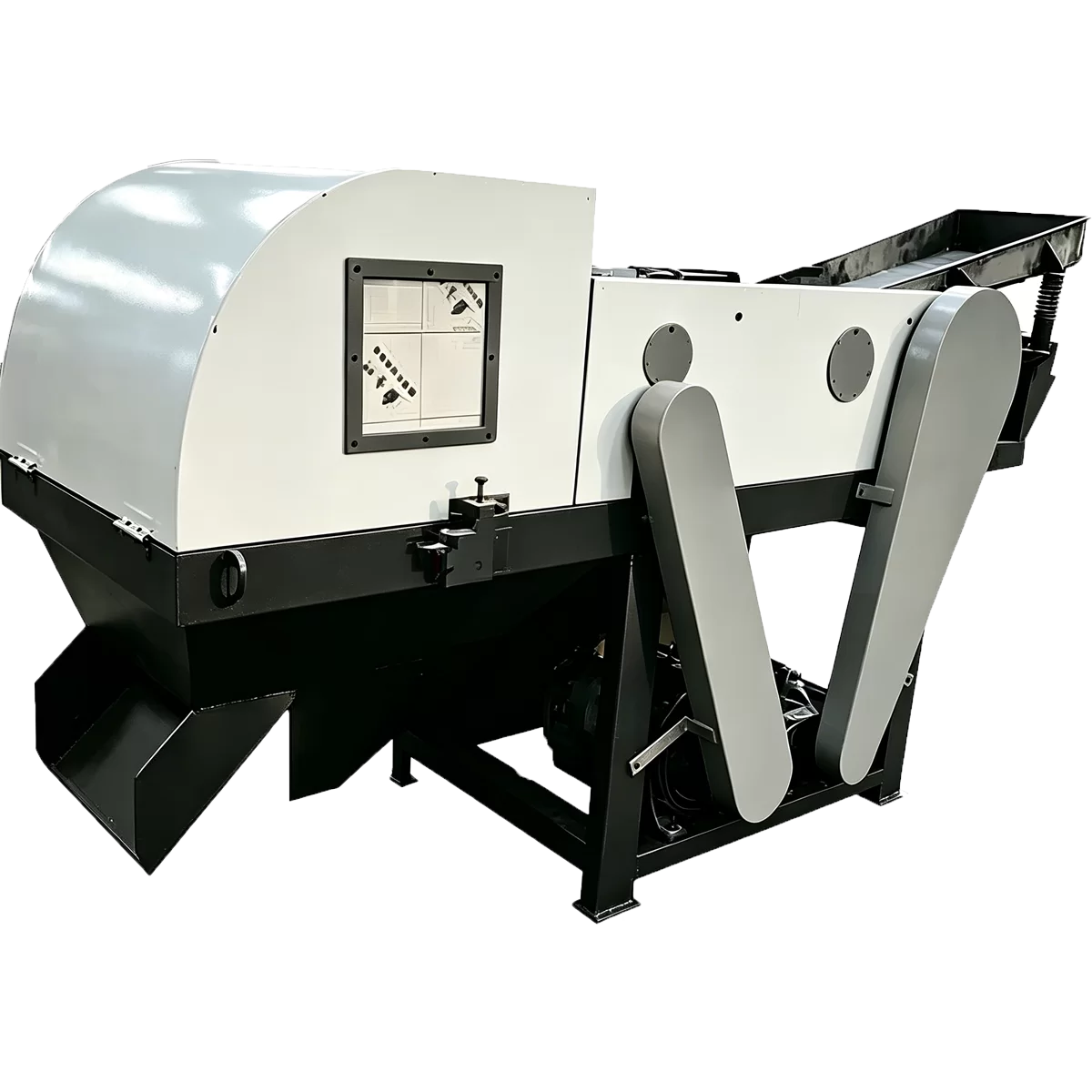
An eddy current separator generates a rapidly changing magnetic field. Conductive non-ferrous particles develop induced currents and are repelled away from the normal discharge path.
The resulting trajectory depends on:
Particle size
Particle shape
Conductivity
Density
Belt speed
Rotor design
Splitter position
Large and small particles react differently. If a feed contains a very wide size range, a single splitter setting may not provide a satisfactory result for every fraction.
Avoid an Excessively Wide Size Distribution
A mixture containing fine particles, medium pieces and large fragments can be difficult to separate consistently.
Large pieces follow a different trajectory from small flat particles. Fine material can also become trapped beneath larger pieces or move unpredictably with dust and moisture.
Screening the material into narrower size fractions before separation usually provides more stable feeding and makes splitter adjustment easier.
The required fractions should be determined from actual material tests rather than copied from another project.
Material Liberation Comes First
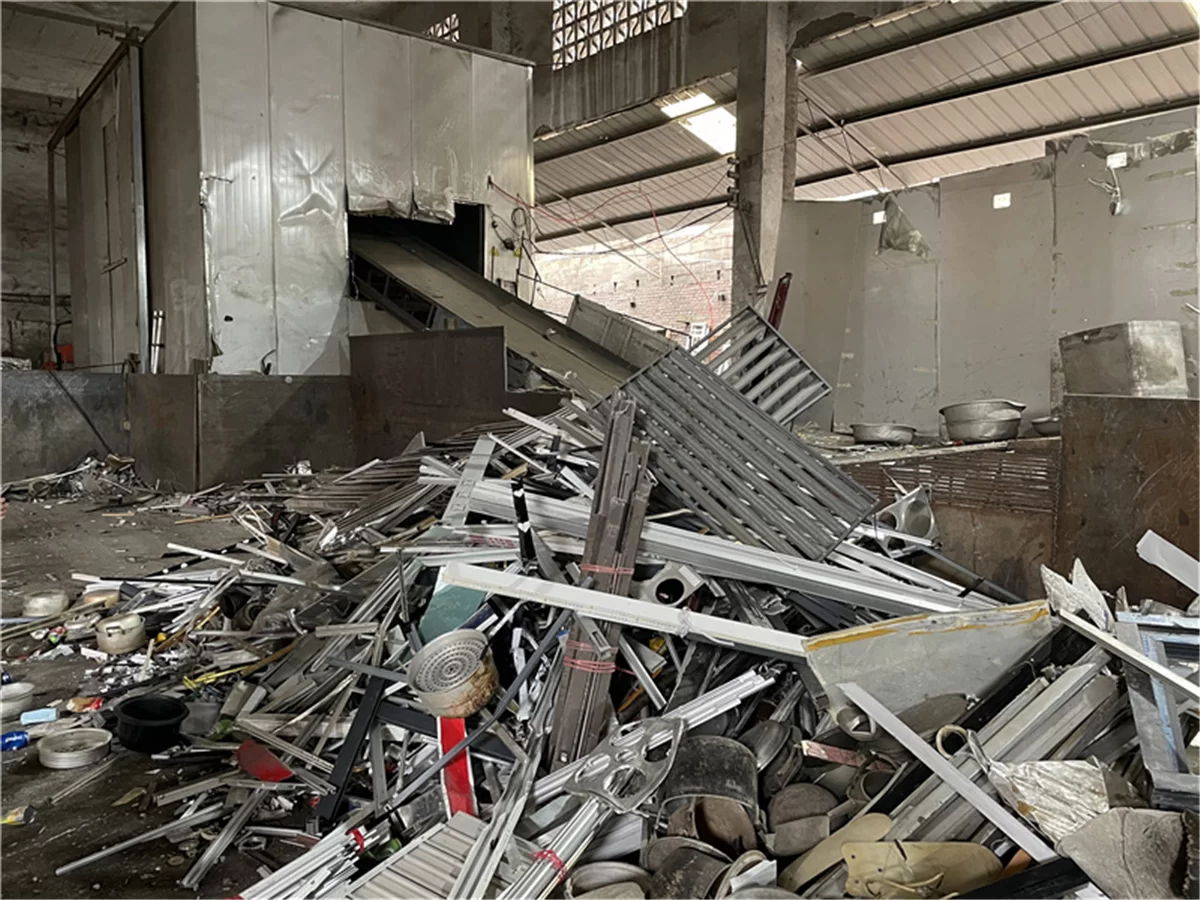
A suitable particle size is not useful if the metal remains physically attached to plastic, rubber, glass or steel.
Before eddy current separation, the material may require:
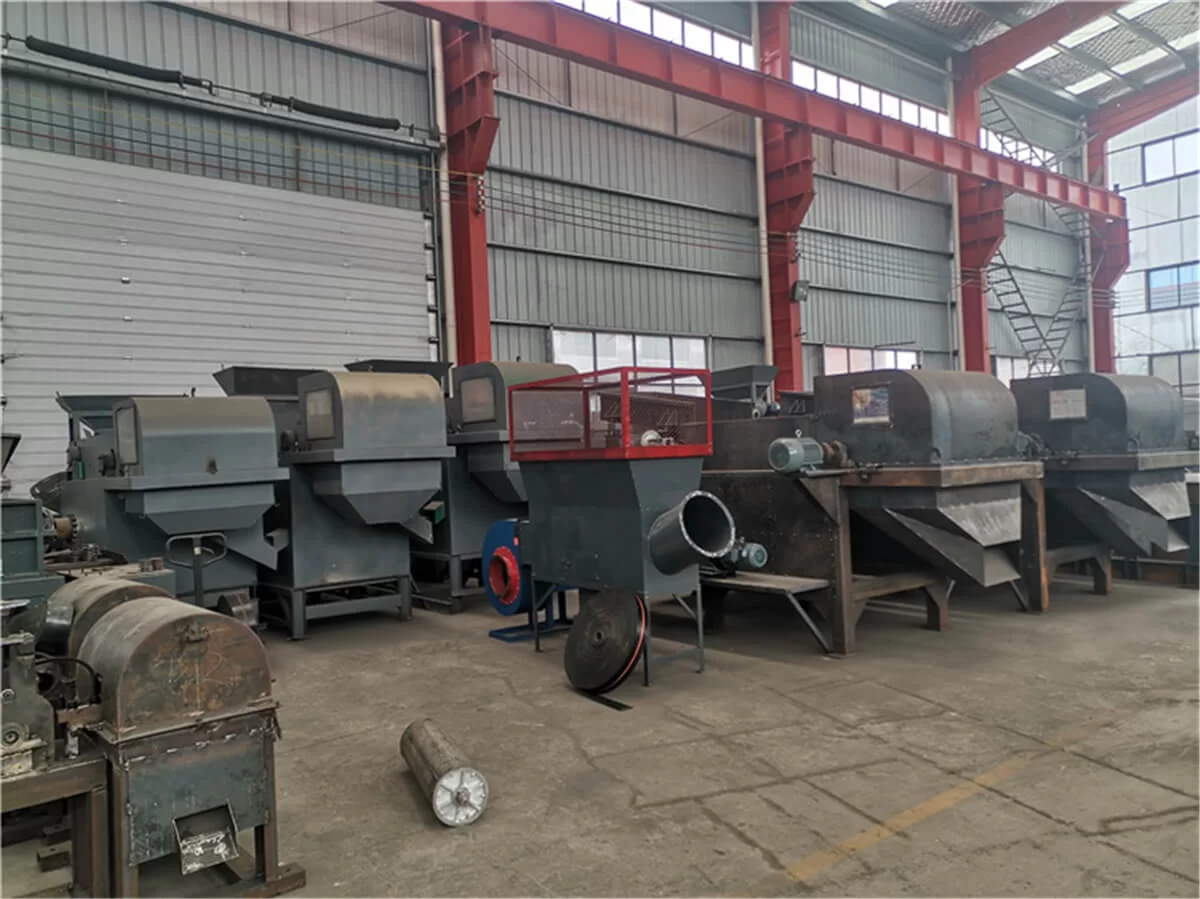
Shredding
Hammer crushing
Screening
Ferrous metal removal
Controlled spreading
The purpose of size reduction is not only to make particles smaller. It must also expose the conductive non-ferrous metal so that the separator can act on it independently.
Ferrous Metal Must Be Removed
Iron and steel should normally be removed before the material reaches the eddy current separator.
Excessive ferrous contamination can:
Affect separation stability
Damage downstream components
Interfere with the feed layer
Reduce the quality of recovered fractions
Increase wear and maintenance
A magnetic separator is commonly installed before the eddy current stage.
Feed Layer Thickness
Even distribution is often as important as particle size.
If the feed layer is too thick, particles overlap. A non-ferrous metal particle may remain trapped underneath plastic, rubber or other material and fail to follow the expected discharge path.
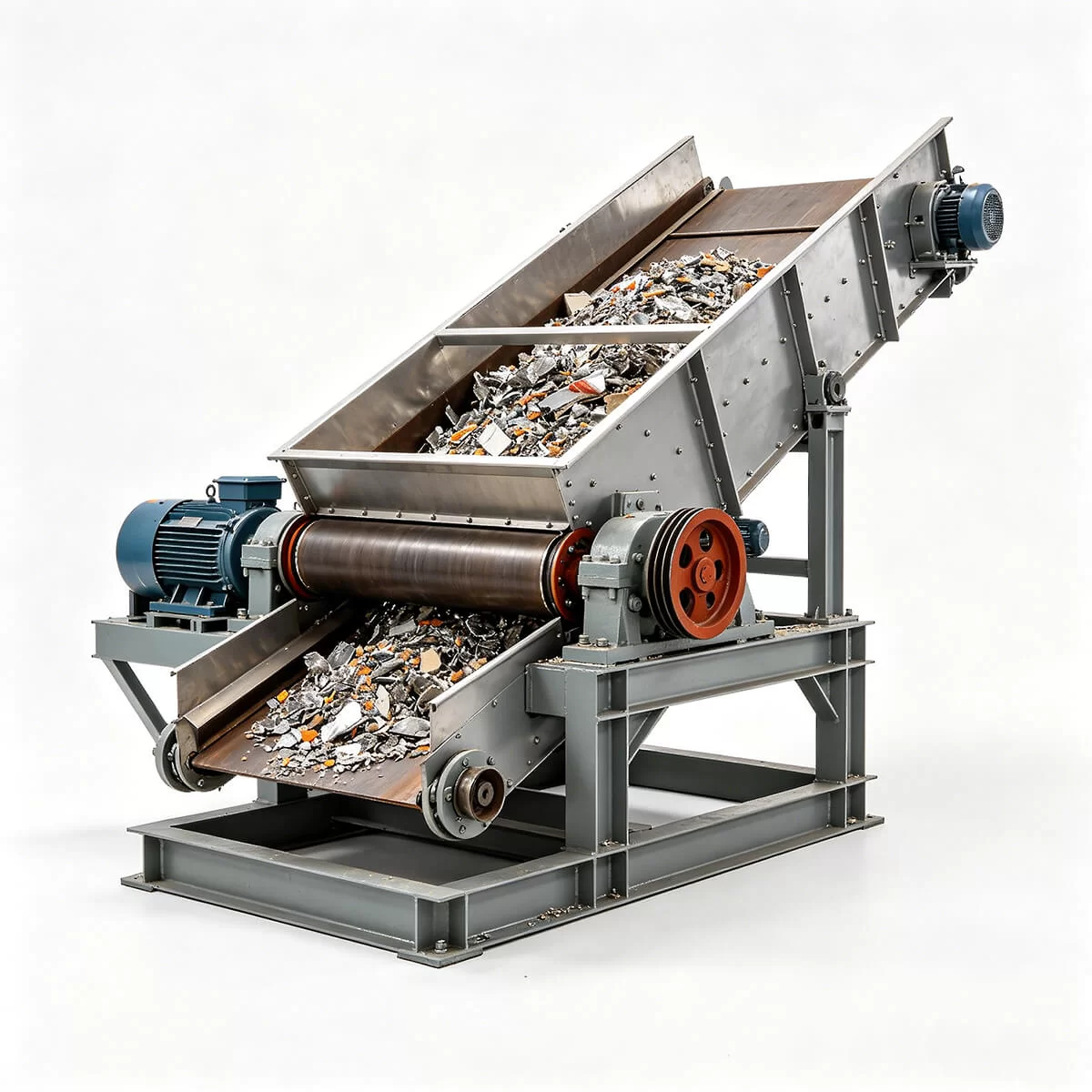
The feed should form a controlled layer across the working width of the belt. A vibrating feeder or suitable spreading conveyor may be used to improve distribution.
Increasing feed volume without maintaining a suitable layer can reduce recovery performance.
Effect of Moisture
Wet and sticky material can form clusters, adhere to the belt or prevent particles from moving independently.
Moisture may also cause fine particles to attach to larger pieces. This changes the apparent particle size and makes the splitter setting less effective.
Where possible, wet material should be drained, dried or otherwise prepared before separation. The acceptable moisture condition depends on the feed composition and separator design.
Belt Speed and Splitter Adjustment
Feed size cannot be evaluated separately from belt speed.
Higher belt speed changes the discharge trajectory and may increase the distance travelled by some particles. The splitter position must then be adjusted to divide the projected non-ferrous fraction from the normal material stream.
The best setting depends on whether the priority is:
Higher metal recovery
Higher product purity
Lower metal loss
Reduced non-metal carryover
One setting rarely maximizes every objective at the same time.
Materials Suitable for Eddy Current Separation
Typical prepared materials can include:
Shredded mixed scrap residues
Aluminum mixed with plastic
Non-ferrous metal in glass fractions
Prepared electronic waste fractions
Automotive shredder residues
Processed construction and demolition material
Aluminum-rich non-magnetic material
The feed must already have a suitable particle form and sufficient liberation.
What the Separator Cannot Do
An eddy current separator does not normally divide aluminum, copper, zinc and brass into individual high-purity products.
All these conductive metals can respond to the magnetic field. Additional density separation, sensor sorting, colour sorting, X-ray sorting or manual sorting may be required when separate metal grades are needed.
It also does not replace alloy identification.
Best Way to Confirm Feed Size
The most reliable method is a representative material test.
Provide:
Material photos
Minimum and maximum particle size
Particle-size distribution
Approximate metal content
Moisture condition
Required capacity
Target recovered product
Acceptable metal loss
Required purity
Tests can then compare recovery and purity at different belt speeds and splitter positions.
Conclusion
The best feed for an eddy current separator is liberated, screened, evenly spread and low in ferrous contamination.
Do not select a separator or promise a separation result from particle size alone. Material composition, moisture, layer thickness, rotor configuration and operating settings must be evaluated together.