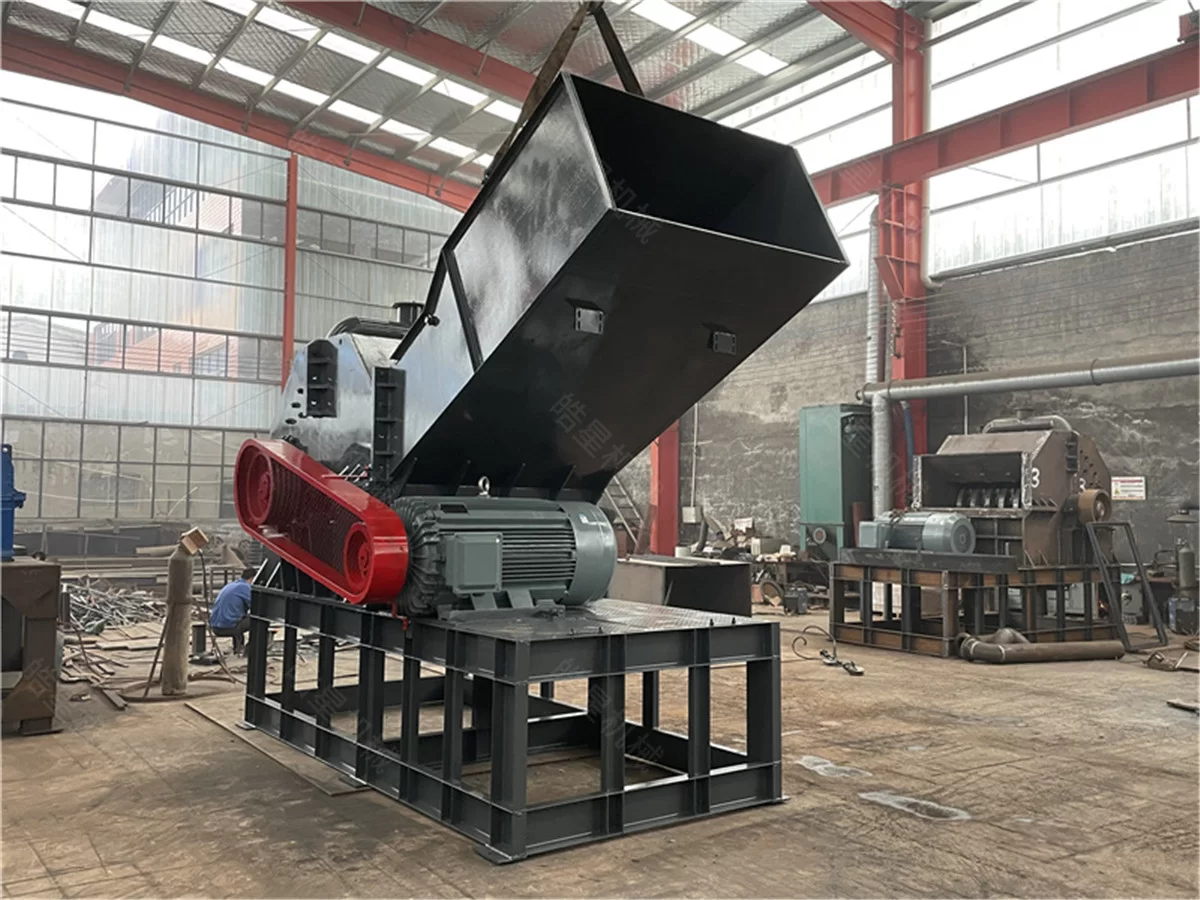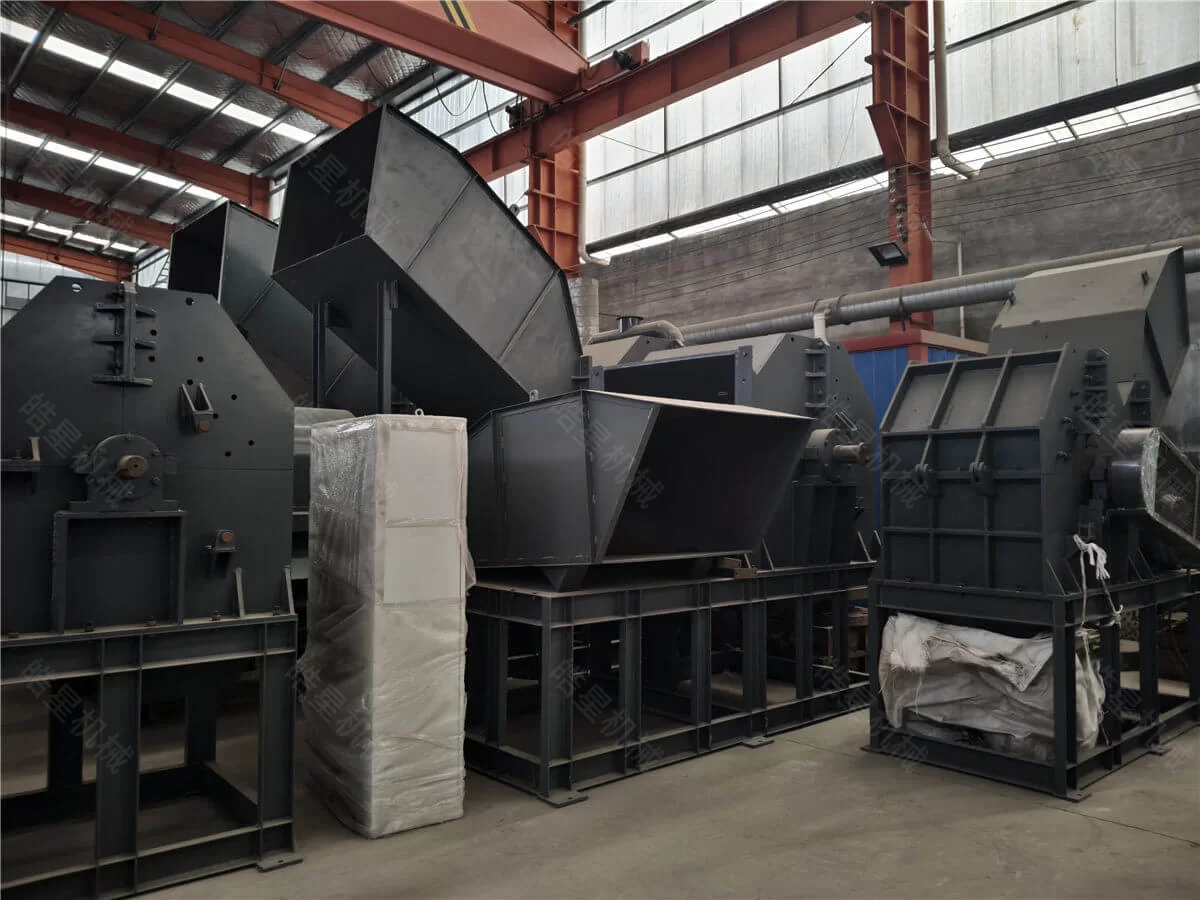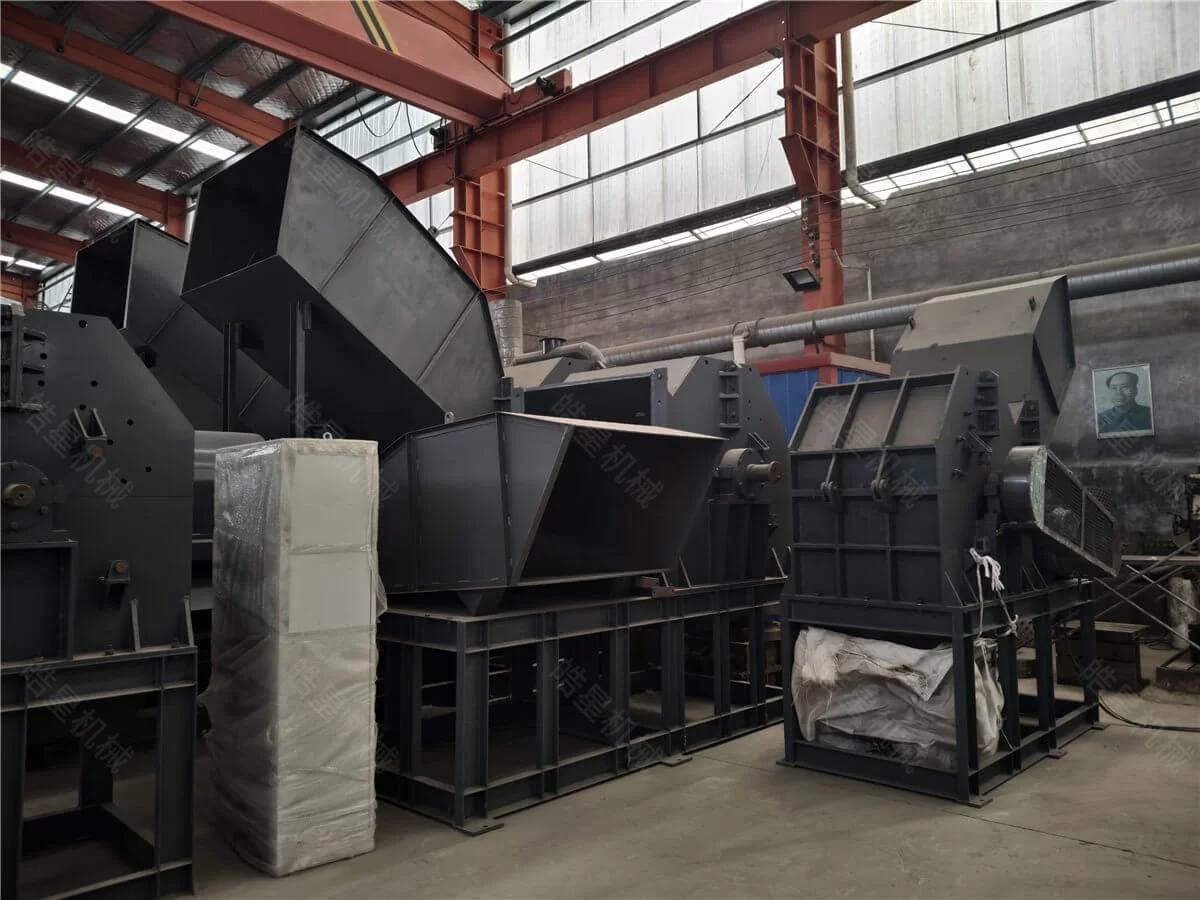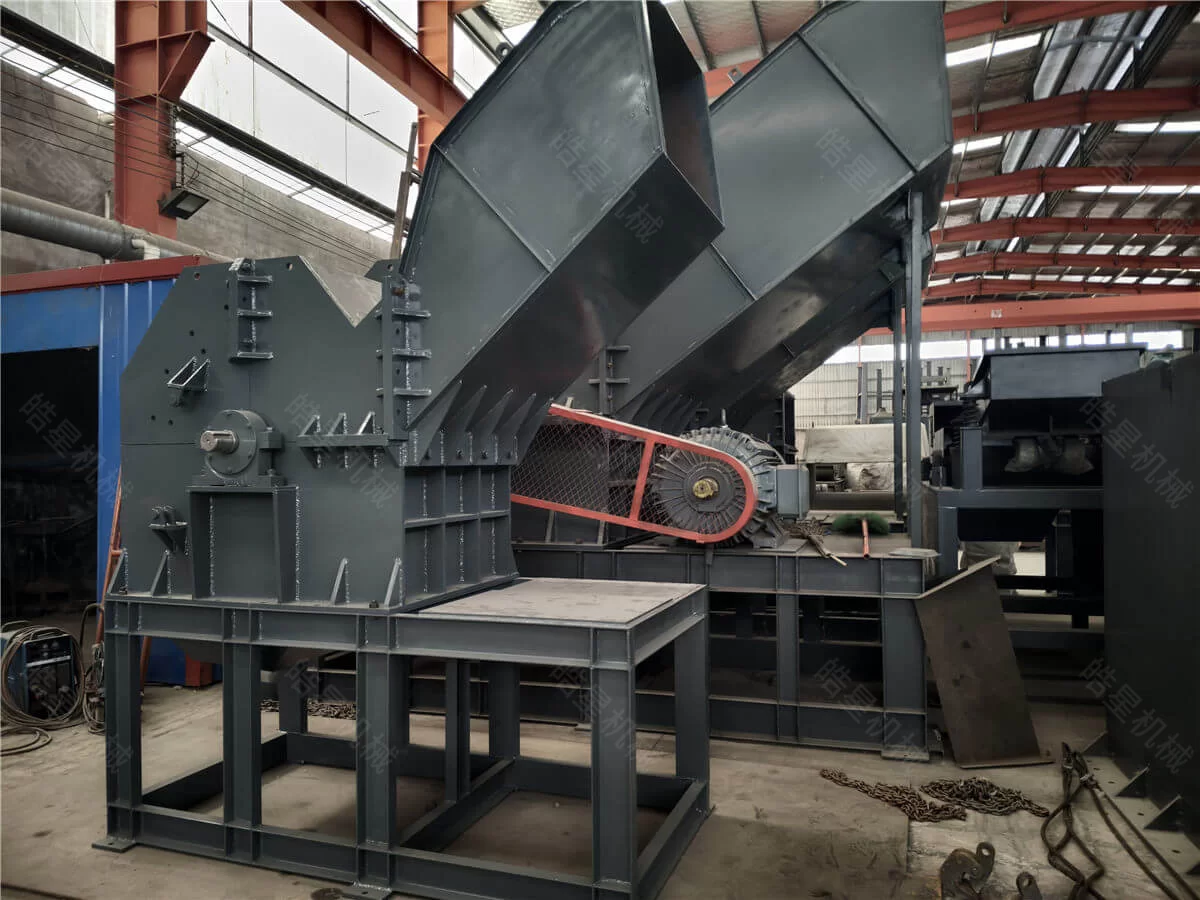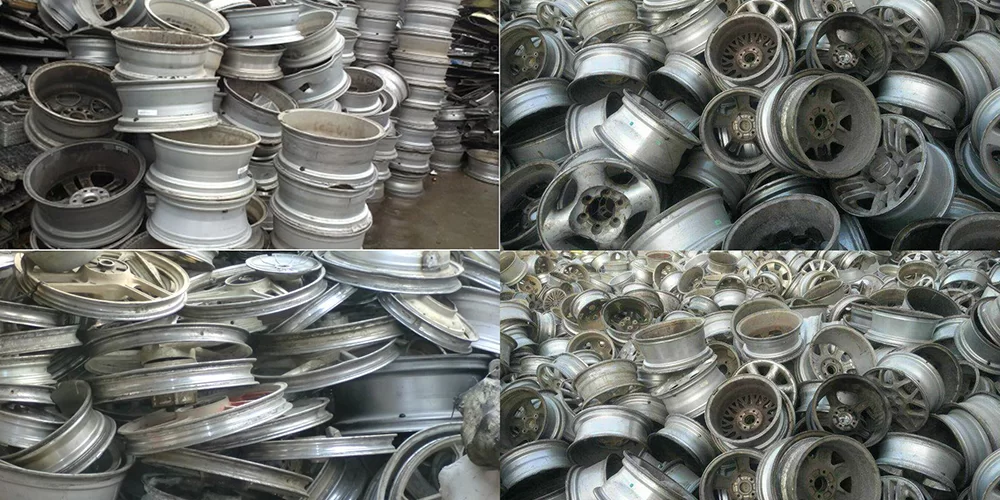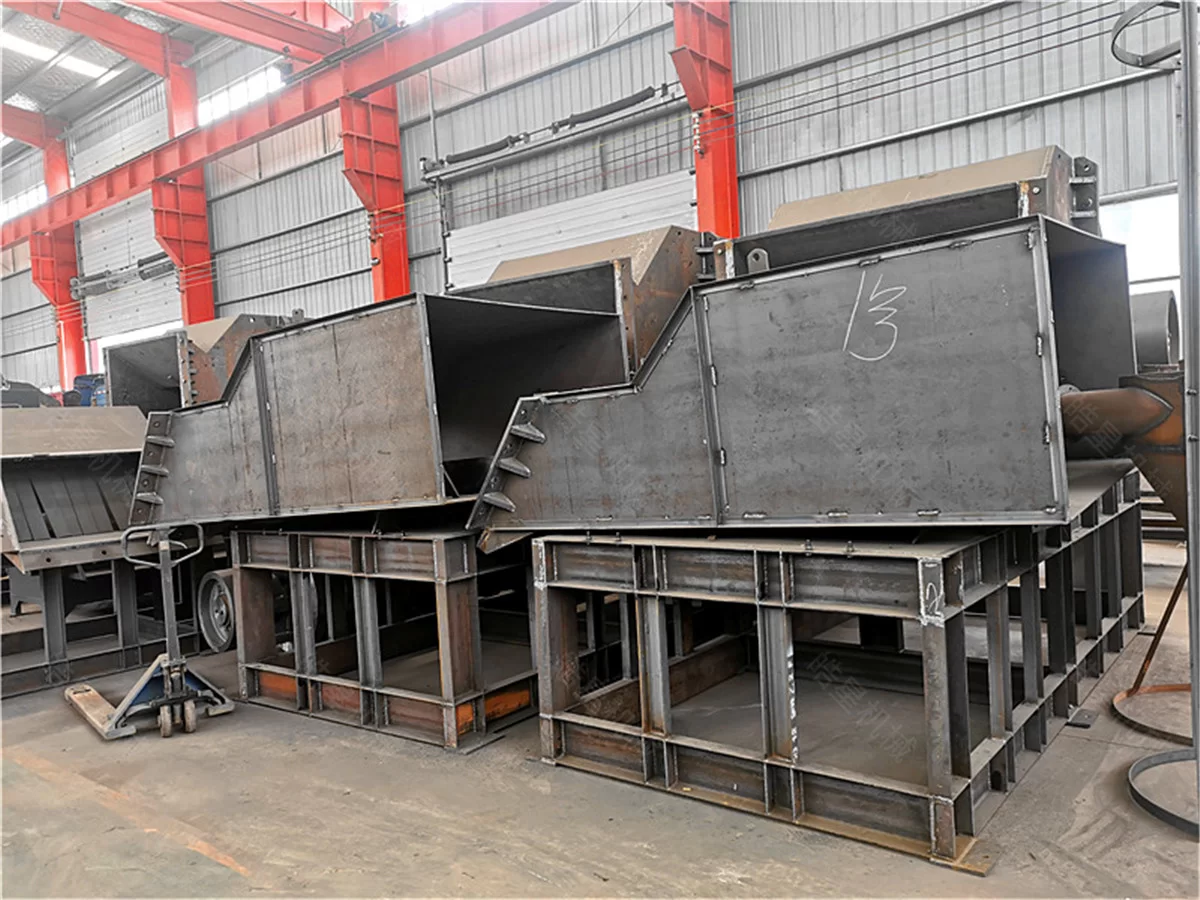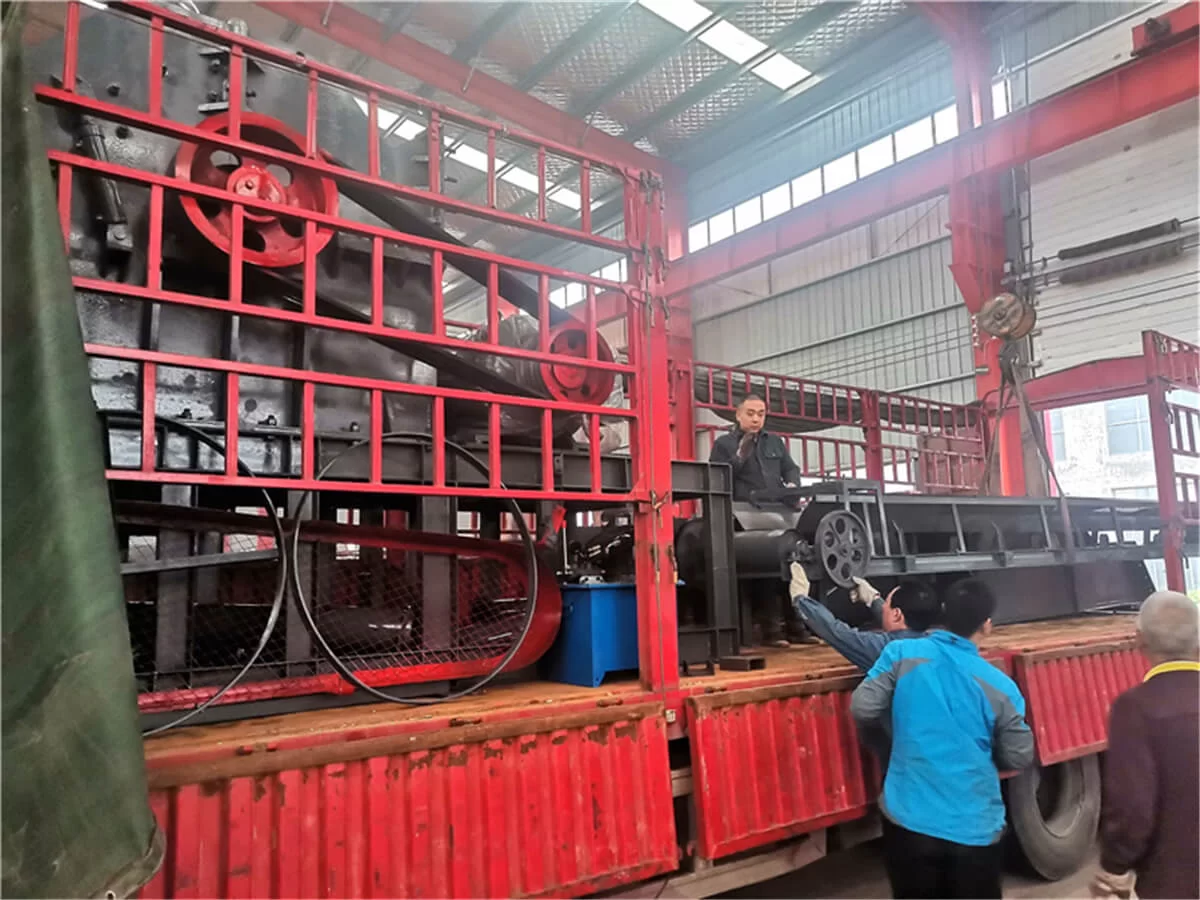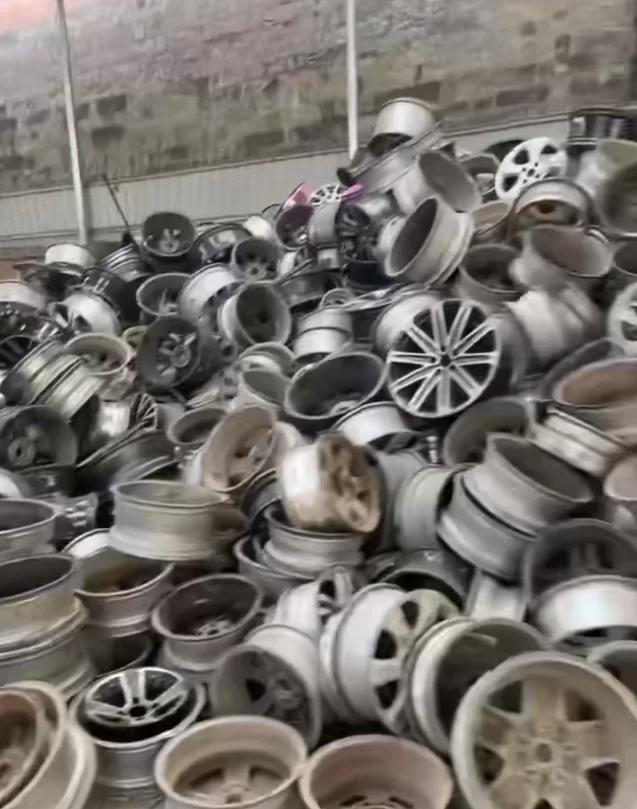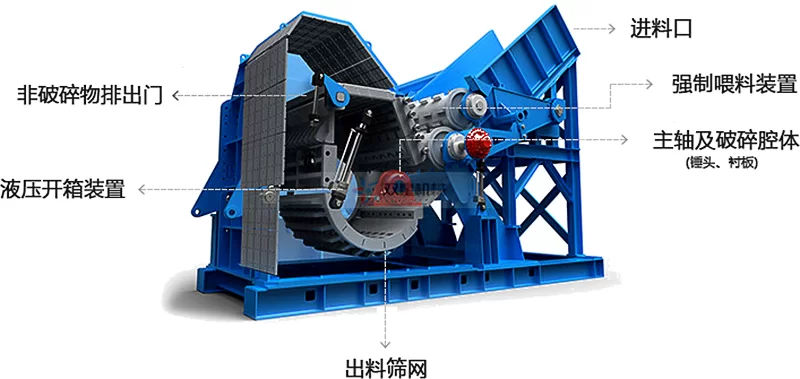
The wheel hub crusher is a high-speed hammer crushing machine used to process prepared aluminum alloy wheels, scrap wheel rims and other suitable cast aluminum wheel components.
Tires, valve assemblies, lead or steel balancing weights, wheel covers and other easily removable attachments should be removed before crushing. The wheel material should also be identified because aluminum alloy wheels, steel wheels and magnesium alloy wheels require different processing methods.
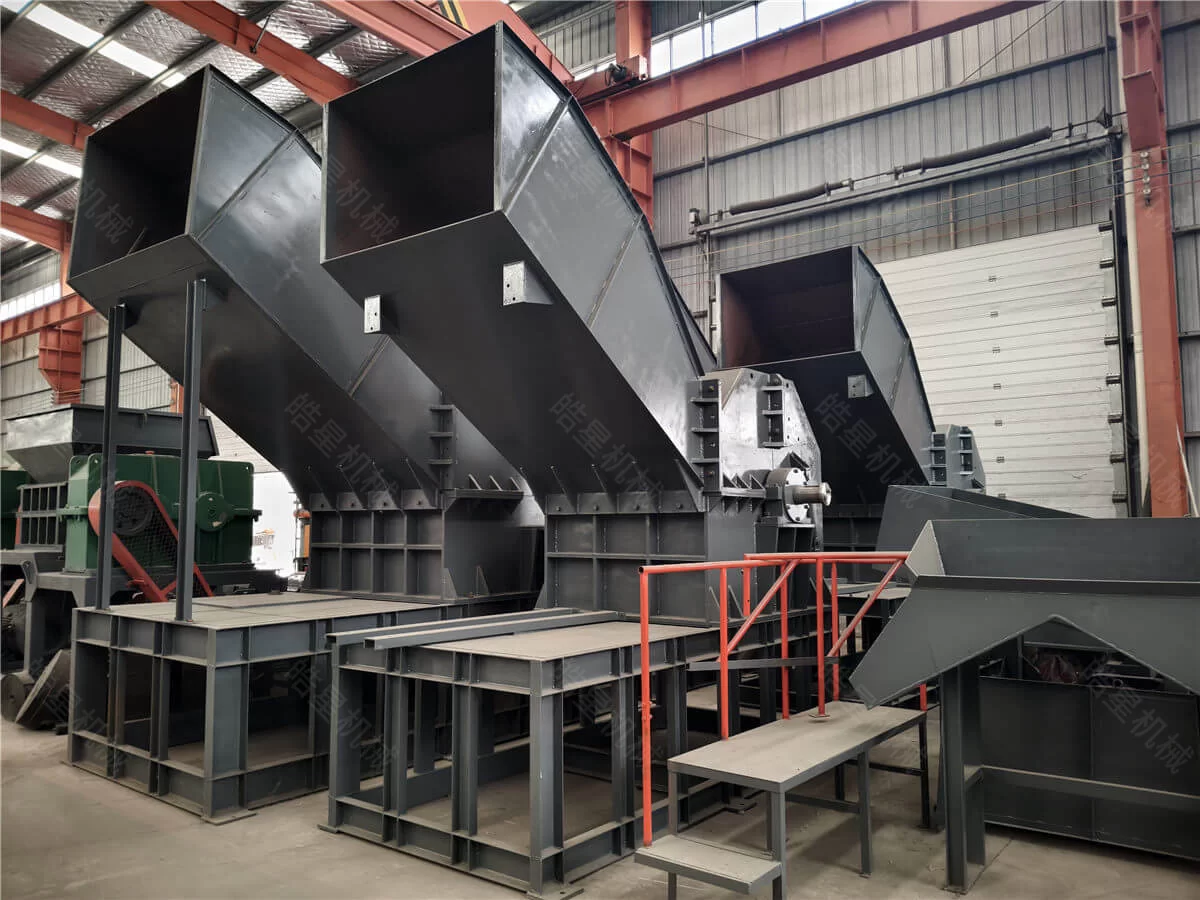
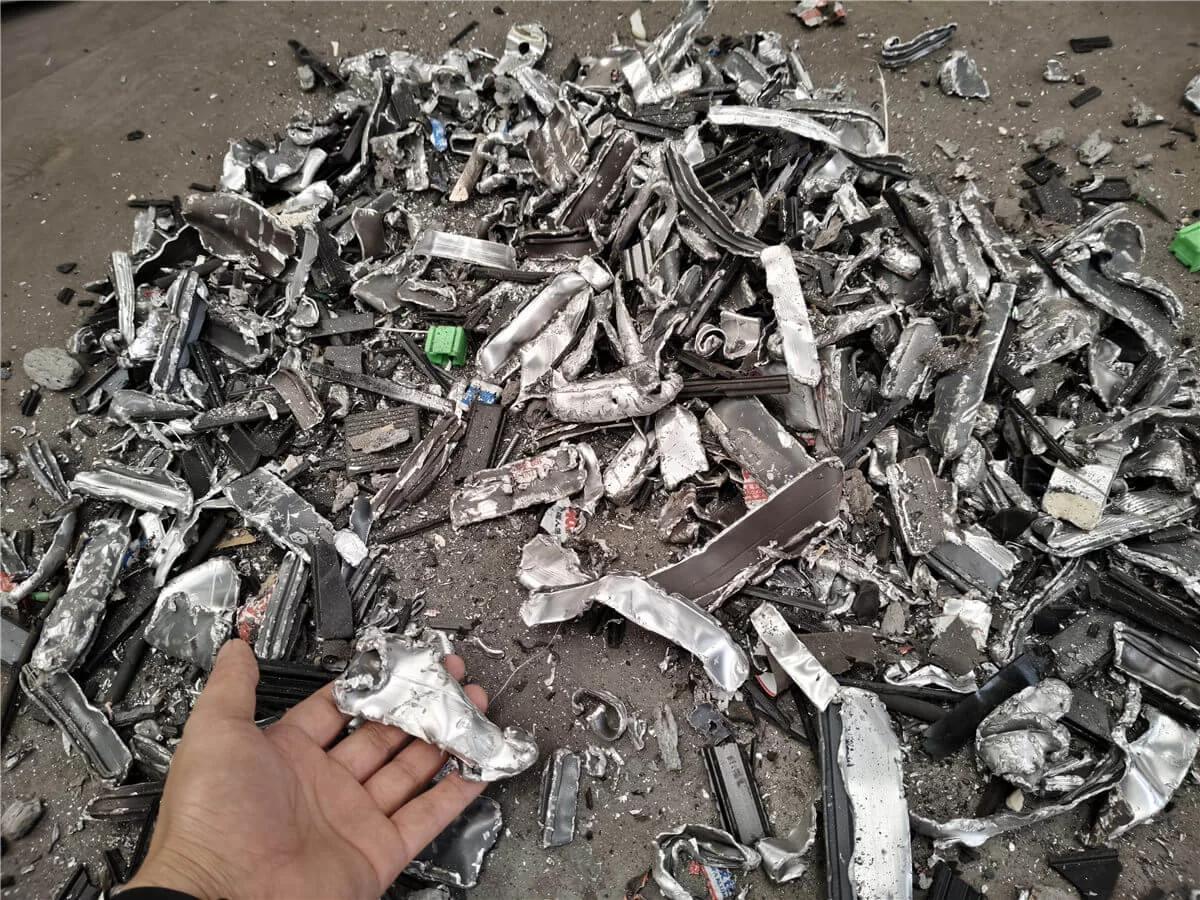
A high-speed rotor drives the hammers to repeatedly impact, deform and break the prepared wheel hubs inside the crushing chamber. The hammers, liner plates and screen grate work together to reduce the cast aluminum, while the selected screen opening helps control the discharge size.
Wheel hubs that meet the crusher feeding limits may be processed directly. Oversized, unusually thick or irregular cast aluminum components may require hydraulic breaking or initial processing by a cast aluminum crusher before entering a finer crushing stage.
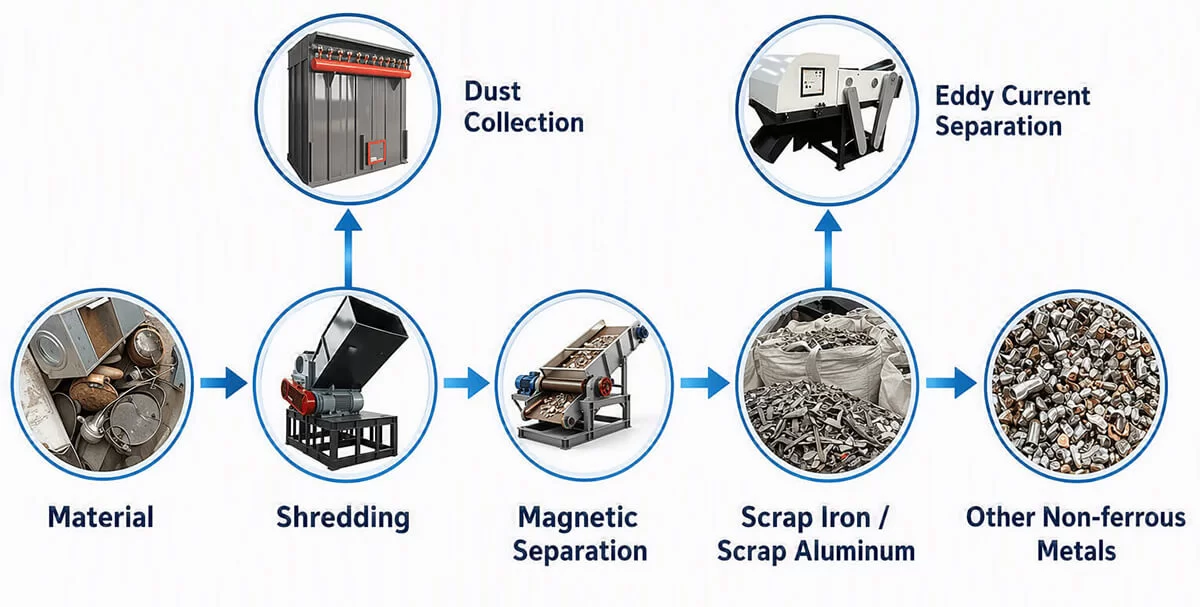
If the incoming material includes bulky mixed wheel assemblies, tangled scrap or difficult-to-feed aluminum components, primary size reduction by a scrap aluminum shredder may be considered according to the actual material condition.
After crushing, a magnetic separator can recover exposed steel balancing weights, wheel inserts, valve components and other ferrous materials from the aluminum-rich material stream.
After ferrous metal removal, screening and suitable material preparation, an eddy current separator may recover conductive non-ferrous metals from an appropriate non-metallic material stream.
An eddy current separator does not identify different aluminum alloy grades or separate aluminum and magnesium alloy wheels. Material identification and separate handling are required when different wheel alloys must be recovered individually.
The wheel hub crusher can operate as an individual machine or form part of an aluminum recycling line with controlled feeding, magnetic separation, screening, optional sorting, dust collection and centralized control.
The final configuration depends on the wheel dimensions, alloy type, wall thickness, attached components, required capacity, expected output size and downstream recovery objective.
Identify the Wheel Material Before Crushing
Aluminum alloy wheels, steel wheels and magnesium-alloy wheels are different feed categories. The wheel hub crusher on this page is intended for prepared aluminum alloy rims and suitable cast aluminum wheel components. Mixed wheel loads should be inspected and classified before equipment selection because material composition affects crushing, fire control and downstream sorting.
Attachments to Remove Before Feeding
Tires, inner tubes, valve assemblies, wheel covers, lead or steel balancing weights, large bearings, steel hubs and other easily removable attachments should be taken off before crushing. Complete wheel assemblies with tires are not standard direct feed. Dirt, stones, water and unidentified sealed components should also be controlled.
Direct Crushing or Preliminary Size Reduction
Prepared aluminum rims that meet the inlet and chamber limits may enter the hammer crusher directly. Oversized, unusually thick or heavily reinforced castings may require hydraulic breaking, cutting or a cast aluminum crusher first. Bulky mixed wheel assemblies or difficult-to-feed scrap may require low-speed coarse shredding, but a shredder should not be added automatically when direct controlled feeding is suitable.
Screen, Capacity and Wear
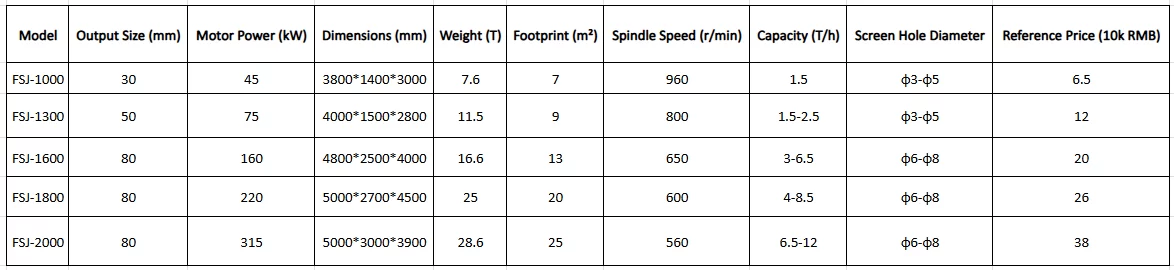
Wheel diameter, rim thickness, spoke structure, individual weight, alloy condition, rotor load, hammer arrangement, screen opening and feed stability affect output. Smaller screen openings can improve maximum discharge control while increasing residence time and wear. Capacity should be estimated from representative wheels rather than motor power alone.
Ferrous Removal and Aluminum Product Quality
Magnetic separation can remove sufficiently exposed steel weights, inserts and ferrous fragments after crushing. Copper, lead, rubber, plastic and other attachments may require separate removal or additional sorting. An eddy current separator is not normally required for a clean aluminum-only fraction and does not separate different aluminum alloys by grade.
Project Information Required
Please provide wheel photos, aluminum, steel or magnesium category, diameter and width range, individual weight, remaining tires and attachments, hourly quantity, required output, loading method, downstream products, local voltage and operating hours. Fixed capacity or aluminum purity should not be promised without representative feed data.