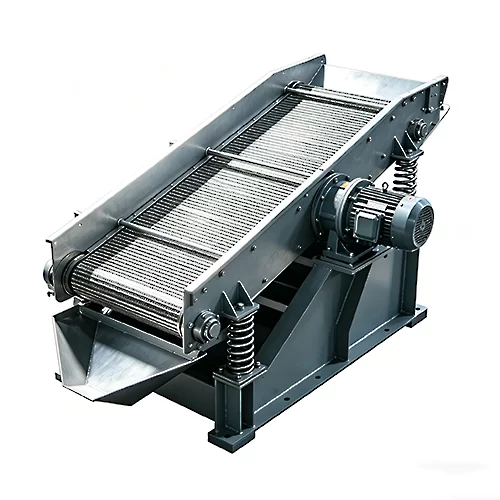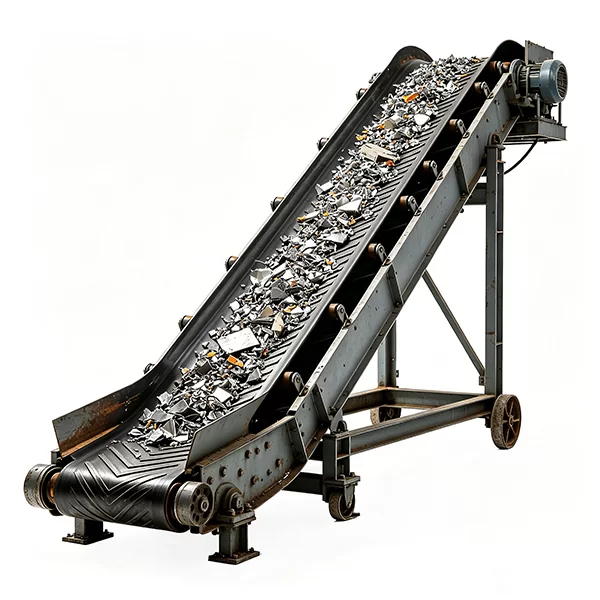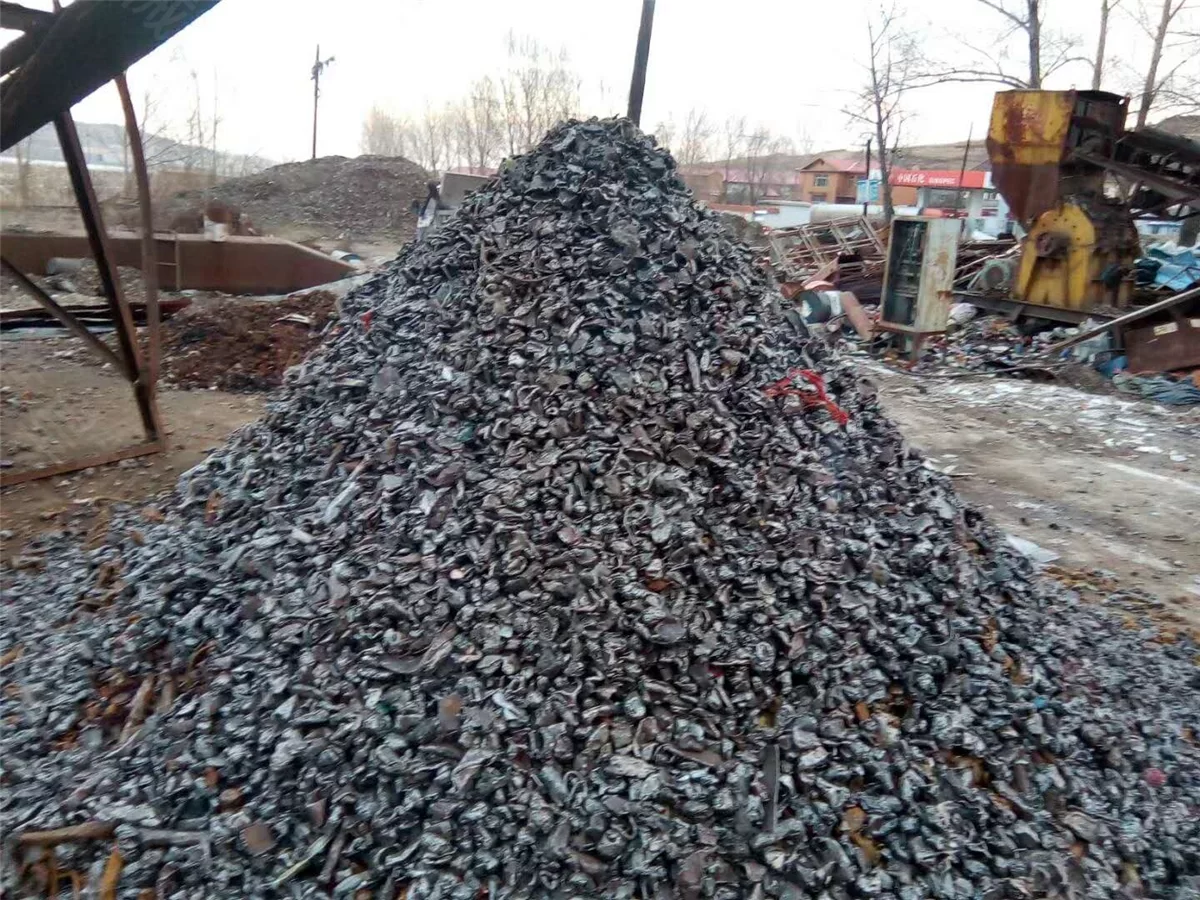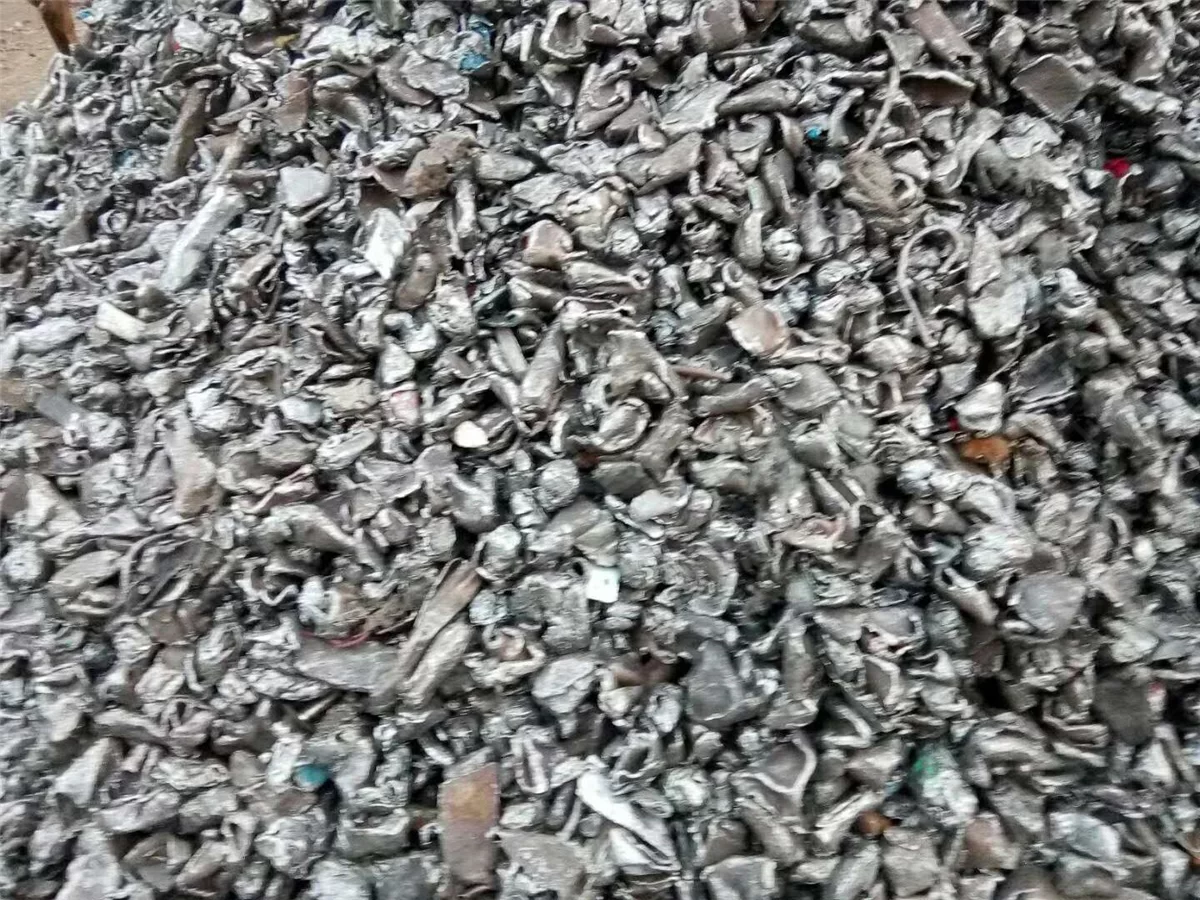

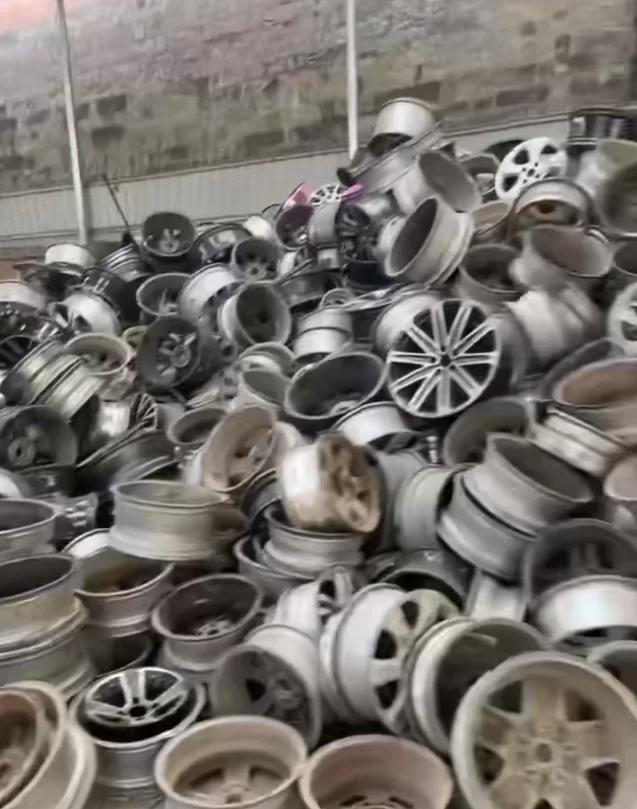
As the replacement cycle of automobiles and motorcycles accelerates, the amount of scrapped aluminum alloy wheel hubs increases year by year. The scrap aluminum wheel crushing material obtained by processing these hubs through dedicated crushers has become a high-value raw material in the non-ferrous metal recycling industry. This article provides a detailed interpretation of key technical parameters, composition indicators, and downstream applications of scrap aluminum wheel crushing material, helping recycling companies assess material value more accurately.
1. What is Scrap Aluminum Wheel Crushing Material?
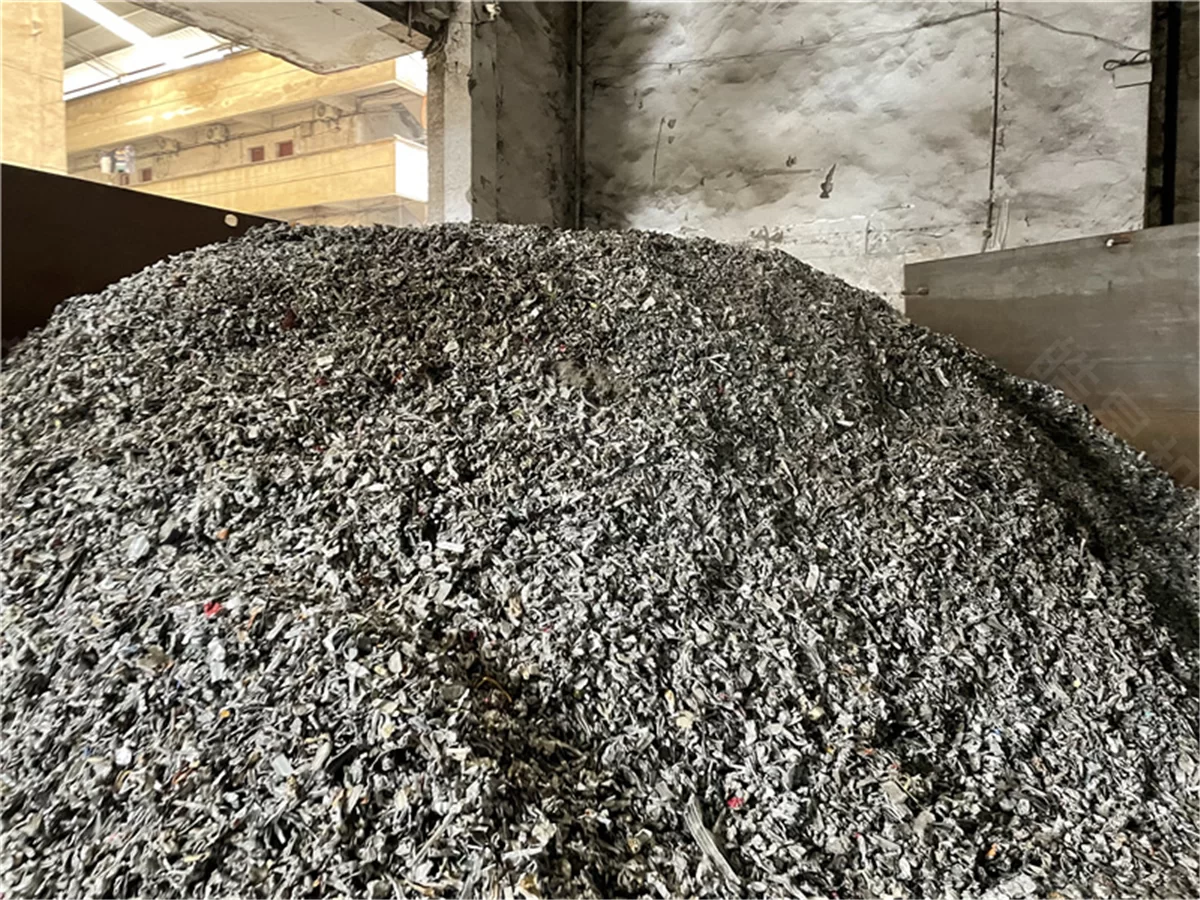
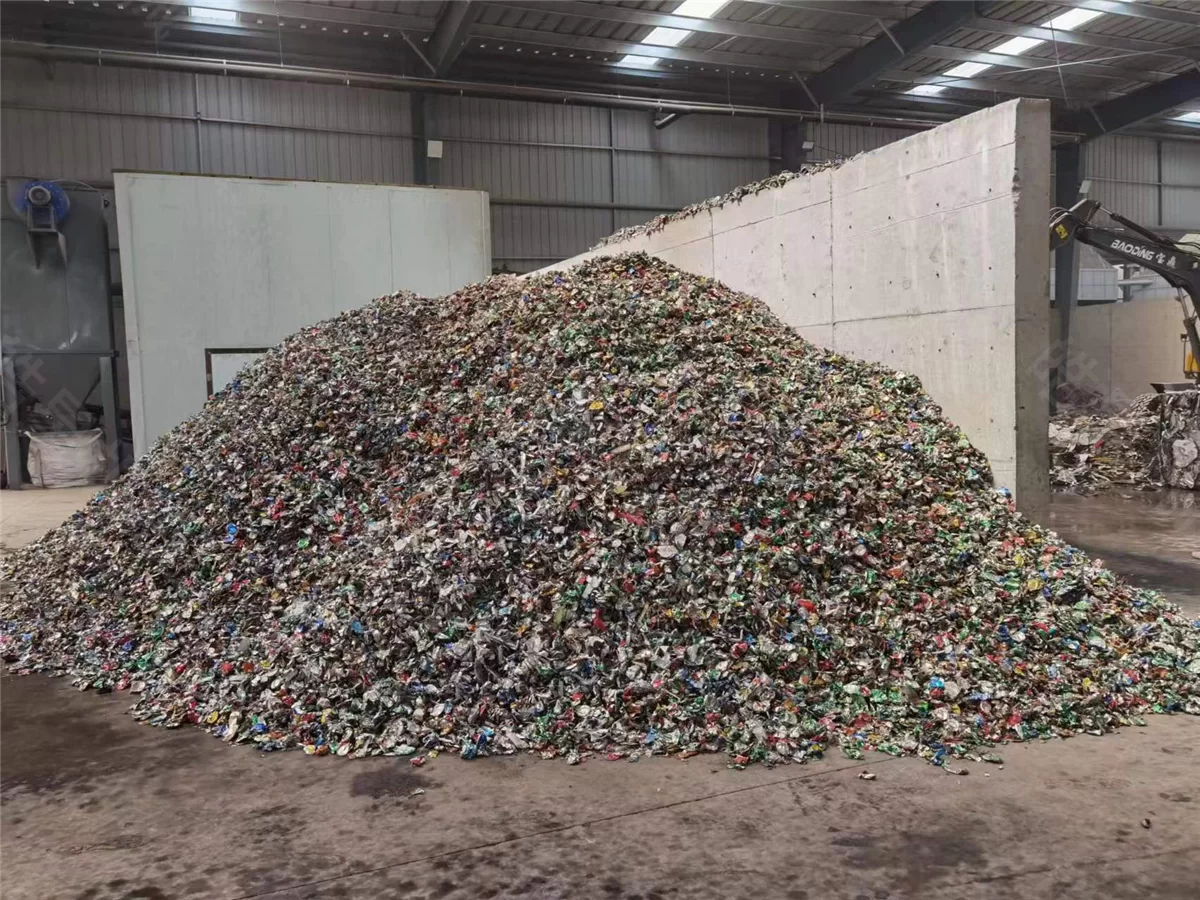
Scrap aluminum wheel crushing material refers to the granular or flake aluminum metal mixture obtained after shredding, crushing, magnetic separation, eddy current separation, and other processes, primarily using aluminum alloy wheel hubs from cars and motorcycles as raw materials. Its main component is cast aluminum alloy (e.g., A356, ZL101), with small amounts of rubber, iron inserts, steel wheel balance weights, and other impurities. After efficient processing, the aluminum purity can reach 95%–98%, making it an ideal furnace charge for secondary aluminum smelting.
2. Key Parameters at a Glance (Core Multi‑Parameter Table)
The following table lists typical physical and chemical parameters of scrap aluminum wheel crushing material, serving as a reference for procurement and process design.
| Parameter Item | Typical Range | Remarks / Recommendations |
|---|---|---|
| Particle Size | 10mm – 80mm (adjustable) | Depends on crusher screen aperture; commonly 20–50mm |
| Bulk Density | 0.8 – 1.2 t/m³ | Loose state, moisture < 2% |
| Aluminum Content | 94% – 98% | Can reach >96% after two stages of magnetic separation + eddy current separation |
| Iron Content | 0.5% – 3.0% | Mainly from wheel bolts, valve stems, and brake wear iron fines |
| Copper/Zinc etc. | ≤0.5% | Very small trace amounts |
| Non‑metallic impurities (rubber, paint) | 0.5% – 2.0% | Can be further reduced by high‑temperature calcination |
| Moisture Content | ≤1.5% | Drying required after outdoor storage |
| Aluminum Recovery Rate | ≥96% | Achievable with integrated crushing + sorting system |
| Smelting Oxidation Loss | 2% – 4% | Depends on material form and smelting process |
3. Effect of Particle Size on Recycling Value
The particle size distribution of scrap aluminum wheel crushing material directly affects subsequent smelting efficiency and transportation costs. Practical experience shows:
<10mm fines: High bulk density, but prone to oxidation loss during melting – recommended to constitute no more than 20% of furnace charge.
10–30mm particles: Best cost‑performance ratio, moderate melting speed, low oxidation loss – preferred by secondary aluminum plants.
30–80mm flakes or lumps: Easy to store and transport, but require longer melting time – suitable for large reverberatory furnaces.
It is recommended to control crushing by using a 30mm screen aperture – the resulting crushed material has uniform particle size and the highest overall efficiency.
4. Key Equipment Parameters Affecting Crushing Material Quality
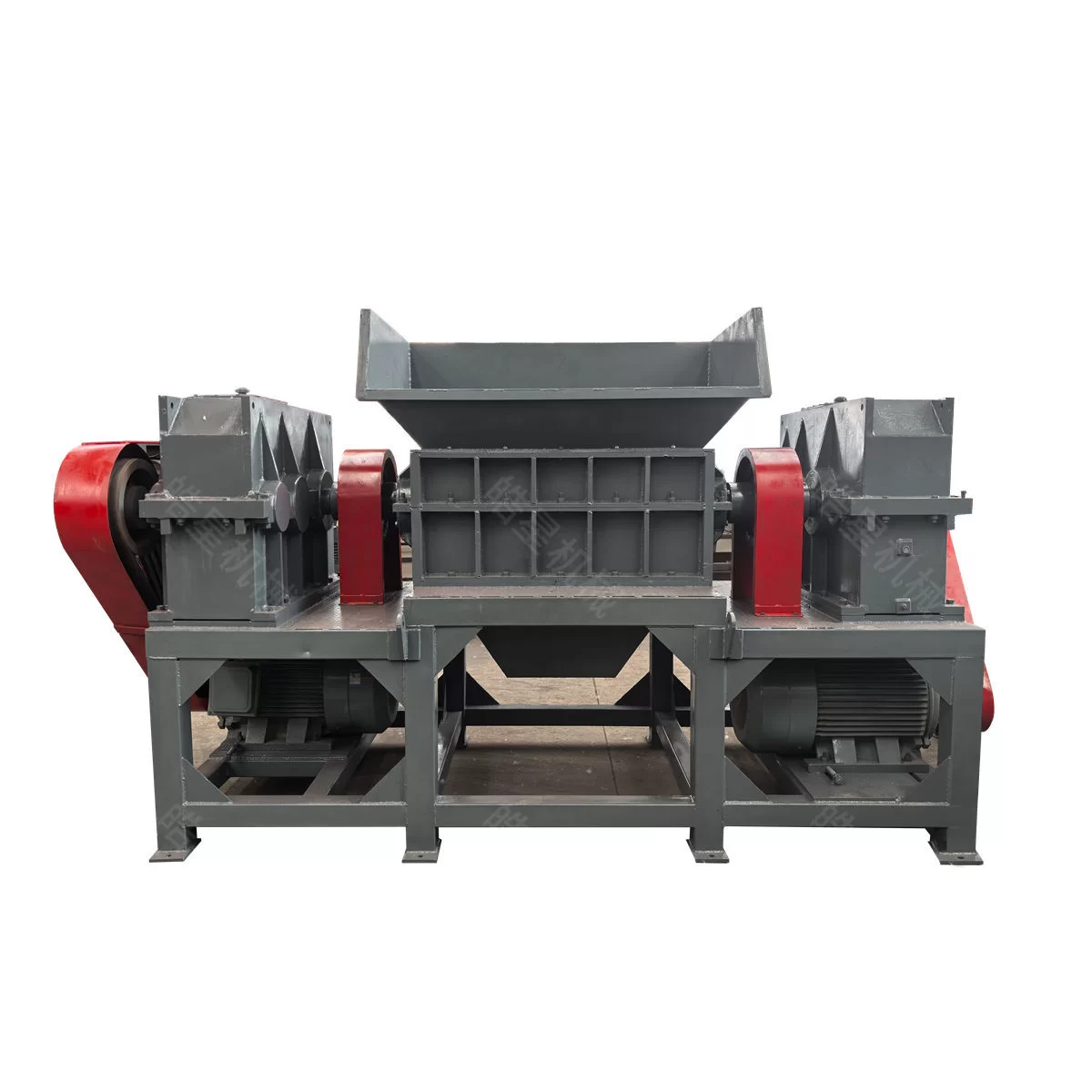
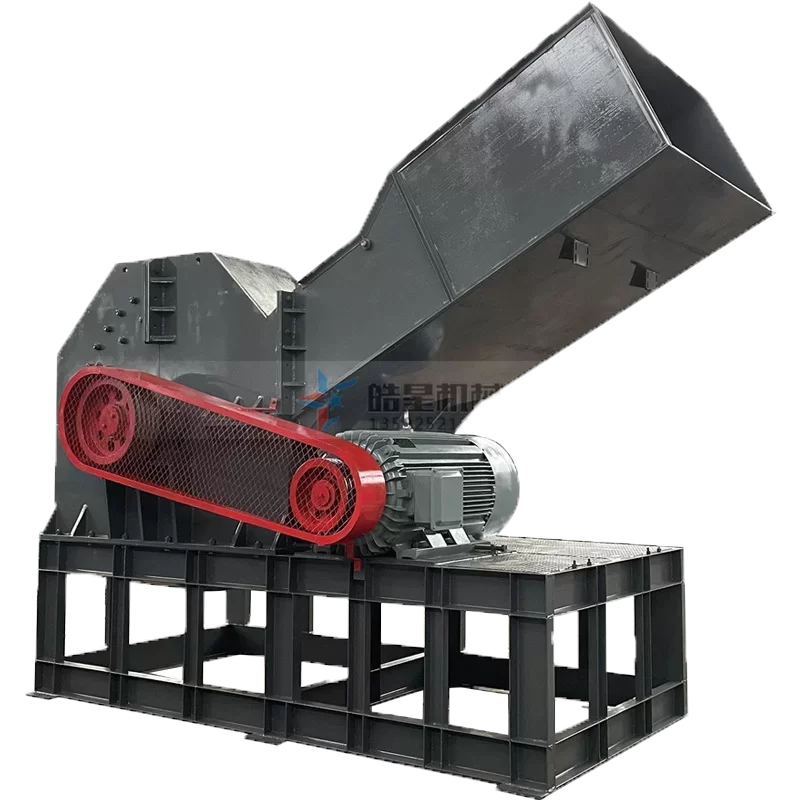
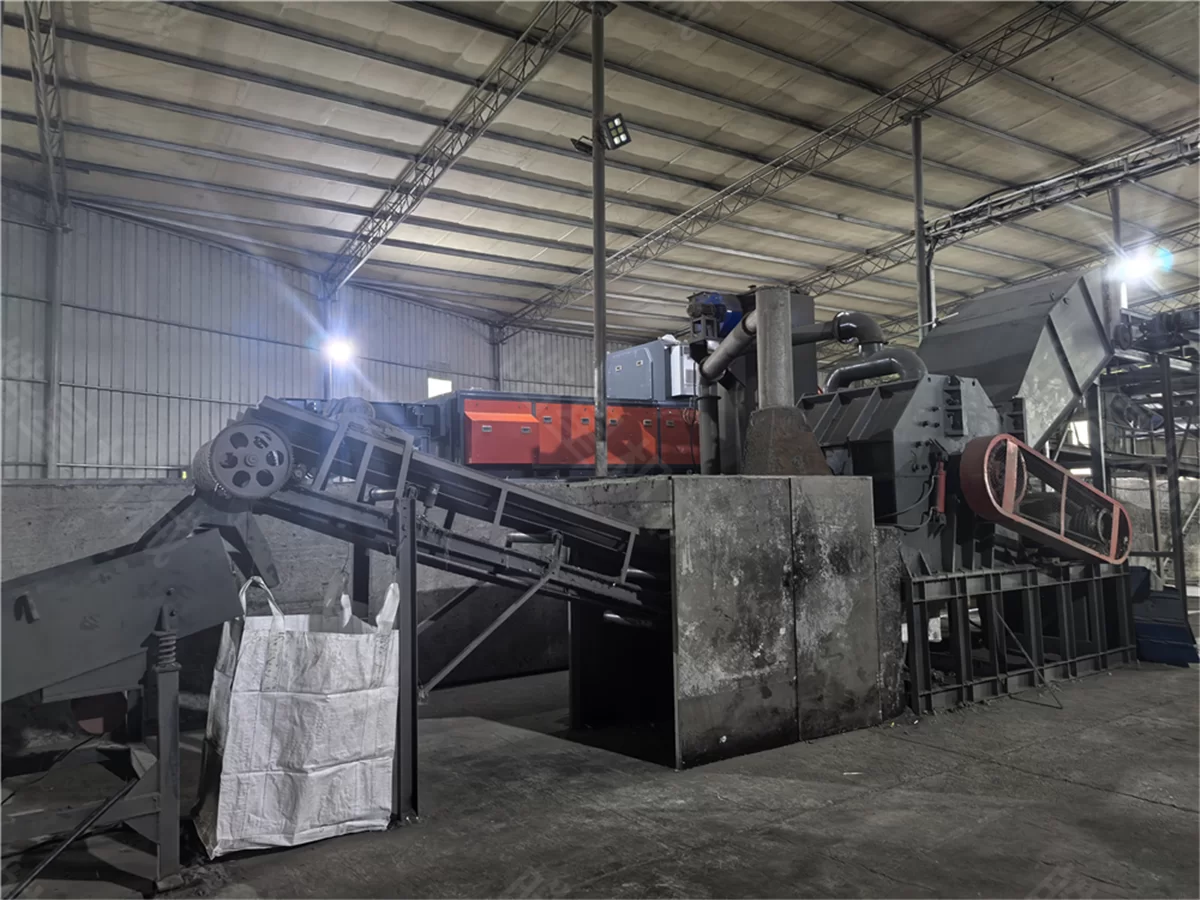
To obtain high‑quality scrap aluminum wheel crushing material, the selection parameters of the crusher are critical. Typical parameters for a common large dual‑shaft shear crusher are:
Cutter Material: High‑alloy wear‑resistant steel (hardness HRC55+)
Main Shaft Speed: 45–80 r/min (low speed, high torque)
Motor Power: 90kW – 200kW (depending on capacity)
Processing Capacity: 3–15 t/h (per unit)
Screen Aperture: 20–80mm, replaceable
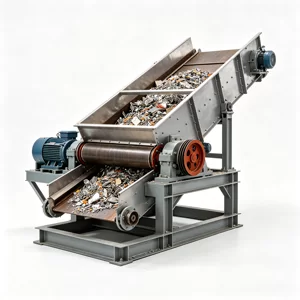
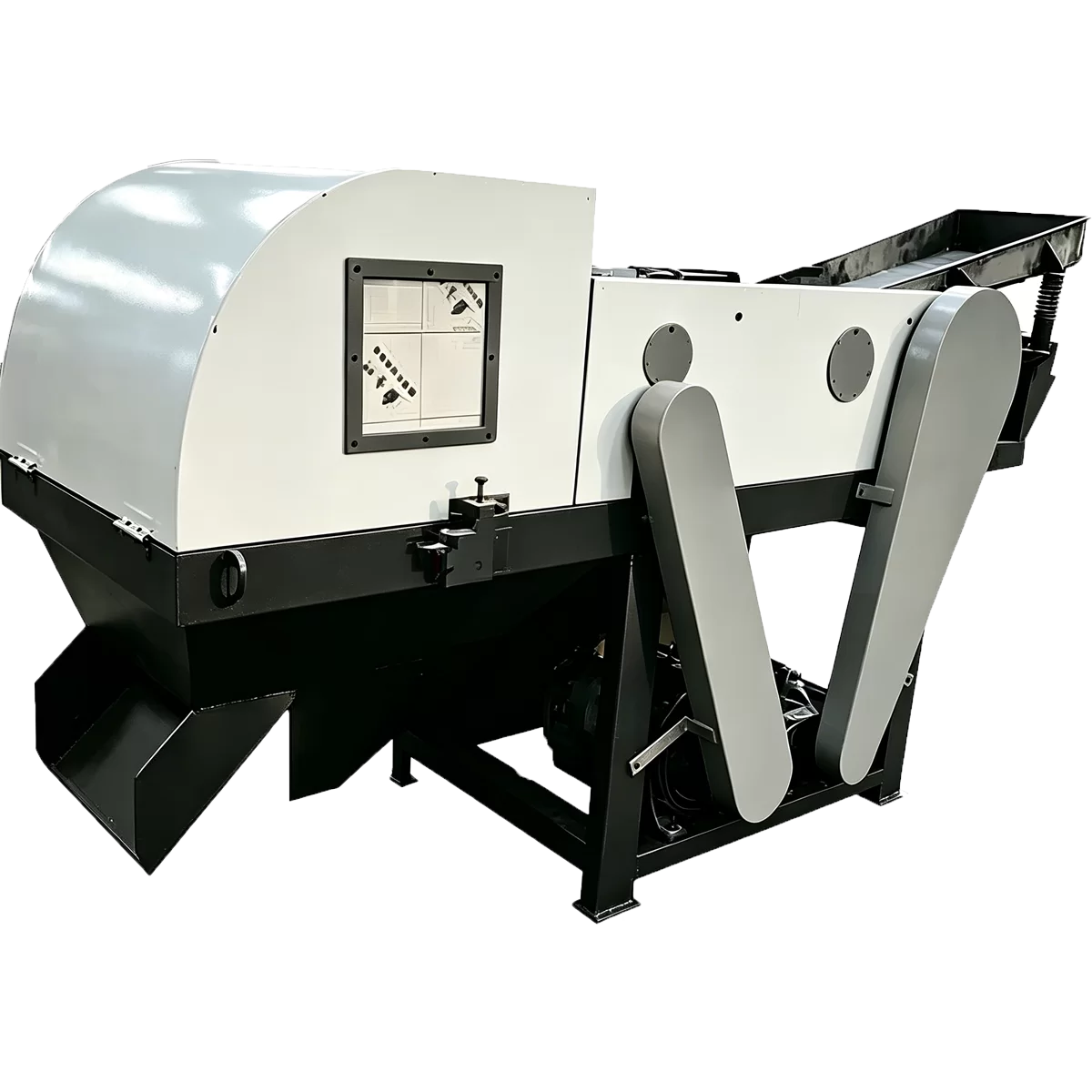
The supporting sorting system should include a magnetic separator (iron removal efficiency ≥99%) and an eddy current separator (for separating non‑ferrous metals from non‑metallics).
5. Downstream Applications of Crushing Material
Scrap aluminum wheel crushing material that has been properly crushed and sorted can be sold directly to secondary aluminum smelters or aluminum alloy casting plants. Main uses include:
Raw material for recycled aluminum alloy ingots (e.g., ADC12, A380)
Aluminum powder production (ball milling)
Deoxidizer (aluminum granules) for steel mills
Casting of motorcycle/automobile aluminum parts (requires remelting and refining)
Market prices (reference for 2025) show that wheel crushing material with >96% aluminum content can reach 75%–82% of the price of primary aluminum – significantly higher than mixed scrap aluminum.
6. Summary and Optimization Suggestions
Scrap aluminum wheel crushing material is a highly standardized secondary aluminum raw material. Its value is determined by three core factors: high aluminum purity, suitable particle size, and low iron content. Recycling companies should:
Regularly test particle size distribution (sieve analysis)
Control crusher output size to avoid over‑fines or over‑large pieces
Add more eddy current separation stages to increase aluminum purity to above 97%
For more detailed equipment configurations or custom parameter sheets for your specific material, please visit www.hxjx08.com or contact our technical engineers directly.


FAQ:
Post a FAQ: