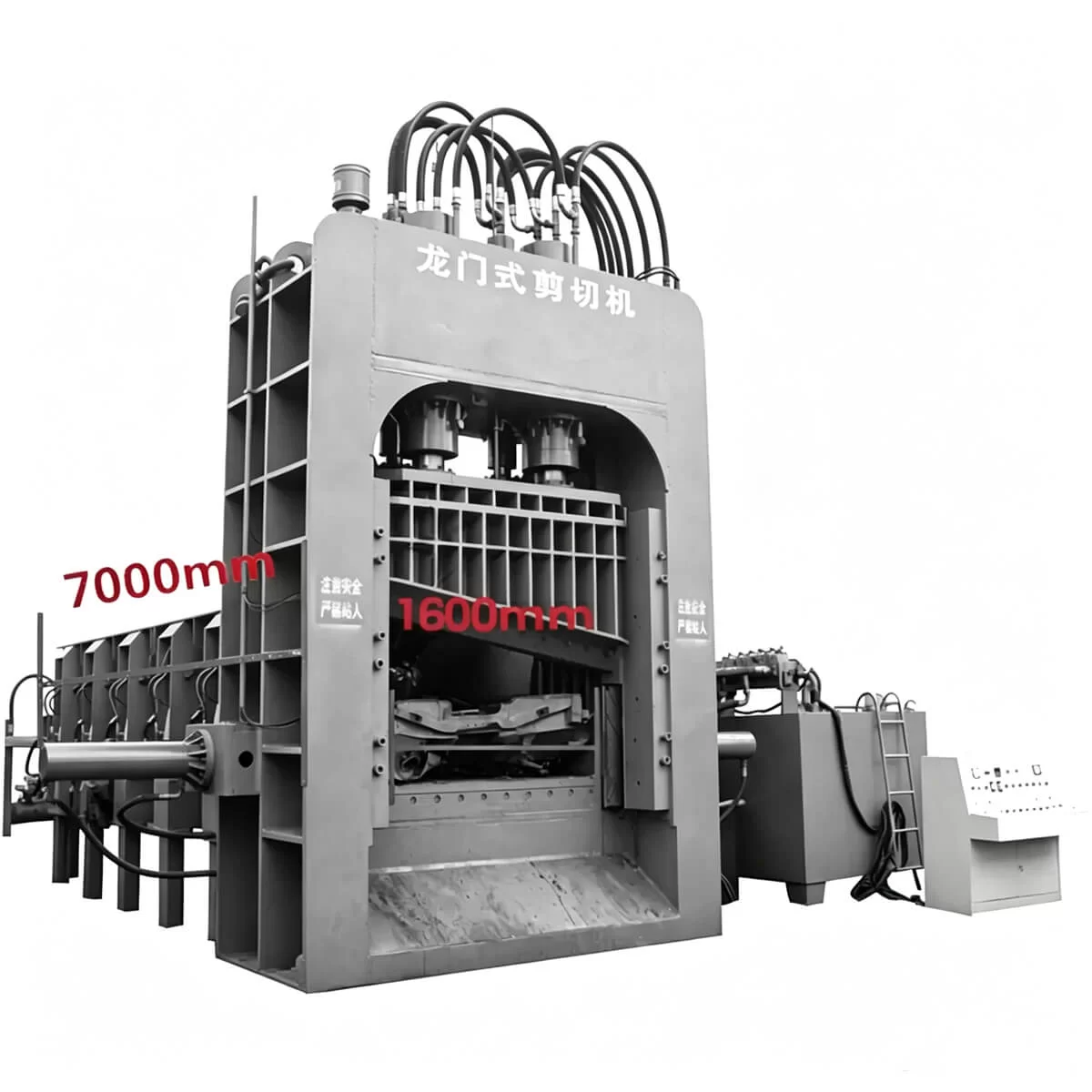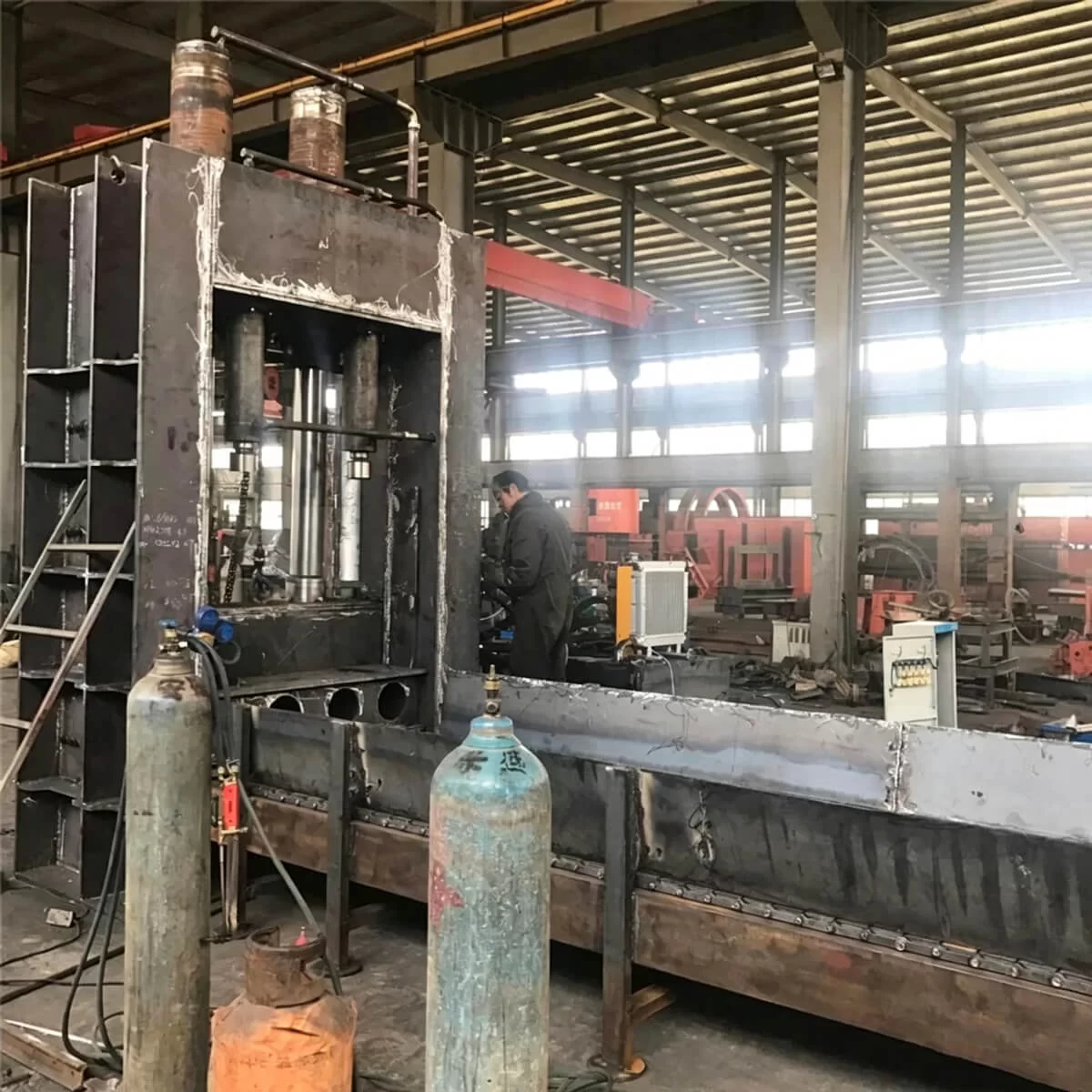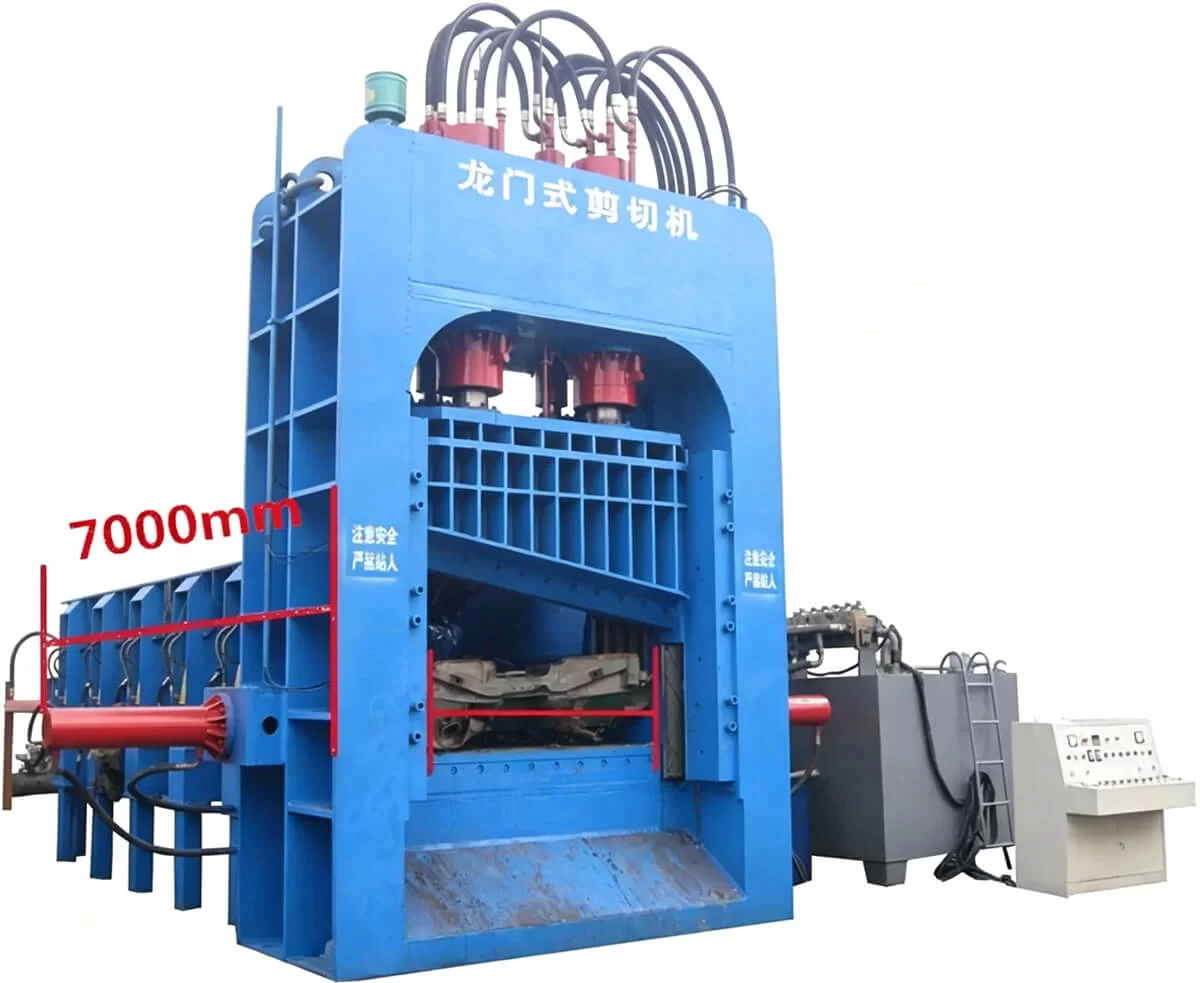
HXJQ7000 Gantry Shearing Machine Structure Diagram
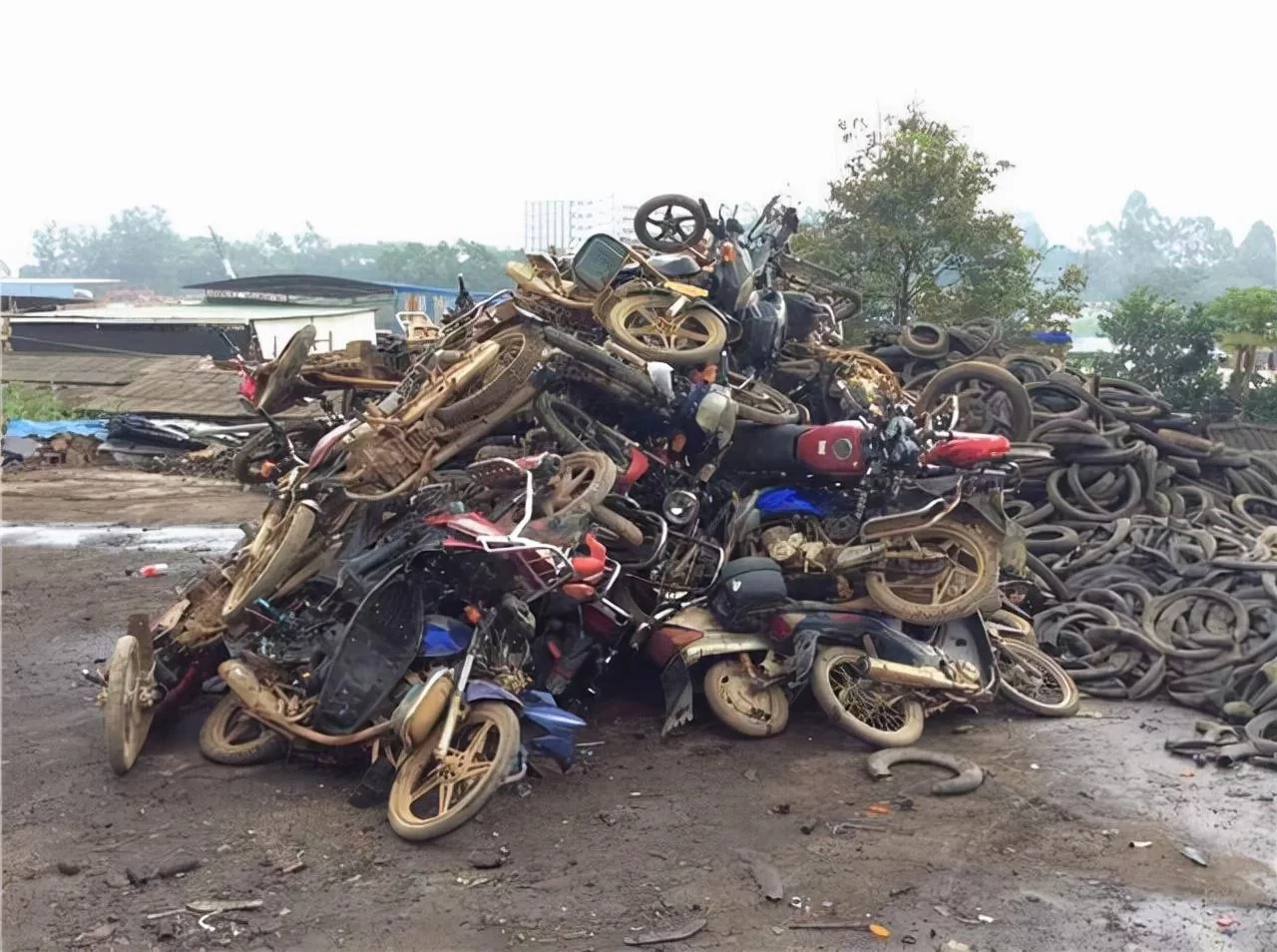
Haoxing Machinery's Gantry Shear, also called hydraulic gantry shear or guillotine shear, is a heavy-duty cold shearing machine for processing large scrap metal materials. It is commonly used in scrap recycling yards, steel mills, foundries, ELV dismantling yards and shipbreaking operations.
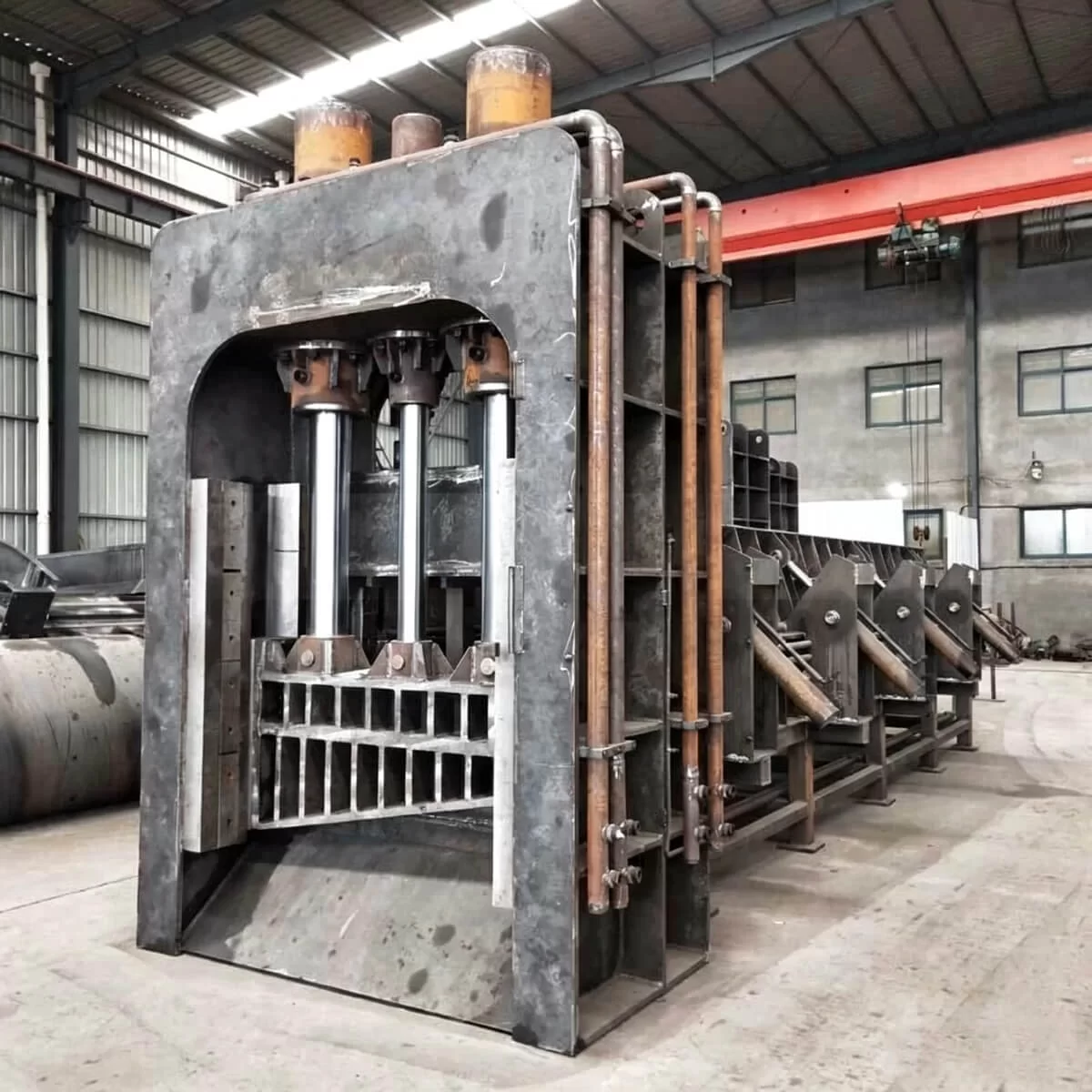
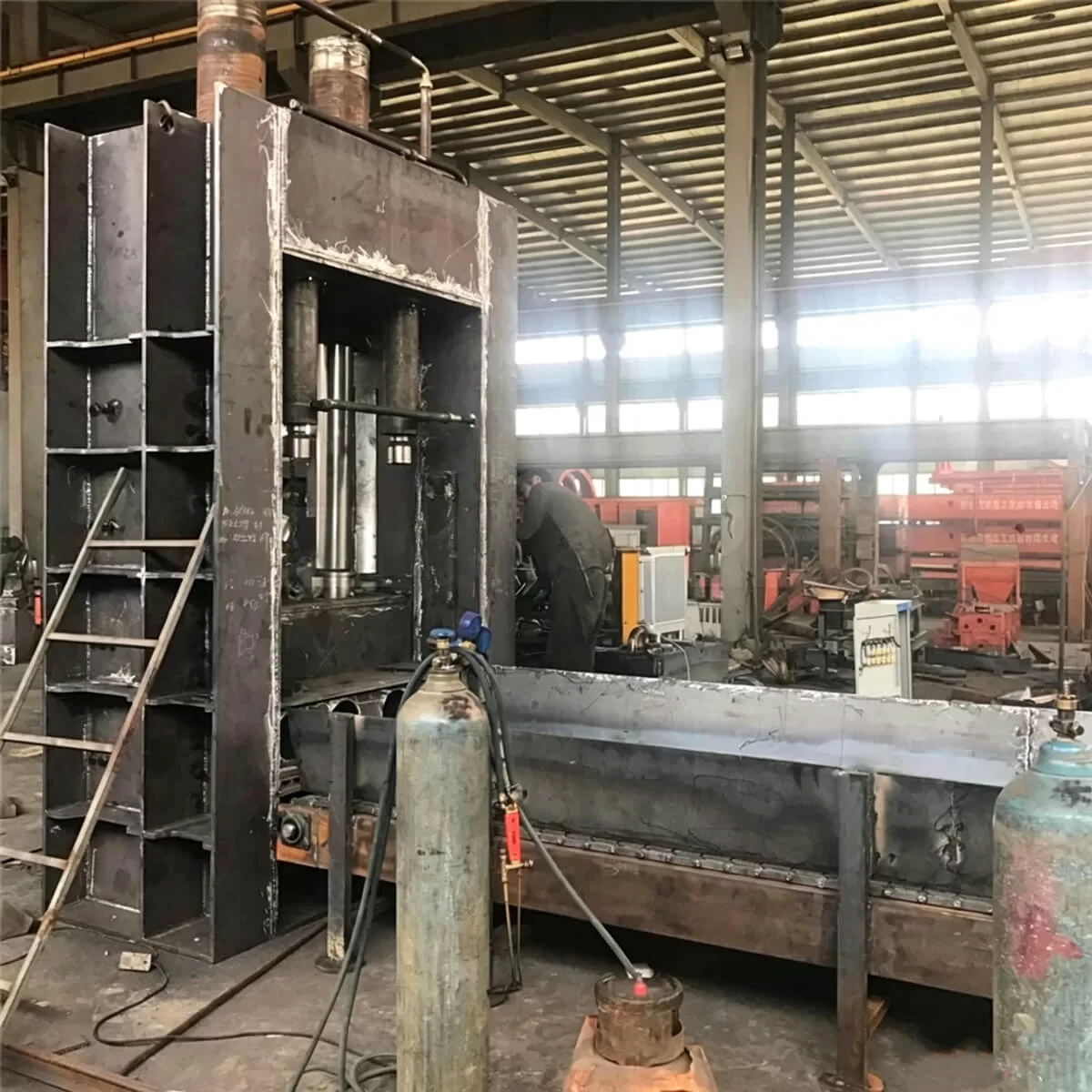
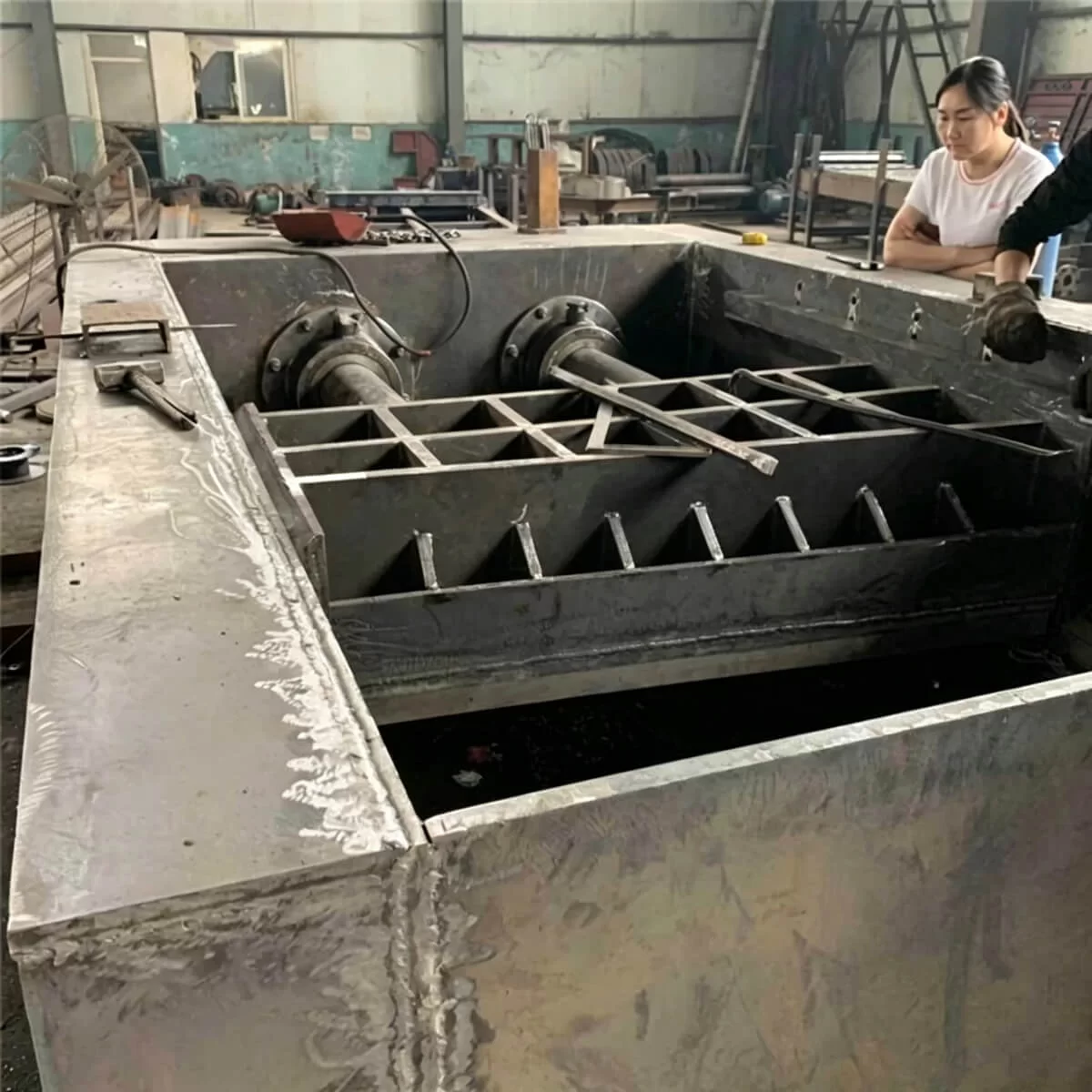
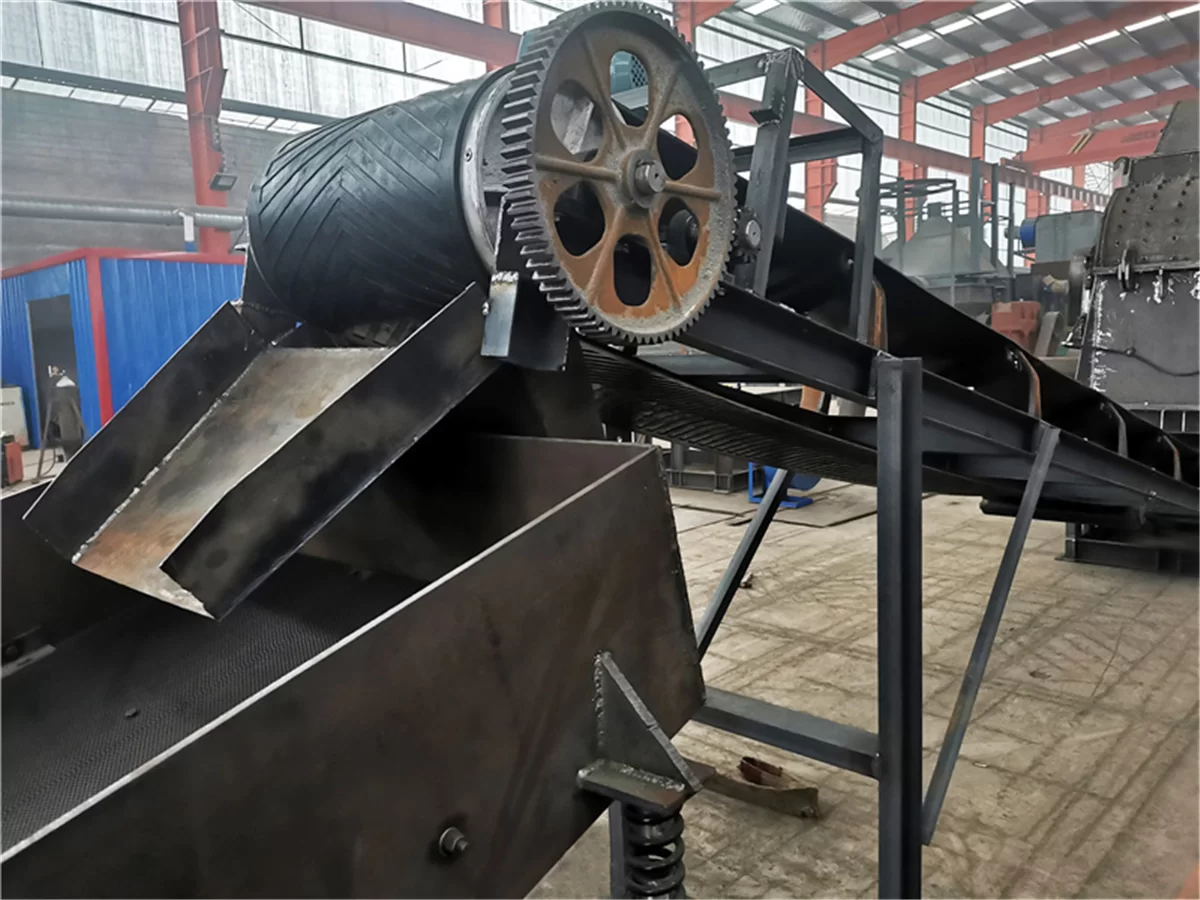
The machine usually consists of a heavy-duty frame, hydraulic cylinders, hydraulic power unit, feeding hopper, side compression system, feeding conveyor or pusher system, shear blade, discharge system and electric control cabinet.
During operation, scrap metal is loaded into the hopper and pressed by side compression cylinders. The feeding system moves the material toward the cutting area, and the hydraulic cylinders drive the moving blade downward to cut the material against the fixed bed knife. The cut material is then discharged for storage, transportation or further recycling.
The gantry shear can process different types of heavy scrap metal, including channels, I-beams, rails, car frames, truck frames, ship plates, round steel, square steel, pipes and steel plates. Shearing force, blade width, hopper size, feeding method and control system can be customized according to material type, production capacity and site layout.