Project Overview
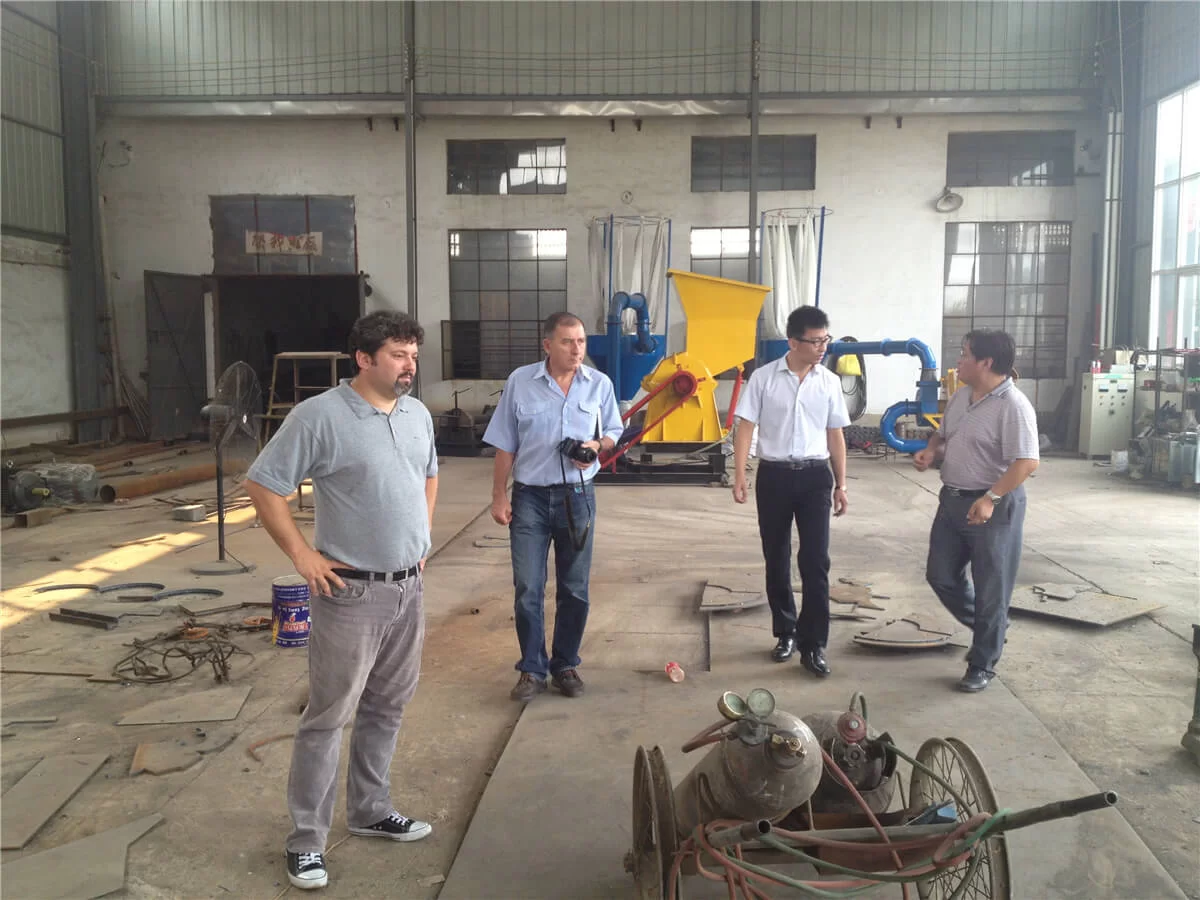
On May 12, 2017, two Russian customers visited our factory to inspect the baled scrap recycling production line. They focused on the equipment workflow, working efficiency, material processing performance and took photos for further project reference.
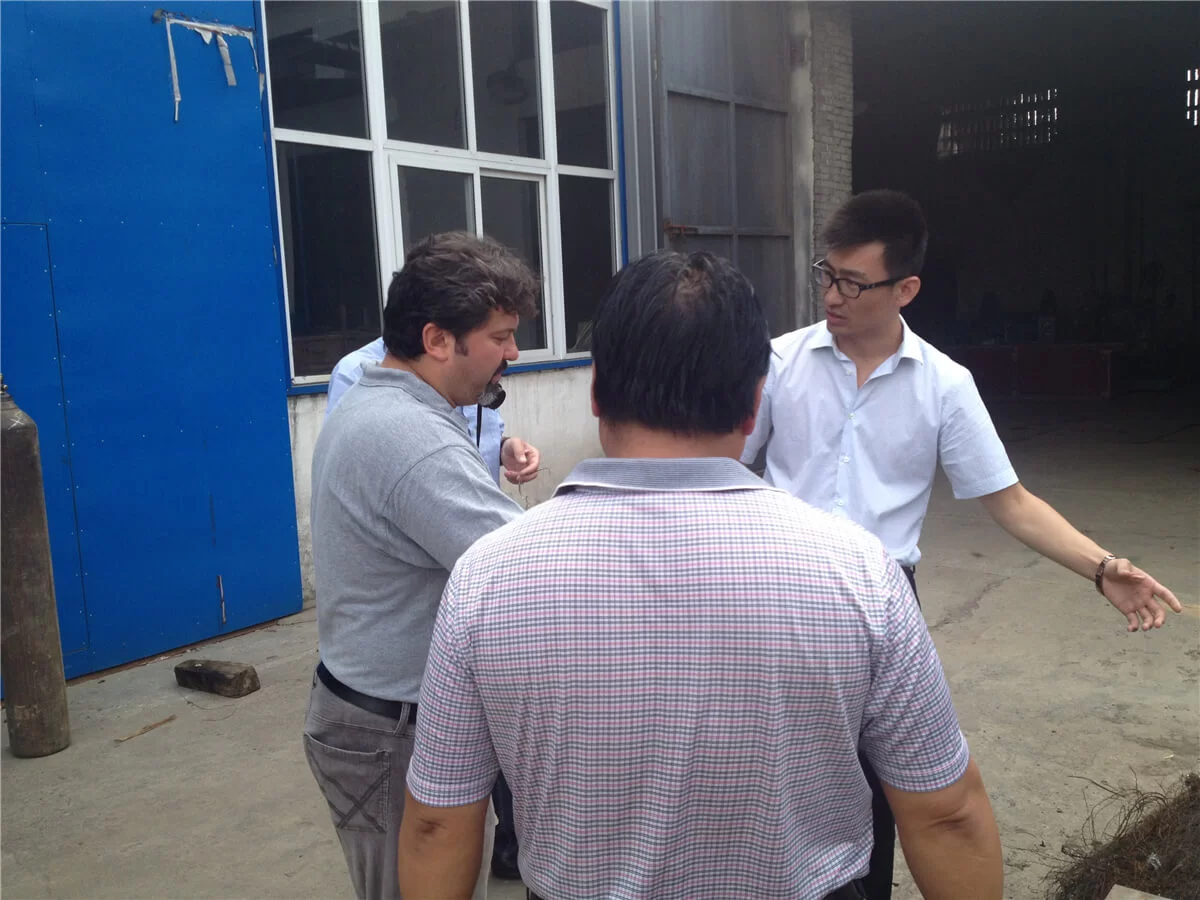
On May 12, 2017, two customers from Russia visited our factory to learn more about the baled scrap recycling production line. The customers were engaged in scrap metal collection and recycling, and they planned to upgrade their local processing method for compressed scrap materials.
Before coming to the factory, the customers had already introduced their raw material situation. Their main materials included baled scrap, light scrap steel, used metal sheets, waste cans, paint buckets, small iron parts and mixed metal waste collected from recycling yards. Because these materials are usually compressed into bales before transportation, the customers wanted to understand whether the equipment could open, crush and discharge the materials smoothly during continuous operation.
Factory Visit and Equipment Inspection
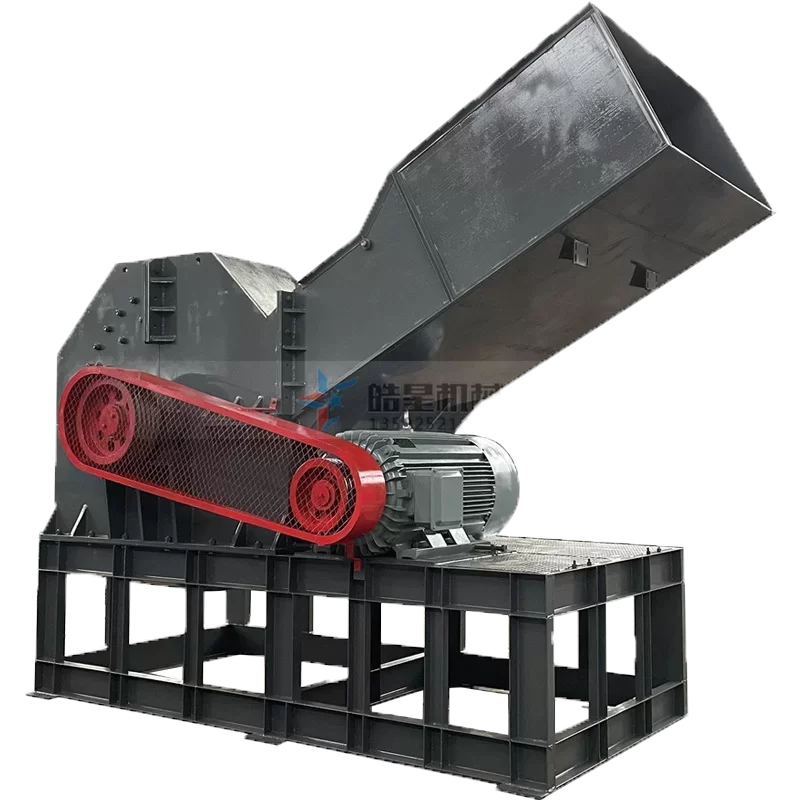
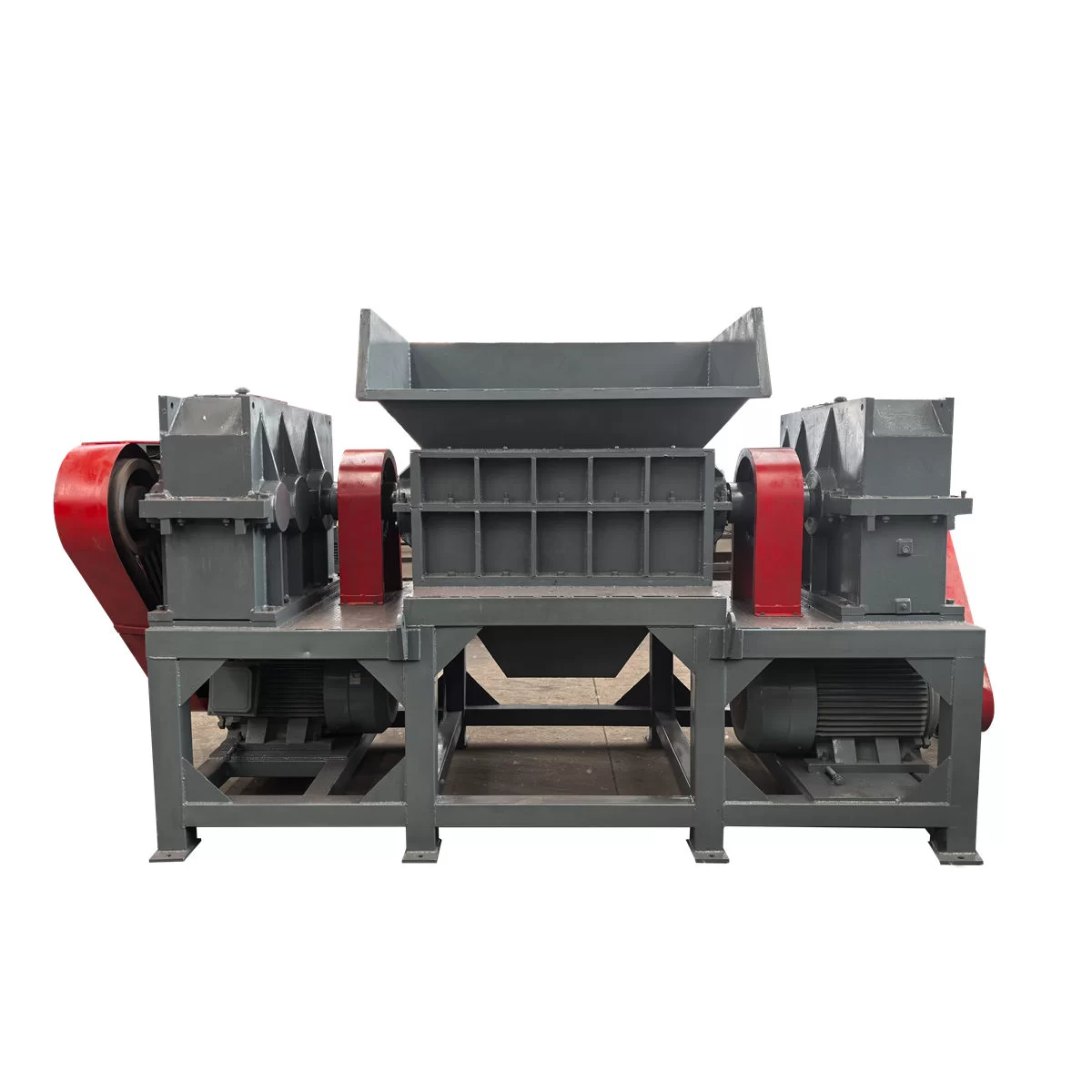
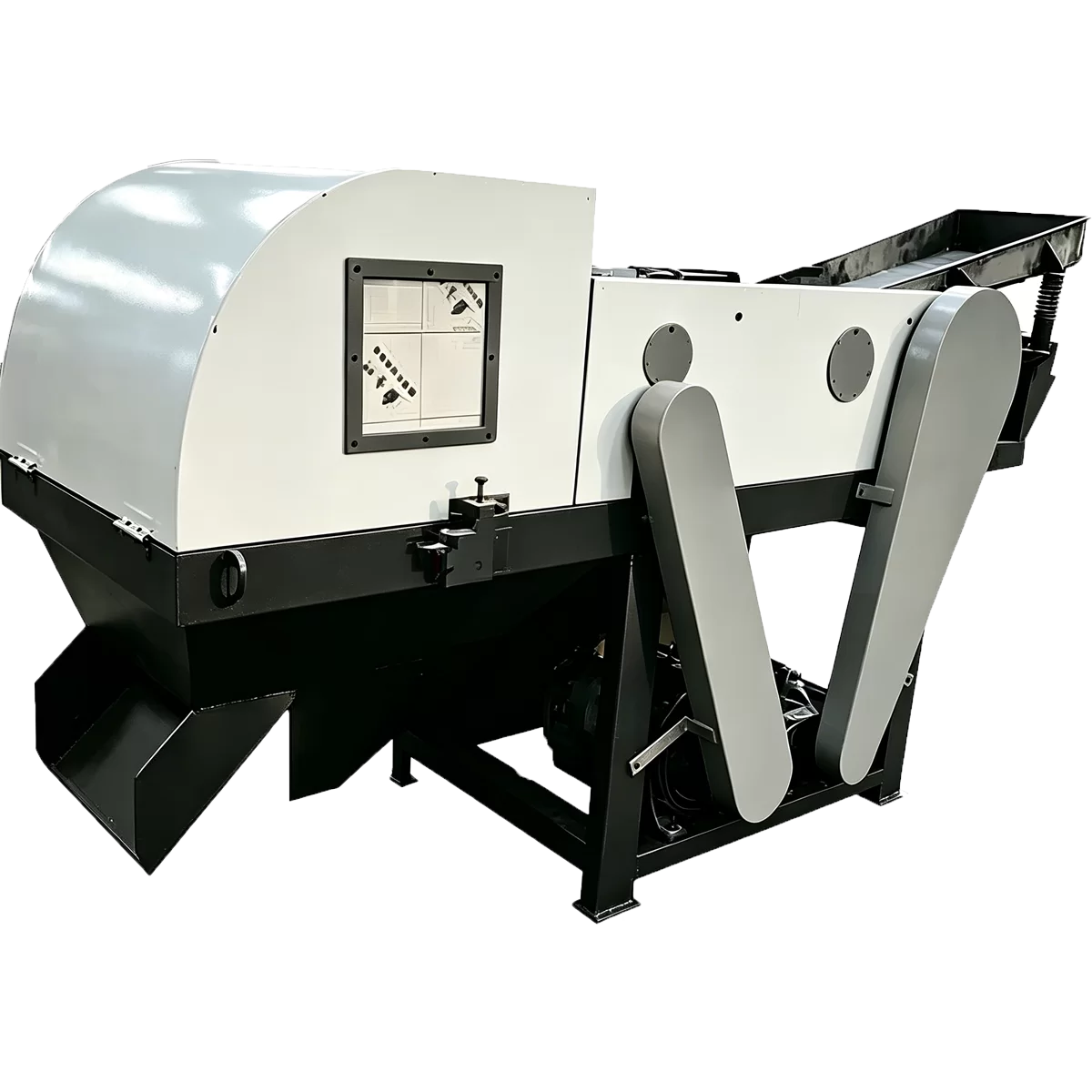
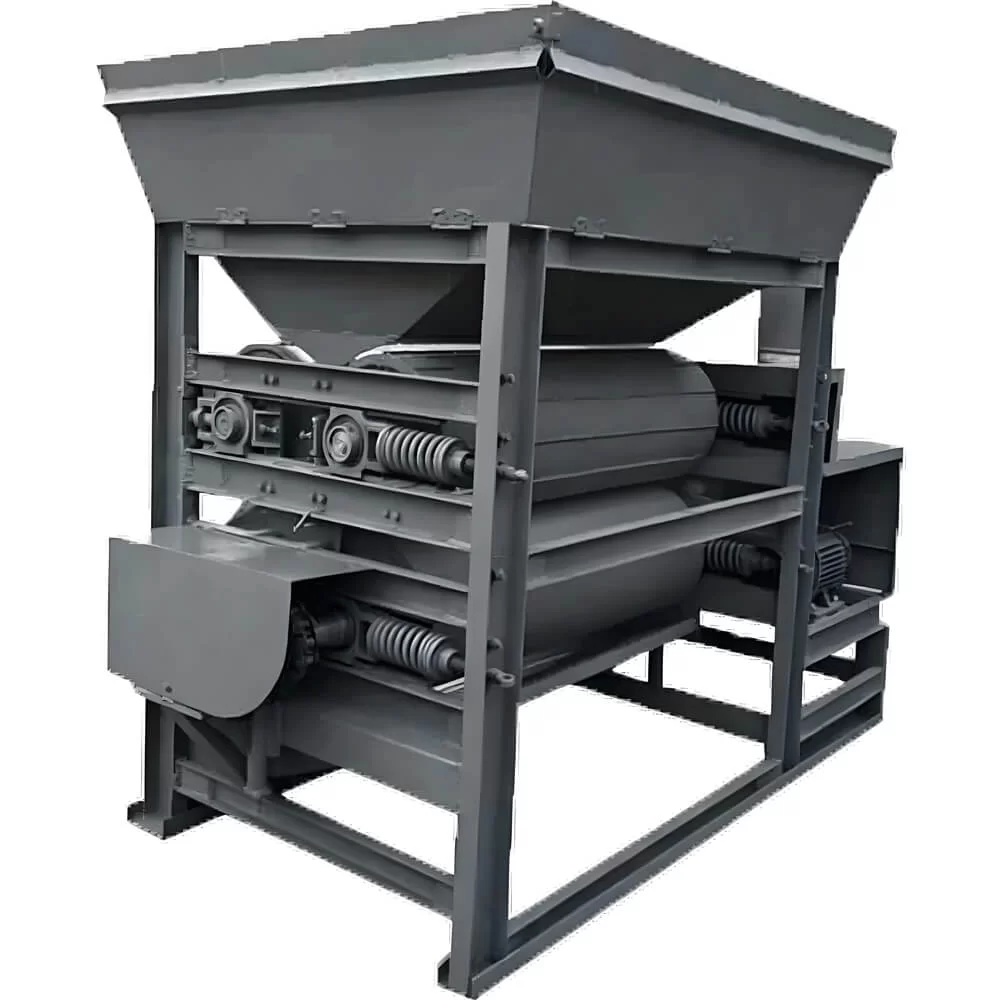
After arriving at the workshop, the two Russian customers first checked the main structure of the baled scrap processing equipment. Our engineer introduced the machine body, feeding system, crushing chamber, rotor, hammer parts, screen plate, discharge conveyor and electric control cabinet.
The customers paid close attention to the details that are important for daily use, such as the thickness of the machine frame, the arrangement of the hammers, the replacement method of wearing parts and the maintenance space around the equipment. They also asked whether the machine could handle baled scrap with different densities, because the compactness of scrap bales in their local market is not always the same.
Our engineer explained that baled scrap processing depends on several factors, including bale size, material thickness, feeding speed and required final output size. For light and medium-density baled scrap, the production line can be configured with a feeding conveyor, main crusher, discharge conveyor and magnetic separator to improve the overall recycling efficiency.
Understanding the Production Line Workflow
During the visit, the customers specifically asked about the complete production line workflow. Our technical team explained the process step by step according to the real equipment layout in the workshop.
The general workflow is as follows:
Feeding stage
Baled scrap is sent to the feeding conveyor by forklift, grab machine or other loading equipment. The conveyor then sends the material into the crusher evenly.Crushing stage
After entering the crushing chamber, the baled scrap is struck and torn by the high-speed rotating hammer system. The compressed metal materials are gradually loosened and crushed into smaller pieces.Screening and discharge stage
Materials that meet the required size pass through the screen area and are discharged by conveyor. Oversized pieces continue to be crushed inside the chamber until they reach the suitable size.Magnetic separation stage
If the production line is equipped with a magnetic separator, iron and steel materials can be separated from some non-metal impurities during discharge, making the recycled material cleaner and easier to sell or transport.Dust collection and sorting stage
According to the material condition, dust removal equipment or a manual sorting platform can be added. This is especially useful when the baled scrap contains paint, dust, plastic pieces or light impurities.
The customers listened carefully and compared the workflow with their own recycling yard operation. They said that a clear production line layout would help them reduce manual handling and improve the efficiency of material transfer.
Focus on Working Efficiency
Working efficiency was one of the main concerns during this visit. The two Russian customers wanted to know how the production line performs when processing baled scrap continuously. They also asked about hourly capacity, feeding stability, downtime and the replacement cycle of wearing parts.
Our engineer explained that the actual capacity is not fixed by machine model alone. It is closely related to the raw material type, bale size, bale density, motor power, feeding method and final size requirement. For example, loose light scrap and thin metal sheets are usually easier to crush, while tightly compressed bales or mixed heavy pieces require more crushing force and a more stable feeding rhythm.
For recycling yards, the main advantage of using a baled scrap crusher production line is that the processed material becomes smaller, cleaner and easier to handle. After crushing, the scrap metal has better bulk density, which can reduce storage space and transportation cost. If magnetic separation is added, the value of the final recycled material can also be improved.
The customers were especially interested in this point, because long-distance transportation cost is an important factor in their local business. They believed that if the crushed material could be loaded and sold more efficiently, the equipment investment would be more practical for their recycling operation.
Customers Took Photos for Reference
During the inspection, the two Russian customers carried a camera and took photos of several important parts of the production line. They photographed the feeding conveyor, crushing chamber, hammer structure, discharge conveyor, magnetic separator position and electric control cabinet.
They explained that these photos would be used for internal discussion after returning to Russia. Their technical staff needed to study the equipment layout, foundation requirements, feeding direction and maintenance space before confirming the final plan.
Our team also reminded them that every recycling site has different space conditions. Before installation, it is better to design the production line according to the workshop size, raw material storage area, loading method and final material discharge direction. A suitable layout can reduce unnecessary material transfer and make daily operation more convenient.
Discussion About Baled Scrap Materials
Baled scrap is common in many scrap recycling markets because compressed materials are easier to store and transport. However, once the material arrives at the recycling plant, it often needs to be crushed again for sorting, melting, resale or further processing.
The baled scrap materials discussed during this visit mainly included:
Compressed light scrap steel
Waste cans
Thin iron sheets
Paint buckets
Small metal parts
Light structural steel
Mixed waste metal from recycling stations
Our engineer suggested that if the customers mainly process light and medium baled scrap, the production line should focus on stable feeding, strong impact crushing and convenient discharge. If the material contains more impurities, a magnetic separator and dust collection system would be helpful for improving the working environment and final material quality.
The customers agreed with this practical explanation. They were not only checking the machine appearance, but also wanted to understand how the equipment would perform in real production.
Further Communication After the Visit
At the end of the visit, both sides discussed the equipment configuration, production capacity, spare parts, delivery time and installation support. The Russian customers said the factory visit helped them better understand the baled scrap recycling production line, especially the workflow and working efficiency.
They also said the photos taken during the visit would be useful for comparing equipment options and preparing their recycling yard layout. For their project, they needed a production line that could run steadily, process mixed baled scrap and reduce labor cost in daily operation.
This visit gave the customers a clearer understanding of the equipment structure, working process and practical application of the baled scrap recycling production line. It also provided a good basis for further communication on model selection and complete line configuration.