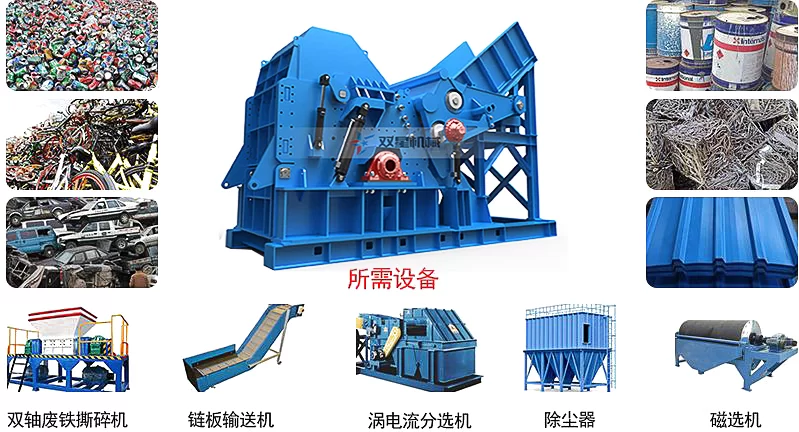
Color Steel Tile Crushing Process
Material Inspection and Preparation
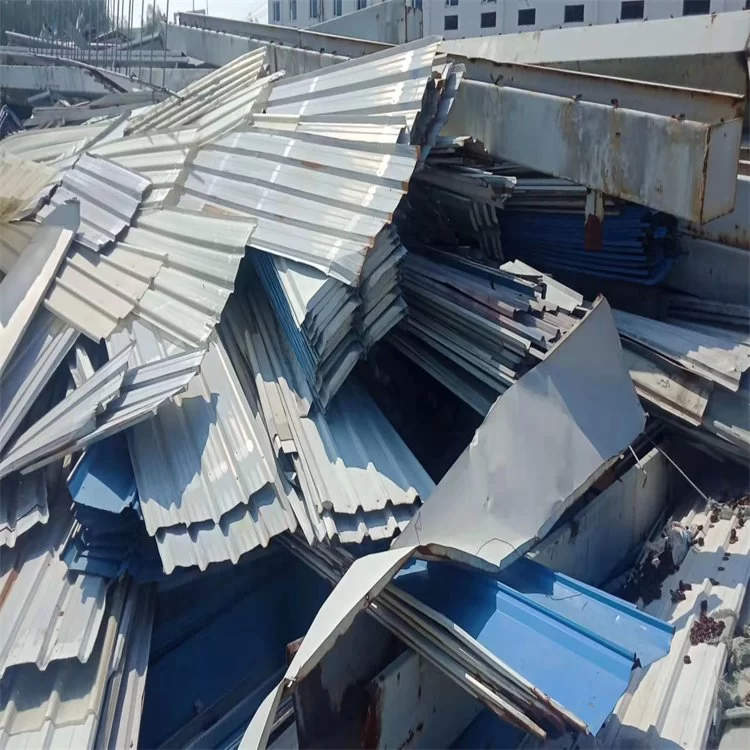
Color steel tile scrap should be inspected before crushing. Thick structural steel, sealed containers, batteries, pressure vessels and hazardous materials must be removed or handled separately.
Sandwich panels containing foam, rock wool, adhesive layers or other insulation should be evaluated according to their construction and the required downstream separation process.
Controlled Feeding
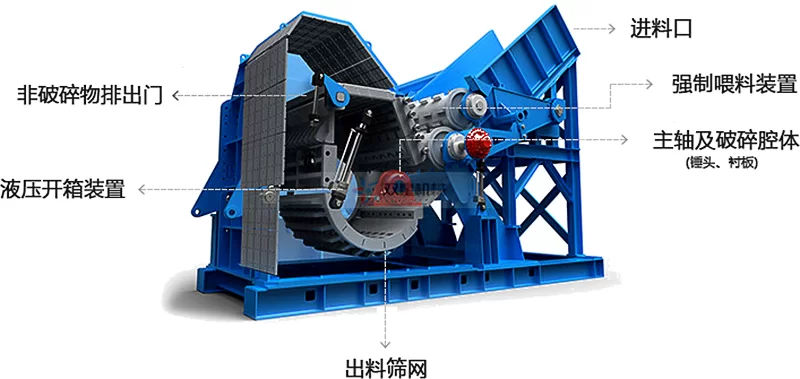
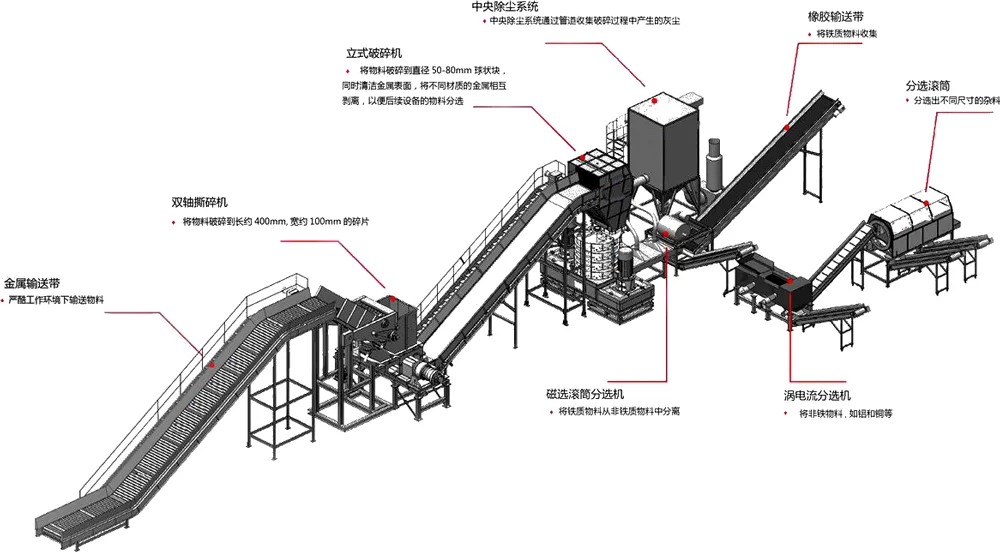
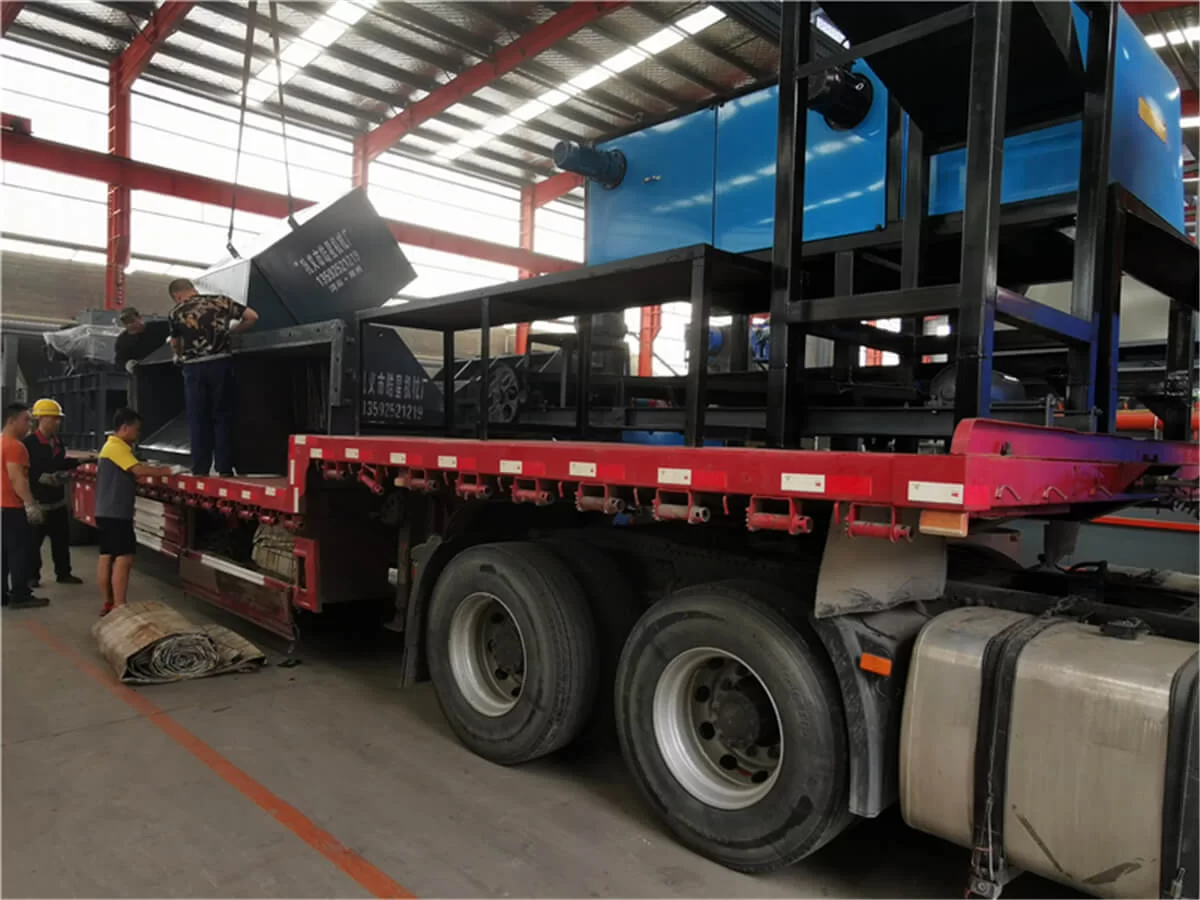
Prepared roofing sheet sections are transferred into the crushing chamber by a conveyor or suitable feeding device. The feeding rate should match the sheet dimensions, folded condition, thickness and crusher load.
Long sheets, bundled panels and material exceeding the crusher feeding limits require pre-cutting or primary shredding before entering the hammer crusher.
Hammer Crushing
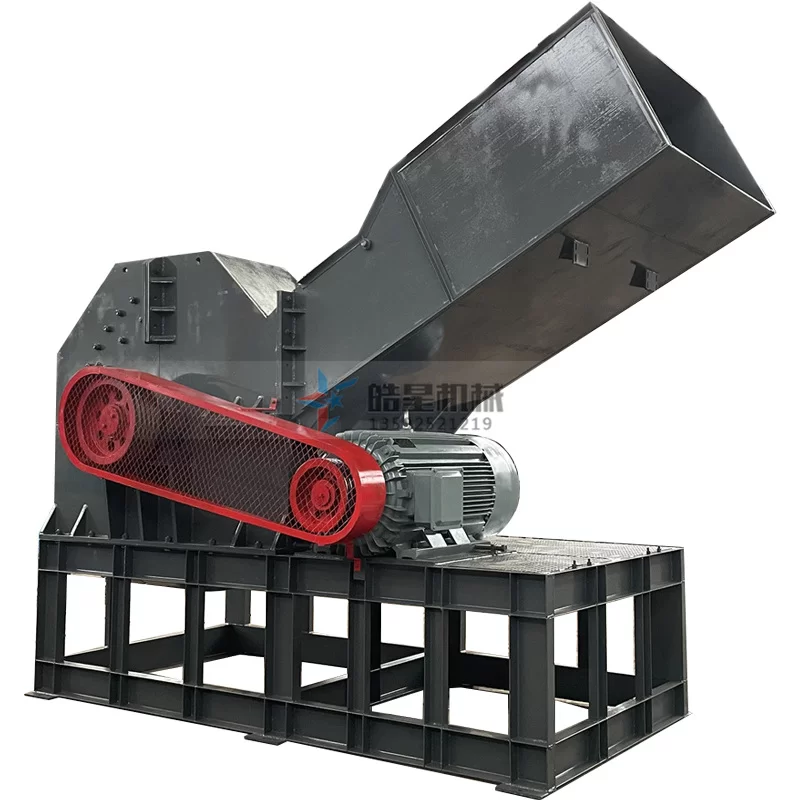
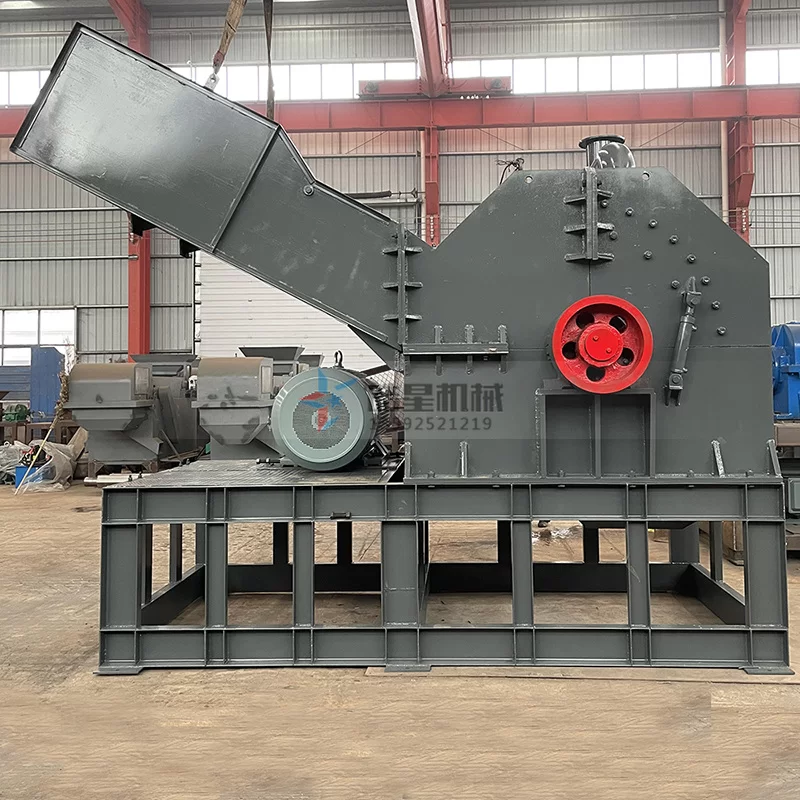
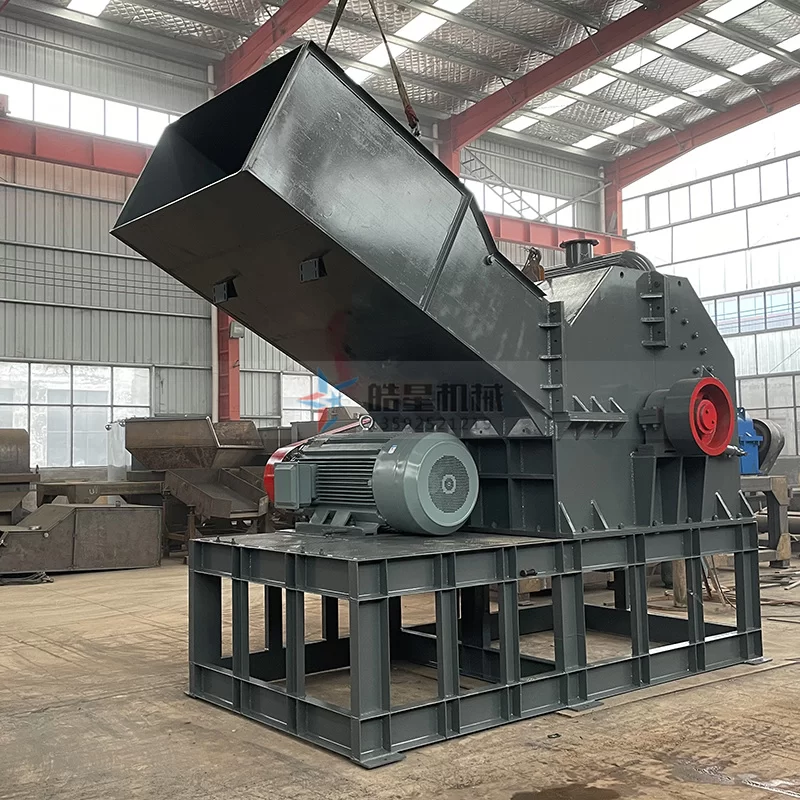
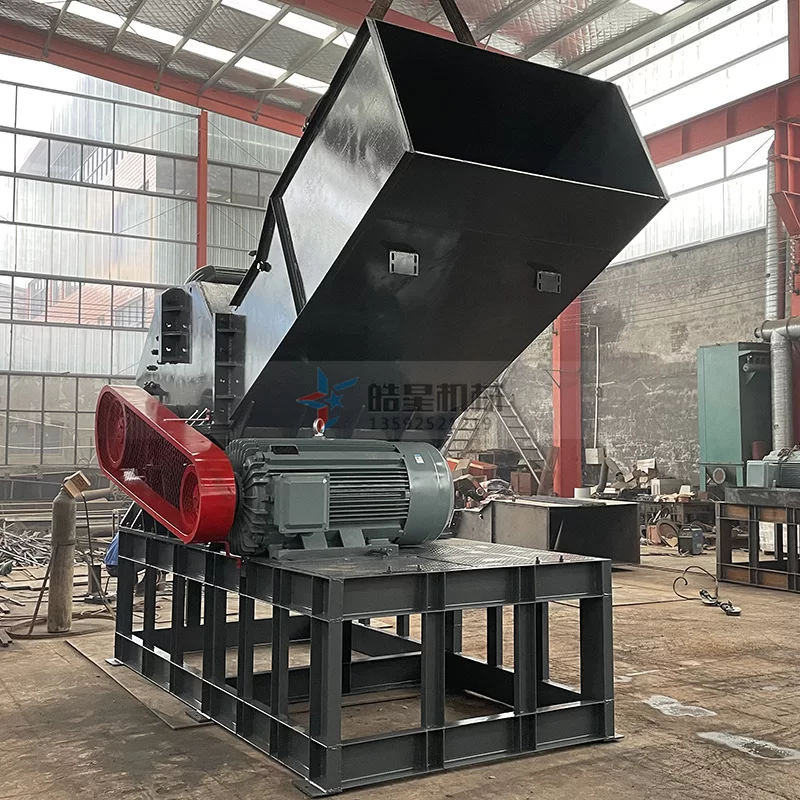
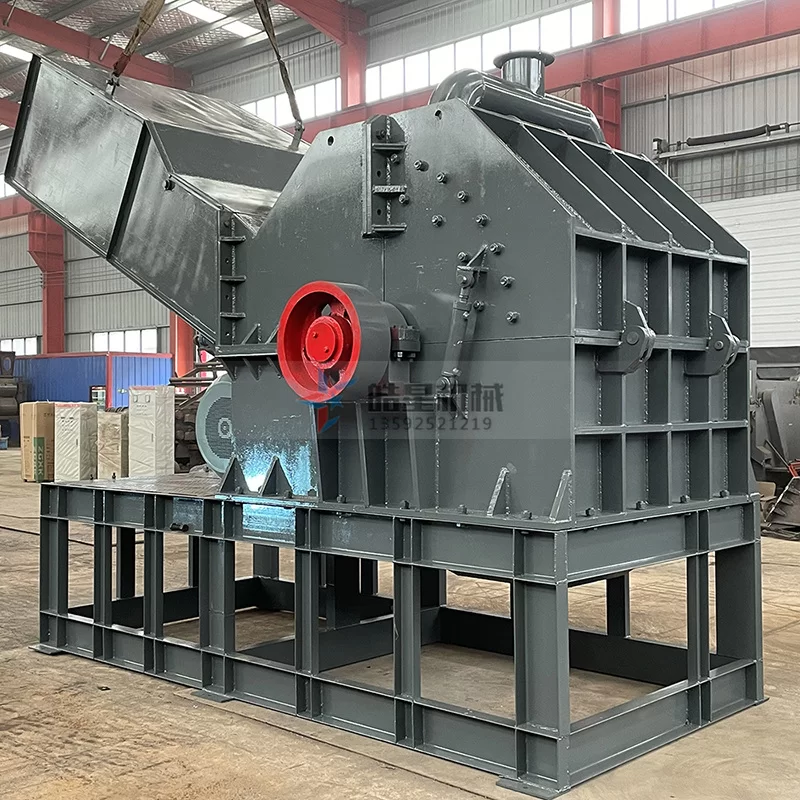
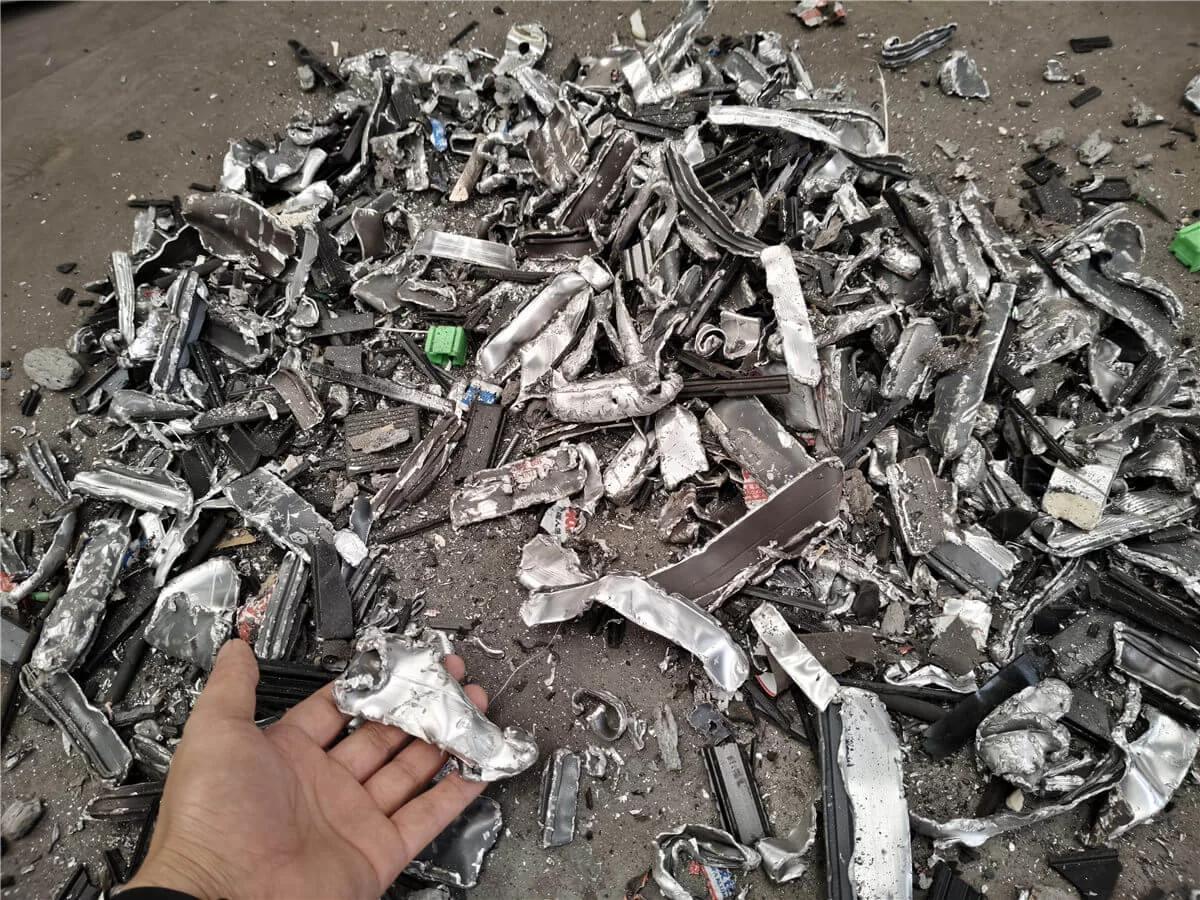
A high-speed rotor drives the hammers to repeatedly impact, deform and break the prepared steel sheets inside the crushing chamber. Friction and compression between the hammers, liner plates and screen grate further reduce the material.
The crushing action may expose or loosen coating fragments, protective film and attached non-metallic materials, but it does not automatically remove all paint, zinc coating or contamination.
Screen-Controlled Discharge
Material that meets the selected screen opening is discharged from the crusher, while oversized pieces remain inside the crushing chamber for further processing.
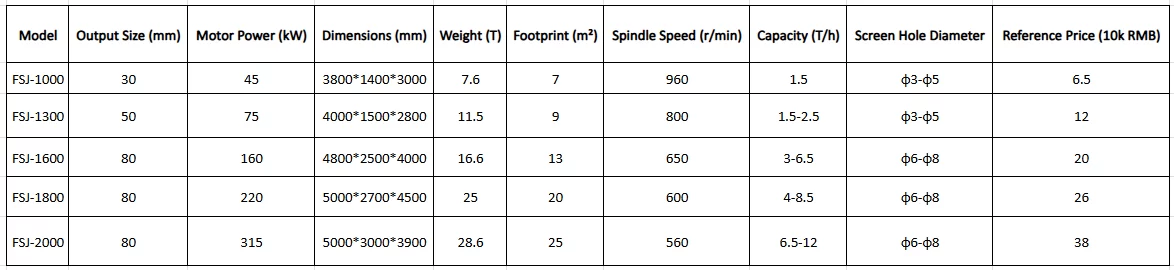
Actual output depends on the sheet thickness, folded condition, hammer configuration, screen opening, feeding rate and crusher load.
Magnetic Separation
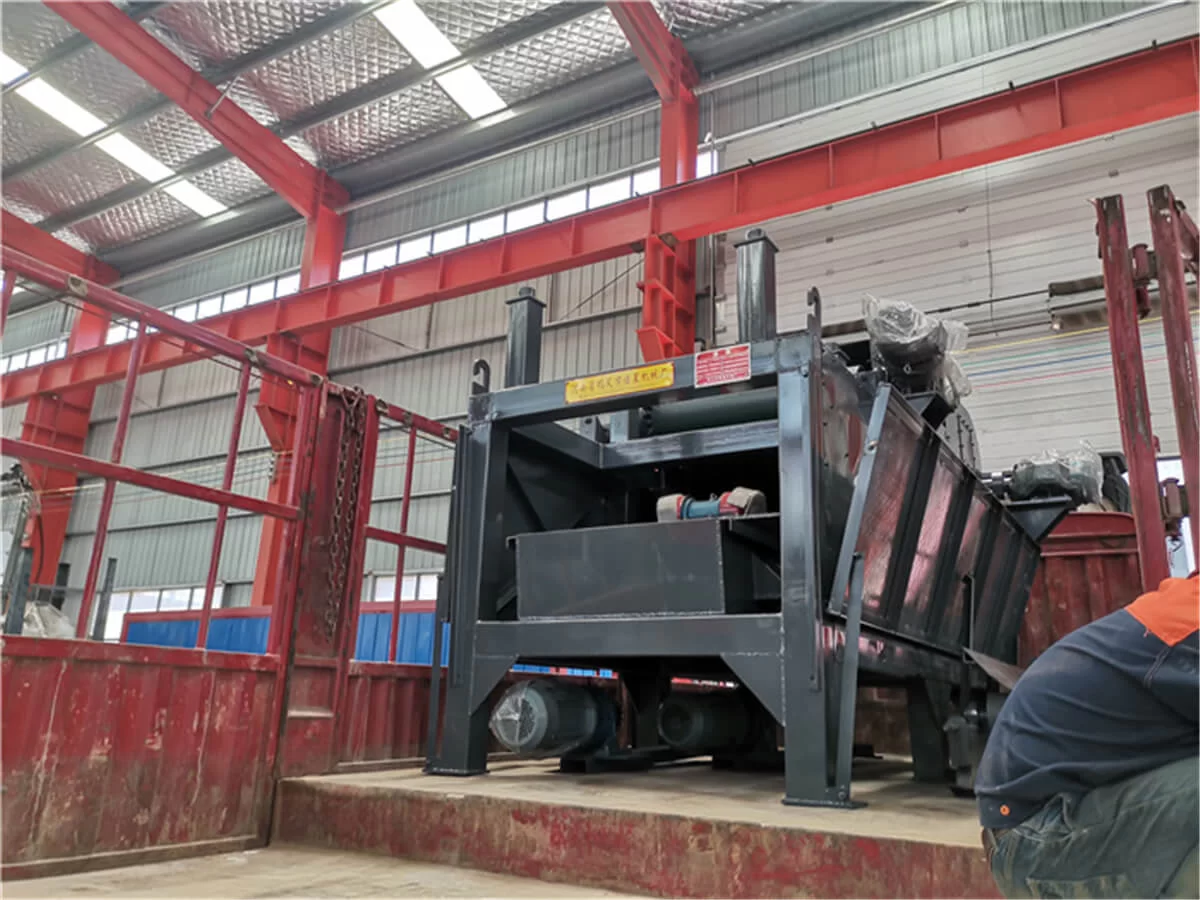
After crushing, the processed material can pass through magnetic separation. Iron and steel are recovered from loosened coating fragments, insulation residue and other suitable non-magnetic material.
Clean color steel tile scrap may not require magnetic separation for basic ferrous recovery, but the equipment may still be used when the line contains mixed materials.
Optional Screening
Screening can separate different particle-size fractions and remove excessive fine material. The screen configuration should be selected according to the downstream processing requirements.
Optional Airflow Sorting
Airflow sorting may help remove protective film, foam particles, loose insulation and other lightweight residues when sufficient density and aerodynamic differences exist.
Material containing large amounts of insulation may require a dedicated separation route rather than relying on airflow sorting alone.
Dust Collection
Crushing coated steel sheets and insulated panels may generate dust, coating fragments and fine non-metallic material. Dust collection can be configured around the crusher, screening equipment and conveyor transfer points.
Material Collection
Processed steel, lightweight residues and collected fine material are transferred to separate collection areas according to the selected recycling process.