🏭 Category: Steel Shredding Equipment

Alligator Shear

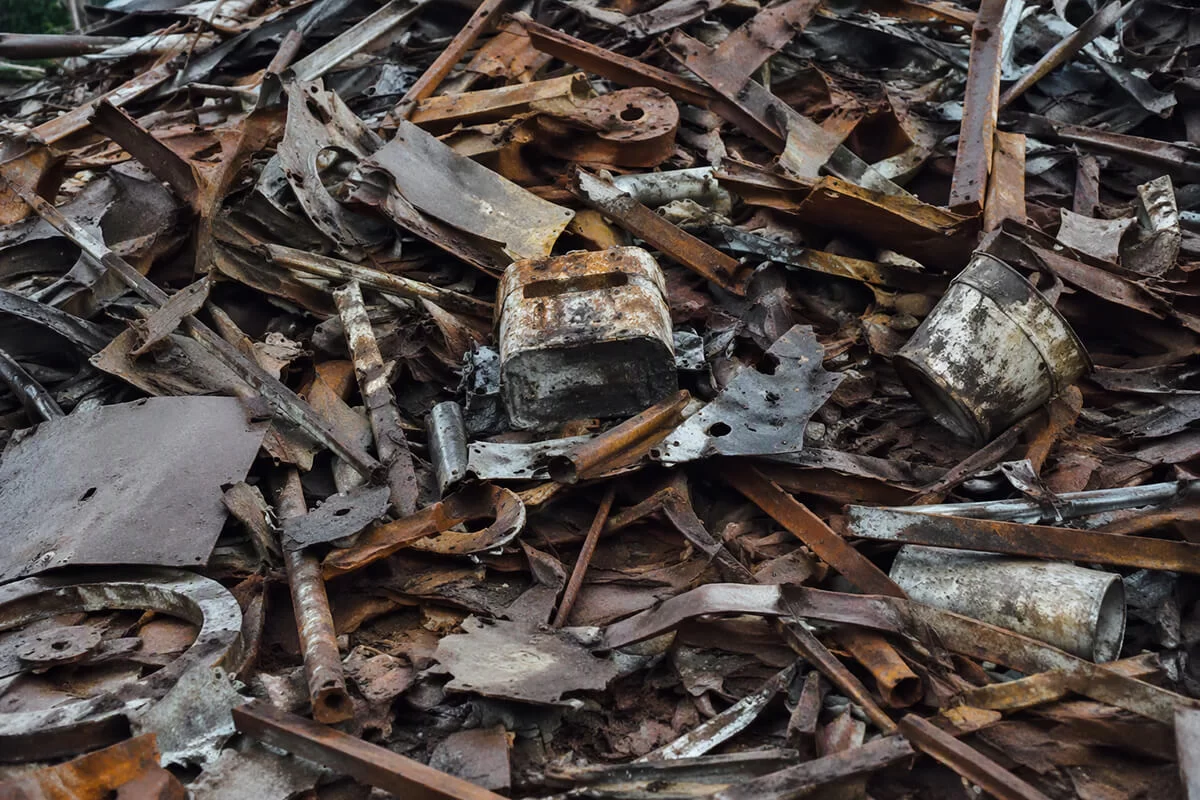
Applicable Materials: Prepared rebar, round steel bars, square bars, angle steel, small channel sections, metal pipes, light structural offcuts, flat steel, selected wire rope and other elongated ferrous scrap within the rated shear opening and cutting capacity.

Product Parameters

Key technical information for quick evaluation.

Power
Hydraulic power
Production Capacity
2t/h-15t/h(View Specs)
Output Size
10–50 cm, customizable as required
Production Line Composition
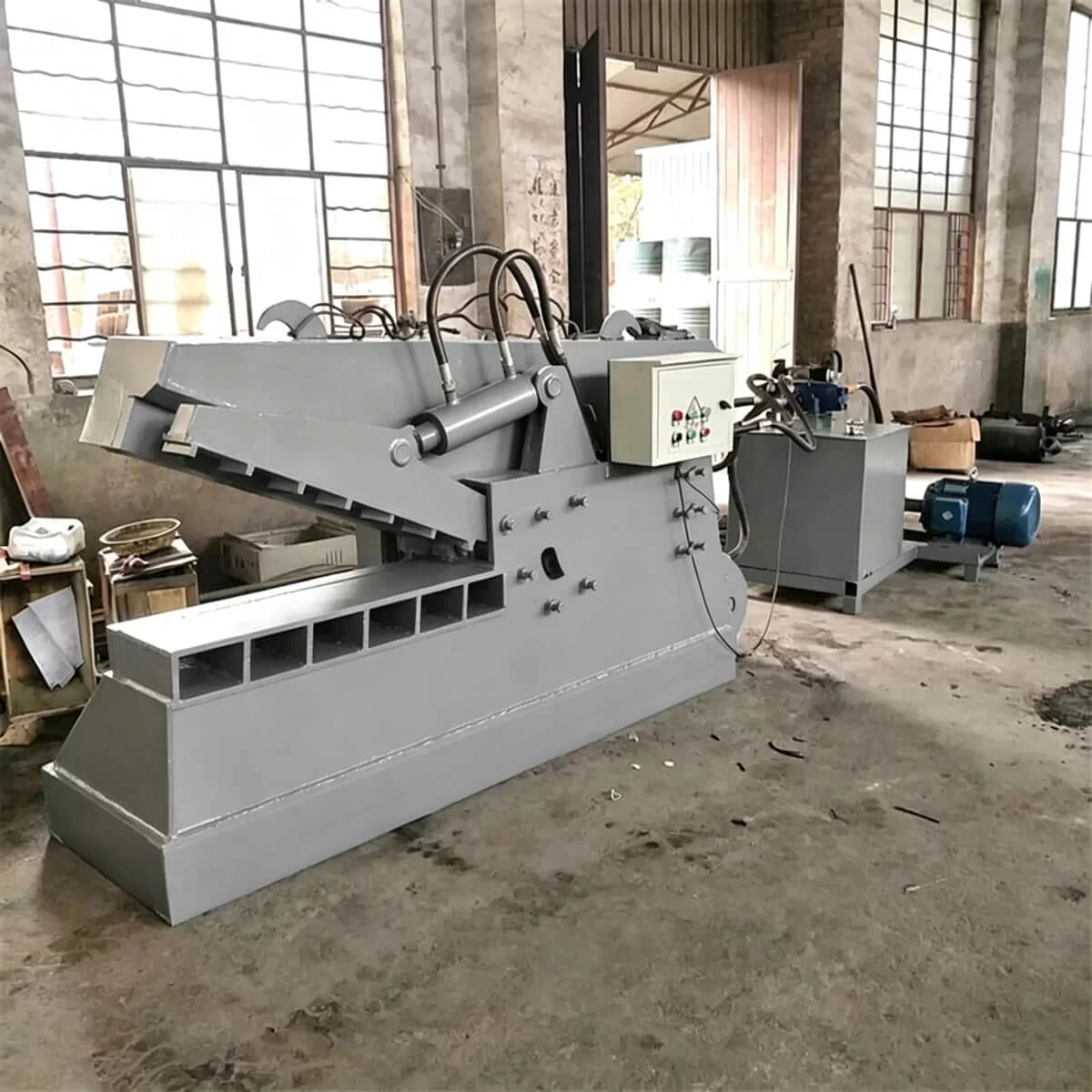
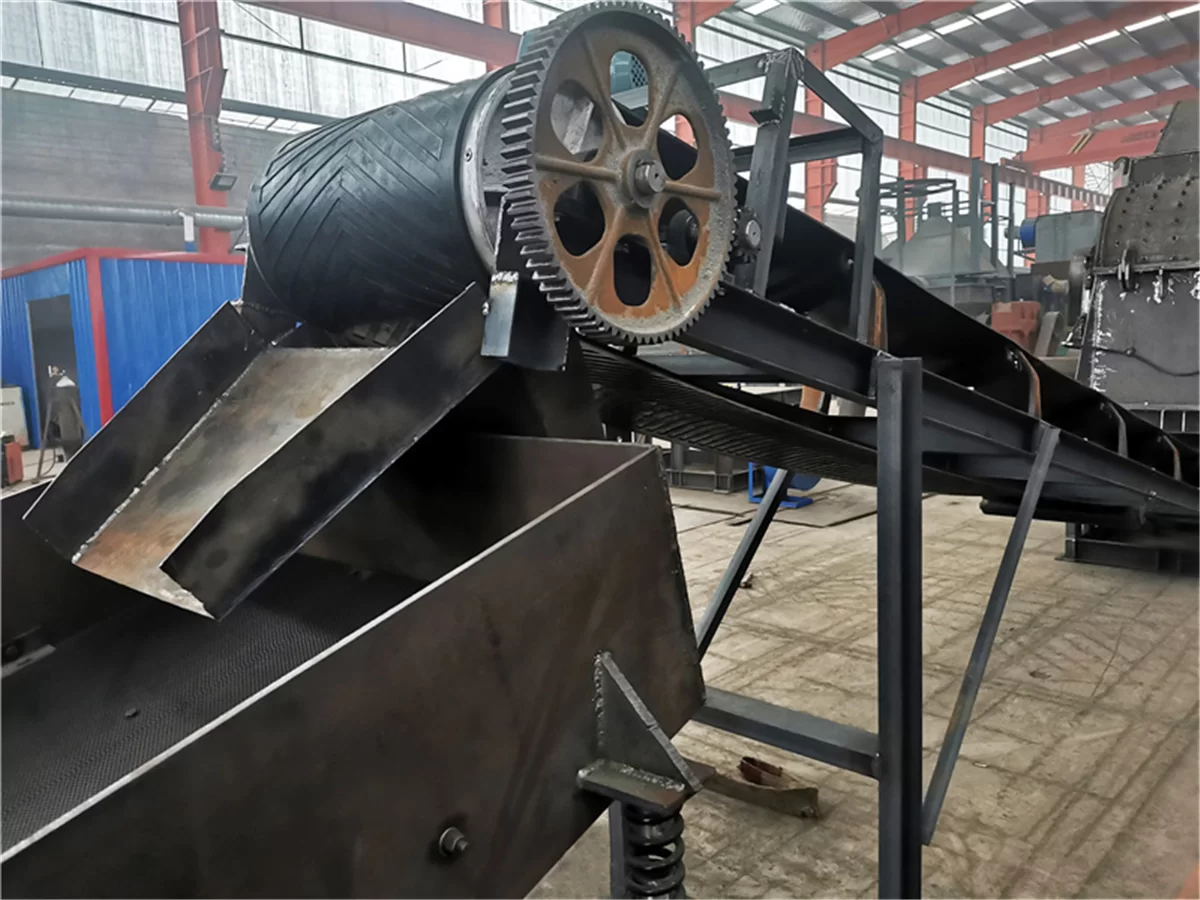
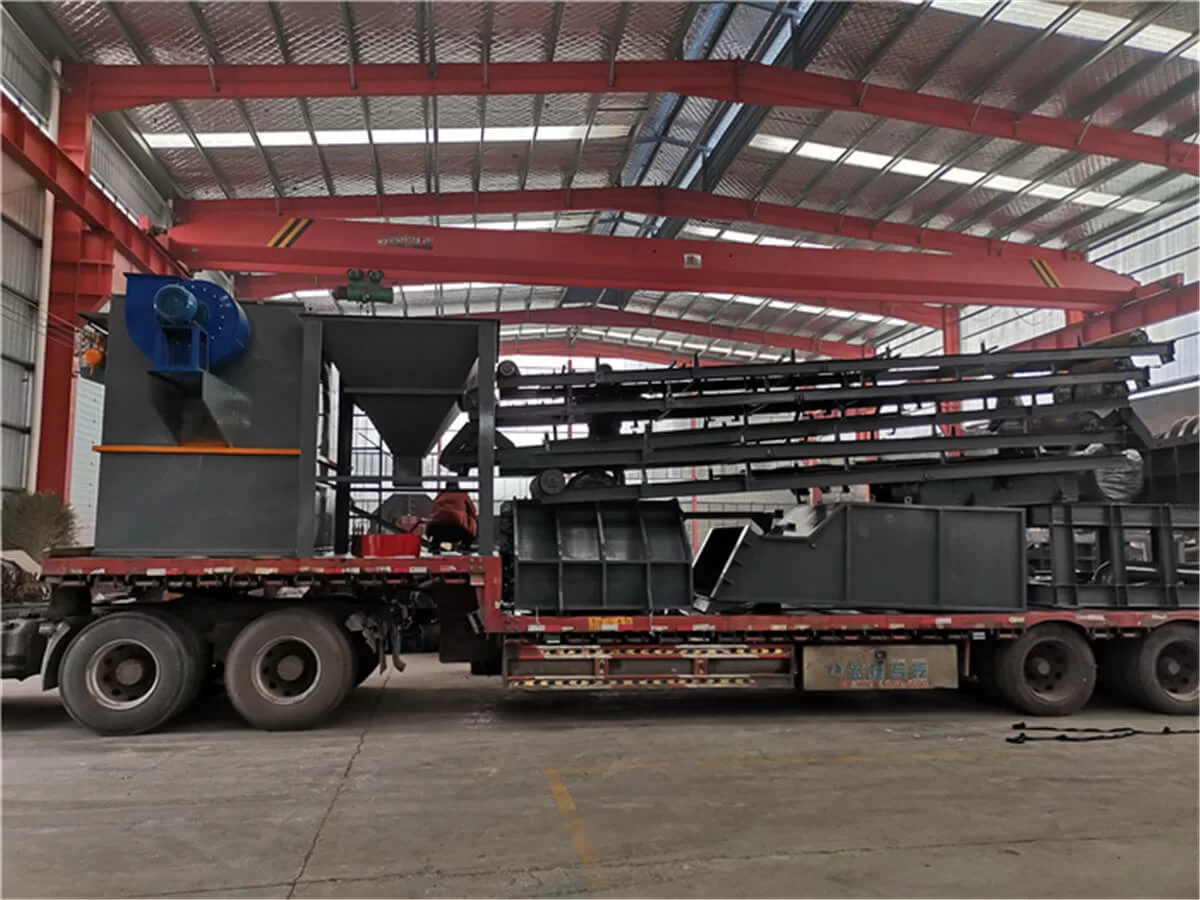
Alligator shear main unit, hydraulic power unit, hydraulic cylinder, moving blade, fixed blade, heavy-duty frame, material hold-down device, electric control system, foot pedal or operating control and safety guards. Optional equipment includes feeding support, discharge conveyor, material collection system and hydraulic oil cooling equipment.
Reference Price
2.8万-3.8万(Price varies by model. See specs or call)
Product Details

Alligator Shear

Review the equipment introduction, working principle, advantages and technical specifications in one clear page.

01

Equipment Introduction

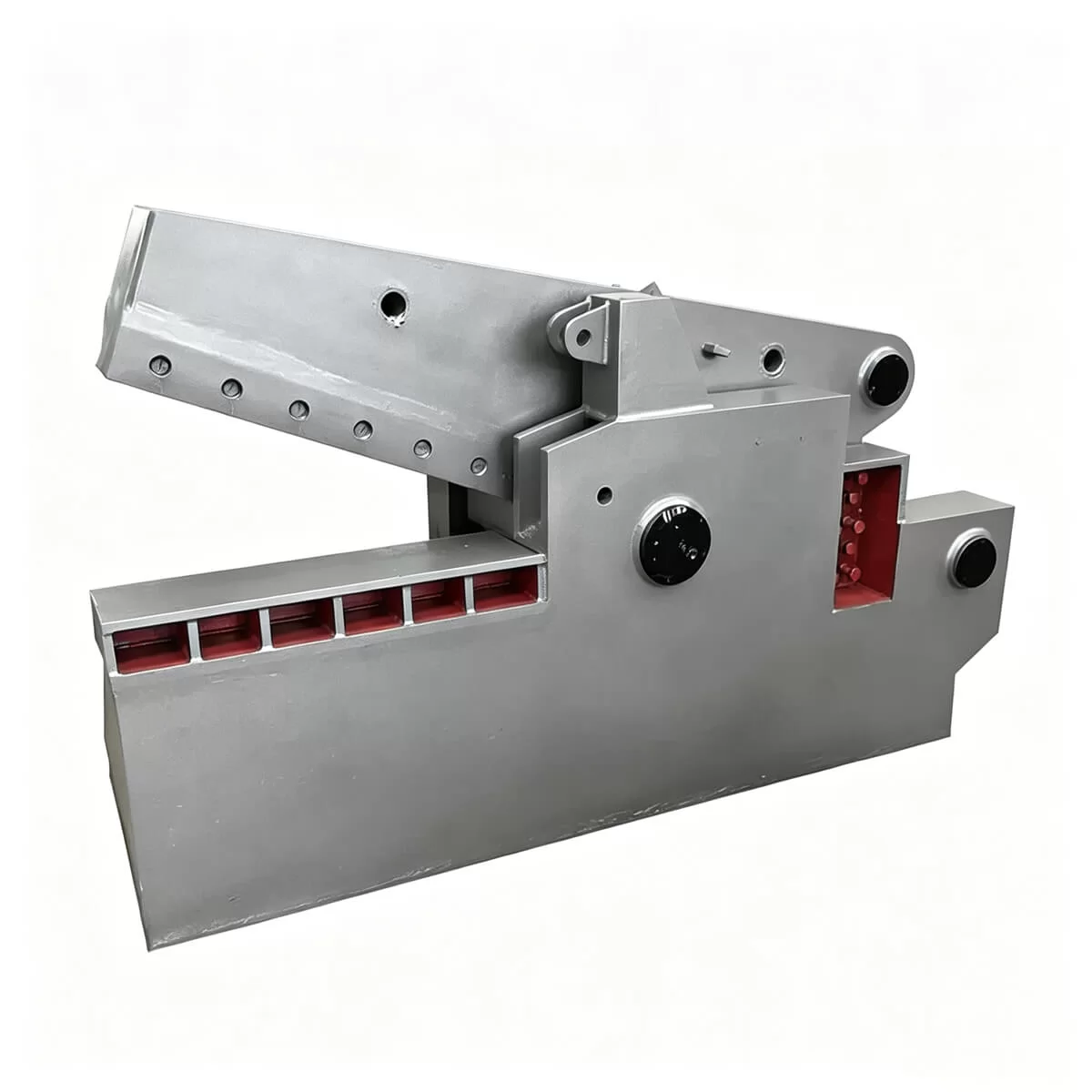
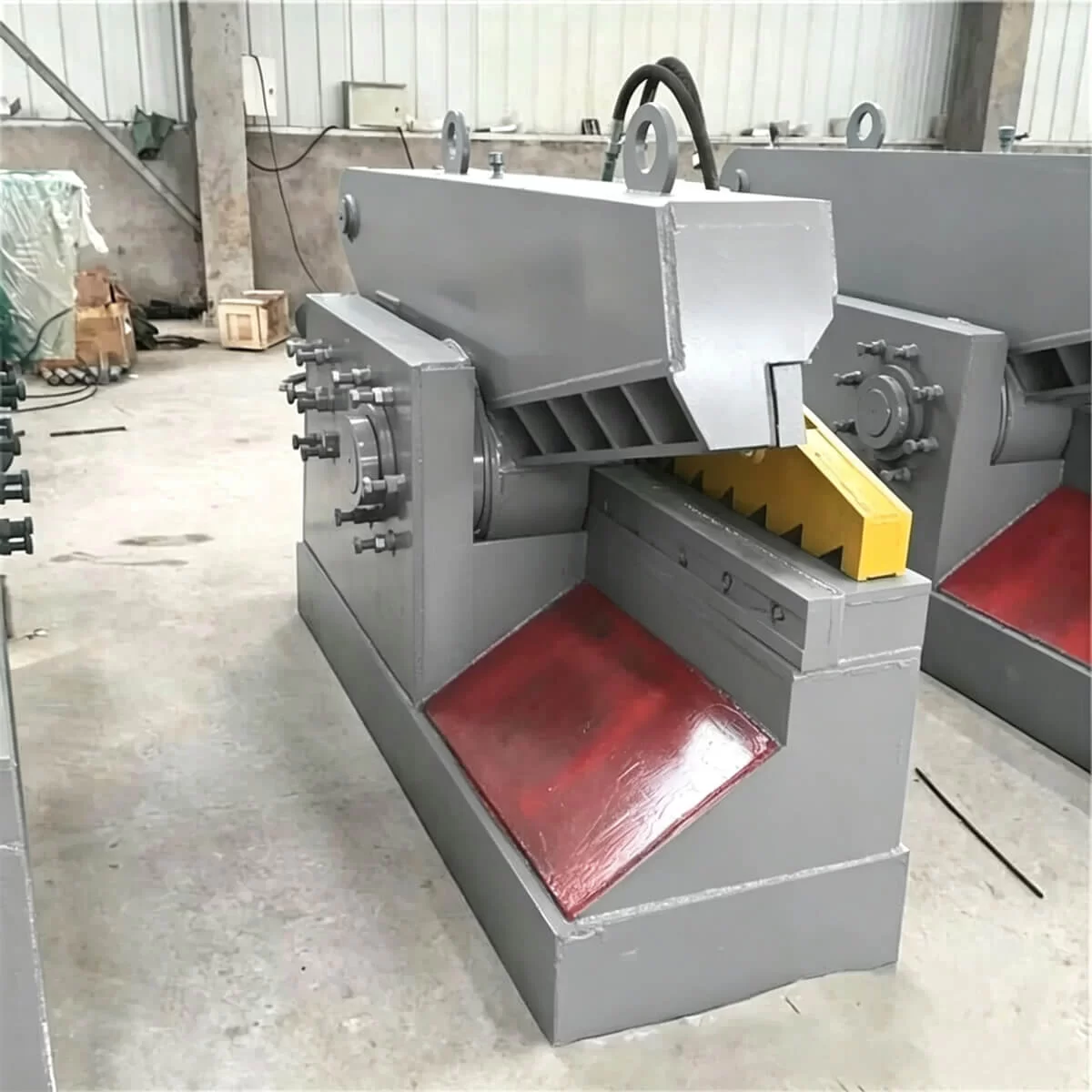
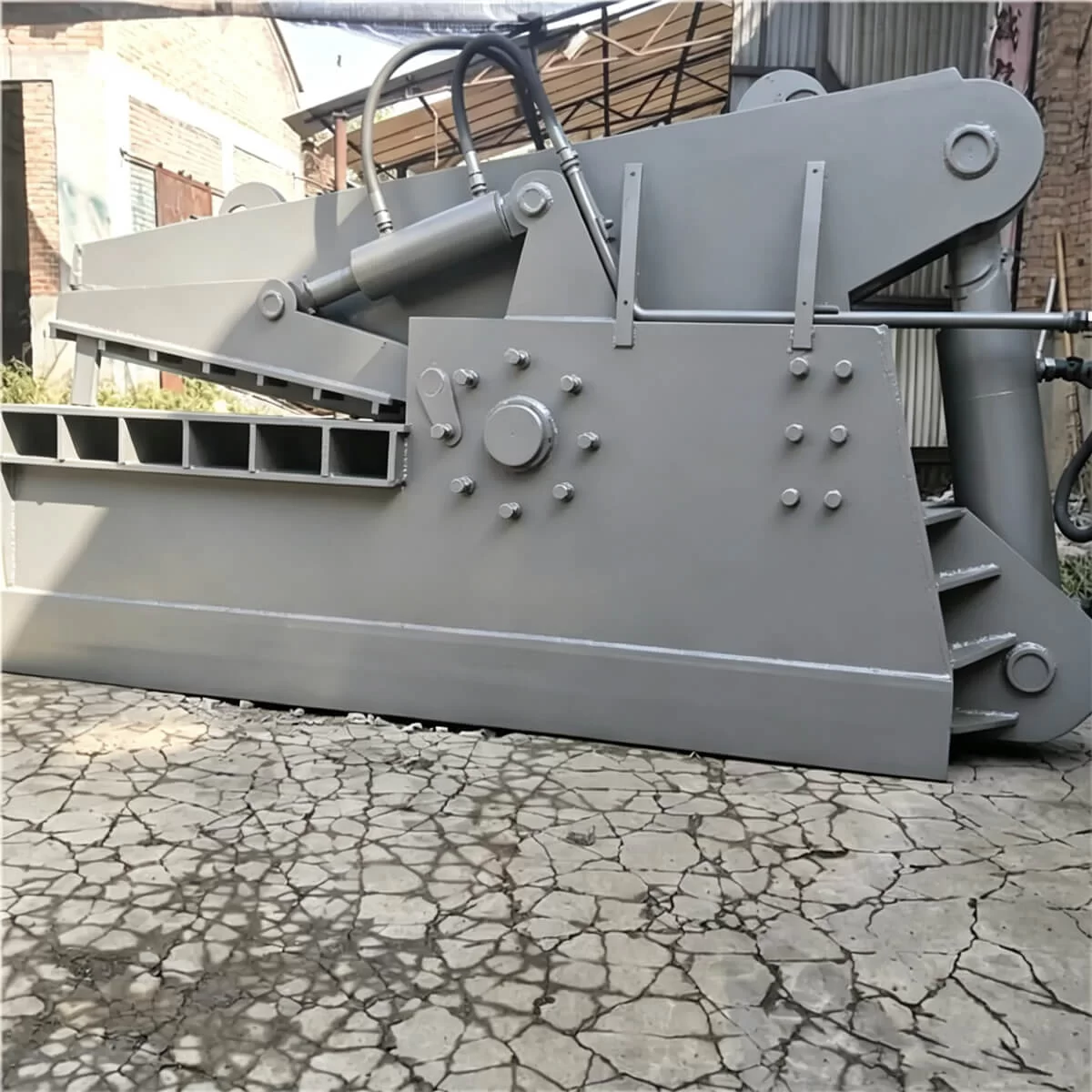
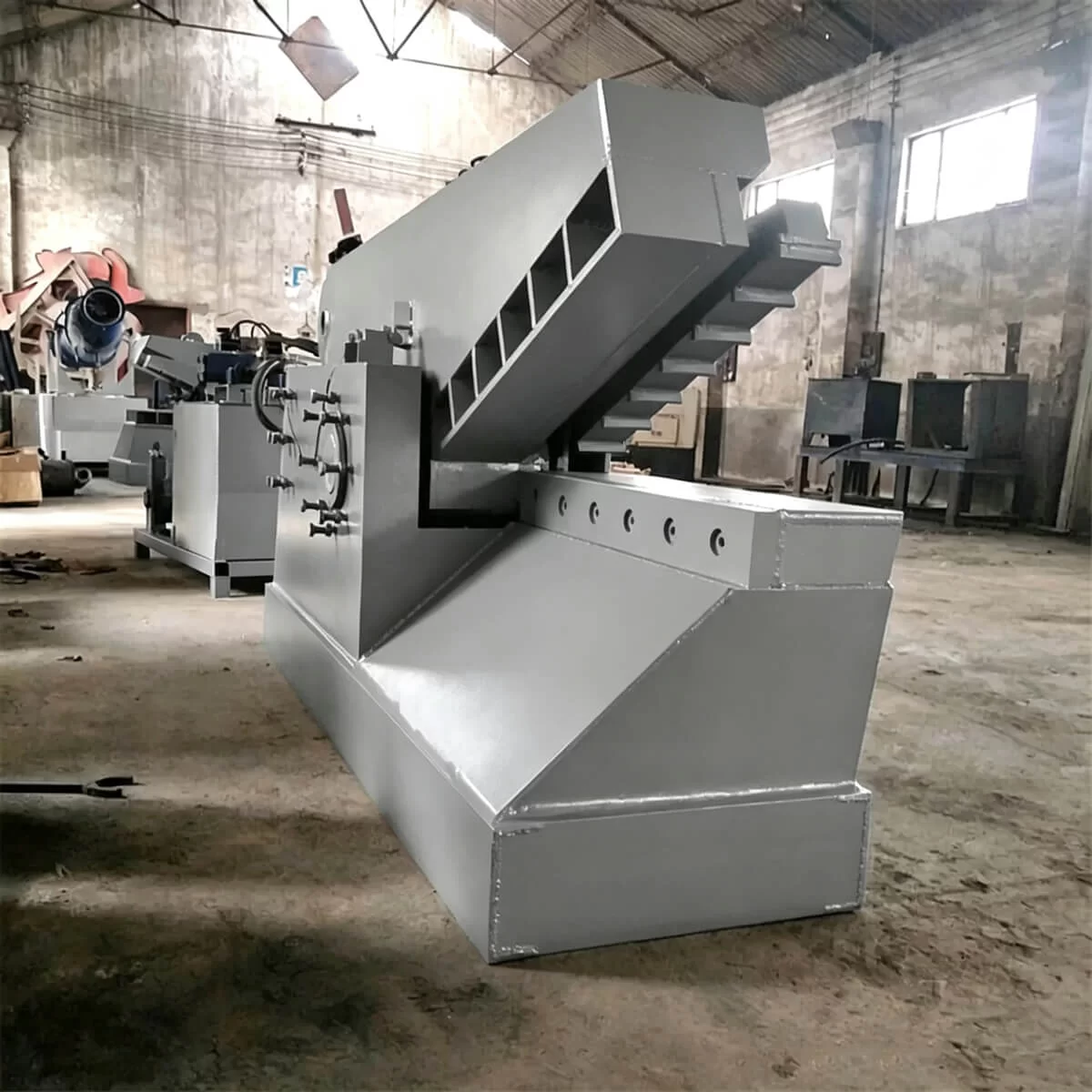
Haoxing Machinery's Metal Shear, also known as a Hydraulic Shear, Scrap Iron Shear, or Alligator Shear (due to its crocodile-like jaw action), is a powerful hydraulic cutting machine designed for cold shearing of scrap metal. Powered by a hydraulic system, the machine drives a hydraulic cylinder to actuate a moving blade against a fixed bed knife, delivering immense shearing force to cut through various steel bars, channels, angles, rounds, cold-rolled steel, and scrap metal components to desired lengths. Renowned for its simple structure, low failure rate, ease of operation, and strong biting force, this shear is widely used in scrap yards, ELV dismantling facilities, and steel mill feedstock preparation.

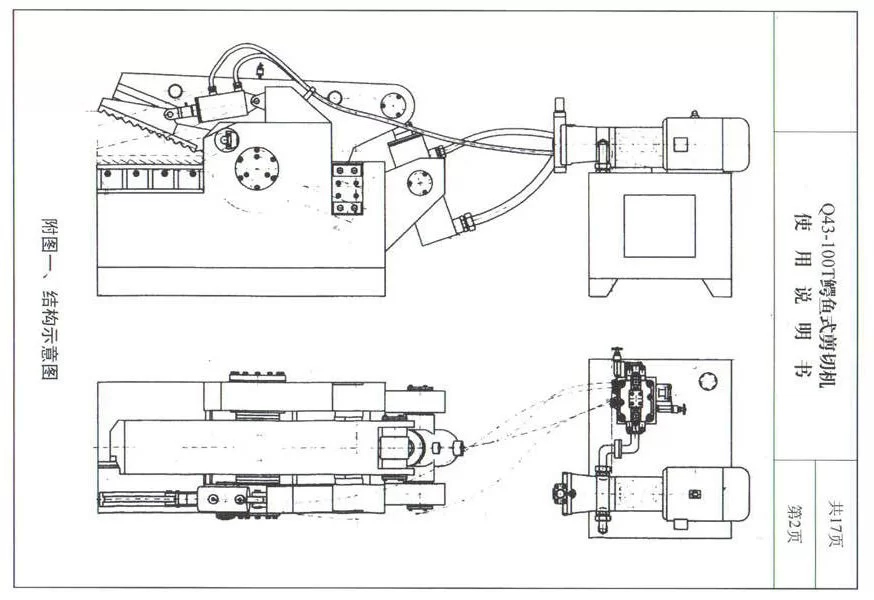
The metal shear is powered by a hydraulic device, which drives the hydraulic cylinder to push the tension rod. Through the up-and-down meshing of the movable blade and the fixed blade, the shearing force is applied to cut the metal material. The structure is shown in the figure below:

Alligator Shear

02

Working Principle

Alligator Shear Working Process

1. Material Inspection

Scrap metal should be inspected before cutting. The material type, maximum cross-section, hardness, shape and required cut length must remain within the rated capacity of the selected shear.

Sealed containers, pressure vessels, gas cylinders, batteries and hazardous materials must be removed and handled separately.

2. Material Positioning

Prepared metal bars, steel sections or other elongated scrap are placed between the moving blade and fixed blade. The material should be positioned securely and must not extend into the operator’s working area in an uncontrolled manner.

3. Hydraulic Power Transmission

An electric motor drives the hydraulic pump to generate pressurized oil. The hydraulic control system directs the oil to the cylinder, moving the piston and blade assembly through the cutting stroke.

4. Hydraulic Shearing

The moving blade closes against the fixed blade and applies concentrated shearing force to the positioned material. The scrap is cut into a shorter section according to the operator’s feeding position and required handling length.

5. Blade Return and Refeeding

After the cutting stroke, the hydraulic cylinder returns the moving blade to its open position. The remaining material can then be repositioned for the next cutting cycle.

6. Material Collection

Cut metal sections are collected manually or transferred by conveyor according to the machine arrangement and site layout. The processed material can be sorted, baled, transported or prepared for furnace feeding.

Information Required for Alligator Shear Selection

  • Material type and representative photos

  • Maximum round bar diameter

  • Maximum square bar dimensions

  • Angle, channel or pipe cross-section

  • Material grade and approximate hardness

  • Required cut length

  • Required hourly processing capacity

  • Manual, crane or conveyor feeding method

  • Local voltage and frequency

03

Features and Advantages

Core Features and Advantages

  • Wide application range, powerful shearing capacity: Cuts various lengths and thicknesses of round bars, square bars, channels, angles, pipes, cold-rolled steel, I-beams and rails, as well as scrap car and motorcycle frames and structural metal components.

  • Hydraulic drive, compact size with high force: The hydraulic power system provides compact dimensions, light weight and strong shearing force compared with mechanical shears. Models with shearing forces from 60 tons to 300 tons are available for different material requirements.

  • Simple operation, safe and controllable: The shear is easy to operate and can be stopped instantly during operation for better cutting length control. Safety guards help protect the operator during use.

  • Clean and environmentally friendly, low maintenance: Cold shearing produces no smoke, sparks or secondary pollution. The simple mechanical design supports routine maintenance, low failure rates and lower operating costs.

  • Multiple blade length options: Blade lengths such as 1.2 meters, 1.5 meters and 1.8 meters are available, allowing selection according to material size and site layout.

Safety and Maintenance Guidelines

To ensure safe and long-term operation, follow the guidelines below:

  • Pre-operation training: Because the machine has exposed working parts, new operators should receive proper training before using the equipment.

  • Regular lubrication: Follow a regular lubrication schedule and record planned maintenance to keep moving parts in good working condition.

  • Hydraulic oil management: Keep enough high-quality hydraulic oil in the system. Hydraulic oil should be checked regularly and replaced according to working intensity and maintenance requirements.

  • Leakage response: Stop the machine immediately if oil leakage is found. Troubleshoot and repair the leakage before restarting the equipment.

  • Maintain safe distance: Personnel should stay away from the shear blade opening to reduce the risk of injury from moving parts or metal fragments.

  • Gauge calibration: Precision components such as pressure gauges should be checked and calibrated regularly by qualified technicians.

04

Technical Specifications

Parameter description diagram for Alligator Shear | Hydraulic Metal Shear for Scrap Metal Cutting | Haoxing Machinery:

ModelShearing Force (ton)Blade Length (mm)Motor Power (kW)Max Cutting Diameter (mm)Cutting Frequency (strokes/min)Weight (t)
HX-YQ60608007.5φ358 - 122.2
HX-YQ100100100011φ458 - 123.5
HX-YQ160160120018.5φ606 - 105.5
HX-YQ200200150022φ706 - 108.0
HX-YQ250250180030φ805 - 811.0
HX-YQ300300180037φ905 - 814.5

Note: Specifications provided by Haoxing Machinery are for reference only. Actual cutting capacity varies with material composition, shape and hardness. Custom blade lengths and special tonnage requirements are available upon request.

Applications:

  • Scrap metal recycling yards for cutting scrap steel to furnace size

  • ELV dismantling lines for shearing car and motorcycle frames

  • Steel mill feedstock pre-processing

  • On-site cutting of rebar and metal profiles at construction sites

  • Offcut processing in structural steel fabrication facilities

FAQ

Frequently Asked Questions

Find common questions about scrap metal crushers, shredders, recycling lines, equipment selection, capacity configuration and operation requirements.

QWhat maintenance is required for an alligator shear?

A

Regular maintenance includes checking blades, hydraulic oil, oil pipes, seals, fasteners, electrical components, lubrication points, and cutting clearance. Keeping the blades sharp, feeding materials evenly, and replacing worn parts in time can help improve cutting efficiency and extend the service life of the alligator shear.

QHow do I choose a suitable alligator shear model?

A

The suitable alligator shear model depends on the raw material type, maximum material size, material thickness, cutting force, blade length, hydraulic power, working frequency, and required output capacity. Customers can provide material photos, dimensions, and cutting requirements, and we can recommend a suitable hydraulic alligator shear solution.

QWhat is an alligator shear used for in scrap metal recycling?

A

An alligator shear is used to cut long, irregular, or small scrap metal materials into shorter pieces for easier storage, transportation, sorting, furnace feeding, and recycling. It is commonly used in scrap yards, metal recycling plants, dismantling sites, and small metal processing workshops.

QWhat materials can an alligator shear cut?

A

An alligator shear can cut various scrap metal materials, such as steel bars, rebar, angle steel, round steel, flat steel, small steel plates, pipes, aluminum profiles, copper scrap, and other non-ferrous metal scrap. The suitable model should be selected according to material thickness, hardness, cutting width, and required cutting force.

Post a Question

Leave your question about material type, capacity, equipment model or recycling line configuration.

Verification code
Get A Quote

Get Instant Pricing & Specs

Send your email and tell us your material type, capacity requirement and site condition. Our team will provide equipment selection, technical specifications and quotation details.

  • Model recommendation
  • Capacity configuration
  • Recycling line quotation

Request Product Details

We usually reply with equipment details and pricing information as soon as possible.

WhatsApp
💬
WhatsApp
WhatsApp QR Code
Scan or click to chat with us on WhatsApp.