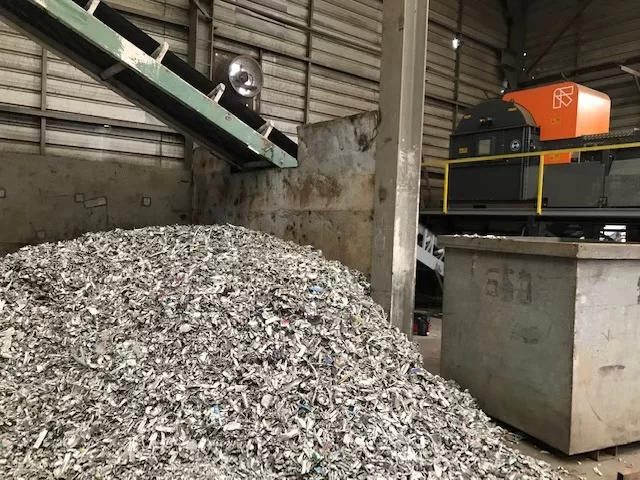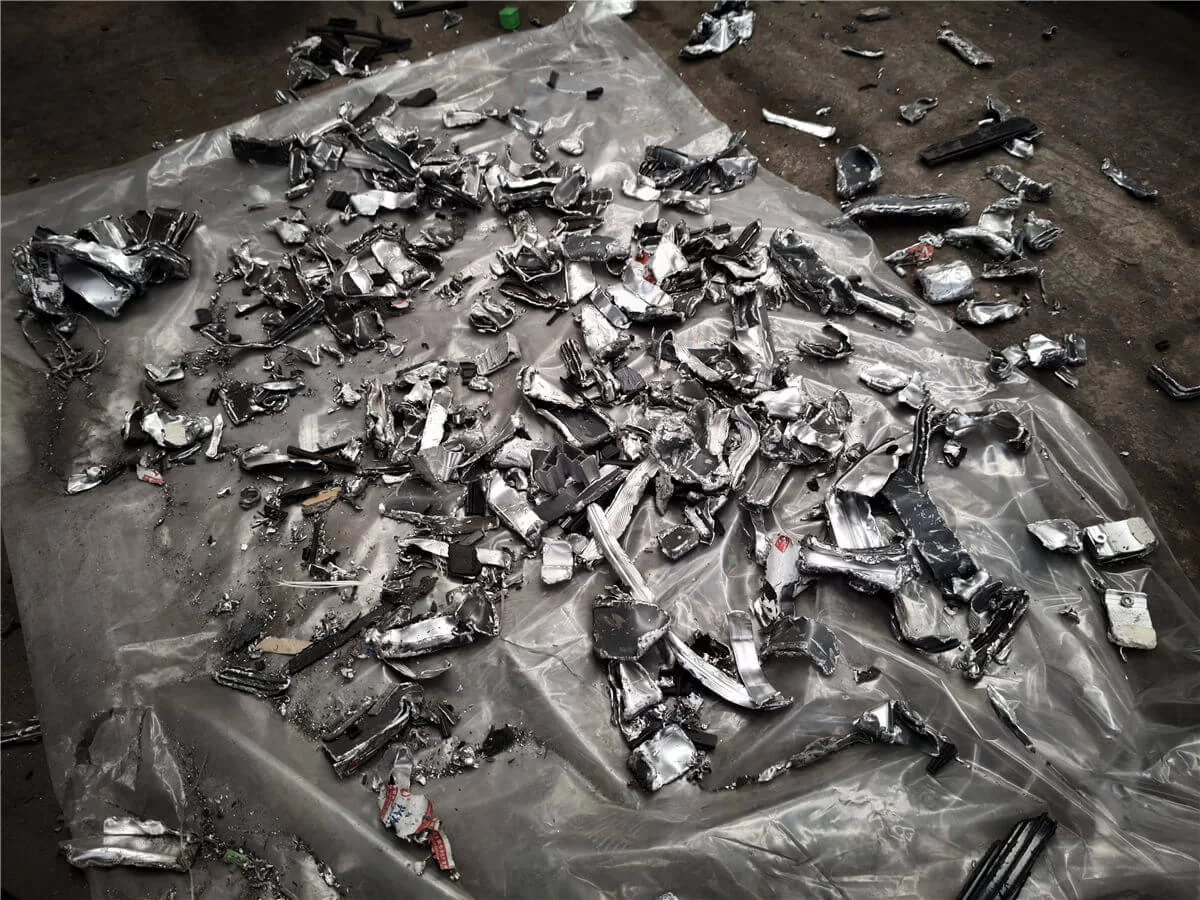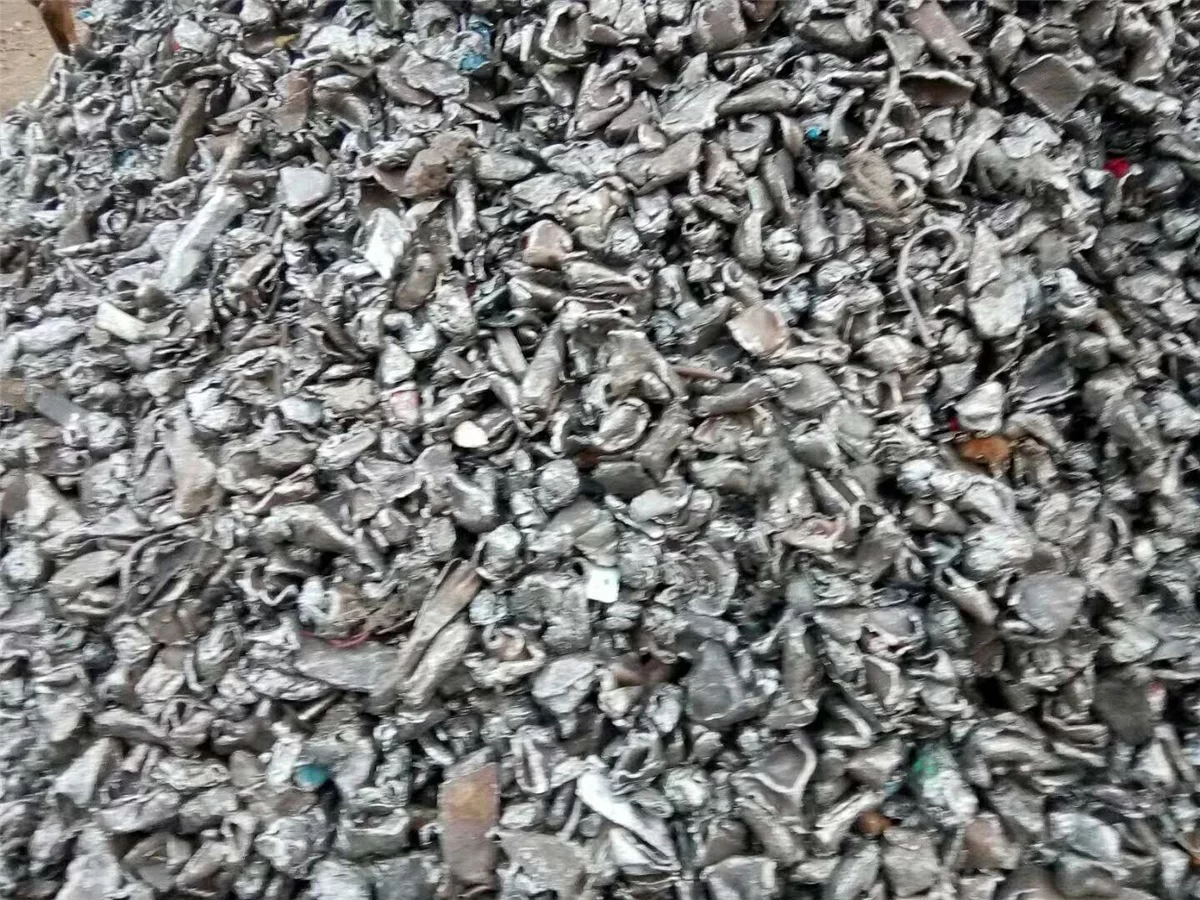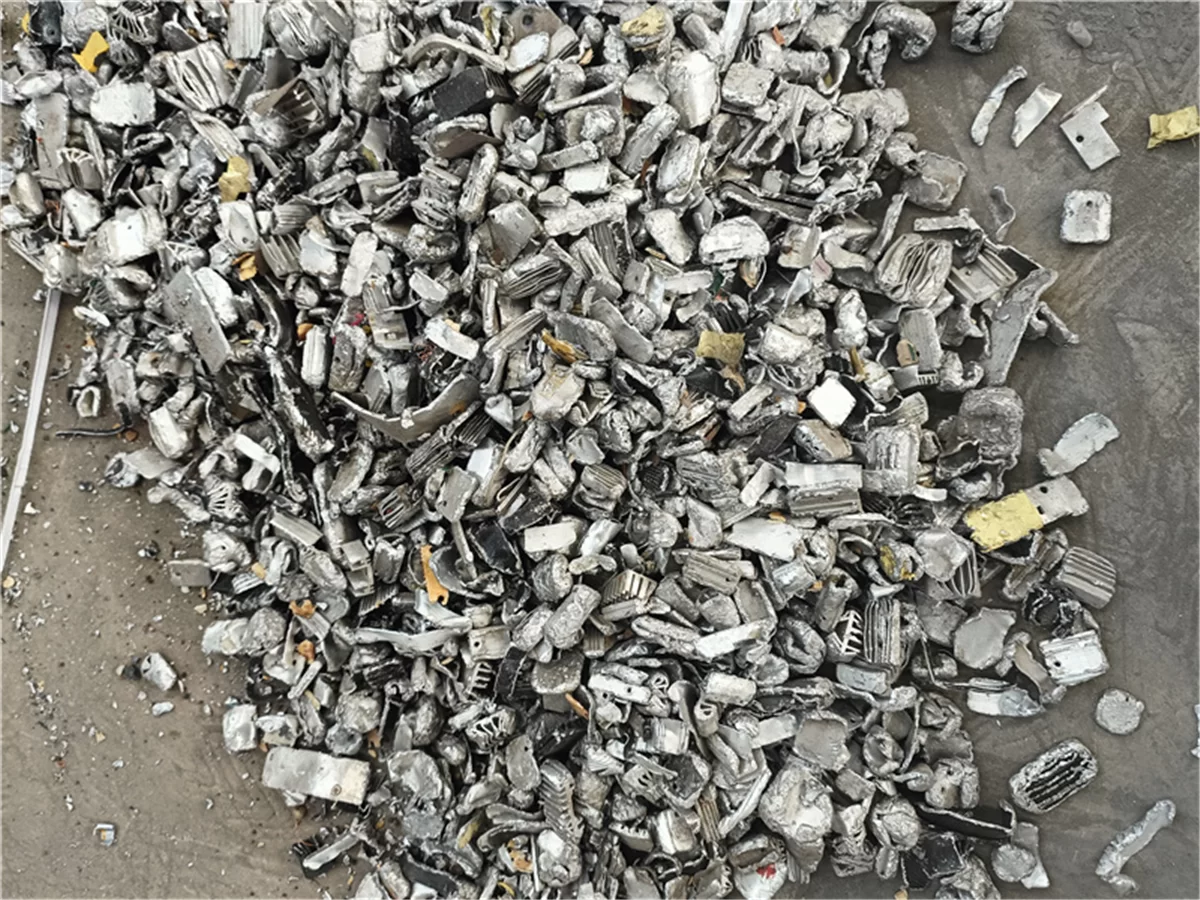

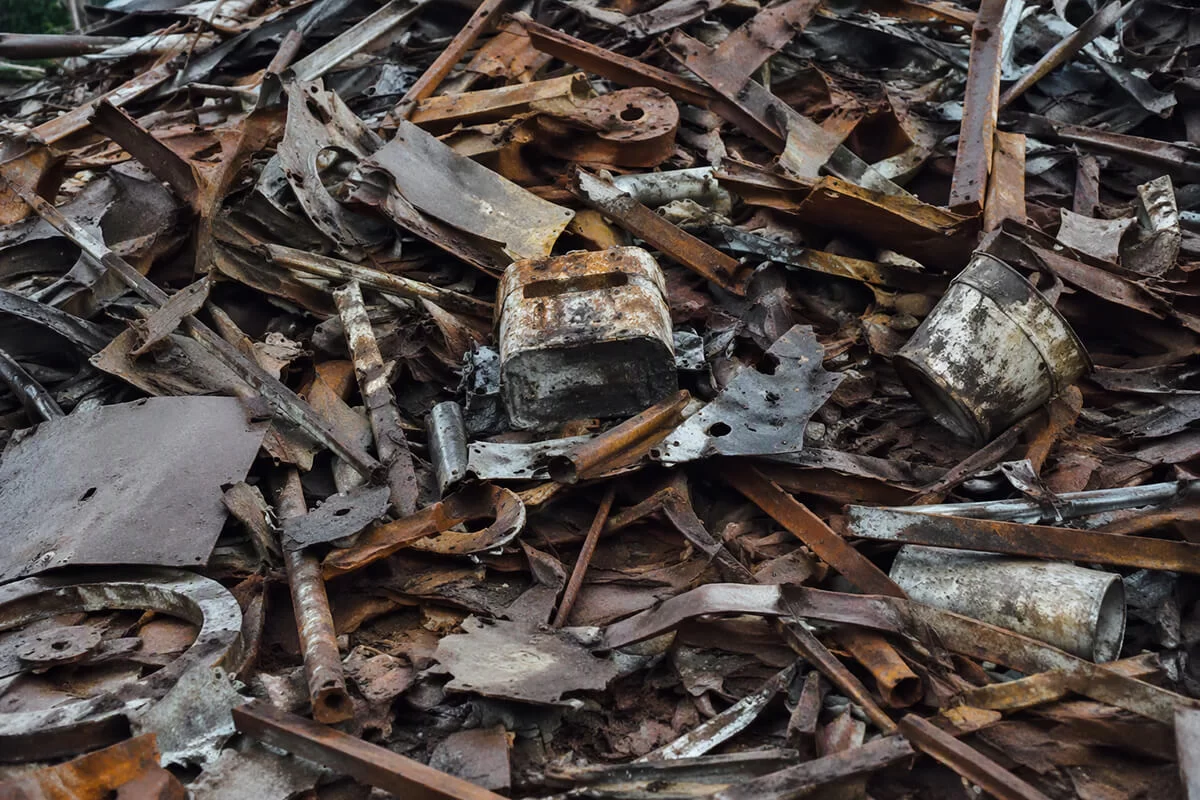
Ferrous scrap refers to discarded metal materials that contain iron, including scrap steel, scrap iron, sheet metal, steel drums, industrial offcuts, appliance shells and light structural steel. These materials are widely collected from manufacturing plants, demolition sites, vehicle recycling facilities and scrap yards.
The condition of ferrous scrap can vary considerably. Some materials are loose and thin, while others are bulky, compressed, mixed with attachments or supplied in irregular shapes. For this reason, the processing system should be selected according to the material size, thickness, density, impurity level and required final product.
Common Types of Ferrous Scrap
Ferrous scrap processed by recycling equipment may include:
Scrap steel sheets and offcuts
Light scrap iron
Steel drums and paint buckets
Color-coated steel sheets
Appliance shells
Prepared car body sections
Baled light-gauge steel
Steel frames and light structural scrap
Mixed iron and steel waste
Manufacturing and fabrication offcuts
Heavy steel beams, railway tracks, oversized castings and extremely thick steel plates normally require cutting or hydraulic shearing before they enter a shredding or crushing system.
How Is Ferrous Scrap Processed?
There is no single processing method for every type of ferrous scrap. Depending on its condition, the material can be processed by shredding, crushing or a combination of both.
Primary Shredding
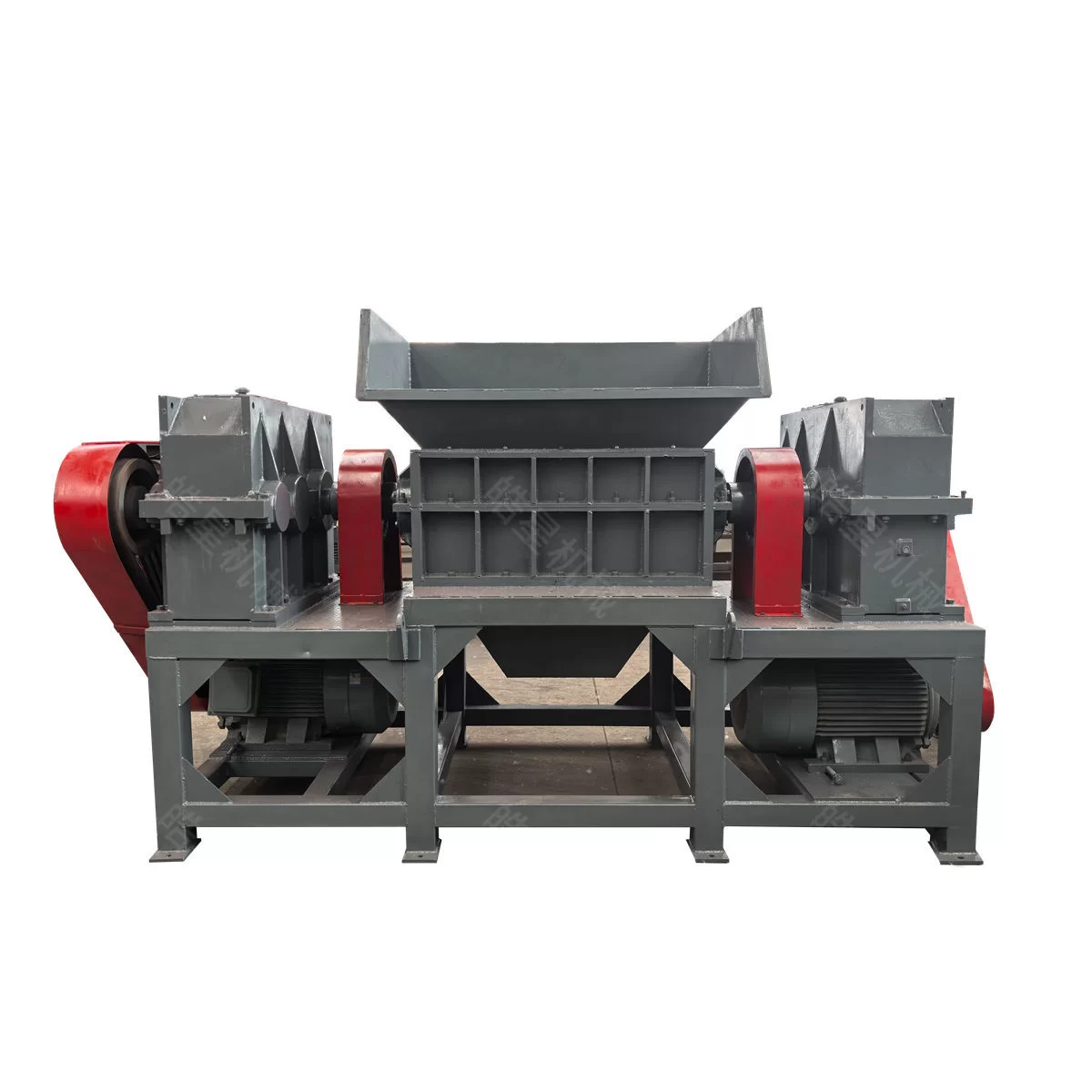
Large, bulky, baled or irregular ferrous scrap can first be fed into a twin shaft shredder. The machine uses low-speed, high-torque shearing to open compressed material and reduce it into more manageable pieces.
Primary shredding helps:
Reduce the size of bulky scrap
Open compacted or baled material
Improve feeding stability
Prepare the material for further crushing
Reduce sudden impact on downstream equipment
The shredder is mainly used for coarse size reduction and preparation. It is not automatically required for every ferrous scrap application.
Direct Crushing
Light-gauge steel and iron scrap that already meets the crusher feeding requirements can be sent directly into a scrap metal crusher.
Typical materials may include:
Thin steel sheets
Small metal offcuts
Empty steel drums
Prepared appliance shells
Small sections of light scrap iron
Pre-cut or flattened metal waste
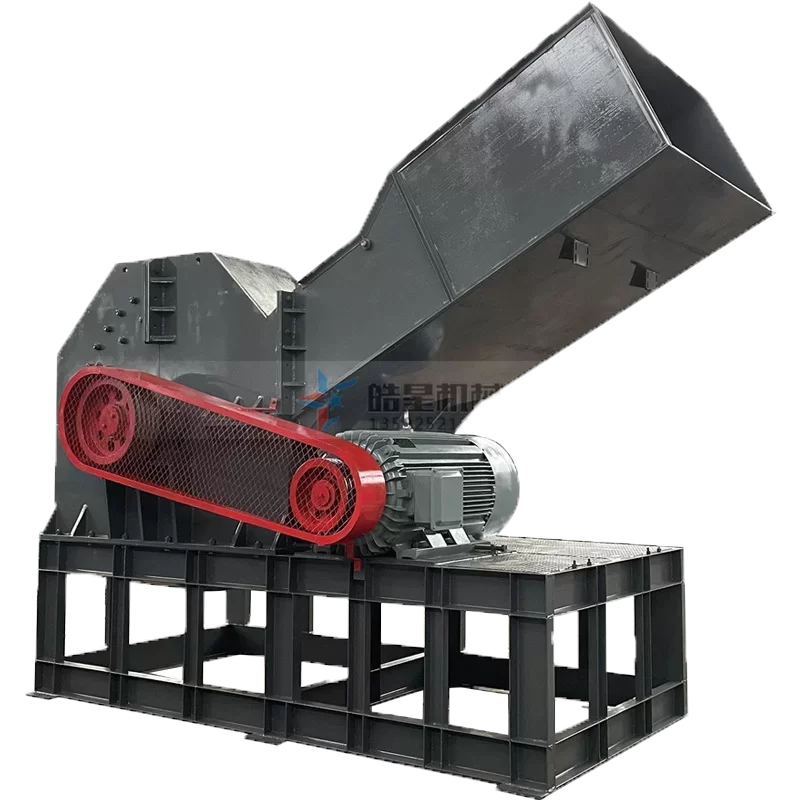
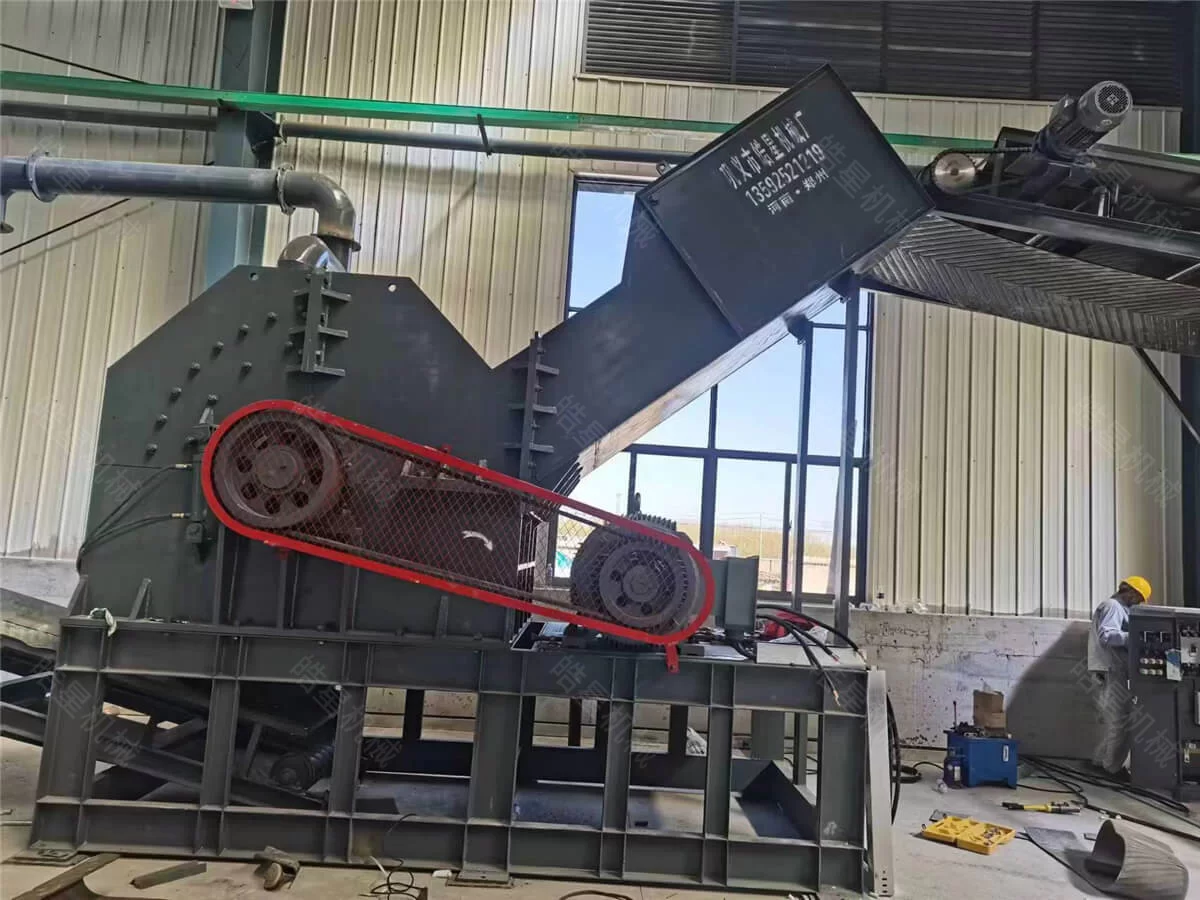
Inside the crusher, high-speed hammers repeatedly impact, tear and break the material. The screen or grate structure helps control the discharge size while attached coatings, rust and non-metallic contaminants are loosened for subsequent separation.
Shredding and Crushing
For bulky, mixed or compressed ferrous scrap, a two-stage system may be more suitable.
A typical process is:
Feeding → Primary Shredding → Secondary Crushing → Magnetic Separation → Material Collection
The twin shaft shredder performs coarse size reduction, while the scrap metal crusher produces smaller and more consistent pieces. A magnetic separator then recovers iron and steel from the processed material.
If the feed contains aluminum, copper or other non-ferrous metals, additional sorting equipment can be installed according to the required recovery process.
Selecting the Right Processing Method
The appropriate configuration depends on the actual feed material rather than the material name alone.
Use Primary Shredding When:
The scrap is bulky or difficult to feed
Materials are compressed into loose bales
Long or irregular pieces may bridge at the inlet
Controlled coarse size reduction is required
The scrap needs preparation before secondary crushing
Use Direct Crushing When:
The material is thin and already properly sized
The scrap can enter the crusher safely and continuously
Smaller and denser output is required
Surface contaminants need to be loosened
The processed steel will be magnetically separated
Use Cutting or Shearing First When:
The material includes heavy steel sections
Steel plates exceed the equipment feeding limit
Oversized castings or structural components are present
The scrap is too thick for the selected shredder or crusher
Material testing is recommended when the feedstock contains different thicknesses, uncertain attachments or a high proportion of mixed waste.
Ferrous Scrap Processing Equipment
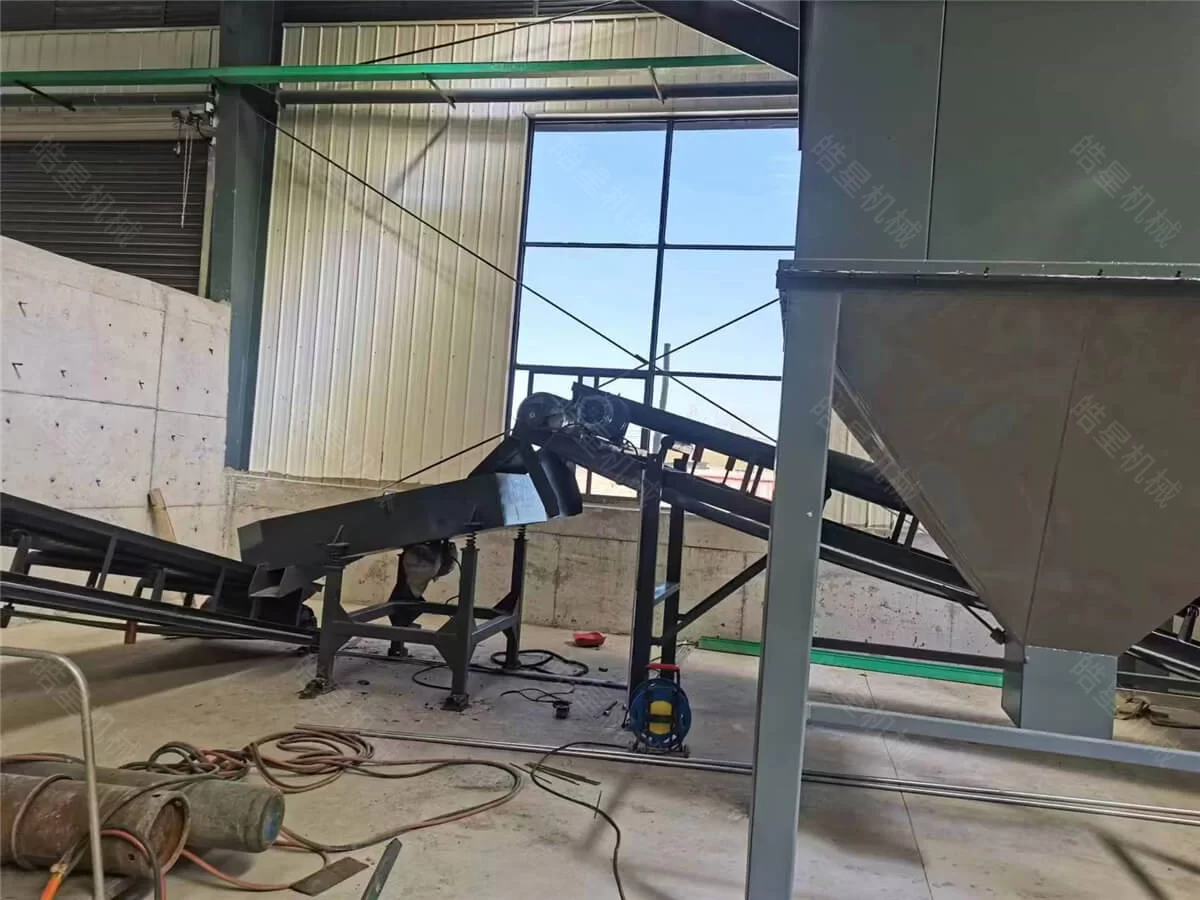
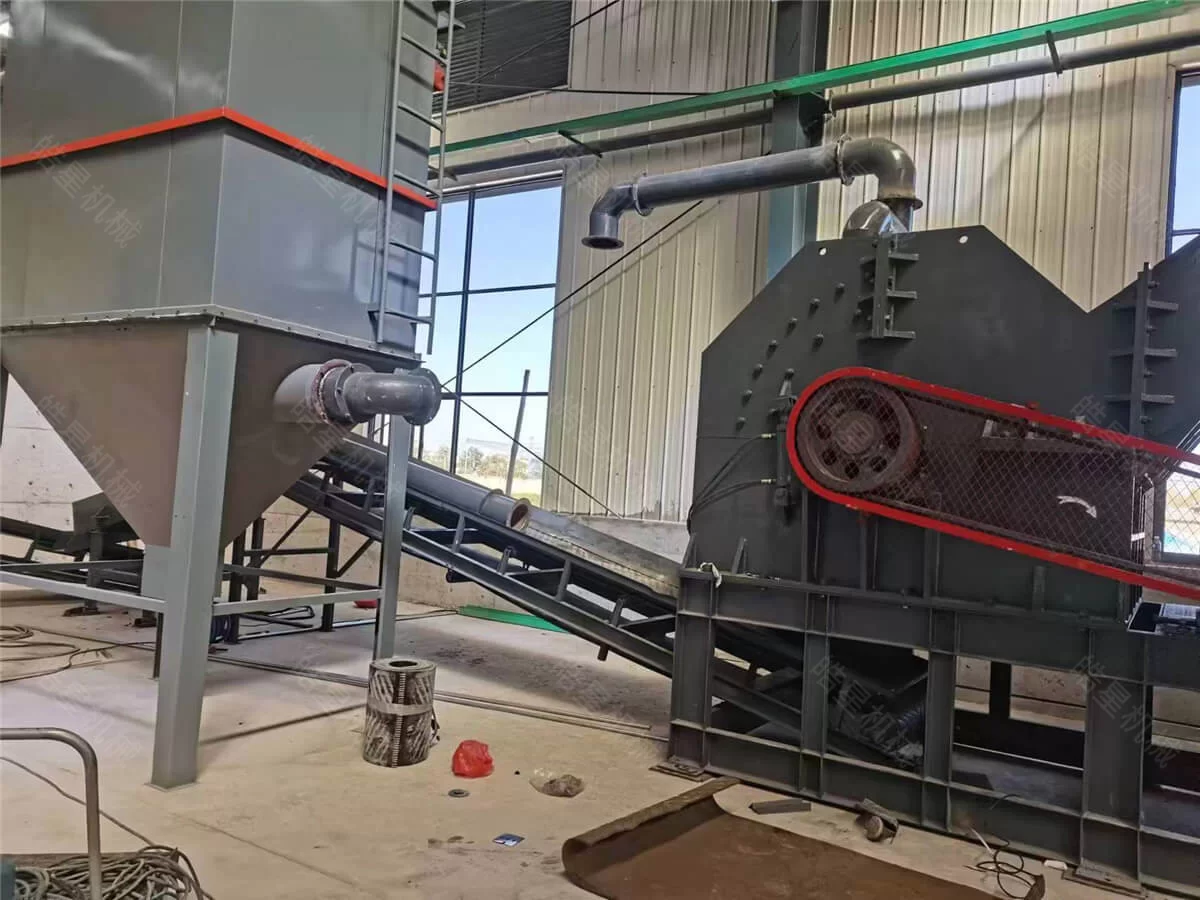
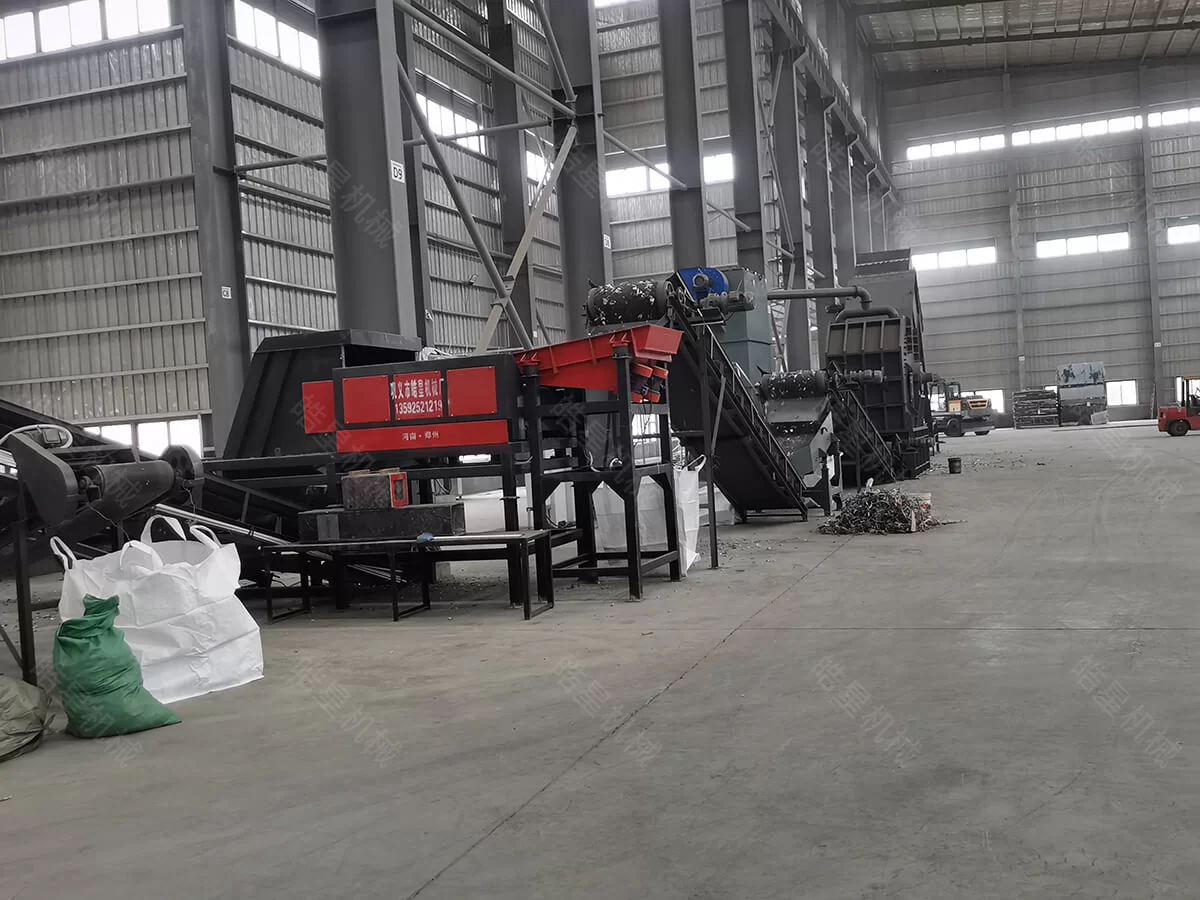
A ferrous scrap recycling system can be configured with the following equipment:
Twin Shaft Shredder
Used for the coarse shredding of bulky, baled and irregular ferrous materials. Its low-speed and high-torque working method is suitable for volume reduction and feed preparation.
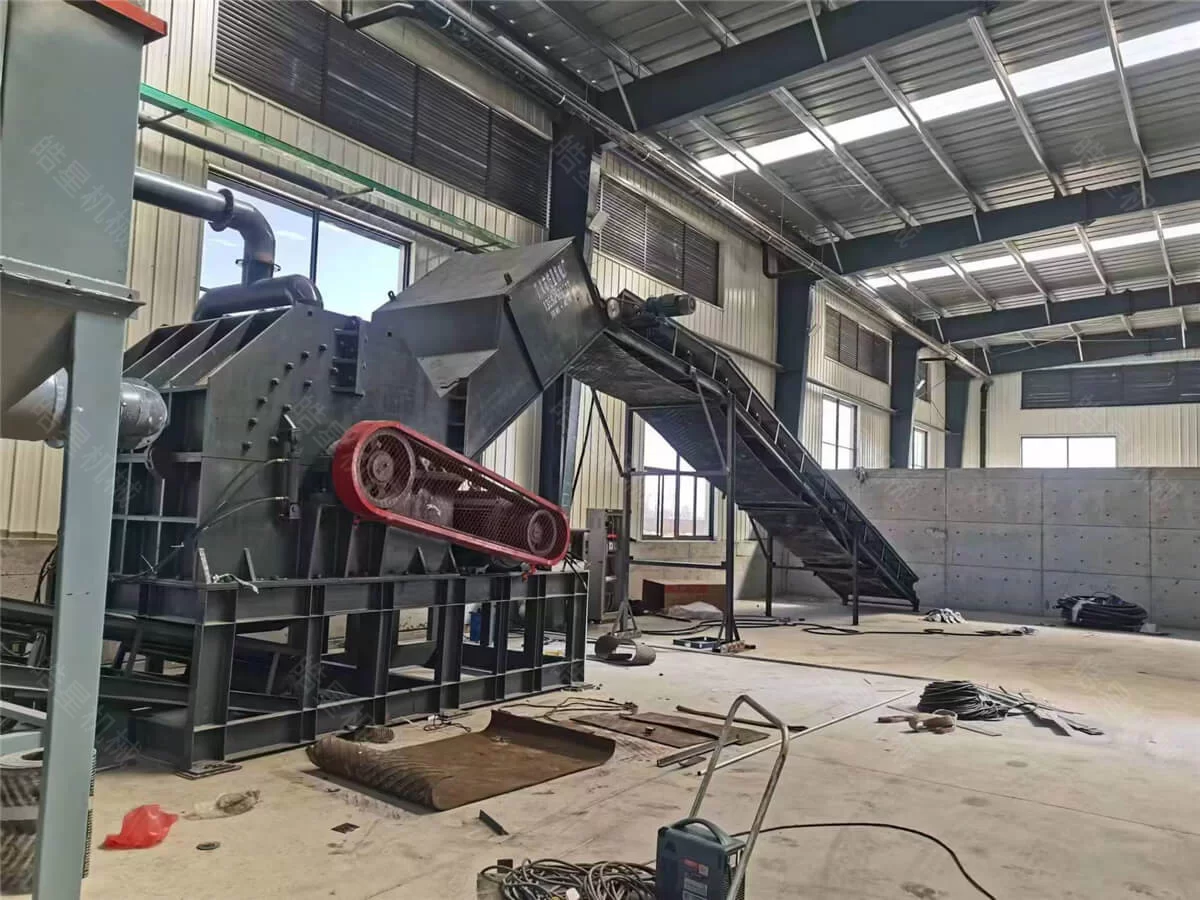
Scrap Metal Crusher
Used for high-speed impact crushing of prepared steel and iron scrap. It helps produce smaller and more consistent material for separation, transportation or downstream recycling.
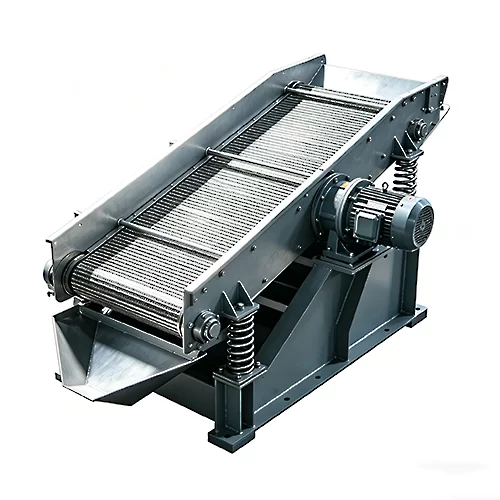
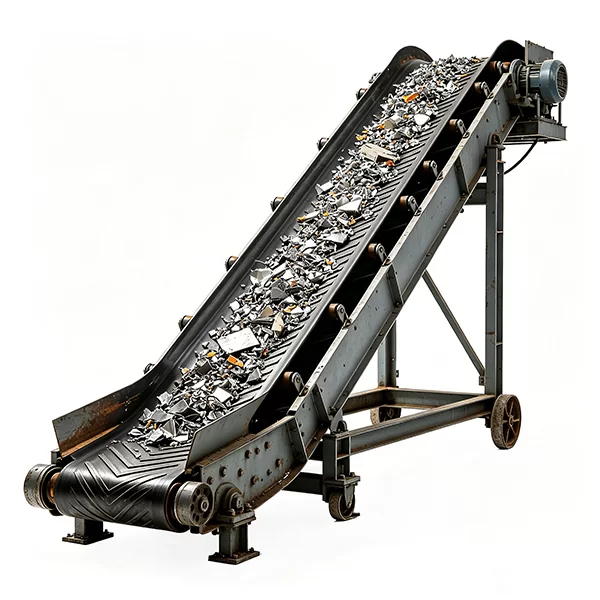
Feeding Conveyor
A belt conveyor or chain plate conveyor provides continuous feeding. The conveyor type should be selected according to the weight, shape and impact characteristics of the scrap.
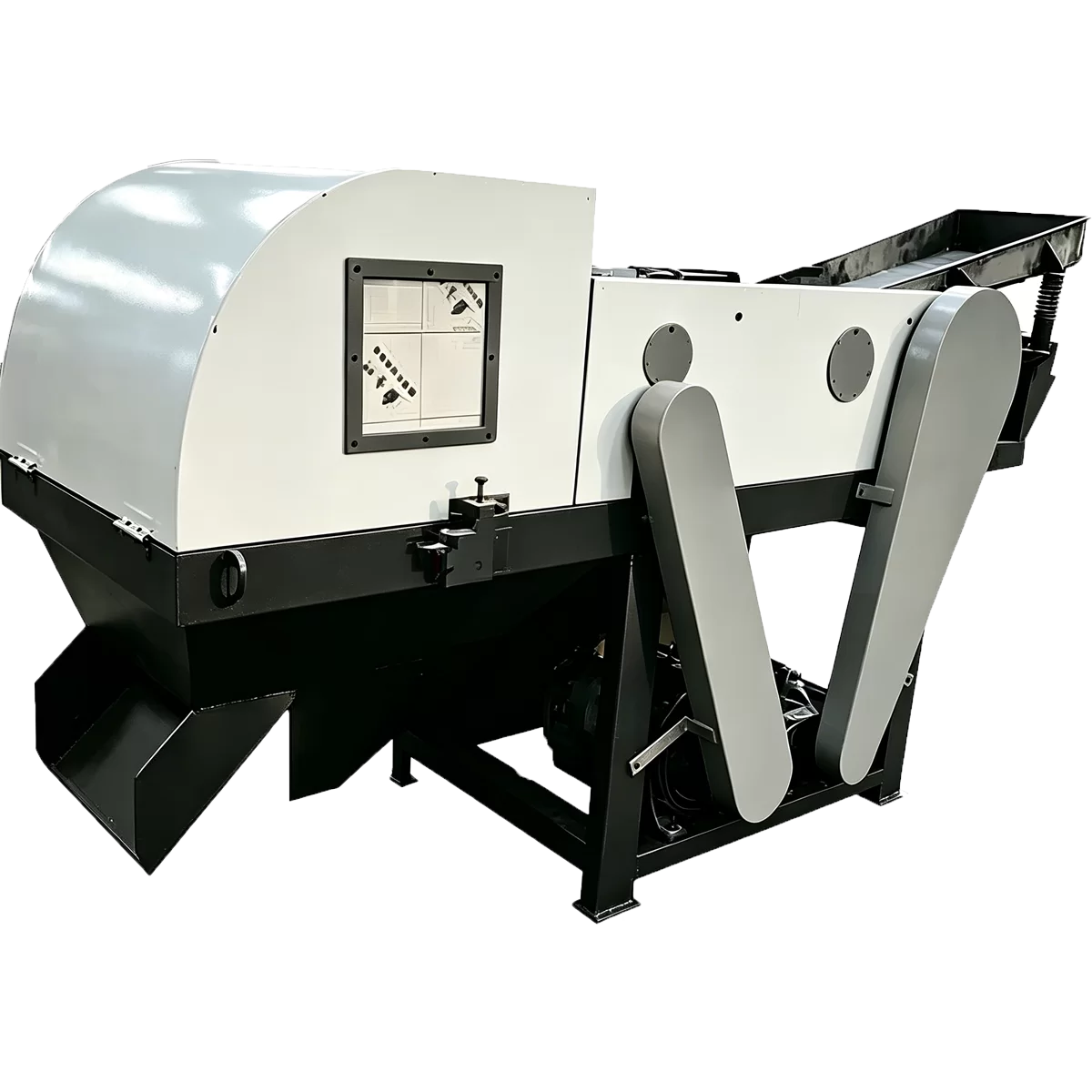
Magnetic Separator
Used after crushing to recover ferrous metal from non-metallic residues and mixed processed material.
Eddy Current Separator
An optional unit used when aluminum and other non-ferrous metals need to be recovered from a mixed material stream.
Dust Collection System
Dust collection can be added to control airborne particles generated during material feeding, crushing and discharge.
Benefits of Ferrous Scrap Size Reduction
Proper size reduction and separation can provide several practical benefits:
Easier material handling and transportation
More stable feeding for downstream equipment
Reduced volume of bulky metal waste
Improved separation of ferrous and non-ferrous materials
More consistent output size
Better preparation for steel recycling and furnace charging
Reduced dependence on manual sorting and cutting
The actual result depends on the incoming material, equipment configuration, screen opening and operating conditions.
Get a Ferrous Scrap Processing Solution
Ferrous scrap can differ in size, thickness, density and composition. Before selecting a shredder, crusher or complete recycling line, provide the following information:
Material type and representative photos
Maximum feeding size
Approximate material thickness
Loose or baled condition
Required processing capacity
Expected output size
Types of contaminants or mixed metals
Available workshop space and power supply
Based on these details, a suitable shredding, crushing and sorting system can be configured for the actual application.
Scope of This Ferrous Scrap Material Page
This page explains how to identify ferrous scrap and choose a processing route. For light-gauge sheet, appliance shells, color steel tiles and similar low-density steel, see the scrap steel shredder. For the wider category of prepared iron-bearing scrap requiring coarse opening, see the ferrous scrap shredder. When the project requires smaller and more consistent screen-controlled output, evaluate a separate scrap metal crusher.
Material Data Required Before Process Selection
Provide the material category, maximum dimensions, steel thickness, individual weight, loose or baled condition, hourly quantity, hazardous components and required final product. Do not group thin sheet, heavy shafts, cast iron blocks, rails and sealed vessels into one equipment selection request.