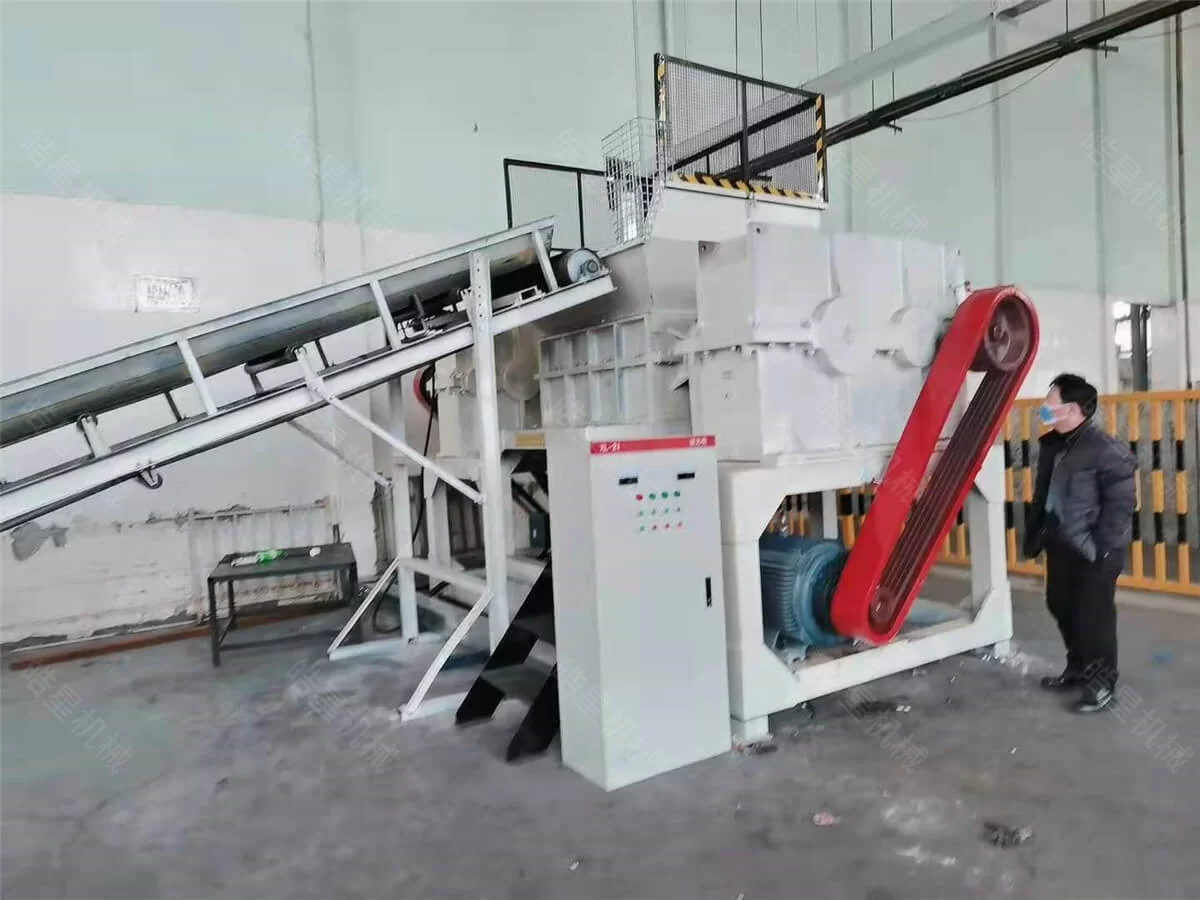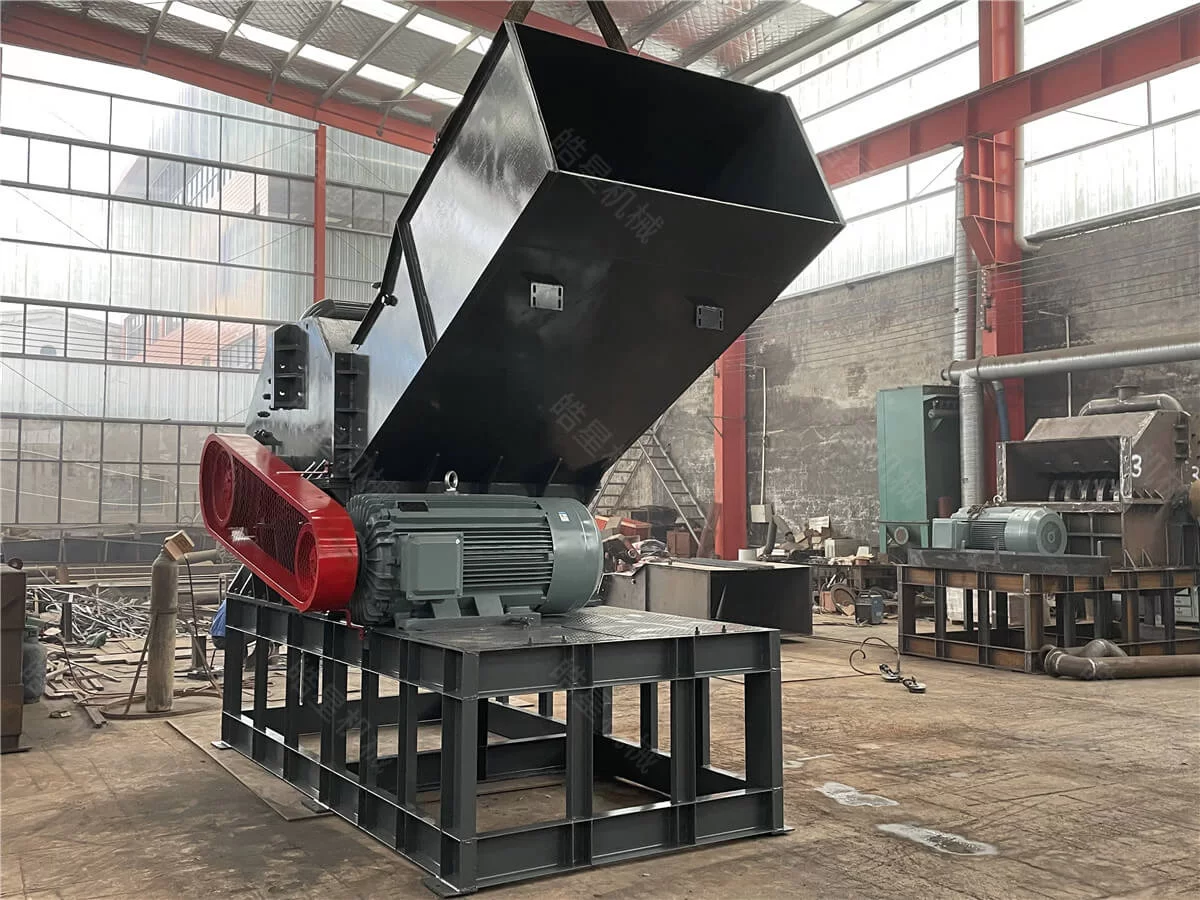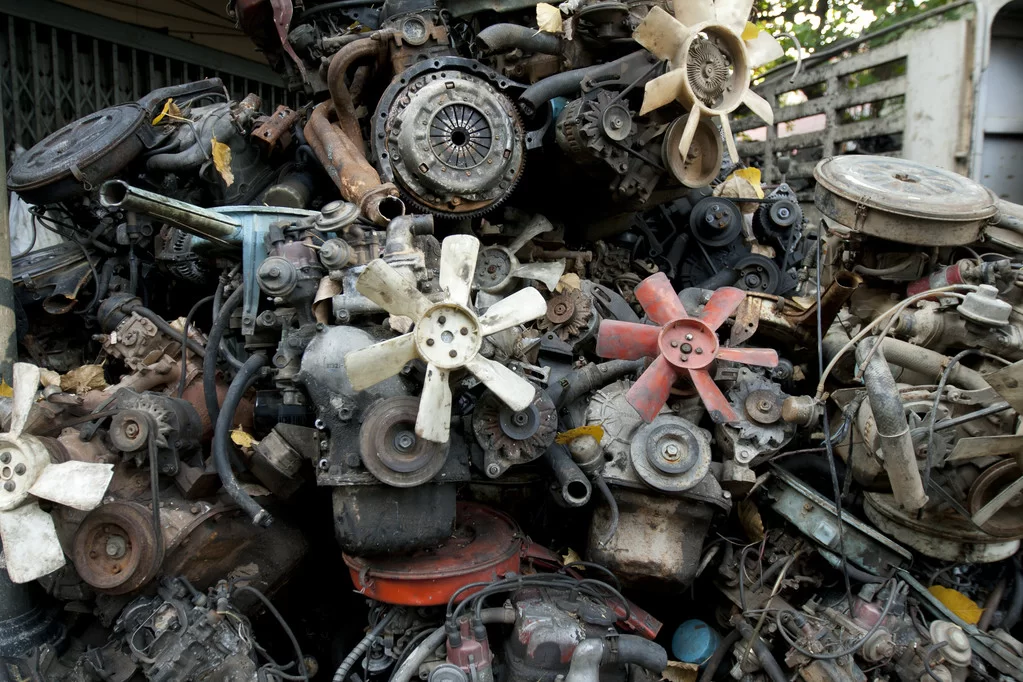
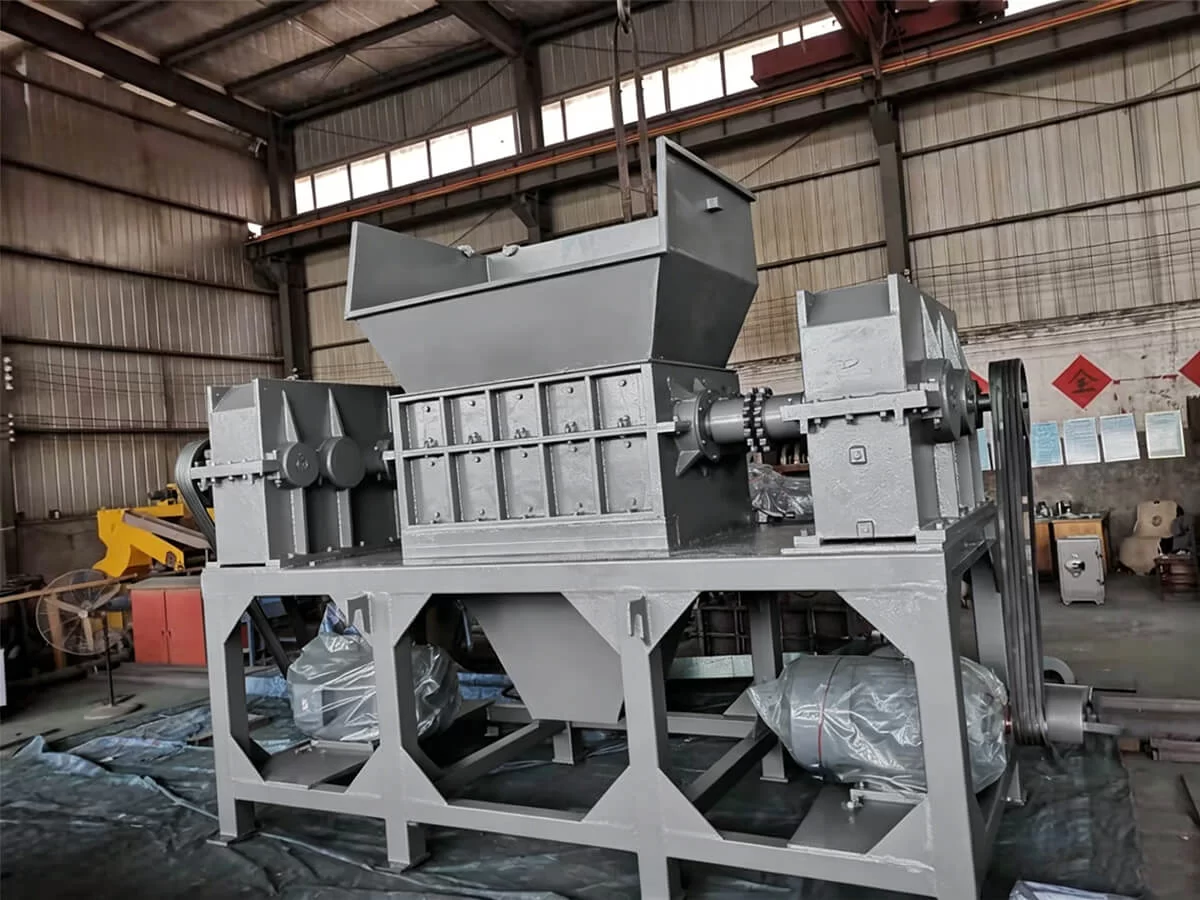
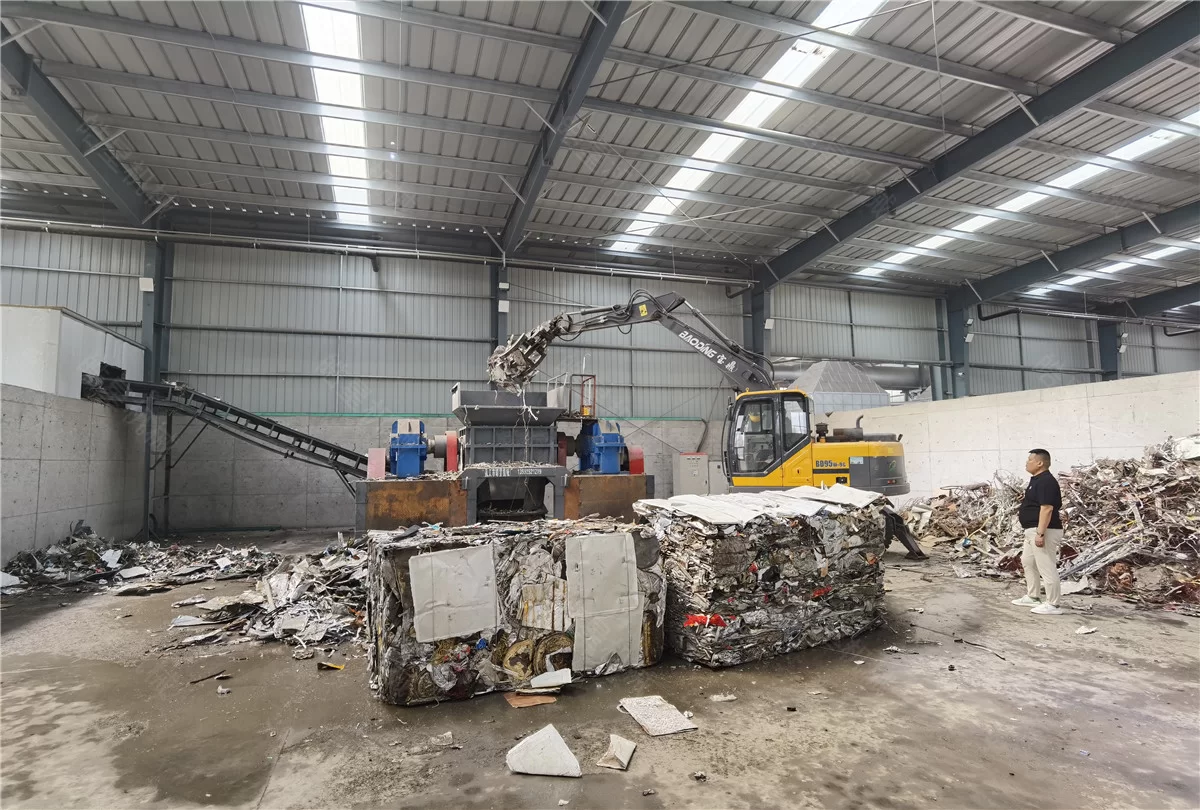
 Scrap aluminum crankcases rarely arrive as pure aluminum castings. Shafts, gears, bearings, bolts, steel sleeves and trapped oil can remain inside the housing. Sending every assembly directly into a shredder may be possible in some projects, but it can also increase impact load, cutter wear and ferrous contamination. The correct preparation level depends on the size and position of the steel parts, the shredder design and the required aluminum product.
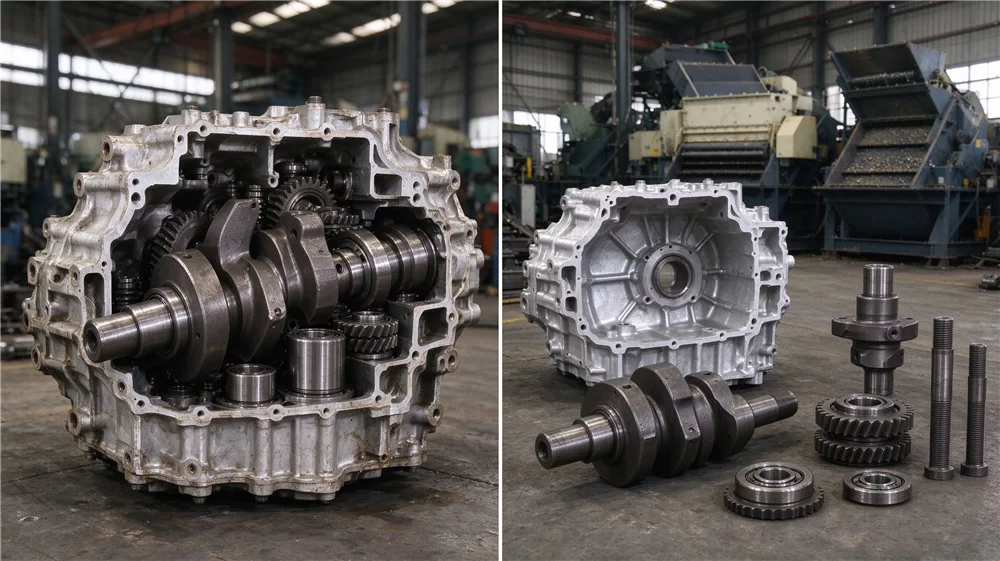
Remove large rotating assemblies first
Crankshafts, transmission shafts, complete gear sets and large bearing assemblies should normally be removed before shredding. These parts are dense, tough and concentrated in a small area. A sudden encounter with a shaft can create a much higher local load than a thin aluminum wall. Removal also prevents valuable reusable or separately saleable steel from becoming mixed with the aluminum fraction.
Inspect steel sleeves, studs and inserts
Small bolts, studs and thin inserts do not always require complete manual dismantling. A suitable aluminum crankcase shredder can often process limited small ferrous attachments when the cutter geometry and torque are selected for the real feed. However, long hardened studs, thick sleeves and grouped fasteners should be assessed separately because they can resist cutting and accelerate edge wear.
Bearings require more attention than their outside size suggests
A bearing combines hardened races, rolling elements and sometimes seals or grease. Even a medium bearing is substantially harder than the surrounding casting. Easily accessible bearings should be removed. If bearings remain deeply seated, the supplier should receive the maximum bearing dimensions, quantity per housing and photos of their position before selecting the machine.
Separate shredding from fine crushing
Low-speed shredding opens housings and reduces large pieces. It does not guarantee a clean aluminum product by itself. When a smaller, more uniform furnace feed is required, an aluminum crankcase crusher may follow the coarse stage. The downstream crusher must be protected from oversized steel parts, so dismantling and magnetic separation become even more important.
What can be handled by magnetic separation?
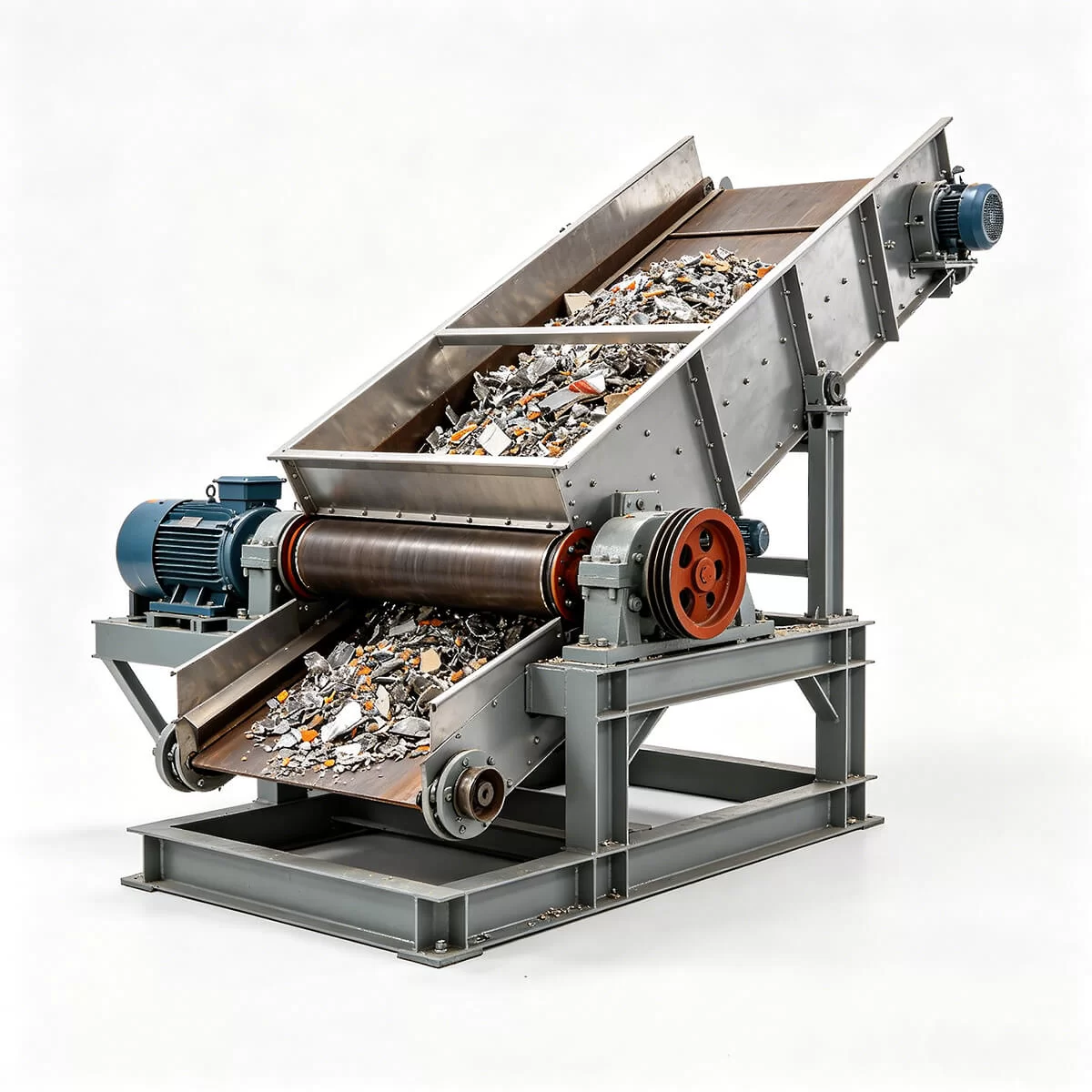
Loose bolts, broken steel fragments and liberated inserts can be removed after size reduction by a magnetic separator. Magnetic separation works only after the ferrous part has been released from the aluminum. It cannot pull a shaft out of an intact housing, and it cannot correct a feed containing complete gearboxes or large solid steel assemblies.
Oil, sealed cavities and non-metallic parts
Drain free oil and coolant before processing. Sealed cavities should be opened or checked so that liquid is not suddenly released inside the machine. Remove batteries, pressurized components, rubber reservoirs, wiring bundles and other items that do not belong in the selected line. Aluminum engine blocks may also contain steel liners, valves and crank components, so the same inspection principle applies.
A practical acceptance checklist
Remove crankshafts, long shafts and complete gear assemblies.
Remove accessible bearings and record any that remain.
Identify thick sleeves, hardened pins and grouped steel inserts.
Drain oil, coolant and water from cavities.
Remove batteries, pressure vessels and unsuitable non-metallic parts.
Measure the maximum housing dimensions and weight.
Photograph the inside of representative assemblies.
State whether the output will go to magnetic separation, crushing, sorting or direct furnace preparation.
When a test is necessary
A material test is recommended when the steel content varies greatly between suppliers or when dismantling cost is a major part of the project. The test should record feeding stability, reversals, motor load, cutter condition, discharge size and magnetic separation results. One clean empty housing is not representative of a mixed batch containing shafts and bearings.
Conclusion
Large shafts, gear sets and accessible bearings should generally be removed before shredding aluminum crankcases. Small liberated ferrous parts may be separated downstream, but only after the machine releases them from the casting. Haoxing Machinery selects the preparation method from real assembly photos, steel content and required output instead of assuming that every crankcase can enter the same process unchanged.