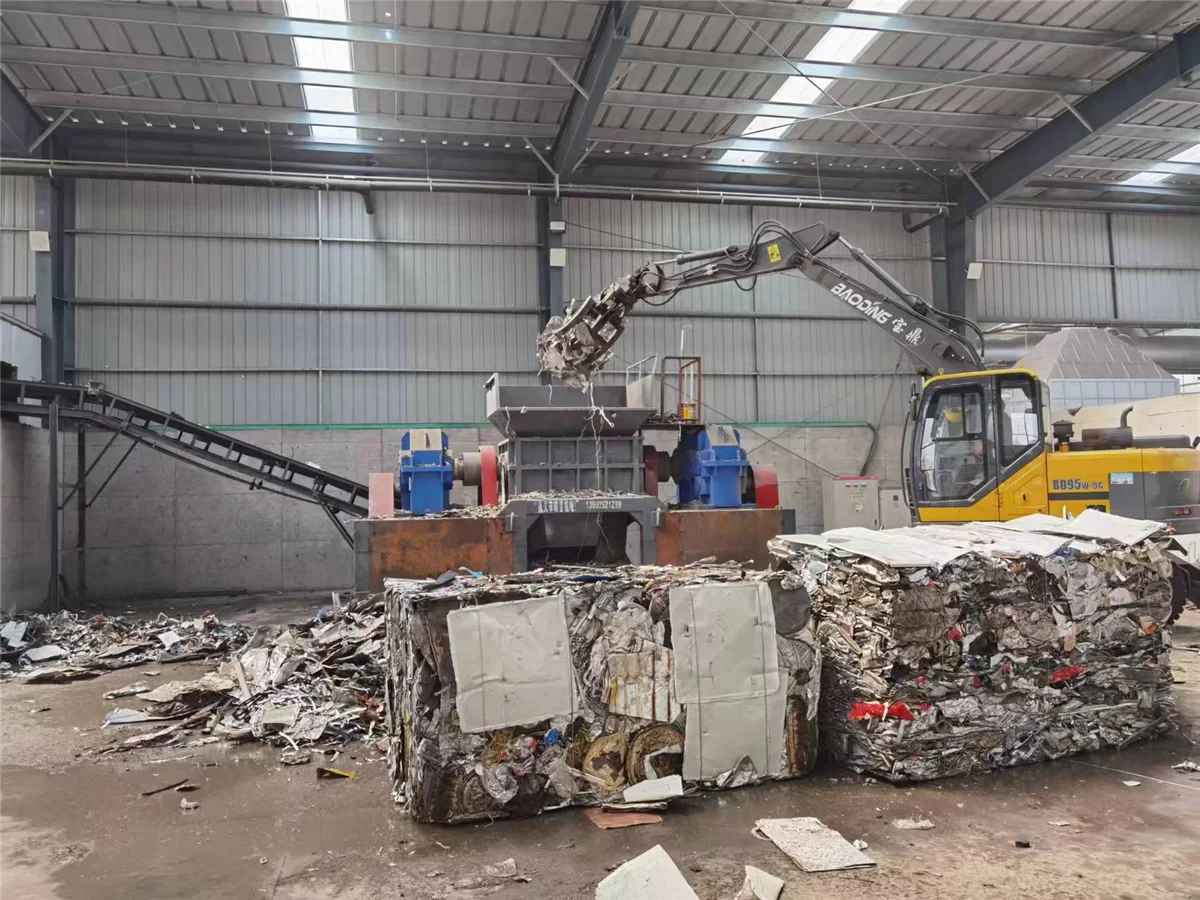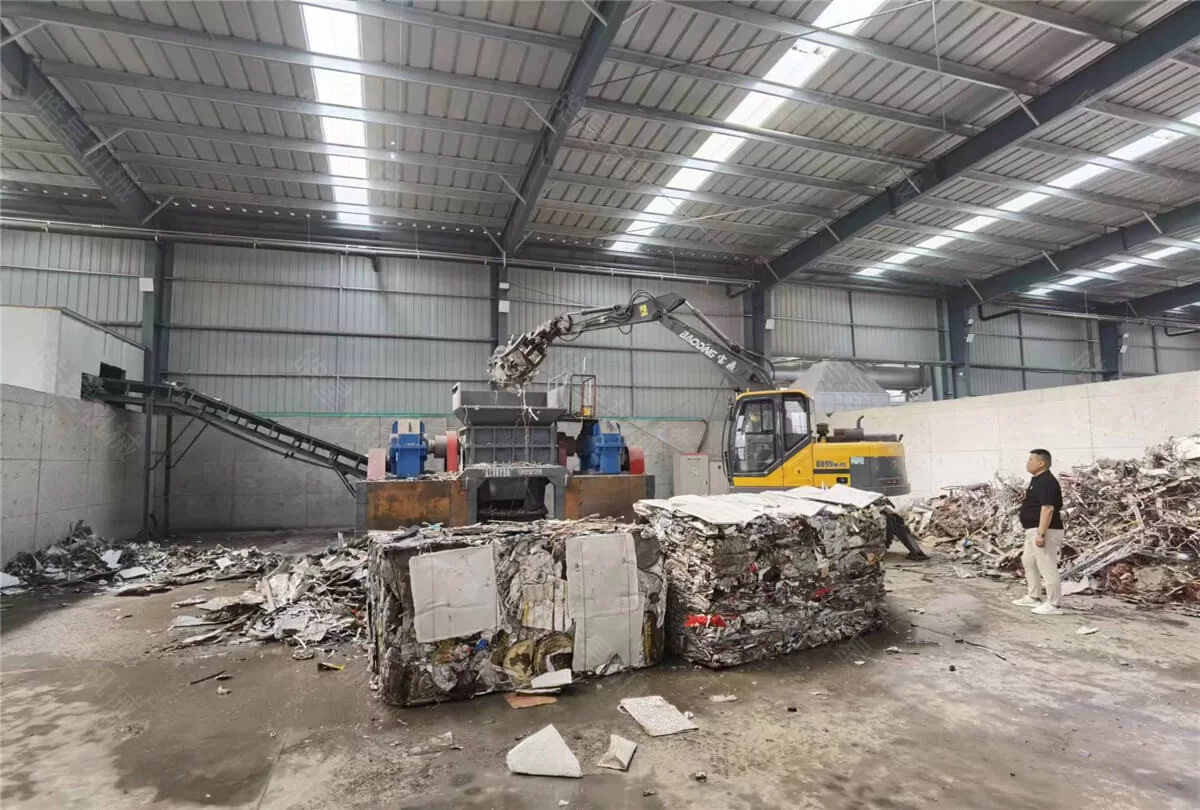
Two metal bales can have the same external dimensions but behave very differently inside a shredder. The difference is often caused by compression density, material thickness and internal composition.
This is why selecting a baled scrap shredder from bale length and width alone is unreliable. The supplier also needs to know the weight of each bale, the type of scrap inside it and how tightly the material has been compressed.
What Is Bale Density?
Bale density describes the approximate weight of compressed material contained in a given volume. It can be estimated from the bale dimensions and individual bale weight.
For example, a bale measuring 1.0 × 0.8 × 0.6 metres has a volume of 0.48 cubic metres. If the bale weighs 240 kilograms, its approximate density is 500 kilograms per cubic metre.
This calculation is only a selection reference. Irregular bale shapes, loose edges and internal cavities can affect the actual result.
The basic information required is:
Bale length, width and height
Average weight per bale
Maximum weight per bale
Main material inside the bale
Approximate material thickness
Presence of wire, strapping or contaminants
Required number of bales processed per hour
Why Density Changes Shredder Load
A low-density bale usually contains more open space and loosely compressed sheet material. The cutter hooks can often penetrate the bale and begin opening its layers relatively easily.
A denser bale places more material in contact with the cutters at the same time. This can increase shaft torque, motor load and the resistance applied to the cutter discs.
Density is not the only factor. A bale of thin tinplate and a bale of thicker production offcuts may have a similar calculated density but require different cutter arrangements.
Material form must therefore be considered together with density.
Light Scrap Bales
Light scrap bales may contain:
Thin steel sheet
Metal packaging
Prepared appliance shells
Roofing sheet offcuts
Light fabrication waste
Empty and inspected metal containers
These materials are normally compressed to reduce transportation and storage volume. A twin shaft shredder can be used to open suitable bales and reduce them into smaller, looser pieces.
The resulting material is coarse and irregular. It may be collected directly or conveyed to inspection, magnetic separation, furnace preparation or secondary crushing.
Aluminum and Mixed Metal Bales
Aluminum bales and mixed metal bales require separate evaluation.
Aluminum material is generally softer than steel, but bale density, contamination and embedded ferrous parts can still affect cutter selection. A mixed bale may also contain materials that cannot be identified from its outer surface.
Where alloy separation or product purity matters, different aluminum grades should be processed separately. The shredder opens the bale but does not identify alloy composition.
High-Density Briquettes Are Different
A high-density briquette should not automatically be treated as an ordinary scrap bale.
Briquettes made from compacted chips, turnings or dense production scrap can behave more like solid blocks than loosely compressed sheet material. They may require a different cutter profile, lower feeding rate or another processing method.
Solid steel sections, cast iron blocks, thick shafts and tightly compacted machining scrap should be evaluated separately.
How Density Affects Cutter Selection
Cutter selection depends on several connected factors:
Cutter diameter
Cutter width
Hook shape
Cutter spacing
Shaft speed
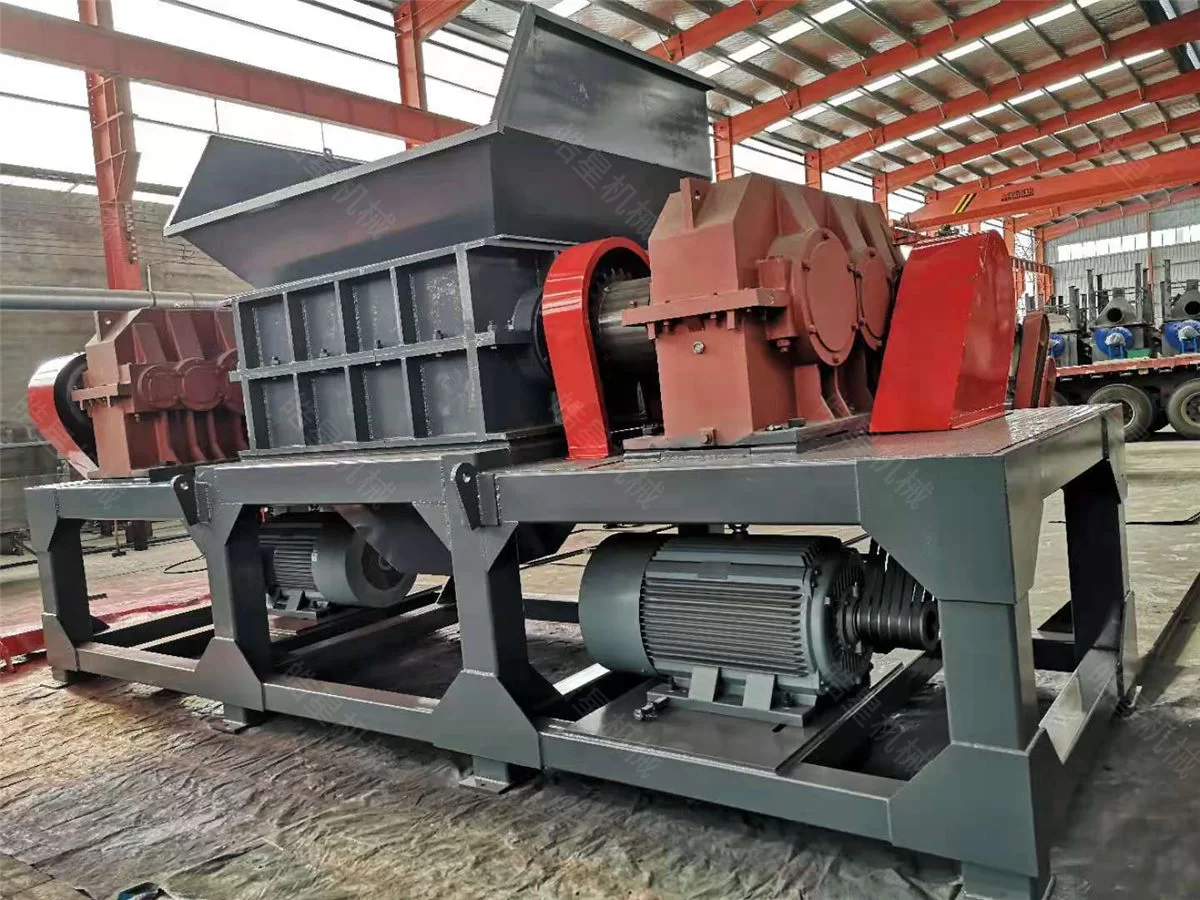
Motor and reducer configuration
Cutting chamber dimensions
A more aggressive hook may improve initial bale gripping, but the cutter must still have sufficient strength for the material inside the bale. Narrower cutters may create more cutting points, while wider cutters may provide greater resistance to impact in some applications.
There is no single cutter design suitable for every compressed metal bale.
How Density Affects Capacity
The rated motor power does not determine capacity by itself.
Actual output is affected by:
Individual bale weight
Time required to grip and open each bale
Frequency of automatic reverse cycles
Loading intervals
Cutter condition
Material thickness
Internal contamination
Required discharge condition
Capacity should be evaluated from representative bales. Where the material varies between suppliers or collection sites, information should be provided for both normal and difficult batches.
Information to Provide Before Requesting a Model
Before selecting a baled scrap shredder, provide:
Clear photos of complete bales
Photos showing the material inside opened bales
Bale dimensions
Average and maximum bale weight
Main metal type
Typical material thickness
Type of strapping or binding wire
Required hourly capacity
Feeding method
Required downstream process
A short working video can also help determine whether the bale is loosely compressed, tightly layered or heavily contaminated.
Final Selection Principle
Bale dimensions determine whether the material can enter the hopper and cutting chamber. Bale weight and density help estimate the load. Material thickness and composition determine how the cutters must grip, tear and shear the compressed scrap.
A reliable model recommendation must consider all these conditions together. Selecting a shredder only by bale size or requested hourly tonnage can lead to unstable feeding, frequent reversing or an unsuitable cutter configuration.