Promoting scrap aluminum recycling enterprises to transform into high-tech entities is a critical step in resource circularity. It not only elevates the industry's technological level but also serves as a key path toward green manufacturing and the circular economy. To apply for high-tech enterprise recognition, a scrap aluminum recycling enterprise must simultaneously meet several stringent national standards.
The recognition of a high-tech enterprise requires fulfilling multiple conditions. First, the enterprise must obtain ownership of core intellectual property rights (IPR) that critically support its main products through independent research and development or other means, and the core technology must precisely fall under the national "Key Supported High-tech Fields." Second, scientific and technical personnel engaged in research and development and technological innovation must account for no less than 10% of the enterprise's total workforce in the year of application. Third, total research and development expenses over the last three fiscal years must constitute a certain percentage of total sales revenue in the same period: no less than 5% for enterprises with annual revenue below RMB 50 million, no less than 4% for those between RMB 50 million and RMB 200 million, and no less than 3% for those above RMB 200 million. Moreover, research and development expenses incurred domestically must account for at least 60% of total research and development expenses. Fourth, the income from high-tech products in the most recent year must account for no less than 60% of the enterprise's total income. Finally, the enterprise’s innovation capability score must reach at least 70 out of 100, evaluated across four indicators: IPR (30 points), transformation of scientific and technological achievements (30 points), organization and management of research and development (20 points), and enterprise growth (20 points). Specifically, there must be no fewer than four transformed achievements per year, and the IPR must demonstrate strong technical advancement.
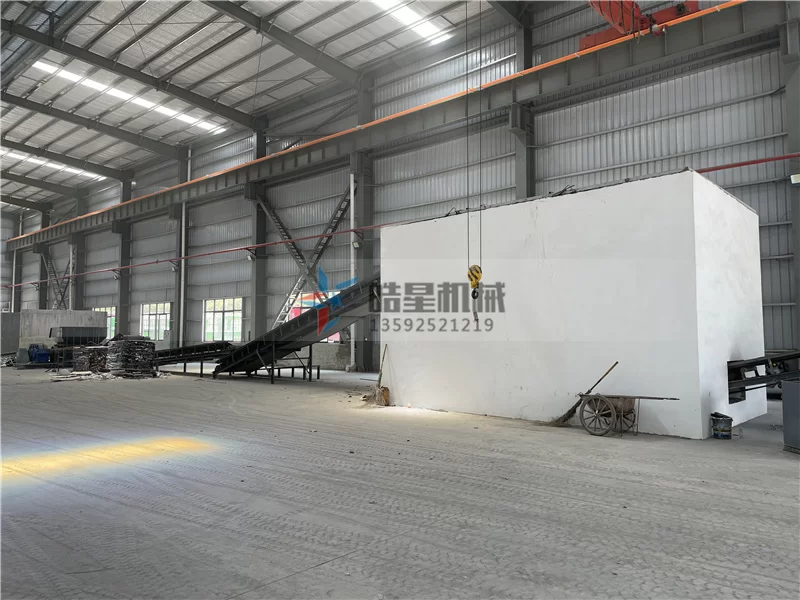
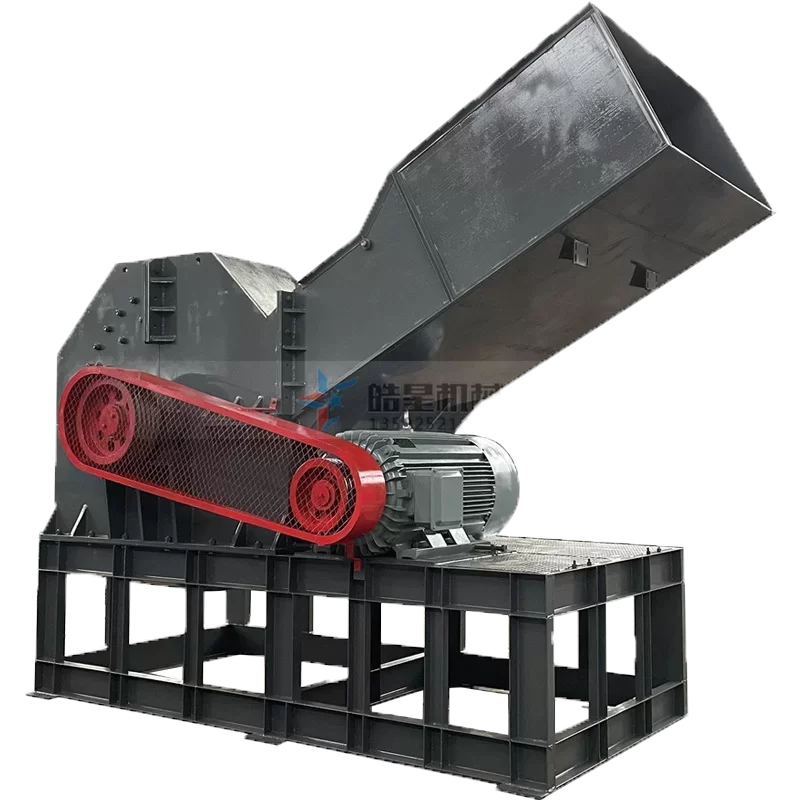
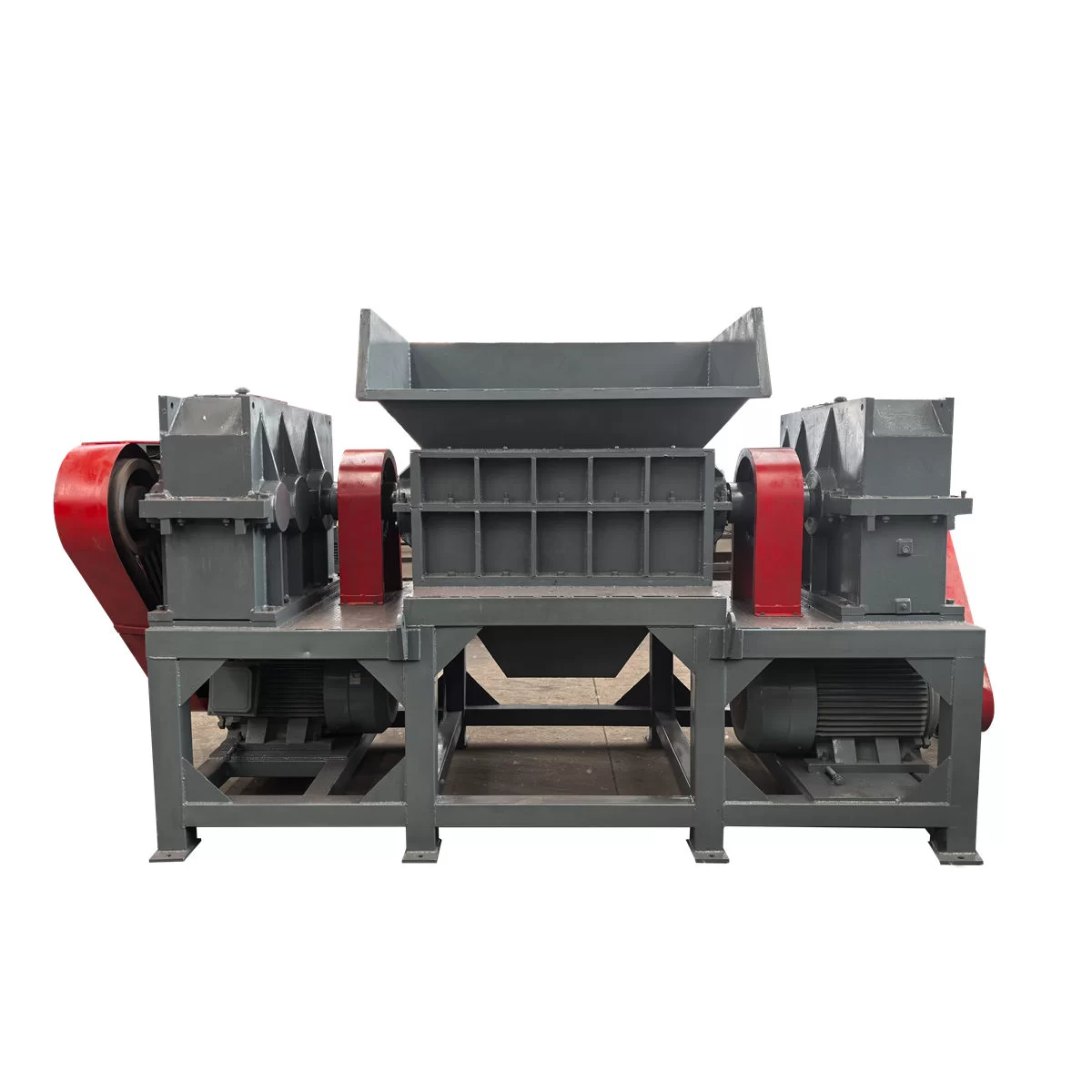
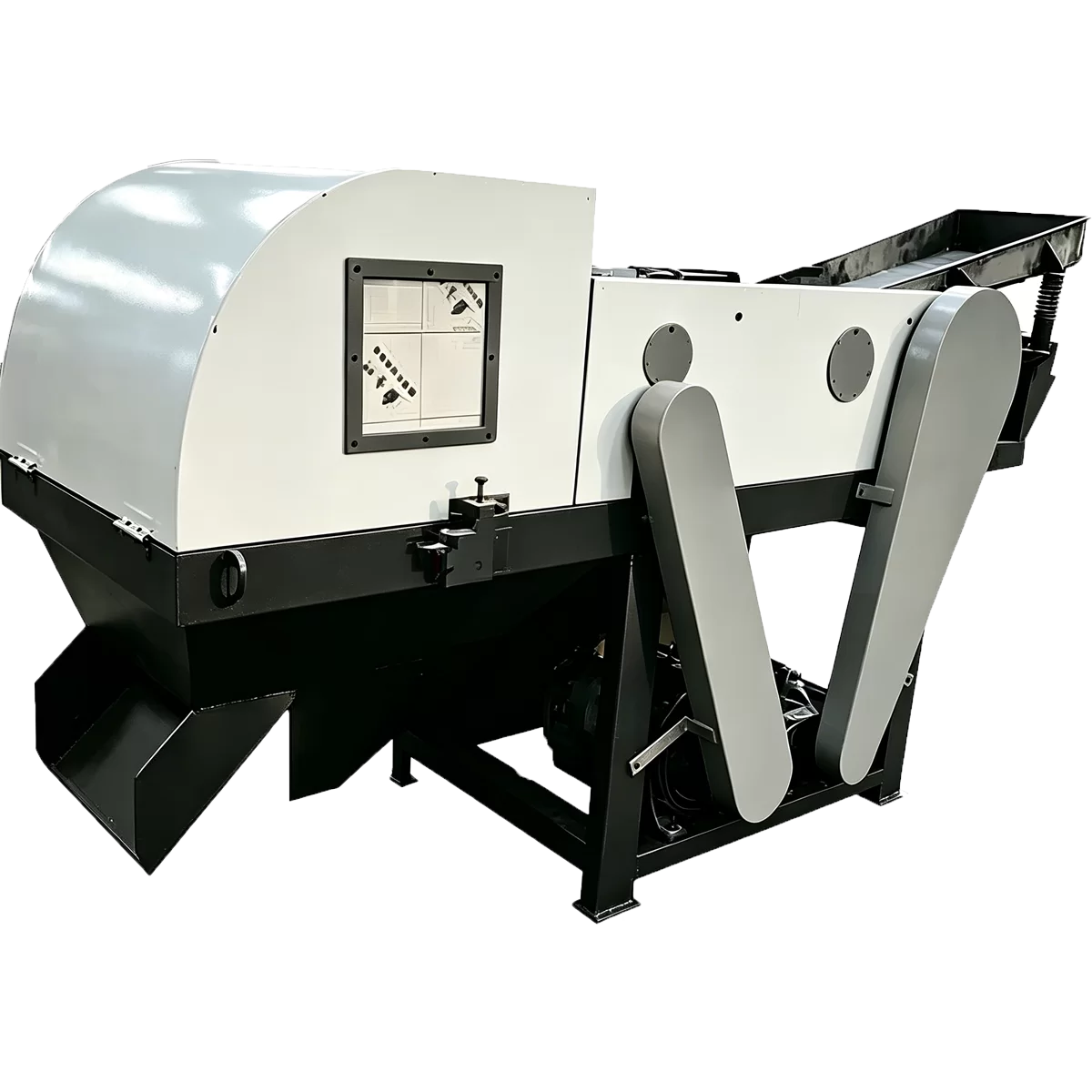
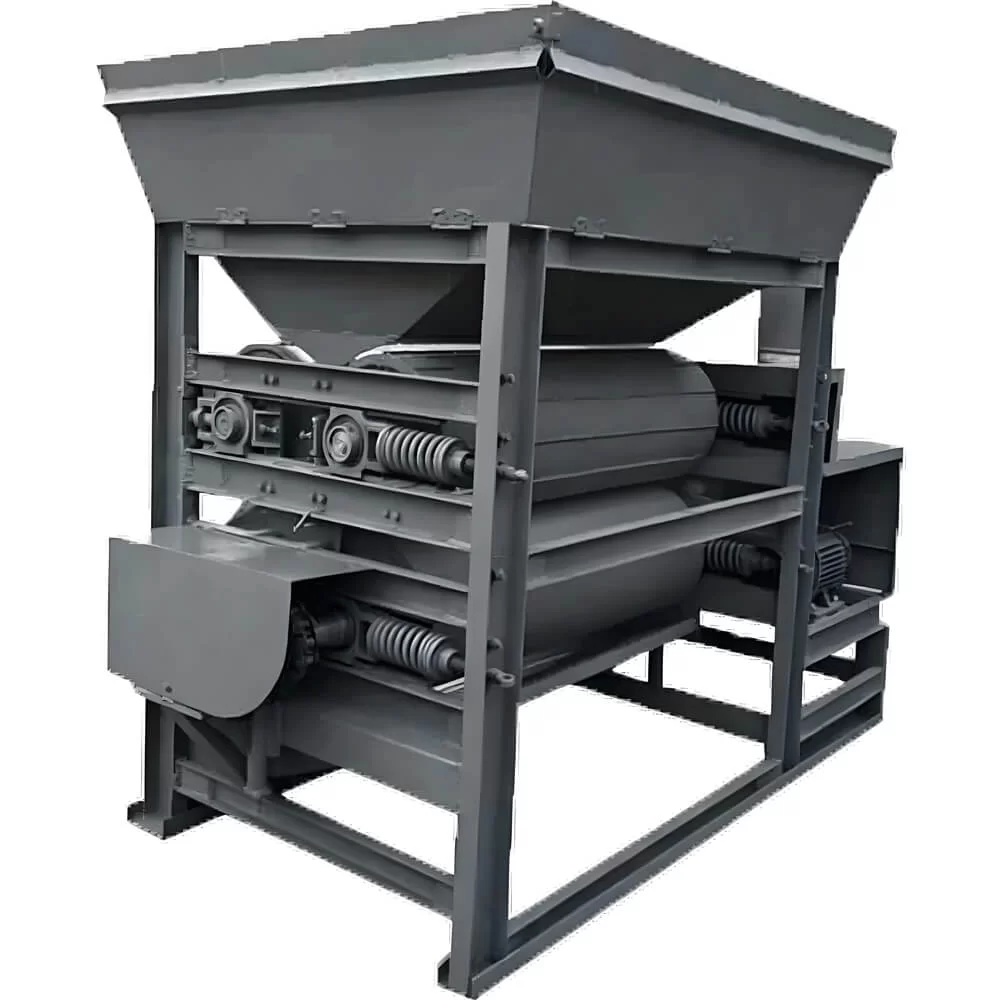
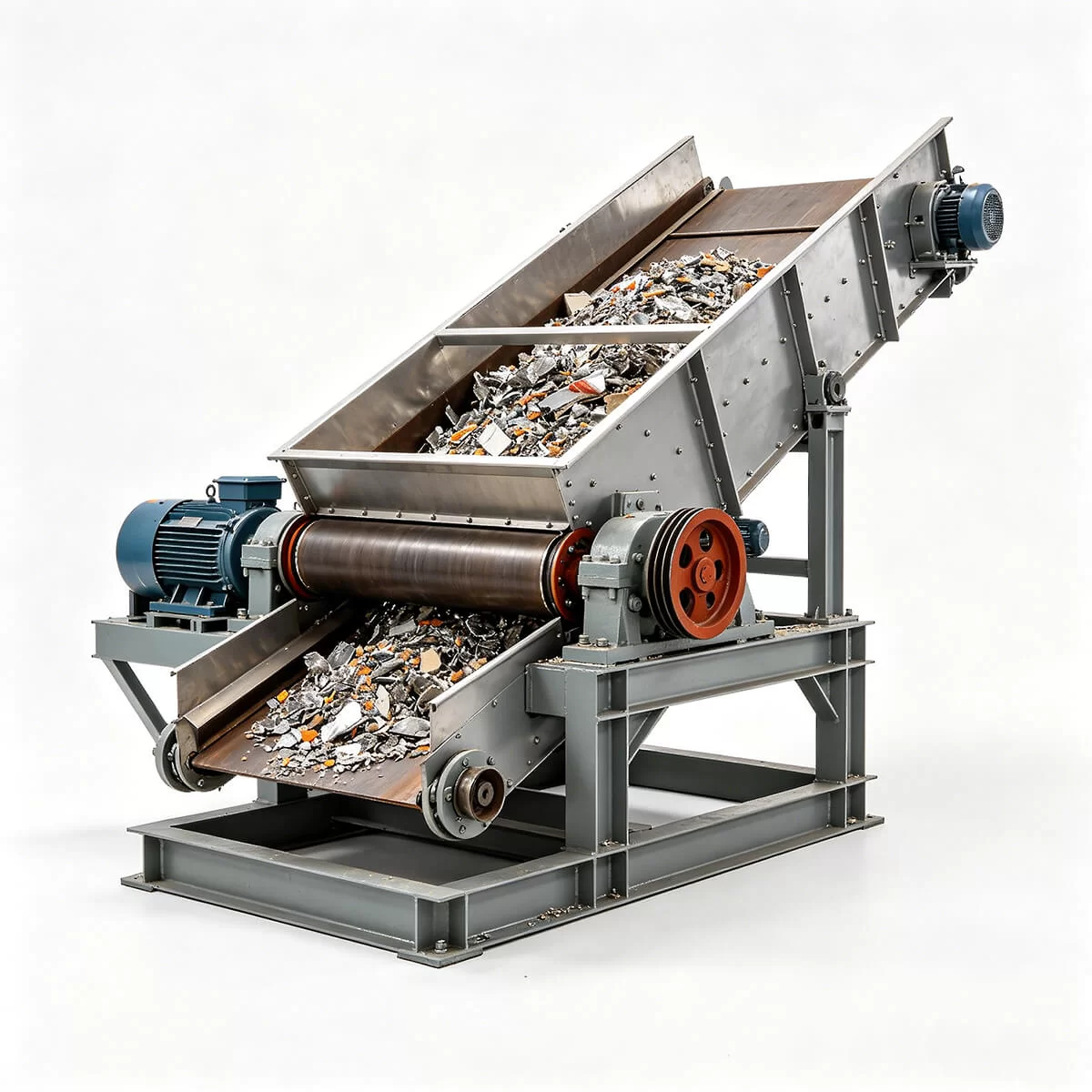
Regarding scrap aluminum crushing and sorting equipment, a series of key technical requirements must be met. The crushing system should be capable of processing various scrap aluminum materials, including raw aluminum, aluminum alloys, aluminum profiles, broken-bridge aluminum, and used beverage cans. The processing capacity must match the enterprise's production scale. The sorting stage must integrate magnetic separation and intelligent sorting technologies, employing a high-intensity magnetic roller separator to effectively remove ferromagnetic materials, while also being equipped with an eddy current separator or X-ray sorting equipment to achieve precise separation of non-ferrous metals. Advanced equipment should further feature an intelligent identification system based on artificial intelligence deep learning algorithms, capable of accurately removing heavy metal impurities using multi-dimensional characteristics such as atomic density, shape, and texture. The recovery rate of aluminum after sorting should exceed 95%, and high-purity products can be directly used in high-end manufacturing fields such as aerospace and new energy vehicles. The equipment should also have whole-line automated control capabilities and be fitted with dust suppression devices to reduce particulate pollution, thereby achieving green production and dust-free operation.
By systematically enhancing their technical level and standardizing management to meet the conditions for high-tech enterprise recognition, while simultaneously introducing advanced crushing and sorting equipment, scrap aluminum recycling enterprises will inject strong momentum into the transformation, upgrading, and sustainable development of the industry.