
Suitable Projects
Prepared window and door frames, extrusion offcuts, curtain wall profiles, tubing and thermal break profiles.
A complete line for prepared window frames, extrusion offcuts and thermal break profiles, with optional pre-shredding, hammer crushing, iron removal, screening and further separation.
The line page explains the complete system rather than repeating one machine page.
The line is designed around profile length, wall thickness, hollow structure and attached screws, hinges, rubber or thermal break strips.
Short prepared profiles may enter the crusher directly. Long profiles, complete frames or bundled material may require primary shredding first.
Prepared window and door frames, extrusion offcuts, curtain wall profiles, tubing and thermal break profiles.
Open hollow sections, reduce size and expose ferrous and non-metallic attachments.
Glass, batteries, sealed parts, large steel reinforcements and hazardous items must be removed first.
Pre-cutting, twin shaft shredding, airflow sorting, eddy current separation and dust collection.
Profile length, bundle condition, frame construction, wall thickness and attached materials determine direct crushing or primary shredding.
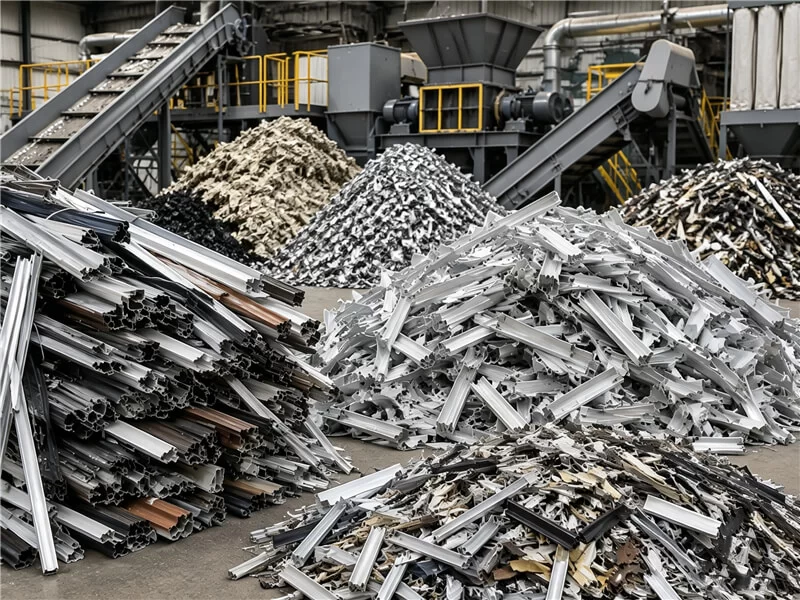
Only the stages required by the material and target output are included.
Remove glass and unsuitable components.
Feed profiles according to length and shape.
Reduce long or bundled profiles.
Hammer-crush and control output by screen.
Remove exposed ferrous attachments.
Classify aluminum-rich fragments.
Separate suitable prepared fractions.
Equipment is selected for a specific task rather than added as a fixed package.
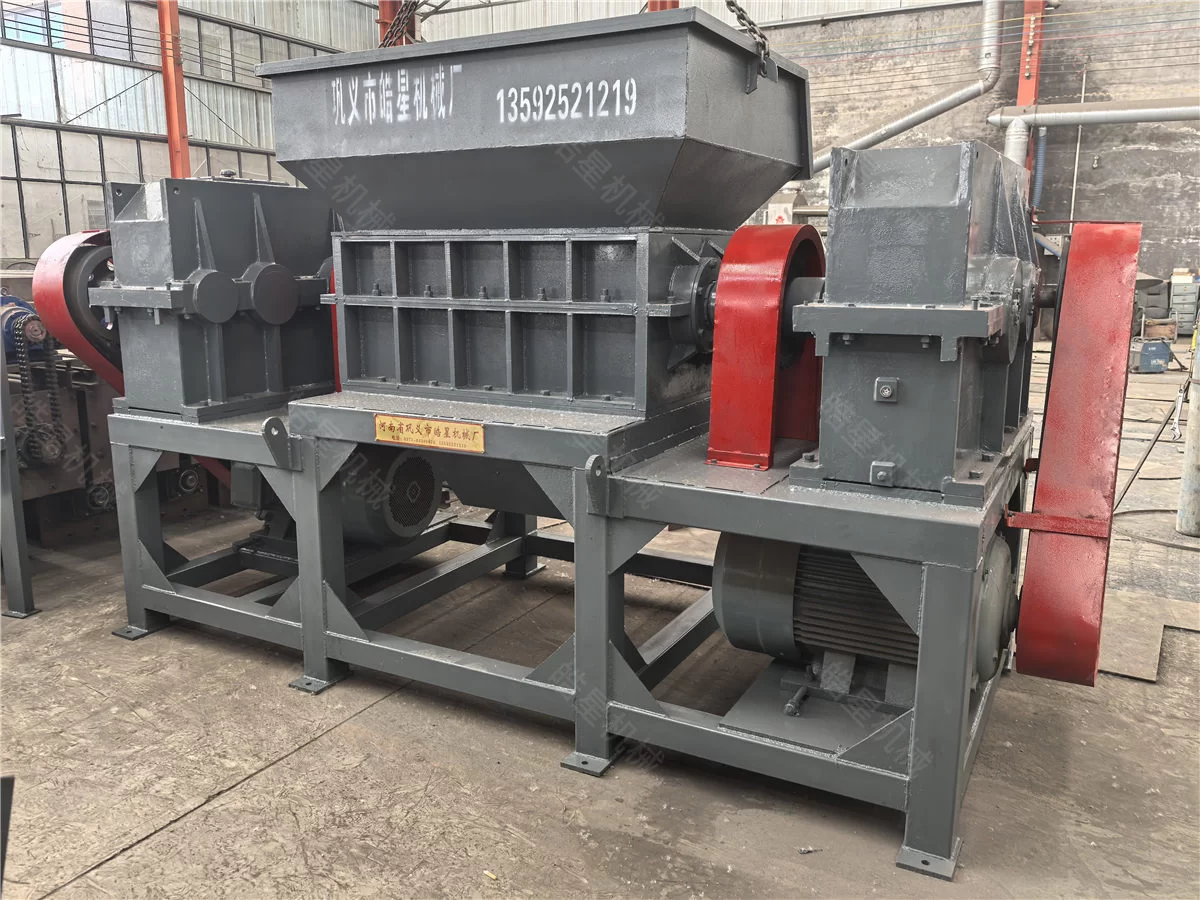
Coarsely shreds long thermal break profiles and frames.
View equipment details →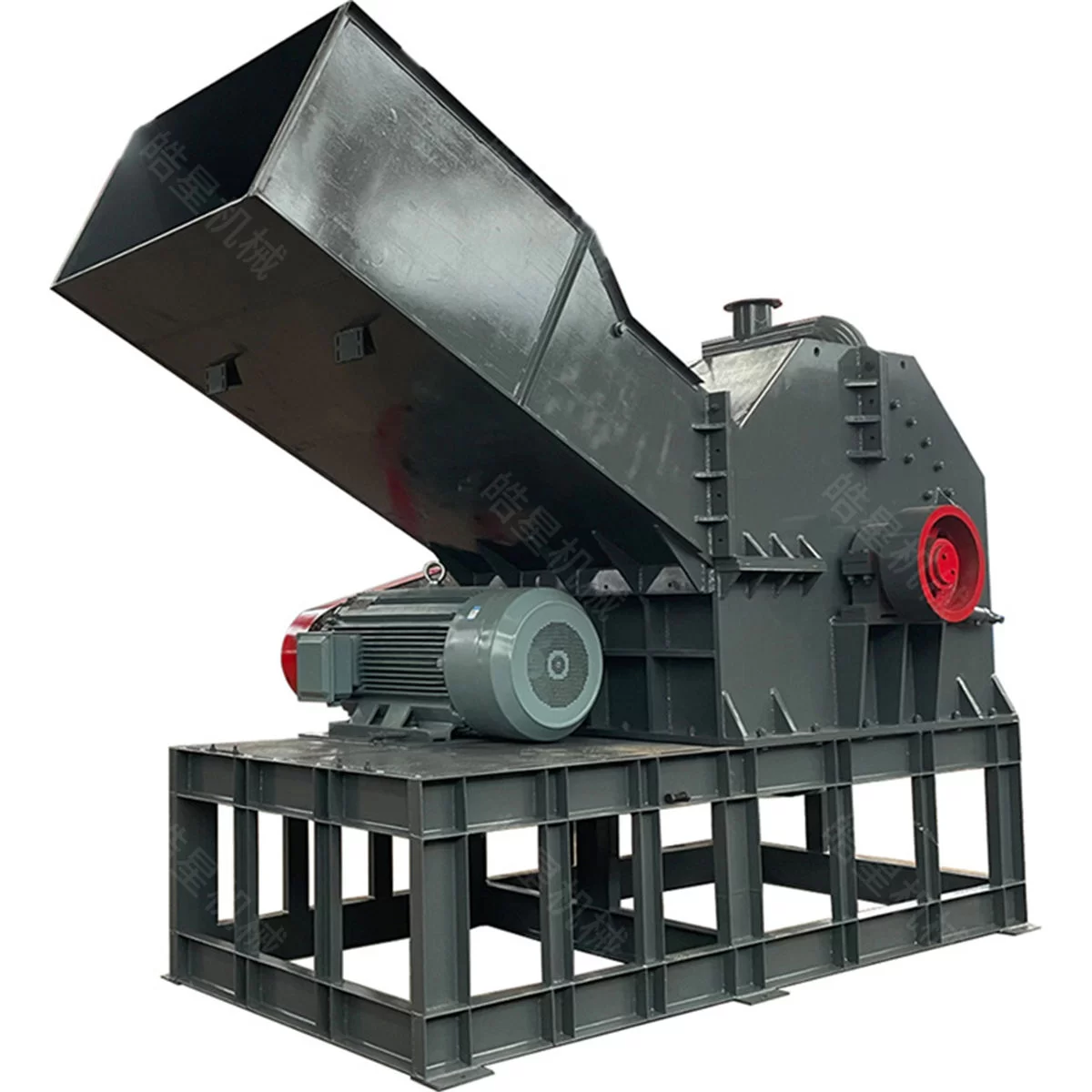
Hammer-crushes profiles into screen-controlled pieces.
View equipment details →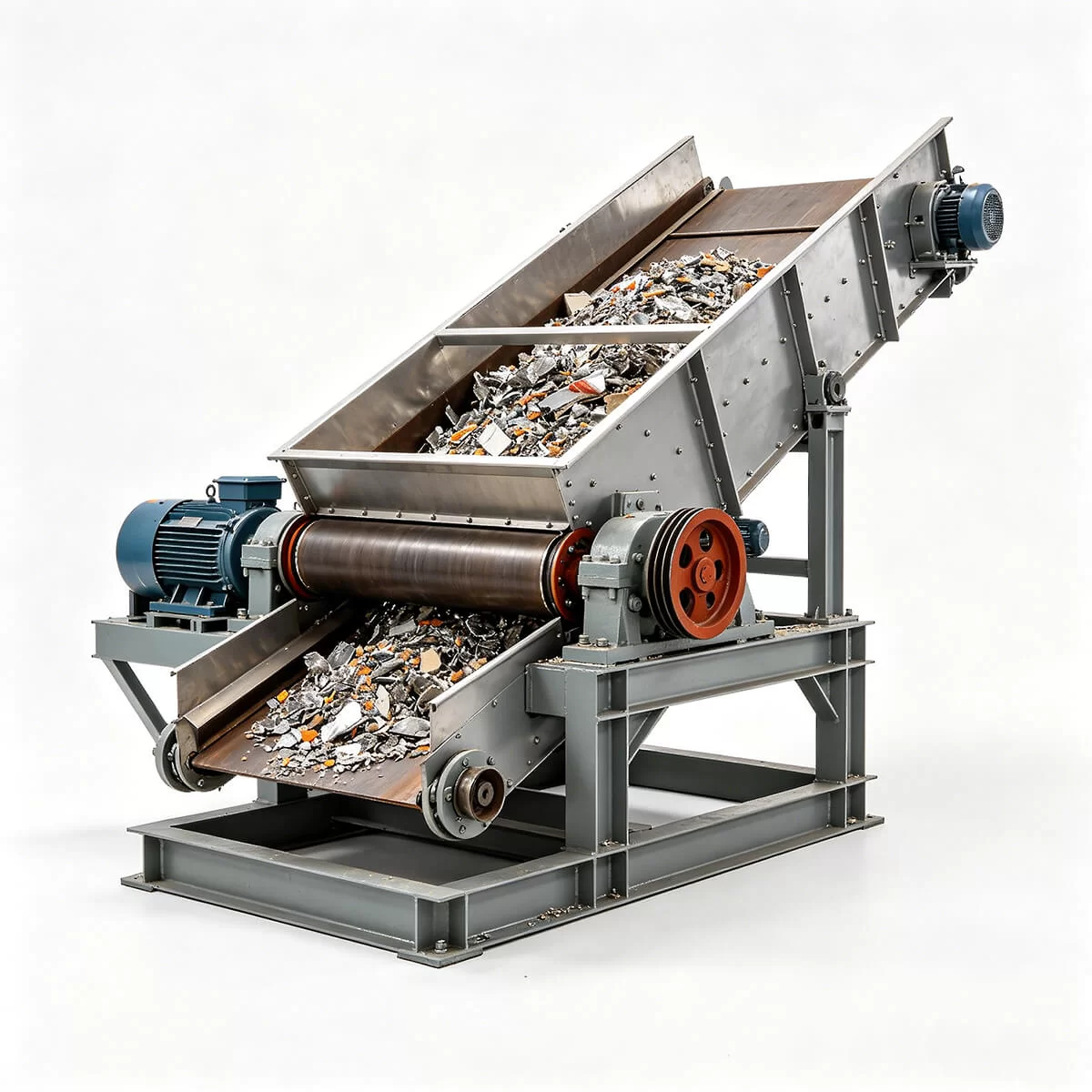
Removes exposed screws, hinges and steel reinforcements.
View equipment details →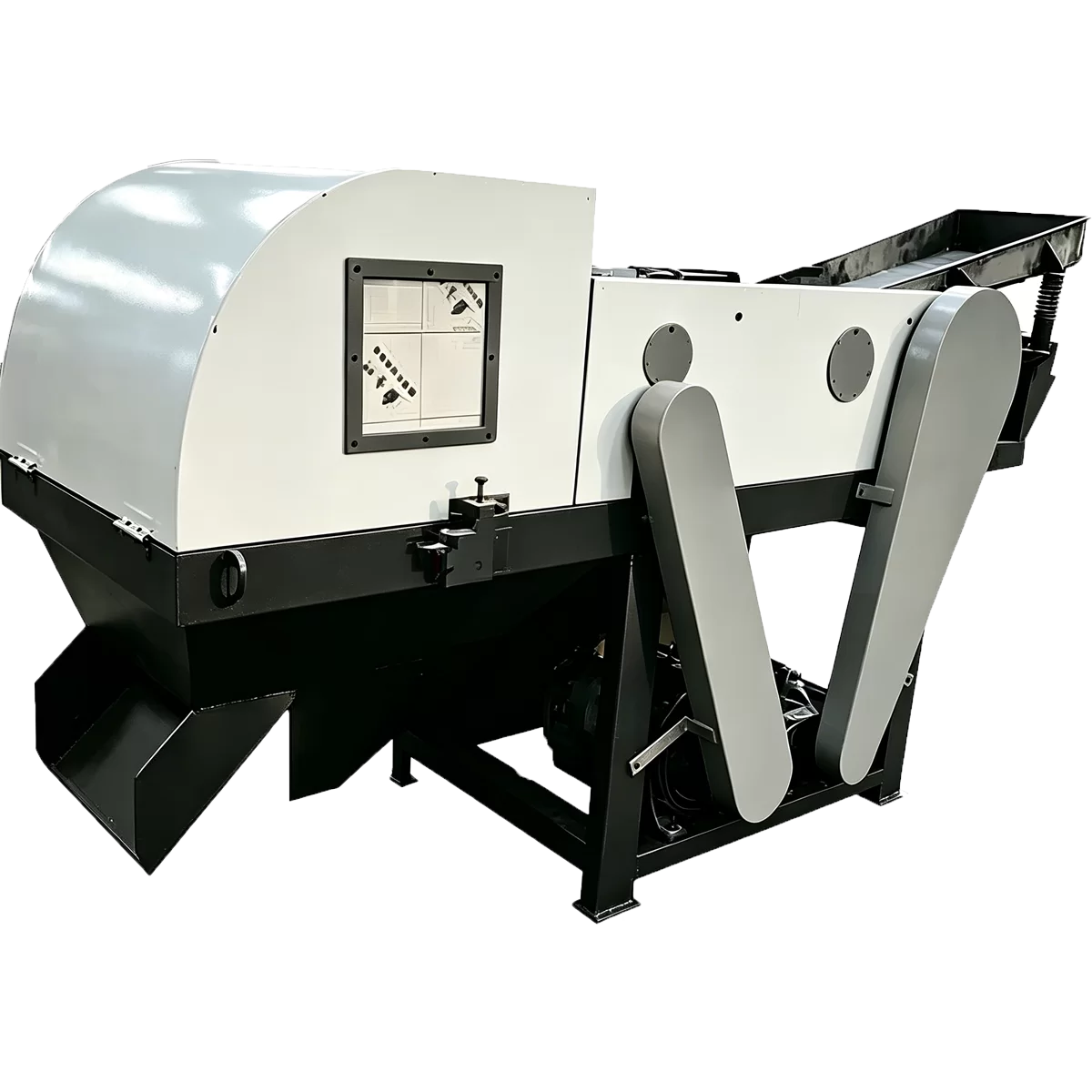
Recovers conductive metal from suitable residue.
View equipment details →Different machines solve different processing problems and should not be presented as interchangeable.
The final output depends on feed composition, liberation and installed separation stages.
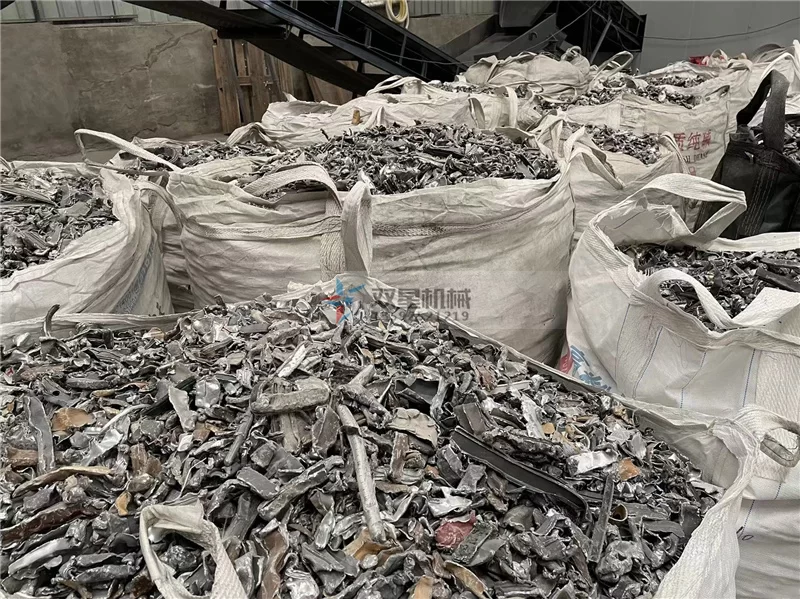
See the coarse output produced when prepared aluminum profiles are processed by a twin shaft shredder, including material shape and downstream crushing options.
View Processing Record →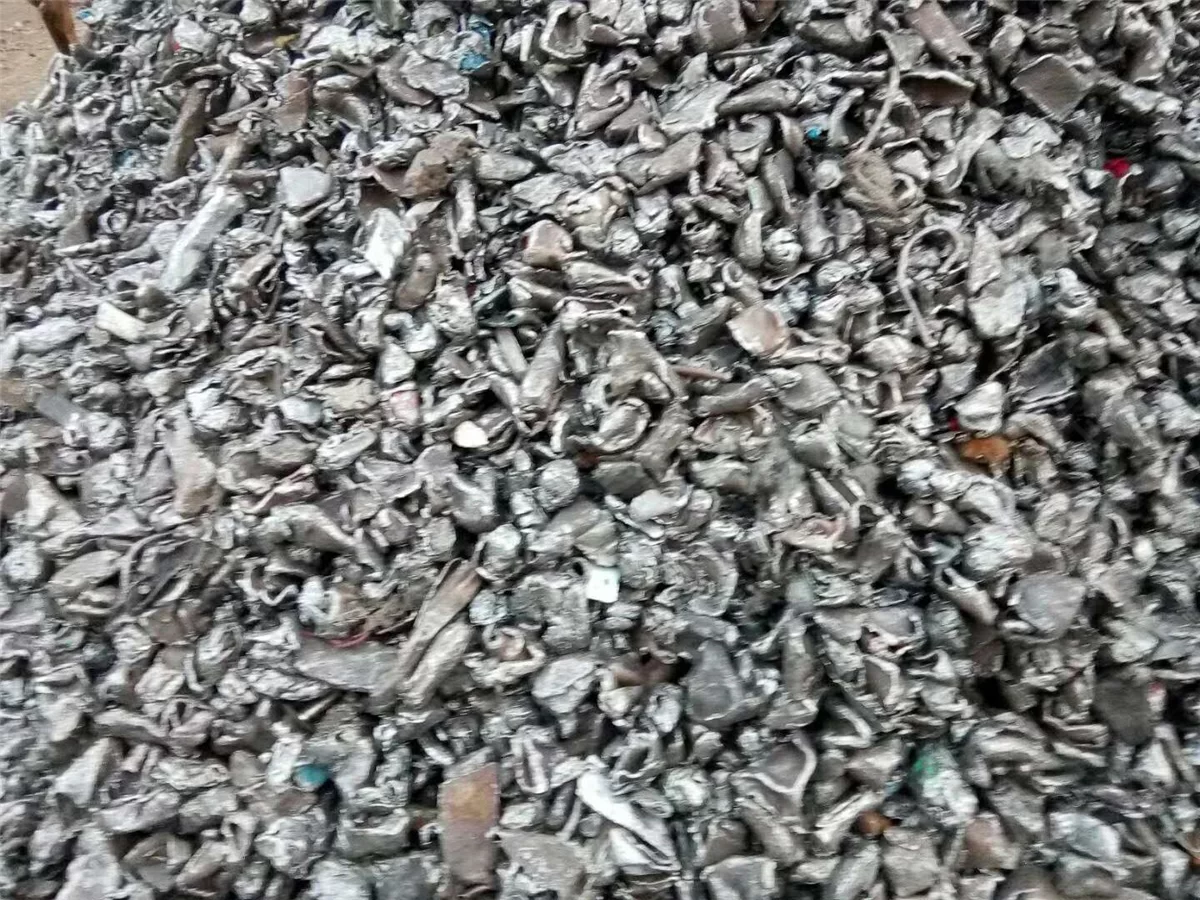
This production line is specifically designed for scrap aluminum profiles including broken bridge aluminum, aluminum extrusions, and mixed aluminum alloy scrap. Through specialized crusher and separation system, the mixed waste is transformed into high-purity, uniform, and low-impurity aluminum gran
View Processing Record →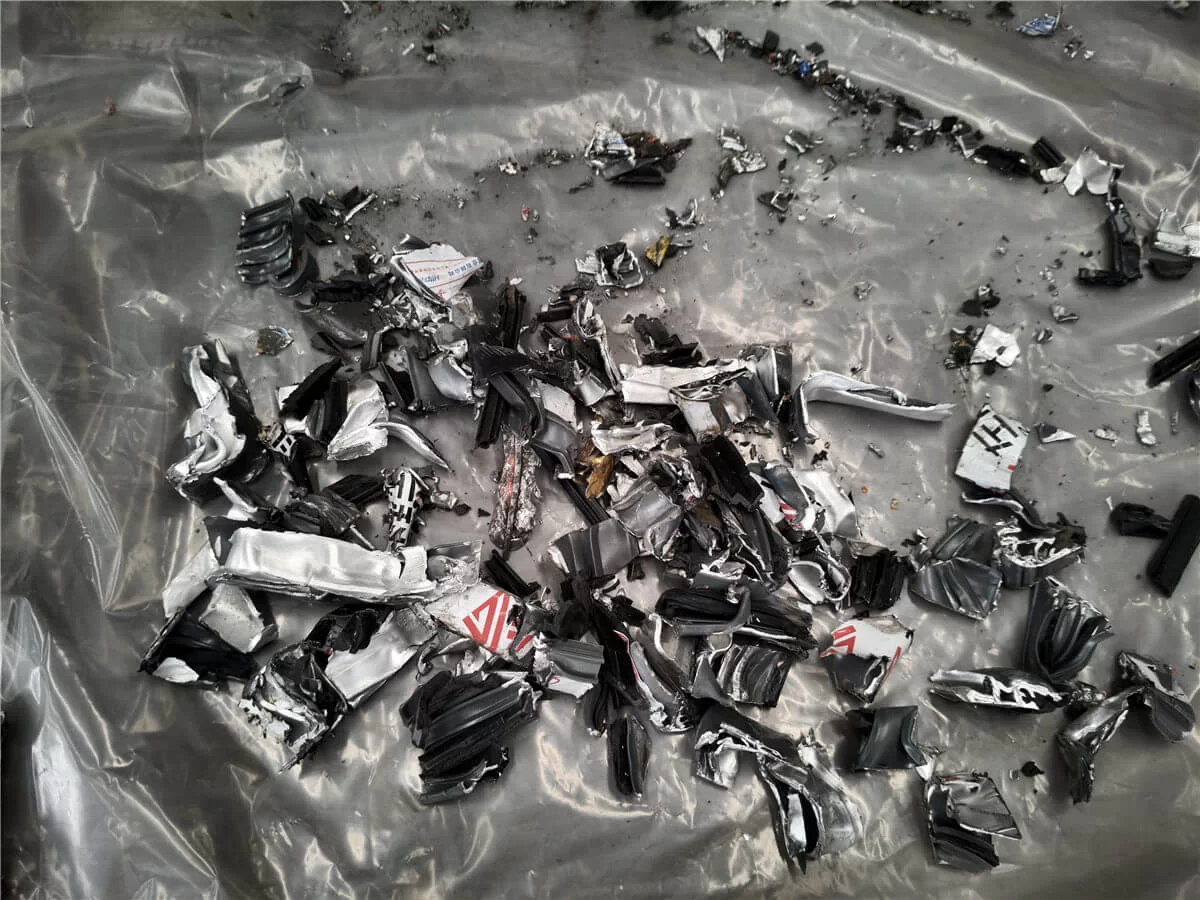
This article shows the shredding effect of thermal break aluminum window profiles with PA66 inserts and protective film. The twin-shaft shredder reduces long and irregular aluminum profiles into smaller chunks for further sorting, crushing and recycling.
View Processing Record →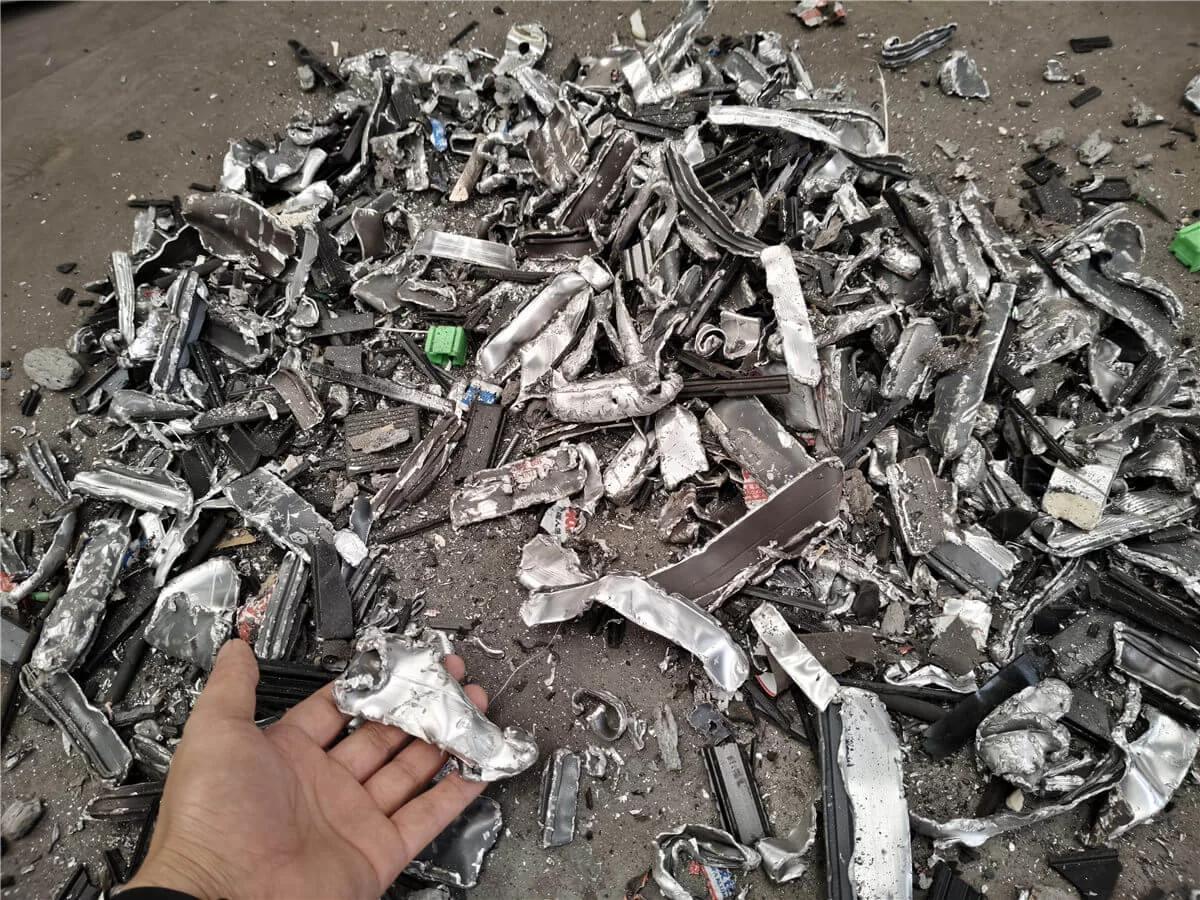
This article shows the crushing effect of thermal break aluminum window and door profiles with PA66 insulation strips and protective film. The aluminum profile crusher processes the material into smaller pieces for easier sorting, separation and recycling.
View Processing Record →Review working videos, technical data and project information.
The aluminum profile crushing and sorting line is designed for prepared window and door frames, extrusion offcuts, curtain wall profiles, aluminum tubing and thermal break profiles. The main processing objective is to open hollow sections, reduce profile size and expose attached screws, hinges, steel inserts, rubber and insulation strips.
The processing route depends on profile length, wall thickness, bundle condition and attached components. Short prepared profiles may enter an aluminum profile crusher directly, while long profiles or complete frames may require primary shredding.
Direct crushing is suitable when the profiles fit the crusher opening, can be fed steadily and do not create serious bridging or tangling. The aluminum profile crusher uses high-speed hammer impact and a screen to reduce the prepared material and control the maximum discharge size.
A twin shaft shredder can be installed before the crusher when the feed consists of long profiles, bundled offcuts or complete prepared frames. The shredder performs low-speed coarse size reduction and improves feeding conditions for the downstream crusher.
Magnetic separation is generally recommended when the profiles contain screws, hinges, steel reinforcements or other ferrous components. Effective crushing helps expose these attachments before the material reaches the magnetic separator.
Screening can classify the aluminum-rich fragments into suitable size ranges. Thermal break strips, rubber and other loosened non-metallic material may require airflow separation, screening or another sorting method depending on the required product quality.
Glass, batteries, sealed components and unsuitable hazardous items must be removed before feeding. Large steel reinforcements that cannot be processed safely should also be separated in advance.
For equipment selection, please provide representative profile photos, maximum length, wall thickness, frame dimensions, bundle condition, attached materials, required capacity and expected output size. Final machine models and line arrangement are confirmed according to the actual feed and available installation space.
Final models and performance are confirmed after reviewing representative material information.
For short prepared profiles within feeding limits.
For profiles containing ferrous attachments.
For long, bundled or complete prepared frames.
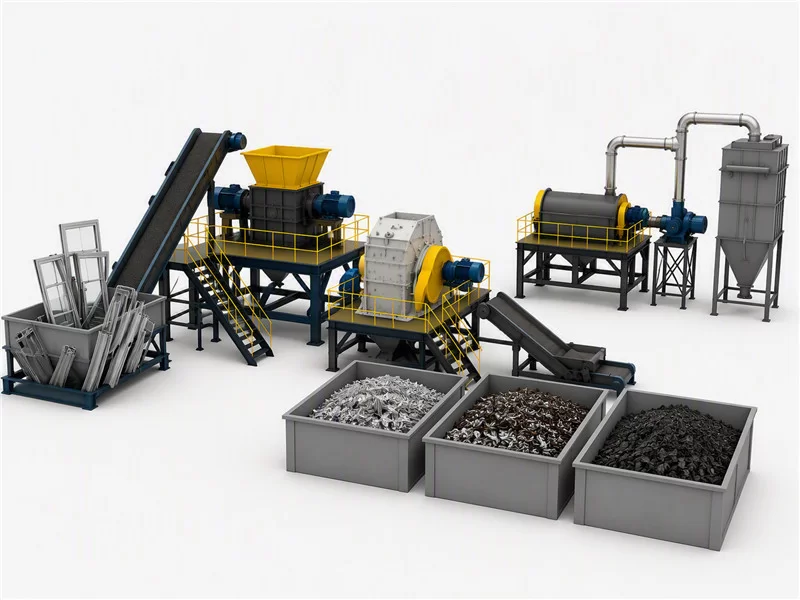
Equipment spacing, conveyor length and collection positions depend on building dimensions, loading method, maintenance access and final material handling.
The gallery stays in the content rather than dominating the top like a single-machine carousel.
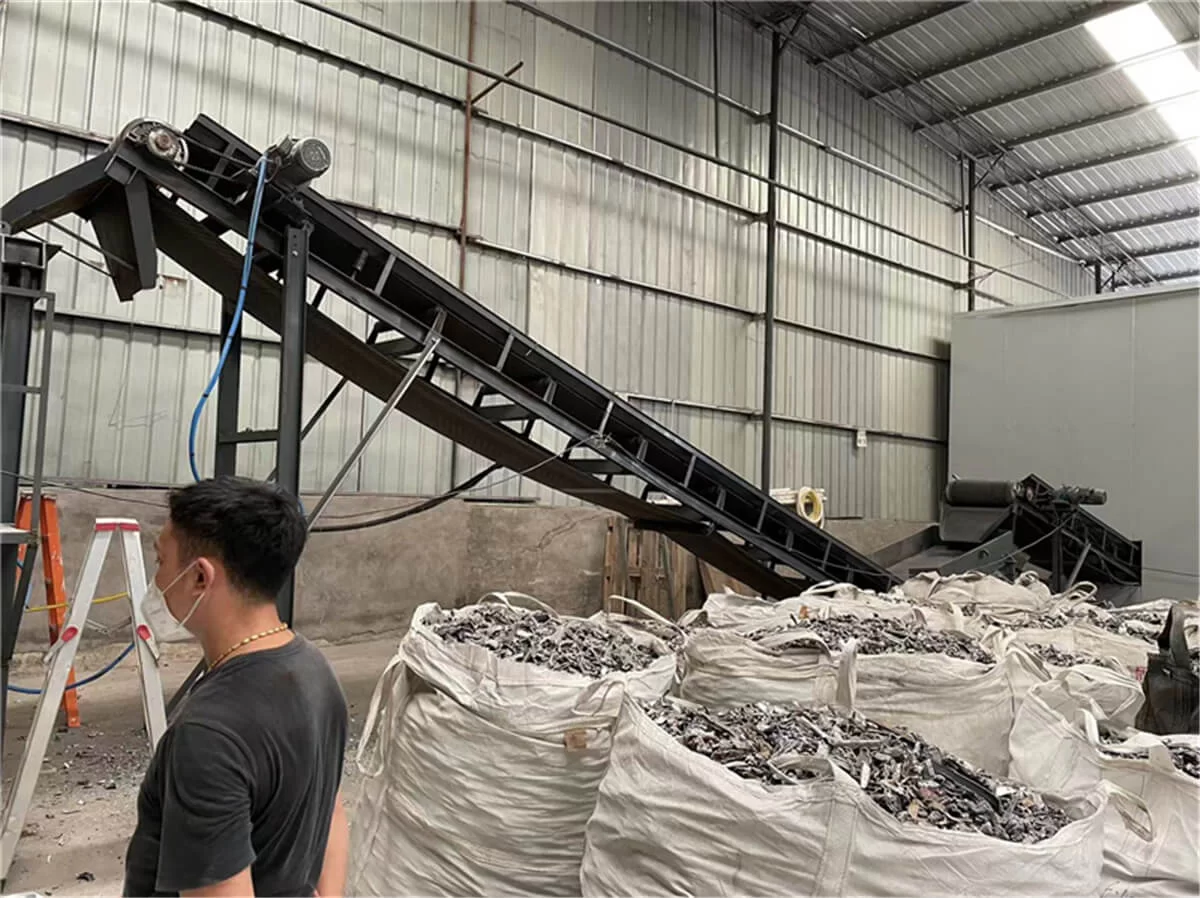
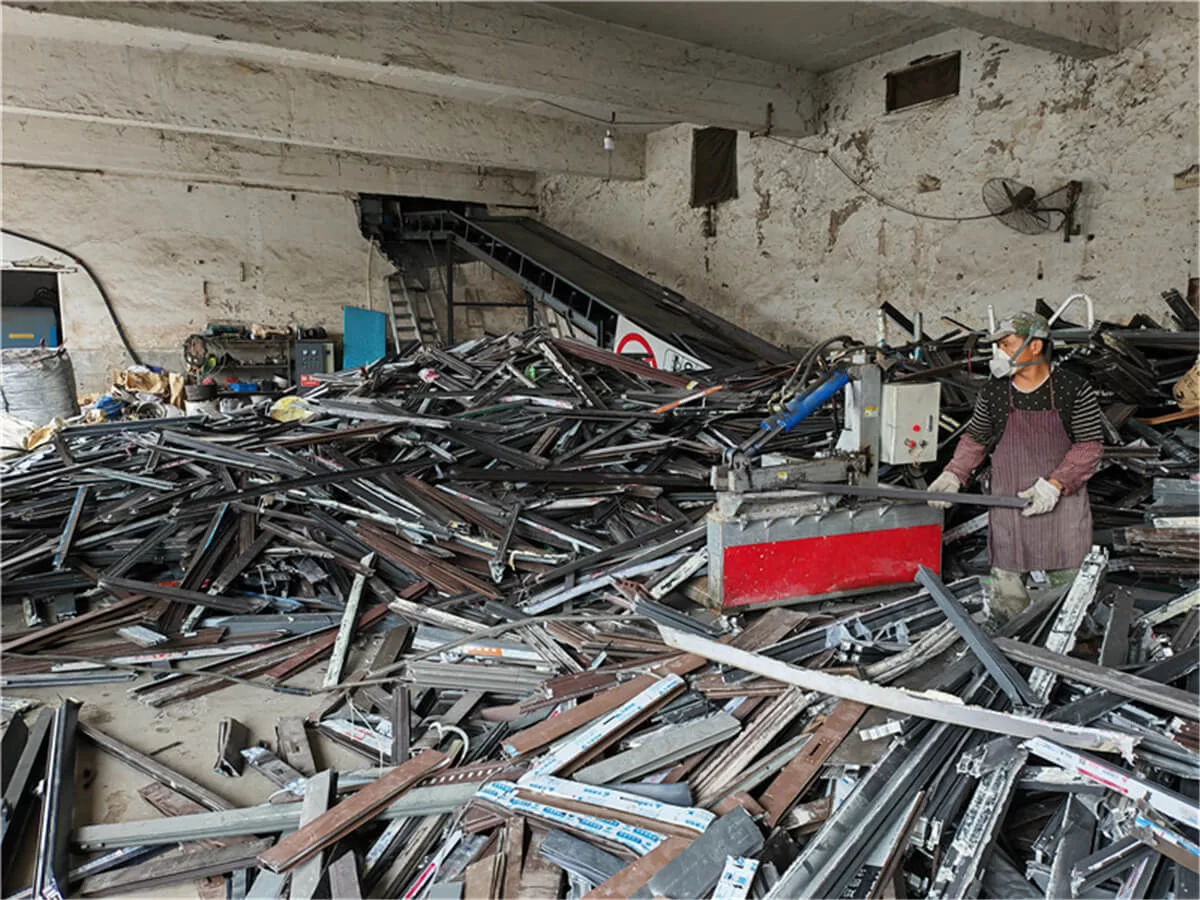
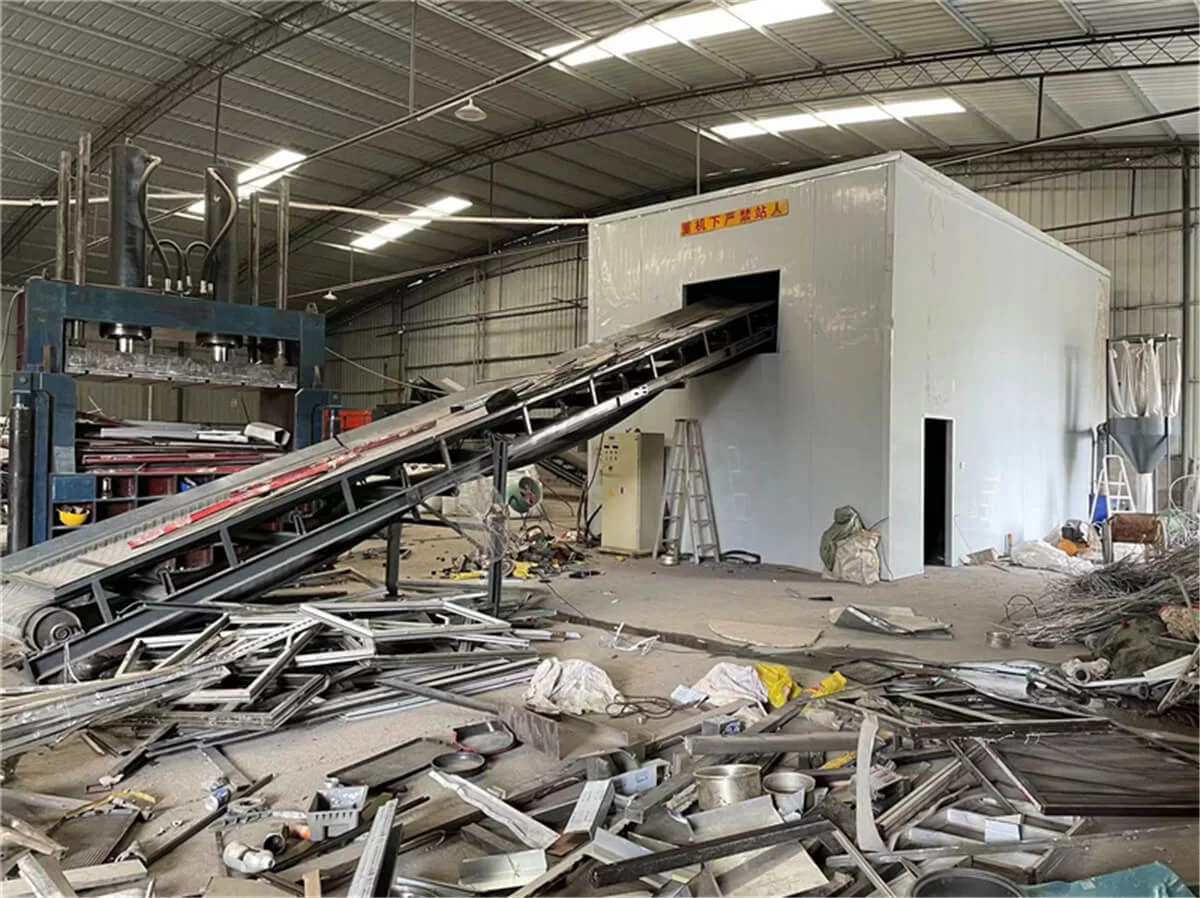
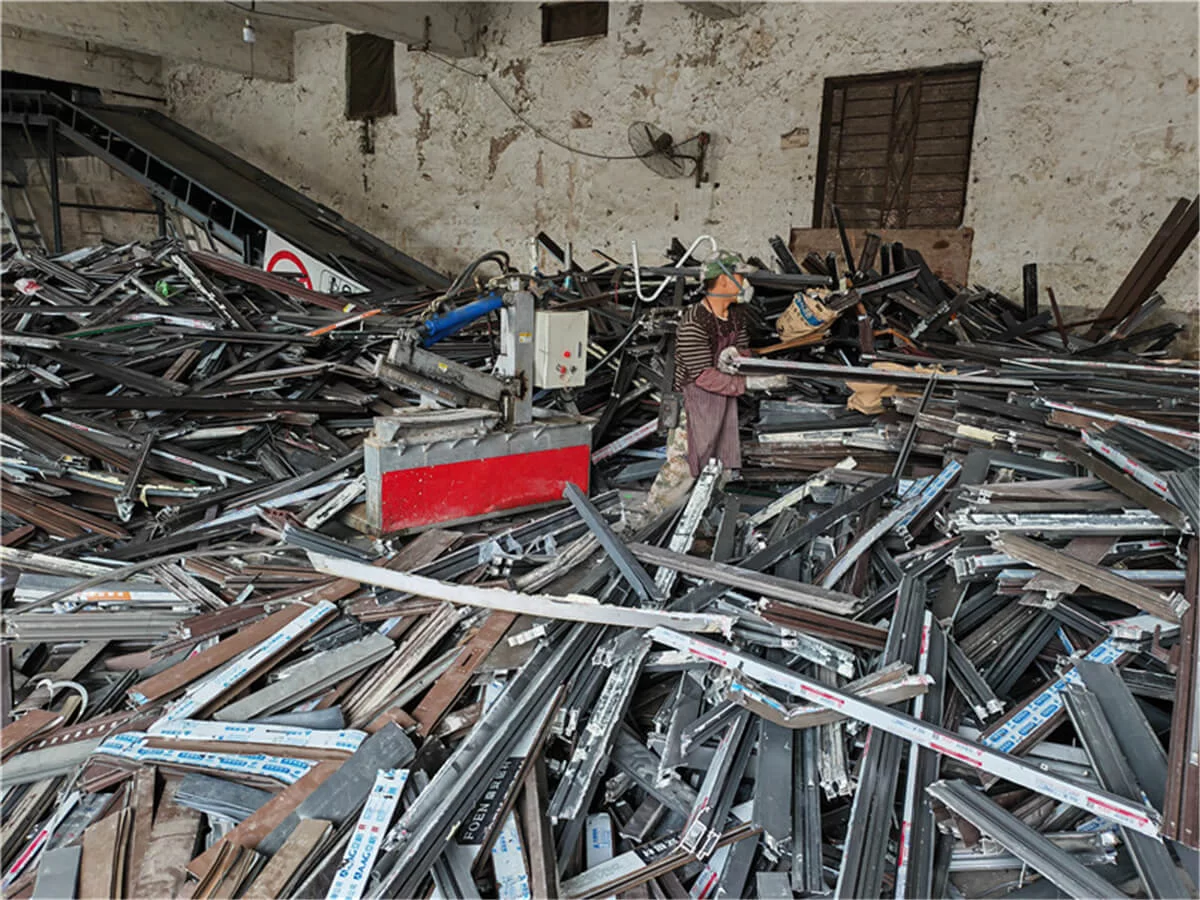
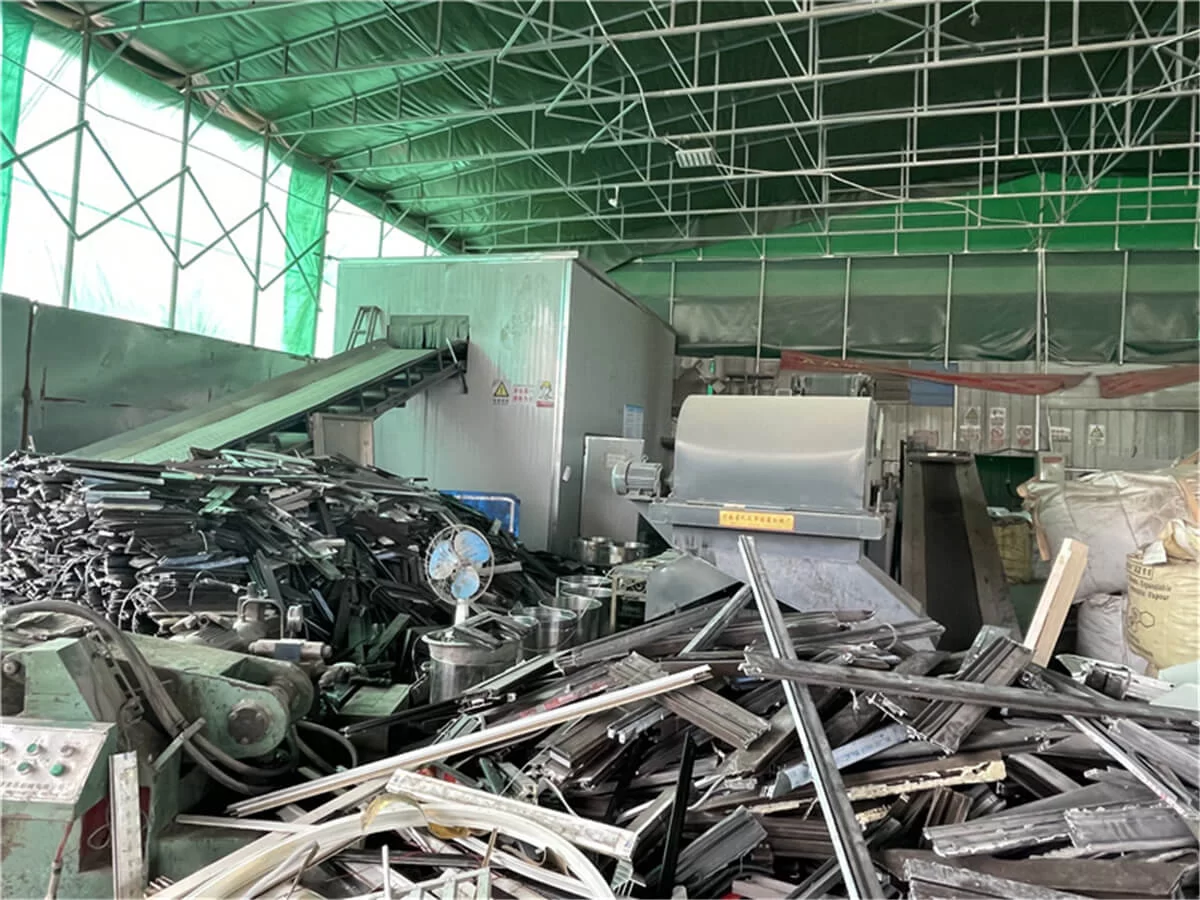
Primary shredding is recommended when complete frames, long profiles or bundled material cannot enter the aluminum profile crusher safely and consistently. The twin shaft shredder performs low-speed, high-torque coarse size reduction before the material enters the downstream crushing stage.
No. Glass, batteries, sealed components and other unsuitable materials should be removed before feeding. Complete frames should also be checked for large steel reinforcements or components that could interfere with stable processing.
The separation result depends on the profile structure, crushing conditions, particle size and degree of material liberation. Screening, airflow separation or additional sorting equipment may be required to remove loosened thermal break strips, rubber and other non-metallic material.
Short and prepared aluminum profiles may enter a suitable profile crusher directly when the material fits the feeding opening and can be supplied at a stable rate. Long, bundled or tangled profiles may require pre-cutting or primary shredding before crushing.
Hammer crushing opens the profile structure and exposes attached ferrous components. A magnetic separator installed after the crusher can recover suitable screws, hinges, brackets and steel inserts. Separation performance depends on material liberation, particle size and feeding thickness.
Not every project requires an eddy current separator. Magnetic separation is normally used first to remove iron and steel. Eddy current separation may be considered when the prepared non-magnetic residue contains recoverable conductive metal mixed with suitable non-conductive material.
The final configuration should be based on real feed conditions and required output, not a fixed equipment package.