Project Overview
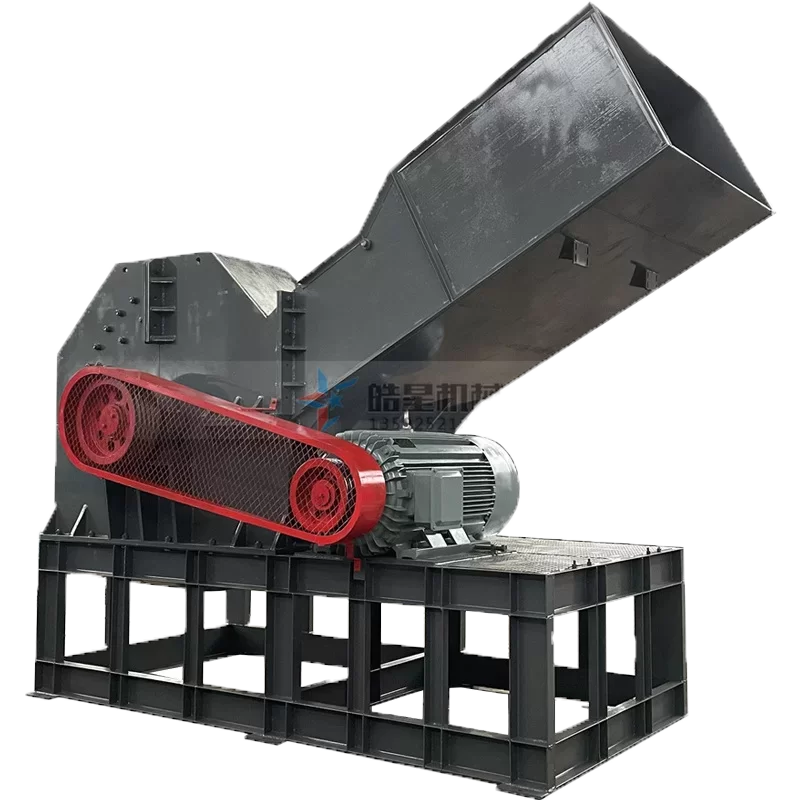
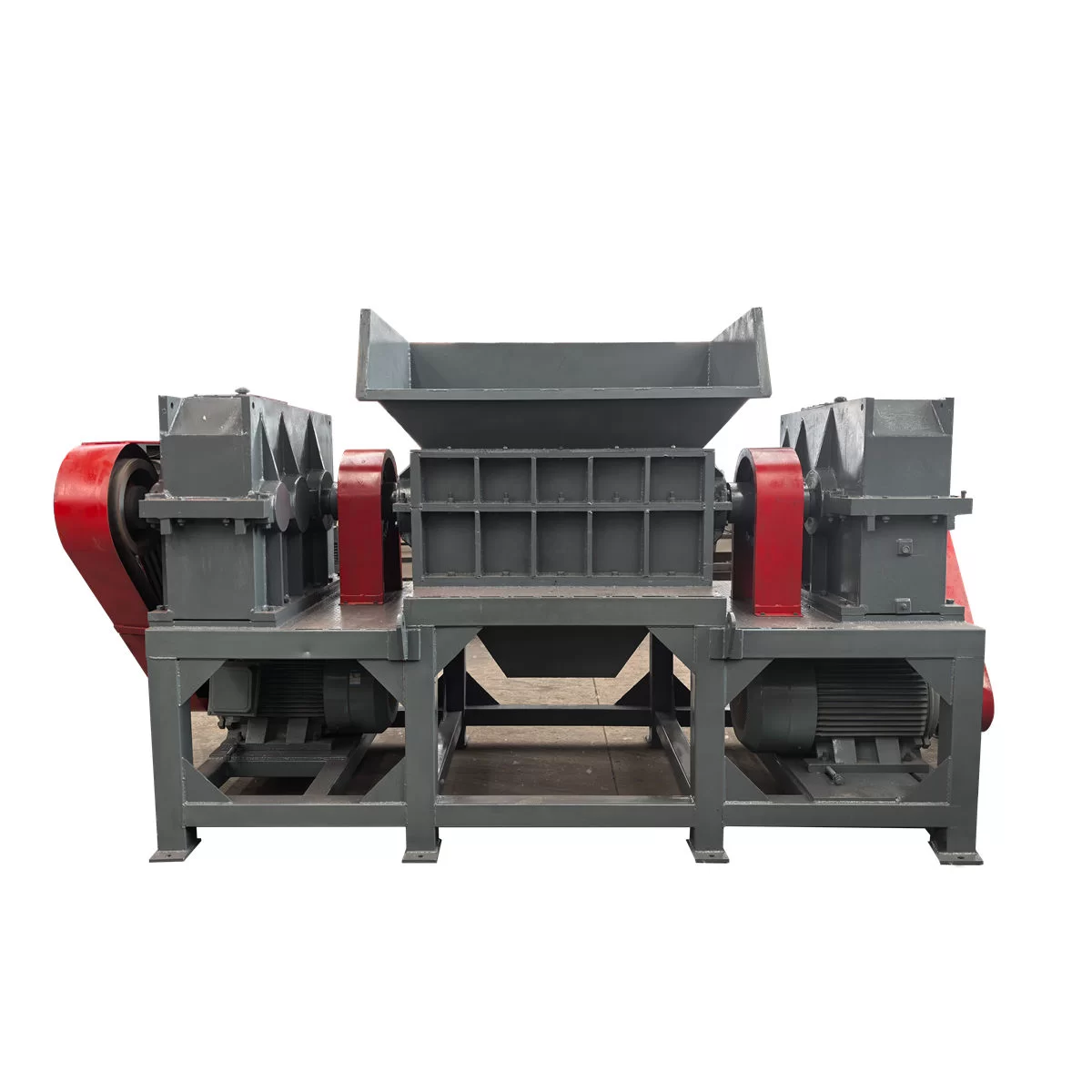
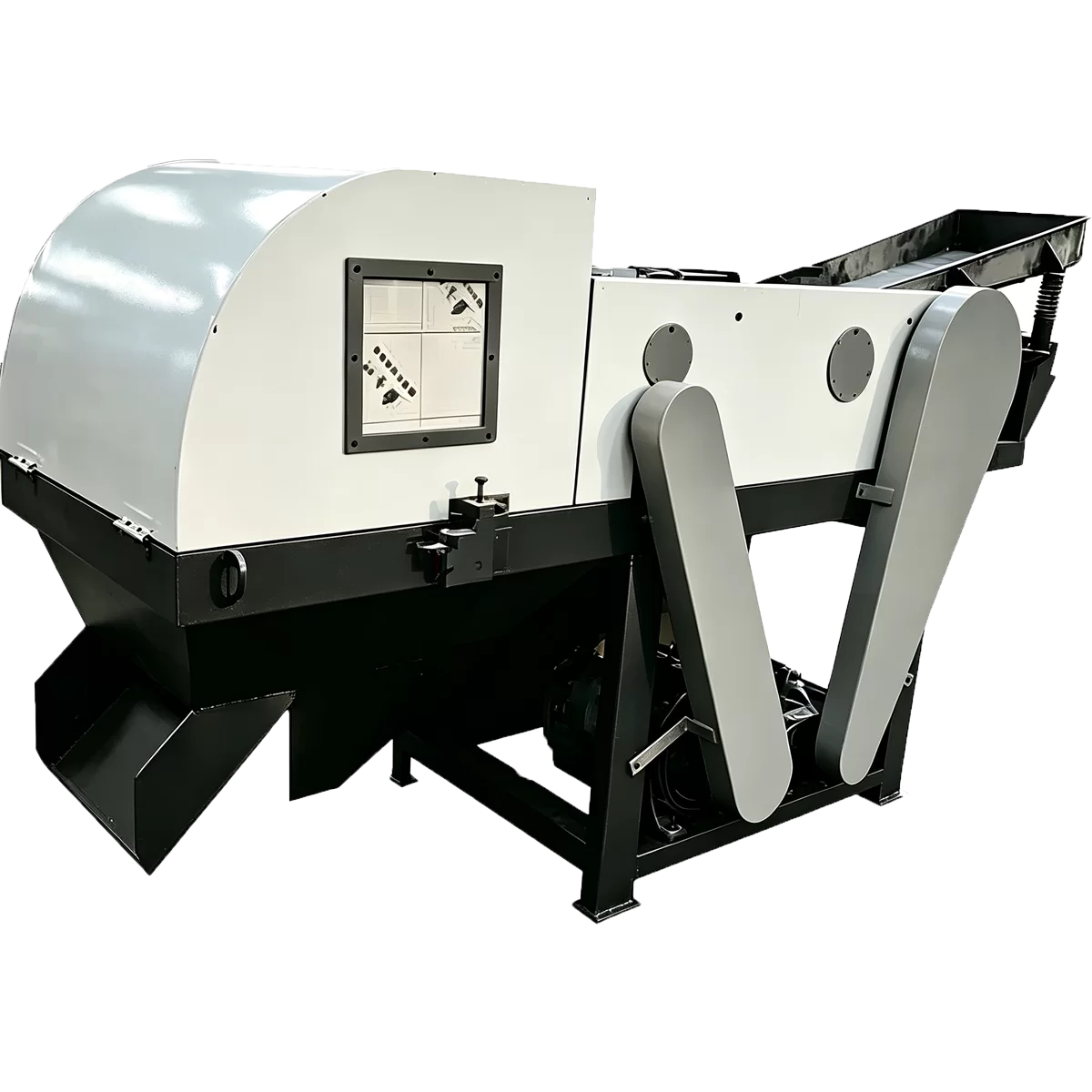
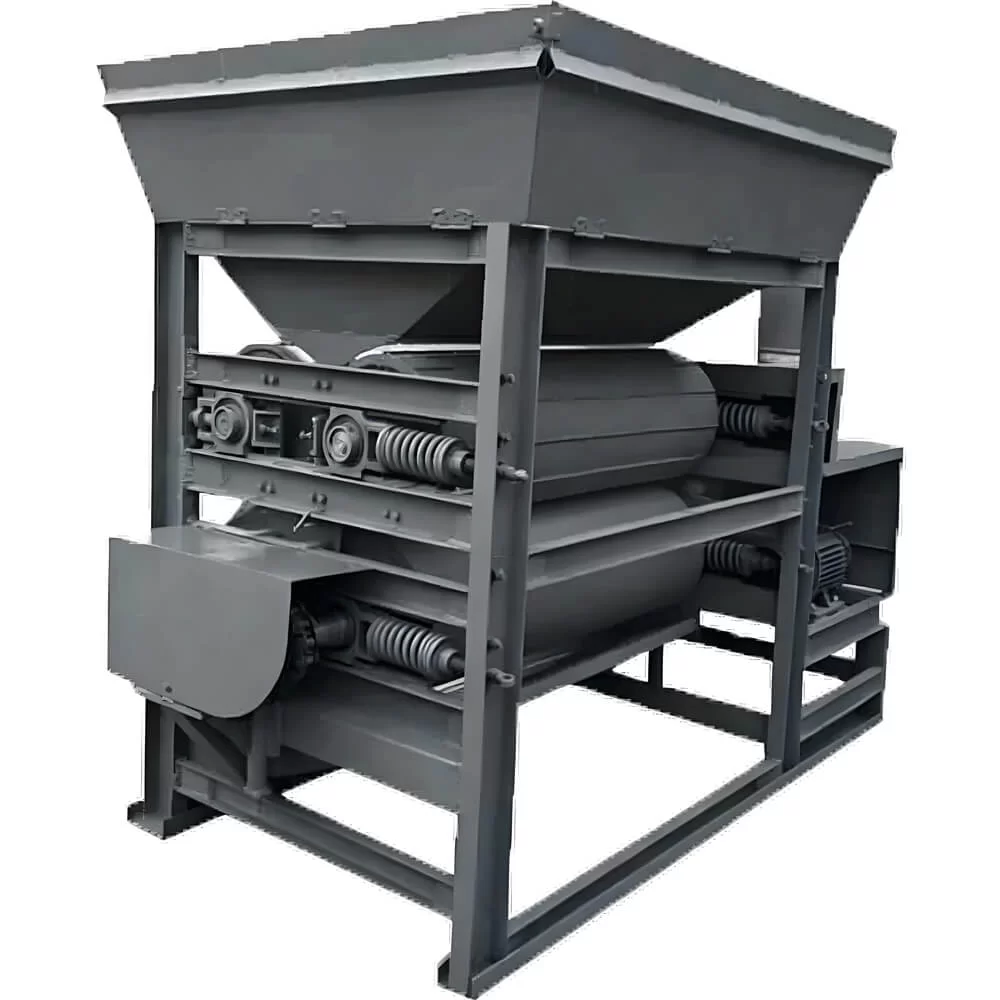
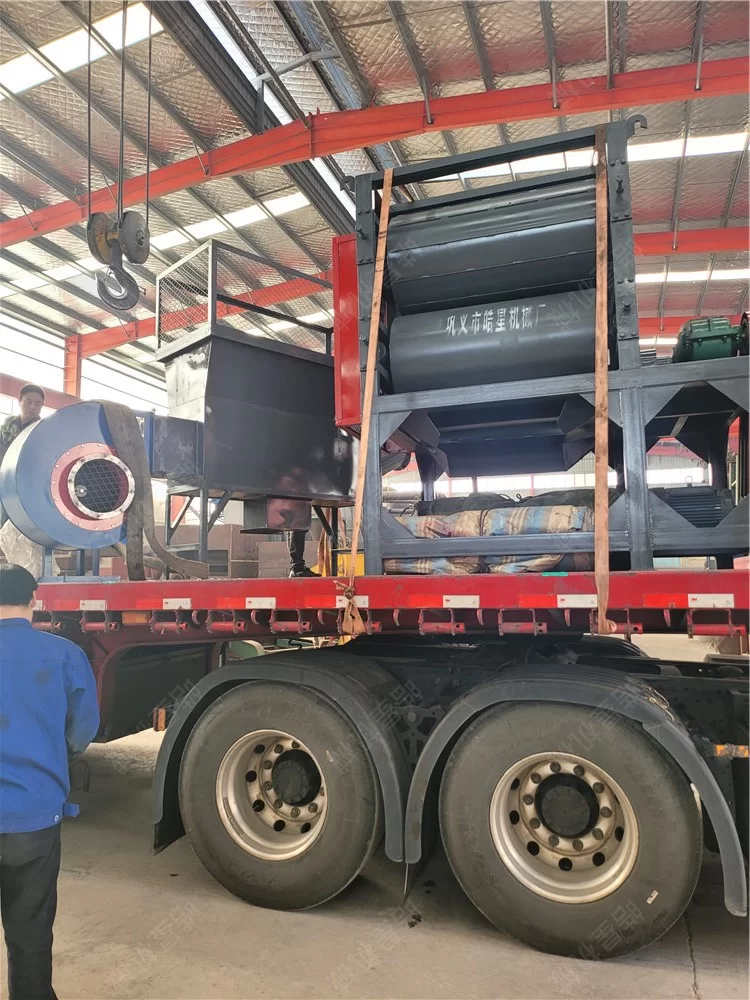
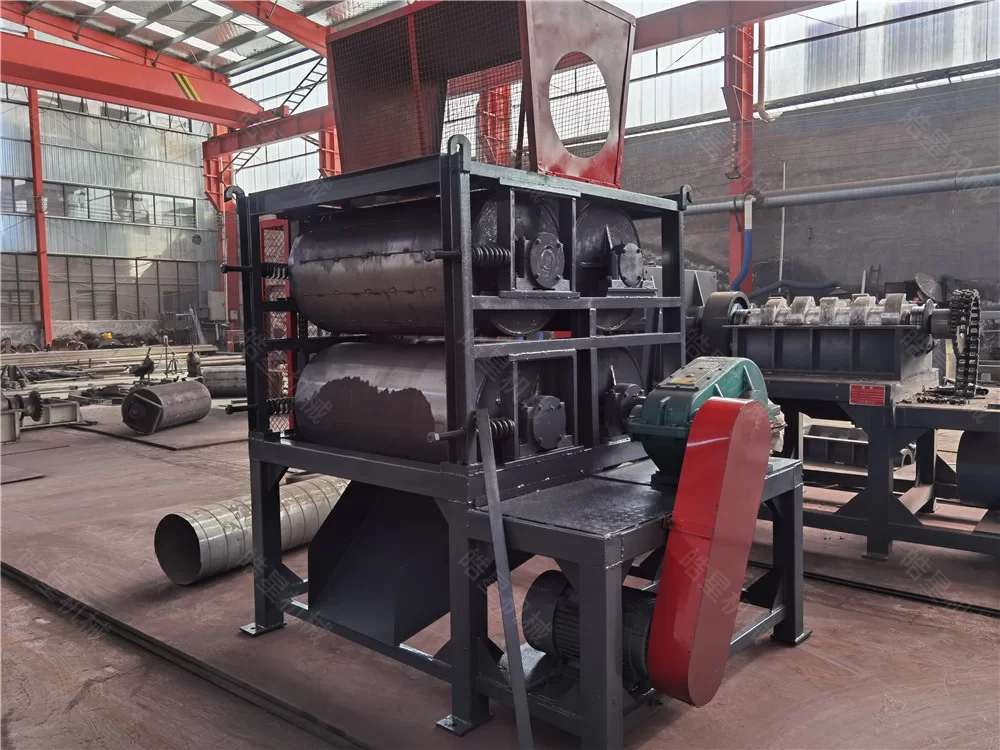
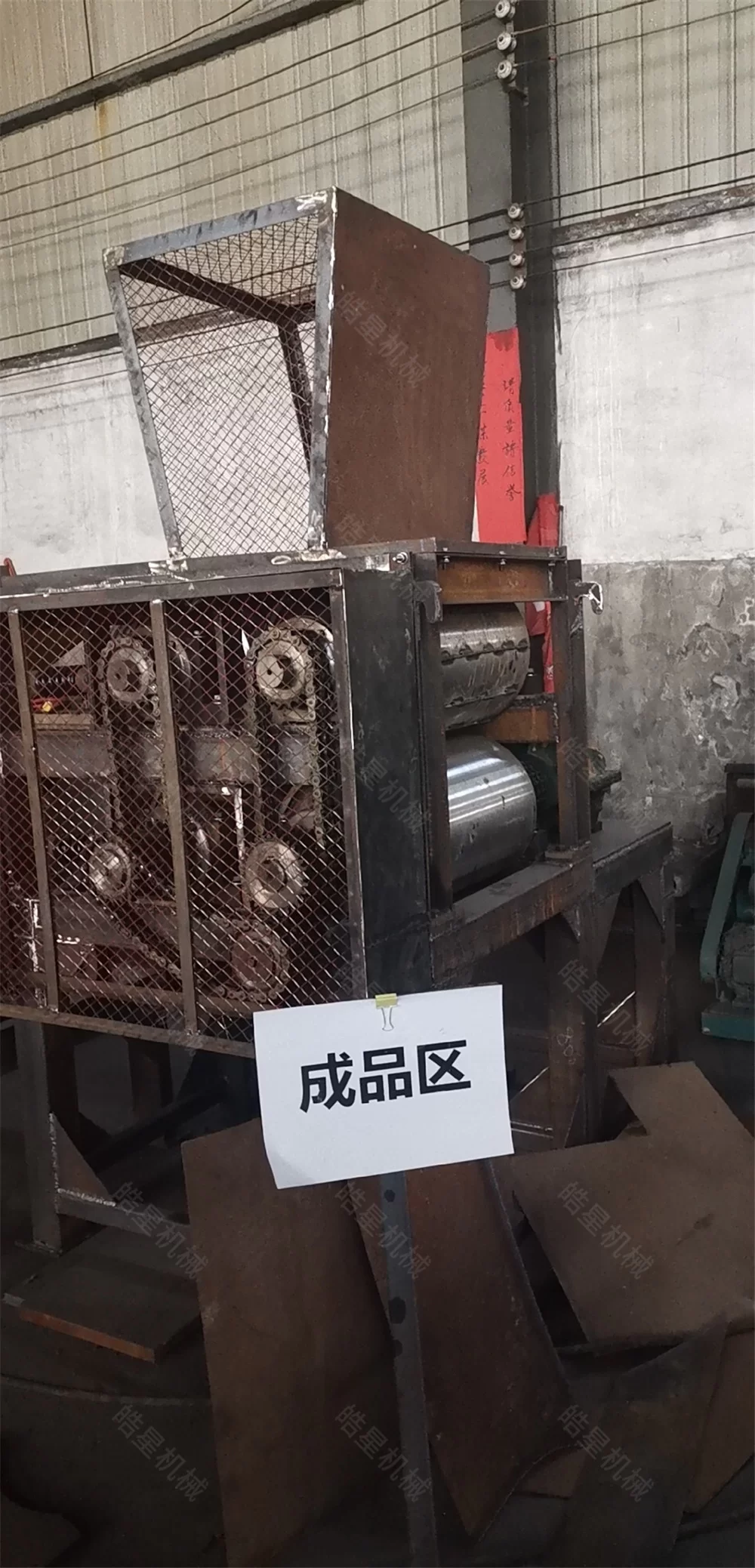
A can flattening machine was prepared for customer delivery at Gongyi Haoxing Machinery Factory. The equipment reduces the volume of loose aluminum cans and UBCs for easier storage, transport and further recycling.
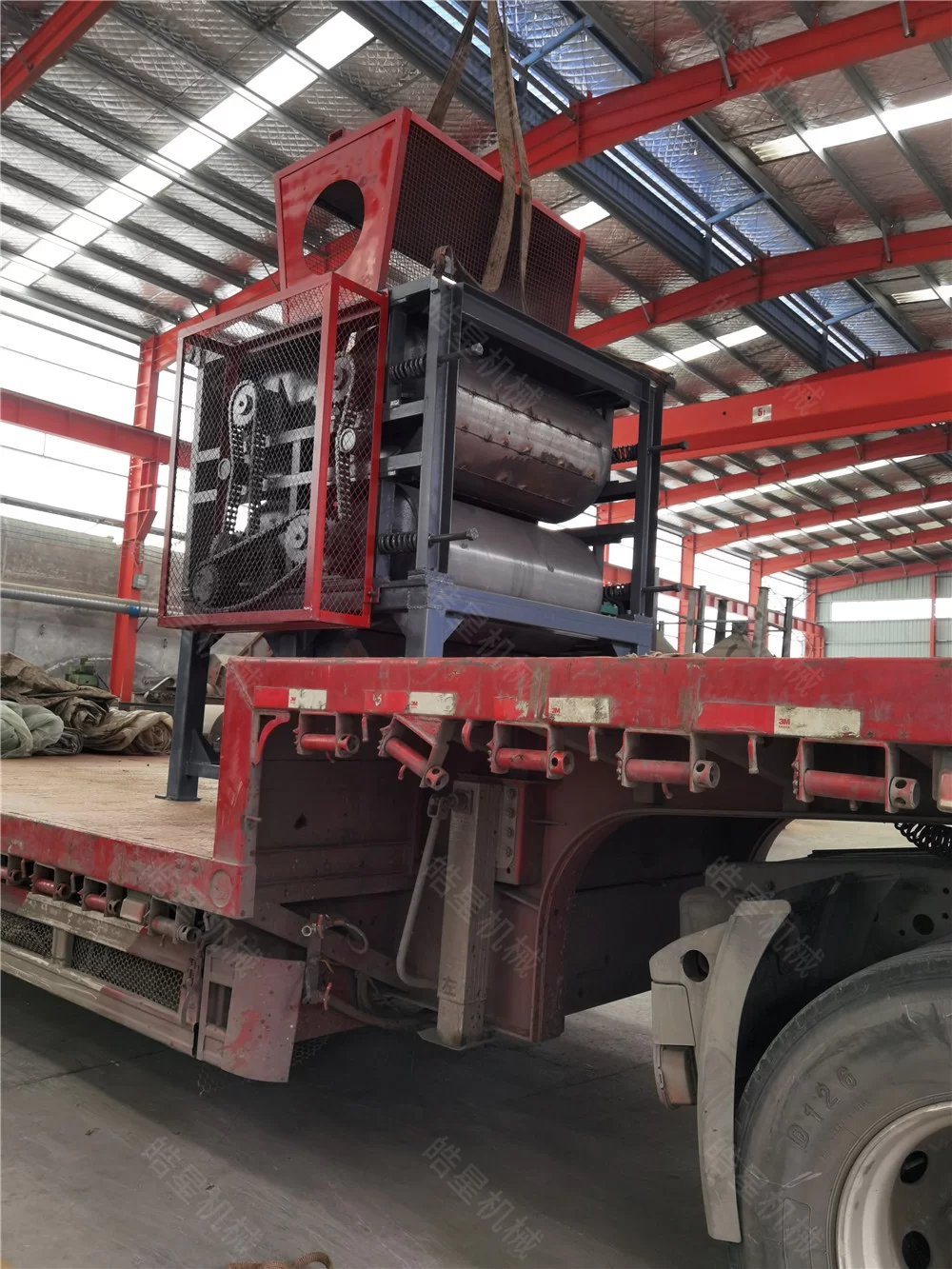
A can flattening machine has been prepared for customer delivery at Gongyi Haoxing Machinery Factory. After the equipment was organized for shipment, the main unit and its supporting components were loaded according to the transport requirements. The machine will be used for the pretreatment of loose beverage cans and other suitable light-gauge metal containers.
This delivery reflects a practical need at recycling stations and scrap metal collection sites. Empty aluminum cans occupy considerable storage space because of their hollow shape and low loose bulk density. Even when the actual metal weight is limited, unprocessed cans can quickly fill collection cages, storage areas and transport vehicles.
Equipment Preparation at the Delivery Site
Before loading, the main machine, drive components, feed opening, discharge area and electrical control components were checked. Parts that could move during transport were secured, while exposed areas were protected according to the loading conditions. The purpose was not only to place the machine on the vehicle, but also to reduce unnecessary movement and impact during transportation.
After arrival, the customer can complete unloading and installation according to the actual workshop layout. Sufficient operating space should be reserved around the feeding and discharge areas so that loose cans can enter continuously and flattened material can be collected without blocking the outlet.
Why Loose Cans Are Flattened Before Recycling
Loose used beverage cans, commonly called UBCs, have a low bulk density. When they are transported without pretreatment, much of the available vehicle or storage volume is occupied by air rather than metal. A UBC flattening machine reduces this unnecessary volume by pressing the cans into flatter pieces.
An aluminum can flattener changes the physical shape of the cans by applying pressure between the pressing components. The processed material becomes easier to collect, stack, transport, bale or transfer to another recycling stage. This makes the machine suitable for projects where volume reduction and stable material handling are the immediate objectives.
The primary function of can flattening equipment is volume reduction. It does not use high-speed hammer impact and does not produce small, screen-controlled fragments. If smaller pieces are required for later separation or processing, the flattened material may be transferred to a can crusher. The two machines perform different functions and should not be treated as interchangeable equipment.
Suitable Feed Materials
The delivered machine is intended for loose, empty and feedable light-gauge metal containers. Typical materials include aluminum beverage cans, used beverage cans, tinplate cans, lightweight steel cans, empty food containers and other suitable thin metal packaging.
The incoming material must be inspected before feeding. Sealed containers, aerosol cans, pressurized containers, batteries and cans containing liquids, flammable substances, corrosive material or unidentified residues must be removed or prepared separately. Dense can bales and tightly compressed packages may require bale opening or another pretreatment method before entering the flattening stage.
Benefits for Storage and Transportation
For many recycling businesses, the immediate value of flattening is improved material handling. Flattened cans require less storage volume than loose cans, helping the operator organize the collection area and accumulate more recyclable metal before it is transferred to the next process.
Transportation can also become more efficient because the available loading space is used more effectively. The actual improvement depends on the original can condition, feeding consistency, flattening result and collection method. Capacity and transport savings should therefore be evaluated with representative customer materials rather than estimated only from motor power.
Possible Processing Line Configuration
The can flattening machine can operate as an individual unit. A basic arrangement may include a feeding conveyor, the main flattening machine and a collection area. A discharge conveyor can be added when the flattened cans need to be transferred continuously to a storage bin or baling machine.
If aluminum cans are mixed with steel or tinplate cans, magnetic separation may be considered at a suitable stage. When smaller material is required, a can crusher can be installed after flattening. The final configuration should be selected according to the incoming material, required capacity, workshop space and downstream recycling method.
Information Required for Equipment Selection
Before selecting a machine, the customer should provide the can type, loose or baled condition, maximum dimensions, contamination level, required hourly quantity, feeding method, expected flattened condition, available installation space, local voltage and downstream collection method. These details help determine whether a standalone aluminum can flattener is sufficient or whether conveyors, magnetic separation, baling or further crushing should be included.
Customer Delivery Support from Haoxing Machinery
Gongyi Haoxing Machinery Factory supplies can flattening equipment for metal collection and recycling applications. Equipment configuration is discussed according to the customer’s actual cans, feeding condition, required capacity and workshop arrangement rather than using the same configuration for every project.
The completion of this loading marks the next stage of the customer’s project. After the machine arrives, correct unloading, stable installation and controlled feeding will be important for reliable operation. Haoxing Machinery can provide the necessary equipment information to support installation and future use.