Project Overview
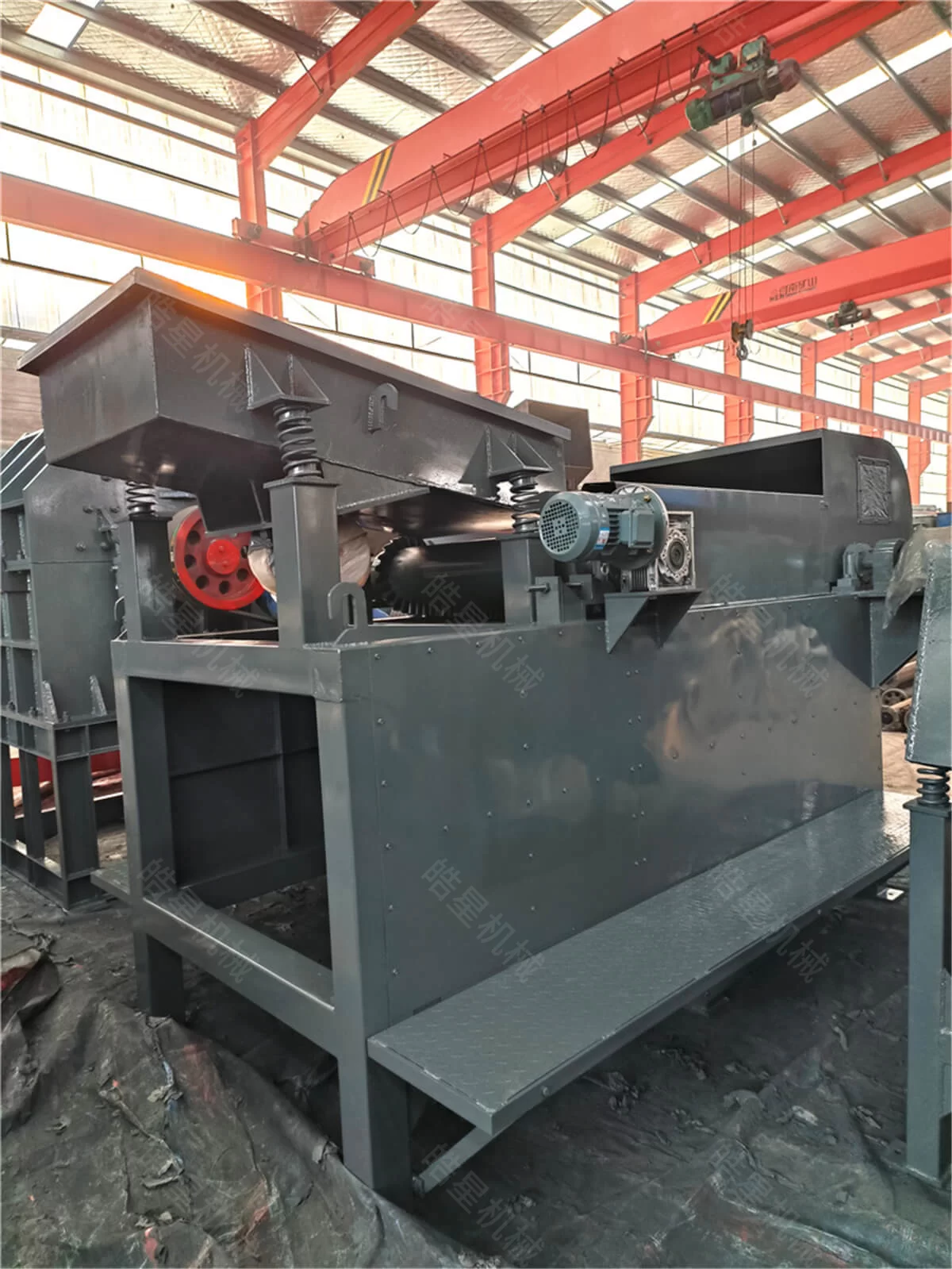
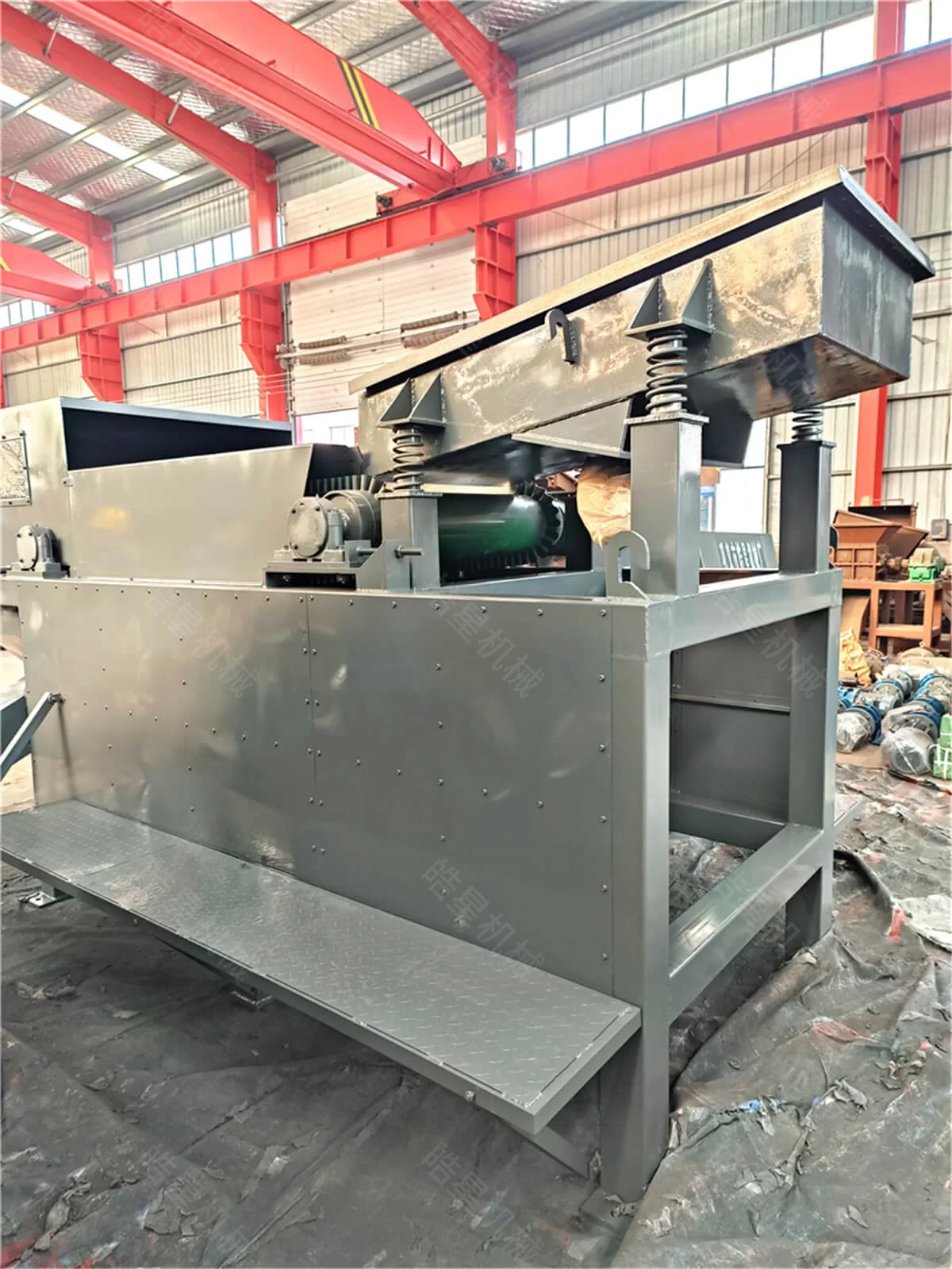
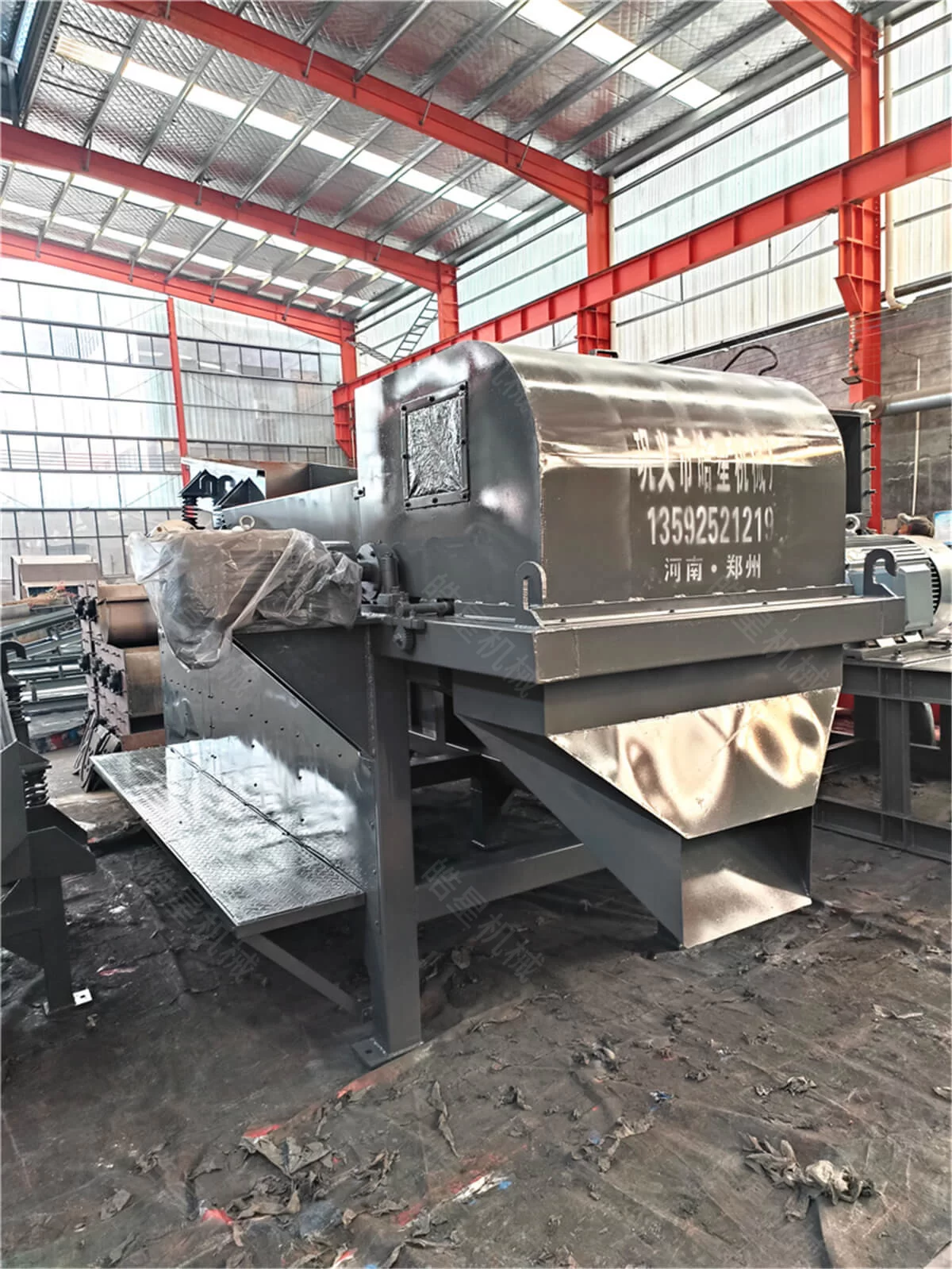
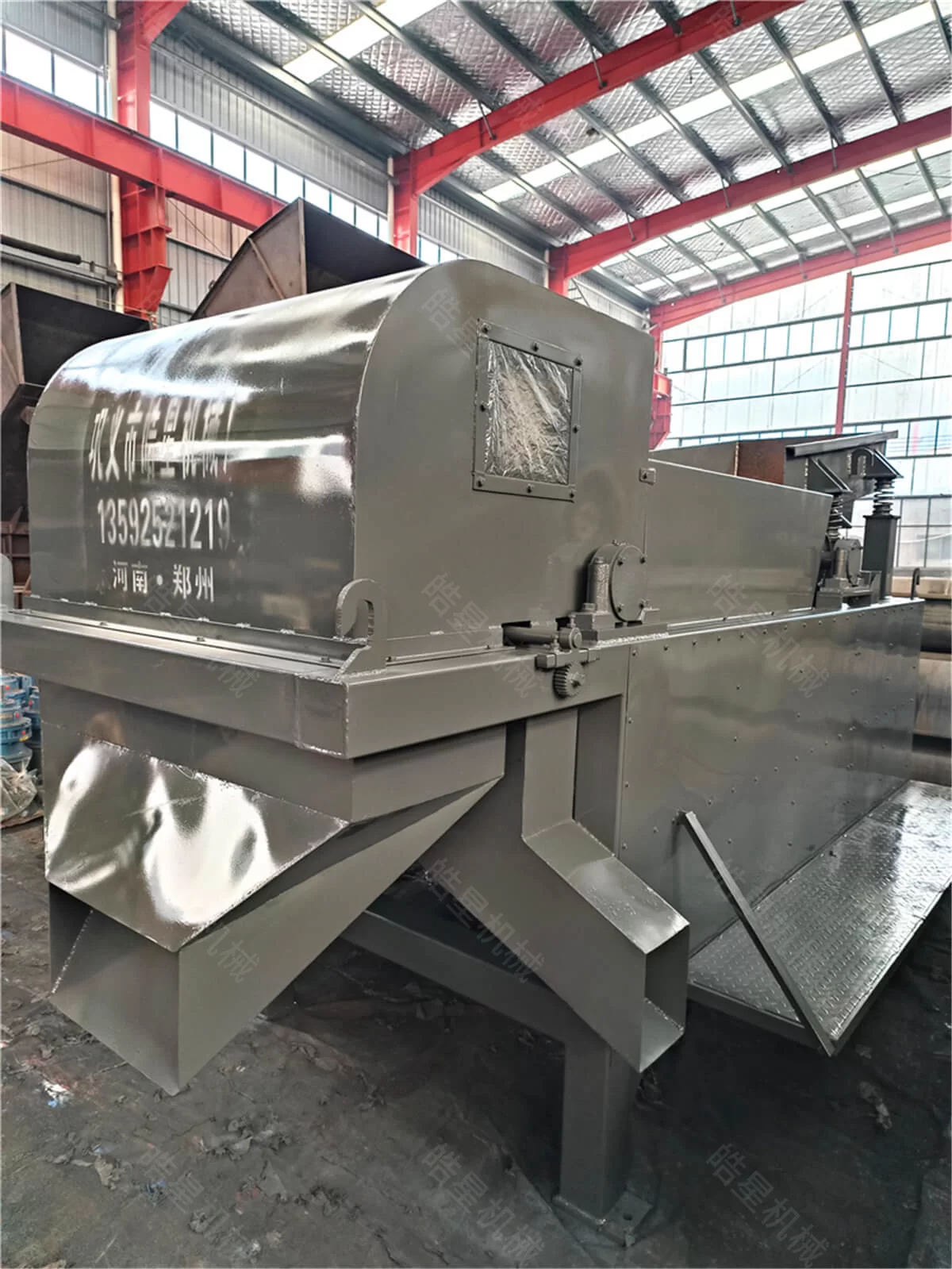
Factory workshop photos of a 1200 eddy current separator and conveyor system prepared for delivery after assembly, belt inspection and pre-shipment performance checks.
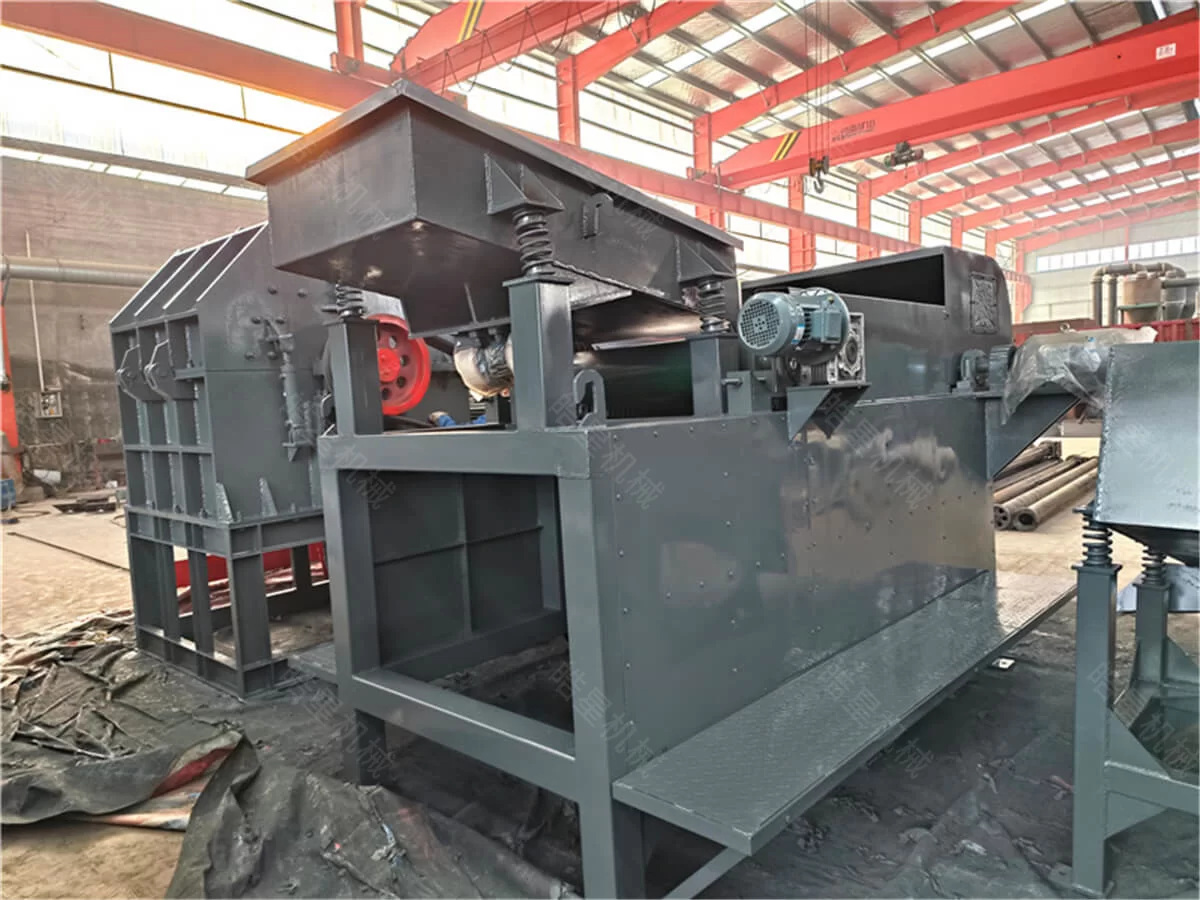
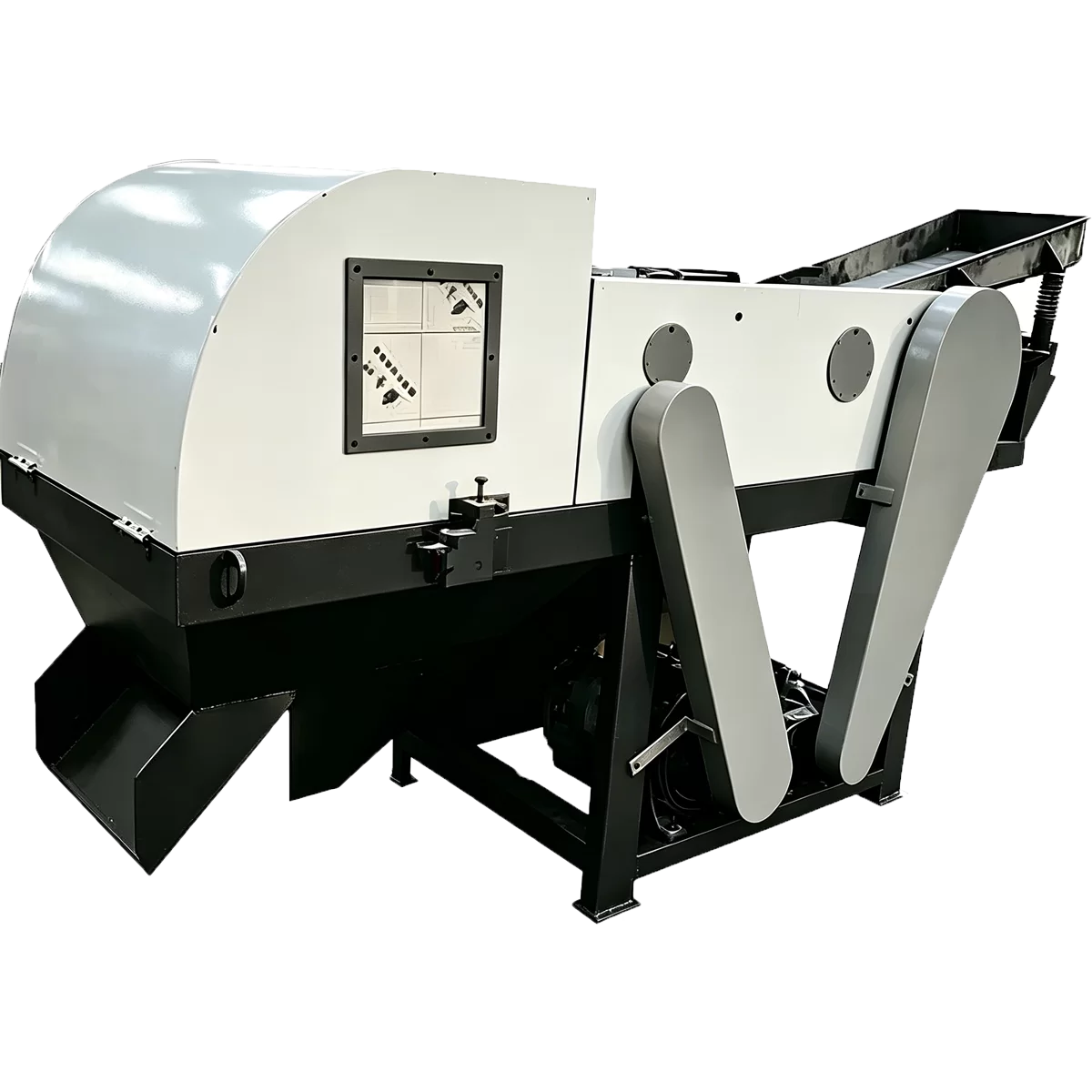
A 1200 eddy current separator and its matching conveyor system have completed assembly in our production workshop and are now prepared for delivery. The photos show the actual condition of the equipment before packing, including the separator body, conveyor structure, belt section, drive components and electrical connections.
This workshop record focuses on the equipment itself rather than the loading process. Before the machine leaves the factory, the separator and conveyors are checked as one connected system. The purpose is to confirm that material can move smoothly from feeding to sorting and final discharge without interference between individual sections.
The 1200 model is designed around a 1200 mm working width. It can be incorporated into scrap aluminum recycling projects where crushed material needs to be spread across the conveyor and separated into conductive metal and non-metallic fractions.
1200 Eddy Current Separator Assembly
The main machine photographed in the workshop is the 1200 eddy current separator. Its frame supports the conveyor belt, rotor section, drive assembly and adjustable discharge area.
During assembly, attention is given to the relative position of the belt and high-speed rotor. These components must operate independently while maintaining the correct working relationship at the discharge end. The belt carries material forward, while the rotor produces the rapidly changing magnetic field required for non-ferrous metal separation.
Conductive materials such as aluminum respond to this field and leave the belt along a different trajectory. Plastic, rubber and other non-conductive materials continue along their normal discharge path. A divider positioned between the two trajectories directs the materials into separate collection areas.
The 1200 mm sorting width provides room for processed material to be distributed across the belt. However, working width alone does not determine separation performance. Feed thickness, particle size, belt speed and material distribution must also be considered when the machine is installed in the customer’s production line.
Matching Conveyor System
The conveyor system is prepared together with the separator rather than treated as an unrelated accessory. Its dimensions and discharge height must match the inlet and outlet positions of the sorting equipment.
The feeding conveyor transfers processed material toward the separator. A continuous and reasonably even feed helps prevent large piles from entering one part of the belt while other areas remain unused.
At the discharge end, separate conveying or collection arrangements can be used for the recovered metal and remaining non-metallic material. The final layout depends on the customer’s workshop, upstream equipment and preferred material collection method.
For this 1200 model, the workshop inspection covers:
Conveyor frame condition
Belt installation and tension
Belt tracking during operation
Drive unit rotation
Connection between conveyor sections
Feeding and discharge height
Protective cover installation
Electrical cable routing
Emergency stop response
Clearance around moving components
These checks are completed before the equipment is packed. Any adjustment is easier to make while the full machine remains accessible in the production workshop.
Rotor and Belt Performance Check
The rotor assembly is one of the main working parts of the separator. Before delivery, the machine is operated without production material to observe its mechanical condition.
The inspection does not rely on rotor rotation alone. Workshop personnel also listen for abnormal operating sounds and check whether vibration remains within the expected range. The belt is observed at the same time to make sure it travels steadily across the conveyor structure.
The main inspection points include:
Rotor operation
The rotor should accelerate and operate steadily without irregular mechanical noise. Connections and protective structures are checked before continuous operation.
Belt tracking
The belt should remain centered during the test. If it moves toward one side, the tensioning and tracking positions are adjusted before shipment.
Drive components
Motors, reducers and transmission parts are checked for correct rotation. Fasteners around the drive assembly are inspected after the test run.
Conveyor movement
Each conveyor section is operated to confirm that the system starts, stops and runs in the intended direction.
Electrical control
Control functions are tested according to the equipment configuration. The sequence between feeding, sorting and discharge sections is checked to reduce the risk of material accumulation during later production.
Application in Scrap Aluminum Recycling
The 1200 separator can be used after crushing or size reduction in an aluminum recycling line. Typical materials include crushed aluminum profiles, door and window offcuts, thermal-break aluminum, mixed aluminum scrap and other processed non-ferrous materials.
Complete profiles should not be sent directly into the separator. Long or connected material must first be reduced to a suitable size. An upstream scrap aluminum crusher can open hollow sections and release plastic or rubber components attached to the aluminum.
After crushing, the mixed output is transferred to the conveyor system. When the material reaches the separator in an even layer, aluminum can be directed away from plastic and other non-conductive residue.
In an aluminum profile crushing plant, the separator normally serves as a downstream sorting unit. The crusher performs size reduction and material liberation, while the separator divides the released fractions. These two stages have different functions and should not be treated as interchangeable equipment.
Why Material Preparation Matters
An eddy current separator works with differences in electrical conductivity. It does not cut, crush or physically detach plastic from aluminum.
If an aluminum fragment remains firmly connected to a plastic strip, both materials may leave the belt as one combined piece. The separator cannot divide them until the upstream process has released the connection.
For this reason, the expected separation result depends on more than the separator model. Customers should also consider:
Size range of the crushed material
Difference between the largest and smallest particles
Amount of plastic attached to the aluminum
Feed thickness on the conveyor
Distribution across the 1200 mm belt
Required aluminum recovery rate
Acceptable plastic content in the recovered fraction
Position of the discharge divider
Providing representative material samples or clear material photos before production helps determine a more suitable equipment arrangement.
Prepared for Packing and Delivery
After assembly and workshop testing, the separator and conveyor system are cleaned and inspected again. Loose accessories are counted, electrical components are protected, and parts requiring separate packing are identified.
The photographs taken at this stage provide a record of the machine before shipment. They show the completed equipment configuration, external condition and connection arrangement while the system is still inside the production workshop.
Because the equipment has not yet reached the customer’s production site, this record does not present workshop testing as a final separation result. Actual sorting performance must be adjusted according to the customer’s material after installation.
The prepared equipment includes the 1200 eddy current separator, matching conveyor sections and electrical control components required for coordinated operation. Once installed, feeding speed, belt speed and divider position can be adjusted around the customer’s crushed material.
Equipment Ready to Leave the Workshop
The completion of this 1200 Eddy Current Separator and Conveyor System marks the end of factory assembly and the beginning of delivery preparation.
From the rotor section to the conveyor connections, the equipment has been checked as a complete material-handling and sorting system. This reduces the amount of basic adjustment required after arrival and provides a clear foundation for installation at the customer’s site.
For customers planning to separate aluminum from plastic or other non-metallic residue, equipment selection should begin with the processed material rather than the model number alone. Material size, composition, hourly capacity and upstream crushing method all influence the final configuration.