
Scrap Copper Heating Tube Shredding
Scrap copper heating tubes are commonly generated from water tanks, water heaters, heat exchange equipment, refrigeration systems and industrial heating devices. These materials are usually bent tube-shaped metal scrap. The surface may contain oxidation, welding points, scale deposits or small impurities. Because of their irregular shape and low bulk density, manual cutting, sorting and storage can be time-consuming and inefficient.
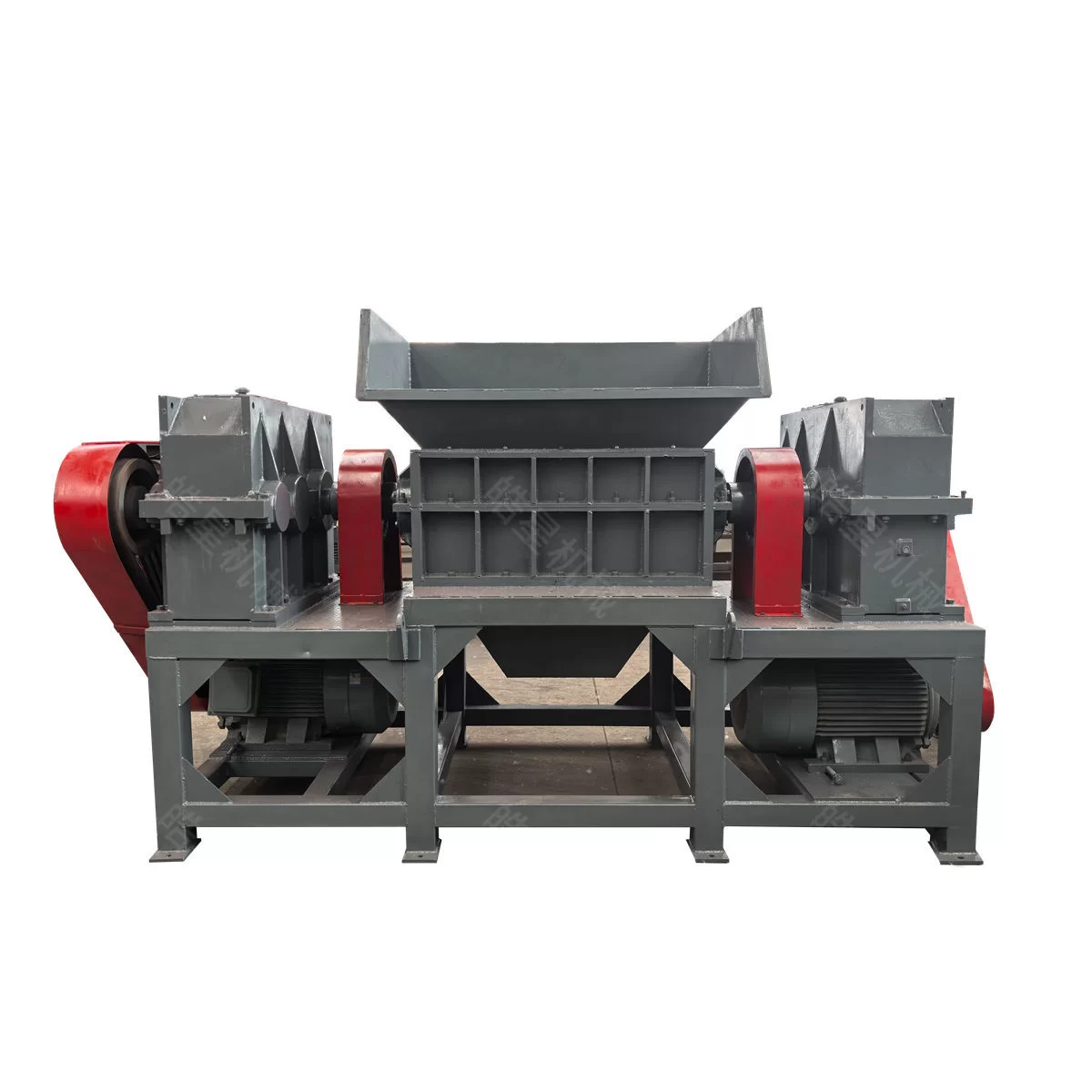
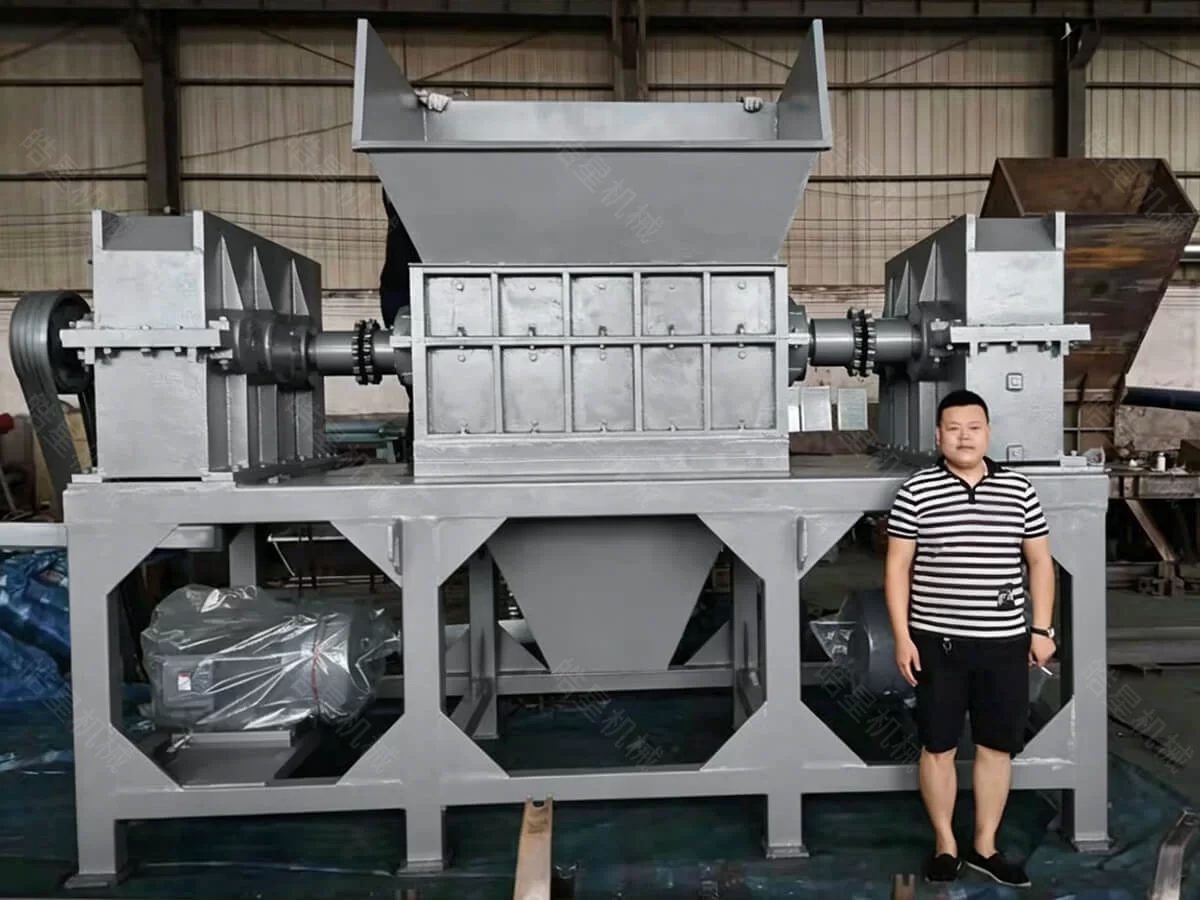
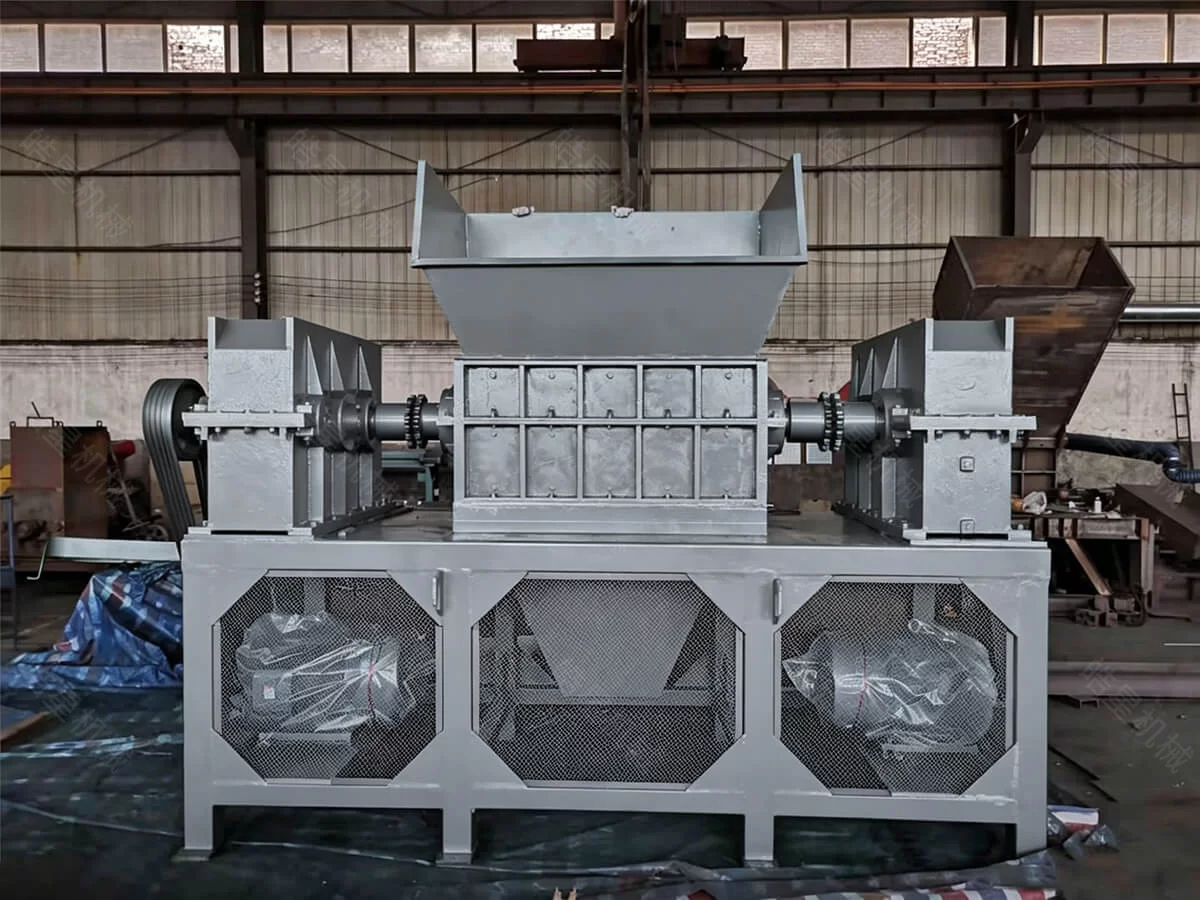
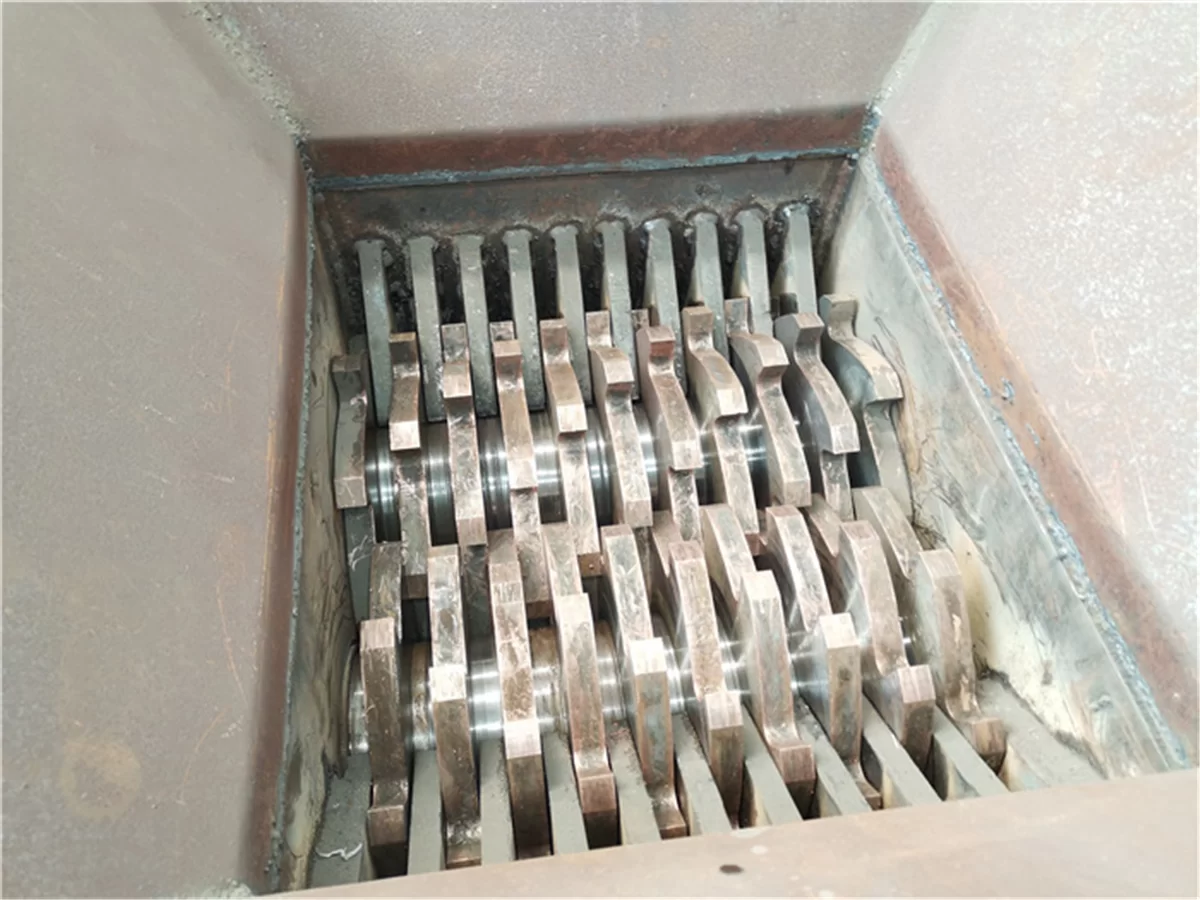
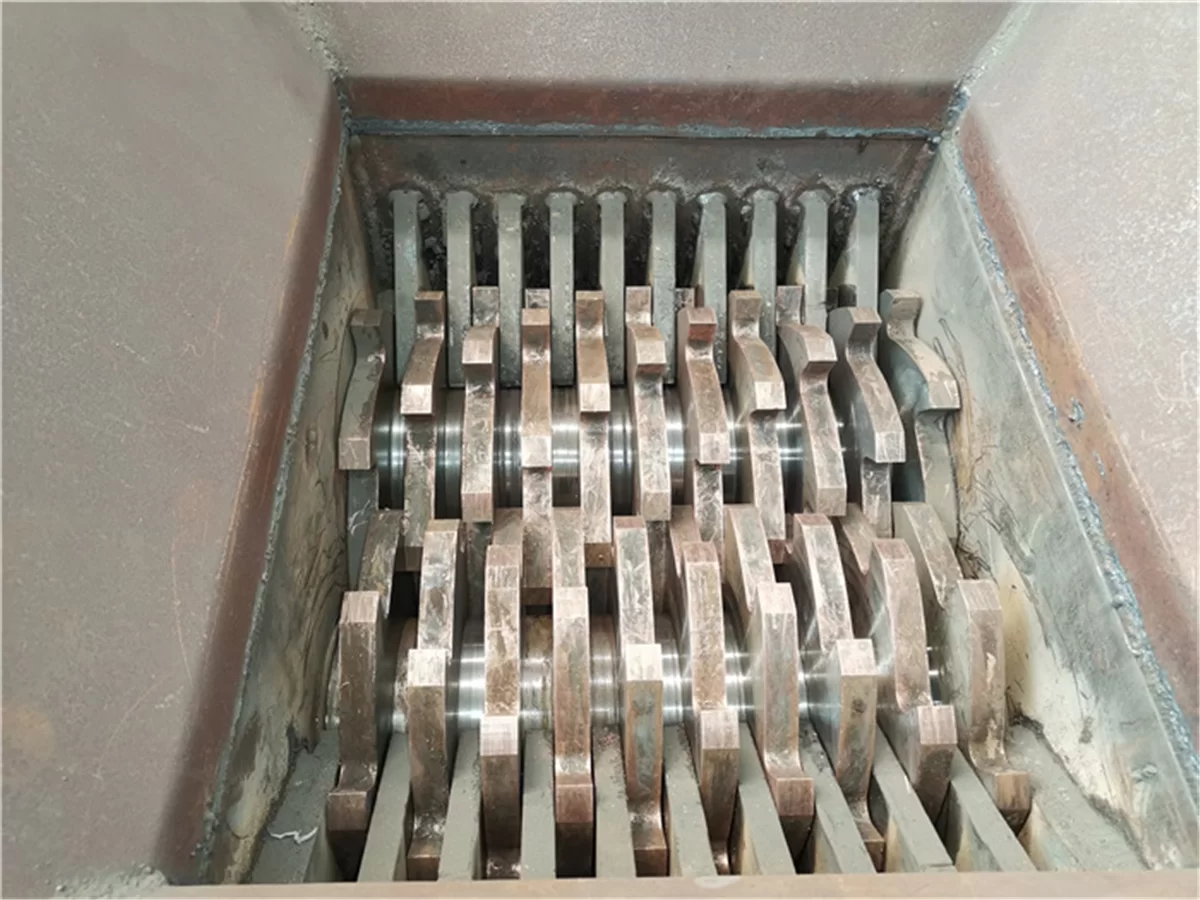
A twin shaft shredder is an effective primary shredding solution for processing scrap copper heating tubes. Through the shearing, tearing and squeezing action of two rotating cutter shafts, long and bent copper tubes can be shredded into smaller pieces. The shredded materials are easier for conveying, screening, metal separation, baling and melting, helping improve the overall efficiency of copper recycling.
Compared with manual processing, mechanical shredding can significantly reduce labor requirements and improve material handling efficiency. It also creates a more uniform feedstock for downstream recycling operations.
Common Sources of Scrap Copper Heating Tubes
Copper heating tubes are widely used in heating systems, refrigeration equipment and industrial heat transfer devices. As these systems reach the end of their service life, a large amount of copper tube scrap becomes available for recycling.
Water heater copper tubes
Solar water heater heat exchange tubes
Hot water tank copper coils
Industrial heating equipment tubes
Heat exchanger copper tubes
Air conditioner copper pipes
Refrigeration copper tubing
Boiler copper coils
Copper condenser tubes
Industrial copper piping systems
Suitable Equipment
This type of material is usually processed by a twin shaft shredder for primary size reduction. The twin shaft shredder works with low speed and high torque, making it suitable for irregular, bent and easily tangled metal tubes and light metal scrap.
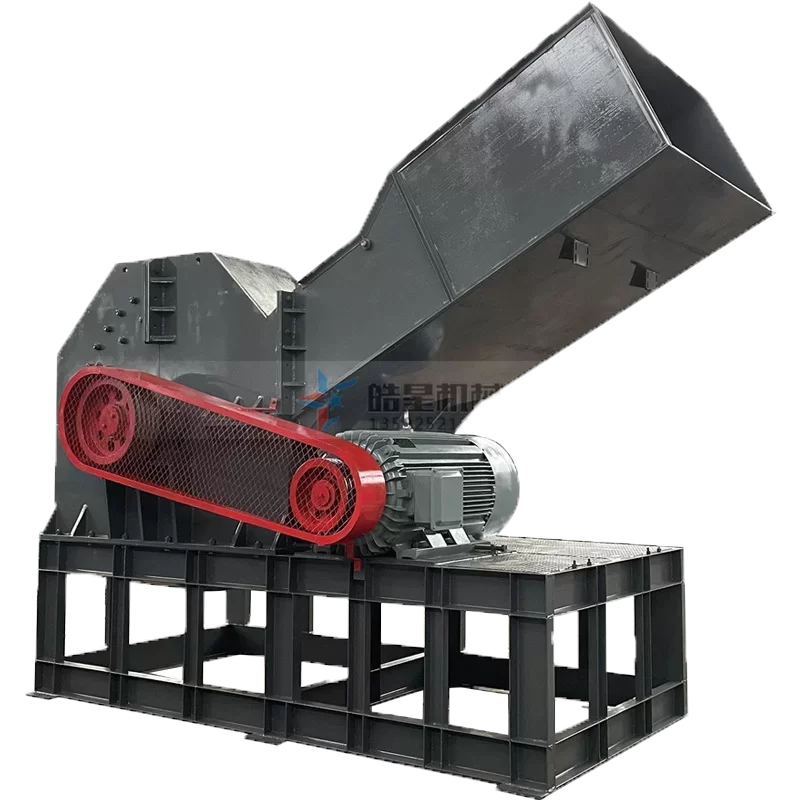
According to different capacity requirements, feeding sizes and output sizes, the machine can be customized with different motor power, blade thickness and auxiliary conveying or separation systems.
Similar Materials That Can Be Processed
Scrap water tank heating tubes
Waste water heater copper tubes
Scrap copper tubes and copper pipe offcuts
Heat exchanger copper tubes
Refrigeration copper pipes
Air conditioner copper tube scrap
Aluminum-copper composite parts
Small metal pipes
Steel scrap and thin metal parts
Copper radiator tubes
Why Shred Copper Heating Tubes?
Long copper tubes and coiled heat exchanger tubes are difficult to store, transport and process efficiently. Their tangled structure often creates feeding problems for downstream equipment and increases manual handling work.
By shredding the material into smaller pieces, recycling companies can improve storage efficiency, reduce transportation costs and create a more consistent feedstock for smelting or further separation processes.
For large recycling operations, shredding can also improve production capacity and reduce labor costs associated with manual cutting.
Typical Copper Tube Recycling Process
The actual process depends on material condition, contamination level and purity requirements. A typical recycling flow may include:
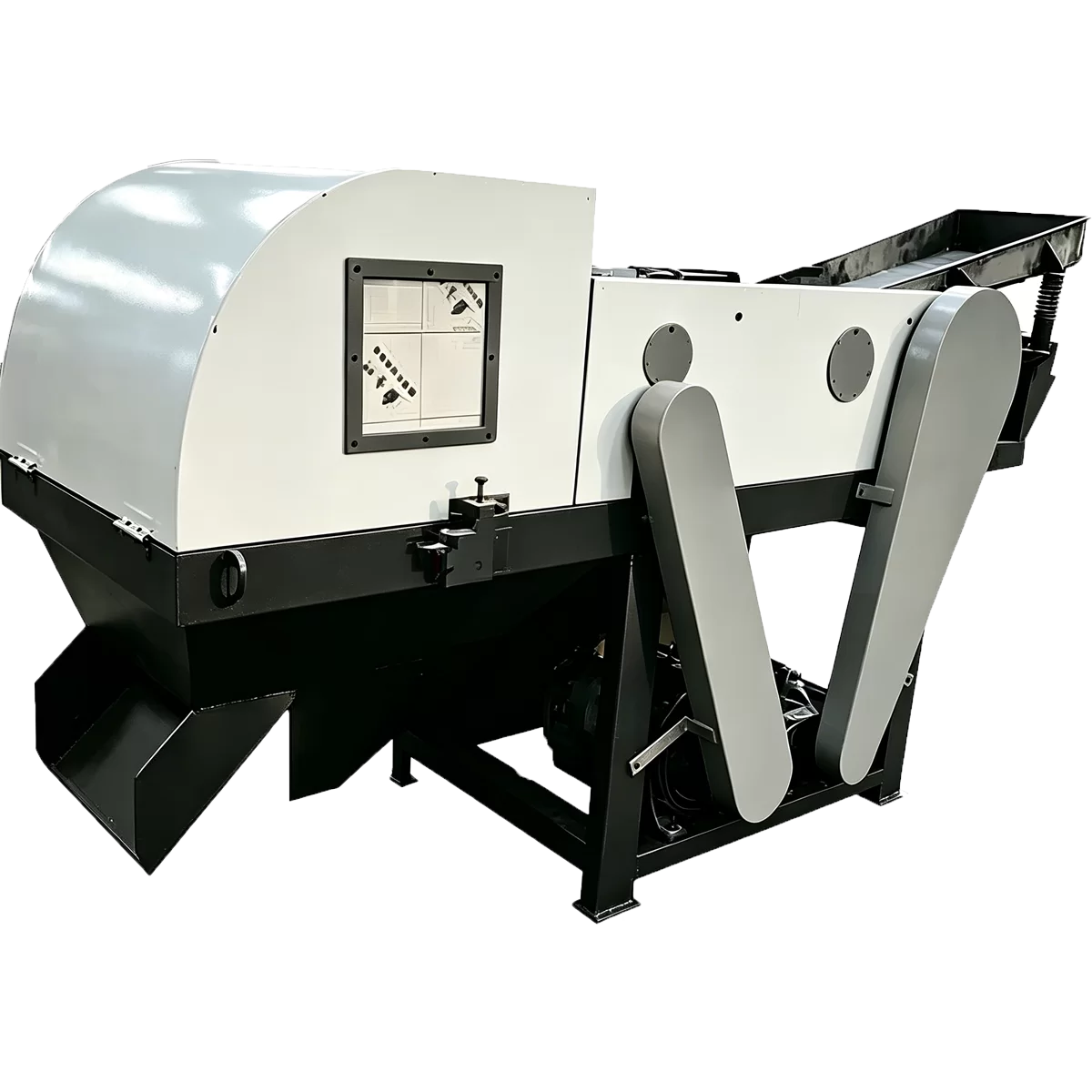
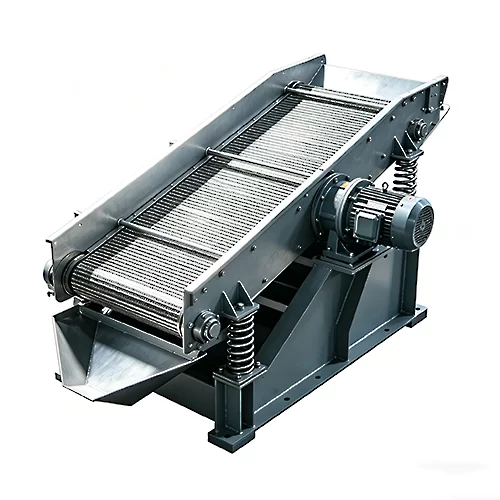
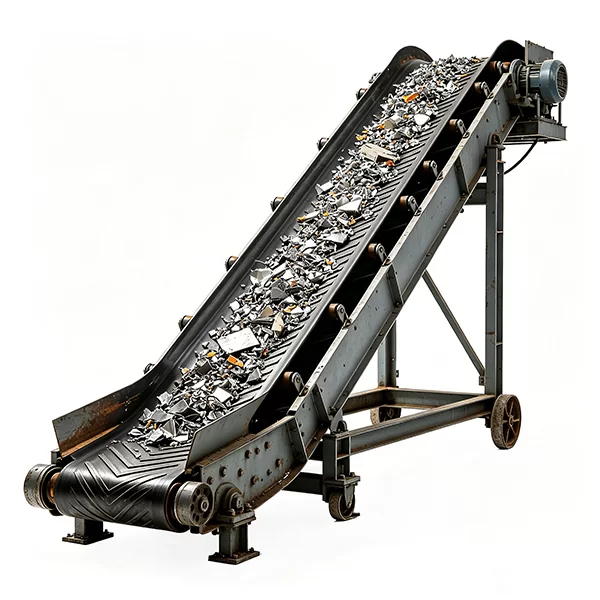
Copper Heating Tubes → Feeding Conveyor → Twin Shaft Shredder → Magnetic Separator (Optional) → Screening System → Baling or Packaging → Copper Smelter or Refining Plant
When the material contains steel fittings, brackets, fasteners or mixed metals, additional magnetic separation may be added to improve copper purity.
Material Features Before Shredding
Long tube-shaped material
Bent or coiled structure
Irregular dimensions and feeding conditions
Low bulk density
Large storage space requirement
May contain welding residue or oxidation
Often tangled during handling
High recycling value
Industries That Generate Copper Tube Scrap
Water heater manufacturers
Air conditioner dismantling plants
Refrigeration equipment recyclers
Industrial heating equipment factories
Heat exchanger manufacturers
Metal fabrication workshops
Building demolition companies
Non-ferrous metal recycling plants
Processing Advantages
Reduces the volume of scrap copper tube materials
Makes transportation and storage easier
Reduces manual cutting and handling costs
Improves sorting, baling and melting efficiency
Suitable for bent, loose and easily tangled metal scrap
Creates more uniform material for recycling
Improves feeding stability
Supports large-scale recycling operations
Can be equipped with conveyors, magnetic separators and sorting systems according to recycling needs
Shredding Result
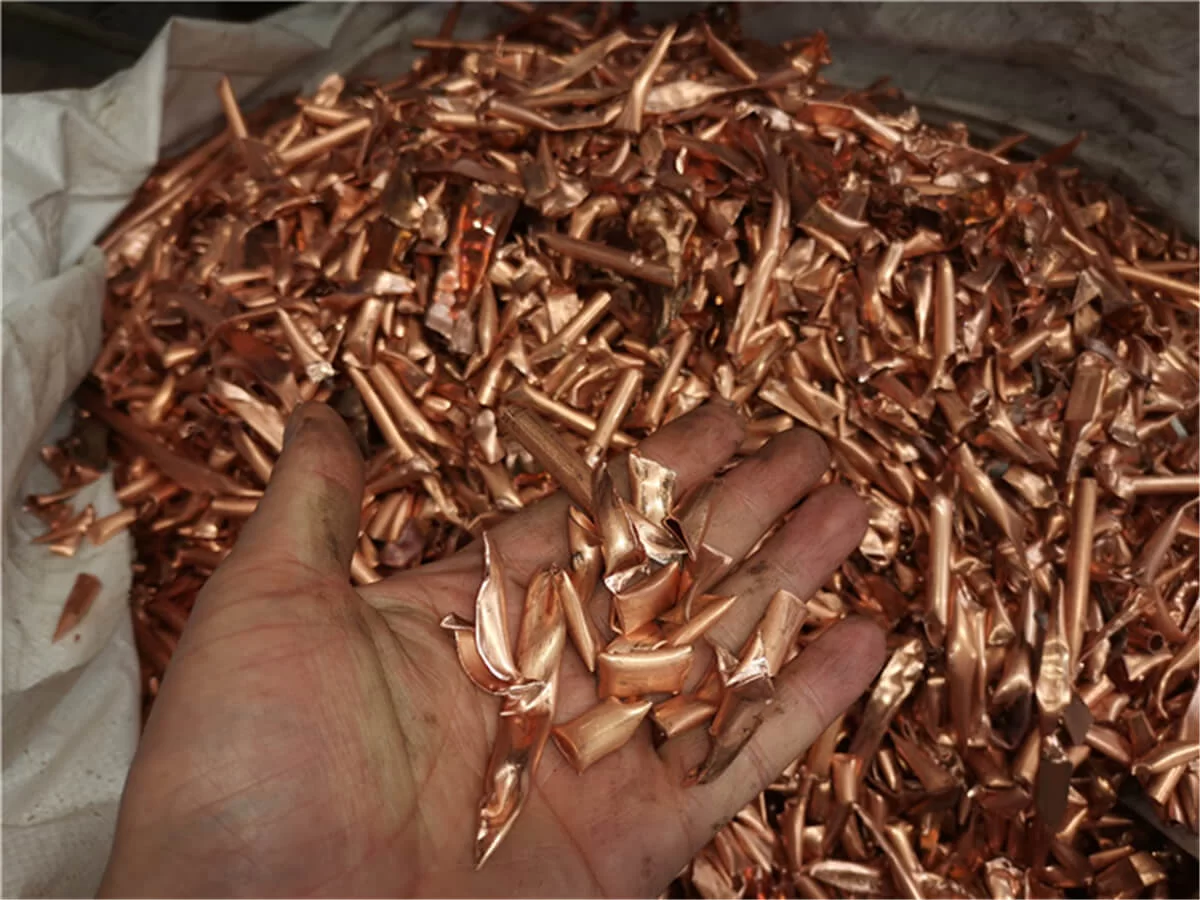
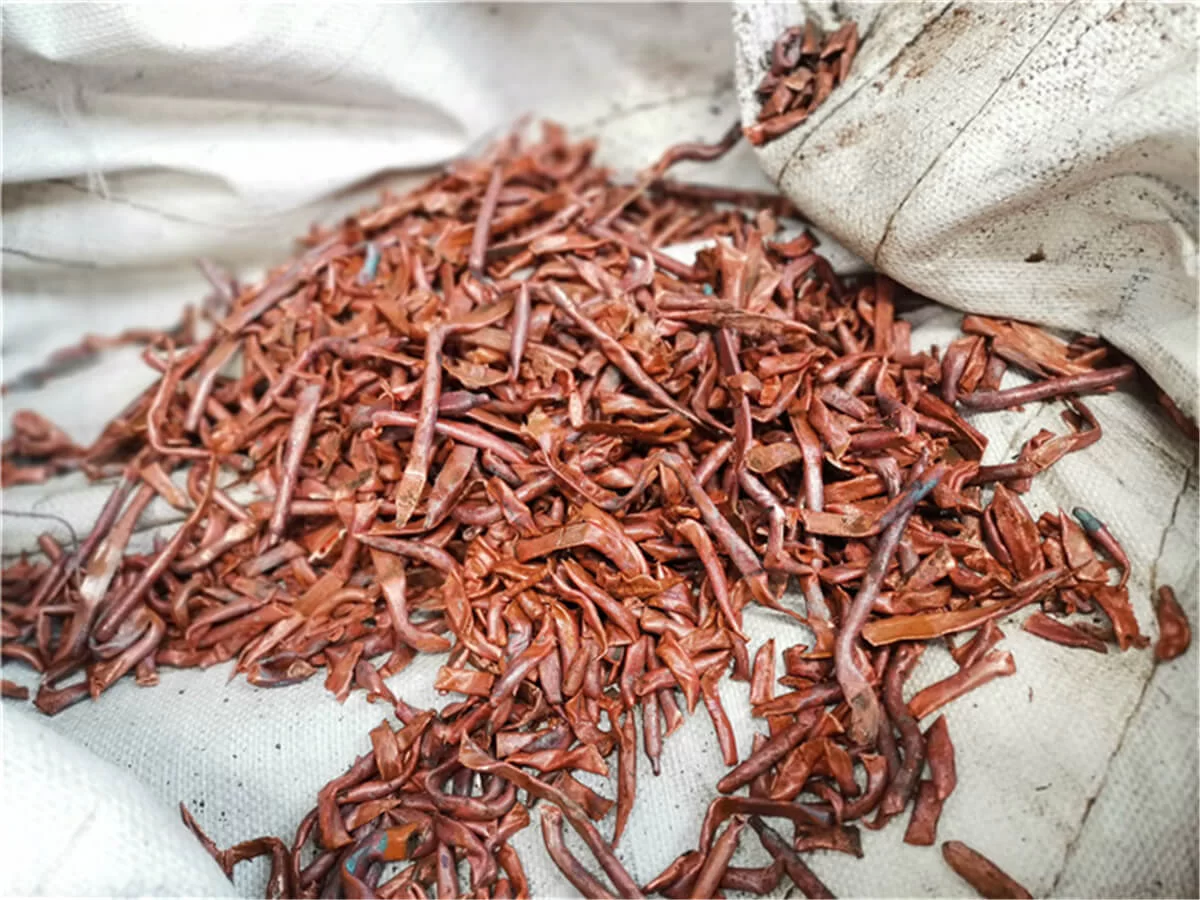
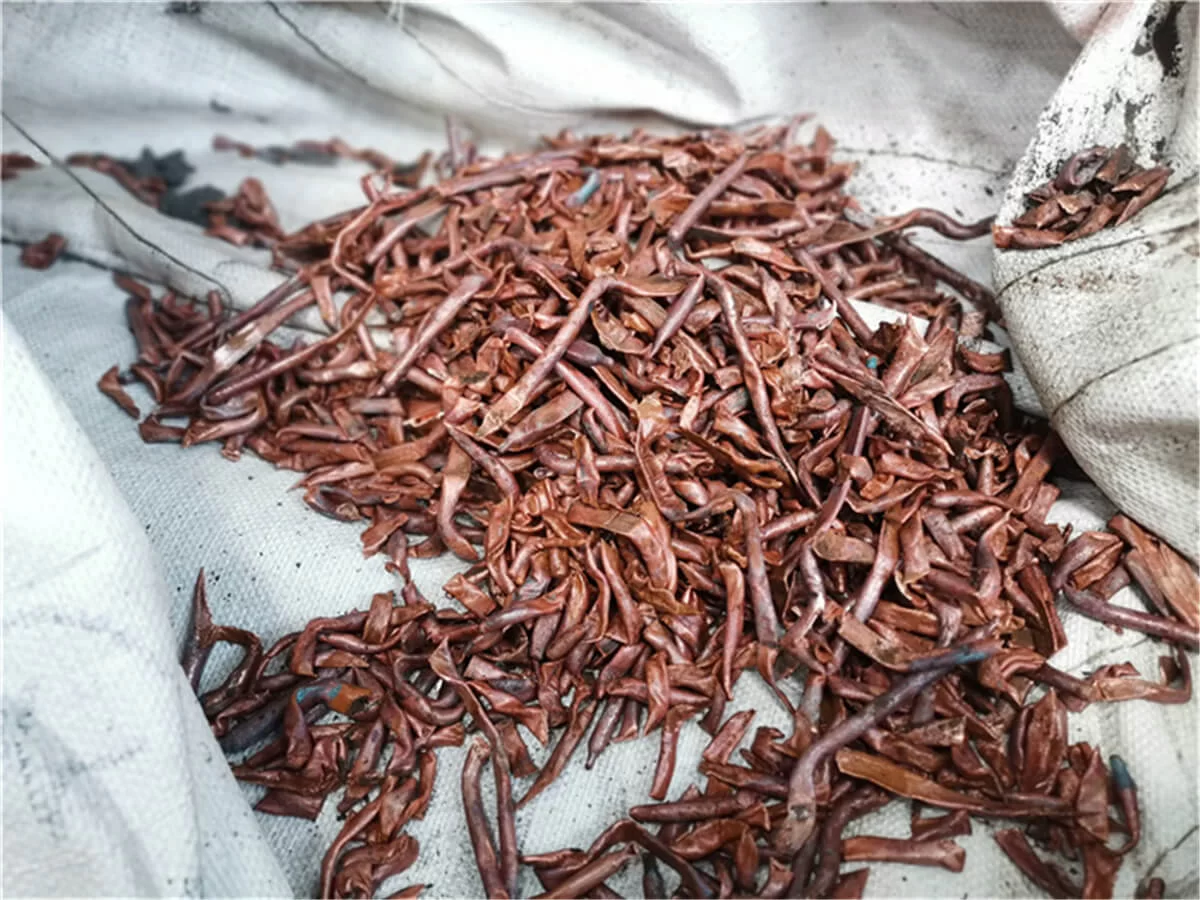
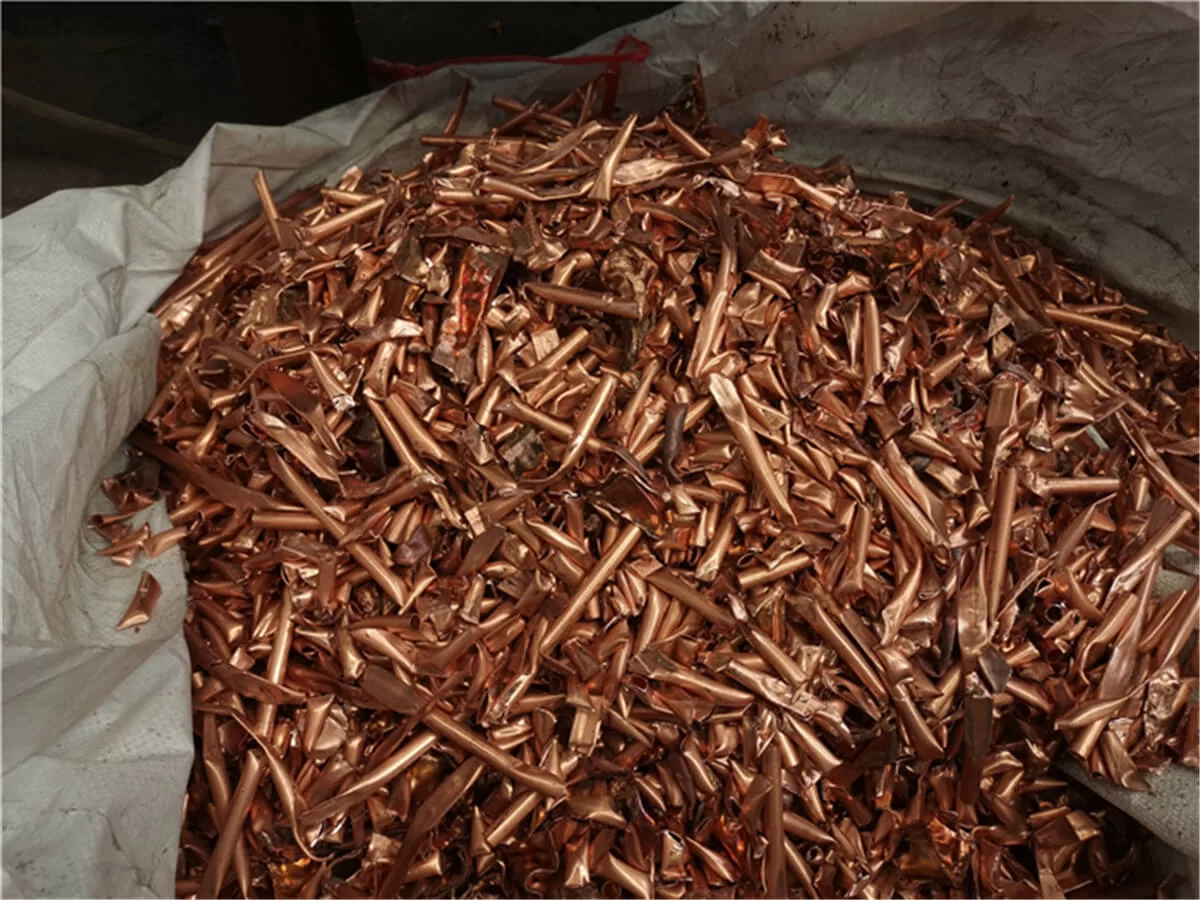
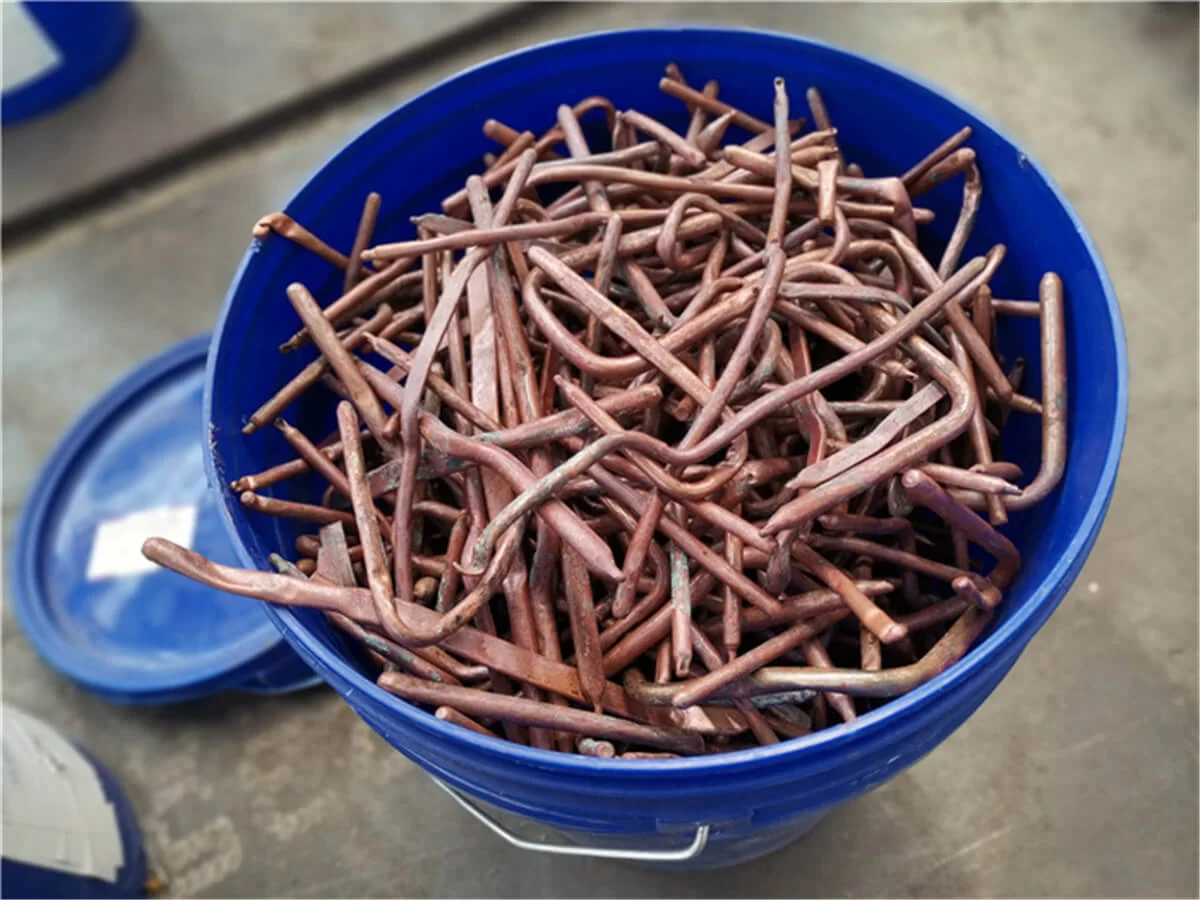
After being processed by a twin shaft shredder, scrap copper heating tubes are shredded into smaller irregular pieces. The processed copper material has a smaller volume and higher bulk density, making it easier for bagging, baling, transportation and further smelting.
The shredded output is also easier to handle during storage and trading, improving material management efficiency throughout the recycling chain.