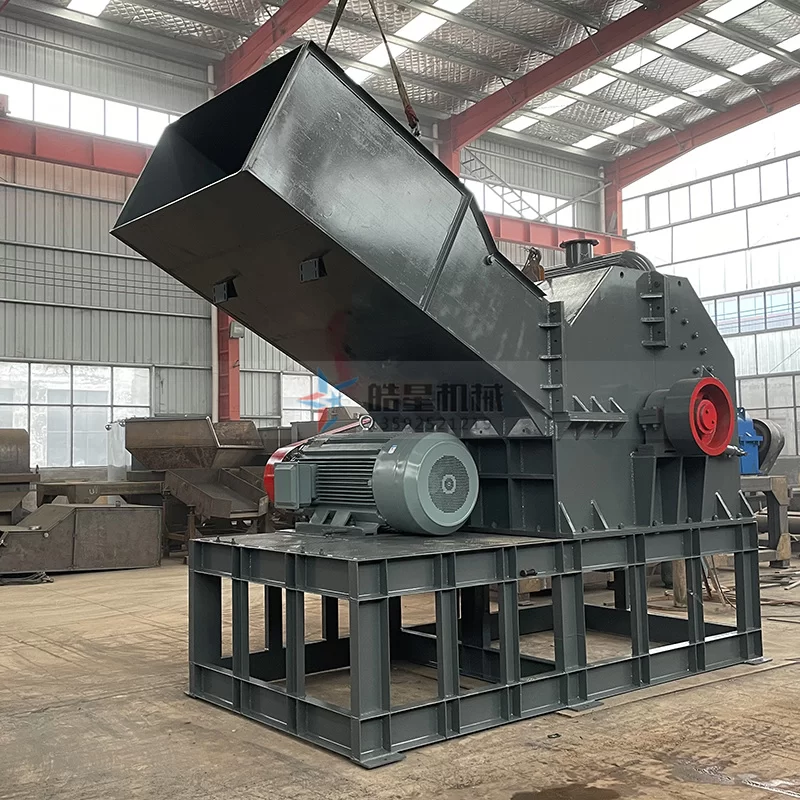
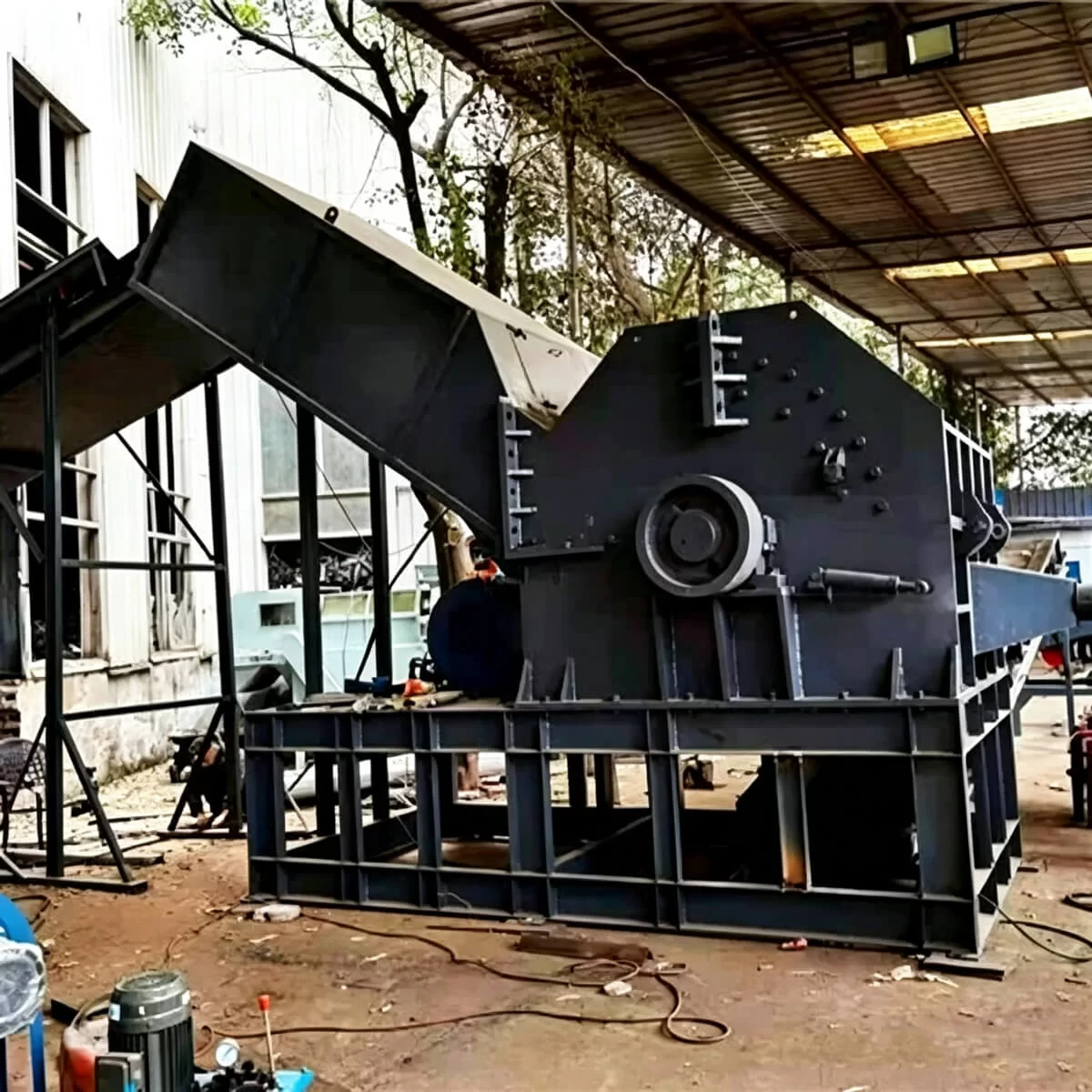
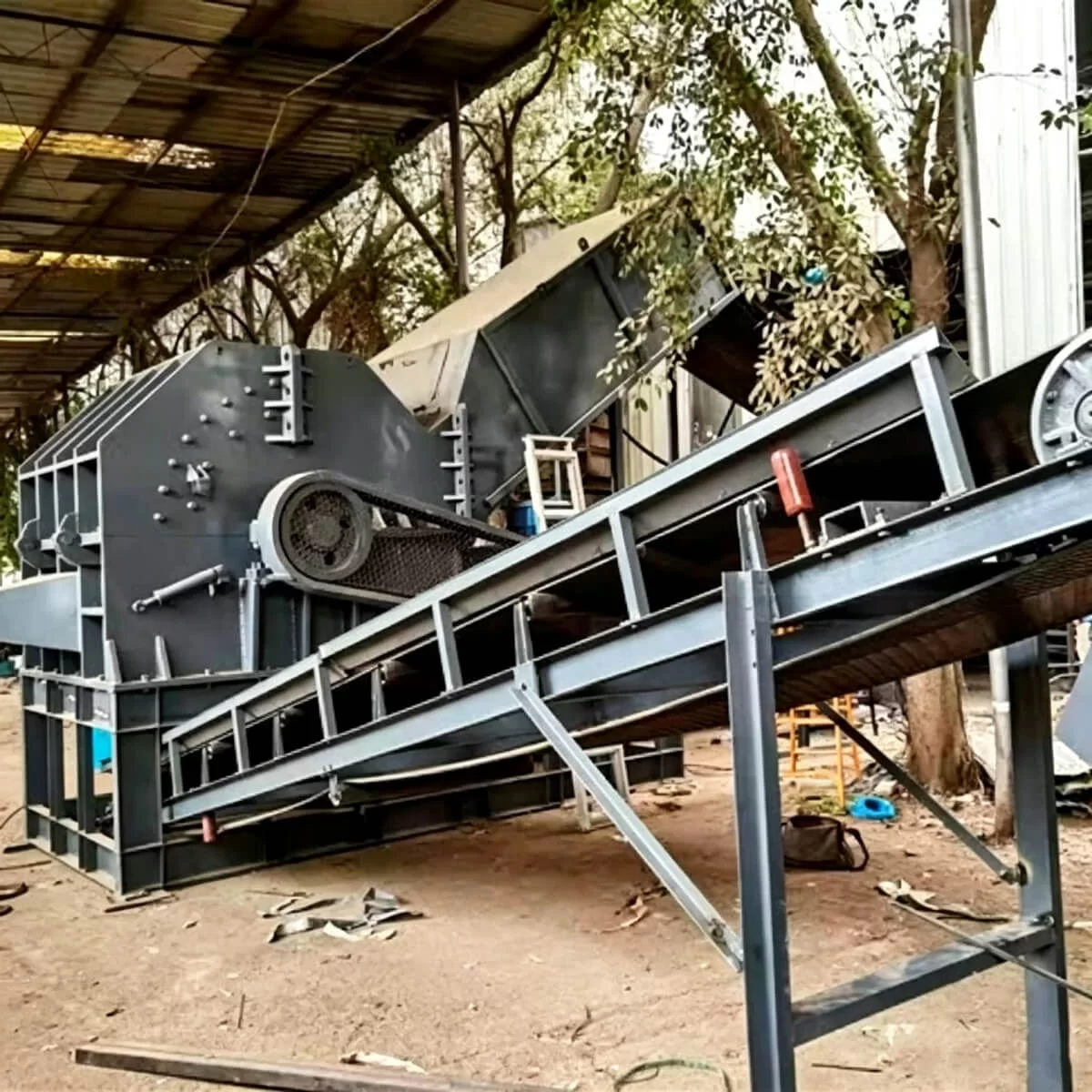
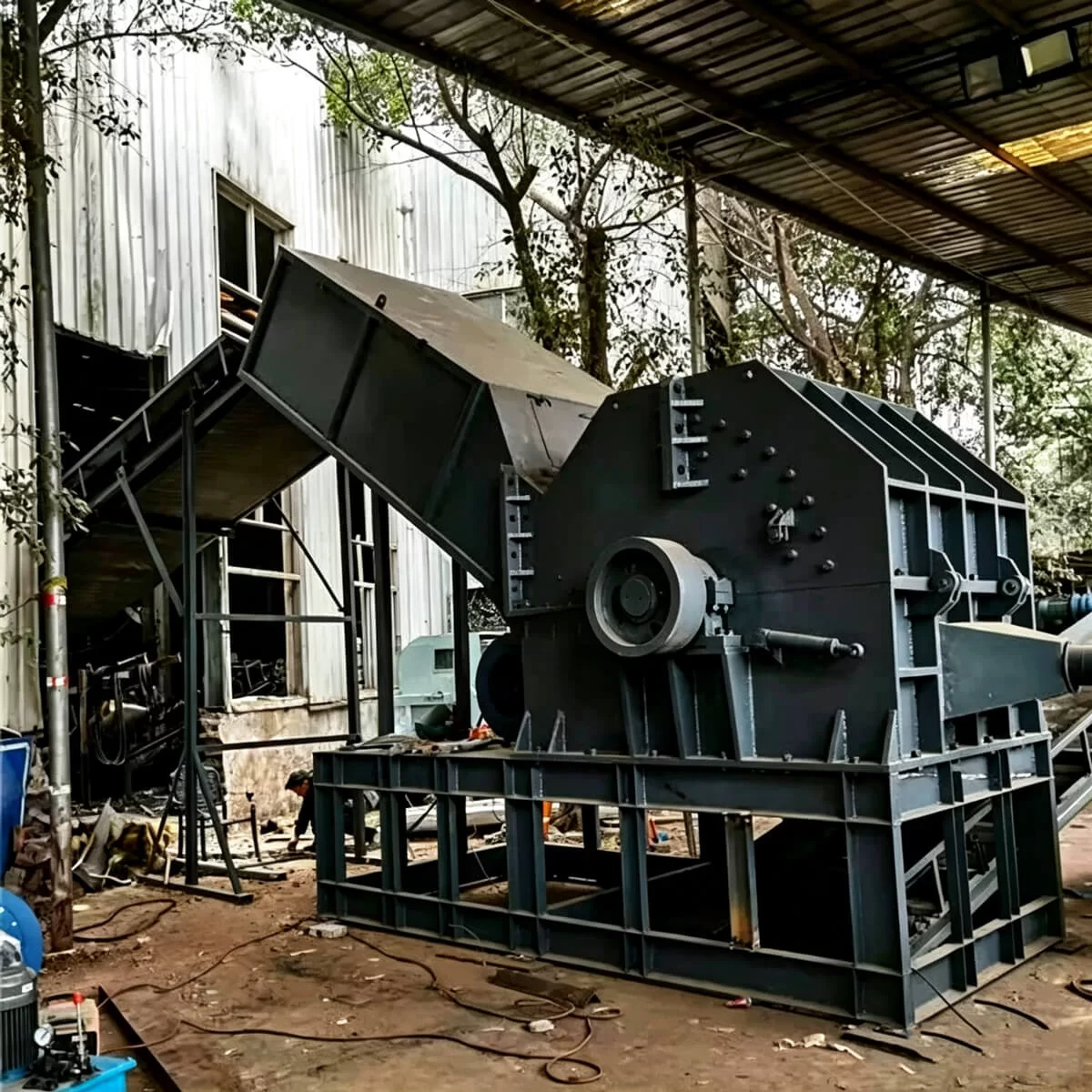
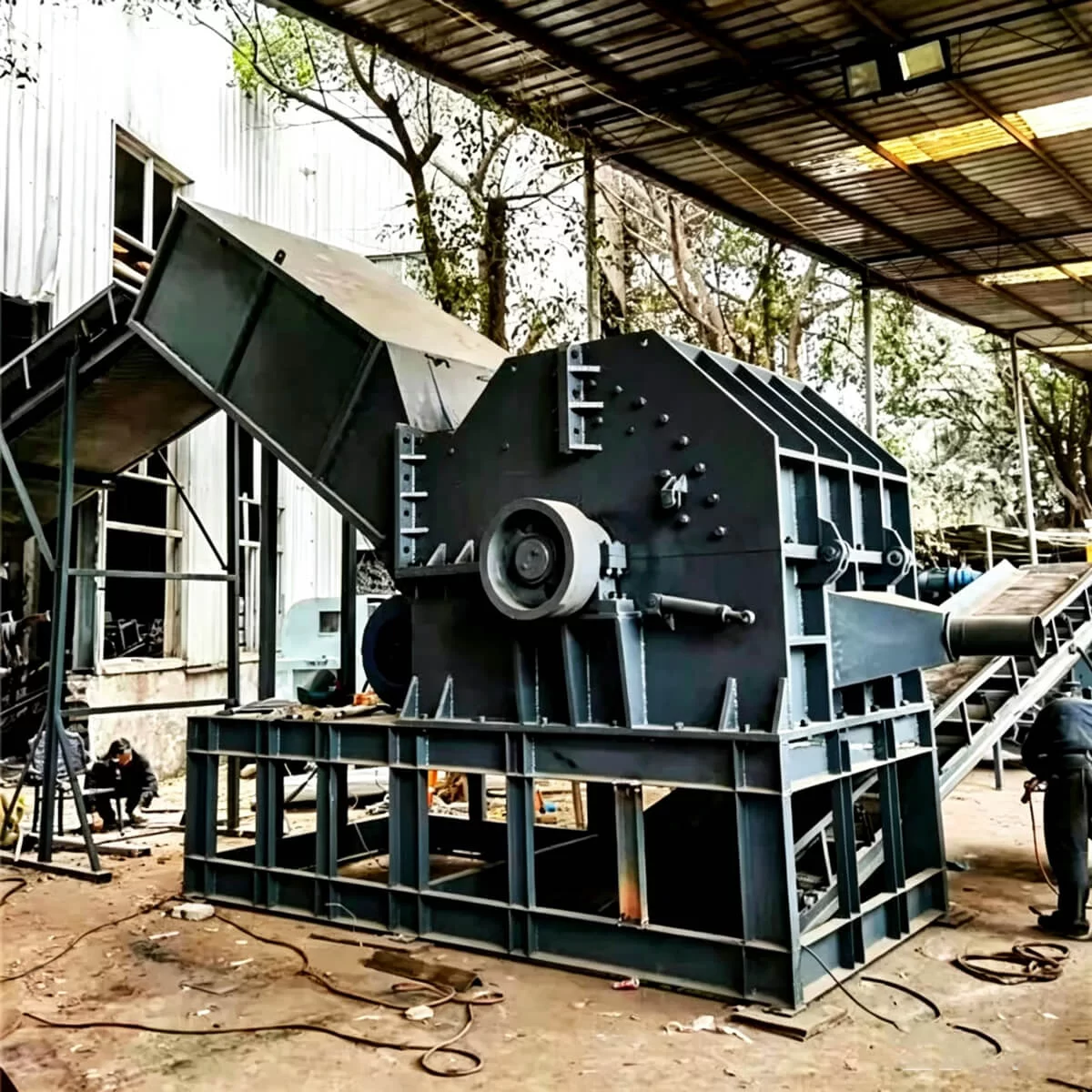
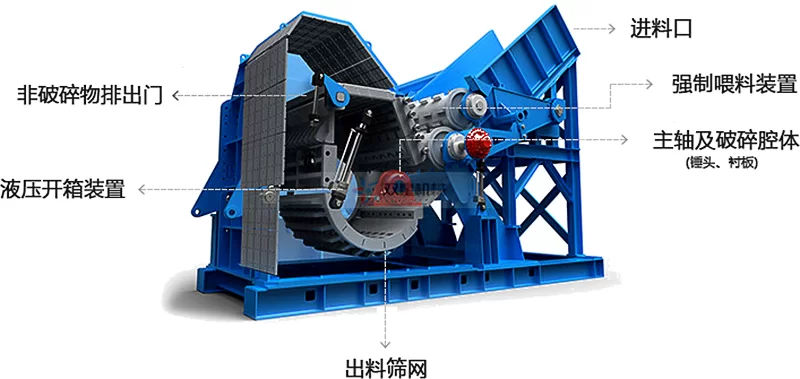
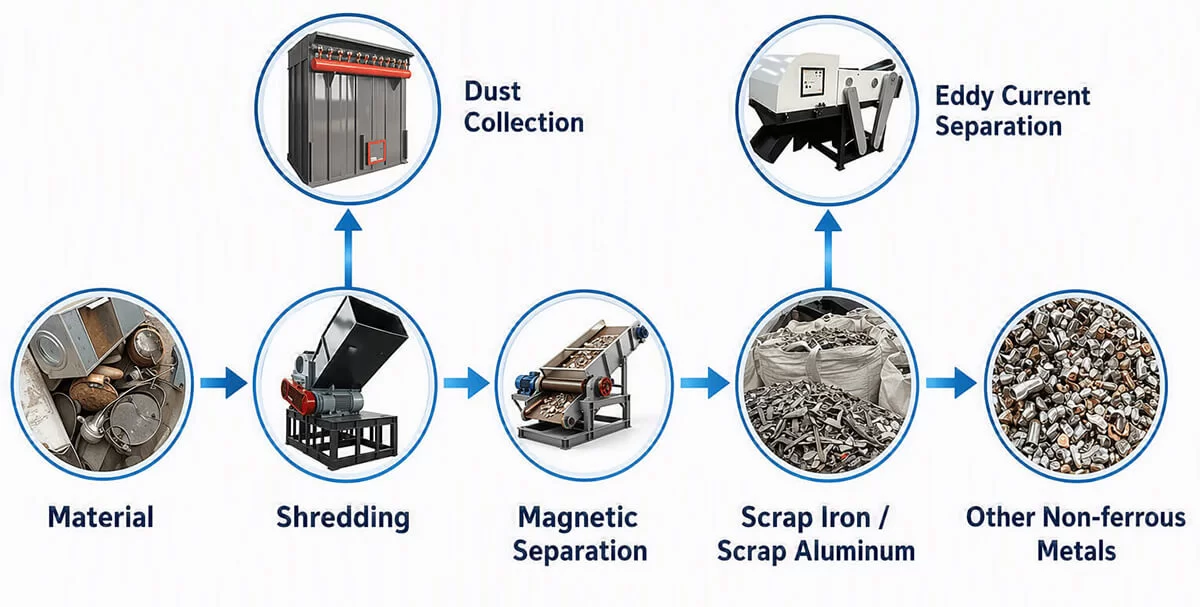
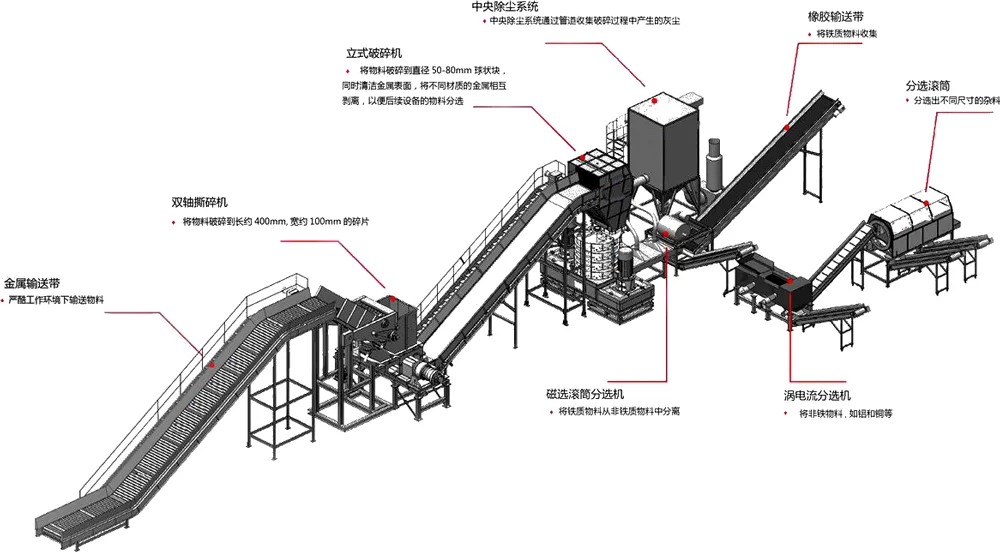
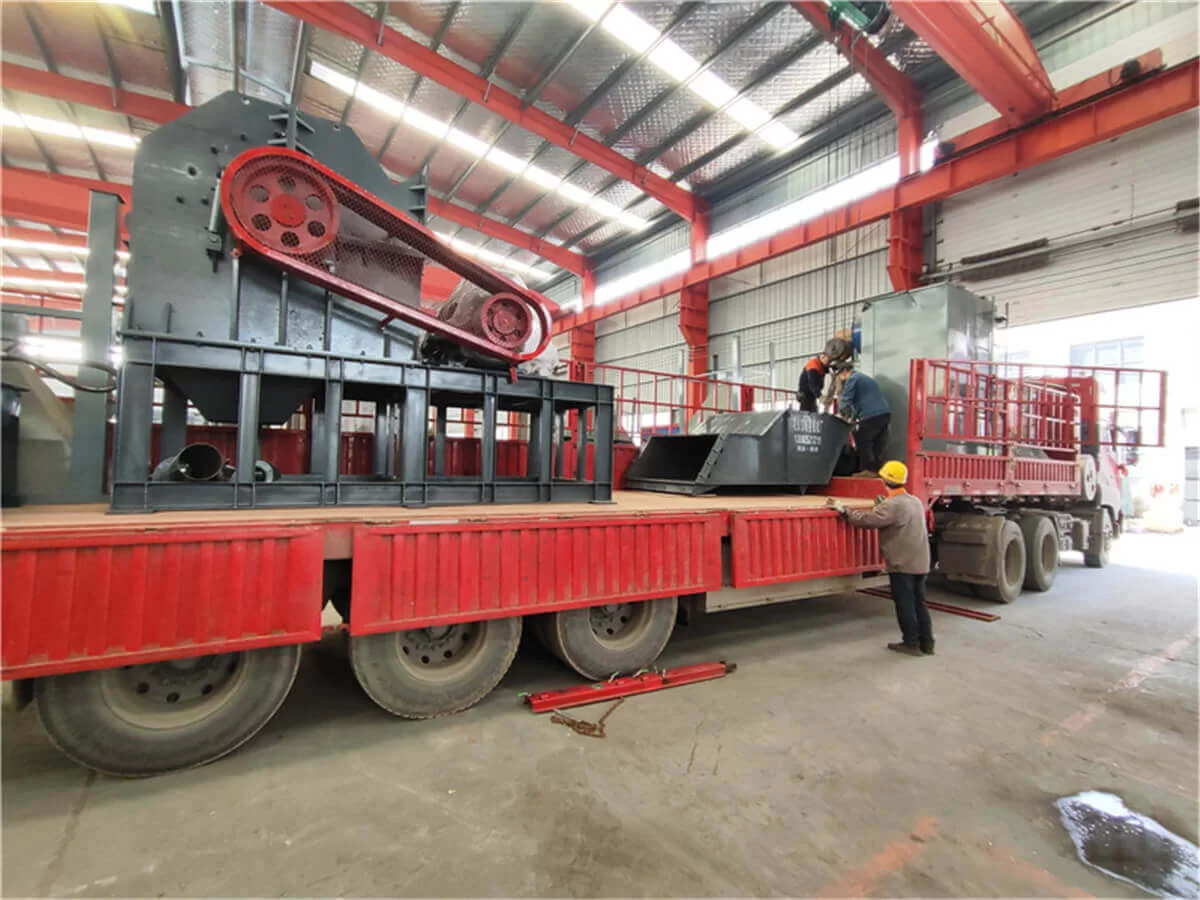
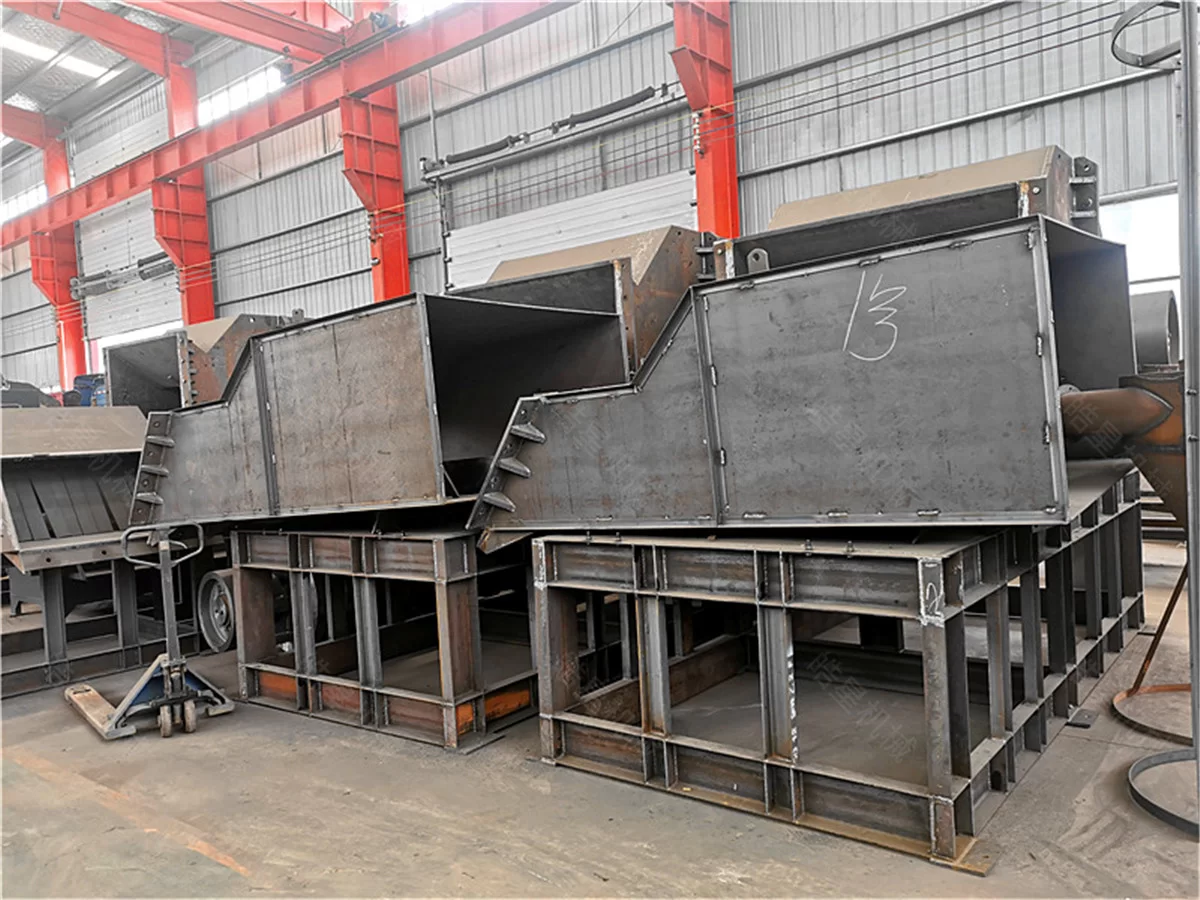
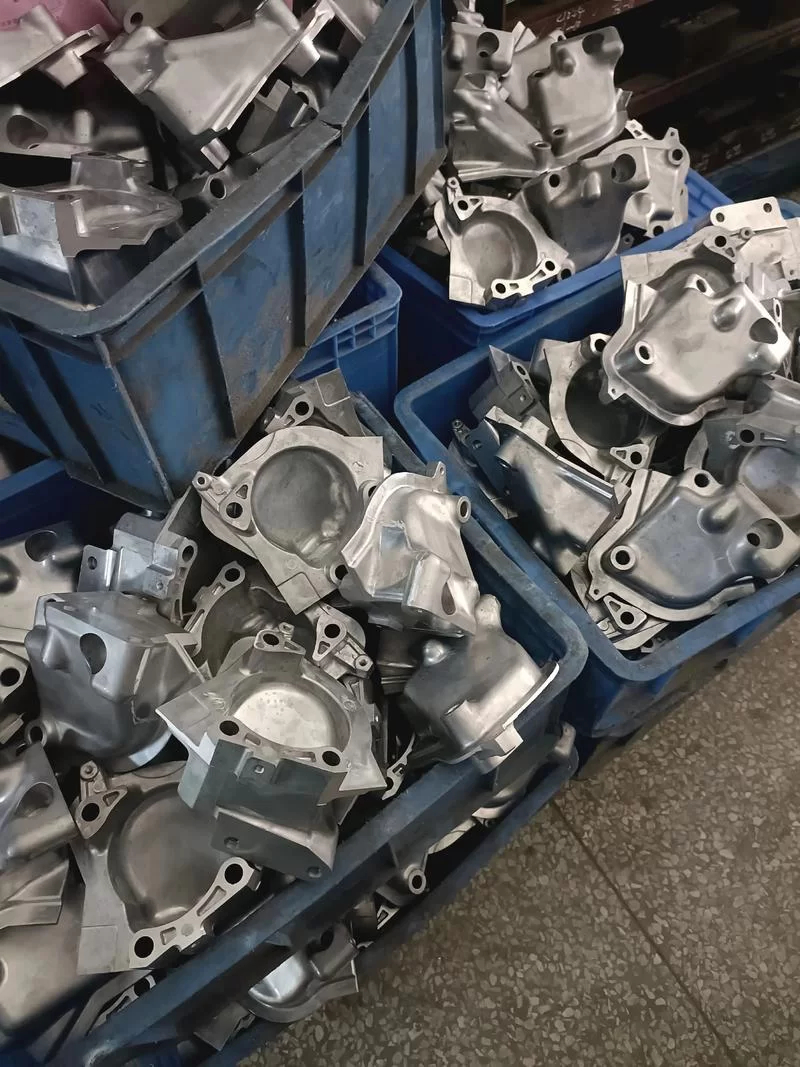
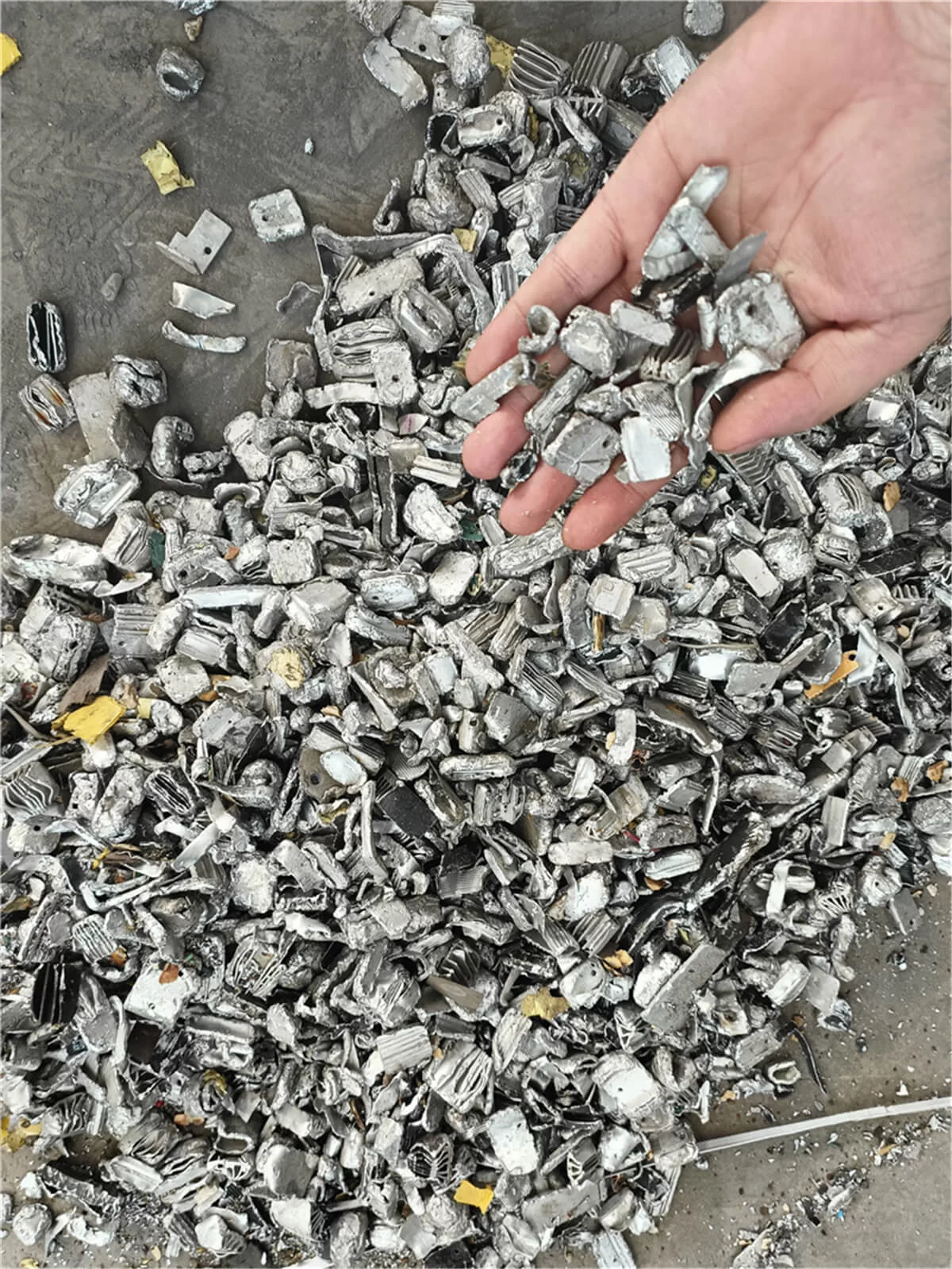
Parameter description diagram for Aluminum Sprue and Runner Crusher | Foundry Return Crusher:
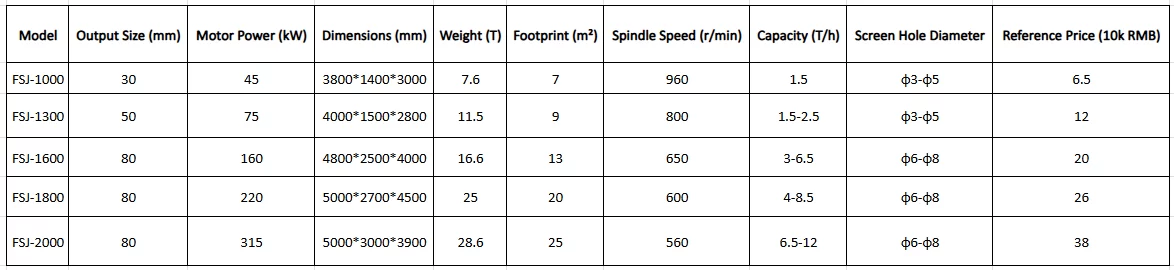
Aluminum Sprue and Runner Crusher Model Selection
The crusher model should be selected from representative foundry return material. Sprue thickness, runner shape, individual casting weight and the selected screen opening can significantly affect motor load and actual processing capacity.
Information Required Before Selection
Photos and videos of the aluminum sprues and runners
Type of casting or die-casting process
Normal and maximum material dimensions
Maximum sprue and gate thickness
Shape and degree of runner branching
Average and maximum individual weight
Alloy groups requiring separate processing
Presence of steel tools or foreign components
Required hourly processing capacity
Expected discharge-size range
Required screen opening
Material temperature before feeding
Feeding and discharge methods
Daily operating hours
Local voltage and electrical frequency
Available installation space
Main Selection Factors
Runner Dimensions and Shape
The feeding opening should accommodate the largest prepared runner cluster. Branched or fork-shaped runners may require cutting when their width prevents stable entry into the crusher.
Sprue and Gate Thickness
Thick sprue bases and gate junctions create a higher crushing load than thin runner sections. The maximum local thickness should be provided during model selection.
Individual Casting Weight
Rejected castings may be heavier than ordinary sprues and runners. Maximum individual weight affects the feeding method, rotor impact load and required crusher chamber size.
Rotor and Hammer Configuration
Rotor diameter, rotor width, hammer quantity and individual hammer weight are selected according to the return-material dimensions, thickness and required processing capacity.
Screen Opening
The screen opening affects both discharge size and hourly output. Smaller openings keep the material inside the crushing chamber longer and may reduce processing capacity.
The screen should be selected according to storage, conveying and furnace-charging requirements rather than automatically choosing the smallest opening.
Reference Output Size
A reference output range of 20 to 100 mm may be considered according to the crusher model and screen opening. Actual output contains different piece sizes rather than completely uniform particles.
Processing Capacity
Actual capacity depends on runner dimensions, sprue thickness, individual casting weight, material bulk density, feeding stability and screen opening.
Thin runner networks and thick rejected castings can produce different hourly outputs on the same machine. Representative material testing is recommended when the material varies substantially between production batches.
Feeding Method
A belt conveyor, chain conveyor or loading device can be selected according to runner length, material shape and individual weight. The feeding system should prevent uncontrolled batch loading.
Discharge Arrangement
The discharge outlet can be connected to a collection container or conveyor. Sufficient clearance should be provided to prevent crushed material from accumulating below the crusher.
Maintenance Space
The installation layout should provide enough space for hydraulic housing opening, hammer inspection, screen replacement and removal of internal components.
Main Equipment Components
Reinforced crusher housing
High-speed rotor assembly
Replaceable crushing hammers
Wear-resistant liner plates
Replaceable bottom screen grate
Drive motor and transmission system
Feeding hopper and discharge outlet
Hydraulic maintenance opening system
Electric control cabinet and safety protection
Optional Supporting Equipment
A feeding conveyor, discharge conveyor or magnetic inspection unit may be selected separately according to the material condition and workshop arrangement.
Material Restrictions
The crusher should not receive steel tools, mold components, batteries, sealed containers or unidentified foreign objects. Hot castings must be cooled before processing.
Molten aluminum, hot aluminum dross, aluminum ash, aluminum powder, magnesium scrap and material containing unidentified chemicals require separate process and safety evaluation.