Project Overview
On June 25, 2026, three customers from Vladimir, Russia visited Haoxing Machinery for thermal break aluminum profile recycling testing. After testing the twin shaft shredder, aluminum crusher and eddy current separator, both sides discussed a complete recycling line with crusher, vibrating screen, dust collector and separation system.
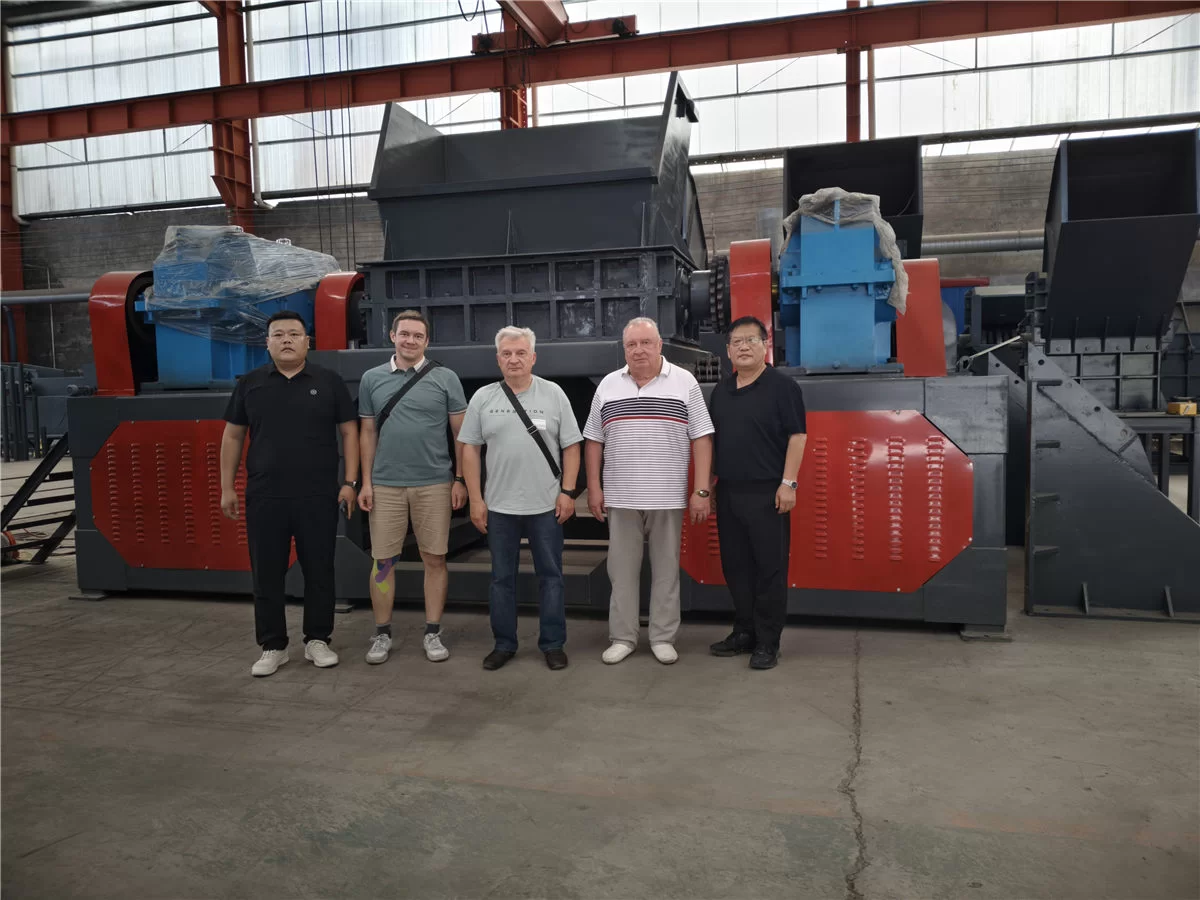
On June 25, 2026, three customers from Vladimir, Russia visited Haoxing Machinery to inspect and test equipment for recycling waste thermal break aluminum window and door profiles. The customers mainly process clean production offcuts of thermal break aluminum profiles, including 6060 and 6063 aluminum with PA66 thermal insulation strips. Some materials had factory protective film, but there were almost no hardware parts and no glass.
Before the visit, the customers had sent very clear technical requirements. In order to compare different suppliers fairly, they hoped to receive a direct solution based on their actual material condition. Their original idea was to use one twin shaft shear shredder to cut the aluminum profiles into large pieces of about 100–150 mm, and then use a vibrating screen or linear screen to remove loose plastic strips and fine materials.
At the beginning, the customers did not require complete separation of PA66 thermal strips. A small amount of plastic remaining on the aluminum pieces was acceptable because they planned to clean it manually later. For this reason, they initially did not want an eddy current separator, and they also did not want a hammer-type metal crusher that might make the aluminum too fine.
However, after the on-site testing at Haoxing Machinery, both sides had a deeper discussion about the real output size, plastic separation effect, aluminum recovery value and production line efficiency. Based on the actual test results, the final process was adjusted from the original simple shredding and screening plan to a more complete thermal break aluminum recycling line.
Customer Material from Vladimir, Russia
The raw material brought up by the Russian customers was mainly waste thermal break aluminum profile scrap from window and door production. This type of material is different from common aluminum scrap because the aluminum profile and PA66 insulation strip are combined together.
The main material characteristics included:
Thermal break aluminum window and door profiles
Clean production offcuts
Aluminum grade mainly 6060 and 6063
PA66 thermal insulation strips
Some materials with factory protective film
Almost no hardware accessories
No glass
Long and irregular profile shapes
Different profile thicknesses and structures
The customers wanted to obtain large aluminum pieces around 100–150 mm instead of fine chips. They believed this size would be easier for storage, transportation and manual cleaning of remaining plastic strips.
Original Customer Requirements Before Testing
Before coming to the factory, the customers clearly explained their requirements:
The equipment should cut thermal break aluminum profiles into 100–150 mm pieces, not fine chips.
Some PA66 plastic remaining on the aluminum pieces was acceptable.
Complete separation of thermal strips was not required at the beginning.
They did not plan to use an eddy current separator in the first solution.
They did not want a hammer-type metal crusher in the first solution.
Their preferred equipment was only one twin shaft shear shredder plus one vibrating screen or linear screen.
Because sending samples from Russia would take a long time, they hoped to see real testing videos or photos of similar thermal break aluminum materials.
To make the visit more practical, Haoxing Machinery prepared similar waste thermal break aluminum materials in advance for on-site testing.
On-Site Testing of Different Equipment
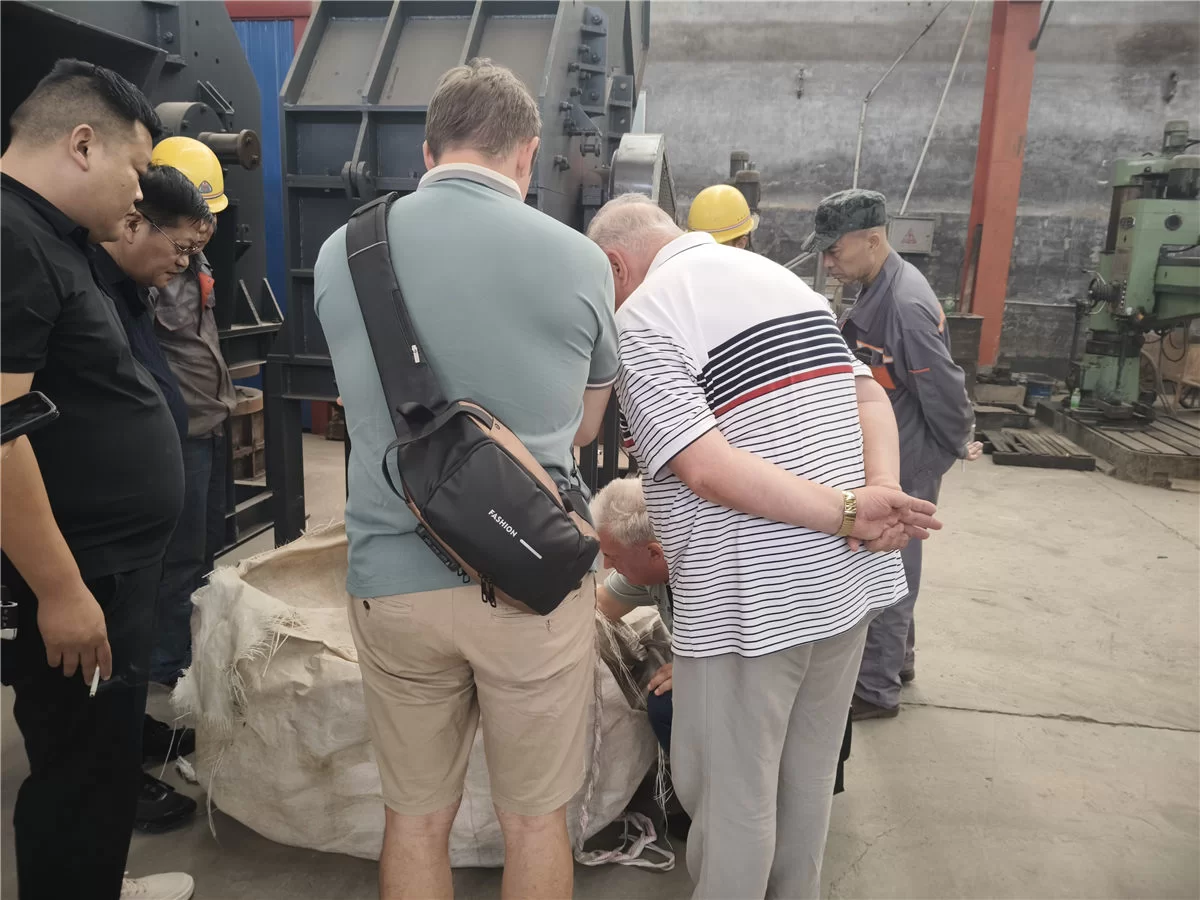
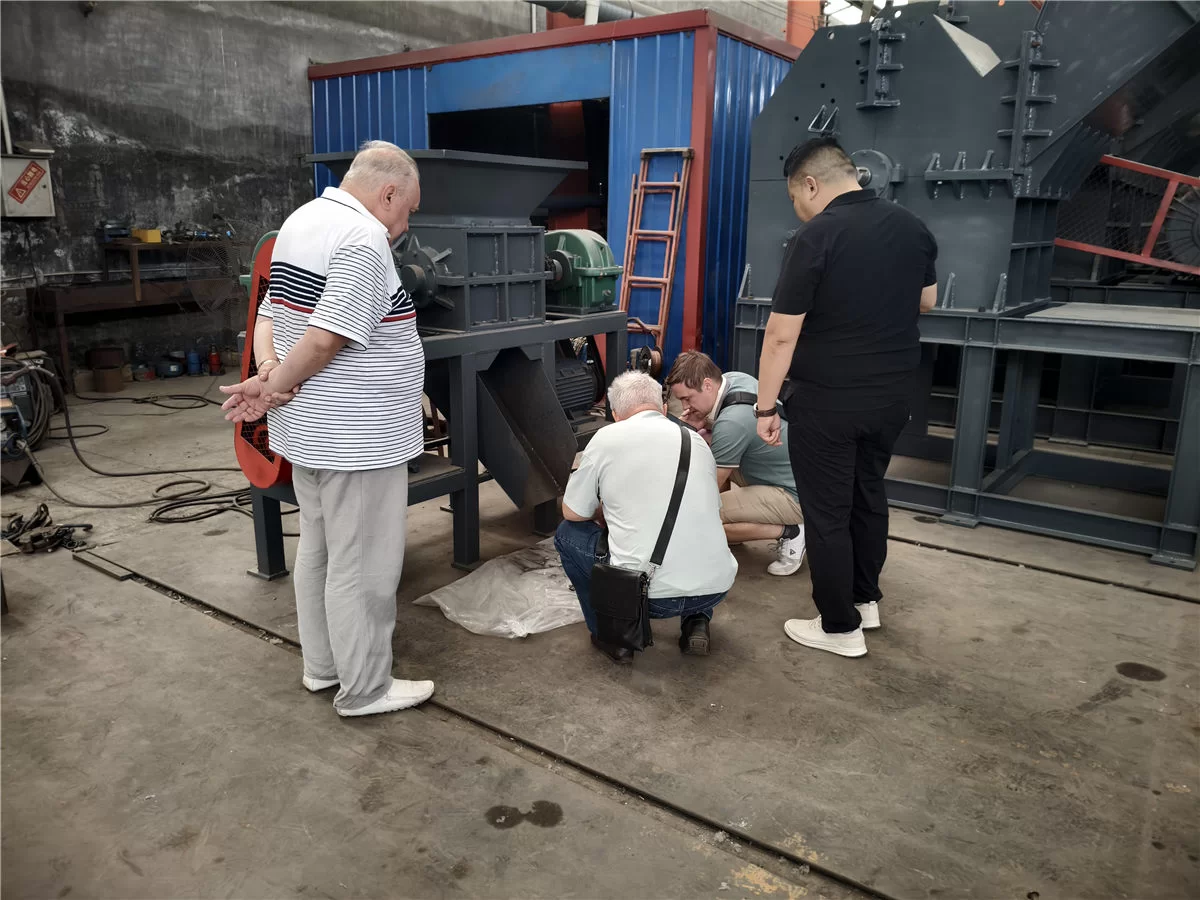
After the three Russian customers arrived at Haoxing Machinery on June 25, 2026, our team arranged real equipment testing instead of only showing drawings or videos. The customers first checked the prepared thermal break aluminum materials and compared them with the materials they process in Vladimir.
During the visit, Haoxing Machinery tested several equipment options, including:
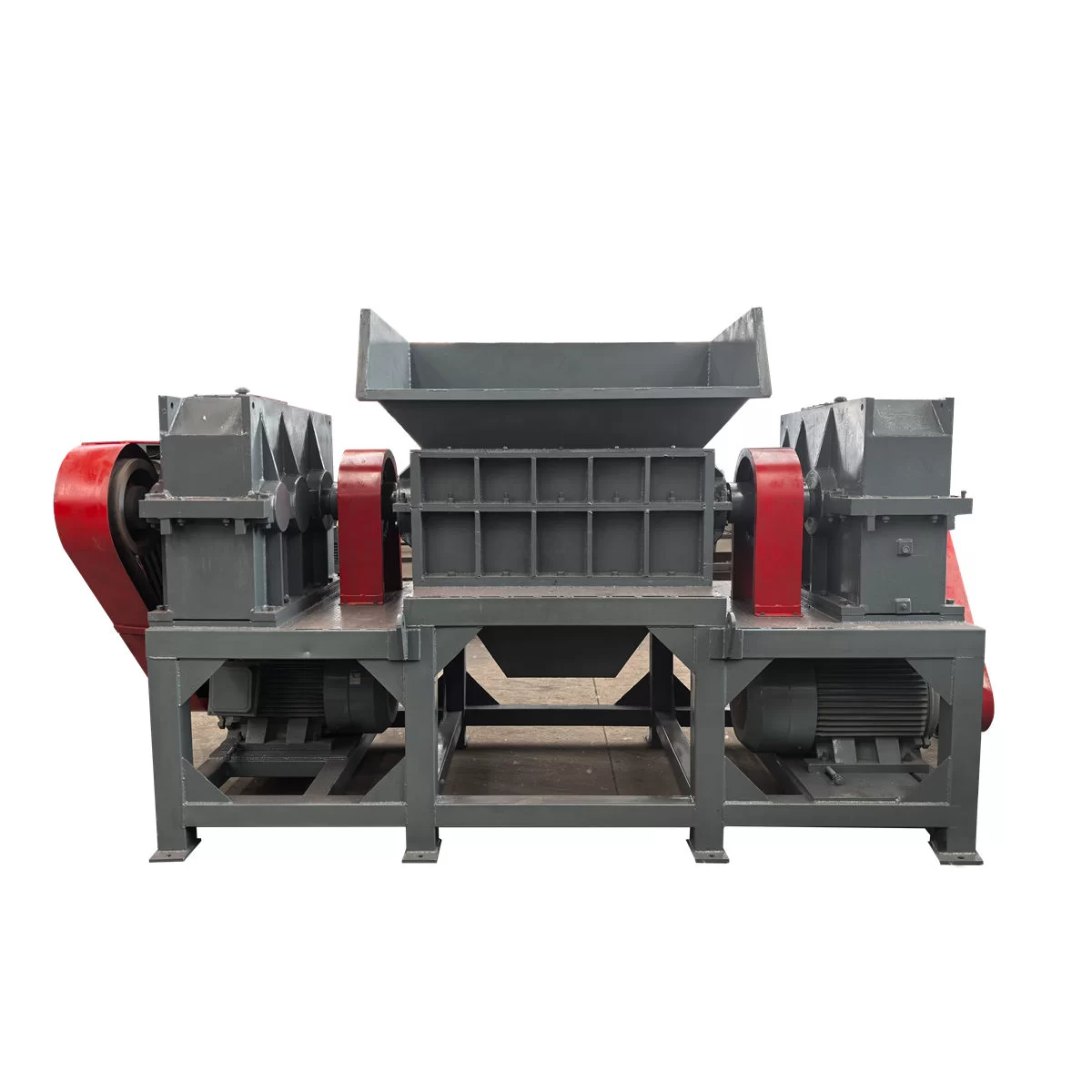
Twin shaft shredder
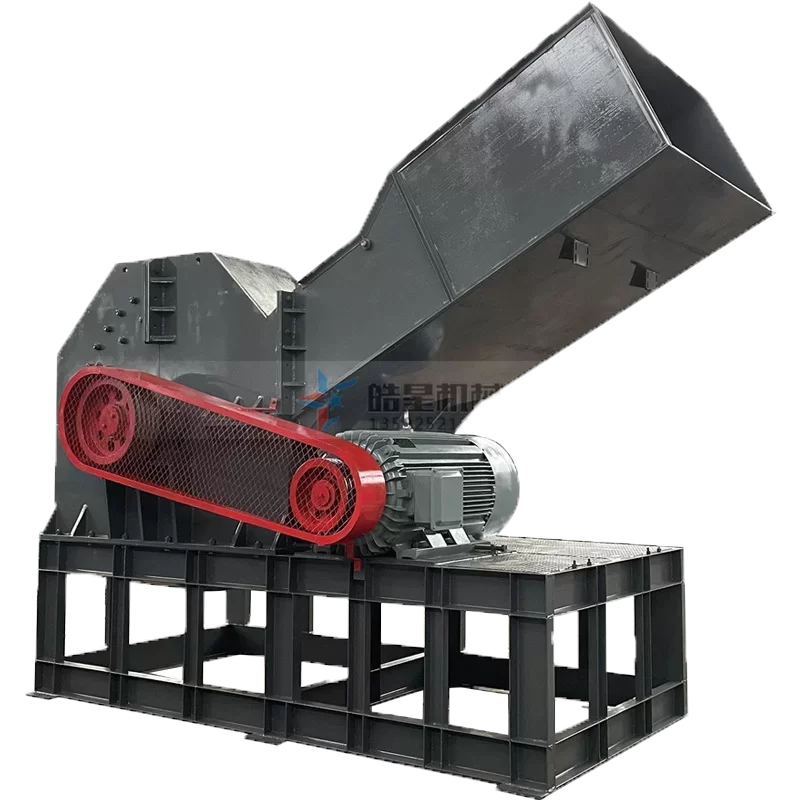
Waste aluminum crusher
Thermal break aluminum crusher
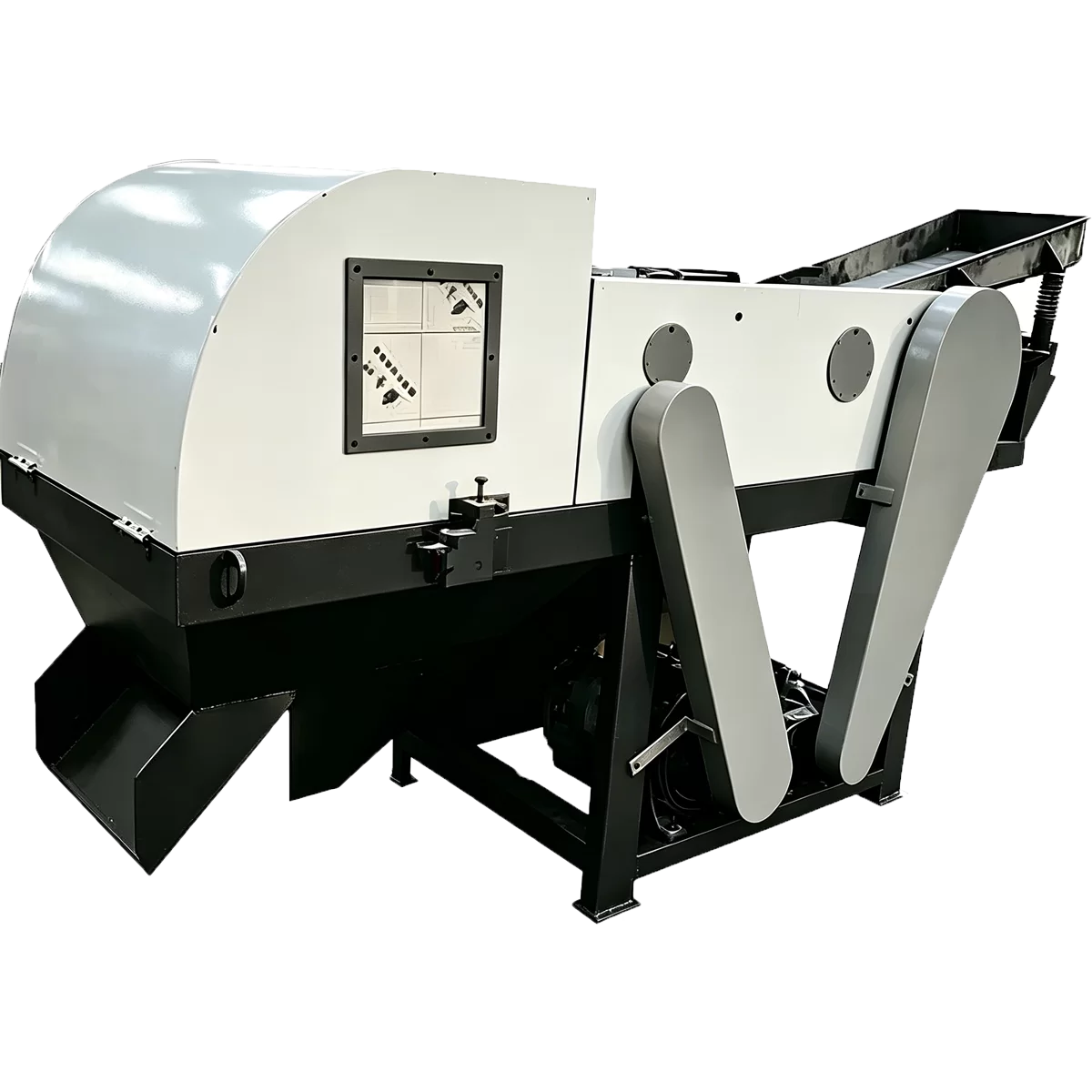
Eddy current separator
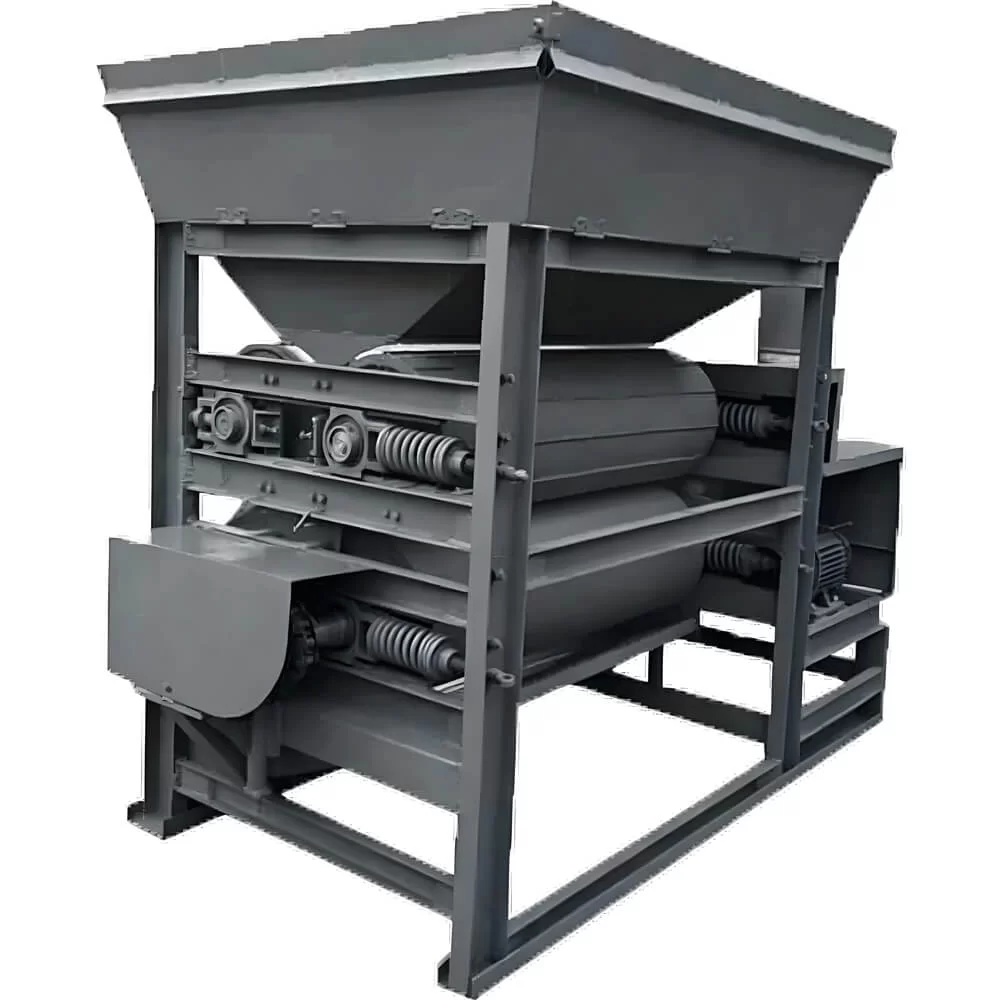
Vibrating screen
Dust collection system
Conveyors and supporting line layout
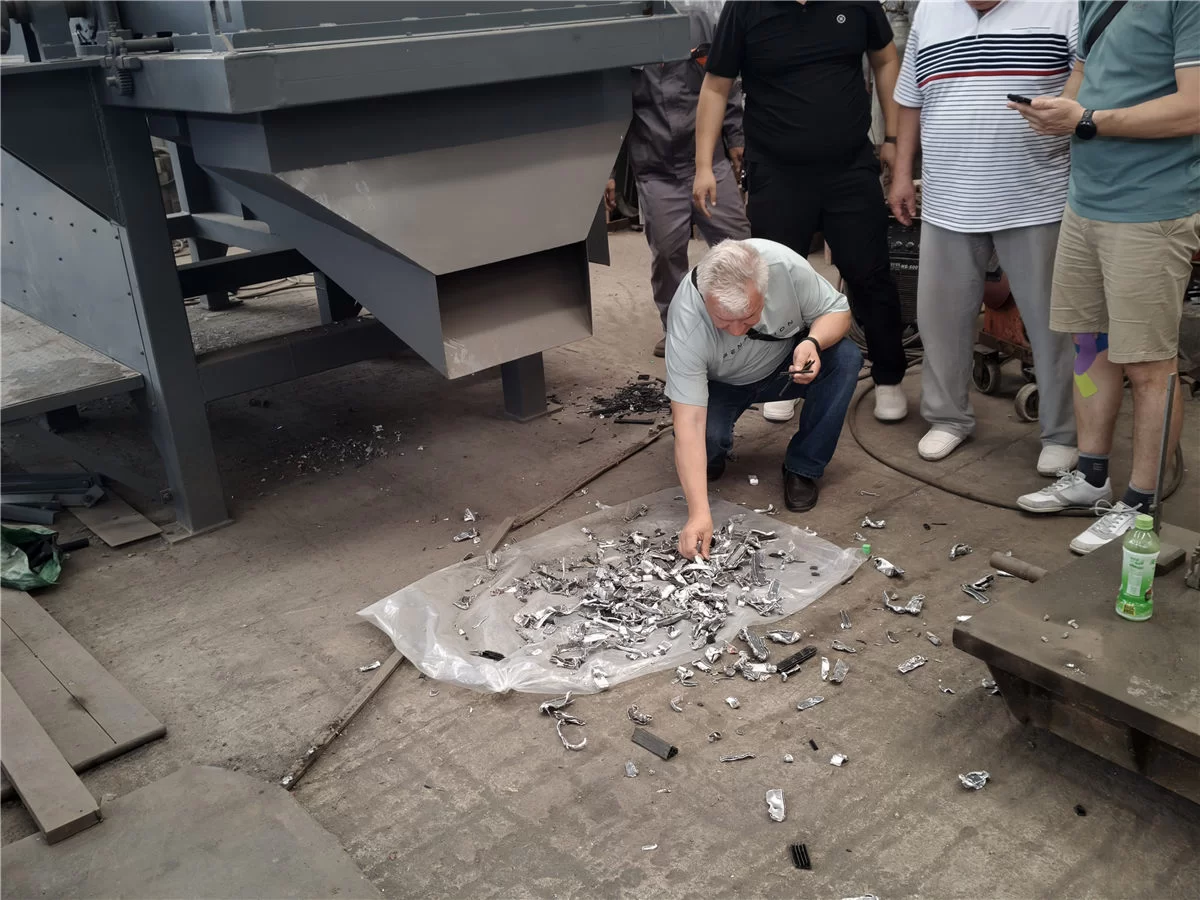
The customers watched the test process carefully and focused on the actual output shape, particle size, remaining PA66 strips, dust condition, noise level, feeding stability and final separation performance.
The twin shaft shredder could cut and tear the aluminum profiles into larger pieces, which was close to the customers’ original idea. However, after comparing the output material, both sides found that simple shredding and screening could only remove part of the loose plastic and fine materials. For some profile structures, PA66 strips still remained firmly attached to the aluminum pieces.
The customers then observed the test of the waste aluminum crusher. Compared with the twin shaft shredder, the aluminum crusher had stronger breaking and loosening ability for thermal break profiles. After crushing, the aluminum profile structure was opened more effectively, making the following screening and separation process more stable.
Discussion About 100–150 mm Output Size
The customers were very concerned about whether the equipment could produce clean 100–150 mm aluminum blocks instead of small aluminum chips. Our technical team explained that for thermal break aluminum profile recycling, the output size must be balanced with the separation effect.
If the output size is too large, more PA66 strips may remain inside the aluminum profile. This can reduce equipment processing difficulty, but it also increases the amount of manual picking.
If the material is crushed too fine, aluminum and plastic may separate more easily, but the final aluminum product may not be the large block material the customer originally wanted.
Through the on-site testing, both sides agreed that the best solution should not only focus on one fixed size. The final process should consider output size, PA66 separation effect, aluminum recovery value, manual labor cost and long-term production efficiency together.
PA66 Thermal Strip Separation Analysis
The customers originally accepted some PA66 plastic residue because they planned to remove it manually. However, after watching the real testing process, both sides discussed whether manual cleaning would be efficient enough during continuous production.
Our team explained that PA66 thermal strips are embedded inside the aluminum profiles. For some profile structures, the plastic strips may fall off after cutting, impact and vibration. But for other profile structures, the PA66 strips may still remain attached to the aluminum pieces.
Only using a twin shaft shredder and vibrating screen can remove part of the loose plastic and fine materials, but the separation result may not be stable for all profile types. If the daily processing volume increases, manual picking may become a larger labor burden.
After comparing the actual testing results, the customers began to consider a more complete recycling process. The waste aluminum crusher could open the profile structure more effectively, the vibrating screen could remove fine materials, and the eddy current separator could further improve aluminum and non-metal separation.
Final Production Line Process Confirmed
After several rounds of testing and technical communication, the customers finally confirmed that the original simple solution of “twin shaft shredder plus vibrating screen” was not the most suitable choice for their long-term recycling operation.
Based on the actual material testing, both sides preliminarily confirmed the following production line process:
Feeding system
Waste thermal break aluminum profiles are sent into the line by conveyor or loading equipment.Waste aluminum crusher / thermal break aluminum crusher
The crusher breaks the aluminum profile structure and loosens the connection between aluminum and PA66 thermal strips.Vibrating screen
The vibrating screen removes fine materials, loose plastic strips, dust and small impurities.Eddy current separator
The eddy current separator further separates aluminum from non-metal materials and improves the value of the recovered aluminum.Dust collection system
The dust collector reduces dust generated during crushing and screening, making the working environment cleaner.Final material collection
Aluminum, plastic residues and fine materials are collected separately for further manual cleaning, resale or further processing.
This process was more complete than the customers’ original plan, but it was based on real testing results and practical recycling value.
Long Discussion About Line Configuration
After the equipment testing, both sides had a long discussion about the complete material processing line. The Russian customers compared their original requirements with the actual test results and asked many details about daily production.
The discussion mainly included:
Whether the crusher would create too many fine aluminum chips
How to control the output size of thermal break aluminum profiles
How much PA66 plastic would remain after crushing and screening
Whether the eddy current separator was necessary for this material
How to reduce manual sorting work
How to arrange the vibrating screen after the crusher
Whether the dust collector should be included in the line
Installed power and electricity consumption
Production capacity per hour
Equipment footprint and workshop layout
Delivery time and warranty
Spare parts and maintenance
Noise and dust control during continuous operation
Our technical team explained that the final solution should not only compare equipment price. For thermal break aluminum recycling, the key points are stable feeding, proper crushing size, efficient screening, effective aluminum and plastic separation, and lower manual labor.
The customers agreed that real material testing was very important. It helped them clearly see the difference between simple size reduction and complete recycling separation.
Visit to the Manufacturing Workshop
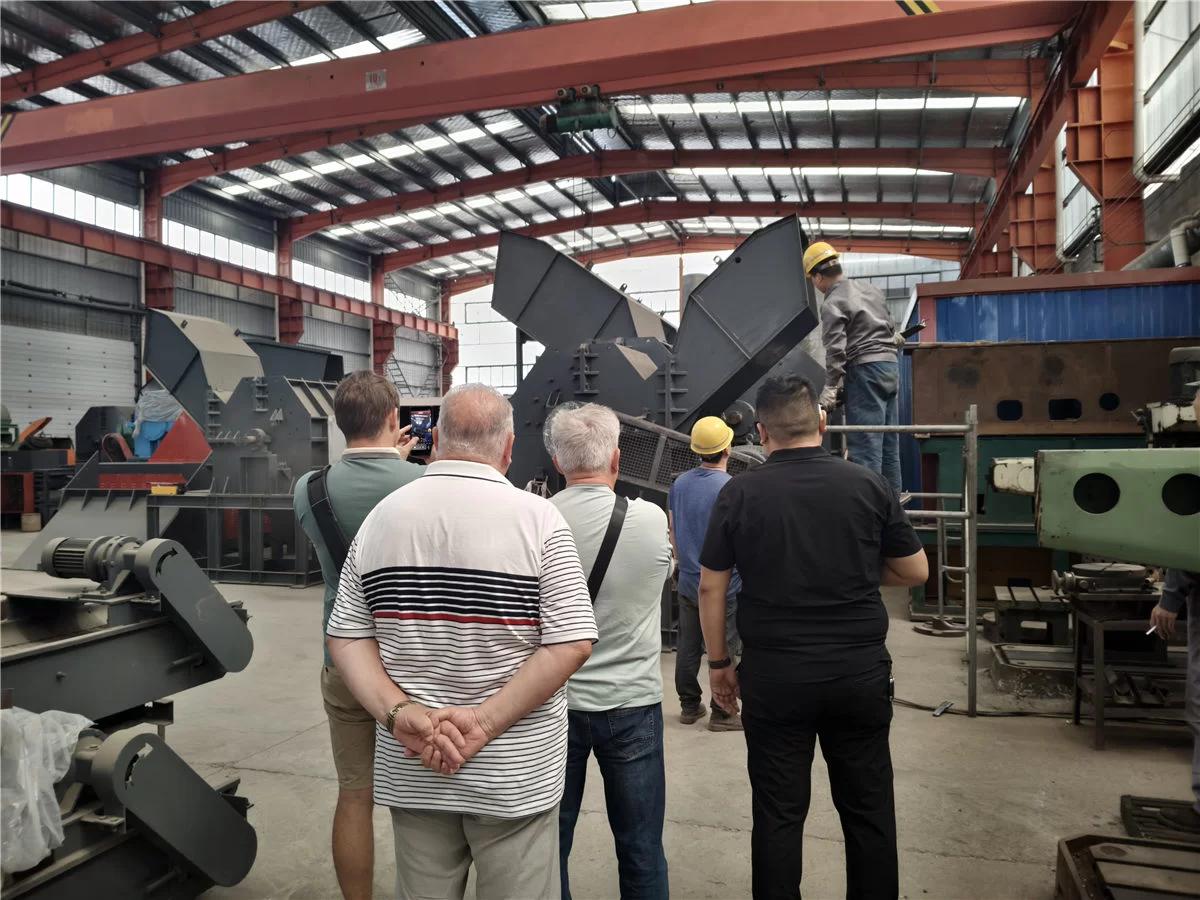
During the visit, the three Russian customers also inspected the manufacturing workshop of Haoxing Machinery. They checked the machine frame, welding quality, crushing chamber, rotor structure, screen system, conveyors, electric control cabinet and separation equipment.
They paid close attention to the strength of the machine body and the wear-resistant parts. Thermal break aluminum profiles are long and irregular, so stable feeding and strong crushing structure are important for continuous operation.
Our team also discussed the future workshop layout with the customers, including feeding direction, discharge position, dust collector placement, maintenance space and final material collection area. These details helped both sides prepare for the next step of project design.
Friendly Group Photo and Cooperation Intention
At the end of the visit on June 25, 2026, both sides reviewed the testing videos and photos taken during the process. The customers said that the on-site testing helped them better understand how waste thermal break aluminum profiles should be processed.
Although their original plan was only a twin shaft shredder and vibrating screen, the actual test showed that a waste aluminum crusher, vibrating screen, eddy current separator and dust collection system could provide a more suitable recycling result.
Before leaving the factory, the three Russian customers and the Haoxing Machinery team took a friendly group photo. Both sides expressed a positive attitude toward further cooperation and reached a preliminary cooperation intention.
Haoxing Machinery will continue to provide a suitable thermal break aluminum recycling solution according to the customer’s material type, output size requirement, separation target, site layout and production capacity demand.