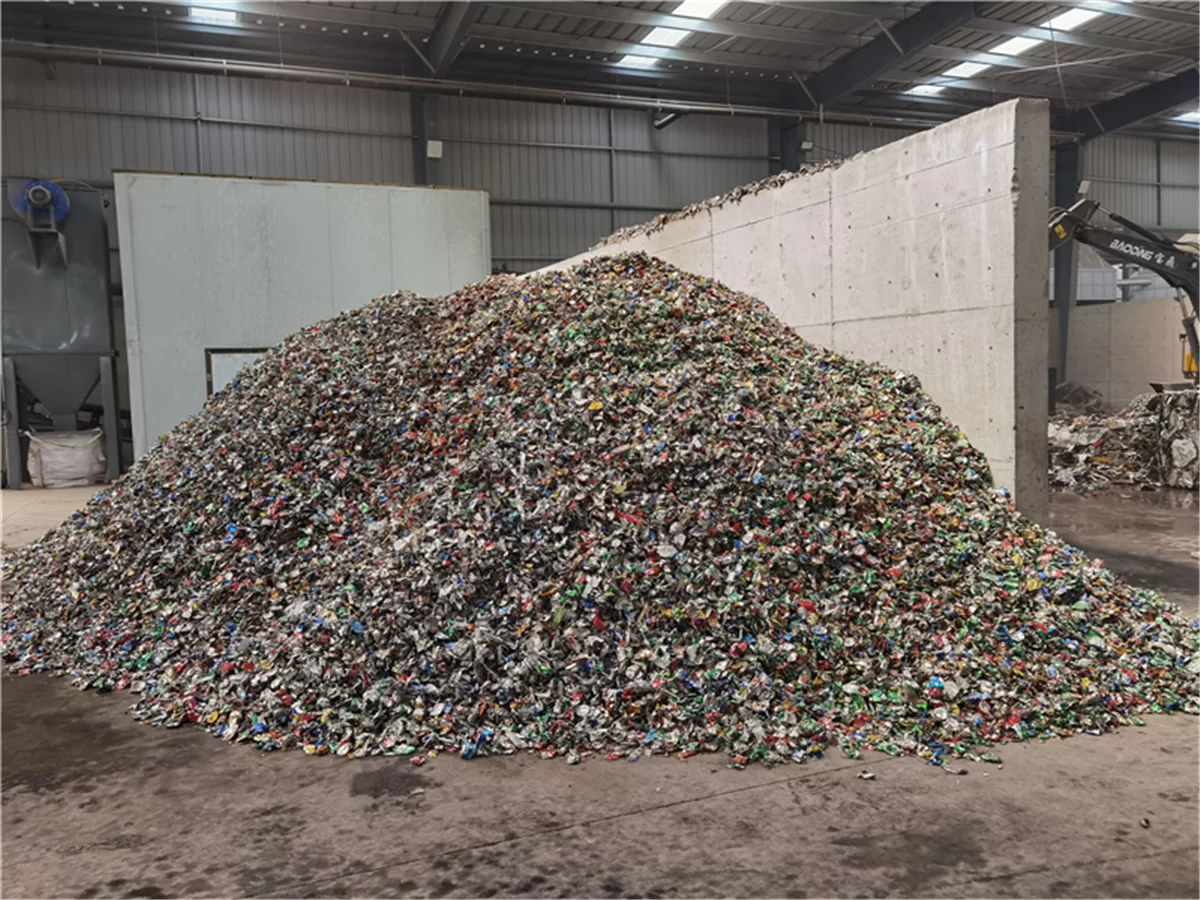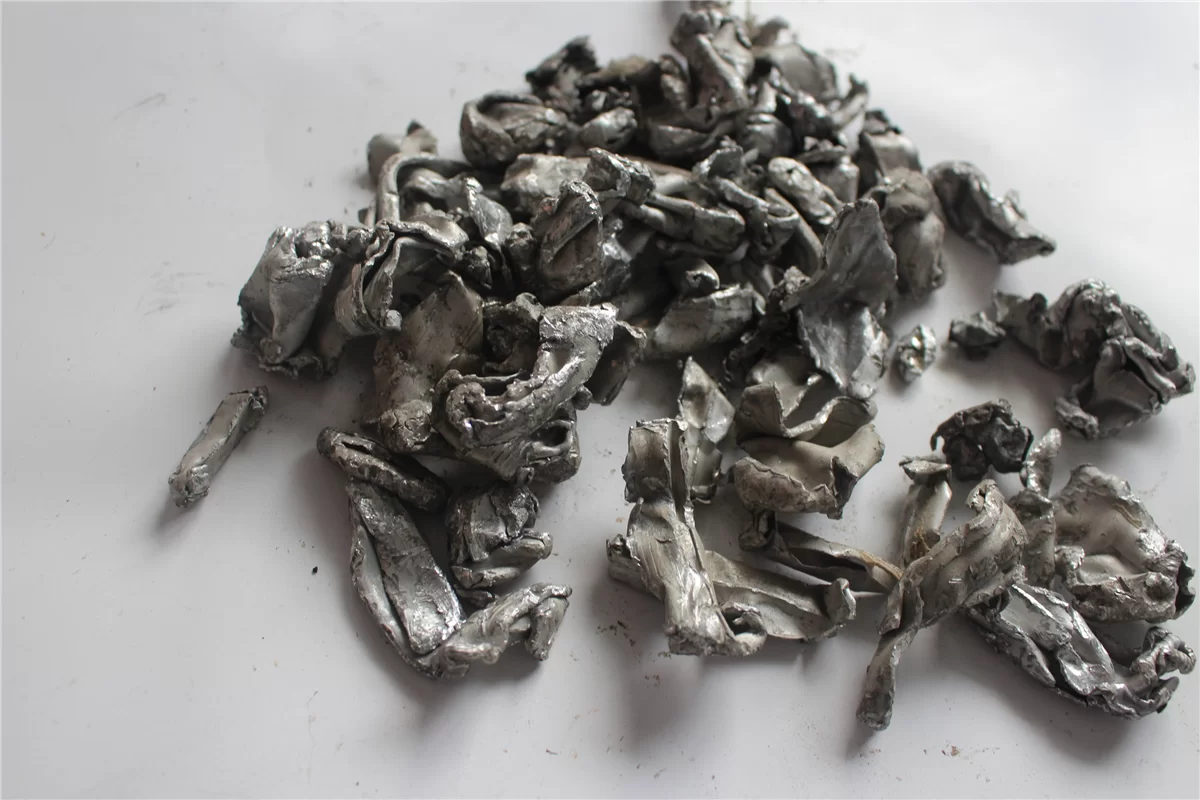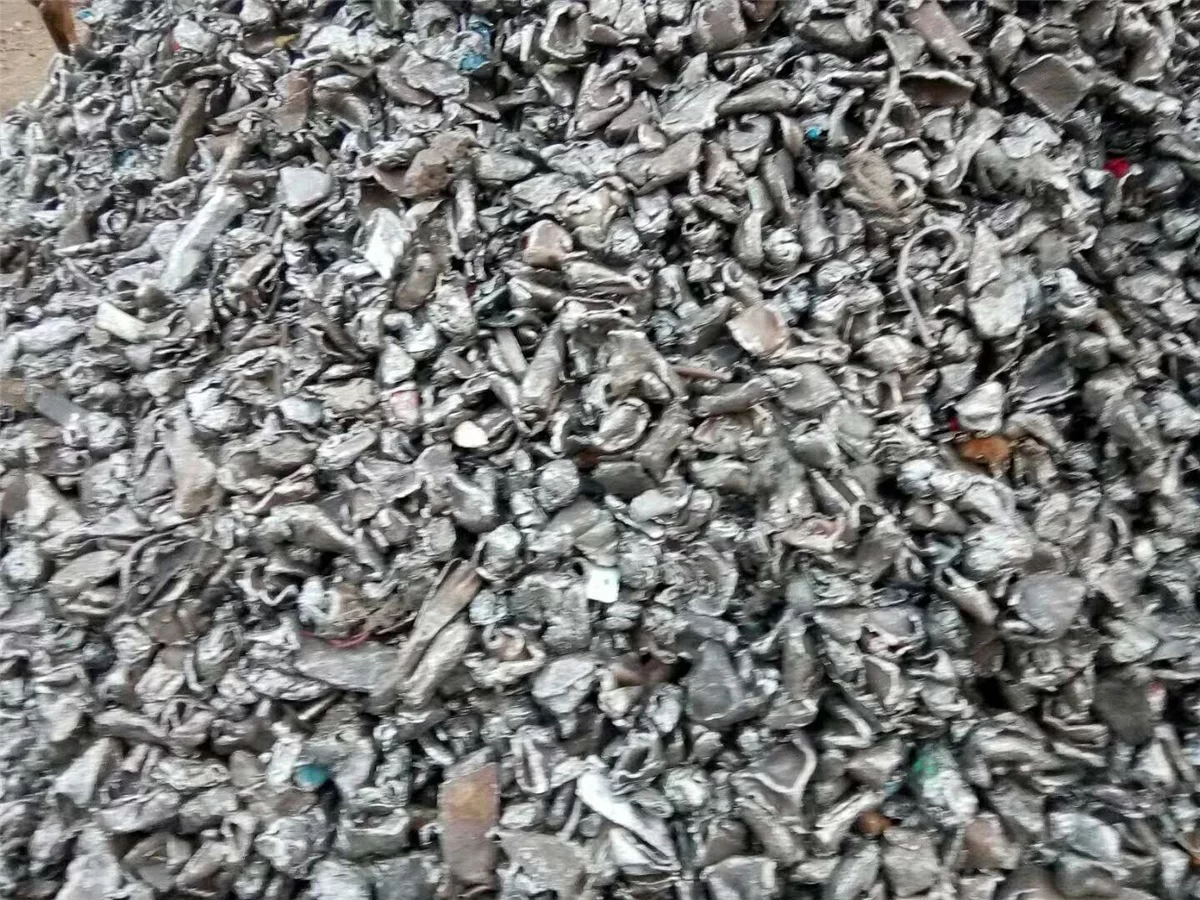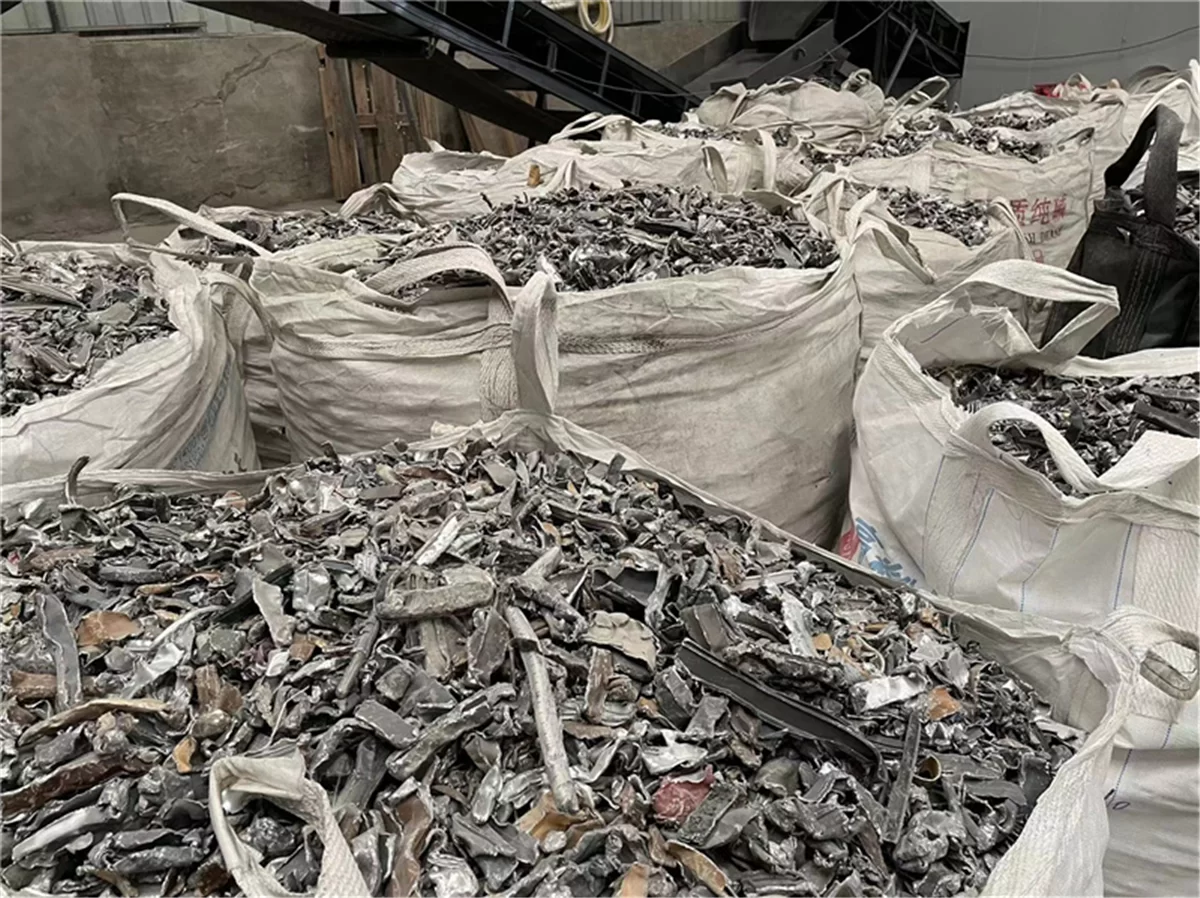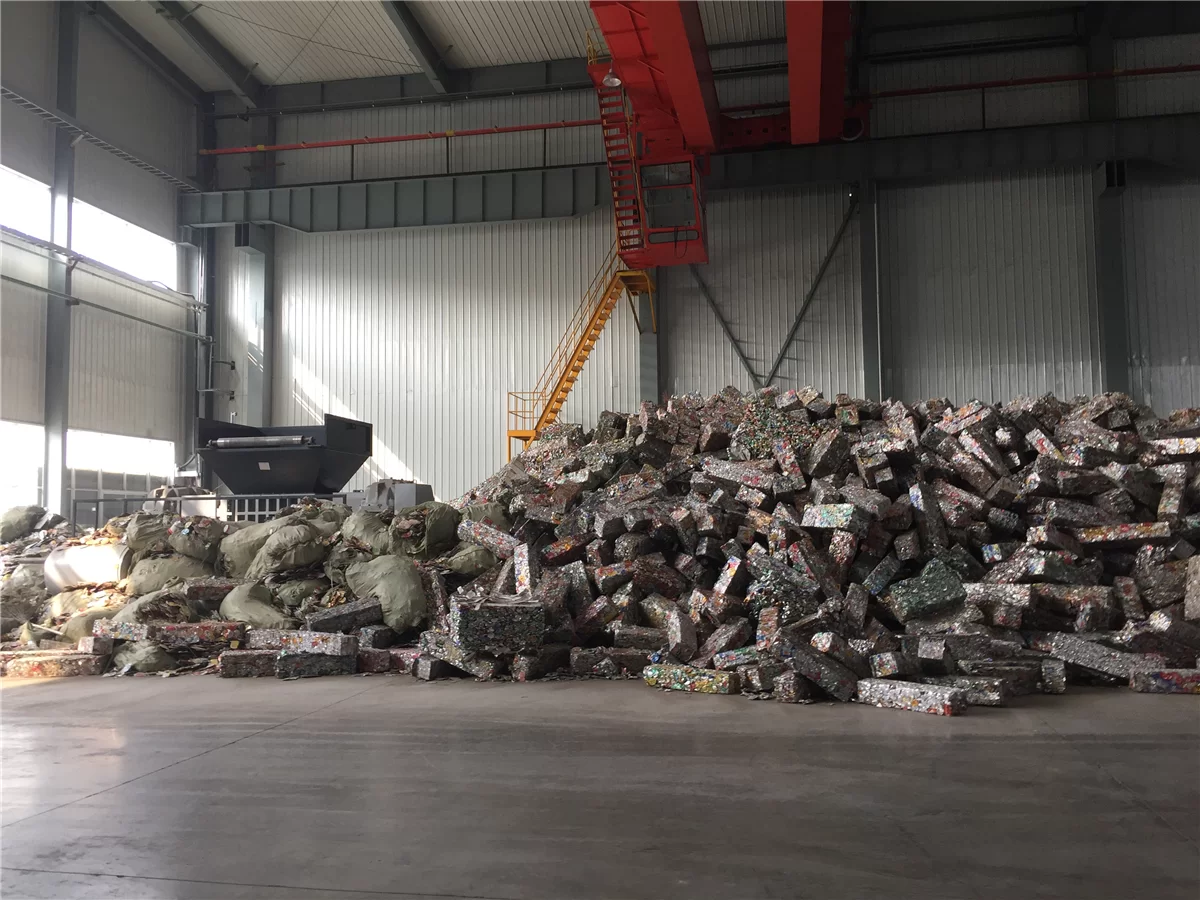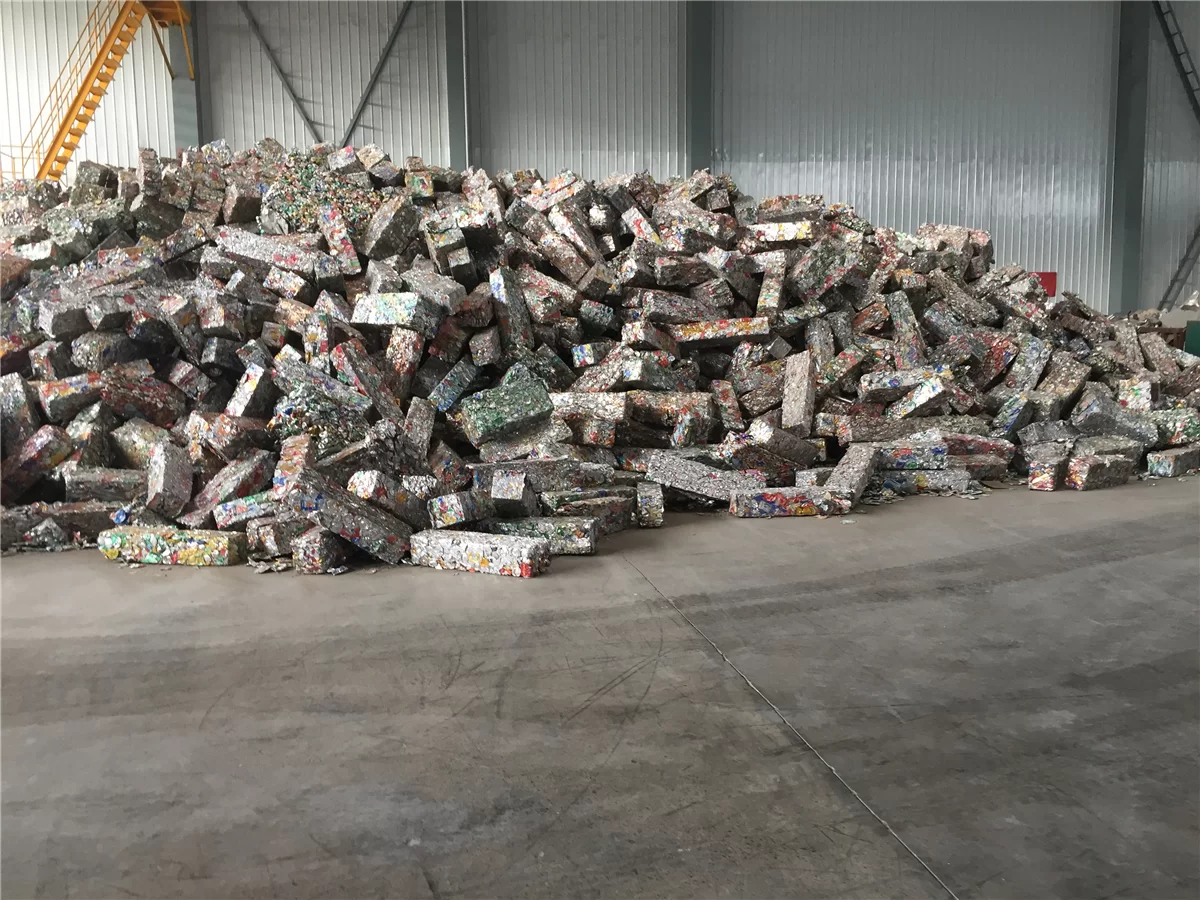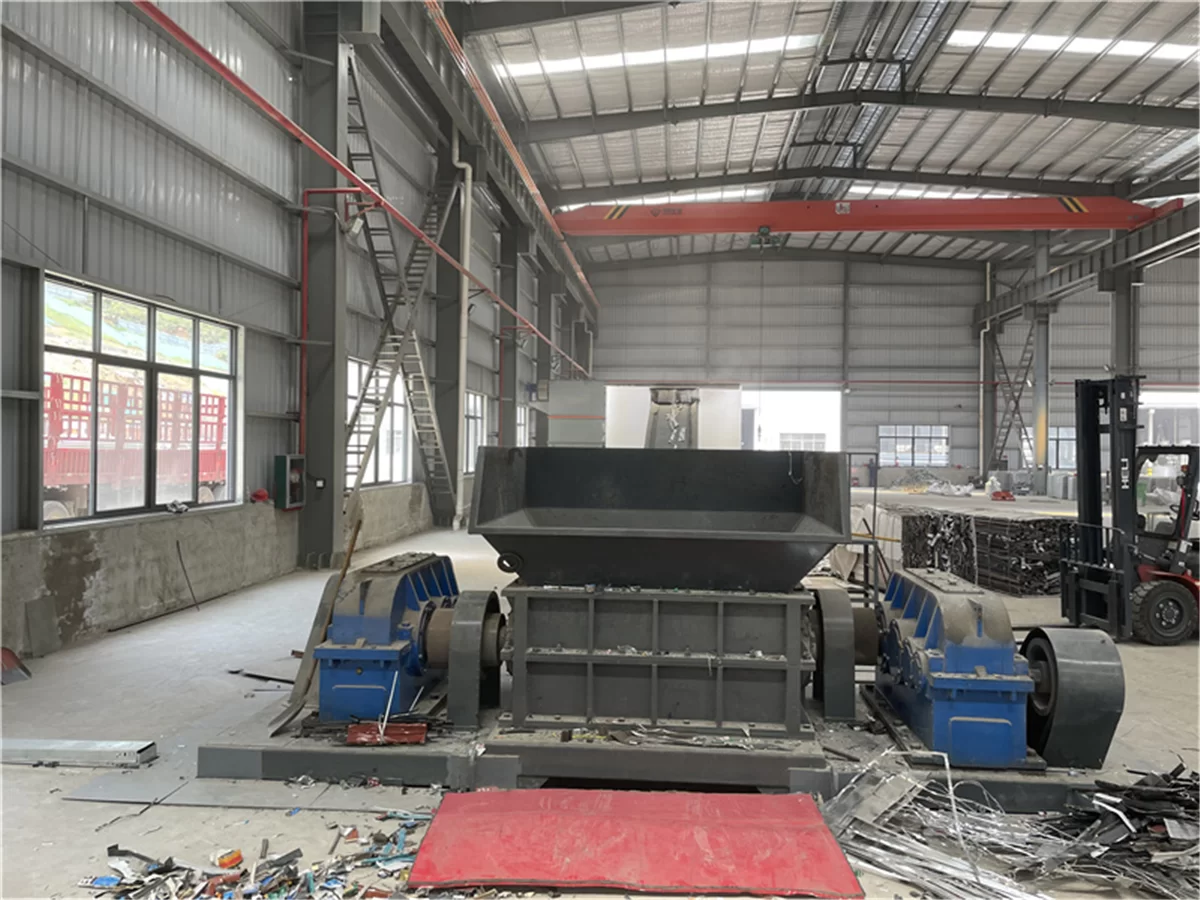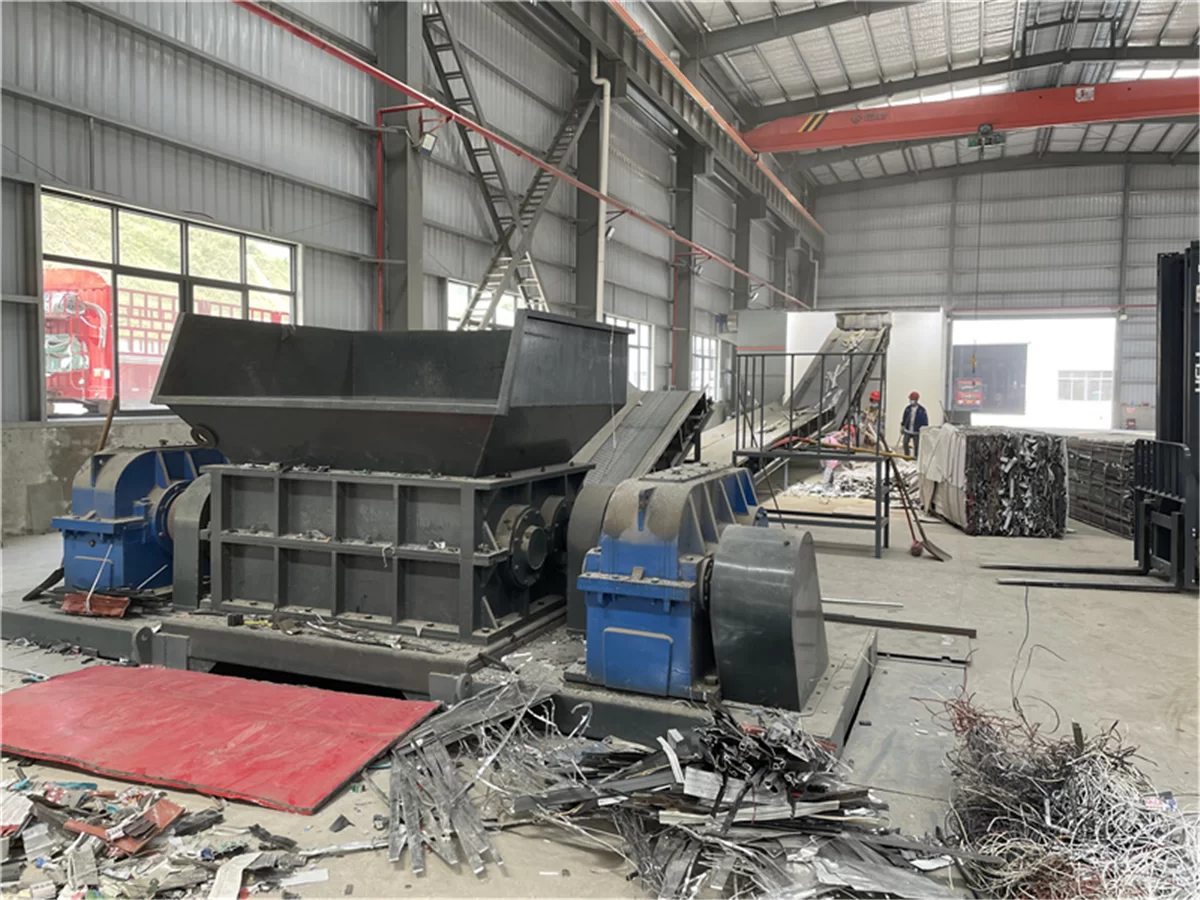

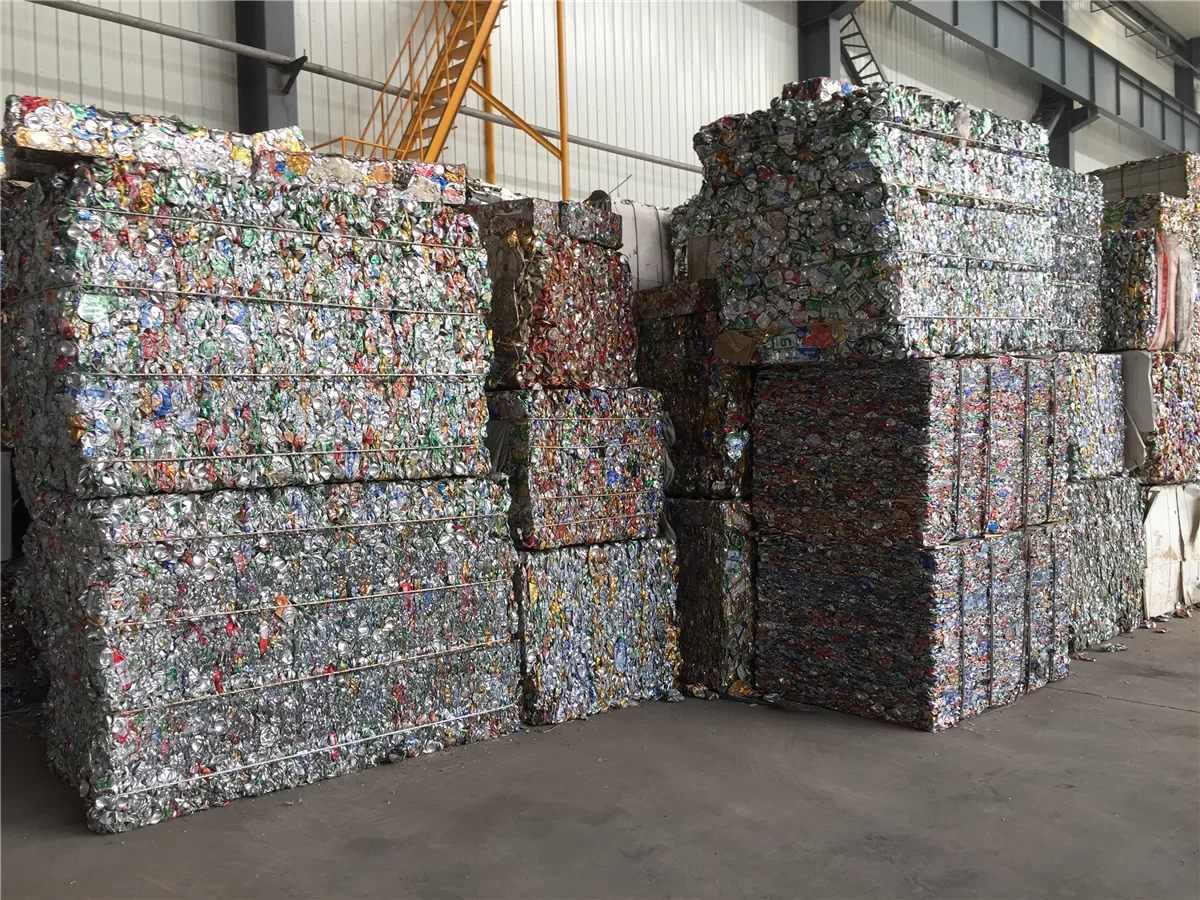
Pressed metal blocks are widely seen in scrap yards, metal recycling plants, steel mills, aluminum recycling workshops and material collection stations. These blocks are usually made from compressed scrap steel, scrap iron, aluminum scrap, sheet metal offcuts, light metal waste or mixed metal materials. They are pressed into compact shapes to save storage space and reduce transportation costs.
Common pressed metal materials include compressed metal blocks, metal briquettes, pressed scrap blocks, scrap steel blocks, aluminum blocks, iron blocks, pressed sheet metal blocks and mixed metal cubes. Compared with loose scrap metal, pressed metal blocks are much denser and harder to feed directly into a crusher. If the block is too large or too compact, direct crushing may increase machine load, reduce efficiency and cause unstable operation.
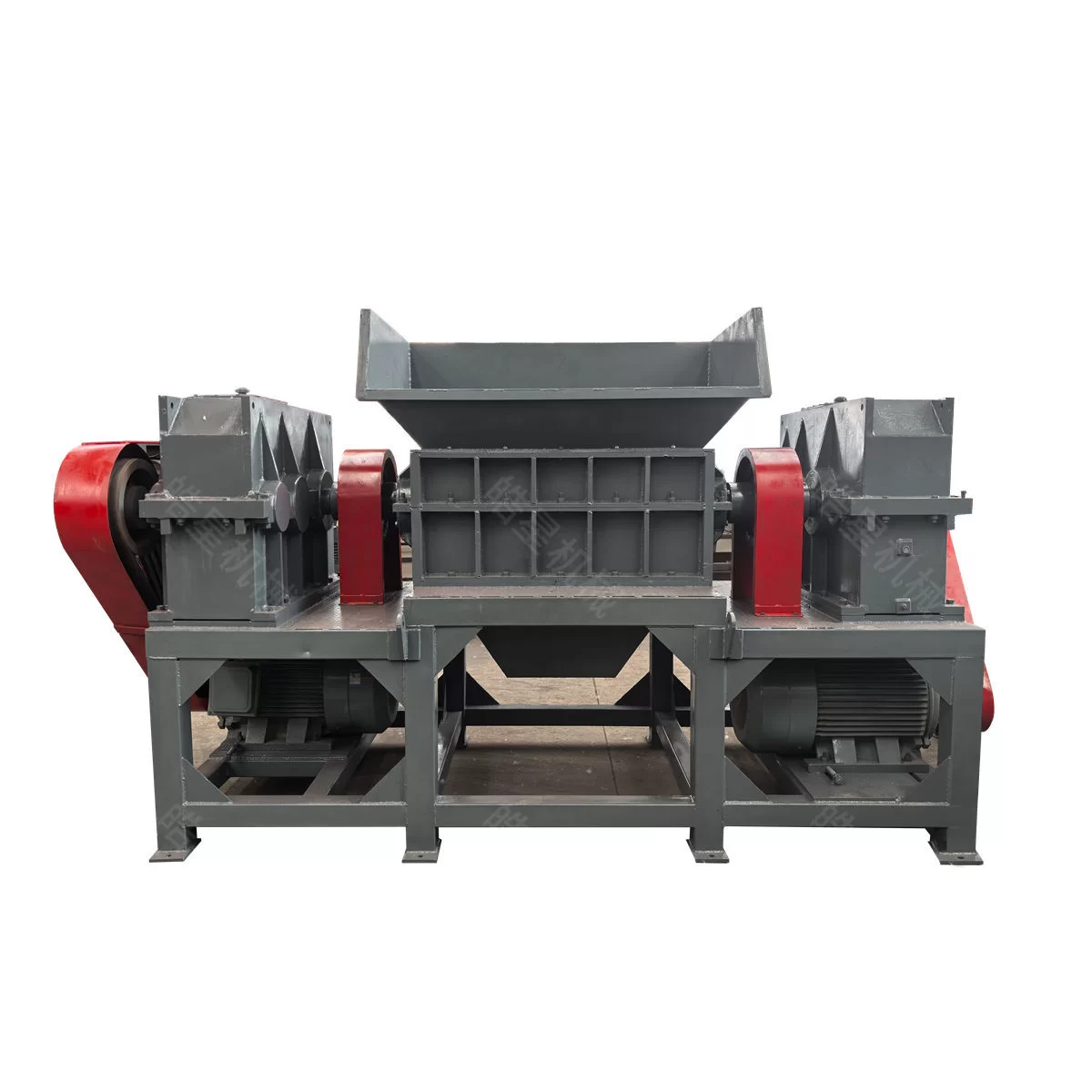
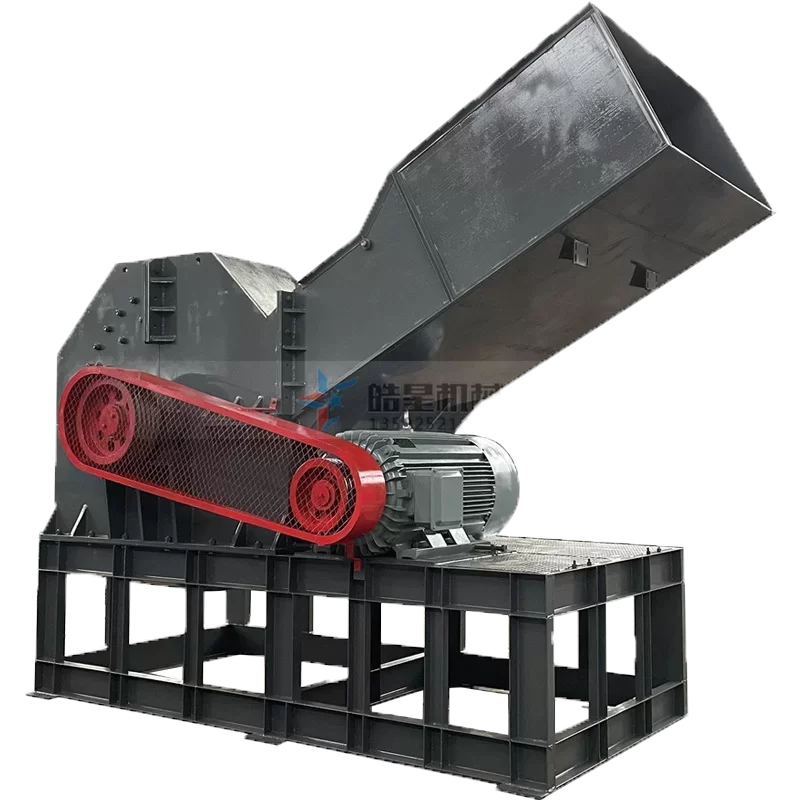
Haoxing Machinery provides practical shredding and crushing solutions for pressed metal blocks. According to the size, density and material composition of the blocks, we can configure a heavy-duty twin shaft shredder for primary breaking, followed by a scrap metal crusher for further crushing and densification. Magnetic separators, eddy current separators, conveyors and dust collection systems can also be added to build a complete recycling line.
Common Pressed Metal Blocks We Can Process
Pressed scrap blocks
Compressed metal blocks
Metal briquettes
Scrap steel blocks
Iron blocks
Aluminum blocks
Pressed sheet metal blocks
Mixed metal cubes
Scrap metal briquettes
Recycling yard compressed metal waste
Common Sources of Pressed Metal Blocks
Pressed metal blocks are produced in a wide range of recycling and manufacturing industries. Briquetting and baling are commonly used to increase material density, reduce transportation costs and improve storage efficiency.
Pressed scrap steel from recycling yards
Compressed sheet metal offcuts
Steel briquettes from manufacturing plants
Aluminum briquettes from machining workshops
Baled light scrap metal
Pressed automobile body scrap
Compressed demolition metal waste
Mixed metal briquettes
Industrial metal processing waste
Metal recovery center scrap blocks
How to Process Pressed Metal Blocks?
Pressed metal blocks are usually compact and heavy. For small and loose blocks, a metal crusher may be used directly depending on the machine model and feeding size. For large, dense or mixed metal blocks, Haoxing engineers usually recommend using a twin shaft shredder as the first step.
The shredder breaks the pressed blocks into smaller pieces through low-speed and high-torque cutting. This pre-treatment reduces the pressure on the downstream crusher and makes the feeding process more stable. After shredding, the material enters the metal crusher for further size reduction. The crushed output can then be separated by magnetic separators or eddy current separators according to the material type.
Typical Pressed Metal Block Recycling Process
The recycling process depends on block size, density and material composition. A typical processing line may include:
Pressed Metal Blocks → Feeding Conveyor → Twin Shaft Shredder → Scrap Metal Crusher → Magnetic Separator → Eddy Current Separator → Finished Metal Product
For scrap steel blocks, compressed scrap metal and mixed metal briquettes, pre-shredding is usually recommended before crushing. This ensures stable feeding and improves the overall efficiency of the recycling line.
Recommended Equipment Configuration
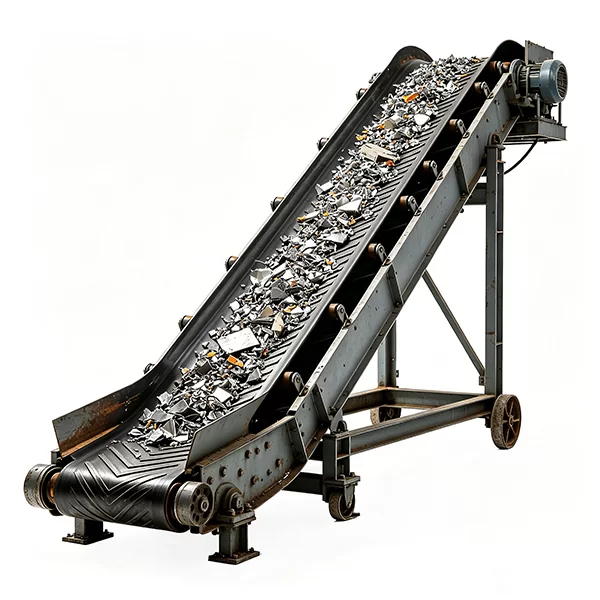
Loading or feeding conveyor
Heavy-duty twin shaft shredder for primary block breaking
Scrap metal crusher for secondary crushing
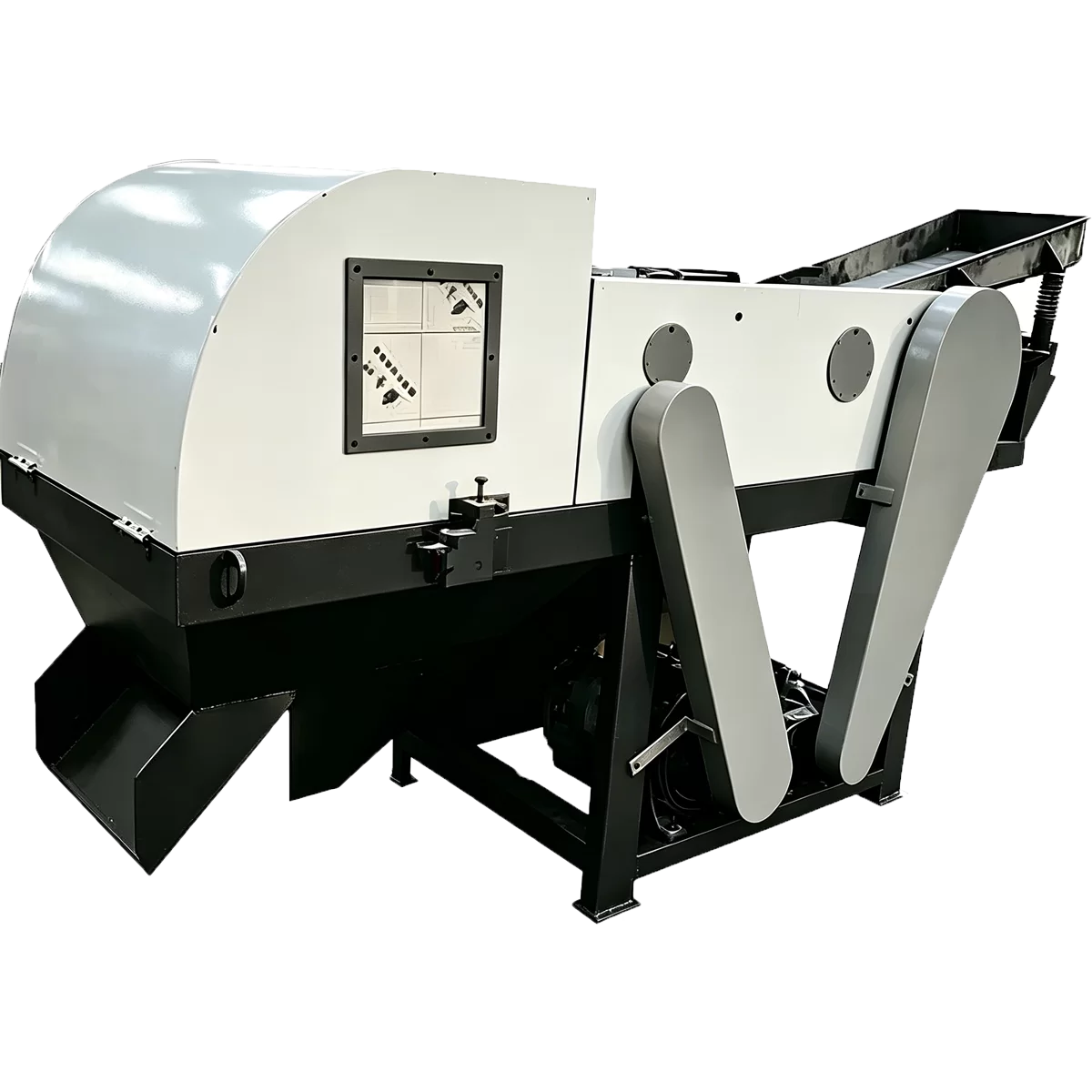
Magnetic separator for ferrous metal separation
Eddy current separator for aluminum and non-ferrous metal recovery
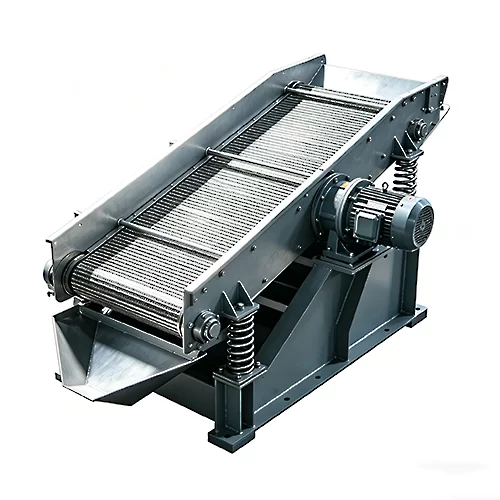
Belt conveyor for material transfer
Dust collection system for cleaner operation
Electric control cabinet for automatic line control
Why Shred Pressed Metal Blocks Before Crushing?
Pressed metal blocks are different from ordinary loose scrap. Their structure is compact, and the material inside may include different metals or irregular pieces. If the material is fed directly into the crusher without pre-treatment, the crusher may face sudden impact loads and uneven feeding conditions.
A twin shaft shredder can open and break the blocks first. This makes the material easier to crush, reduces the risk of blockages, protects crusher rotors and hammers, and improves the continuous working stability of the entire recycling line.
For customers processing large quantities of compressed scrap metal every day, this configuration is normally more efficient and more reliable.
Pressed Steel Blocks vs Loose Scrap Metal
Compared with loose scrap metal, pressed steel blocks occupy less storage space and are easier to transport over long distances. However, the compact structure of the material also increases the difficulty of direct crushing.
Loose scrap can often be fed directly into a crusher, while compressed scrap steel and briquetted metals generally require pre-shredding to achieve optimal crushing performance.
By combining a twin shaft shredder and a scrap metal crusher, recycling plants can achieve more stable operation, reduced wear and higher processing efficiency.
Processing Advantages
Break dense pressed blocks into smaller and easier-to-feed pieces
Reduce manual cutting and pre-treatment work
Improve feeding stability before metal crushing
Protect the metal crusher from heavy impact loads
Increase output density after crushing
Support magnetic separation and non-ferrous metal sorting
Improve overall recycling efficiency
Suitable for scrap yards, metal recycling plants and aluminum recovery workshops
Industries That Process Pressed Metal Blocks
Scrap metal recycling companies
Steel mills
Aluminum smelters
Metal processing workshops
Automobile dismantling facilities
Foundries
Metal collection centers
Construction demolition recycling companies
Manufacturing plants
Industrial waste recycling businesses
Equipment Selection Guide
The correct recycling solution depends on material type. Light steel briquettes, aluminum briquettes, cast aluminum blocks and mixed metal cubes may require different equipment configurations.
Factors such as block dimensions, bulk density, metal composition, throughput requirements and final output size should be considered before selecting shredder and crusher models.
Haoxing Machinery can design customized recycling systems for steel briquettes, aluminum briquettes, compressed scrap metal, pressed scrap steel and mixed metal blocks according to your actual material conditions.
Custom Solution for Your Pressed Metal Blocks
Different pressed metal blocks require different equipment configurations. A block made from light sheet metal is different from a block made from thick steel scrap or cast aluminum. The machine model should be selected according to the block size, density, metal type, feeding method, required capacity and final output requirement.
Haoxing Machinery can provide single machines or complete recycling lines for pressed metal blocks. You can send us photos, videos, block size, approximate weight and required capacity. Our engineers will recommend a suitable shredder, metal crusher, separator and conveyor system according to your actual material.