How Long Can Shredded Aluminum Granules Be Stored Outdoors Before Oxidation Hurts Their Selling Price? (With Preventive Storage Recommendations)
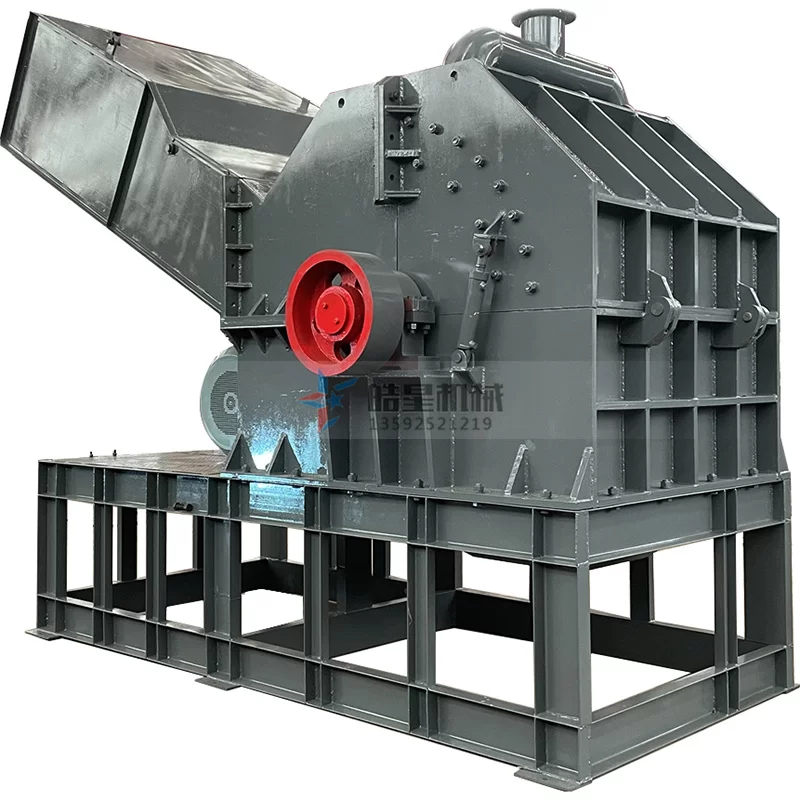
After aluminum scrap is processed through a hammer mill, magnetic separator, and eddy current separator, the resulting clean aluminum granules are a premium feedstock for secondary smelting. However, many recycling yards and processing plants overlook a hidden cost: continuous oxidation of shredded aluminum particles during outdoor storage, which quietly degrades material quality and erodes profit margins. This article combines field measurements and industry data to analyze oxidation timelines and provide actionable, parameter-driven storage solutions.

1. Mechanism and Consequences of Aluminum Granule Oxidation
1.1 Why Shredded Aluminum Oxidizes Faster
Aluminum is a reactive metal. When exposed to air, it rapidly forms a thin layer of aluminum oxide (Al₂O₃). Shredding dramatically increases the surface area exposed to oxygen, accelerating oxidation far beyond that of intact scrap.
| Material Form | Estimated Specific Surface Area | Relative Oxidation Rate |
|---|---|---|
| Whole aluminum ingot / heavy scrap | ~0.01 m²/kg | Baseline (1x) |
| Shredded granules (approx. 20 mm) | ~0.15 m²/kg | ~15 times faster |
| Fine aluminum turnings / powder (<3 mm) | ~1.2 m²/kg | ~120 times faster |
Key takeaway: The finer the output size, the higher the oxidation risk. Granules smaller than 5 mm are the most vulnerable and require the most careful handling.
1.2 How Oxidation Impacts Selling Price
Oxide formation reduces the value of shredded aluminum in multiple ways:
| Impact Area | Description | Typical Loss |
|---|---|---|
| Metal Recovery Rate | Aluminum oxide becomes dross in the furnace, lowering actual metal yield. | Each 1% oxide layer increases melt loss by ~1.5%–2% |
| Melting Energy Consumption | Oxide has poor thermal conductivity, prolonging melt time and increasing power/gas usage. | Power consumption rises by 8–15 kWh per ton |
| Final Product Quality | Oxide inclusions degrade mechanical properties of secondary ingots/billets. | Material may be rejected or downgraded |
| Direct Weight Deduction | Smelters often apply a penalty deduction for visibly oxidized material. | Deduction rate 0.5%–3% |
Bottom line impact: Severely oxidized aluminum granules can sell for $10–$30 USD less per ton. For a yard processing 10 tons per day, that translates to an annual loss of $36,000–$100,000.
2. Oxidation Timeline Under Different Storage Conditions (Field Data)
The following data is based on outdoor, ambient temperature storage of aluminum granules sized 5–20 mm without any protective covering.
2.1 Dry Climate (Relative Humidity <50%, e.g., Northern China autumn/winter, inland regions)
| Storage Duration | Oxidation Severity | Visual Characteristics | Price Impact |
|---|---|---|---|
| 1–3 days | Negligible | Slight loss of metallic luster | No impact |
| 1 week | Mild | Grayish-white thin film appears | 0.2%–0.5% weight deduction |
| 2 weeks | Moderate | Visible oxide layer (0.01–0.02 mm thick) | 0.5%–1% weight deduction |
| 1 month | Significant | Thick oxide layer, localized white powder | 1%–2% weight deduction |
| 3 months | Severe | Overall whitish appearance, oxide powder accumulation | 2%–3% deduction or downgrade |
2.2 Humid Climate (Relative Humidity >70%, e.g., coastal areas, rainy seasons)
| Storage Duration | Oxidation Severity | Visual Characteristics | Price Impact |
|---|---|---|---|
| 1 day | Negligible | Slight loss of luster | No impact |
| 3 days | Mild | Noticeable grayish-white oxide layer | 0.3%–0.5% weight deduction |
| 1 week | Moderate | Thickened oxide layer, slight caking | 0.8%–1.5% weight deduction |
| 2 weeks | Significant | Heavy oxidation, visible white powder, caking | 1.5%–2.5% deduction |
| 1 month | Severe | Extensive white powder, hard agglomerates | ≥3% deduction or rejection |
Important note: In coastal or high-humidity environments, unprotected outdoor storage beyond 1 week can already trigger noticeable economic losses. For fine granules (<5 mm), these timelines should be cut in half.
3. Key Factors That Accelerate Aluminum Granule Oxidation
| Factor | How It Accelerates Oxidation | Quantified Impact |
|---|---|---|
| High Humidity / Rain | Water acts as an electrolyte, promoting galvanic corrosion, especially if iron impurities are present. | Oxidation rate increases by 3–5 times vs. dry conditions |
| Temperature Fluctuations | Day-night temperature swings cause condensation on granule surfaces. | Each 10°C rise roughly doubles reaction rate |
| Fine Particle Content | Higher specific surface area provides more reaction sites. | Fines (<3 mm) oxidize ~120x faster than whole scrap |
| Contamination (Iron/Copper) | Galvanic couples between aluminum and embedded iron/copper accelerate localized corrosion. | Even 0.5% iron contamination can double visible oxidation rate |
| Salt Spray (Coastal Areas) | Chloride ions break down the natural oxide passive layer. | Severe pitting corrosion within 1–2 weeks |
4. Recommended Anti-Oxidation Storage Practices (Parameter-Driven)
4.1 Short-Term Storage (1–7 Days Before Shipment)
Covering: Use waterproof tarpaulins (PVC-coated polyester, ≥550 g/m²) with UV resistance. Ensure edges are weighted down and airflow gaps are minimized.
Ground Barrier: Store on concrete pads or place a moisture barrier (e.g., polyethylene sheet ≥0.15 mm thick) between the pile and bare earth.
Pile Height: Limit to ≤2.5 meters to reduce internal heat buildup from residual exothermic oxidation.
Desiccant Use (Optional): For high-value fines, place 2–3 desiccant bags (1 kg each, silica gel or calcium chloride) per ton under the tarp in humid conditions.

4.2 Medium-Term Storage (1–4 Weeks)
Indoor or Semi-Covered Storage: Whenever possible, move processed granules under a roof or into a simple open-sided shed.
Ventilation: If stored in a closed container or silo, ensure passive ventilation to prevent condensation buildup. Aim for relative humidity ≤60% inside storage area.
Segregation by Size: Store fine granules (<5 mm) separately from coarser material, and prioritize their shipment to minimize exposure time.
First-In, First-Out (FIFO): Implement strict inventory rotation to prevent any batch from sitting longer than 10–14 days.
4.3 Long-Term Storage (>1 Month) – Not Recommended Without Active Measures
Briquetting: Compressing granules into dense briquettes (density ≥2.0 g/cm³) reduces surface area by over 90% and significantly slows oxidation. This also increases furnace charging efficiency.
Inert Atmosphere (Bulk Storage): For large silos, consider nitrogen blanketing to maintain oxygen levels <5%.
Anti-Oxidation Coating: Light spraying with a food-grade mineral oil (0.1%–0.3% by weight) can form a temporary protective barrier. Note: Confirm acceptance with your smelter, as some have limits on oil content.
Regular Turning: If stored in large piles, turn the pile every 2–3 weeks using a loader to break up hot spots and aerate.
5. Quick Reference: Maximum Recommended Outdoor Storage Time by Climate and Particle Size
| Particle Size | Dry Climate (RH <50%) | Normal Climate (RH 50%–70%) | Humid/Coastal (RH >70%) |
|---|---|---|---|
| Coarse (10–20 mm) | Up to 3–4 weeks (covered) | Up to 2 weeks (covered) | Up to 1 week (covered) |
| Medium (5–10 mm) | Up to 2 weeks (covered) | Up to 1 week (covered) | 3–5 days (covered) |
| Fine (<5 mm) | Up to 1 week (covered) | 3–5 days (covered) | 1–3 days (covered, priority shipment) |
Note: All durations assume proper covering with waterproof tarps and placement on a dry base. Uncovered storage should be strictly limited to 24–48 hours maximum.
6. Economic Justification for Proper Storage
Investing in proper storage yields a rapid payback. Consider a medium-sized yard processing 10 tons of aluminum granules per day:
| Scenario | Estimated Price Reduction | Annual Loss (300 operating days) |
|---|---|---|
| Properly covered, FIFO managed | 0–$5/ton | $0–$15,000 |
| Uncovered, 2-week average storage | $15–$25/ton | $45,000–$75,000 |
| Uncovered, humid climate, 1-month storage | $30–$50/ton | $90,000–$150,000 |
The cost of tarps, concrete pads, or a simple lean-to shed is typically recovered within 2–4 months of operation through avoided price penalties alone. When combined with higher smelter acceptance rates and reduced melt losses for downstream buyers, proper storage becomes a critical factor in maintaining long-term customer relationships and maximizing profitability in aluminum recycling.
This article was edited by Liu Peipei from the Promotion Department of the Gongyi Haoxing Machinery Factory Online Department, based on actual tests conducted on 2026-04-02. If quoted, please indicate the source.
Related equipment
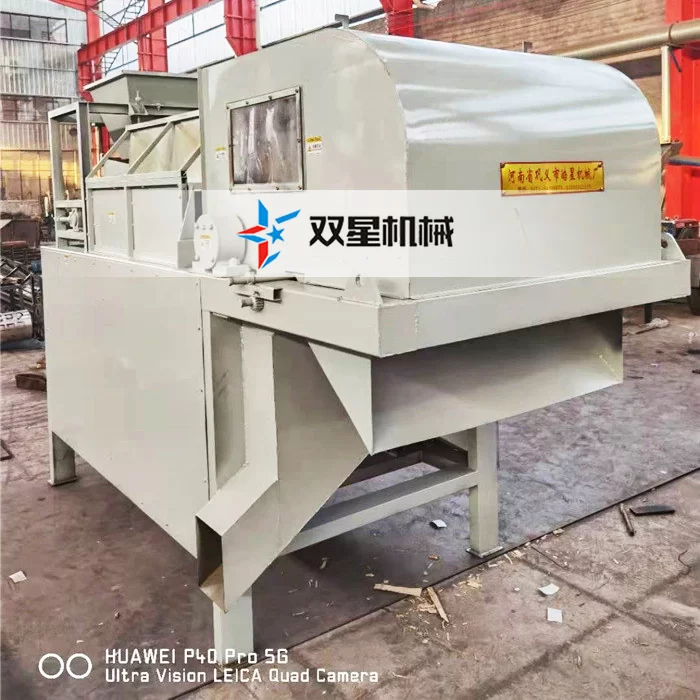
aluminum jumping separator
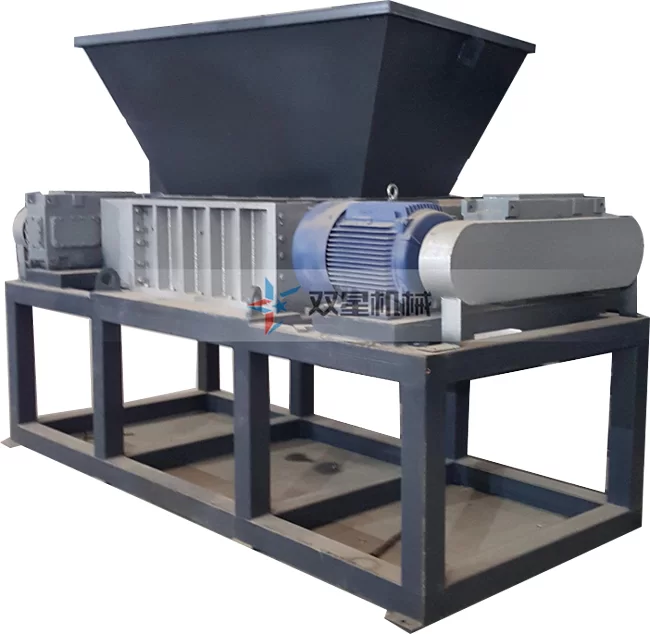
Scrap Aluminum Shredder
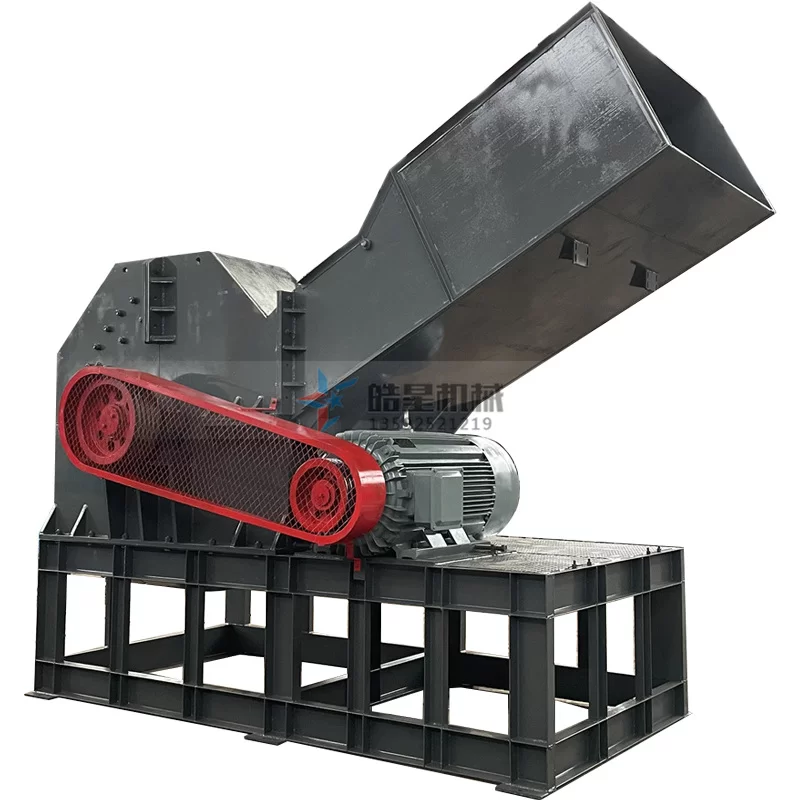
Aluminum Alloy Crusher