
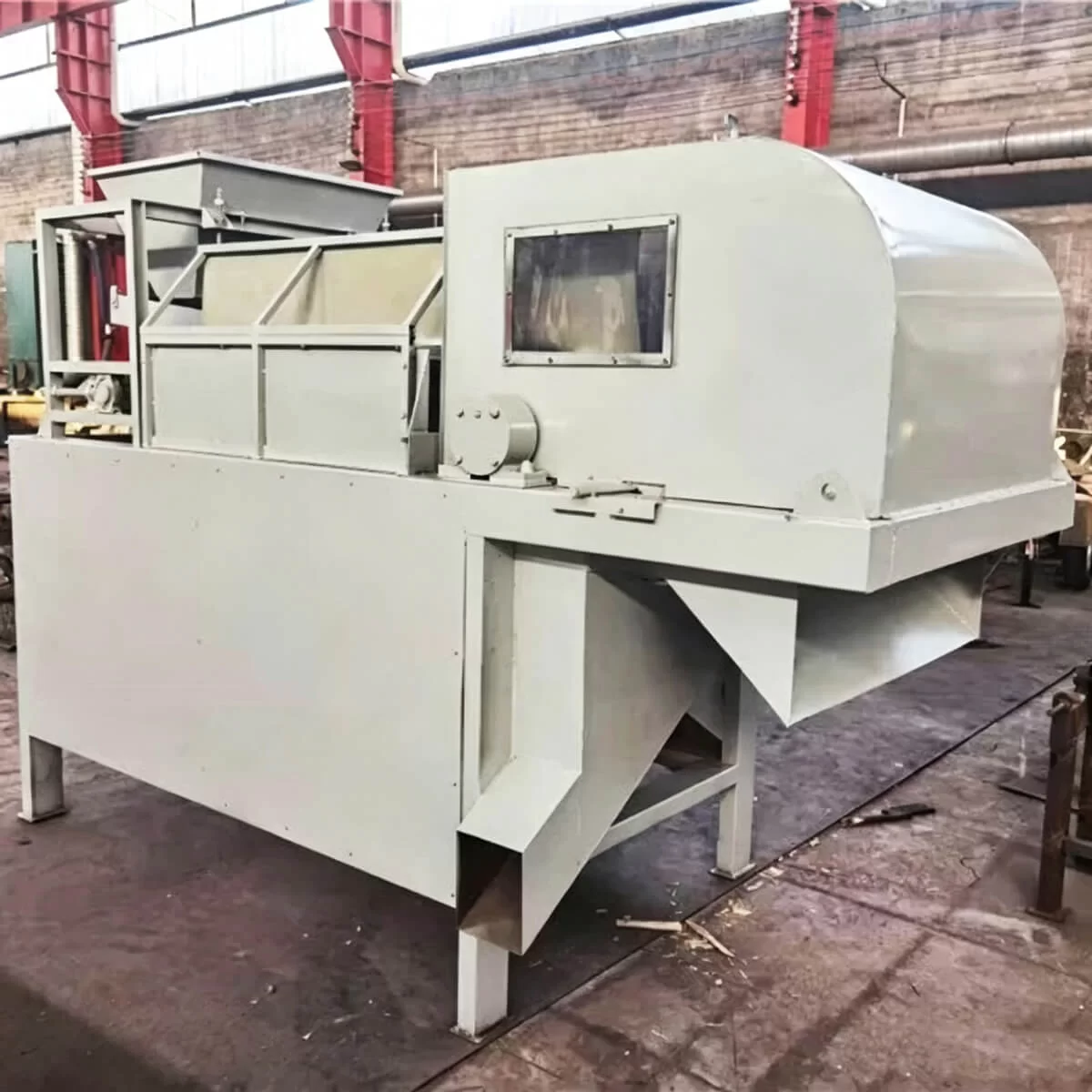
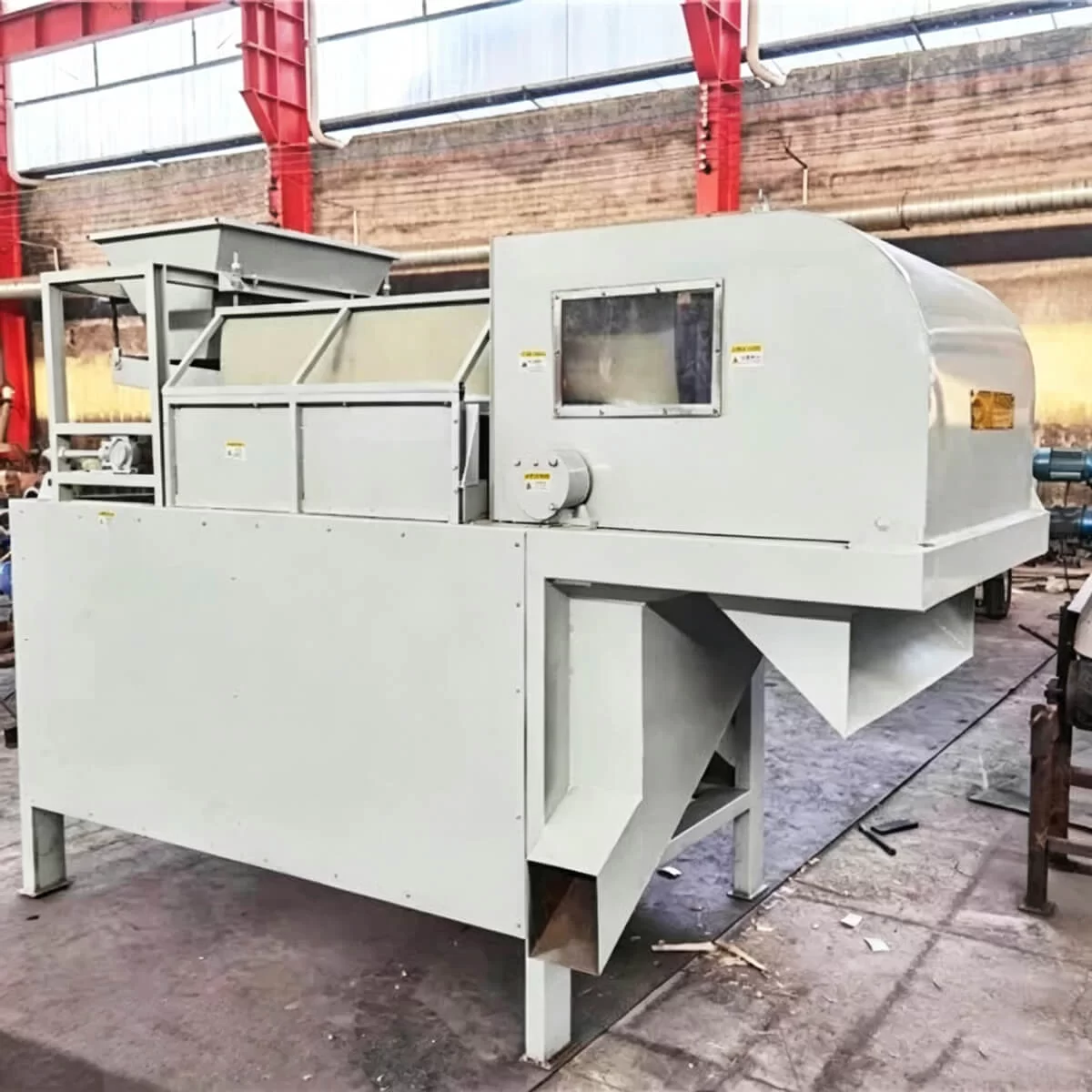
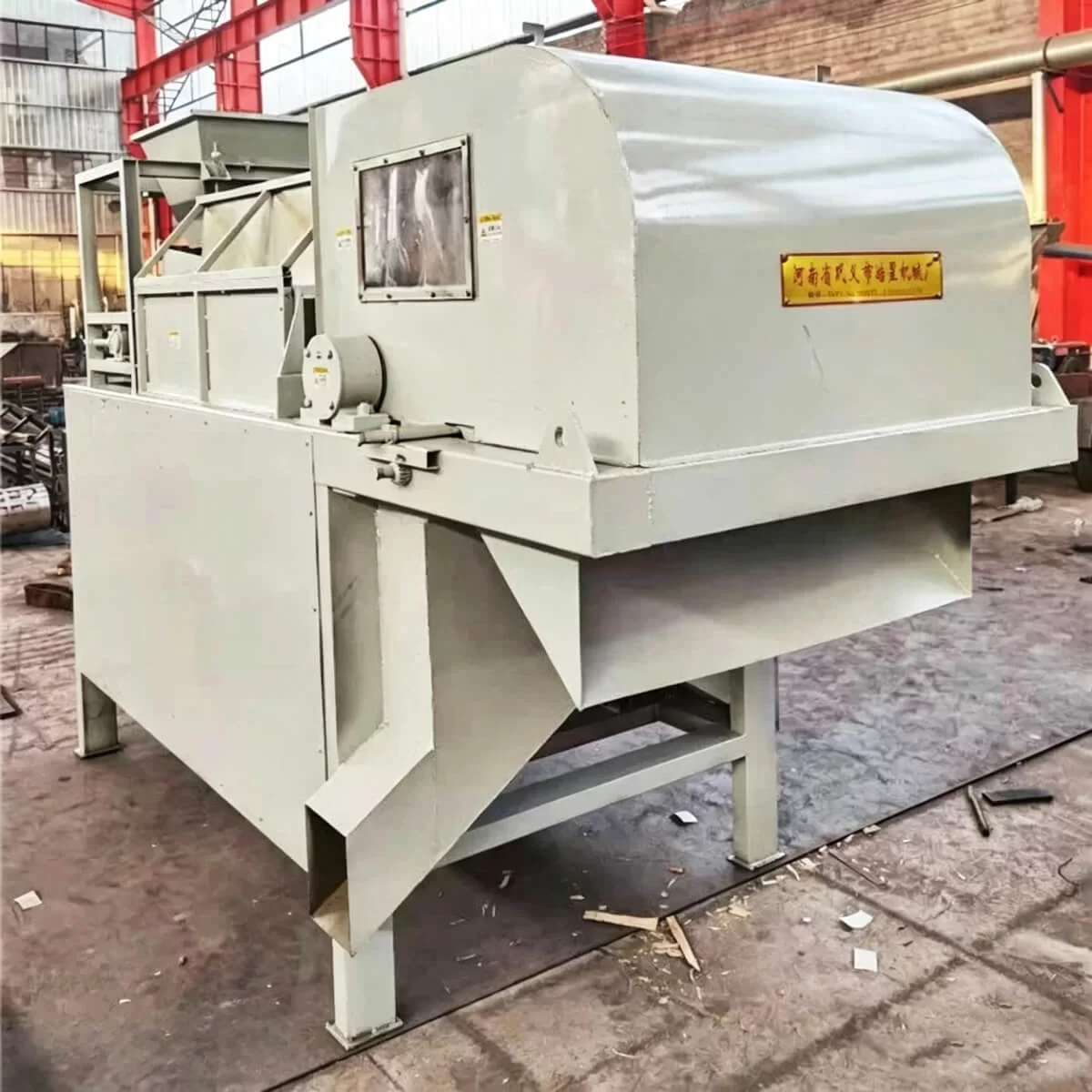
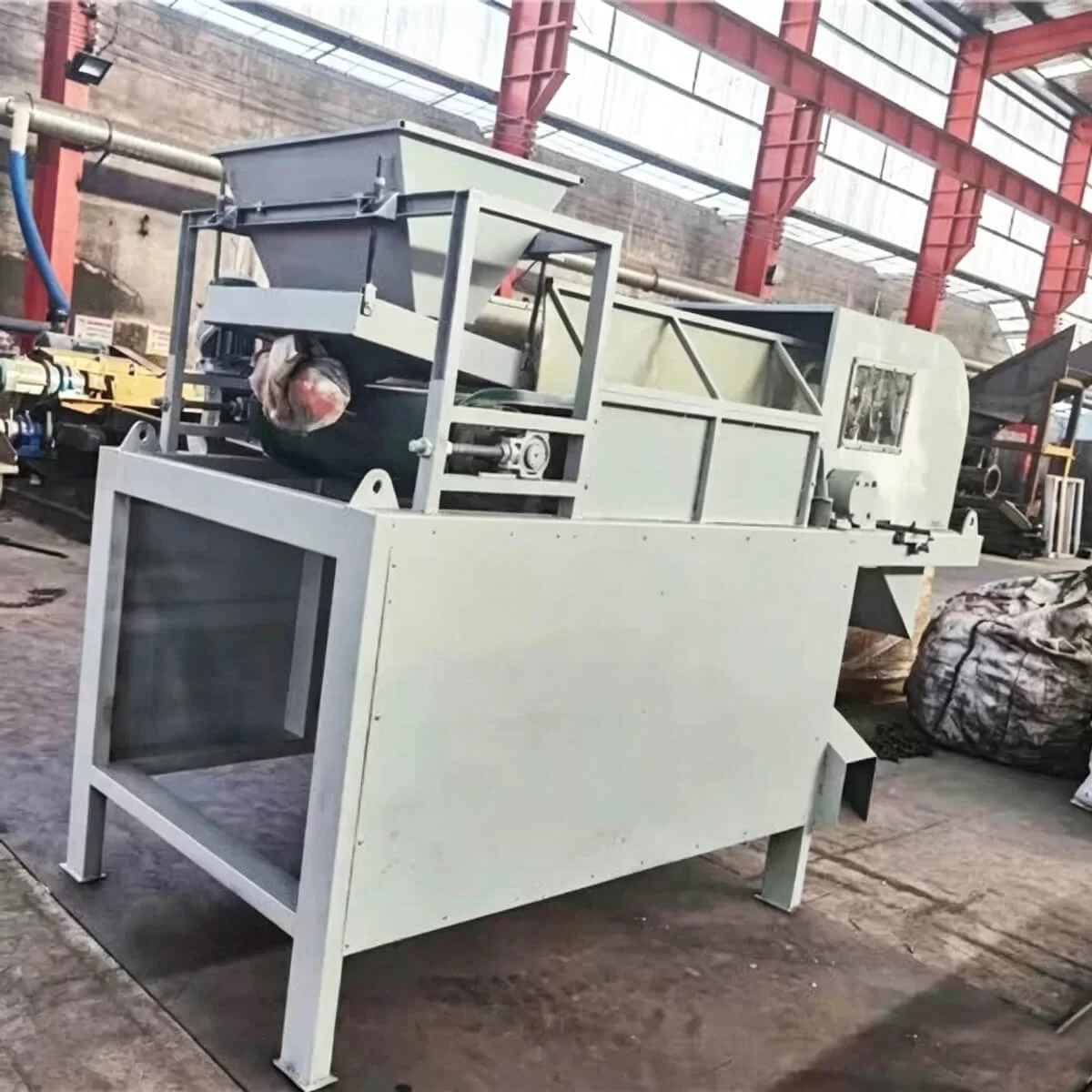
Q Is this an eddy current separator?
Yes. An eddy current separator can be installed in the production line to separate aluminum and other non-ferrous metals from mixed materials.
Applicable Materials: Various raw aluminum, cast aluminum, aluminum alloy broken bridge aluminum, aluminum profiles and other scrap aluminum
Key technical information for quick evaluation.
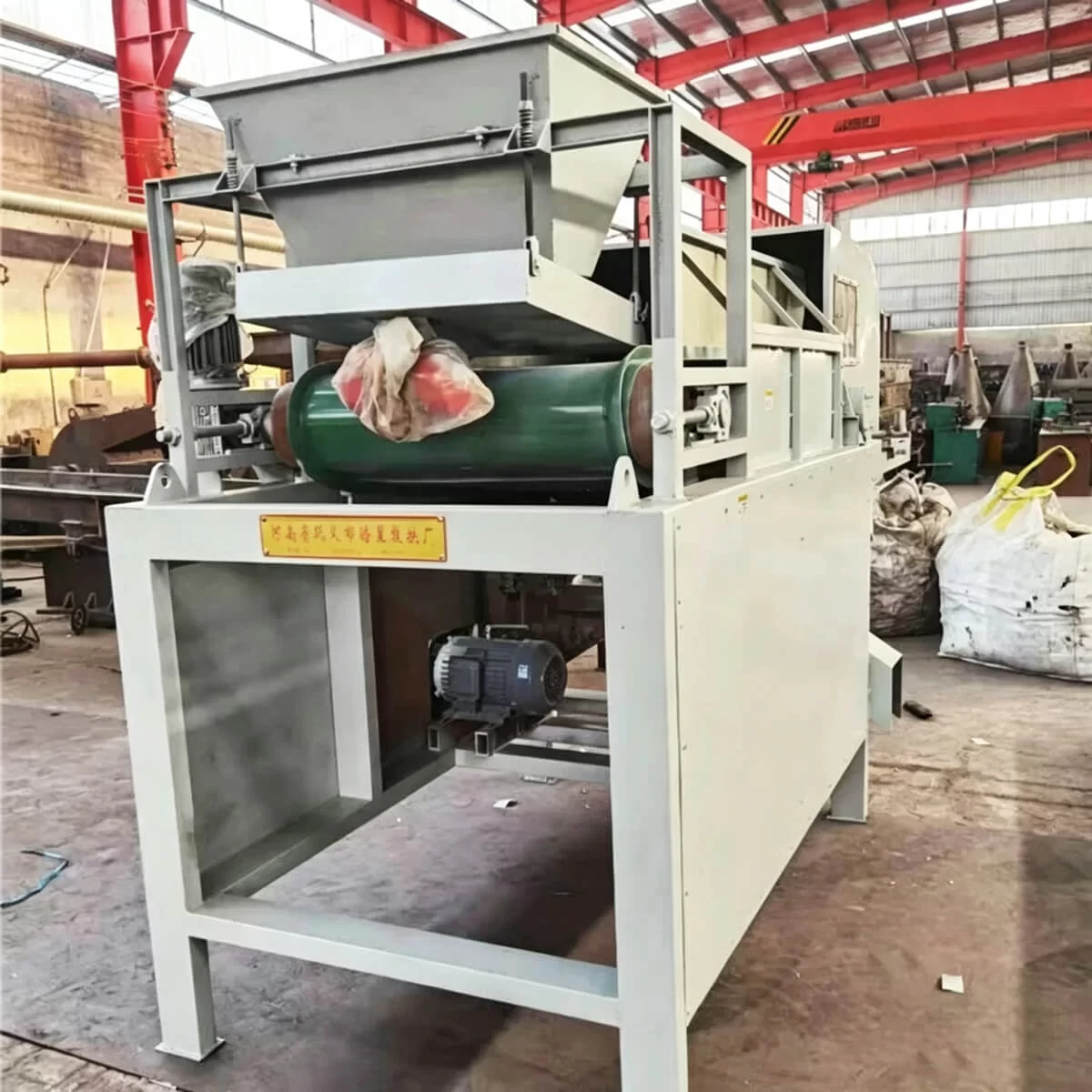
Haoxing Machinery's Eddy Current Separator, also widely known as an Aluminum Jumping Separator, Copper Aluminum Sorter, or Non-Ferrous Metal Separator, is a specialized system for efficiently recovering non-ferrous metals such as aluminum, aluminum alloys, cast aluminum, copper, and zinc from mixed waste streams. It excels at separating non-ferrous metals from non-metallic materials like plastics, rubber, paper, and glass, making it an indispensable component in scrap metal recycling, e-waste processing, automotive shredding, and industrial slag recovery operations.
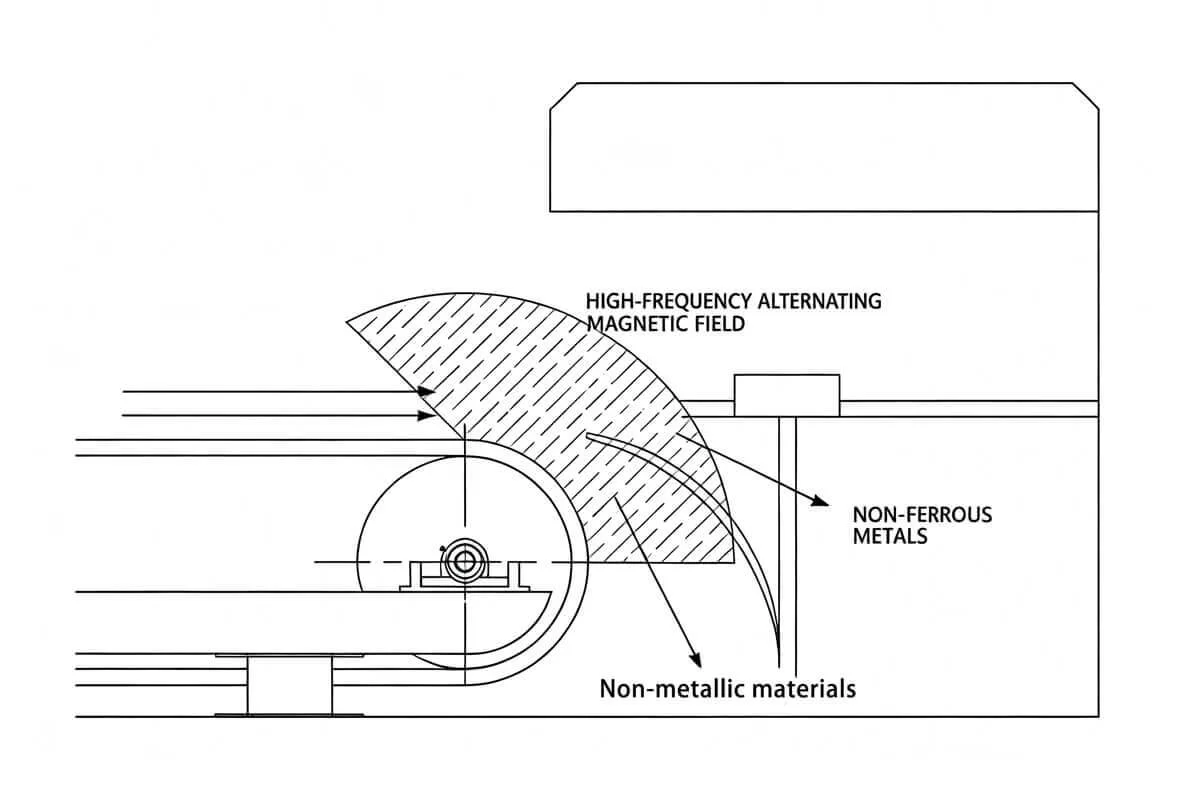
Illustration of the Working Principle of a Jumping Aluminum Machine:

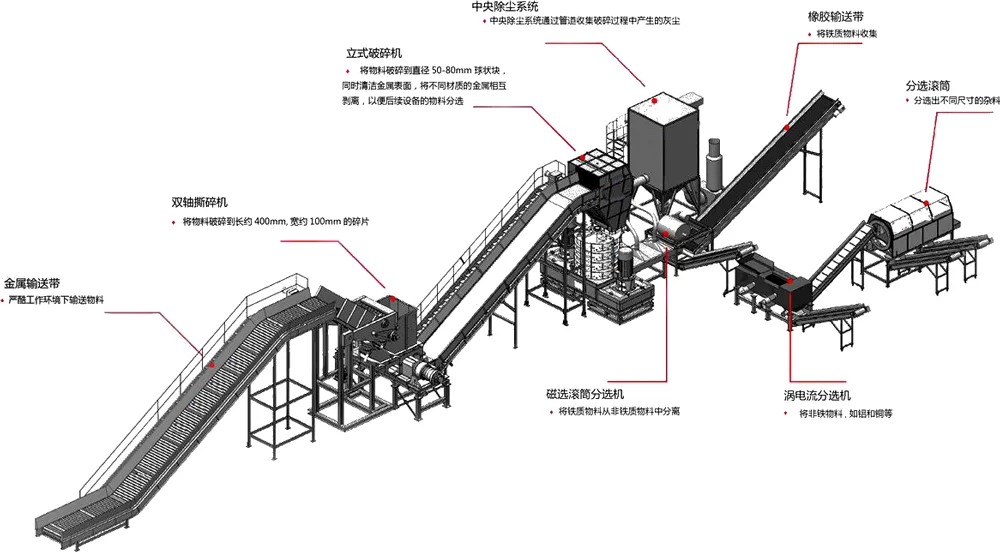
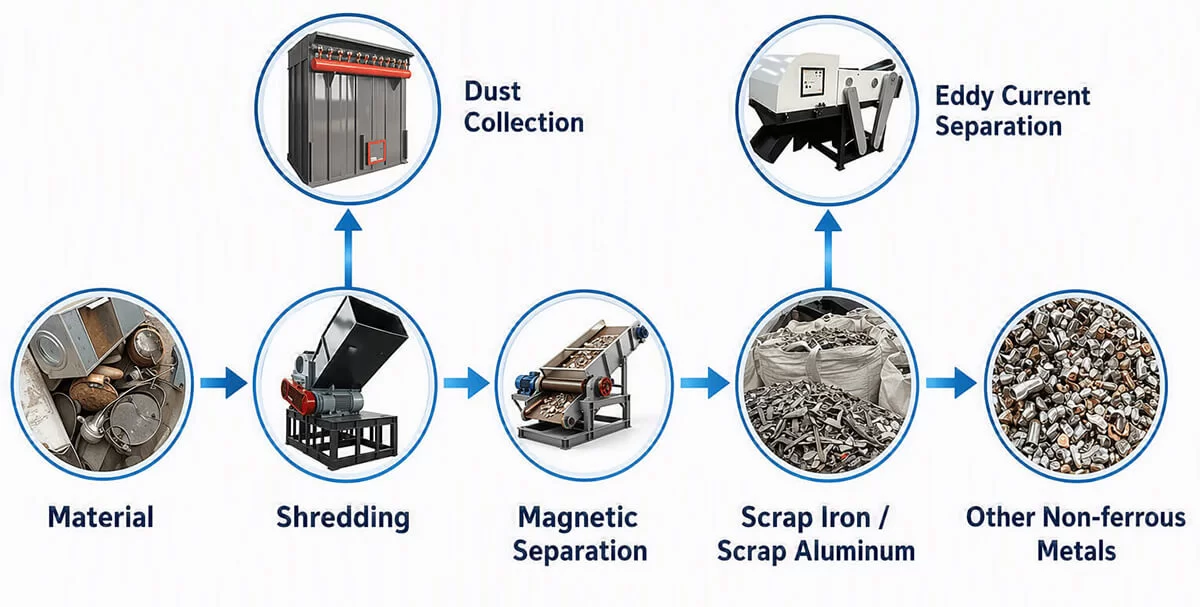
Schematic diagram of the aluminum jumping machine equipment production line:

Jumping aluminum machine work video display:
hxfx1000 model aluminum jumping machine customer on-site production video:
The Eddy Current Separator operates on the principle of electromagnetic induction via eddy currents:
High-Frequency Alternating Magnetic Field Generation: A high-speed rotating magnetic drum constructed from powerful permanent magnets (rare-earth neodymium) generates a rapidly alternating, high-intensity magnetic field on the drum surface.
Eddy Current Induction: When crushed mixed material passes over the magnetic drum on a belt conveyor, conductive non-ferrous metal particles (copper, aluminum, zinc, etc.) experience a changing magnetic flux, inducing eddy currents within the metal.
Repulsive Force & Separation: According to Lenz's Law, these induced eddy currents create their own magnetic field, which opposes the drum's magnetic field. The resulting repulsive force ejects the non-ferrous metal particles forward, away from the material stream, into a dedicated collection bin.
Non-Conductive Material Discharge: Non-conductive materials (plastics, rubber, wood, glass) are unaffected by the magnetic field and follow a natural trajectory off the end of the conveyor into a separate tailings chute, achieving fully automated non-ferrous metal separation.
| Application Area | Specific Material Description |
|---|---|
| Thermal Break Aluminum Recovery | Separation of aluminum from plastic/rubber in processed thermal break profiles. |
| Scrap Aluminum Sorting | Separation of metallic aluminum from non-metallic impurities in shredded scrap. |
| Aluminum Dross & Slag Processing | Recovery of aluminum and copper from aluminum dross, ash, foundry sand, and smelting slag. |
| Home Appliance Recycling | Extraction of copper and aluminum from shredded refrigerators, air conditioners, and washing machines. |
| Used Beverage Can (UBC) Recycling | Separation of aluminum flakes from plastic liners and coatings in crushed UBC material. |
| Automotive Shredder Residue (ASR) | Recovery of copper and aluminum from shredded wheels, engine blocks, and wire harnesses. |
| Tire & Rubber Recycling | Separation of aluminum strips from rubber in processed car door seals and tire shreds. |
Simple Operation, High Automation
Following initial shredding, material is fed automatically onto the separator. The unit automatically separates metals from non-metallics without manual intervention, drastically reducing labor requirements.
Wide Particle Size Range, Strong Adaptability
The equipment effectively processes a broad range of particle sizes, typically from 3mm to 100mm in diameter, accommodating various shredder output specifications.
Flexible Installation, Excellent System Integration
The compact design allows for easy installation and custom configuration. It seamlessly integrates with both new and existing crushing and sorting lines for straightforward upgrades.
Multiple Model Options for Diverse Needs
Models are available with belt widths ranging from 300mm to 1500mm, offering scalable throughput capacities to meet specific production and budgetary requirements.
High Recovery Value, Significant Economic Benefit
Efficiently recovers valuable non-ferrous metals from waste streams, reducing landfill disposal and generating additional revenue streams through the sale of recovered aluminum, copper, and zinc.
Parameter description diagram for Aluminum Jumping Separator | Aluminum Sorting Machine for Recycling Lines | Haoxing Machinery:
| 型号 | 适应产量m³/h | 分选滚筒直径mm | 磁鼓转速r/min | 分选筒转速r/min | 外形尺寸 长×宽×高 | 分选滚筒功率kw | 皮带传动功率kw | 重量kg |
| HBFX-40 | ≤4 | 320 | 50-2800 | 60-150 | 2885×1500×1695 | 4 | 1.1 | 1200 |
| HBFX-60 | ≤6 | 320 | 50-2800 | 60-150 | 2885×1700×1695 | 5.5 | 1.1 | 1350 |
| HBFX-80 | ≤8 | 320 | 50-2800 | 60-150 | 2950×1900×1695 | 5.5 | 1.5 | 1500 |
| HBFX-100 | ≤10 | 400 | 50-2800 | 60-150 | 2950×2100×1695 | 7.5 | 1.5 | 1900 |
| HBFX-120 | ≤12 | 400 | 50-2800 | 60-150 | 2950×2400×1695 | 7.5 | 1.5 | 2100 |
Find common questions about scrap metal crushers, shredders, recycling lines, equipment selection, capacity configuration and operation requirements.
Yes. An eddy current separator can be installed in the production line to separate aluminum and other non-ferrous metals from mixed materials.
Yes. Iron can be removed by a magnetic separator, and aluminum or other non-ferrous metals can be separated by an eddy current separator or other sorting equipment depending on the material mixture.
Yes. This equipment is used for mixed material separation and is commonly called an eddy current separator. Models are usually classified by belt width, processing capacity, material size, and separation accuracy.
Leave your question about material type, capacity, equipment model or recycling line configuration.
Send your email and tell us your material type, capacity requirement and site condition. Our team will provide equipment selection, technical specifications and quotation details.
We usually reply with equipment details and pricing information as soon as possible.