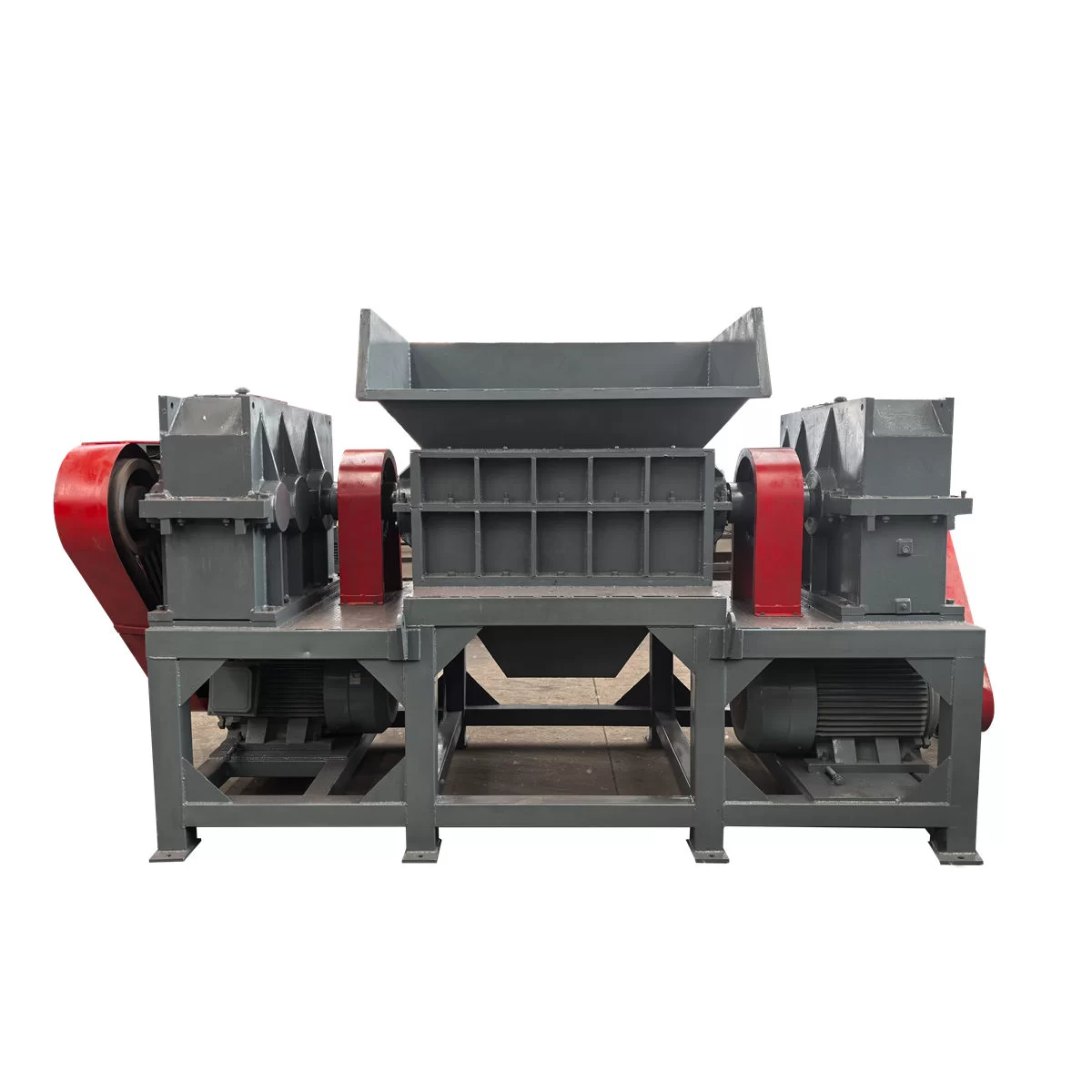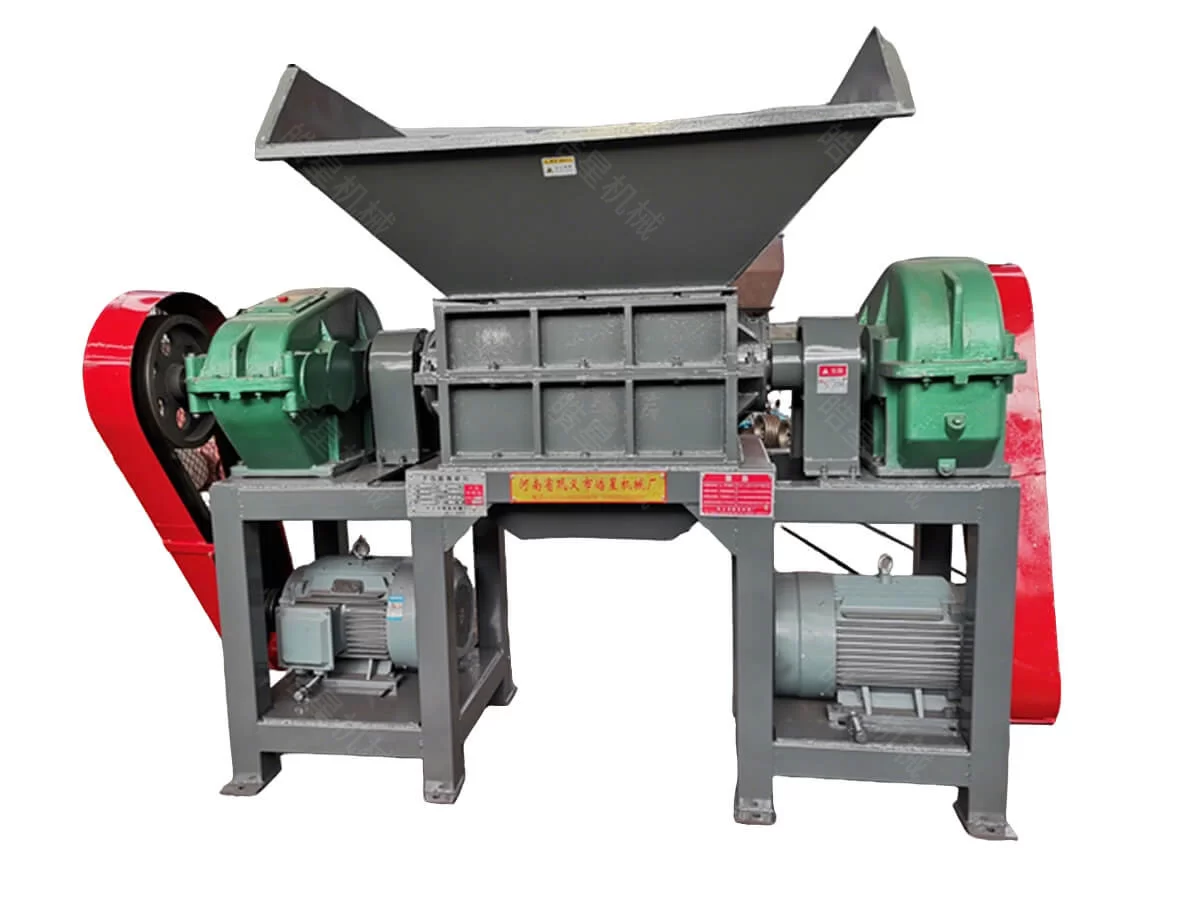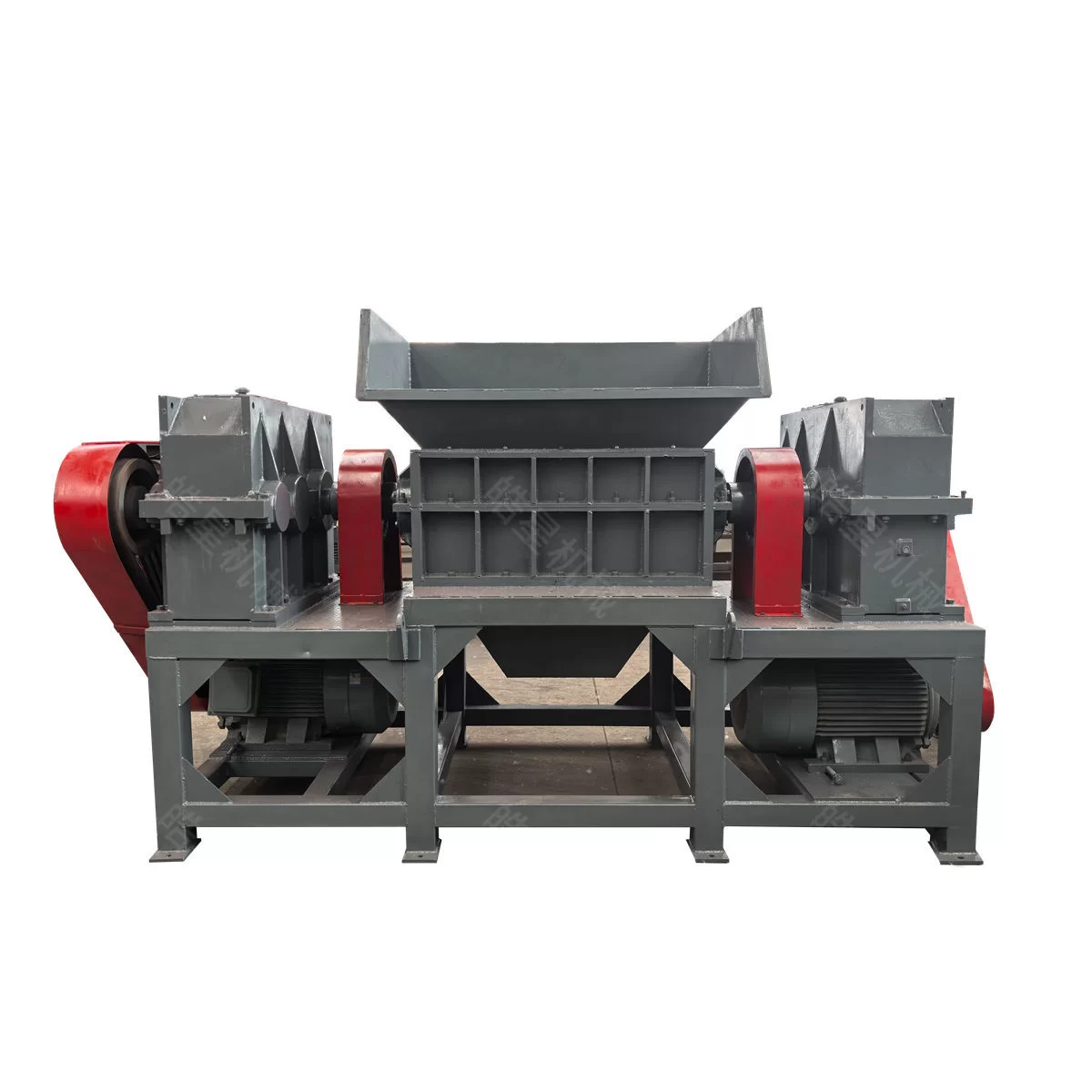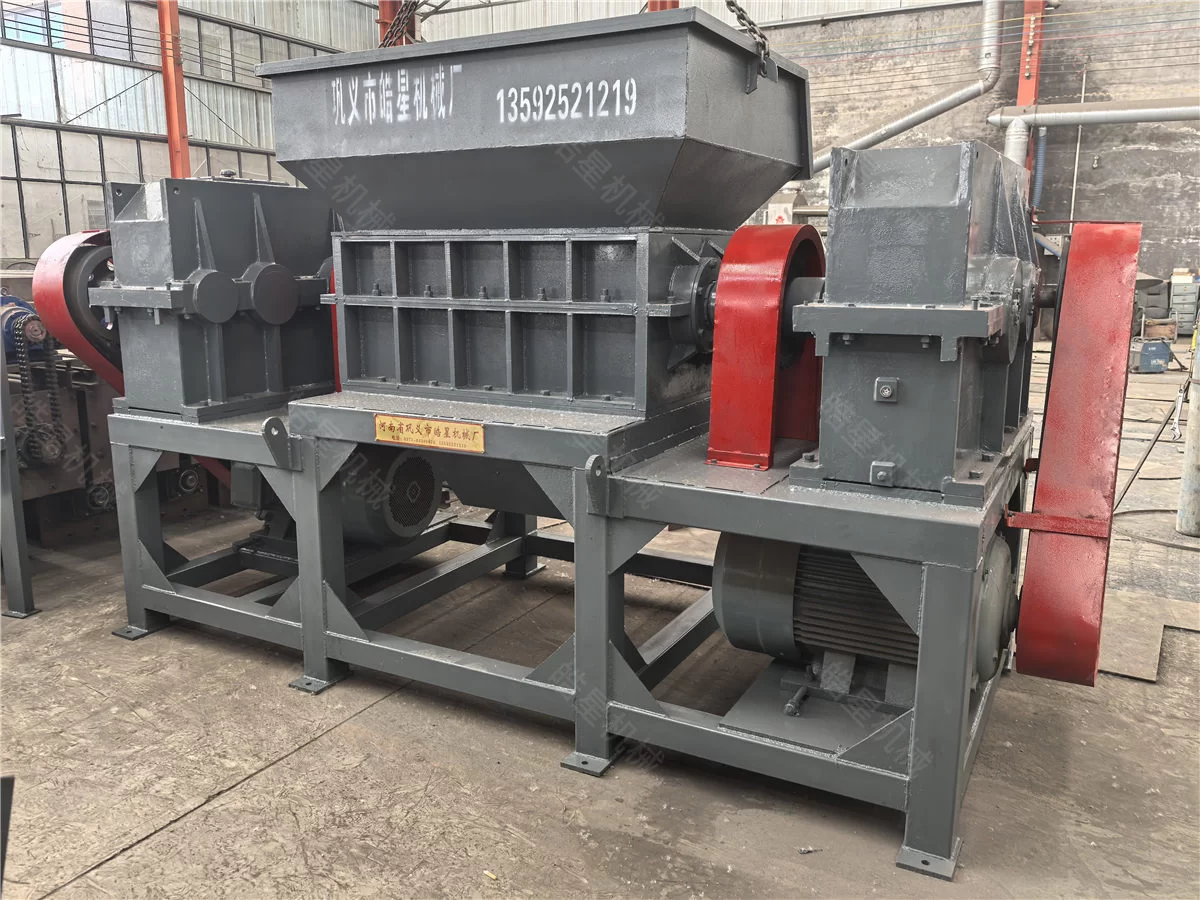
In the aluminum scrap recycling industry, many small to medium-sized yards face a critical question: For processing approximately 5 tons of aluminum scrap per day (including aluminum alloy profiles, thermal break windows, cast aluminum parts, and turnings), is it more cost-effective to invest in an aluminum shredder or to continue relying on manual dismantling? This article uses real-world operational data to calculate the total three-year costs of both approaches, providing a clear financial basis for your investment decision.

1. Basic Assumptions for Both Scenarios
Scenario A: Manual Dismantling
Method: Workers use hand tools (hammers, pry bars, angle grinders) to remove iron fittings, rubber gaskets, and plastic attachments from aluminum scrap, then sort materials manually.
Daily Throughput: 5 metric tons (requires a team of workers).
Labor Requirement: Each worker can dismantle approximately 0.8–1.2 tons per day. Processing 5 tons requires 4–6 workers.
Scenario B: Aluminum Shredder + Sorting System
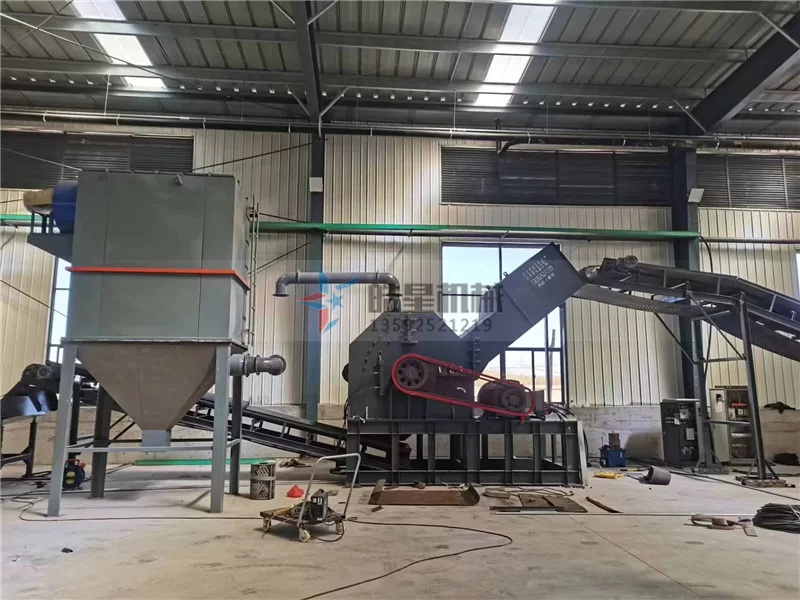
Method: Aluminum scrap is fed directly into a hammer mill shredder. The crushed material then passes through magnetic and eddy current separators, automatically isolating aluminum, iron, plastics, and rubber.
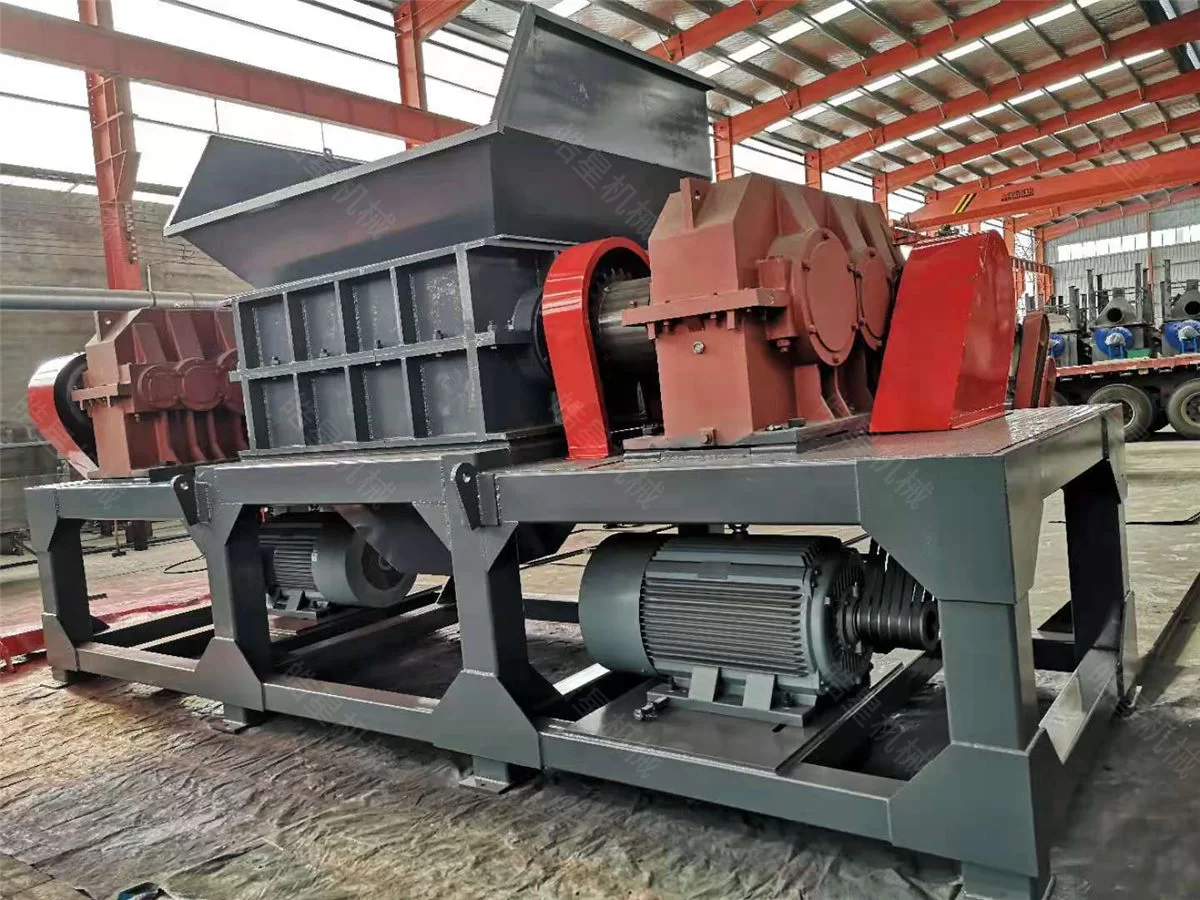
Equipment Configuration: One HX-AL800 aluminum shredder (37 kW main motor) + infeed conveyor + discharge conveyor + magnetic separator + eddy current separator.
Daily Throughput: 5 tons (The actual capacity is 3–6 tons per hour, so the system only needs to run 1–2 hours per day).
2. Initial Investment Comparison
Scenario A: Manual Dismantling Initial Costs
Manual dismantling requires almost no capital equipment, only basic tools.
| Item | Quantity | Unit Price (USD) | Total (USD) |
|---|---|---|---|
| Hand tools (hammers, chisels, pry bars) | 6 sets | $30 | $180 |
| Angle grinders (electric) | 2 units | $75 | $150 |
| PPE (gloves, goggles, etc. per year) | 6 sets | $45 | $270 |
| Total Initial Investment | ≈ $600 |
Scenario B: Aluminum Shredding Line Initial Investment
| Equipment | Specifications | Quantity | Unit Price (USD) | Total (USD) |
|---|---|---|---|---|
| Aluminum Shredder Main Unit | HX-AL800, 37 kW | 1 | $7,850 | $7,850 |
| Infeed Belt Conveyor | B650×6m, 3 kW | 1 | $1,150 | $1,150 |
| Discharge Belt Conveyor | B650×8m, 3 kW | 1 | $1,300 | $1,300 |
| Magnetic Separator | CX500, 2.2 kW | 1 | $1,700 | $1,700 |
| Eddy Current Separator | ECS600, 4 kW | 1 | $6,450 | $6,450 |
| Control Cabinet and Installation Materials | Standard package | 1 | $1,450 | $1,450 |
| Shipping and Commissioning | 1 | $1,150 | $1,150 | |
| Total Equipment Investment | $21,050 |
Note: Prices are estimated reference values for mid-range configurations. Actual quotes may vary based on manufacturer and specific options.
3. Annual Operating Cost Comparison (Based on 300 Working Days/Year)
3.1 Scenario A: Manual Dismantling Annual Operating Costs
| Cost Item | Calculation Basis | Annual Cost (USD) |
|---|---|---|
| Labor Wages | 5 workers × $700/month × 12 months | $42,000 |
| Benefits and Insurance | Estimated at 25% of wages | $10,500 |
| Electricity | Minimal power for angle grinders | $300 |
| Tool Wear and Replacement | Grinding discs, tool wear | $1,150 |
| Space Rental (Yard) | Manual dismantling requires larger sorting area | $3,450 |
| Total Annual Operating Cost | $57,400 |
3.2 Scenario B: Aluminum Shredder Annual Operating Costs
| Cost Item | Calculation Basis | Annual Cost (USD) |
|---|---|---|
| Electricity | Total ~46 kW, 1.5 h/day, $0.11/kWh | 46 × 1.5 × 300 × 0.11 = $2,280 |
| Labor Wages | 1 operator + 1 helper, $850/month × 2 × 12 | $20,400 |
| Benefits and Insurance | 25% of wages | $5,100 |
| Wear Parts Replacement | Hammers, screens, liners (annual average) | $3,600 |
| Routine Maintenance | Lubricants, bearings, belts | $1,150 |
| Space Rental (Yard) | Equipment footprint ~60 m² (much smaller) | $1,700 |
| Total Annual Operating Cost | $34,230 |
4. Revenue Difference Analysis
Beyond direct costs, the output value differs significantly between the two methods.
| Comparison Factor | Scenario A: Manual | Scenario B: Shredder |
|---|---|---|
| Aluminum Purity | Incomplete removal of rubber, iron residue | Magnetic + Eddy Current separation, purity ≥98% |
| Selling Price Difference | Lower purity reduces price by $30–$45/ton | Higher purity commands premium |
| Aluminum Recovery Rate | ~95%–97% (material loss) | ≥99% recovery |
| Annual Revenue Loss (5 t/day) | 5 × 300 × $35 = $52,500/year lost | Baseline (premium pricing) |
Key Finding: Using a shredder increases the selling price by at least $30–$45 per ton. For a yard processing 1,500 tons annually, this alone generates an additional $52,500+ in revenue.
5. Three-Year Total Cost Comparison (Bottom Line)
Combining initial investment, three years of operating costs, and revenue differences yields the following total cost comparison.
Scenario A: Manual Dismantling – 3-Year Total Expenditure
| Item | 3-Year Cumulative (USD) |
|---|---|
| Initial Tool Investment | $600 |
| 3-Year Operating Cost | $57,400 × 3 = $172,200 |
| Revenue Loss (Lower Selling Price) | $52,500 × 3 = $157,500 |
| 3-Year Total (Incl. Opportunity Cost) | $330,300 |
Scenario B: Aluminum Shredder – 3-Year Total Expenditure
| Item | 3-Year Cumulative (USD) |
|---|---|
| Initial Equipment Investment | $21,050 |
| 3-Year Operating Cost | $34,230 × 3 = $102,690 |
| Equipment Residual Value (After 3 Years) | Estimated 30% salvage value ≈ –$6,300 |
| 3-Year Total (Net of Salvage) | $117,440 |
6. Conclusion: Shredder Saves Over $210,000 in Three Years
| Comparison Metric | Scenario A: Manual | Scenario B: Shredder | Difference |
|---|---|---|---|
| Initial Investment | $600 | $21,050 | Shredder costs +$20,450 upfront |
| 3-Year Operating Cost | $172,200 | $102,690 | Shredder saves $69,510 |
| 3-Year Revenue Impact | –$157,500 (loss) | Baseline | Shredder gains $157,500 |
| 3-Year Net Advantage | – | – | Shredder saves $212,860 |
Final Verdict: For a yard processing 5 tons of aluminum scrap per day, investing in an aluminum shredder saves over $210,000 within three years. The payback period for the equipment is only 3–4 months when accounting for increased revenue. Even considering operating cost savings alone, payback is under one year.
7. Application Recommendations
| Scenario | Recommendation |
|---|---|
| Daily volume < 1 ton, limited capital | Manual dismantling may be acceptable temporarily, but plan to upgrade. |
| Daily volume 2–5 tons | Strongly recommend investing in an aluminum shredder. Short payback, significant profit improvement. |
| Daily volume > 5 tons | A shredding line is essential; manual labor cannot meet efficiency or cost targets. |
| Processing thermal break aluminum or high-contaminant scrap | Shredder + Eddy Current Separator is the only efficient solution. |
8. Keywords List
Primary Keywords:
aluminum shredder cost analysis
manual dismantling vs shredder comparison
5 tons per day aluminum scrap processing
aluminum recycling ROI
aluminum shredding line price
Secondary and Long-Tail Keywords:
aluminum shredder 3-year operating cost
is an aluminum shredder worth it
small aluminum recycling yard equipment investment
thermal break aluminum shredding cost analysis
aluminum shredder payback period
aluminum profile dismantling labor cost
shredded aluminum premium pricing
Parameter/Data Keywords:
HX-AL800 aluminum shredder
aluminum shredder 37 kW power consumption
eddy current separator ECS600
aluminum recovery rate 99%
shredded aluminum purity 98%
aluminum shredder 5 tons per day