How Bulk Density Changes After Shredding Aluminum Scrap Impact Freight Costs: A Detailed Cost Calculation
In the aluminum recycling business, every dollar spent on logistics directly eats into profit margins. One of the most effective yet often overlooked ways to slash transportation costs is shredding loose aluminum scrap before shipping. But how much money does it actually save? This article provides a data-driven analysis of bulk density changes before and after aluminum shredding, and calculates the exact freight savings per ton—so you can make informed decisions about whether investing in a shredder makes financial sense for your operation.
1. Understanding Bulk Density: Loose Scrap vs. Shredded Granules
Bulk density (also called apparent density) is the mass of a material divided by the total volume it occupies, including the air voids between pieces. It is typically measured in kg/m³ or lb/ft³. For shipping, bulk density directly determines how many tons you can fit into a standard truck or container.
Aluminum scrap comes in countless shapes and sizes—extrusions, turnings, castings, sheet, UBCs (used beverage cans), and bulky profiles. Each form has a drastically different bulk density.
1.1 Typical Bulk Density of Various Aluminum Scrap Forms (Unshredded)
| Aluminum Scrap Type | Typical Bulk Density (Unshredded) | Characteristics |
|---|---|---|
| Loose UBCs (Used Beverage Cans) | 45 – 70 kg/m³ | Extremely low density; mostly air. |
| Aluminum Turnings / Chips | 80 – 150 kg/m³ | Tangled, fluffy, and often oily. |
| Mixed Aluminum Extrusions (window/door frames) | 150 – 250 kg/m³ | Long, hollow profiles; significant void space. |
| Baled UBCs / Light Gauge Bales | 250 – 400 kg/m³ | Compressed but still contains air gaps. |
| Heavy Cast Aluminum (engine blocks, wheels) | 600 – 900 kg/m³ | Dense solid pieces; better packing. |
| Thermal Break Aluminum Profiles | 180 – 280 kg/m³ | Profiles with plastic strips; irregular shapes. |
Note: All values are approximate and vary based on piece size distribution and moisture content.
1.2 Bulk Density After Processing Through an Aluminum Shredder / Hammer Mill
When aluminum scrap is fed through a hammer mill shredder and screened to a uniform size (typically 5–20 mm), the material transforms into dense, free-flowing granules. The shredding process:
Eliminates hollow voids (e.g., tubes, cans).
Reduces long stringy turnings into compact chips.
Increases packing efficiency by creating uniform particle size distribution.
| Material Condition | Typical Bulk Density After Shredding | Density Increase Factor |
|---|---|---|
| Shredded UBCs / Light Gauge Scrap | 350 – 500 kg/m³ | 5x – 7x |
| Shredded Aluminum Turnings | 400 – 550 kg/m³ | 3x – 5x |
| Shredded Extrusions / Profiles | 500 – 700 kg/m³ | 2.5x – 3.5x |
| Shredded Mixed Cast / Heavy Scrap | 700 – 950 kg/m³ | 1.2x – 1.5x |
Key observation: The greatest freight savings come from processing low-density scrap like UBCs, turnings, and extrusions—exactly the materials that are most expensive to ship unshredded.
2. The Economics of Shipping: How Bulk Density Translates to Freight Cost Per Ton
Trucks and shipping containers have a fixed volume capacity, but they are billed based on the greater of actual weight or dimensional weight. For low-density aluminum scrap, the limiting factor is almost always volume—you "cube out" long before you hit the weight limit.
2.1 Standard Transport Capacities Used in This Calculation
| Transport Mode | Internal Volume | Max Payload (Weight Limit) |
|---|---|---|
| 40' High Cube Shipping Container | ~76 m³ | ~26,500 kg (26.5 metric tons) |
| 53' Walking Floor Trailer (Bulk Haul) | ~110 m³ | ~22,000 – 24,000 kg (varies by axle) |
| Standard 20' Container | ~33 m³ | ~21,000 kg |
2.2 Case Study: Shipping Loose UBCs vs. Shredded UBCs in a 40' HC Container
Let's calculate the real-world impact using a typical export scenario: shipping aluminum scrap from a recycling yard to a port, then via container to a smelter.
Scenario A: Loose (Unshredded) UBCs
Bulk Density: 60 kg/m³
Container Volume: 76 m³
Total Weight Loaded: 76 m³ × 60 kg/m³ = 4,560 kg (4.56 metric tons)
Container Weight Capacity Remaining: 26,500 kg – 4,560 kg = 21,940 kg wasted (shipping air!)
Scenario B: Shredded UBCs
Bulk Density After Shredding: 450 kg/m³
Container Volume: 76 m³
Total Weight Loaded: 76 m³ × 450 kg/m³ = 34,200 kg
Note: Weight exceeds the 26.5 ton limit, so the container is filled to its weight capacity of 26,500 kg, using only ~59 m³ of space.
2.3 Freight Cost Calculation (Based on Typical 2025 Spot Rates)
Assume an inland truck haul (50 miles) plus ocean freight to a major destination. For simplicity, we'll use a combined door-to-door rate of $1,800 USD per 40' HC container (typical for many routes).
| Metric | Loose UBCs | Shredded UBCs | Difference |
|---|---|---|---|
| Weight Shipped per Container | 4,560 kg (4.56 t) | 26,500 kg (26.5 t) | +21,940 kg |
| Total Freight Cost per Container | $1,800 | $1,800 | $0 |
| Freight Cost per Metric Ton | $394.74 / ton | $67.92 / ton | –$326.82 / ton |
| Freight Cost for 100 Tons Shipped | $39,474 (22 containers) | $6,792 (4 containers) | Saves $32,682 |
Result: Shredding UBCs reduces per-ton freight costs by 83%. For every 100 tons shipped, the recycler saves over $32,000.
3. Comparative Analysis: Freight Savings by Scrap Type
The table below summarizes the per-ton freight cost for various aluminum scrap types, assuming the same $1,800/container rate and 40' HC dimensions. This illustrates which materials benefit most from pre-shredding.
| Aluminum Scrap Type | Unshredded Density (kg/m³) | Tons per Container (Unshredded) | Freight Cost per Ton (Unshredded) | Shredded Density (kg/m³) | Tons per Container (Shredded)* | Freight Cost per Ton (Shredded) | Savings per Ton |
|---|---|---|---|---|---|---|---|
| Loose UBCs | 60 | 4.56 t | $394.74 | 450 | 26.5 t* | $67.92 | $326.82 |
| Aluminum Turnings | 120 | 9.12 t | $197.37 | 480 | 26.5 t* | $67.92 | $129.45 |
| Mixed Extrusions | 200 | 15.2 t | $118.42 | 600 | 26.5 t* | $67.92 | $50.50 |
| Baled UBCs | 350 | 26.5 t* | $67.92 | 500 | 26.5 t* | $67.92 | $0 (but shredding enables better sorting and purity) |
| Heavy Cast Aluminum | 800 | 26.5 t* | $67.92 | 850 | 26.5 t* | $67.92 | $0 (shredding for sizing, not density) |
*Indicates container is limited by weight capacity (26.5 t) rather than volume.
4. Additional Economic Benefits Beyond Freight
While freight savings are the most immediate benefit, increased bulk density from shredding provides several ancillary financial advantages:
| Benefit | Description | Estimated Value Impact |
|---|---|---|
| Reduced On-Site Storage Footprint | Shredded material occupies 70–85% less yard space. | Lowers land cost or frees space for additional inventory. |
| Faster Loading/Unloading | Free-flowing granules can be conveyed or dumped, unlike tangled scrap. | Cuts labor hours by 50–70%. |
| Improved Smelter Yield | Uniform size and higher density improve furnace charging efficiency. | Reduces melt loss by 1–3%. |
| Higher Material Value | Shredded, clean aluminum often commands a premium over loose, dirty scrap. | Price increase of $30–$80/ton. |
5. Practical Example: Payback Period on a Shredder Investment
Consider a mid-sized recycling yard processing 2,000 tons per year of mixed extrusions and UBCs. Based on the data above, let's calculate the payback on a small shredding system.
Annual Freight Savings (Mixed Extrusions & UBCs average):
Assumed average savings: $150/ton (weighted average from table above).
Total annual savings: 2,000 tons × $150/ton = $300,000.
Equipment Investment:
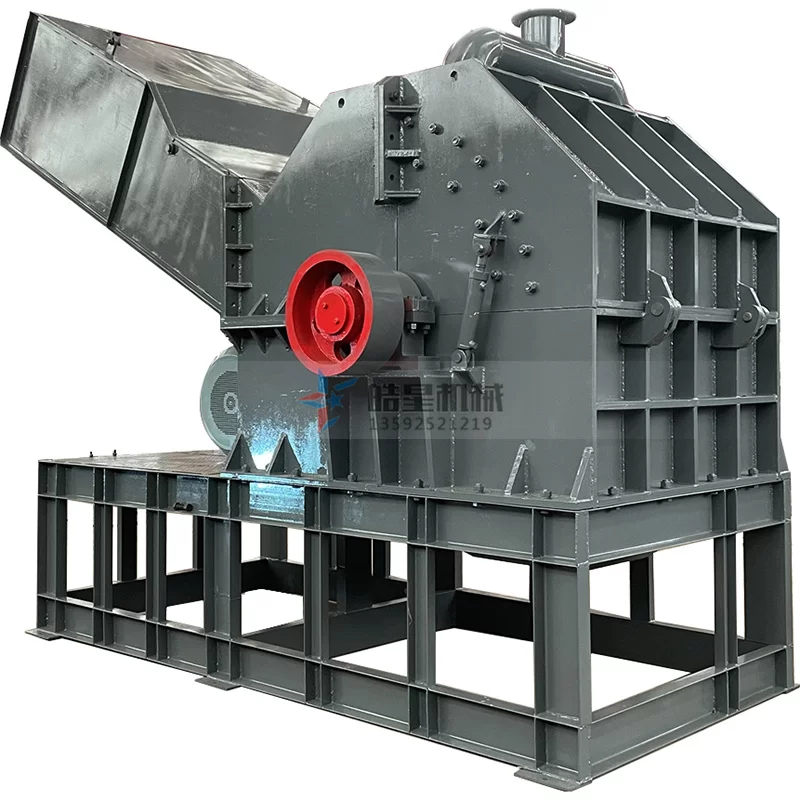
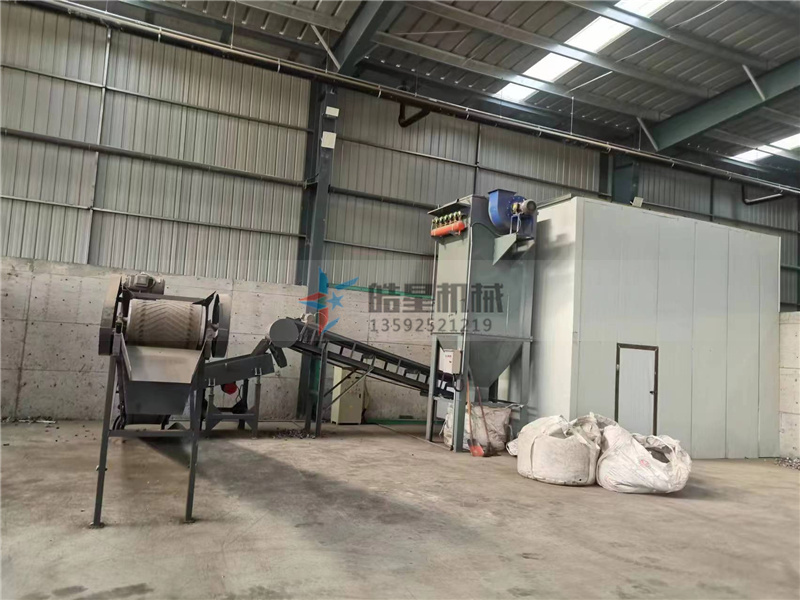
Aluminum shredder (e.g., HX-AL800, 37–45 kW) + infeed/outfeed conveyors + magnetic separator.
Estimated installed cost: $45,000 – $70,000.
Payback Period: Less than 3–4 months based on freight savings alone. When factoring in premium pricing for shredded clean material, payback can be under 2 months.
6. Best Practices for Maximizing Freight Efficiency
Screen to Optimal Size: A particle size of 10–20 mm provides the best balance of bulk density and processing cost. Finer grinding increases density only marginally but raises energy consumption significantly.
Remove Ferrous Contaminants: Iron and steel increase weight without adding aluminum value, inflating freight costs for non-revenue material.
Consider Briquetting for Turnings: For aluminum turnings with high oil content, briquetting after shredding can achieve densities of 1,800–2,200 kg/m³, effectively eliminating all void space and further reducing freight costs.
Optimize Container Loading: Use vibratory feeders or tamping during loading to settle shredded material, gaining an extra 5–10% weight per container.
7. Conclusion
The data is clear: shredding aluminum scrap before shipping transforms the economics of logistics. For low-density materials like UBCs and turnings, freight costs per ton can drop by 80% or more—turning a marginal shipment into a highly profitable one. For recyclers handling even modest volumes, the payback period on a shredder is measured in months, not years. Beyond freight, the benefits of reduced storage space, faster handling, and improved smelter acceptance make shredding an essential step in any professional aluminum recycling operation.
Keywords List for This Article
Primary Keywords:
aluminum scrap bulk density
shredded aluminum freight cost
aluminum shredding transportation savings
aluminum recycling logistics
UBC density before and after shredding
Secondary & Long-Tail Keywords:
aluminum scrap density kg/m³
how much does shredding reduce shipping cost
loose vs shredded aluminum freight comparison
aluminum turnings bulk density
40ft container aluminum scrap capacity
aluminum shredder payback period
freight cost per ton aluminum scrap
aluminum extrusion scrap density
shredded UBC bulk density
aluminum briquetting density
aluminum scrap volume to weight conversion
how many tons of shredded aluminum fit in a container
Parameter/Data Keywords:
aluminum bulk density 60 kg/m³
shredded aluminum density 450 kg/m³
76 m³ container volume
26.5 ton container weight limit
$1,800 container freight rate
aluminum shredder HX-AL800
briquetting density 2000 kg/m³
freight savings $326 per ton UBC
This article was edited by Liu Peipei from the Promotion Department of the Gongyi Haoxing Machinery Factory Online Department, based on actual tests conducted on 2026-04-02. If quoted, please indicate the source.
Related equipment
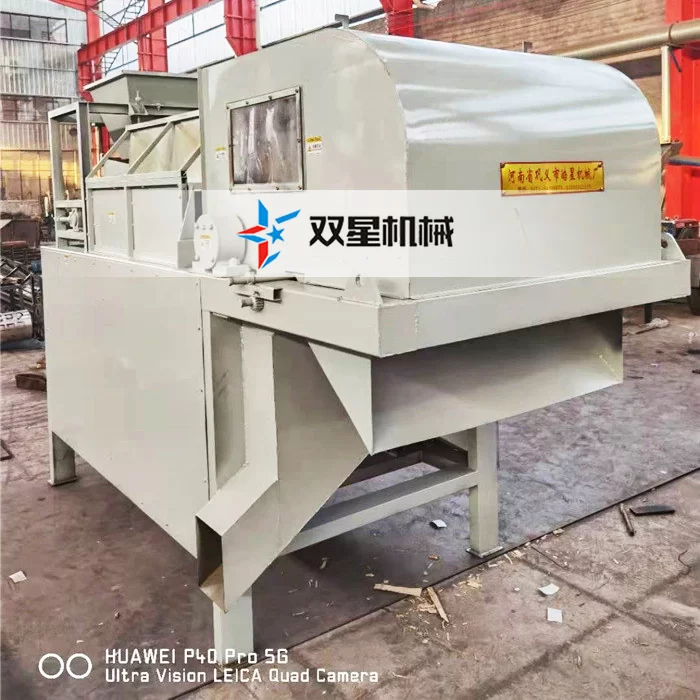
aluminum jumping separator
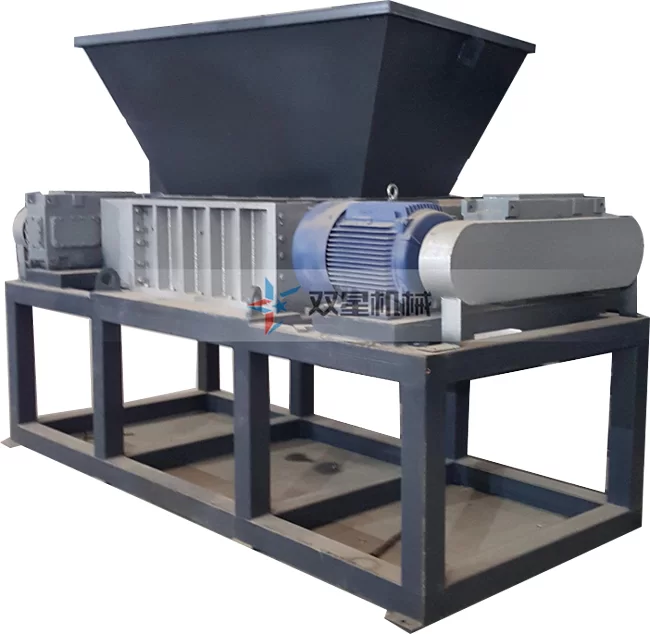
Scrap Aluminum Shredder
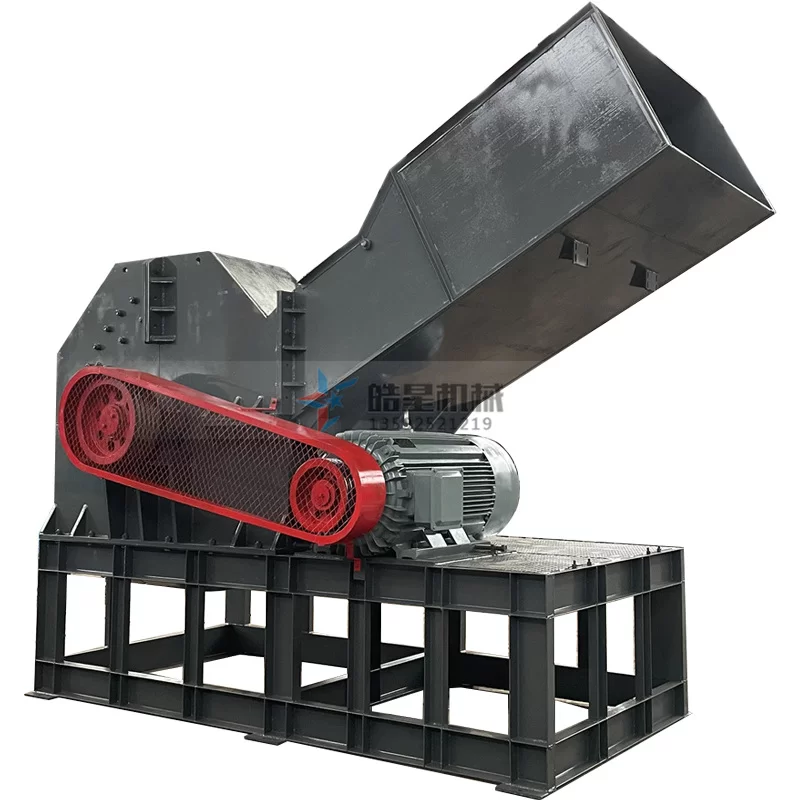
Aluminum Alloy Crusher