Project Overview
On May 15, 2026, four customers from Kolkata, India visited Haoxing factory for waste motor recycling line testing. They discussed waste motor shaft processing, copper and iron separation, production line workflow, noise control, dust removal and complete recycling solutions with the technical team.
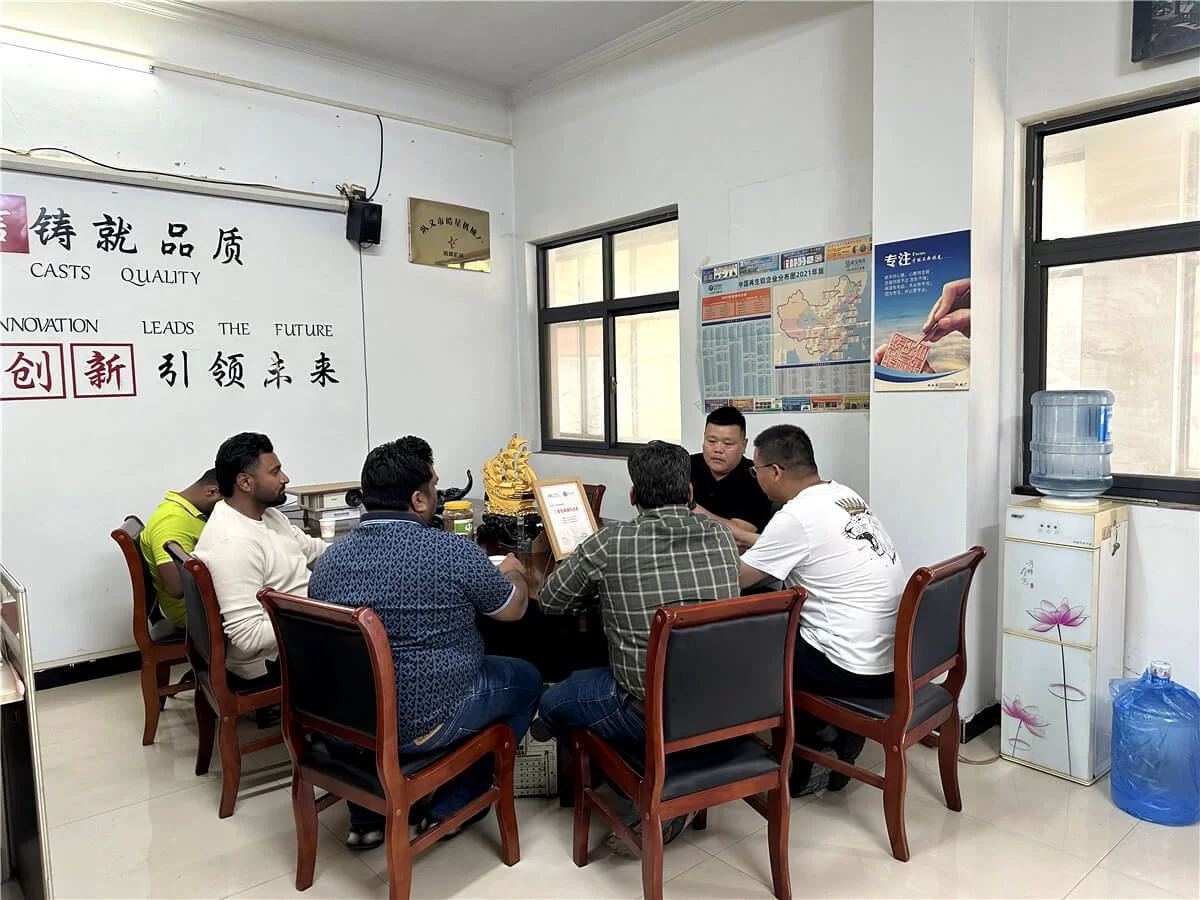
On May 15, 2026, four customers from Kolkata, India visited Haoxing factory to inspect waste motor recycling equipment and discuss a complete processing solution for different types and sizes of scrap electric motors. The customers are engaged in metal recycling and wanted to improve their current waste motor dismantling and separation method.
Before the visit, the customers sent many videos of their local waste motor materials to our team for reference. These videos showed different sizes of used electric motors, motor rotors, stators, iron shells, copper winding parts and mixed motor scrap collected from recycling yards. Some motors were small and regular, while others had heavy shells, thick shafts and tightly wound copper coils.
Based on these materials, the main purpose of this visit was to understand how waste motors can be processed more efficiently, how the motor shaft should be handled, how copper and iron can be separated, and what kind of production line process would be more suitable for their recycling yard.
Customers from Kolkata Brought Real Material Questions
The four Indian customers were very practical during the visit. They did not only ask about machine models or production capacity, but focused more on whether the complete recycling process could match their real materials.
Their main concerns included:
How to process waste electric motors of different sizes
How to deal with thick motor shafts
What size of motors can be directly crushed and separated
What size of motors need manual cutting or dismantling first
Whether copper and iron can be separated cleanly
Whether magnetic separation is enough for their materials
How much manual sorting is needed after machine processing
How to control noise during crushing and separation
Whether dust collection equipment is necessary
How to arrange the whole production line in their workshop
The customers explained that their scrap motors in Kolkata are mixed in size and structure. Some small motors come from household appliances and small machines, while some larger motors come from industrial equipment. Because of this, they needed a flexible solution instead of a single machine recommendation.
Factory Workshop Visit and Equipment Inspection
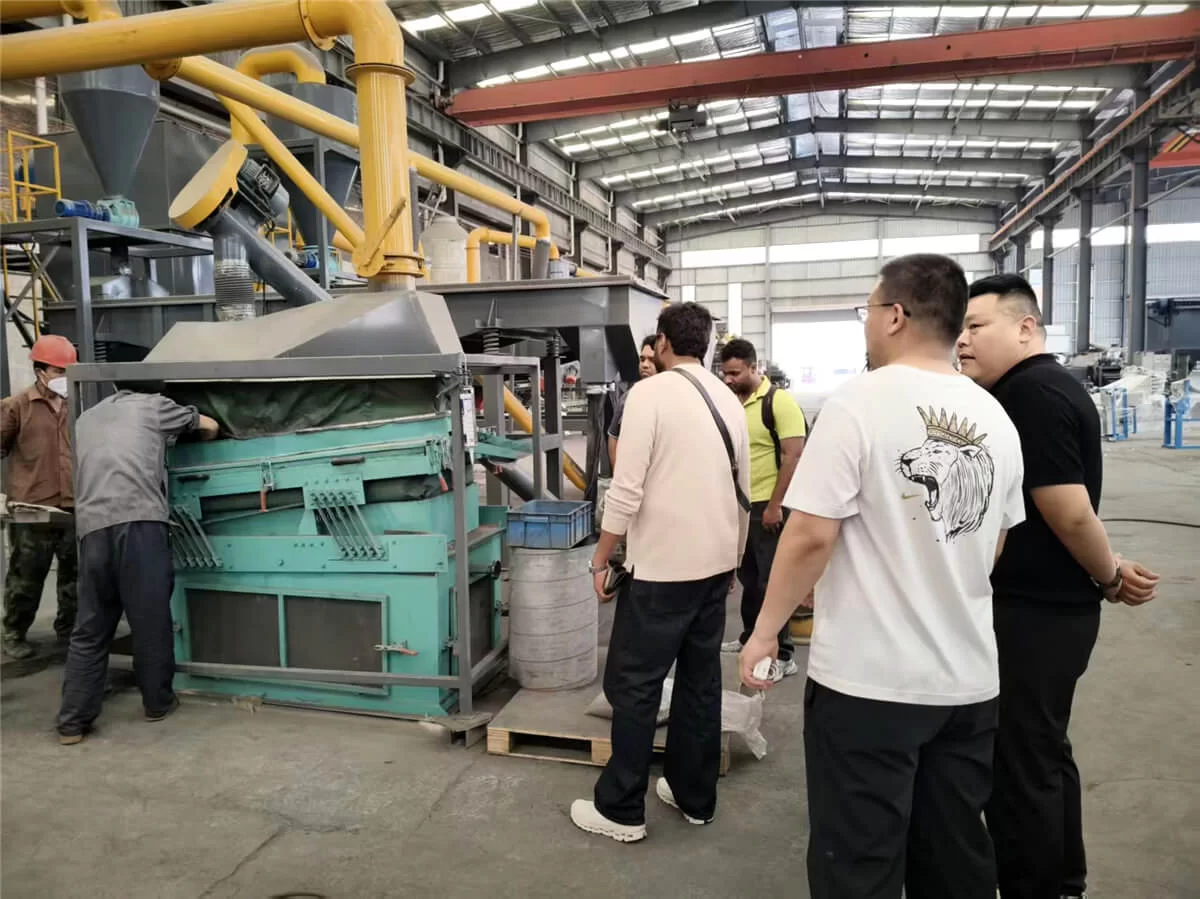
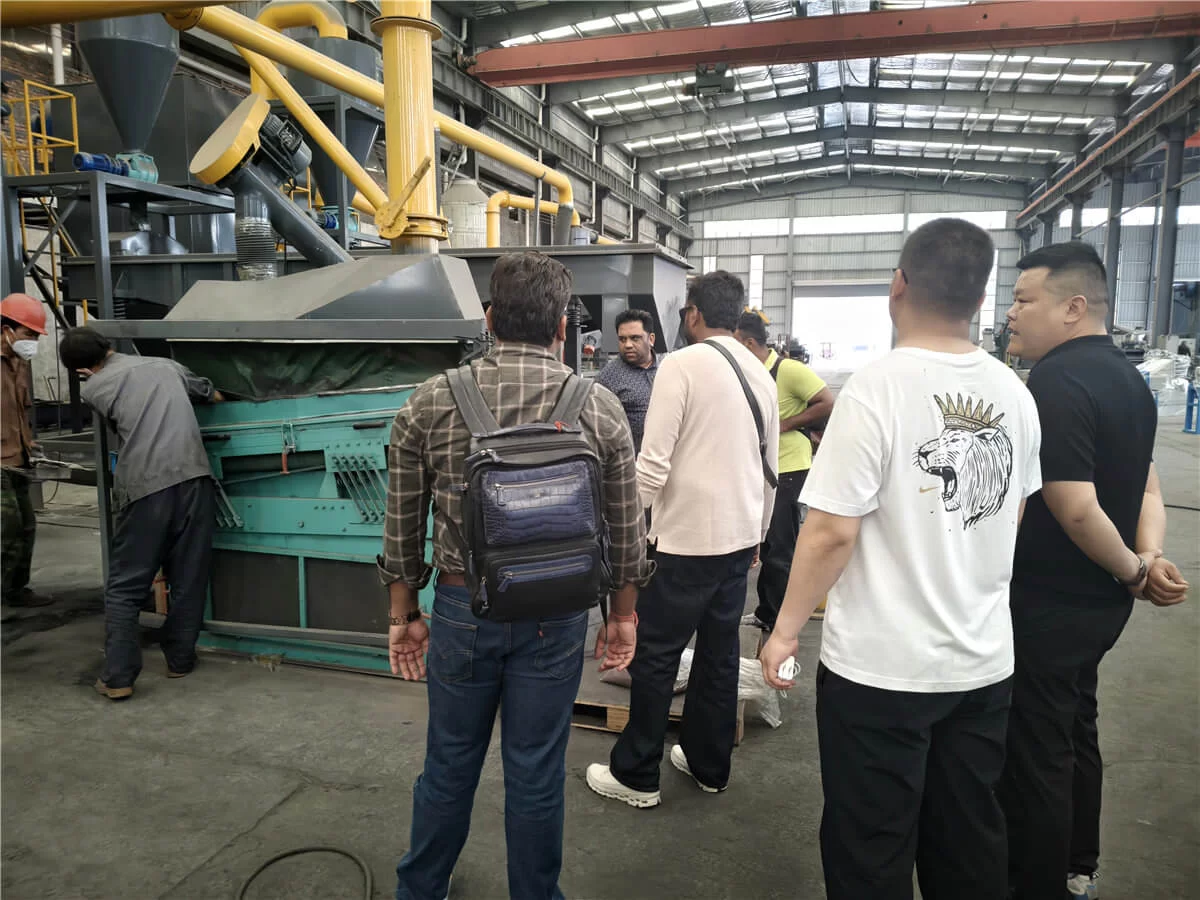
After arriving at the factory, the customers first visited the equipment manufacturing workshop. They checked the machine frame, welding quality, crushing chamber, rotor structure, wearing parts, feeding system, discharge device, magnetic separation area and electric control cabinet.
The customers paid close attention to the strength of the machine body because waste motor recycling requires higher impact force than processing light scrap materials. They also checked the maintenance space around the equipment and asked how to replace wearing parts during long-term operation.
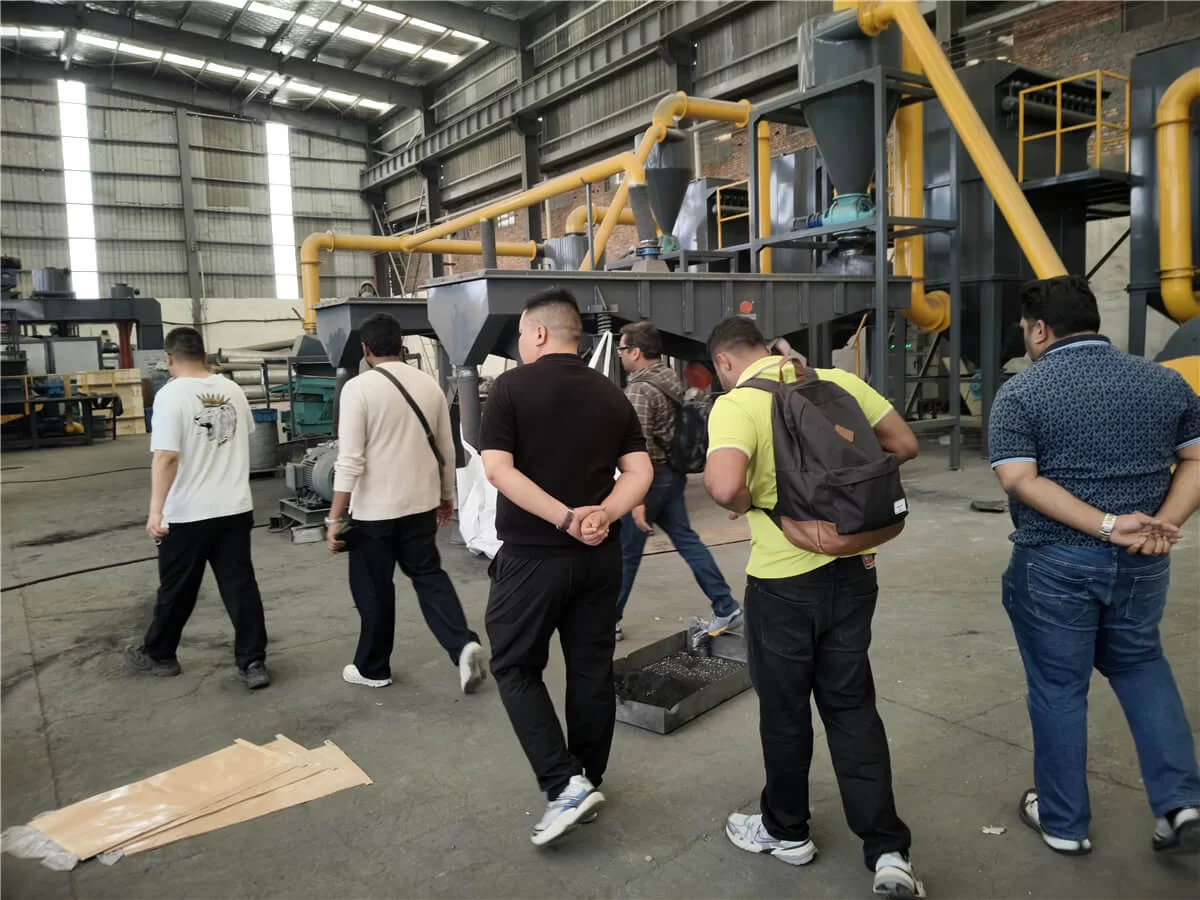
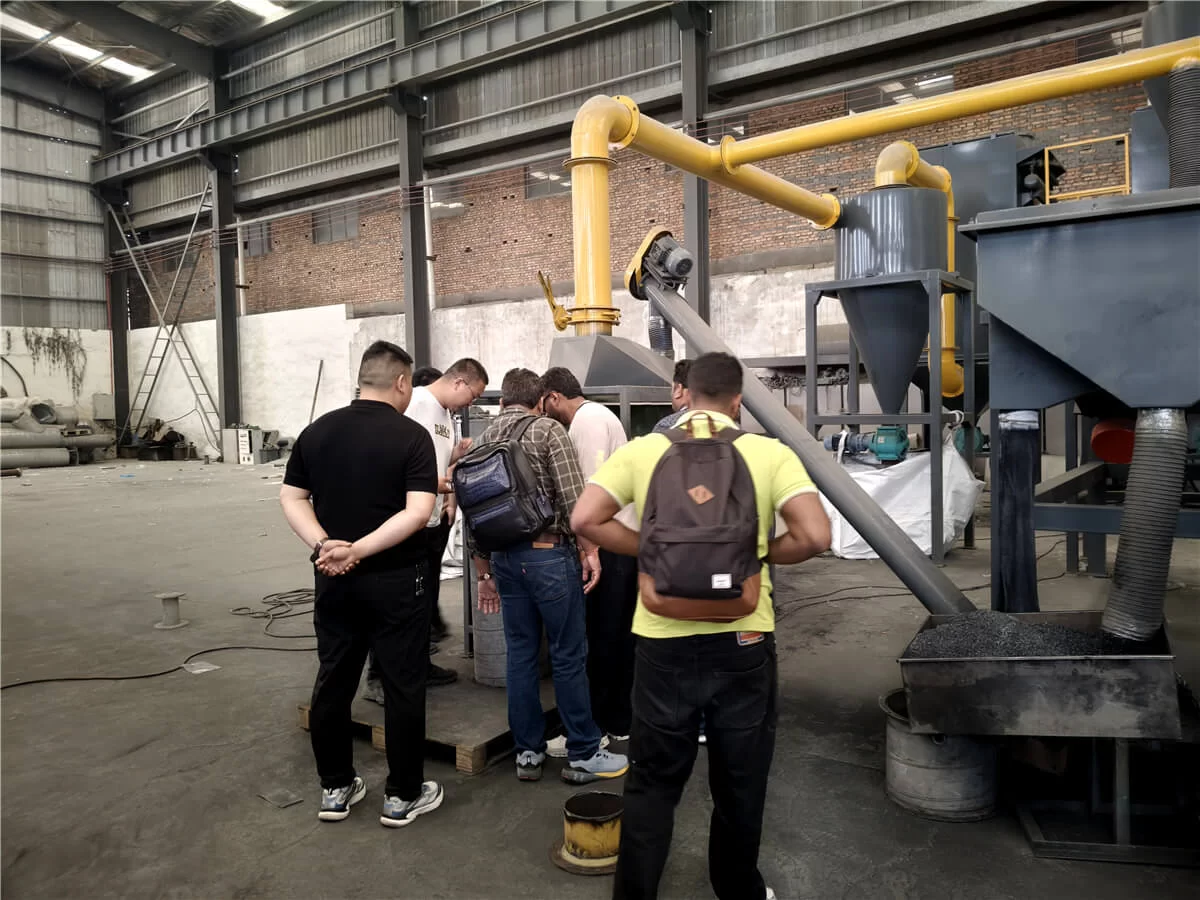
During the workshop visit, our team introduced the manufacturing process and explained how the equipment is designed for metal recycling applications. The customers also observed part of the material sorting operation process on site, including how mixed materials are discharged and how iron materials are separated during processing.
This on-site inspection helped the customers better understand the actual equipment structure instead of only relying on photos, drawings or videos.
In-Depth Discussion About Material Processing
A key part of this visit was the detailed discussion about waste motor material processing. The customers showed the videos they had taken in India again and explained the size, weight and structure of several typical motor materials.
Mr. Li, the technical department manager of Haoxing, analyzed the materials one by one. He explained that waste motor recycling should first classify materials according to size, shaft thickness and shell strength.
For small waste motors, if the motor size is suitable for the feeding opening and the internal shaft is not too heavy, the motors can usually be processed by machine after basic sorting. The equipment can break the shell and loosen the internal copper and iron structure.
For medium-size waste motors, the situation needs to be judged according to the shaft diameter and motor shell thickness. Some medium motors can be processed after removing the end covers or reducing the material size. If the motor shaft is too thick, partial manual treatment is recommended before feeding.
For large waste motors, direct crushing is not always the best choice. Large motors usually contain heavy iron shafts, thick steel shells and strong internal structures. Mr. Li suggested that large motors should be manually opened, cut or dismantled first. After removing the heavy shaft and large shell parts, the remaining copper-containing stator parts can be processed more efficiently.
The customers agreed with this analysis because their material sources are mixed and unstable. They also believed that proper pre-treatment could reduce equipment wear and improve the final separation result.
Detailed Production Line Workflow Discussion
Both sides spent a long time discussing the complete production line workflow. The customers wanted to know how materials move from mixed waste motors to separated copper and iron products.
Mr. Li introduced a practical workflow according to the customers’ material videos and recycling requirements.
The recommended process includes:
Material classification before feeding
Workers first classify waste motors according to size and structure. Small motors, medium motors and large motors are handled separately.Manual pre-treatment for oversized motors
Large motors with thick shafts or heavy shells are manually cut, opened or dismantled. This step helps protect the equipment and improves processing efficiency.Feeding into the recycling line
Suitable waste motors or pre-treated motor parts are sent into the equipment by conveyor or loading device.Crushing and breaking process
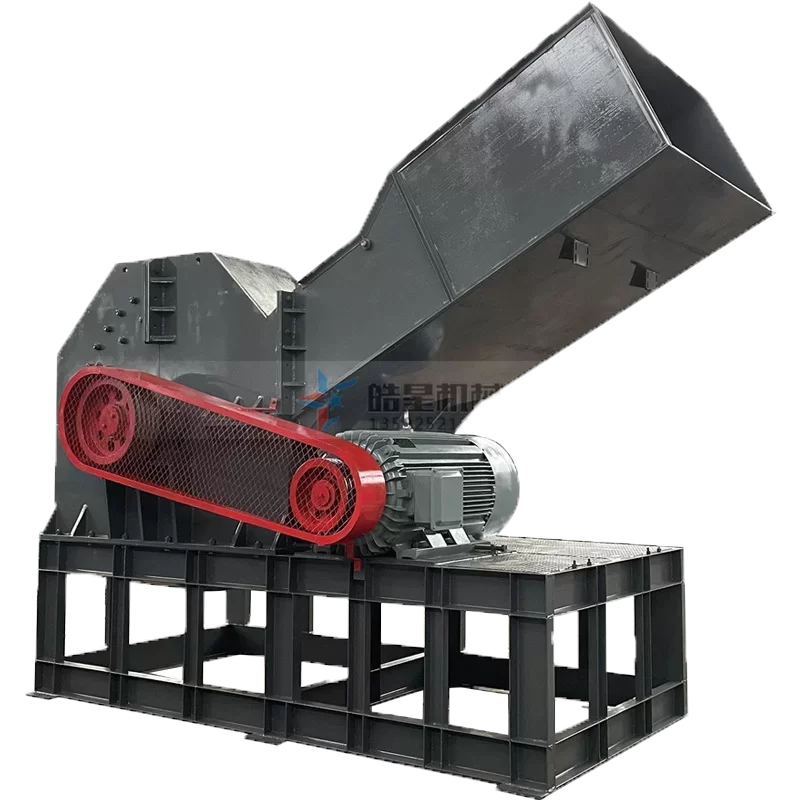
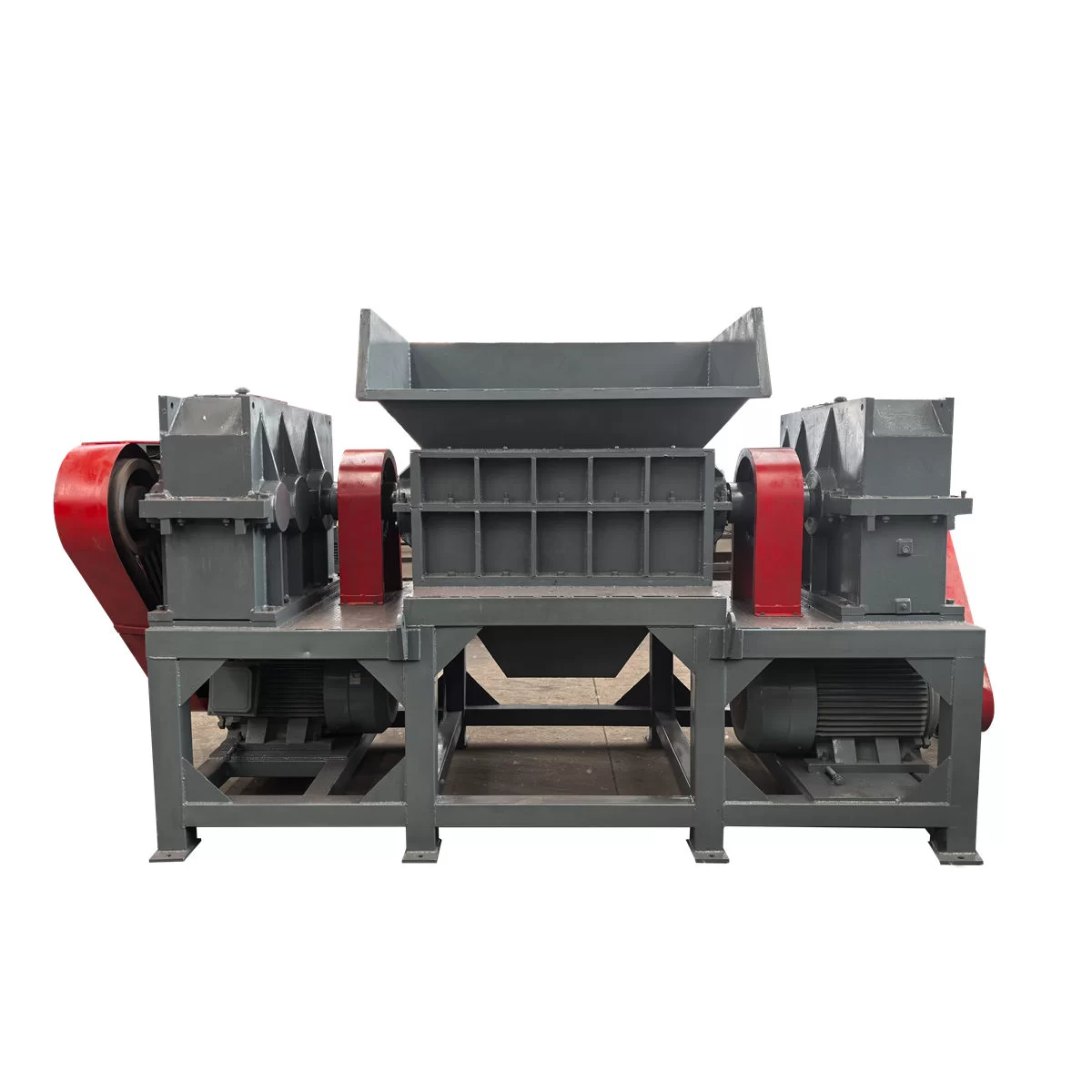
The machine breaks the motor shell and internal structure. Copper winding, iron shell, shaft parts and other materials are loosened for further separation.Magnetic separation
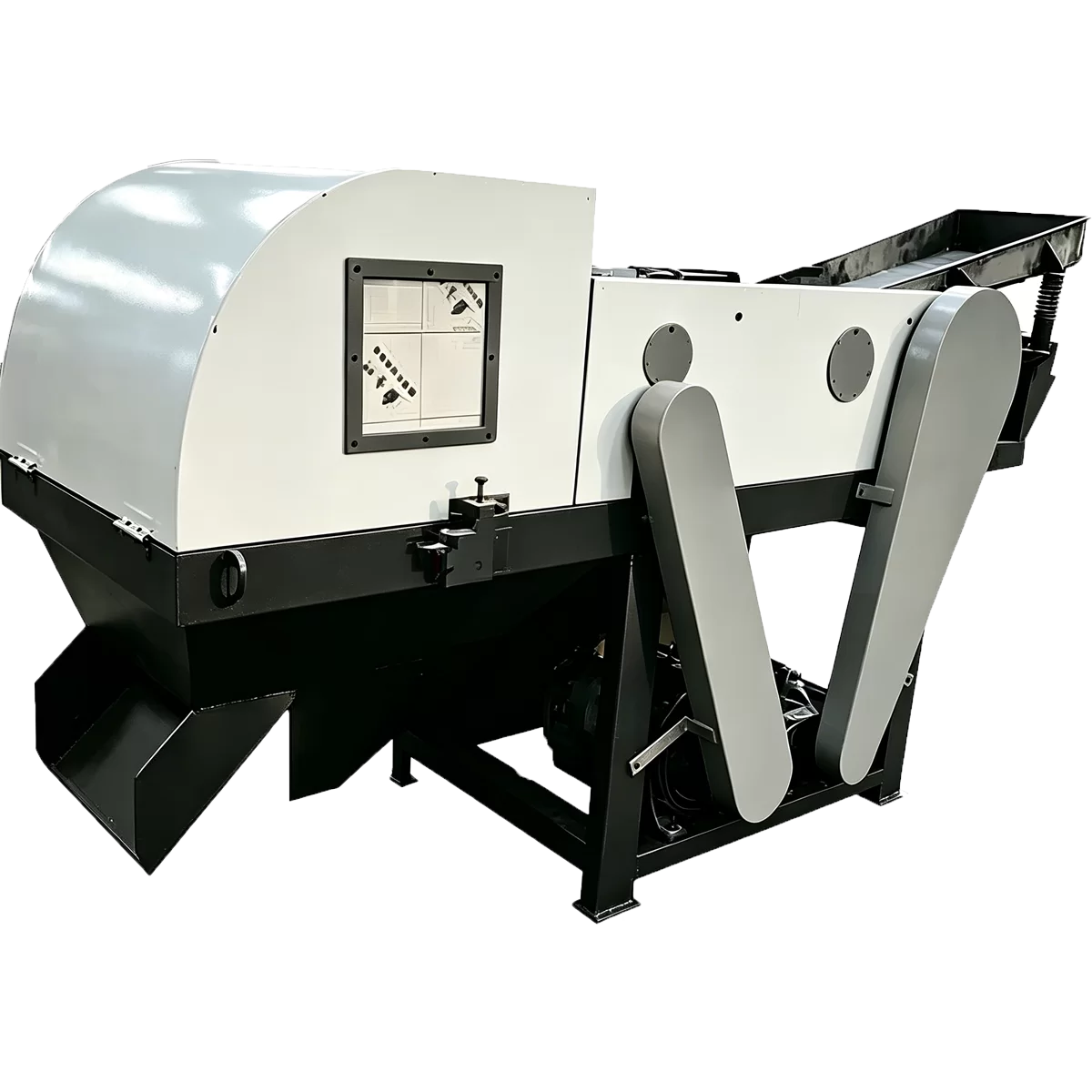
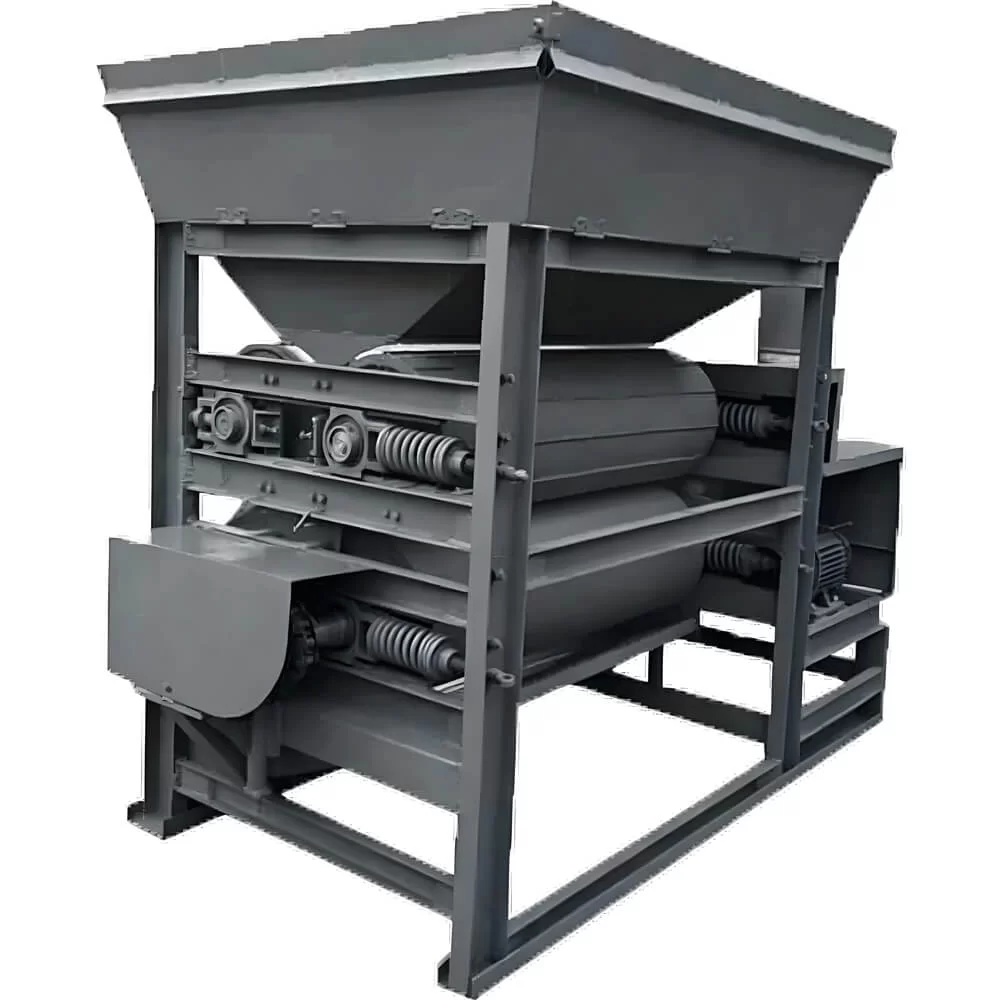
Iron and steel materials are separated by magnetic equipment. This step removes most ferrous materials from the mixed output.Copper recovery and secondary separation
Copper-containing materials are further separated from iron, aluminum, plastic, insulation materials and other impurities. If higher copper purity is required, secondary sorting or manual selection can be added.Dust collection and noise control
According to the customer’s site requirements, dust removal equipment and noise reduction measures can be added to improve the working environment.Final material collection
Different materials such as copper, iron and mixed residues are collected separately for resale or further processing.
During the discussion, both sides also studied the possible layout of the production line. The customers asked about feeding direction, discharge position, operator area, maintenance space and the arrangement of dust removal equipment. Mr. Li explained that the final layout should be designed according to the customer’s workshop size, storage area and daily material handling method.
Discussion About Motor Shaft Processing
The motor shaft was one of the most important topics during the meeting. The customers were concerned that thick shafts might damage equipment, reduce efficiency or affect the separation result.
Mr. Li explained that the motor shaft should be handled according to its diameter and weight. Small shafts can usually pass through the process with the rest of the material, while larger shafts should be removed or separated before crushing.
For thick motor shafts, manual pre-treatment is more practical. Removing the shaft in advance can reduce the load on the machine, lower the wear of crushing parts and make the following copper and iron separation easier.
The customers asked whether the whole shaft could be separated automatically. Mr. Li explained that automatic separation can handle many regular materials, but for oversized or irregular waste motors, manual classification and pre-treatment are still necessary. This combination of manual and mechanical processing is more stable for mixed motor recycling.
Copper and Iron Separation Effect
The customers also asked whether copper and iron can be separated cleanly after processing. They were especially concerned about the value of the final copper product because copper recovery is one of the main profit points in waste motor recycling.
Mr. Li explained that the separation effect depends on several factors:
Waste motor size
Motor structure
Copper winding condition
Crushing size
Magnetic separation strength
Material feeding stability
Whether large shafts are removed in advance
Whether secondary sorting is used
For regular waste motors, the production line can separate most iron materials by magnetic separation. Copper-containing materials can be recovered after crushing and further sorting. If the customer requires a higher purity copper product, an additional sorting step can be added after the main separation process.
Through the on-site process observation, the customers had a clearer understanding of how copper and iron are separated in real operation. This helped both sides discuss the final equipment configuration more accurately.
Noise and Dust Removal Discussion
Because the customers planned to use the equipment in a recycling yard, they also asked detailed questions about noise and dust control.
Our team explained that noise is related to material hardness, crushing force, machine power and workshop environment. For waste motor processing, reasonable foundation construction, proper machine layout and stable feeding can help reduce unnecessary vibration and noise.
For dust control, dust collection equipment can be added according to the material condition. Waste motors may contain dust, paint residue, insulation material and small non-metal impurities. If the customer processes mixed motors continuously, a dust removal system is recommended to keep the workshop cleaner and improve the working environment.
The customers considered these details important because they wanted the production line to be stable for long-term operation, not only efficient during testing.
Detailed Solution Meeting in the Office
After visiting the workshop and observing part of the sorting process, both sides returned to the office for a deeper technical discussion. Mr. Li, the technical department manager of Haoxing, provided a detailed solution based on the customers’ videos, material information and expected production requirements.
The meeting focused on:
Waste motor classification method
Suitable processing method for small, medium and large motors
Motor shaft pre-treatment
Production line workflow
Crushing and separation configuration
Copper and iron recovery method
Manual sorting position
Dust removal system
Noise control suggestions
Workshop layout design
Equipment maintenance and wearing parts
Future installation and operation support
Both sides studied the material handling process carefully. The customers compared the proposed solution with their current recycling method in India and discussed how to reduce labor, improve copper recovery and make the overall operation more efficient.
Mr. Li emphasized that for mixed waste motor recycling, a good solution should not only consider one machine, but the complete process from raw material sorting to final copper and iron collection. The customers agreed with this point and believed that this kind of process-based solution was more suitable for their project.
Good Cooperation Intention
At the end of the visit, both sides reached a good cooperation intention. The four Indian customers said that this visit helped them understand the waste motor recycling process in a more practical way. They were especially satisfied with the detailed explanation about motor shaft handling, material classification, copper and iron separation, dust removal and production line layout.
The customers also said that the solution provided by Mr. Li was based on their real materials, not a general recommendation. After returning to Kolkata, they planned to discuss the project internally and continue communication about equipment configuration, production capacity and workshop layout.
This customer visit and testing discussion laid a solid foundation for future cooperation. Haoxing will continue to provide a suitable waste motor recycling solution according to the customers’ material types, site conditions, capacity requirements and final separation targets.