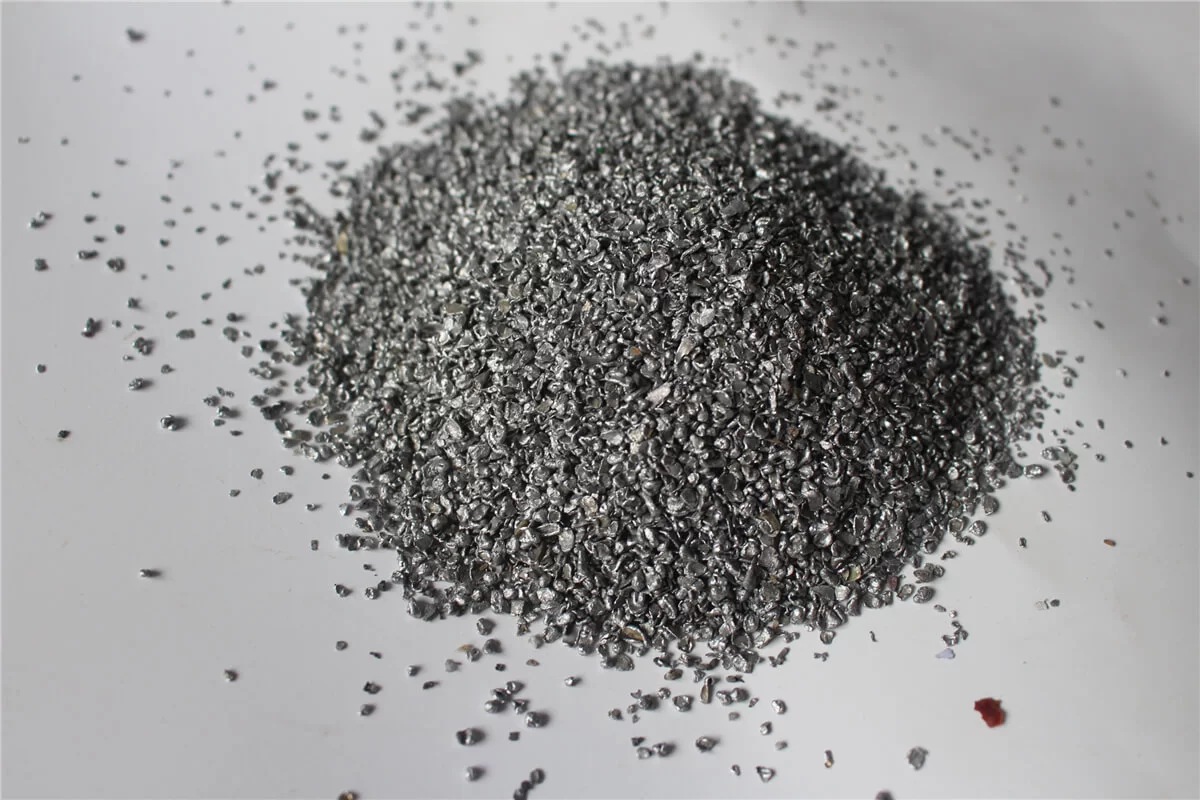

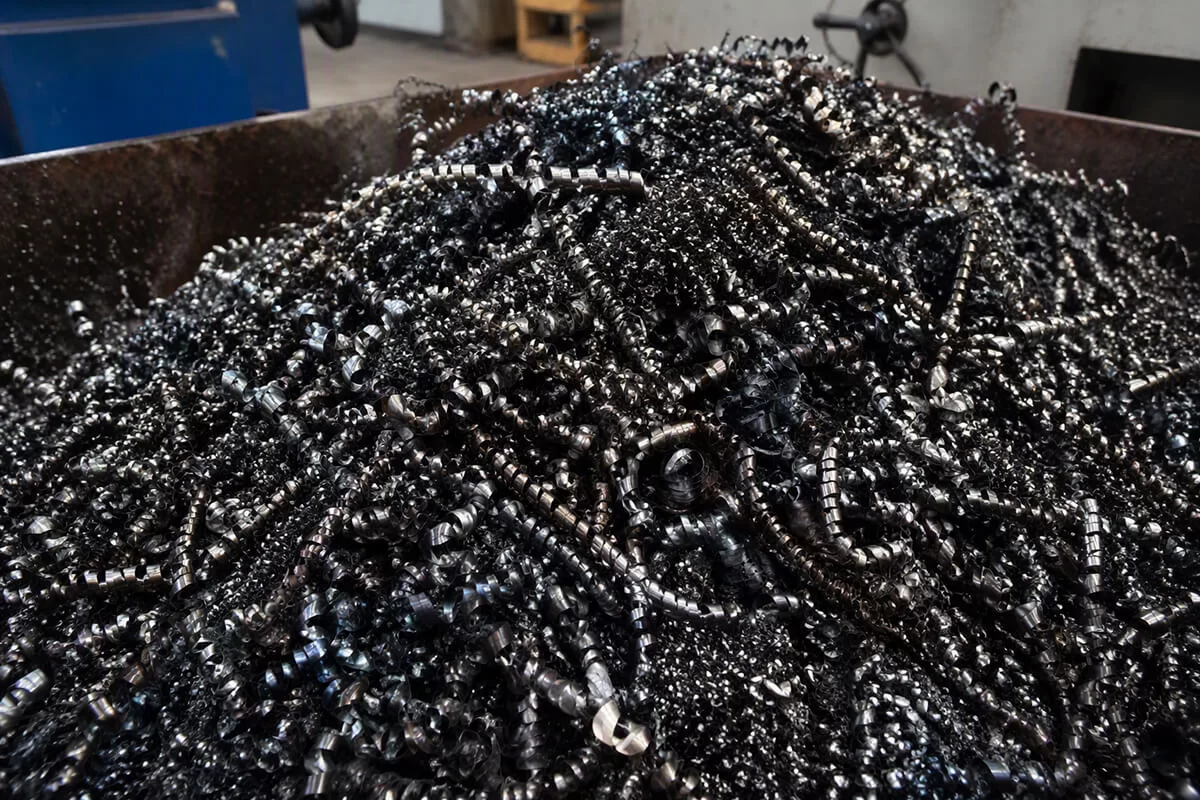
Metal turnings are produced during turning, milling, drilling, boring and other machining operations. Depending on the workpiece and cutting method, the discharged material may appear as short chips, long spirals, curled strips or tangled bundles.
Common materials include steel turnings, iron turnings, cast iron borings and stainless steel chips. Long and curled turnings occupy considerable storage space and can become entangled during collection, conveying and furnace feeding. Reducing them into shorter pieces can make the material easier to handle and prepare for further recycling.
Common Sources of Metal Turnings
Metal turnings are commonly generated by:
CNC machining workshops
Metal turning operations
Automotive component manufacturers
Machinery manufacturing plants
Steel processing facilities
Bearing and shaft manufacturers
Hardware production factories
Equipment repair workshops
The condition of the material depends on the machining process. Some turnings are dry and relatively clean, while others contain cutting oil, coolant, moisture or mixed metal particles.
Types of Metal Turnings
Steel Turnings
Steel turnings are produced during the machining of carbon steel, alloy steel and other steel components. They may form long spirals, curled strips or short chips depending on the cutting speed and tool configuration.
Iron Turnings
Iron turnings include machining waste generated from iron components. Long and tangled iron turnings may require size reduction before conveying, sorting or further recycling.
Cast Iron Borings
Cast iron borings are generally shorter and more brittle than long steel turnings. If the material is already small and loose, shredding may not be necessary. Screening, magnetic recovery or compaction may be more appropriate.
Stainless Steel Turnings
Stainless steel turnings should be collected separately when material purity is important. Mixing stainless steel with ordinary carbon steel or cast iron can reduce the value of the recovered material.
How Are Metal Turnings Processed?
The processing method should be selected according to the length, shape, moisture content and composition of the turnings.
Long, curled and tangled turnings may require shredding or crushing. Short chips that are already suitable for handling generally do not need further size reduction.
A typical processing route may include:
Collection → Material Sorting → Size Reduction → Magnetic Separation → Collection or Further Compaction
If the turnings contain cutting fluid or coolant, liquid removal should be considered before or during the recycling process. Different metal grades should also be kept separate whenever possible.
Size Reduction of Long Metal Turnings
Long metal turnings can wrap around each other and form loose bundles. These bundles occupy considerable space and may cause unstable feeding in downstream equipment.
A suitable size-reduction machine can cut or tear the curled turnings into shorter pieces. This process can help:
Reduce the volume of tangled material
Improve conveying stability
Simplify storage and loading
Reduce bridging at equipment inlets
Prepare the material for sorting or compaction
Improve feeding into downstream recycling equipment
The machine configuration should match the length, thickness and toughness of the actual turnings. Long steel swarf and brittle cast iron borings should not automatically be treated as the same material.
Do Short Metal Chips Need Shredding?
Not always.
Short, loose metal chips and brittle cast iron borings may already be small enough for collection and recycling. Passing these materials through a shredder may provide little benefit and can create unnecessary wear or fine material.
Short chips may instead require:
Screening
Magnetic separation
Cutting-fluid removal
Material-grade sorting
Storage and collection
Compaction or briquetting
For this reason, representative photos and samples should be checked before selecting size-reduction equipment.
Processing Oily Metal Turnings
Metal turnings from machining operations may contain cutting oil, coolant and moisture. Excess liquid can affect storage, transportation and downstream recycling.
Oily turnings should be evaluated for:
Type of cutting fluid
Approximate liquid content
Material temperature
Presence of flammable substances
Required liquid recovery method
Downstream furnace requirements
A shredder or crusher is used mainly for reducing long and tangled turnings. It should not be presented as a replacement for dedicated oil-removal or coolant-recovery equipment.
Metal Turnings Processing Equipment
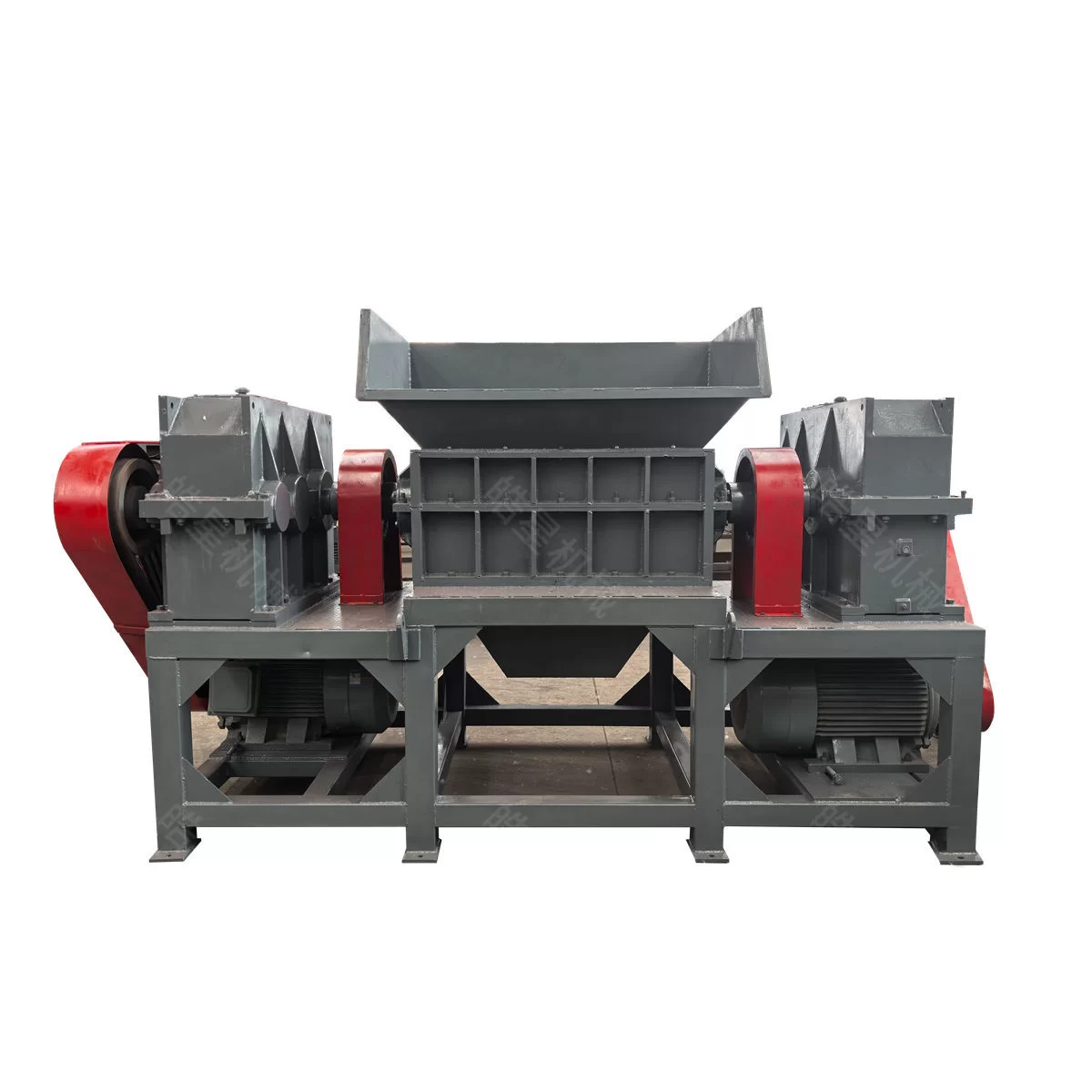
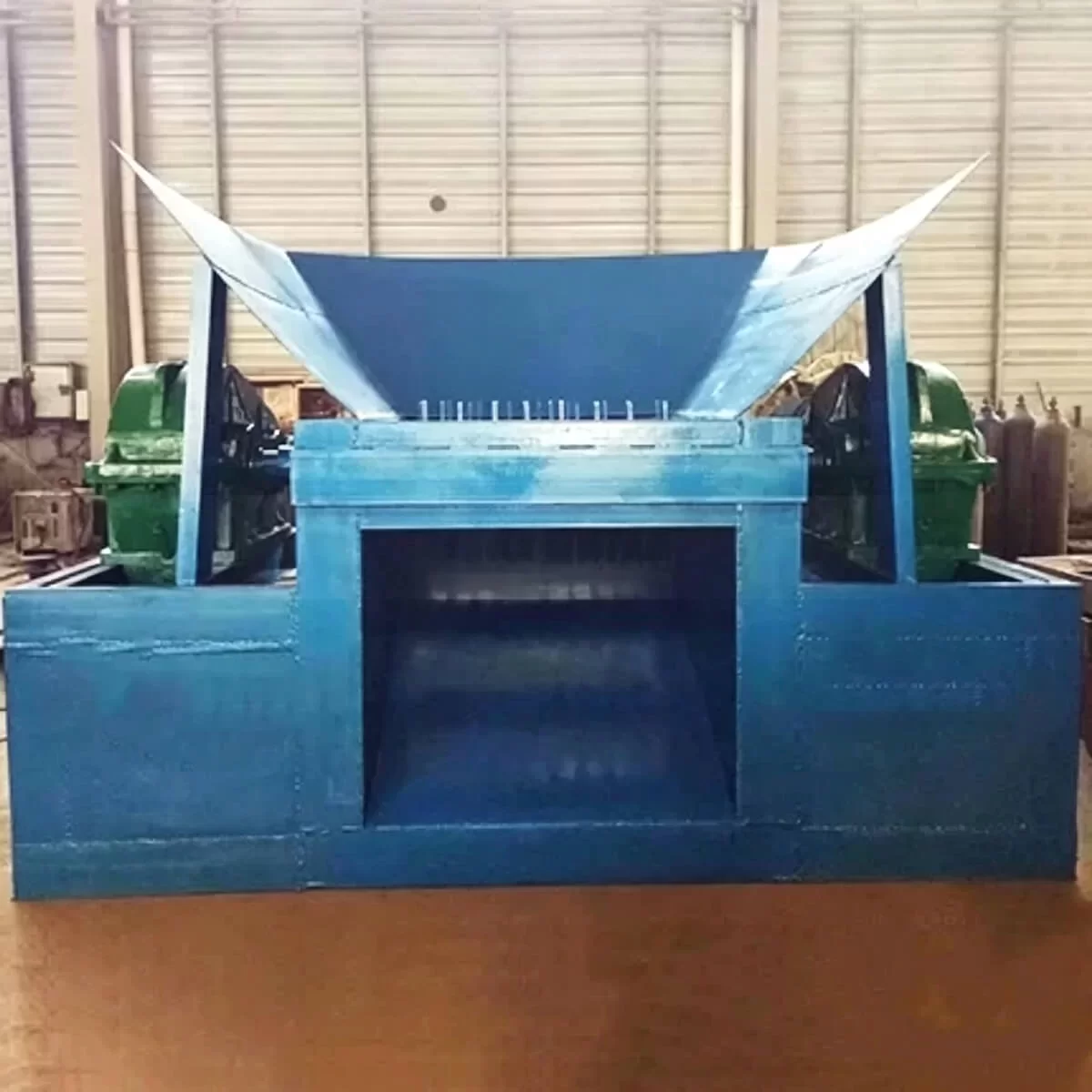
Metal Turnings Shredder
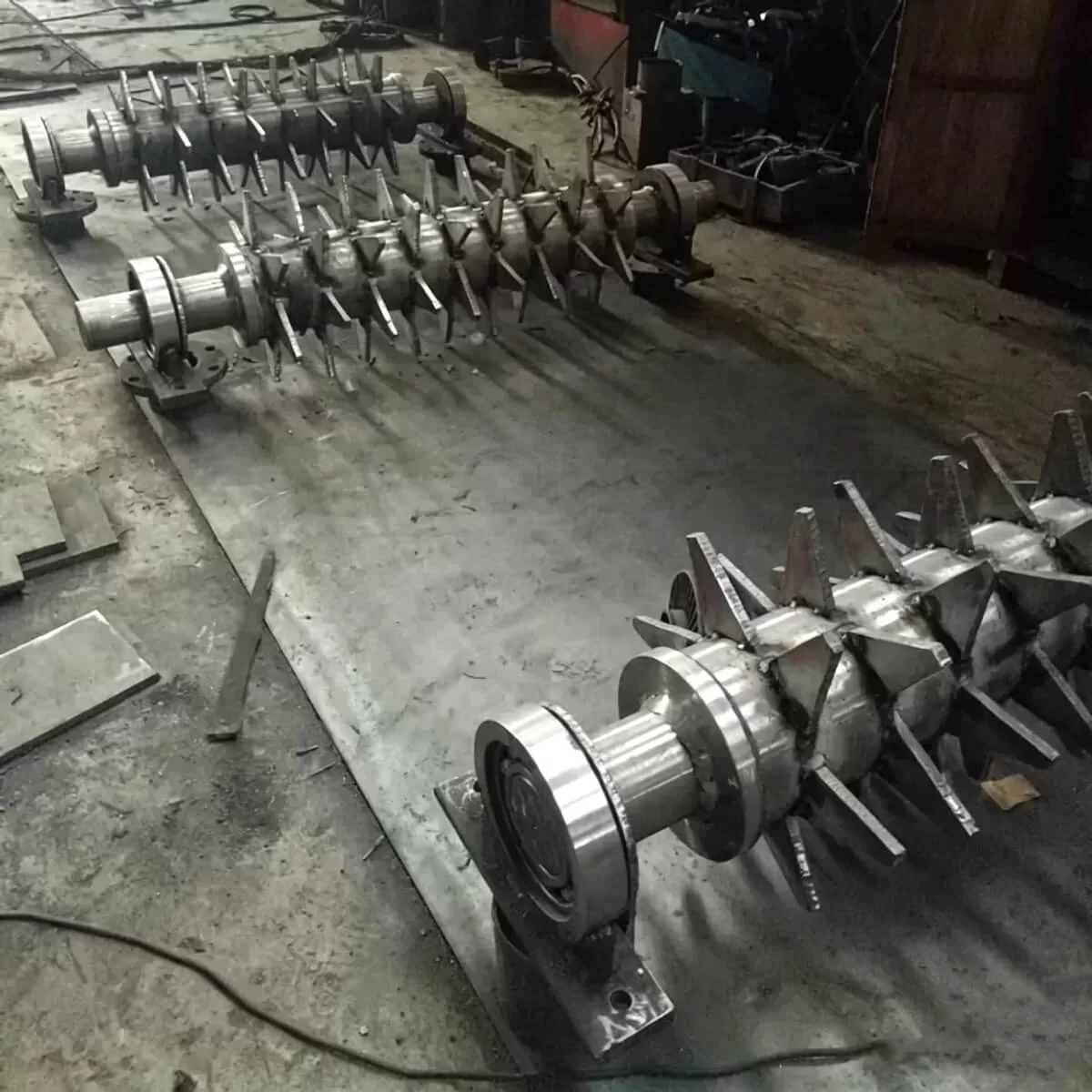
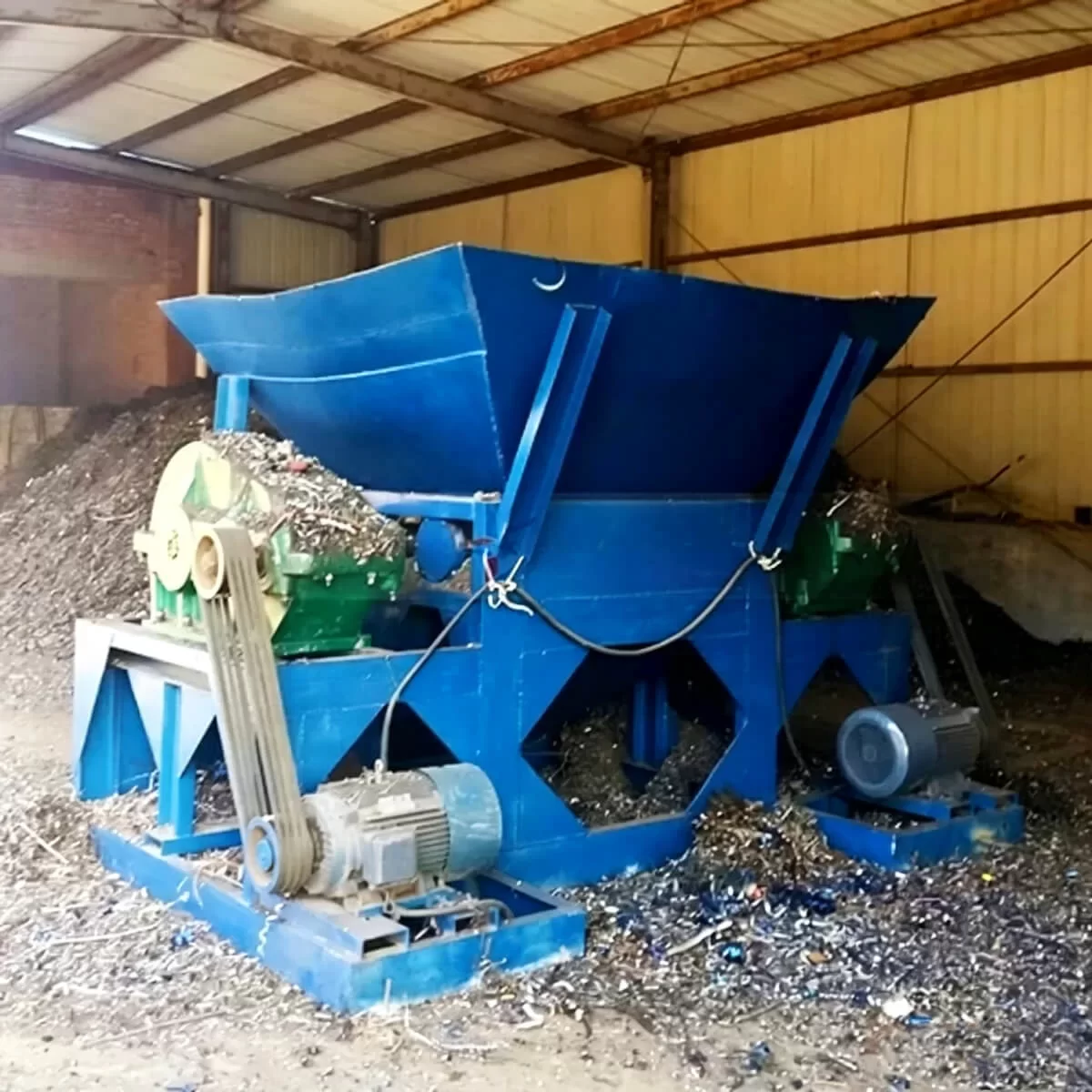
A metal turnings shredder is used for long, curled and tangled machining waste. The cutters grab and reduce loose bundles into shorter pieces that are easier to convey and collect.
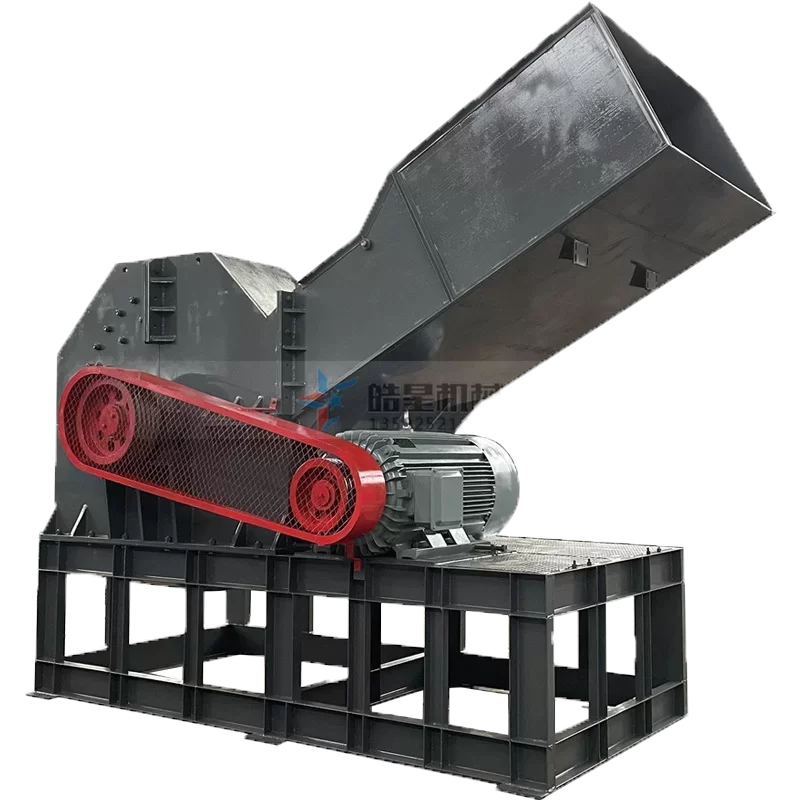
Metal Chips Crusher
A metal chips crusher may be used when further size reduction is required. Its suitability depends on the hardness, thickness and shape of the incoming chips.
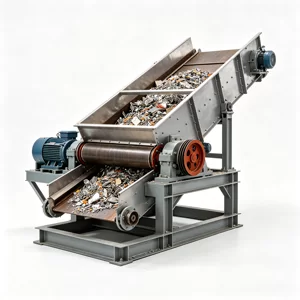
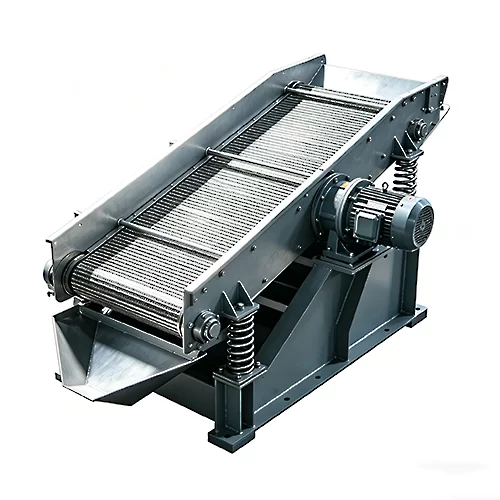
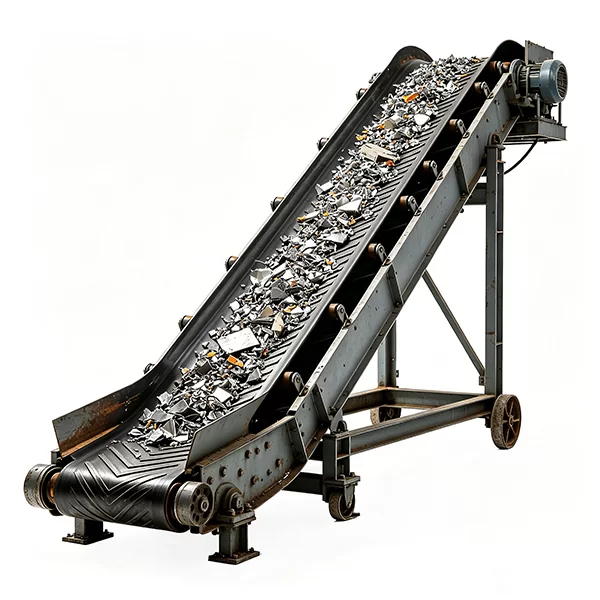
Feeding Conveyor
A conveyor provides controlled feeding into the processing equipment. The conveyor design should prevent long turnings from wrapping around exposed rotating components.
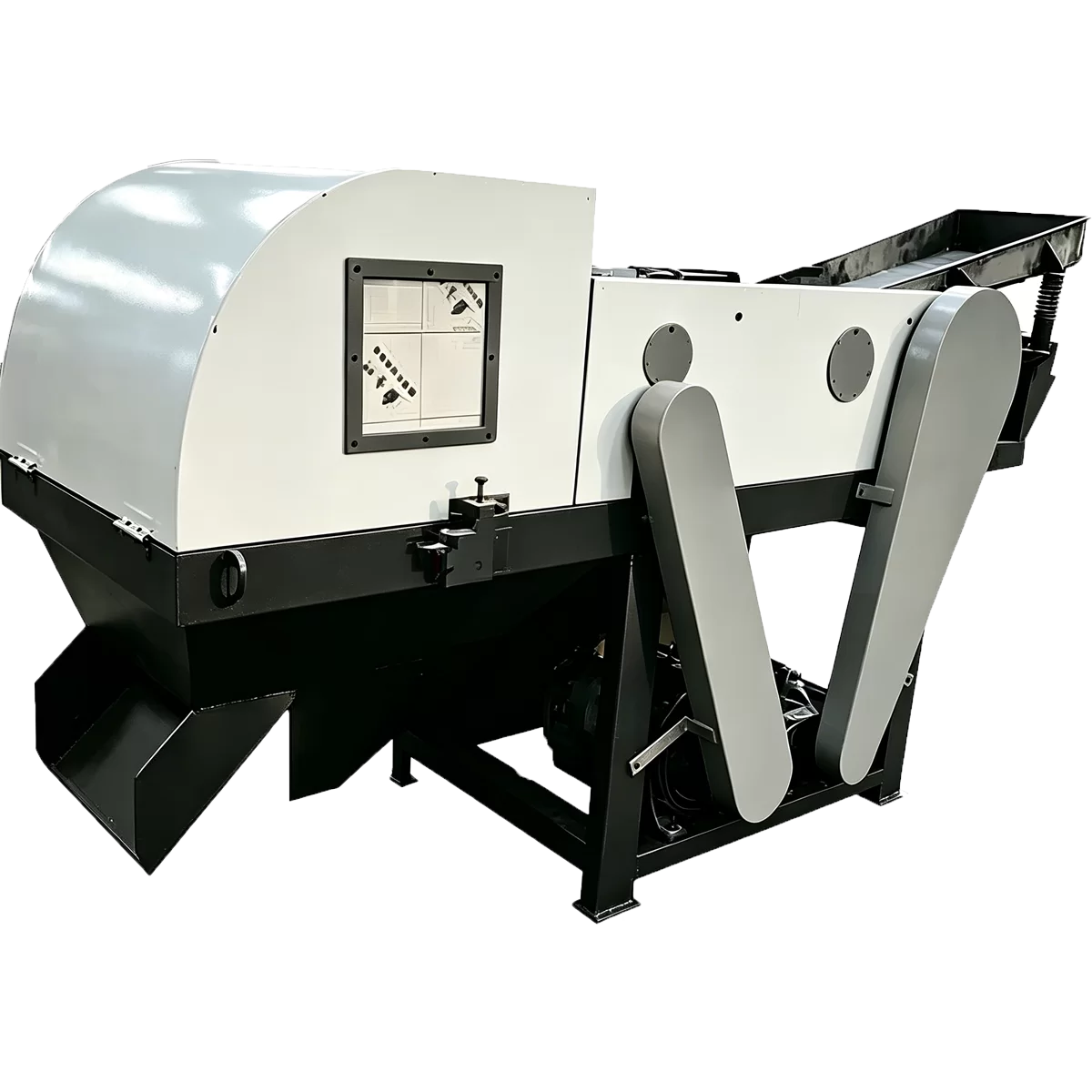
Magnetic Separator
A magnetic separator can recover steel and iron particles from mixed discharged material. It cannot separate different grades of magnetic steel by itself.
Collection System
Processed chips can be collected in bins, containers or a downstream compaction system according to the recycling requirements.
Selecting Suitable Equipment
Consider Size Reduction When:
The turnings are long and curled
Loose chips form tangled bundles
Material bridges at the feeding inlet
Storage volume needs to be reduced
Shorter pieces are required for conveying
The turnings need preparation for downstream processing
Size Reduction May Not Be Required When:
The chips are already short and loose
Cast iron borings are small and brittle
The material can be conveyed without bridging
The primary requirement is oil removal
The chips are ready for compaction
Excessive fines should be avoided
Separate Evaluation Is Required When:
Magnesium or titanium chips are present
The material contains metal powder or grinding dust
Cutting fluids are flammable
Different alloys are mixed together
The turnings are hot when collected
The material composition is unknown
Benefits of Processing Metal Turnings
Proper processing of long and tangled metal turnings can help:
Reduce loose material volume
Improve storage and transportation
Prevent tangled bundles from blocking equipment
Produce shorter and more manageable chips
Improve downstream feeding stability
Support magnetic separation
Prepare turnings for compaction or remelting
Reduce manual handling of sharp metal swarf
The processing result depends on the metal type, chip shape, material thickness, liquid content and selected equipment.
Get a Metal Turnings Processing Solution
To select suitable processing equipment, please provide:
Metal type or alloy
Photos of the actual turnings
Average and maximum chip length
Approximate chip thickness
Loose or tangled condition
Cutting oil or coolant content
Required processing capacity
Expected discharge size
Downstream recycling method
Material testing is recommended when the turnings contain mixed metals, cutting fluids or unusually long and tough chips.