
Copper Sheet Scrap Shredding
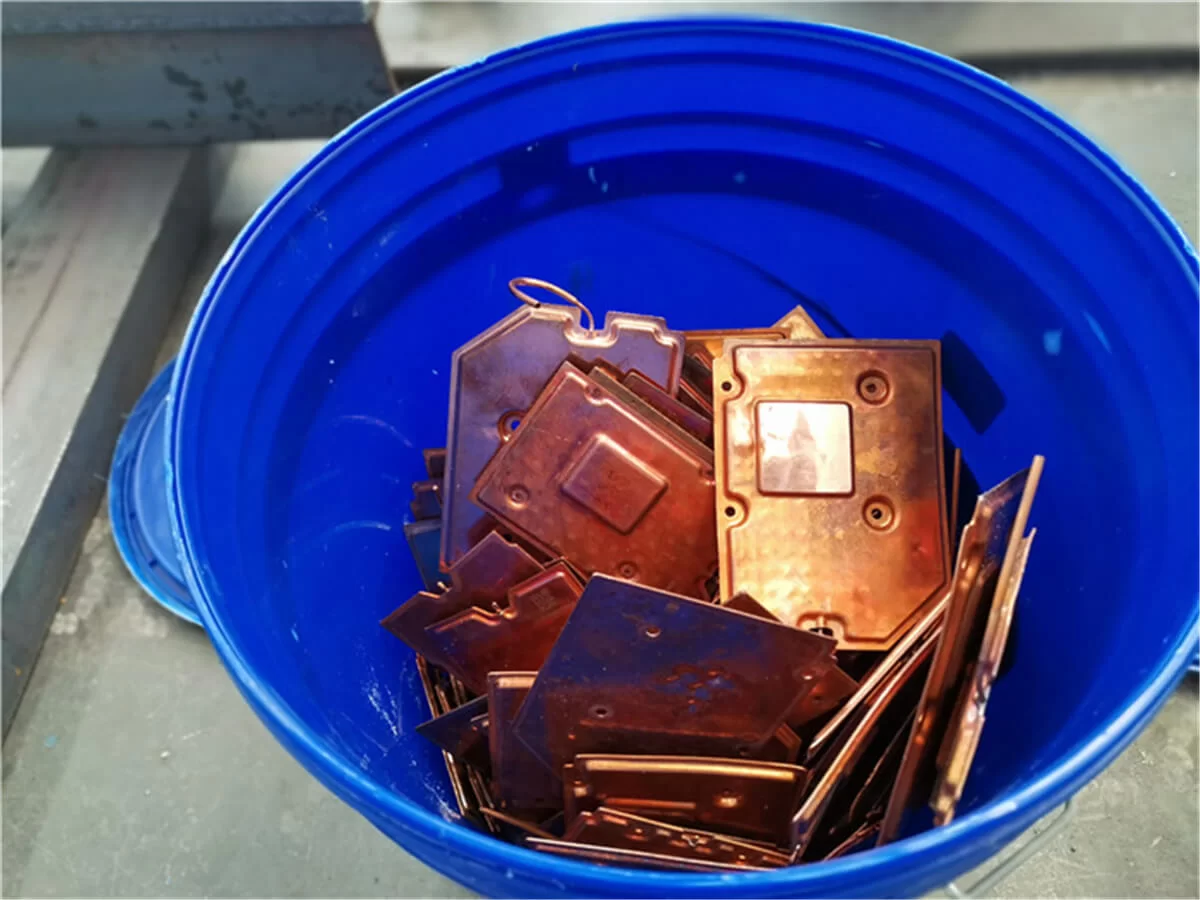
Copper sheet scrap is a common high-value non-ferrous metal recycling material. It mainly includes copper plate offcuts, copper stamping scrap, copper terminal scrap, copper busbar offcuts and electrical copper component waste. These materials are usually sheet-shaped or plate-shaped, with irregular forms. Some pieces may have holes, folded edges or stamped structures. Direct storage takes up more space and is not convenient for baling, transportation or further smelting.
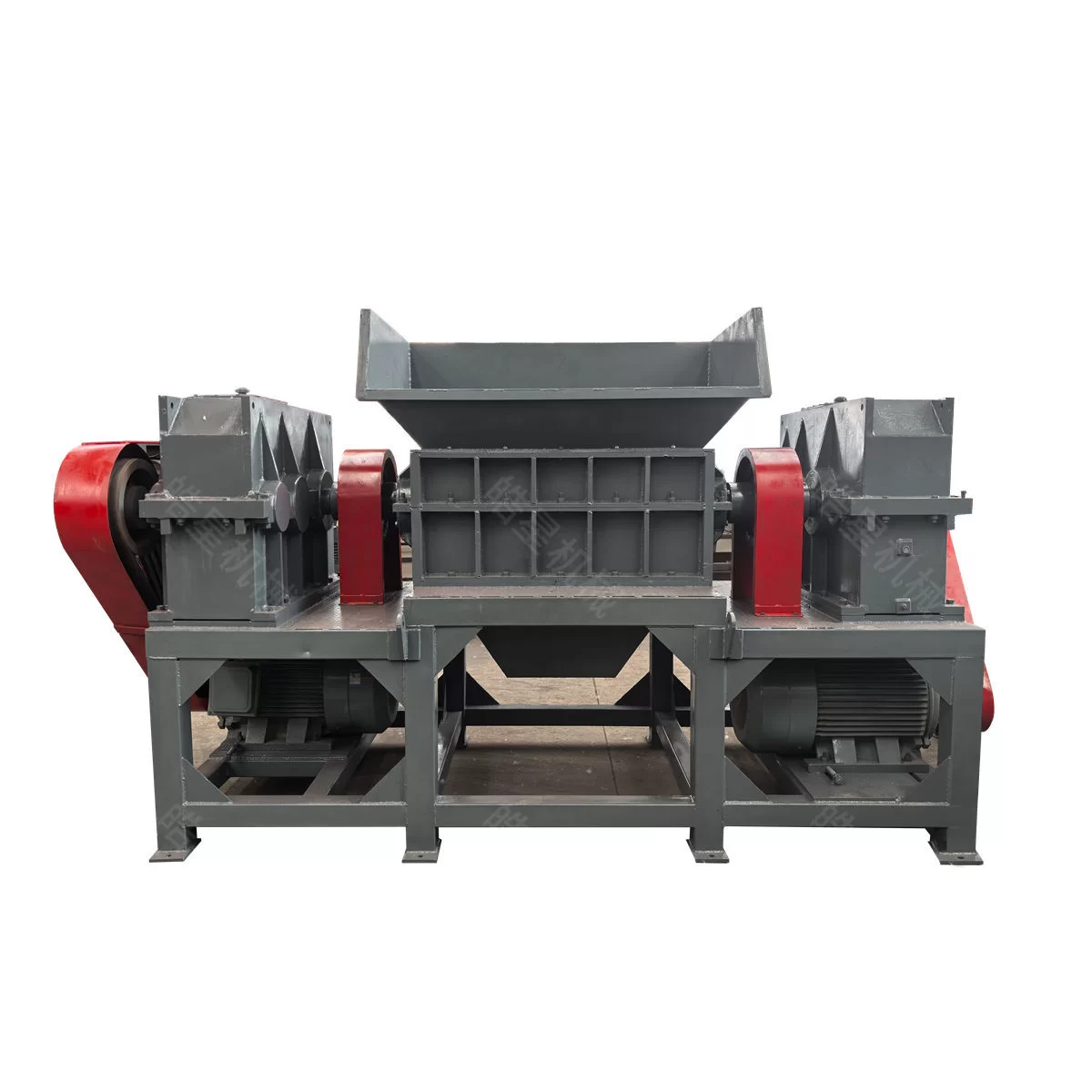
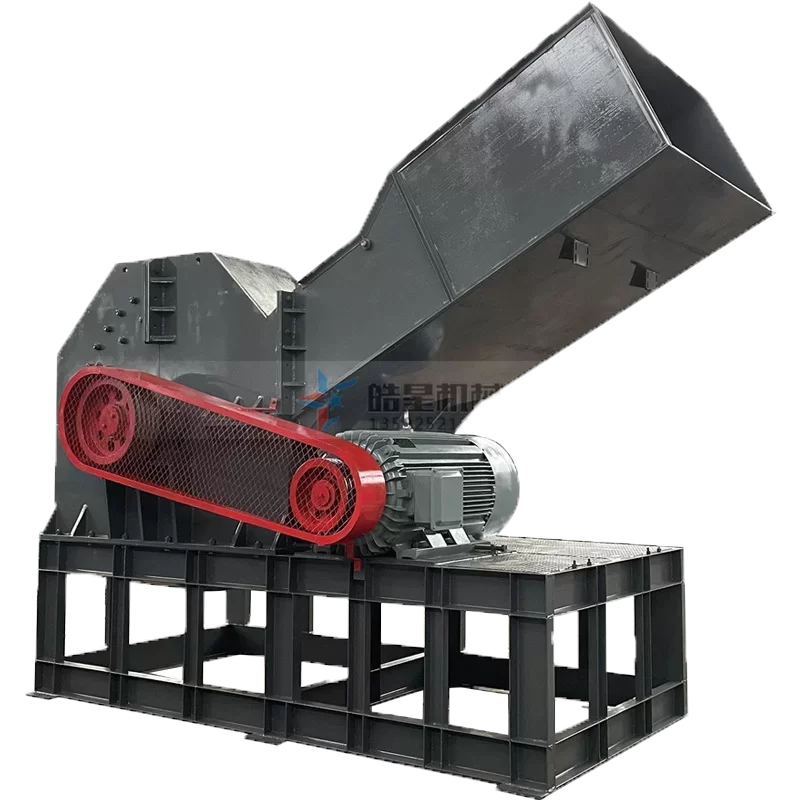
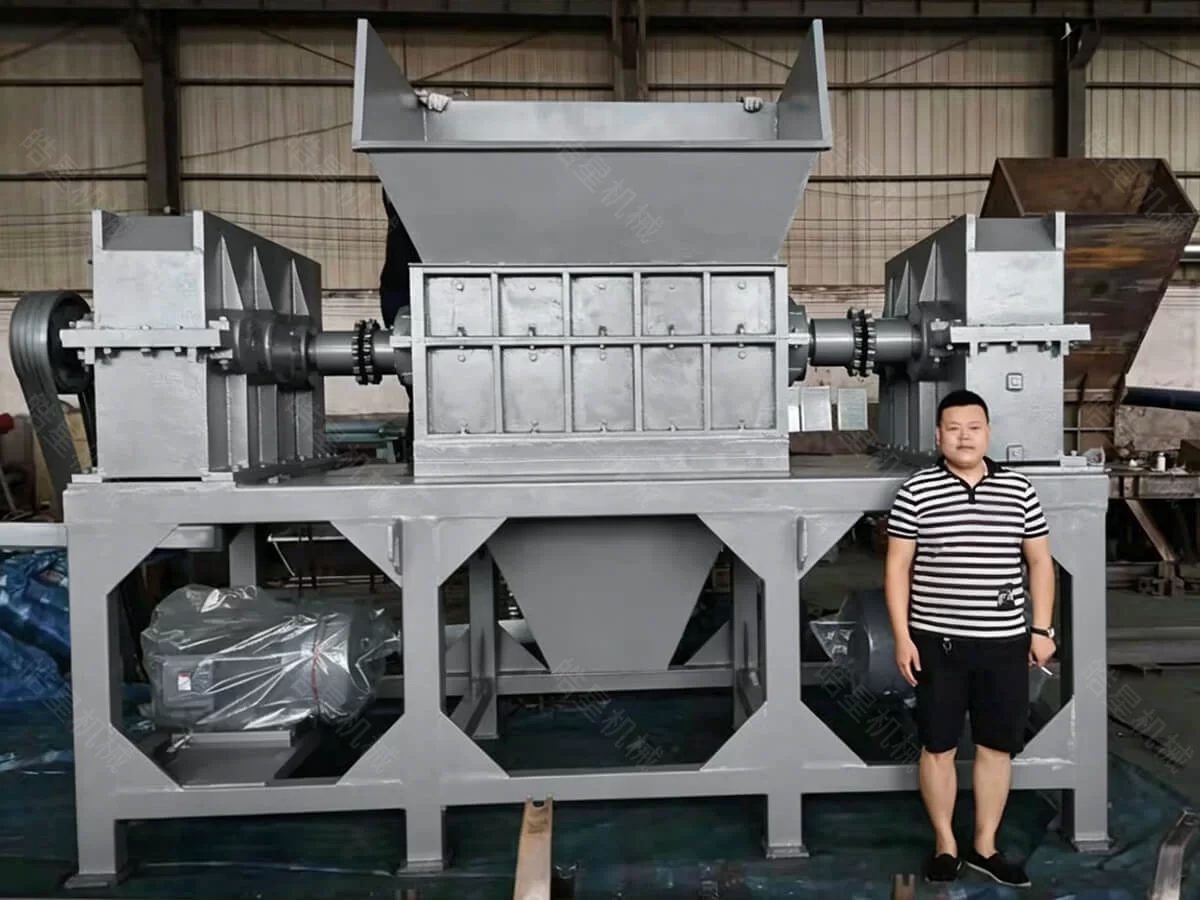
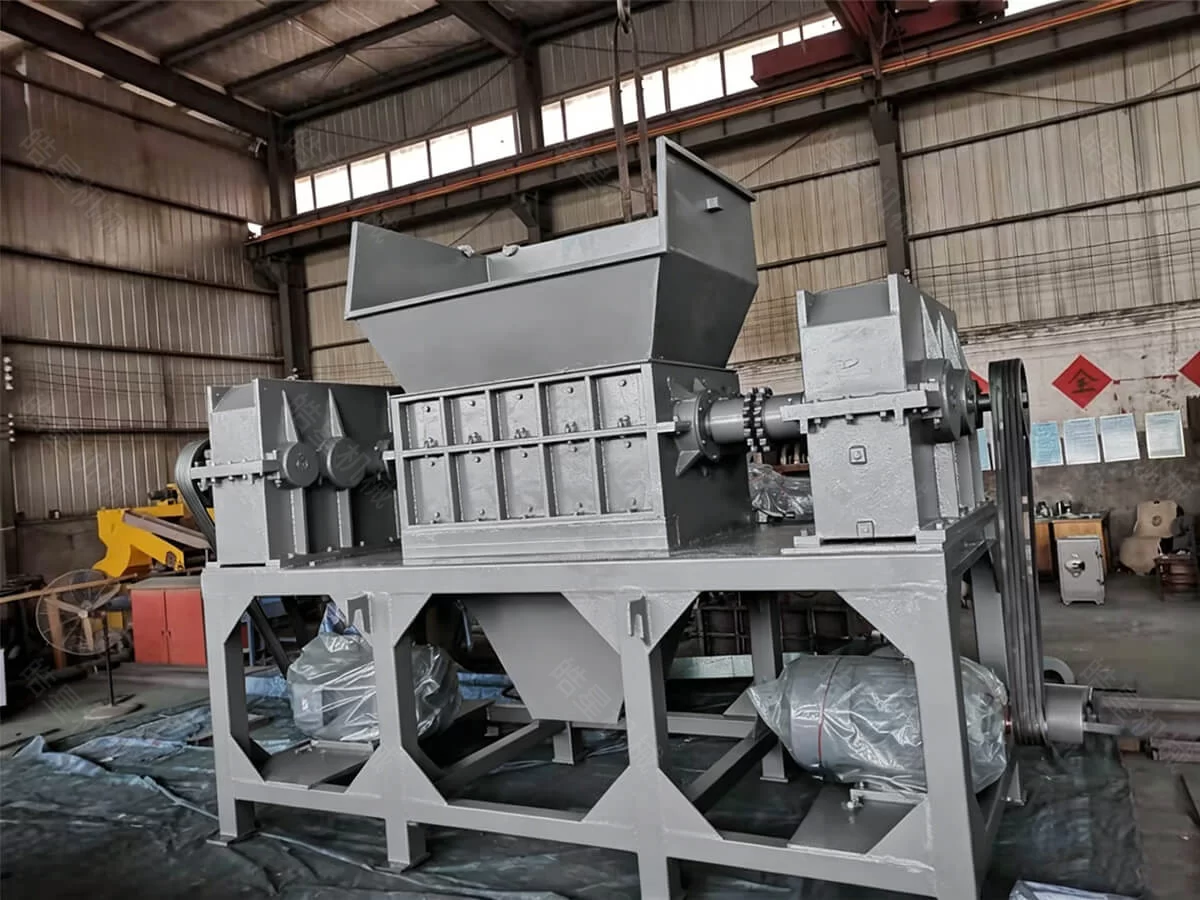
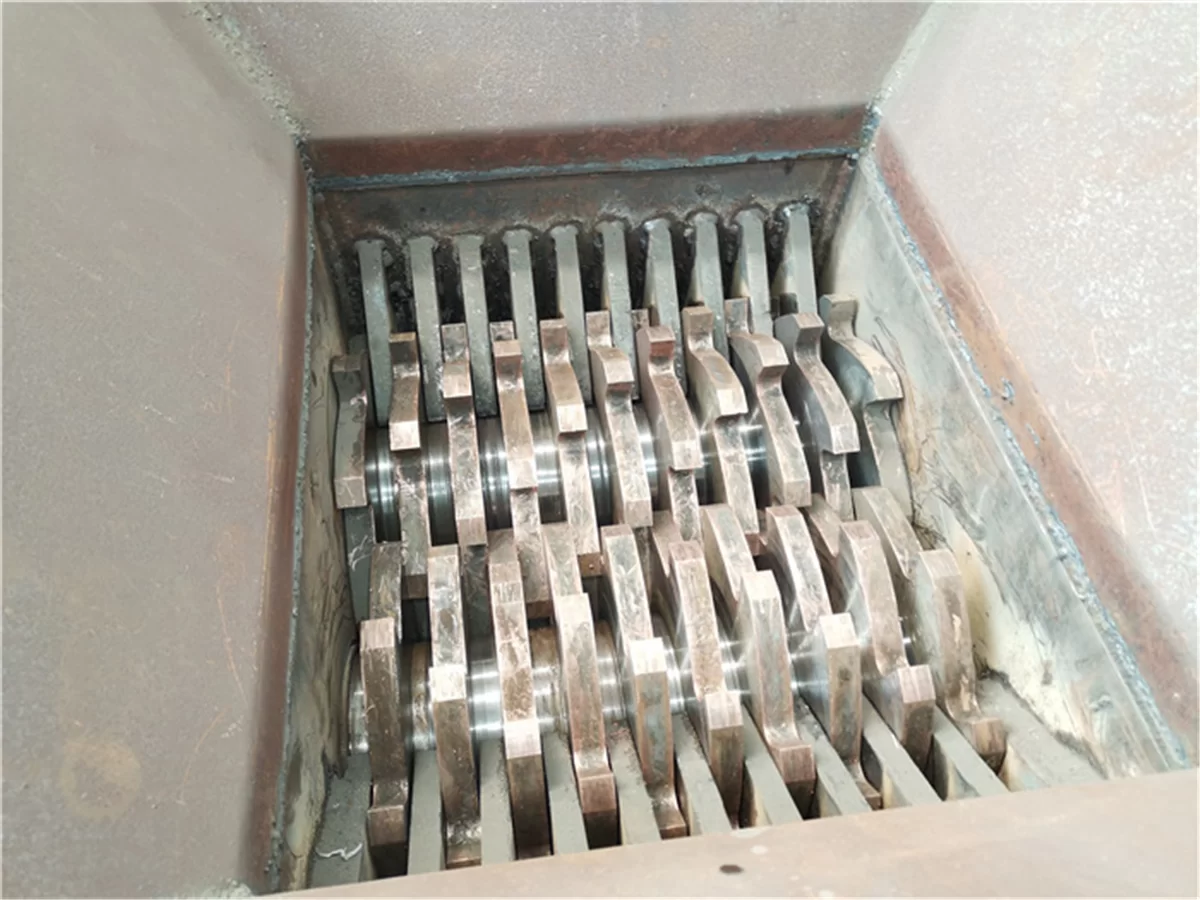
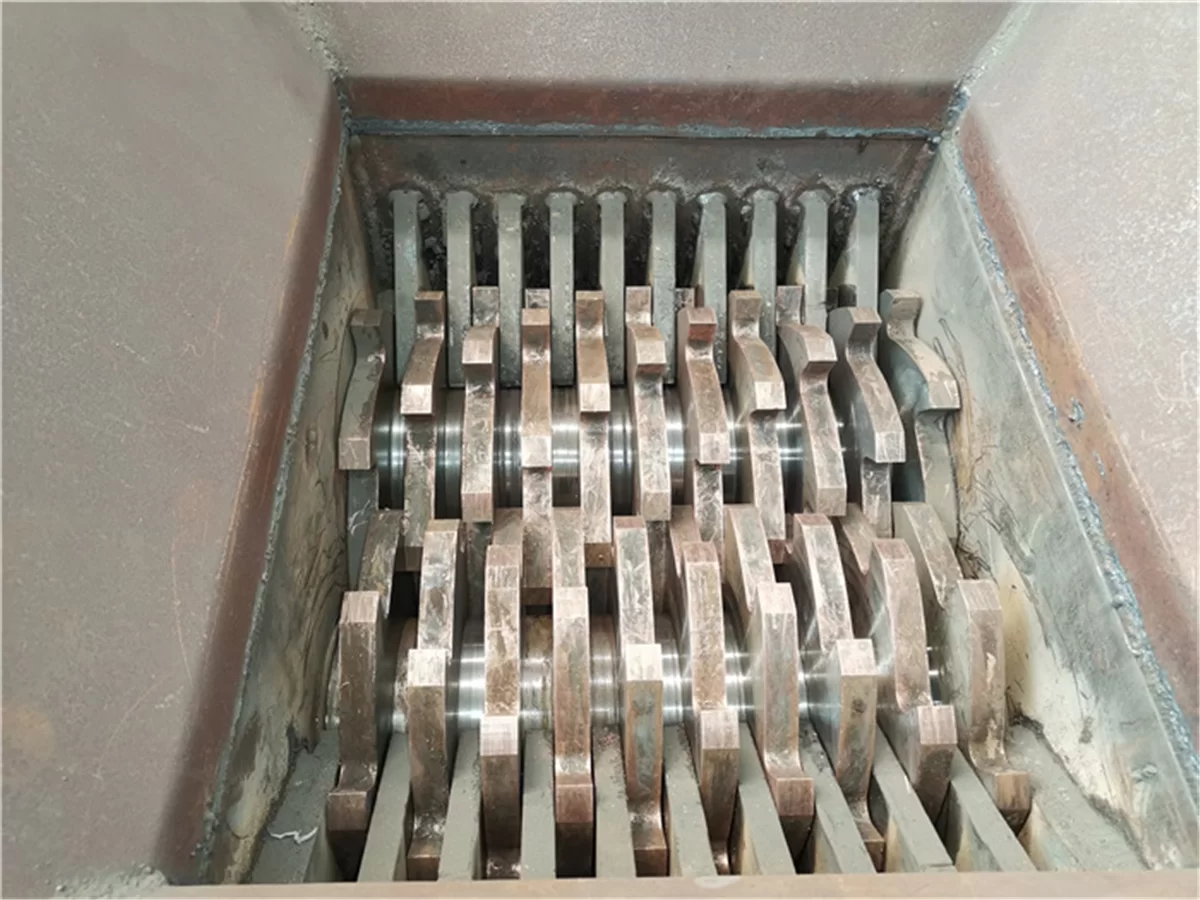
A twin shaft shredder can be used for pre-processing copper sheet scrap. Large and irregular copper pieces are shredded into smaller pieces, reducing material volume and increasing bulk density. The shredded copper scrap is easier for bagging, baling, transportation and downstream copper recycling. With low-speed high-torque shearing operation, strong biting force, stable performance and uniform discharge, the machine is suitable for processing copper sheets, copper plates, copper busbars, copper stamping parts and other non-ferrous metal scrap.
Common Sources of Copper Sheet Scrap
Copper sheet scrap is widely generated in electrical equipment manufacturing plants, transformer factories, switchgear workshops, copper processing plants, metal fabrication facilities and cable accessory manufacturers.
Typical sources include copper stamping processes, busbar manufacturing, electrical contact production, transformer component fabrication, copper plate cutting operations and precision metal processing workshops. Many recycling companies also collect copper offcuts from construction demolition projects and industrial dismantling activities.
Copper plate offcuts
Copper sheet trimming waste
Copper stamping scrap
Copper busbar offcuts
Transformer copper components
Electrical contact scrap
Copper terminal waste
Copper fabrication offcuts
Applicable Materials
Copper sheet scrap
Copper plate offcuts
Copper stamping scrap
Copper busbar scrap
Copper terminal scrap
Electrical copper scrap
Copper product processing waste
Non-ferrous metal offcuts
Material Features Before Shredding
Sheet-shaped or plate-shaped material
Irregular shape with holes or folded edges
Large piece size, not easy for direct baling
Loose stacking and large storage space requirement
High recycling value and suitable for centralized shredding
Why Shred Copper Sheet Scrap?
Although copper sheet scrap already has a high recycling value, many recycling plants prefer shredding before transportation, storage or melting. Large copper sheets may occupy unnecessary storage space and can be difficult to feed into downstream processing equipment.
By shredding copper sheets into smaller pieces, the material becomes easier to handle, transport and compress. More uniform particle size can also improve material management and feeding stability during remelting or further recycling operations.
For large-scale recycling facilities, shredding can reduce manual cutting work and improve overall production efficiency.
Typical Copper Sheet Scrap Recycling Process
A typical copper sheet scrap recycling process may include:
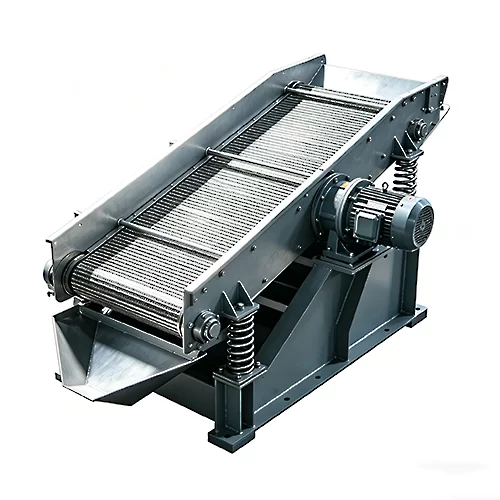
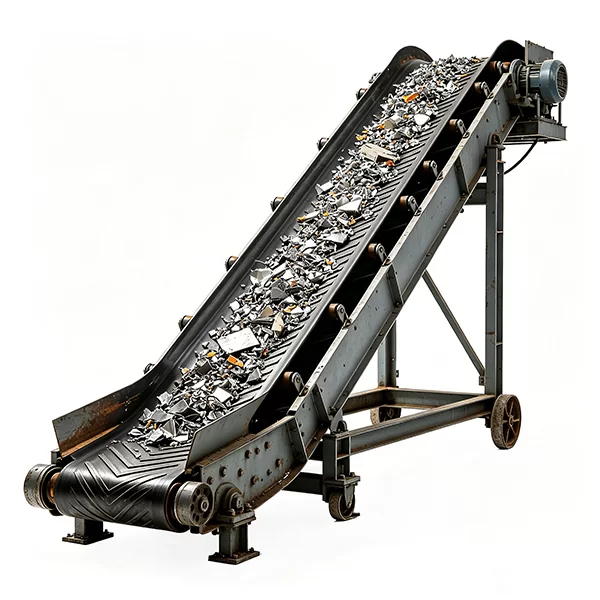
Copper Sheet Scrap → Feeding Conveyor → Twin Shaft Shredder → Magnetic Separator (Optional) → Screening System → Baling or Bagging → Smelting or Refining
If the copper scrap contains attached steel parts, screws, fasteners or mixed metals, magnetic separation can be added after shredding to improve copper purity.
Recommended Equipment Configuration
Feeding conveyor
Twin shaft shredder
Belt conveyor
Magnetic separator (optional)
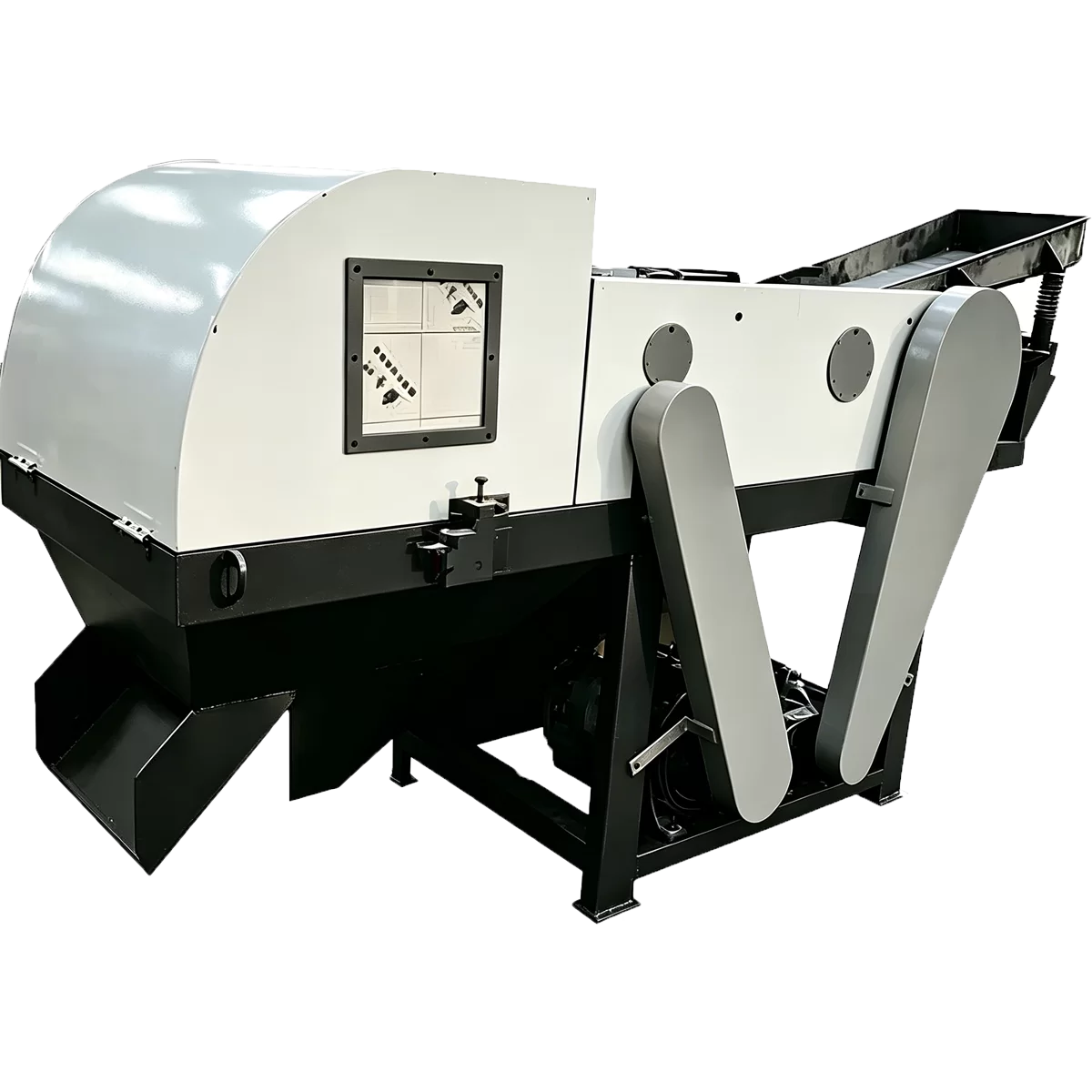
Screening equipment (optional)
Hydraulic baler (optional)
Dust collection system (optional)
Electric control cabinet
Industries That Process Copper Sheet Scrap
Copper recycling plants
Electrical equipment manufacturers
Transformer factories
Switchgear manufacturers
Metal fabrication workshops
Copper smelters
Non-ferrous metal recovery companies
Industrial scrap recycling centers
Shredding Result
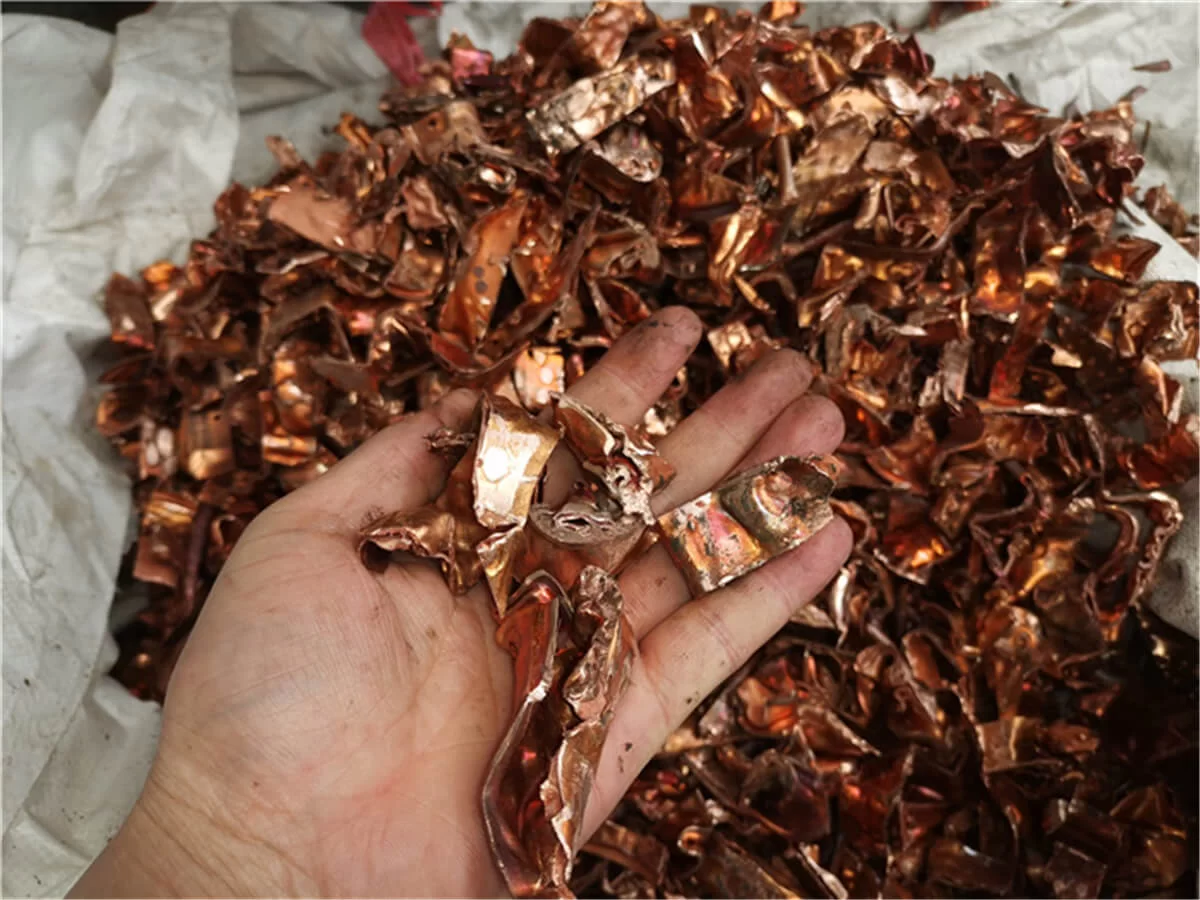
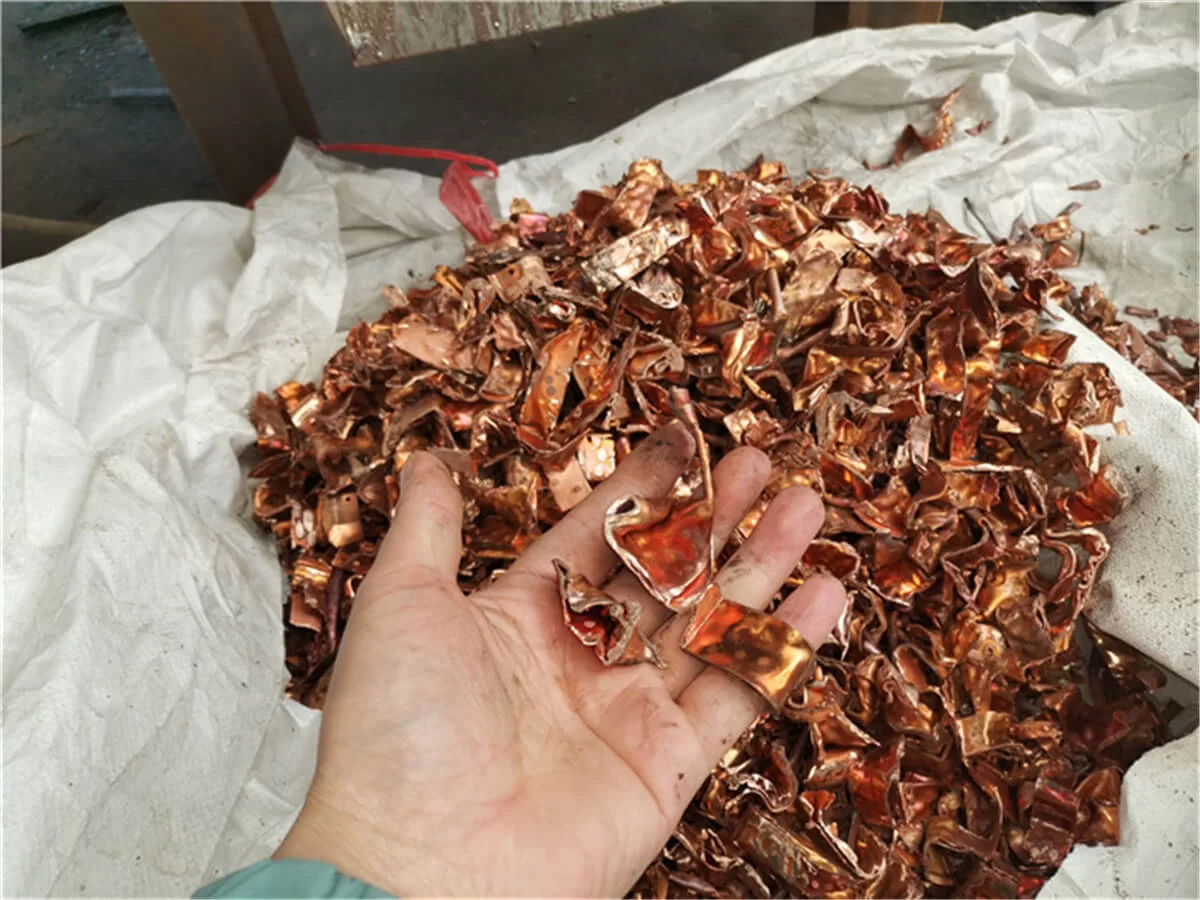
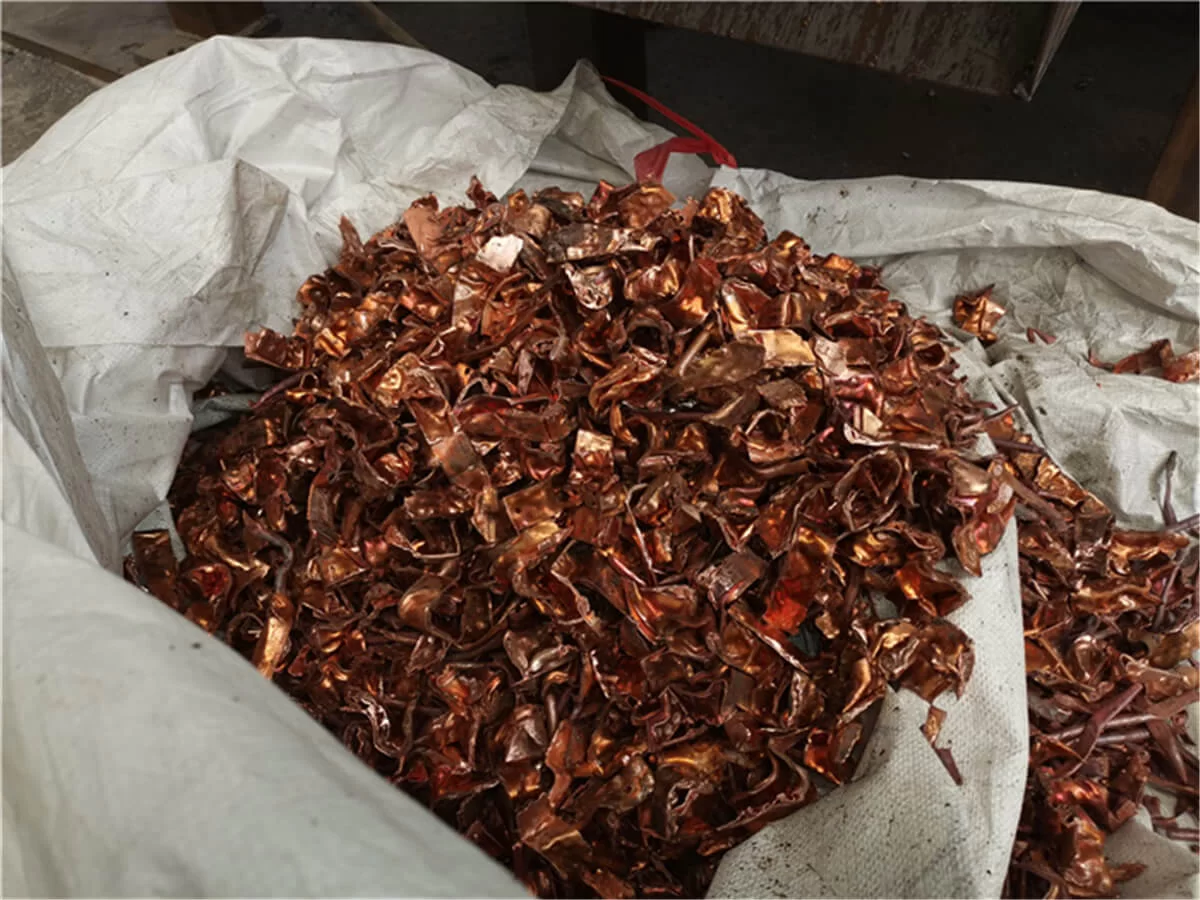
After being processed by the twin shaft shredder, copper sheet scrap is shredded into smaller irregular pieces. The processed copper material has smaller volume and higher bulk density, making it easier for bagging, baling, transportation and further smelting.
The shredded material can also be sorted, stored and traded more efficiently. Uniform particle size helps improve handling efficiency while reducing storage and transportation costs.
Advantages of Copper Sheet Scrap Shredding
Reduce the volume of bulky copper sheets
Increase bulk density for transportation
Reduce manual cutting work
Improve handling and storage efficiency
Prepare material for baling and smelting
Support continuous recycling operations
Suitable for various copper processing wastes