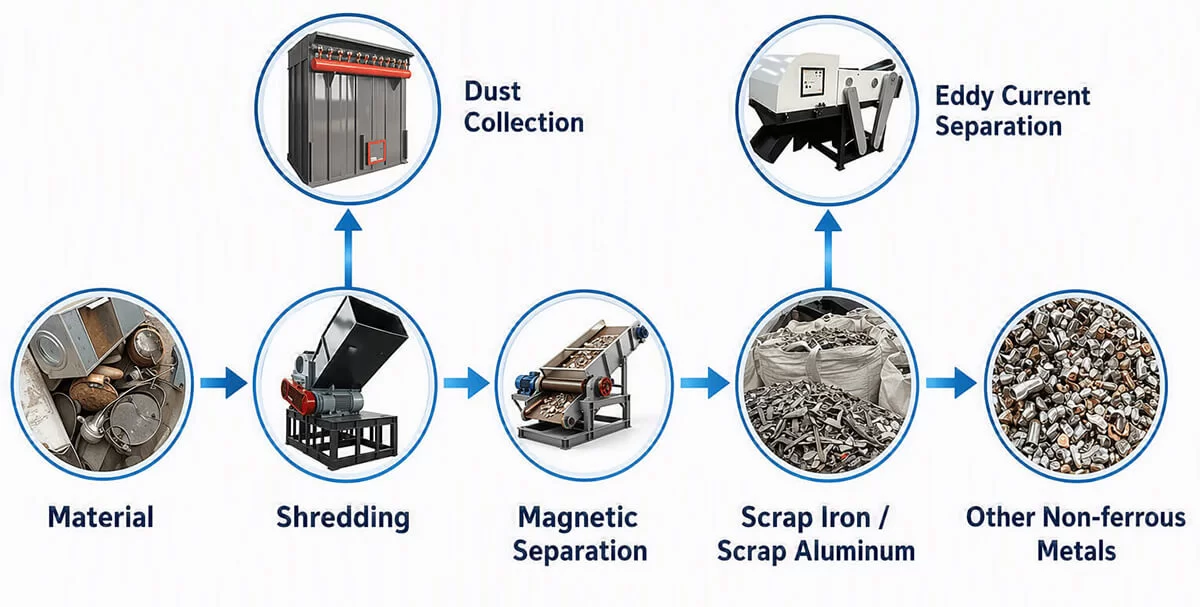
Machine Aluminum Crushing and Sorting Process
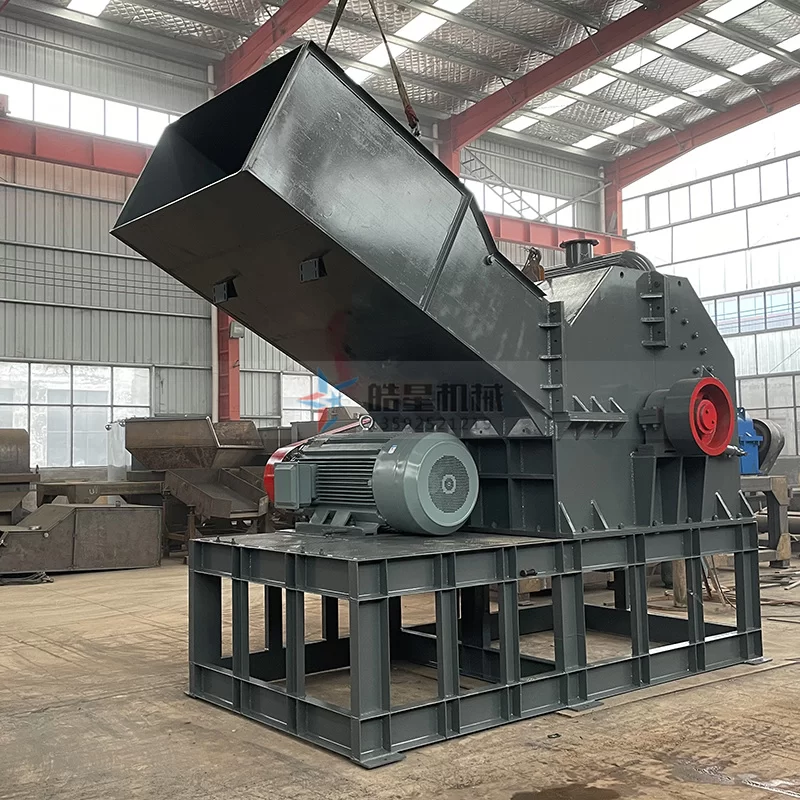
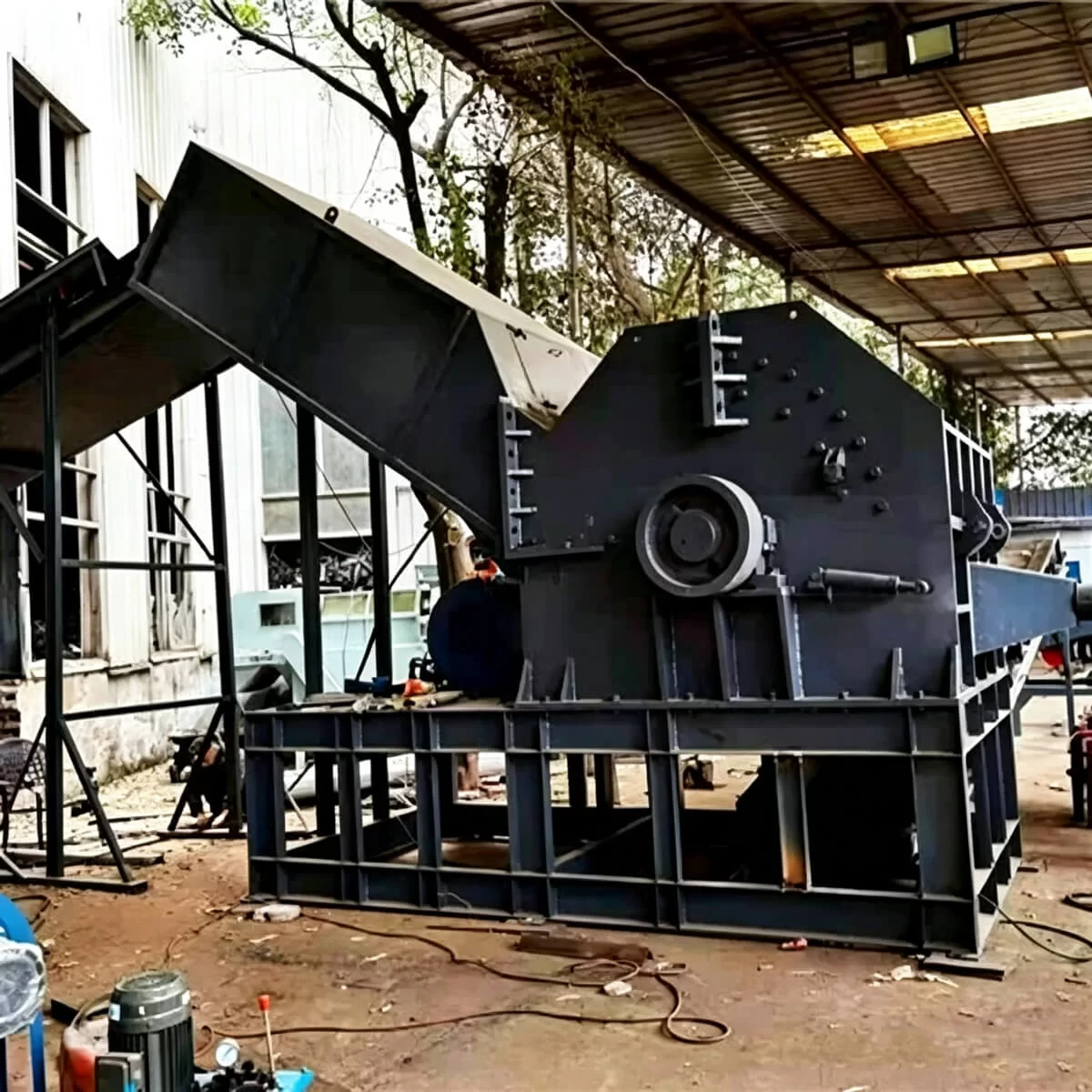
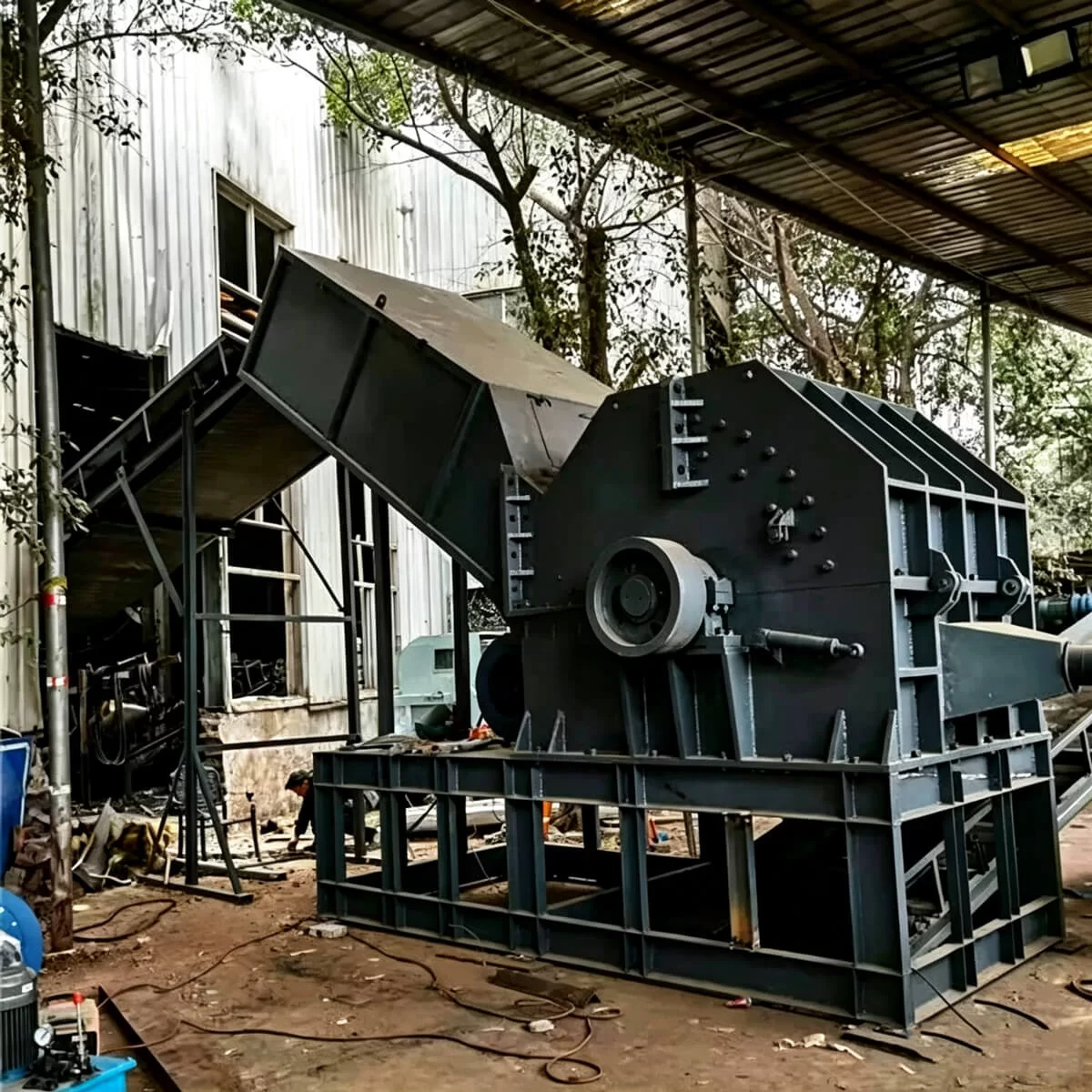
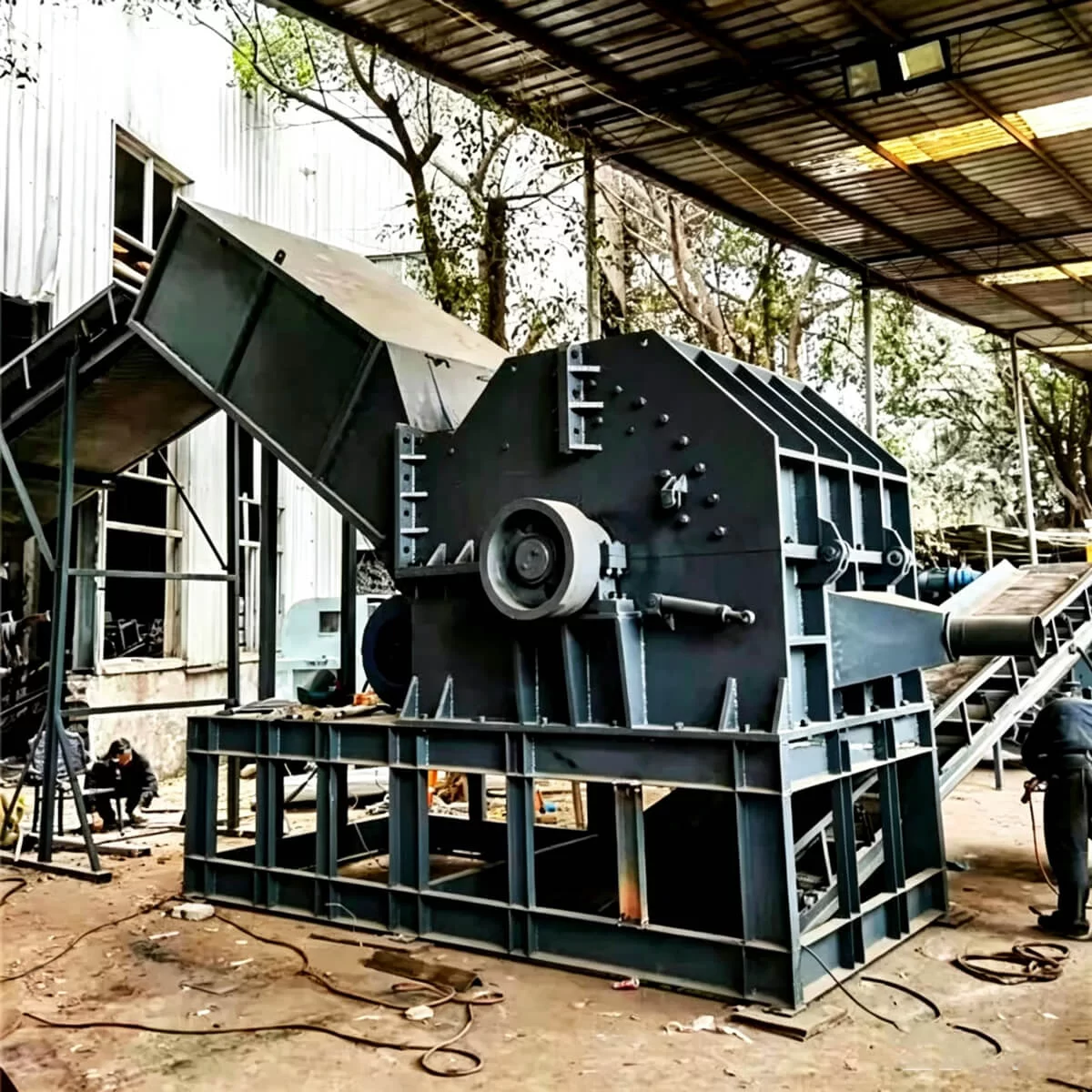
The machine aluminum crusher is designed for processing prepared machinery aluminum parts, engine housings, motor housings, transmission housings, aluminum wheels, cast aluminum scrap and other suitable aluminum alloy components.
Material Preparation and Feeding
Machinery aluminum scrap should be inspected before crushing. Residual oil, coolant, sealed cavities, oversized steel inserts and other unsuitable attachments should be removed or handled according to the selected recycling process.
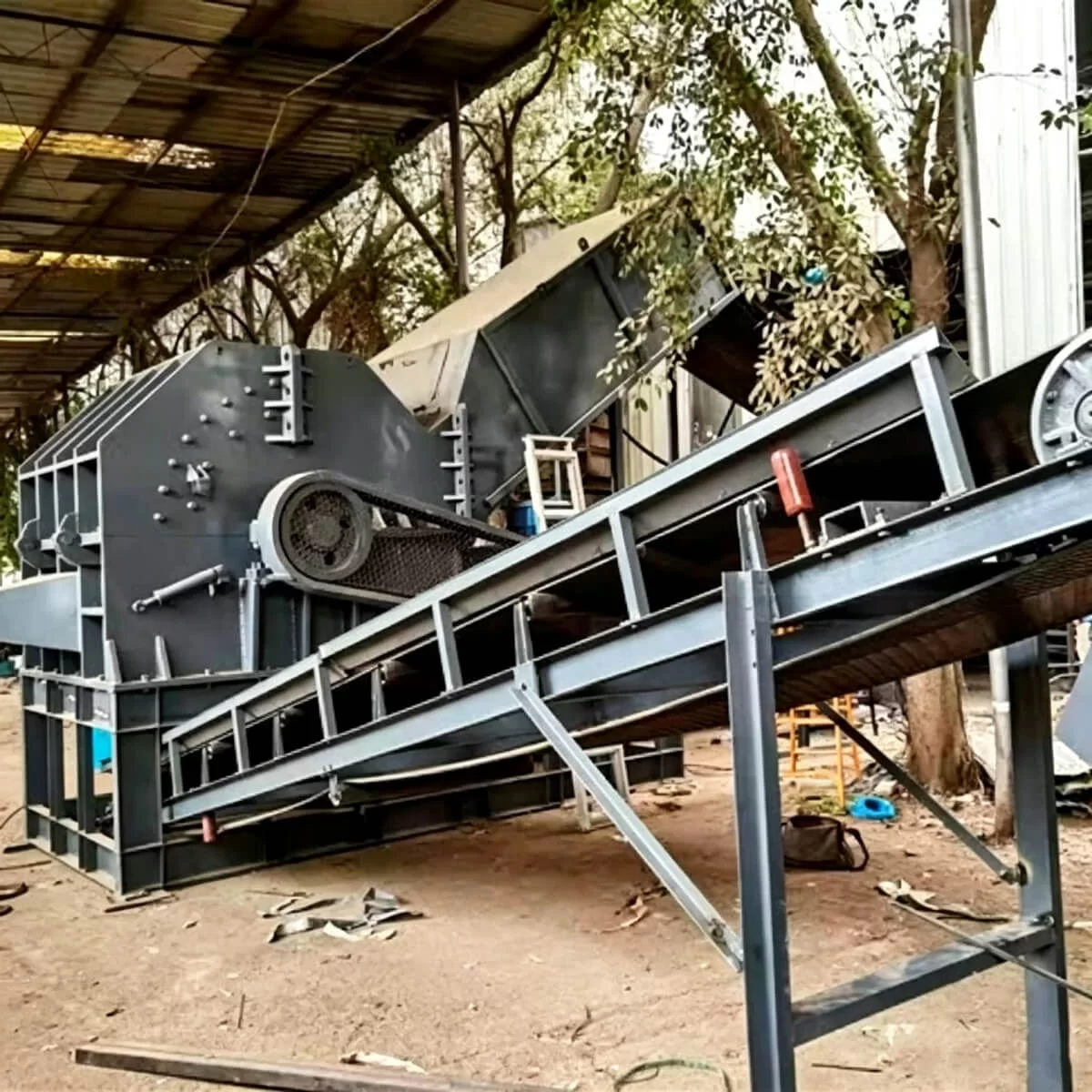
Prepared material is transferred into the crushing chamber by a conveyor or suitable feeding device. The feeding rate should match the crusher capacity and material characteristics to maintain stable operation.
Hammer Crushing
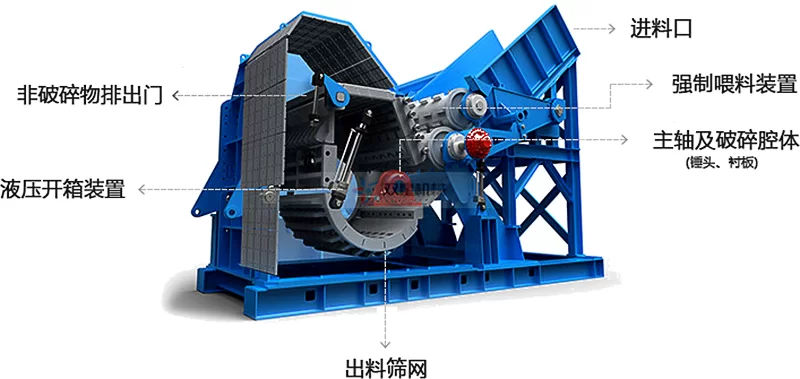
A high-speed rotor drives the hammers to repeatedly impact, deform and break the aluminum material inside the crushing chamber. Friction and compression between the hammers, liner plates and screen grate further reduce the material into smaller pieces.
The crushing process helps expose embedded steel inserts, bolts, bearings, shafts and other attached components, creating more favorable conditions for downstream separation.
Screen-Controlled Discharge
The screen grate helps control the discharge size according to the selected recycling process. Material that meets the screen opening is discharged from the crusher, while oversized pieces remain inside the crushing chamber for further crushing.
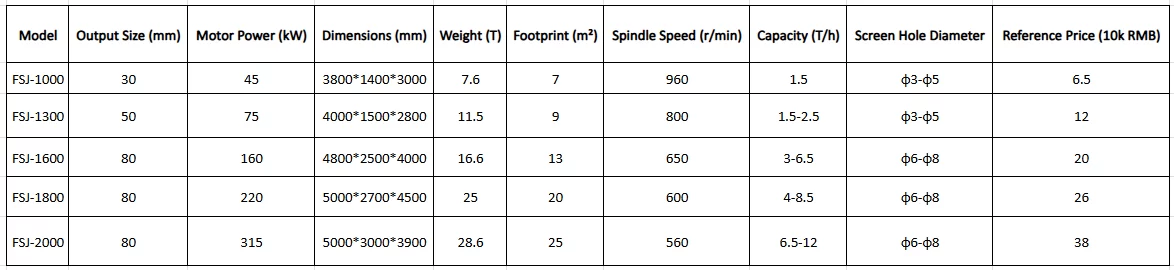
Actual output size depends on the crusher model, screen opening, material thickness, casting structure and hammer configuration.
Magnetic Separation
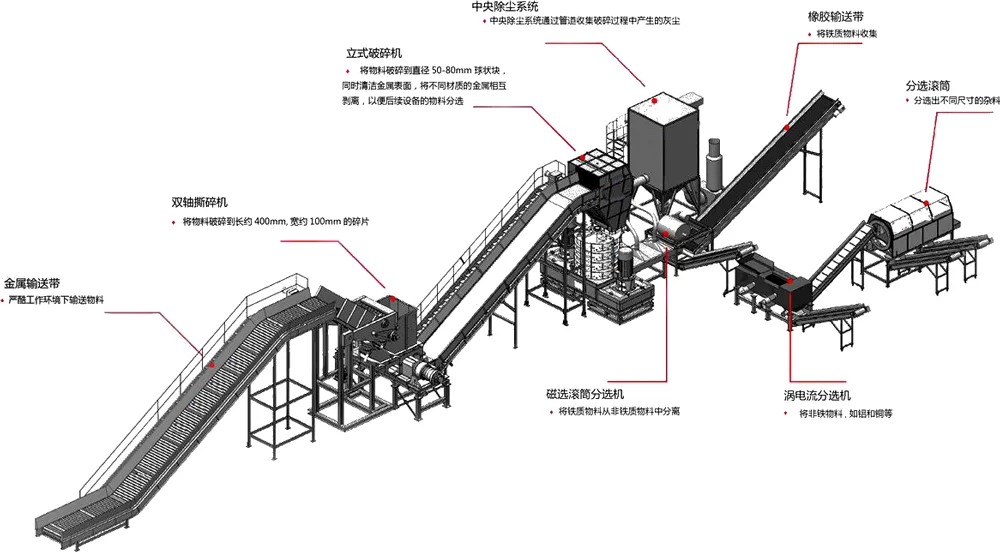
After crushing, the processed material can be conveyed to a magnetic separator. Ferrous components such as bolts, steel inserts, shafts, bearings and other magnetic materials can be recovered from the aluminum-rich material stream.
Separation performance depends on material liberation, particle size, conveyor loading depth and magnetic system configuration.
Optional Screening and Non-Ferrous Sorting
Screening equipment may be added when the processed material requires particle-size classification or more uniform feeding before additional sorting stages.
An eddy current separator may be considered when conductive non-ferrous metals need to be recovered from suitable non-conductive residues after ferrous metal removal and proper material preparation.
Additional manual sorting or specialized separation equipment may be required when different aluminum grades or other non-ferrous metals need to be recovered separately.
Dust Collection
A pulse dust collection system can be configured according to the material condition, processing capacity and workshop layout. Dust collection helps reduce airborne particles generated during crushing, conveying and material transfer.
Machine Aluminum Crushing and Sorting Line Configuration
A machine aluminum crushing and sorting line may include:
Machine aluminum crusher main unit
Feeding conveyor
Discharge conveyor
Magnetic separator
Screening equipment (optional)
Eddy current separator (optional)
Pulse dust collector (optional)
Feeding assist device (optional)
Electric control cabinet
Supporting platform and auxiliary equipment
The final production line configuration depends on the material dimensions, aluminum alloy type, internal steel content, required capacity, expected output size and downstream recovery requirements.