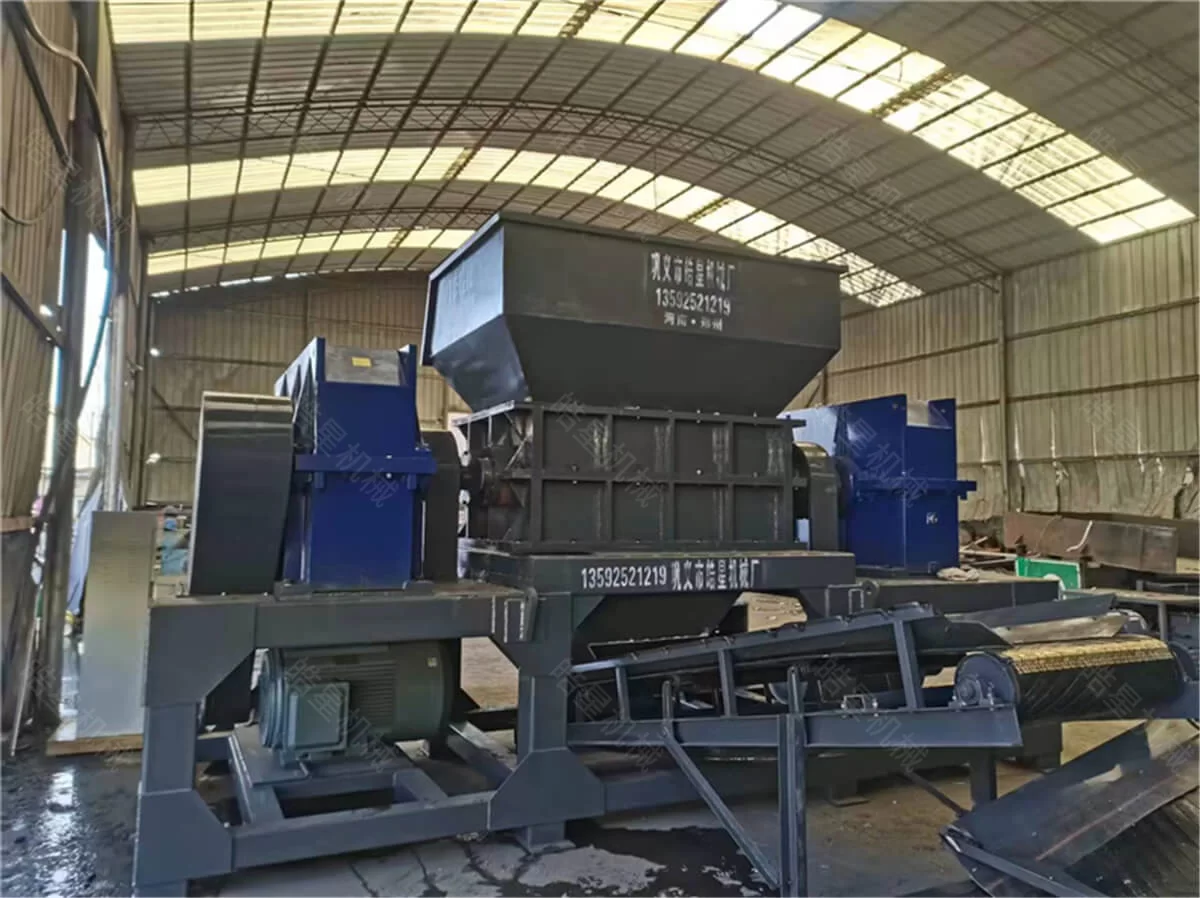
🏭 Category: Twin Shaft Shredder

Ferrous Scrap Shredder

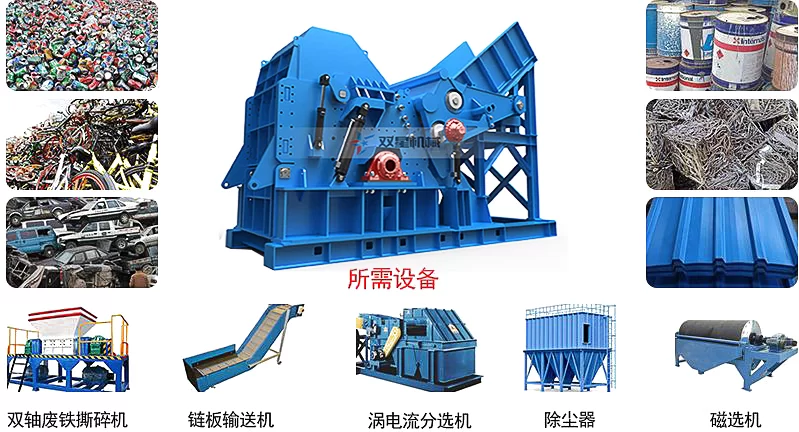
Applicable Materials: Ferrous scrap, scrap iron, scrap steel, light gauge steel scrap, color steel tiles, steel drums, paint buckets, oil drums, appliance shells, bicycle frames, motorcycle frames, car body scrap, metal offcuts, industrial ferrous waste, steel sheet scrap, and mixed iron-containing scrap.

Product Parameters

Key technical information for quick evaluation.

Power
2*22kW-2*110kW
Production Capacity
0.8t/h-10t/h
Output Size
Coarse shredded output. Final size is mainly determined by blade thickness, cutter tooth design, and optional screen configuration.
Production Line Composition
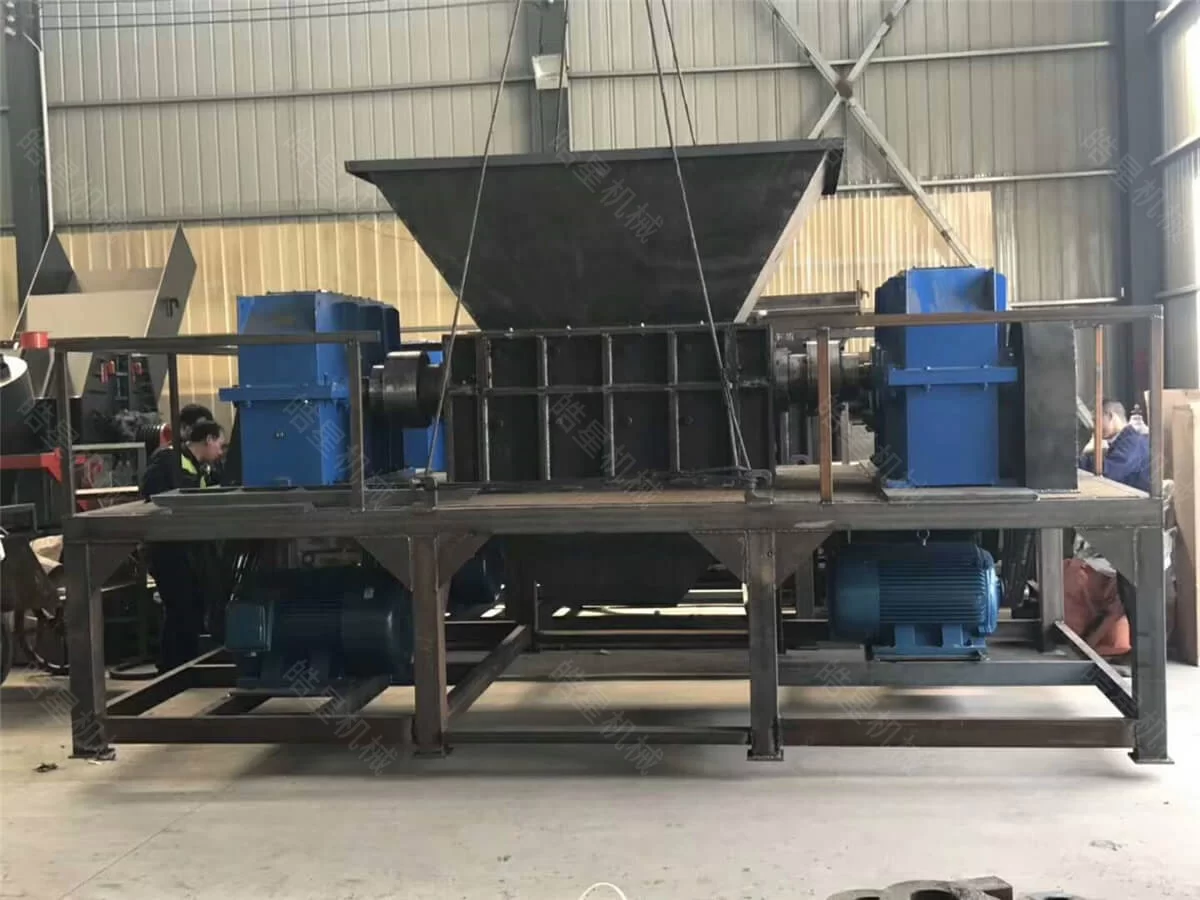
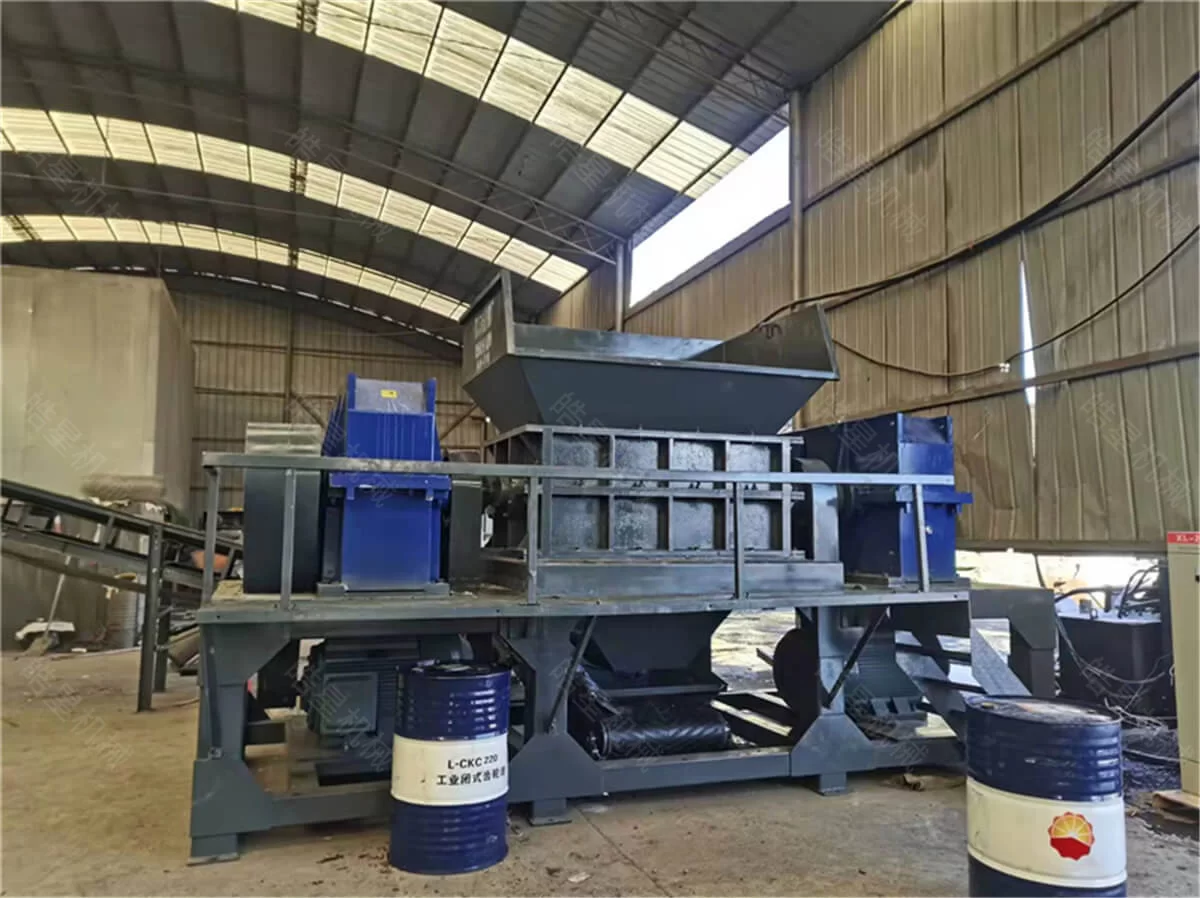
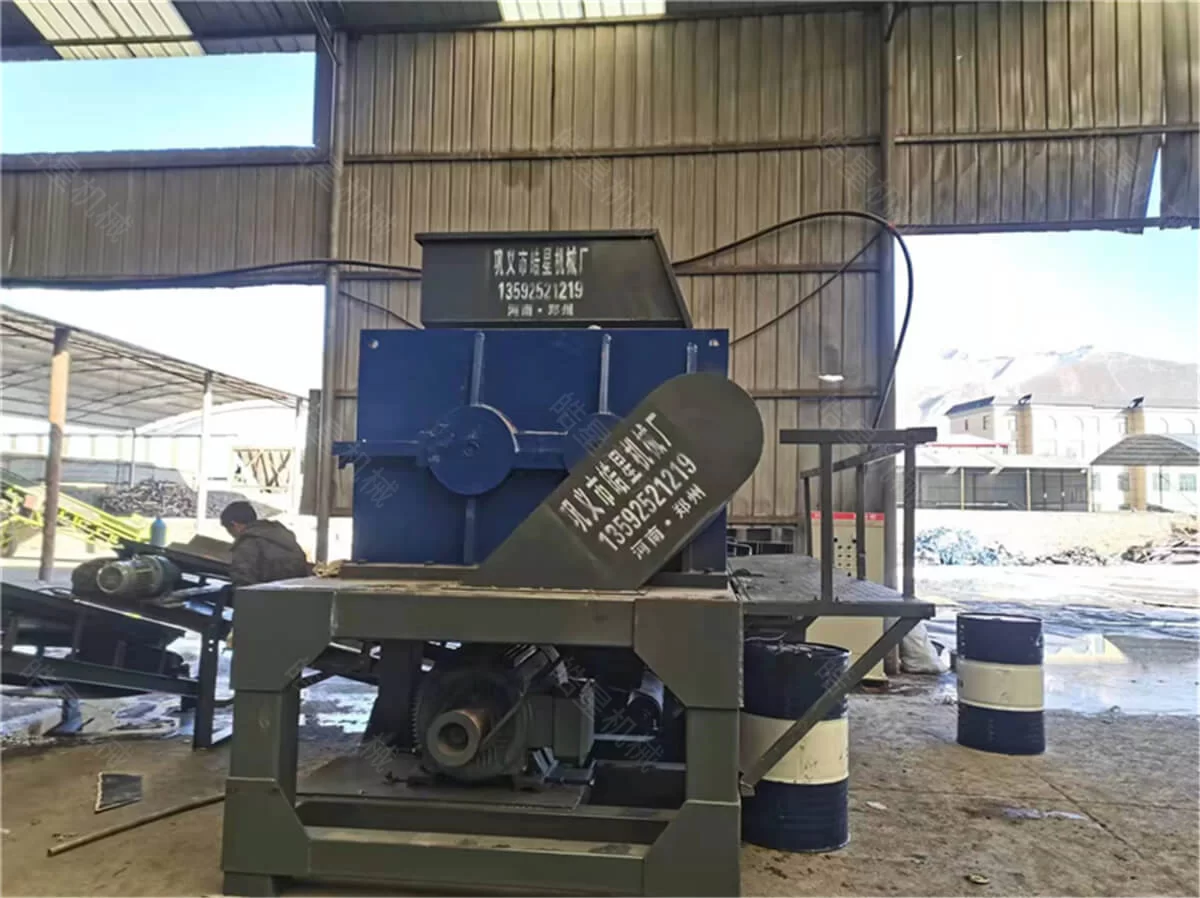
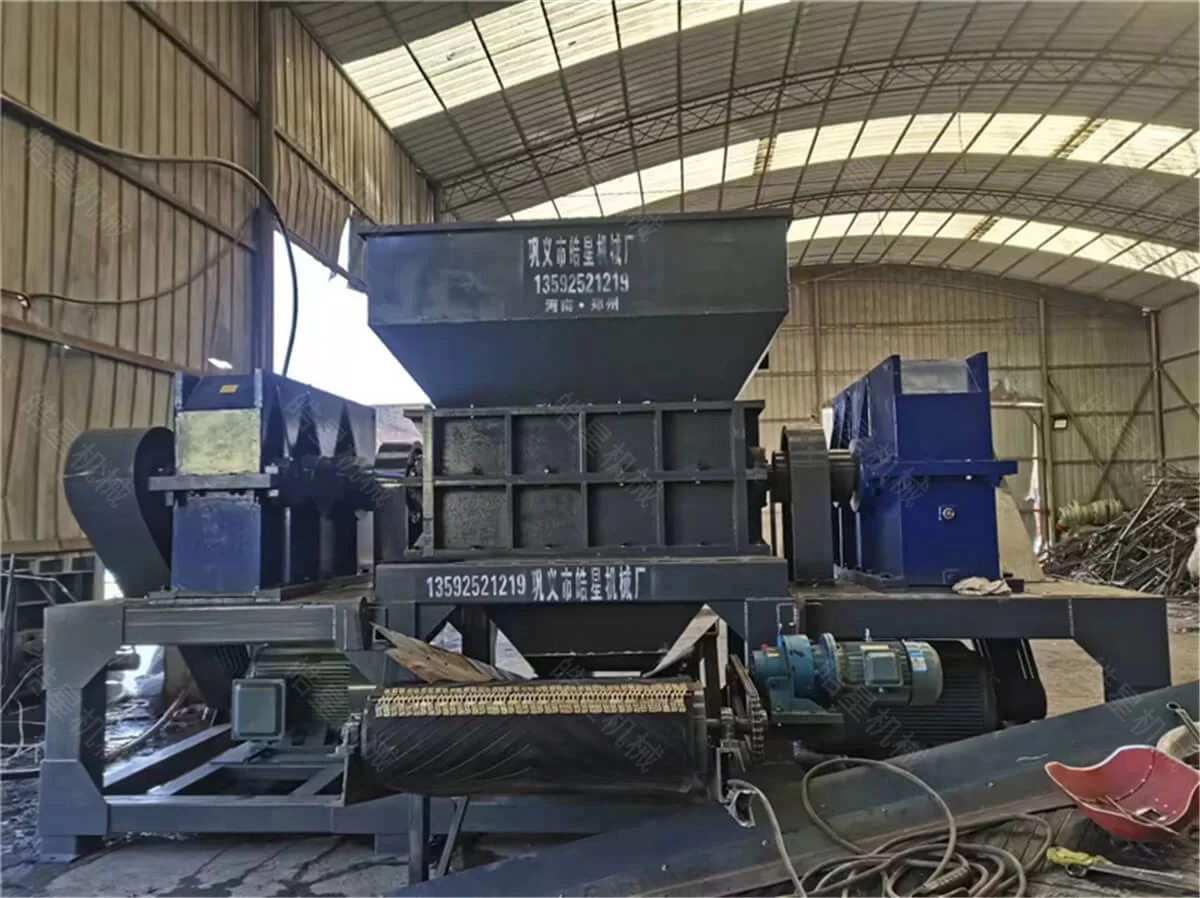
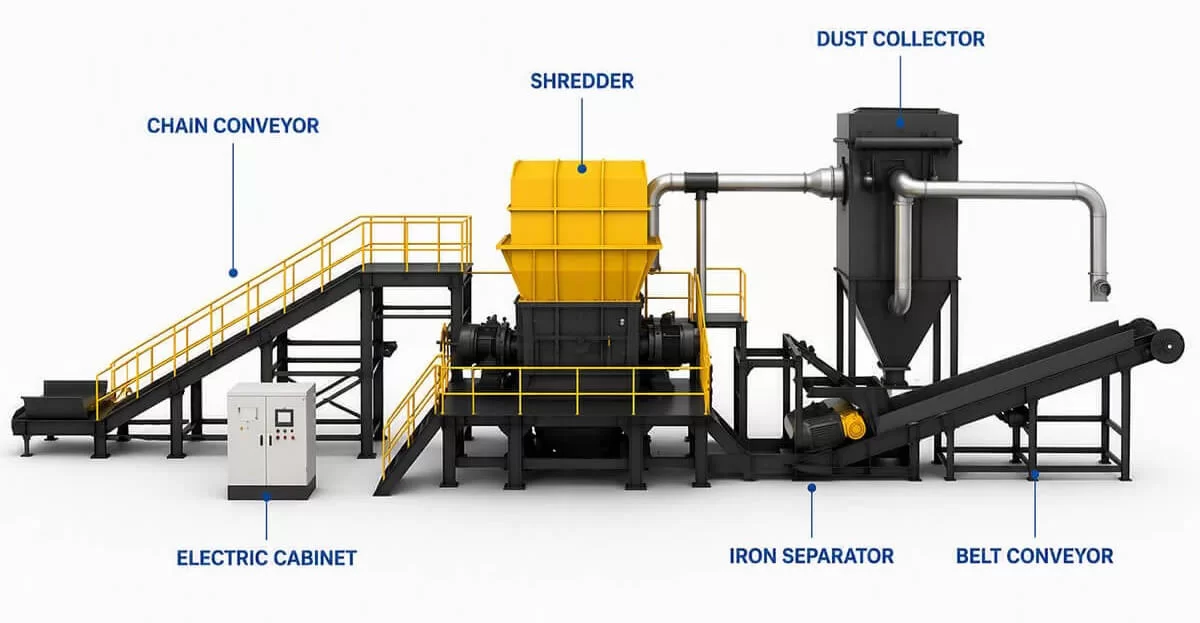
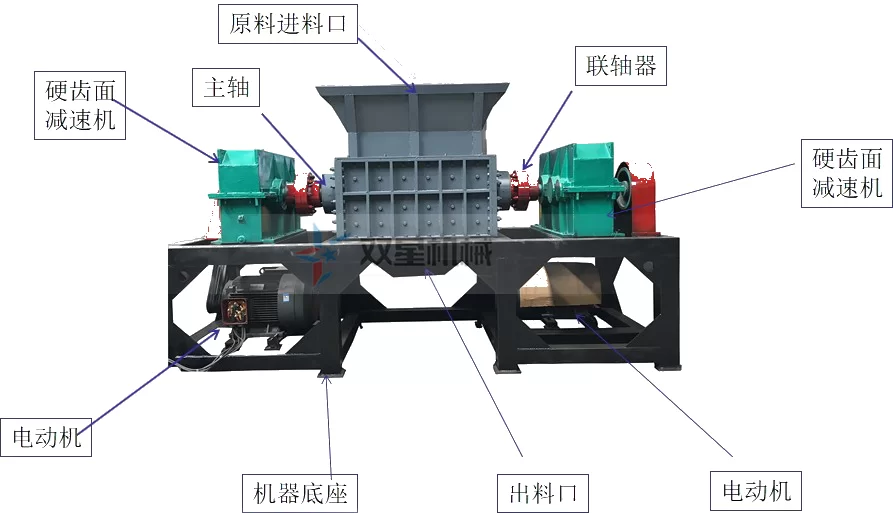
Twin shaft shredder main unit, feed hopper, cutter shafts, alloy blades, reducers, motors, hydraulic system optional, power distribution cabinet, discharge conveyor, magnetic separator optional, eddy current separator optional, and safety protection system.
Reference Price
Price varies by model, blade configuration, and supporting equipment. Please contact us for a quotation.
Product Details

Ferrous Scrap Shredder

Review the equipment introduction, working principle, advantages and technical specifications in one clear page.

01

Equipment Introduction

Ferrous Scrap Shredder

The Ferrous Scrap Shredder is a heavy-duty twin shaft shredding machine used for processing scrap iron, scrap steel, light ferrous metal, steel sheet scrap, metal drums, appliance shells and mixed ferrous waste. It is designed to reduce bulky ferrous scrap into smaller loose pieces for easier handling, magnetic separation, transportation, baling or further crushing.

The machine uses two counter-rotating cutter shafts with alloy cutter discs. During operation, the cutter discs grab, squeeze, shear and tear ferrous scrap materials at low speed and high torque. This makes the shredder suitable for large, irregular, loose or compressed ferrous scrap materials.

The ferrous scrap shredder can be used as a standalone machine or as the first-stage size reduction equipment in a ferrous scrap recycling line. It can work with feeding conveyors, discharge conveyors, magnetic separators, metal crushers, baling machines, sorting platforms and other supporting equipment.

Compared with high-speed crushing, twin shaft shredding produces lower impact and is more suitable for primary size reduction before magnetic separation, baling, transportation or secondary crushing. The final output size and capacity depend on material type, feeding size, material thickness, cutter structure and equipment configuration.

02

Working Principle

Materials Processed by the Ferrous Scrap Shredder

Ferrous scrap is fed into the shredding chamber through the feeding hopper. Two cutter shafts rotate in opposite directions at low speed and high torque. The alloy cutter discs on the shafts grab, squeeze, shear and tear the material into smaller irregular pieces.

This shredding process is suitable for reducing the volume of scrap iron, scrap steel, metal sheets, drums, appliance shells and mixed ferrous scrap. The shredded material becomes easier for conveying, magnetic separation, baling, storage, transportation or further crushing.

When hard or overloaded material enters the shredding chamber, the control system can reverse the cutter shafts to release the material. This helps reduce blockage and protect key parts such as cutter discs, shafts, reducers and motors.

The shredded ferrous material is discharged from the bottom of the machine and can be sent to magnetic separation, baling, sorting, secondary crushing or other downstream recycling processes according to the production requirement.

03

Features and Advantages

Ferrous Scrap Shredder Features

Low-Speed and High-Torque Shredding

The ferrous scrap shredder uses a low-speed and high-torque working principle. It can grab and tear bulky or irregular ferrous scrap without relying on high-speed impact.

Suitable for Ferrous Scrap Materials

This machine is suitable for processing a wide range of recyclable ferrous materials, including:

  • Scrap iron

  • Scrap steel

  • Light ferrous metal

  • Steel sheet scrap

  • Metal drums

  • Appliance shells

  • Mixed iron waste

Strong Material Grabbing Ability

The counter-rotating cutter shafts help pull loose, bulky or irregular materials into the shredding chamber. This supports stable feeding and continuous shredding operation.

Automatic Reverse Protection

When hard material enters the shredding chamber or an overload occurs, the control system can automatically reverse the cutter shafts to release the material. This helps reduce the risk of blockage and protects the transmission system.

Replaceable Alloy Cutter Discs

The cutter discs are made of wear-resistant alloy materials. Cutter thickness, tooth shape and blade arrangement can be selected according to the material type and required output size. Worn cutter components can be repaired or replaced according to actual operating conditions.

Lower Impact Than Hammer Crushing

Compared with high-speed hammer crushing equipment, twin shaft shredding produces lower impact, less noise and less dust. It is suitable for the primary size reduction of bulky ferrous scrap.

Easy Integration with Recycling Lines

The ferrous scrap shredder can operate as a standalone machine or be integrated with other recycling equipment, including:

  • Feeding conveyors

  • Discharge conveyors

  • Magnetic separators

  • Metal crushers

  • Baling machines

  • Sorting equipment

Customizable Configuration

The machine configuration can be customized according to the material condition, capacity requirement and site layout. Available customization options include:

  • Feeding size

  • Cutter thickness

  • Motor power

  • Reducer type

  • Discharge height

  • Conveyor layout

  • Control system

   Ferrous Scrap Shredder Material Crushing and Sorting Process

04

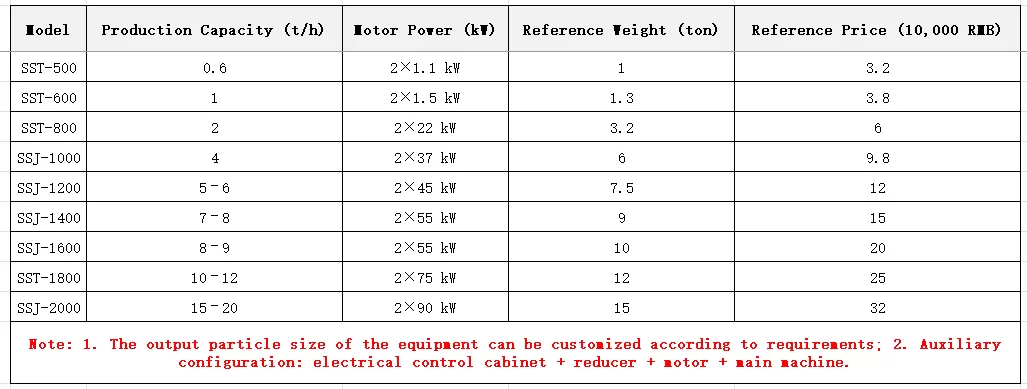
Technical Specifications

Parameter description diagram for Ferrous Scrap Shredder for Scrap Iron and Steel Recycling:

Ferrous Scrap Shredder Model Parameters and Price List

Note: Actual output depends on feeding size, material thickness, material density, cutter configuration, shaft speed, feeding method and discharge requirements.

Custom configurations are available according to material type, required capacity, output size and site layout. The machine can be equipped with feeding conveyor, discharge conveyor, magnetic separator, downstream crusher, baling system, dust collector and electric control cabinet according to the recycling process.

FAQ

Frequently Asked Questions

Find common questions about scrap metal crushers, shredders, recycling lines, equipment selection, capacity configuration and operation requirements.

QWhat information should I provide before getting a quotation?

A

To recommend a suitable ferrous scrap shredder, it is helpful to provide the scrap material photos or videos, feeding size, material thickness, expected capacity, required final size, voltage requirement, and installation site conditions. With this information, the machine model and configuration can be selected more accurately.

QWhat equipment can be used with a ferrous scrap shredder?

A

A complete ferrous scrap recycling line can include a feeding conveyor, metal shredder, discharge conveyor, magnetic separator, dust removal system, hydraulic system, control cabinet, and sometimes a secondary crusher. The full configuration depends on your material condition and final product requirements.

QCan the shredder handle mixed ferrous scrap with paint, rust, or oil?

A

Yes. Ferrous scrap shredders can usually handle painted, rusty, or slightly oily metal scrap. However, materials with explosive, sealed, or high-pressure containers should be removed before feeding. Safe pre-sorting is important to protect the equipment and reduce operational risks.

QHow often do the shredder blades need to be replaced?

A

Blade service life depends on the hardness, thickness, and cleanliness of the scrap material. If the machine often processes heavy steel, dirty scrap, or materials mixed with hard impurities, blade wear will be faster. Regular inspection, timely sharpening, and correct feeding can help extend blade life.

QIs a ferrous scrap shredder suitable for continuous operation?

A

Yes, an industrial ferrous scrap shredder is designed for continuous operation in recycling plants, scrap yards, and metal processing facilities. For stable long-term use, the machine should be matched with proper feeding equipment, regular lubrication, blade inspection, and overload protection.

QCan the final shredded size be adjusted?

A

Yes. The final size can usually be adjusted by changing the blade thickness, blade structure, screen opening, or discharge design. If you need a specific output size for melting, sorting, transportation, or further crushing, the machine can be configured according to your recycling process.

QWhat capacity can a ferrous scrap shredder reach?

A

The capacity can vary from several hundred kilograms per hour to several tons per hour, depending on the machine model and the scrap material. Loose, thin steel scrap is usually easier to shred, while thick or high-density metal requires more power and may reduce the hourly output.

QHow do I choose the right ferrous scrap shredder model?

A

The right model depends on the type of scrap, feeding size, material thickness, required capacity, final particle size, and available workshop space. For light scrap, a medium-duty shredder may be enough. For heavy steel scrap or large mixed metal waste, a stronger machine with higher torque and thicker blades is recommended.

QWhat is the difference between a ferrous scrap shredder and a metal crusher?

A

A ferrous scrap shredder usually uses low-speed, high-torque cutting to tear metal scrap into smaller pieces. A metal crusher normally uses high-speed impact crushing to further reduce scrap size and improve density. In many recycling lines, a shredder is used for primary size reduction, while a crusher can be used for secondary processing.

QWhat materials can a ferrous scrap shredder process?

A

A ferrous scrap shredder is mainly used for processing iron-based scrap materials, such as scrap steel, light metal scrap, steel sheets, old appliances, bicycle frames, metal drums, car body parts, and mixed ferrous waste. The final application depends on the material size, thickness, feeding method, and required output size.

Post a Question

Leave your question about material type, capacity, equipment model or recycling line configuration.

Verification code
Get A Quote

Get Instant Pricing & Specs

Send your email and tell us your material type, capacity requirement and site condition. Our team will provide equipment selection, technical specifications and quotation details.

  • Model recommendation
  • Capacity configuration
  • Recycling line quotation

Request Product Details

We usually reply with equipment details and pricing information as soon as possible.

WhatsApp
💬
WhatsApp
WhatsApp QR Code
Scan or click to chat with us on WhatsApp.