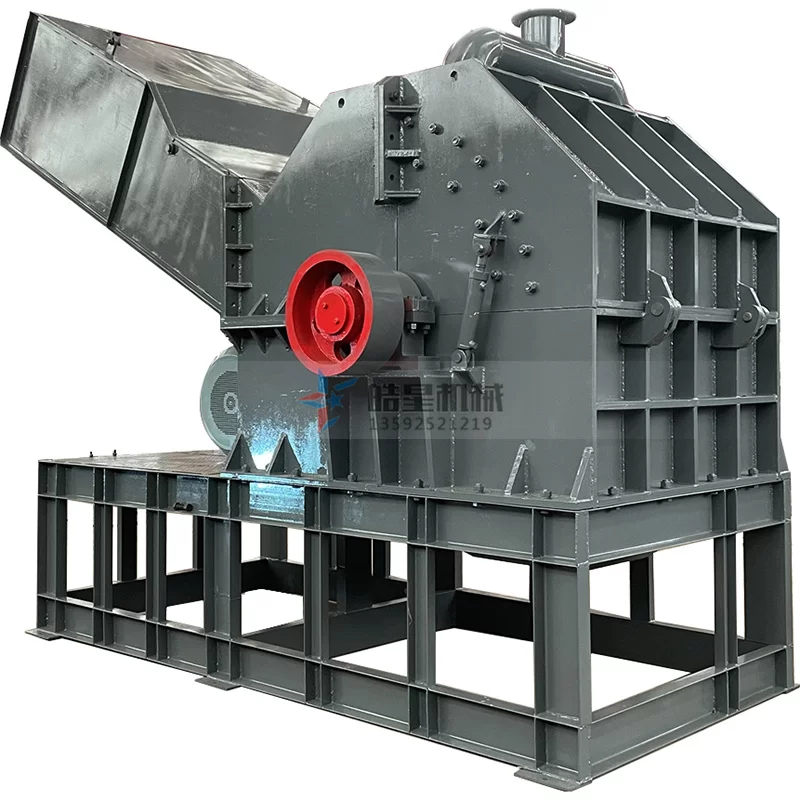
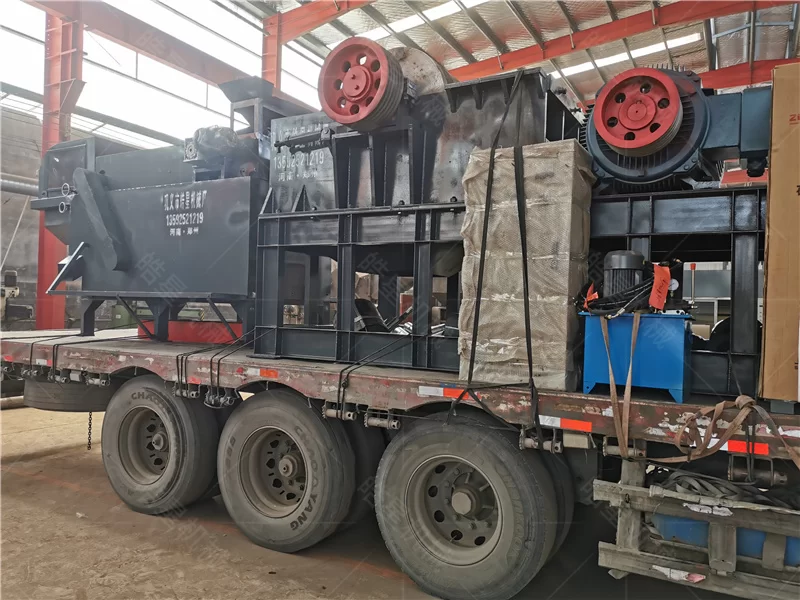
Many customers, when choosing an aluminum scrap crusher, assume that "more power means more muscle, so you can't go wrong." As a result, after the machine is delivered, electricity bills skyrocket, output barely increases, and clogging becomes a frequent issue. In fact, aluminum scrap crushers have a "golden power zone" – within this range, efficiency is highest and costs are optimal; going beyond it is counterproductive.
1. What is the "Golden Power Zone"? Real data tells the story.
Take the processing of broken-bridge aluminum profiles as an example. Measured data are as follows:
Model A (75 kW): Daily capacity ~3.5–4 tons, energy consumption ~55 kWh/ton.
Model B (90 kW): Daily capacity ~5–5.5 tons, energy consumption ~48 kWh/ton.
Model C (132 kW): Daily capacity only ~6–6.5 tons, but energy consumption soars to ~65 kWh/ton.
For this material, 90 kW is the upper limit of the golden power zone – beyond that, every additional 10 kW increases output by less than 1 ton while raising energy consumption by over 15%. The core parameter of the golden zone is torque density: for aluminum scrap (especially broken-bridge aluminum), the recommended spindle torque is 800–1000 N·m per ton of throughput. Excessive power only makes the hammer tip speed too high, turning aluminum into fine powder and reducing recovery rates.
2. Oversizing power: three "hidden costs" that hurt you
① Energy inversion: High-power motors operate at low efficiency under light loads. For example, using a 132 kW machine for a 90 kW job results in a motor load factor of only 60%, a drop in power factor, and actual electricity cost per ton that is 30–40% higher than a properly sized configuration.
② Over-grinding: Aluminum scrap needs to be crushed into "bean-like" or "flake-like" shapes for subsequent separation. Excessive power pushes hammer tip speed above 45 m/s, causing the aluminum to be repeatedly pounded into fine dust. This both loses weight (fine powder is hard to recover) and clogs the screens, requiring frequent shutdowns for cleaning.
③ Equipment premium and maintenance costs: A 132 kW model costs RMB 80,000–100,000 more than a 90 kW model, and components such as bearings, belts, and rotors are designed to higher specifications, with spare part prices doubling. The extra expense over three years could buy another small machine.
3. How to pinpoint your "golden power zone"? Three parameters plus one formula
Key parameters: material tensile strength (broken-bridge aluminum ~200–260 MPa), single-batch throughput (tons/hour), screen aperture (typically 12–20 mm).
Empirical formula: Required power P (kW) = throughput Q (tons/hour) × specific energy coefficient K. For aluminum scrap, take K = 15–20. Example: target 3 tons/hour, P = 3 × 18 = 54 kW. Considering fluctuations, 75 kW is sufficient – no need for 110 kW or more.
Also match the rotational speed: The optimal hammer tip speed for aluminum scrap is 32–38 m/s. Converting back from the rotor diameter gives the motor speed – typically a 4-pole motor (1480 rpm) with appropriate pulleys, rather than a 6-pole or direct-drive high-power motor.
Final recommendation: Run a test with your material at the manufacturer's facility to measure the actual power-output curve – the inflection point is your golden power zone.
So when selecting an aluminum scrap crusher, don't fall for the "bigger is stronger" myth. Calculate energy consumption per ton, focus on torque density, apply the empirical formula, and find the golden zone around 90 kW – that's how you save on electricity while maintaining output. Remember: what fits is more profitable than what is brute.