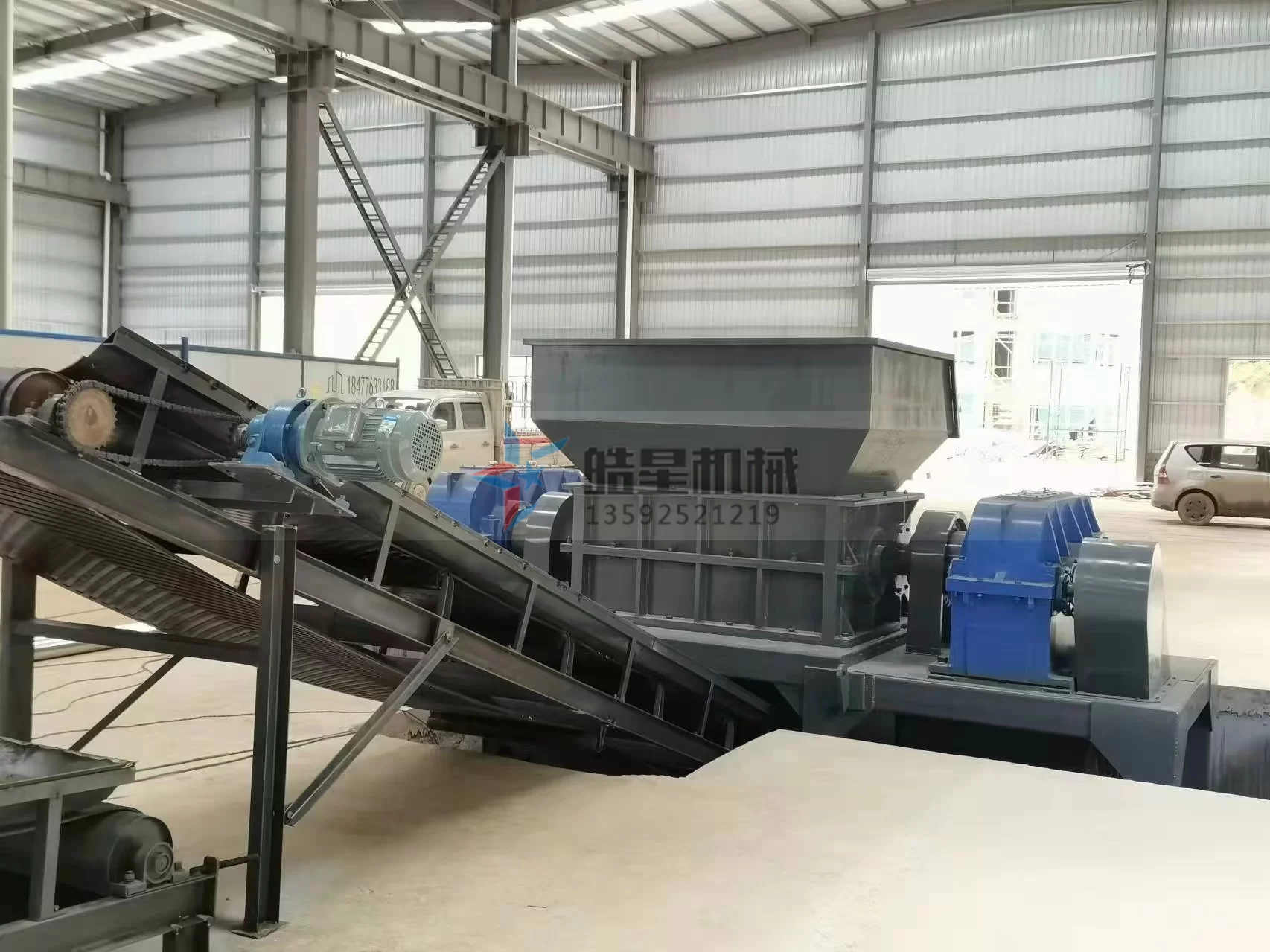
Project Overview
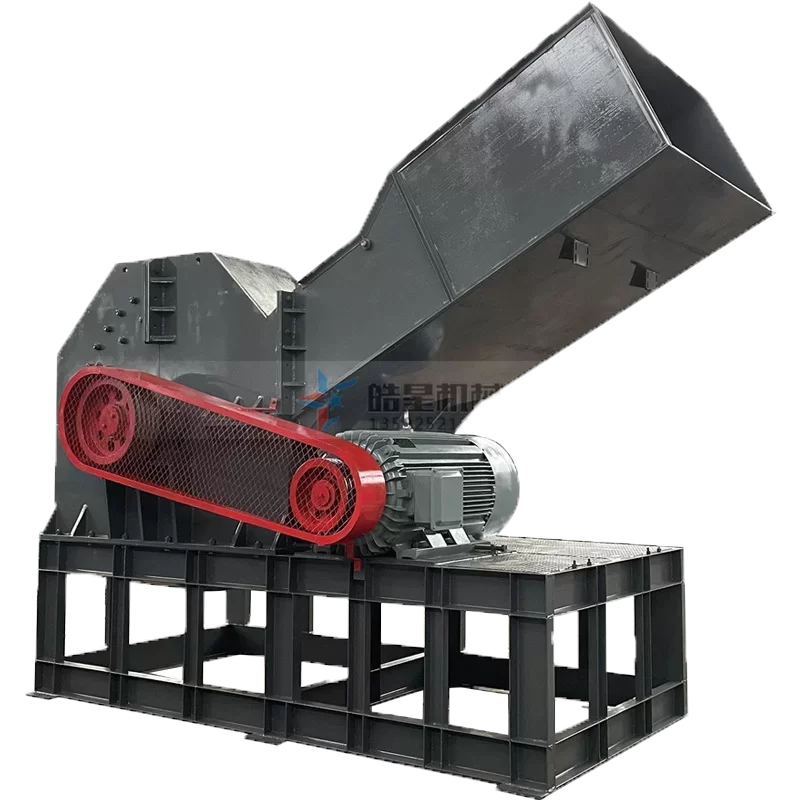
Copper-containing bricks are a composite waste material, with a hard brick body on the outside and copper components embedded inside or on the surface. They feature high density and significant hardness differences. Using a metal shredder with a dedicated rotor achieves efficient separation sh
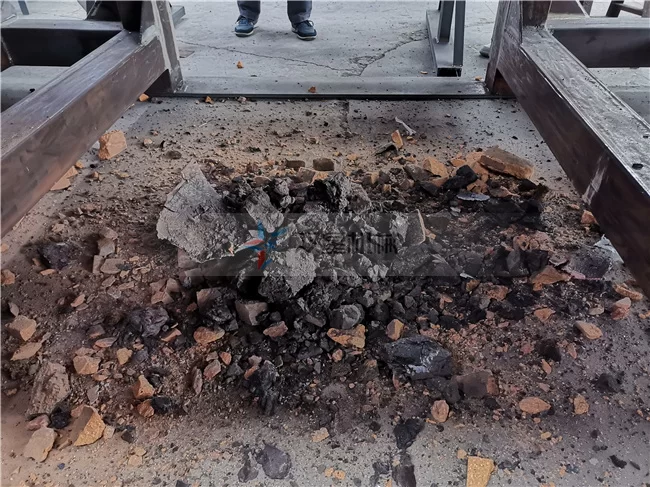
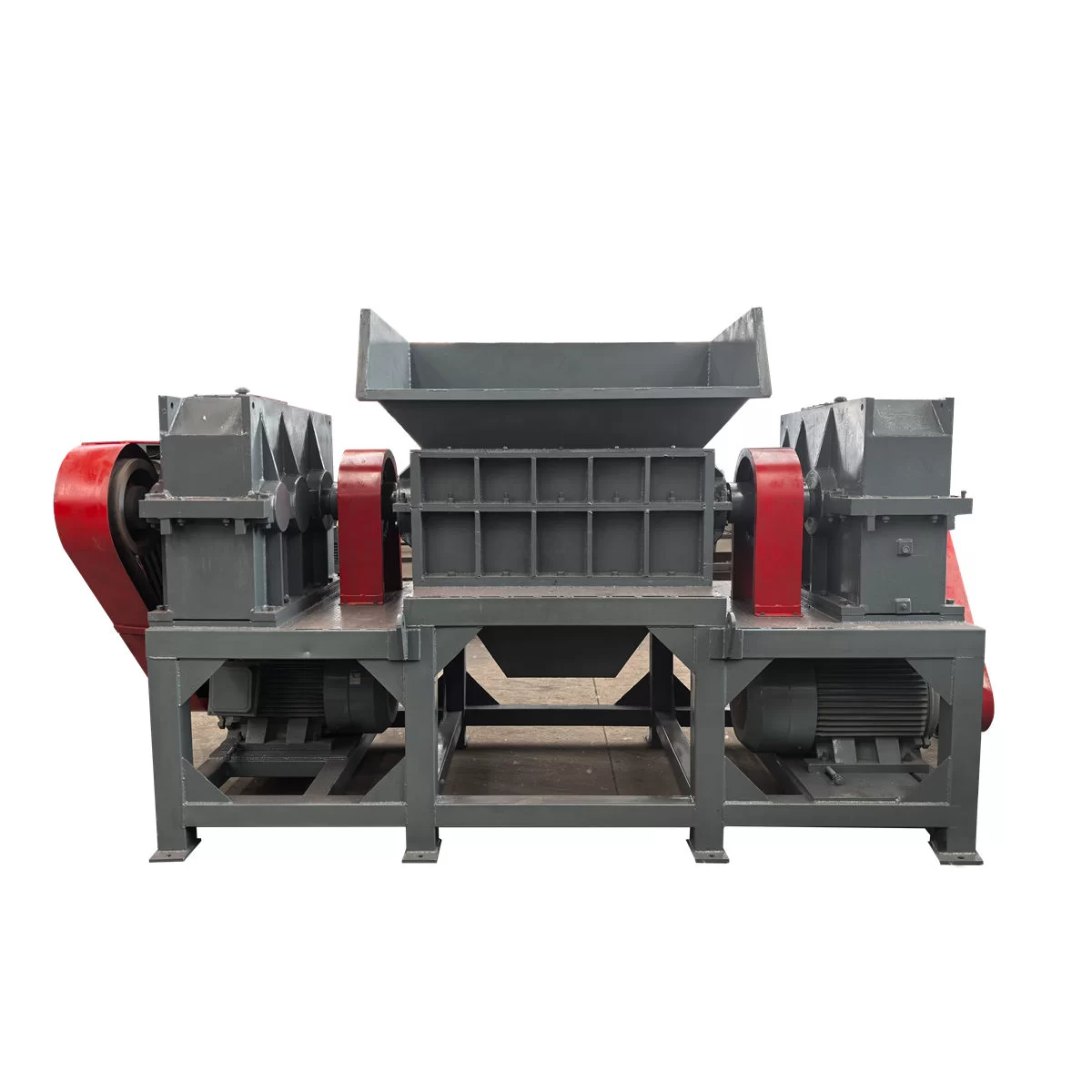
Copper-containing bricks are a composite waste material, with a hard brick body on the outside and copper components embedded inside or on the surface. They feature high density and significant hardness differences. Using a metal shredder with a dedicated rotor achieves efficient separation shredding.
The rotor adopts a multi-claw staggered cutter structure, made of high-alloy tool steel with a blade hardness of HRC60 or above. After copper-containing bricks enter the shredding chamber, the rotor rotates at low speed with high torque (approximately 30 r/min). The cutter disc first applies strong compression and splitting force to the brick body, quickly breaking the bricks into 30–80 mm fragments. Meanwhile, due to the good ductility of copper, the copper components are pulled and torn by the cutter disc, forming curled copper sheets or strips that completely separate from the brick debris. The shredded product shows bright copper surfaces without encapsulation, and the brick debris appears as loose granules.
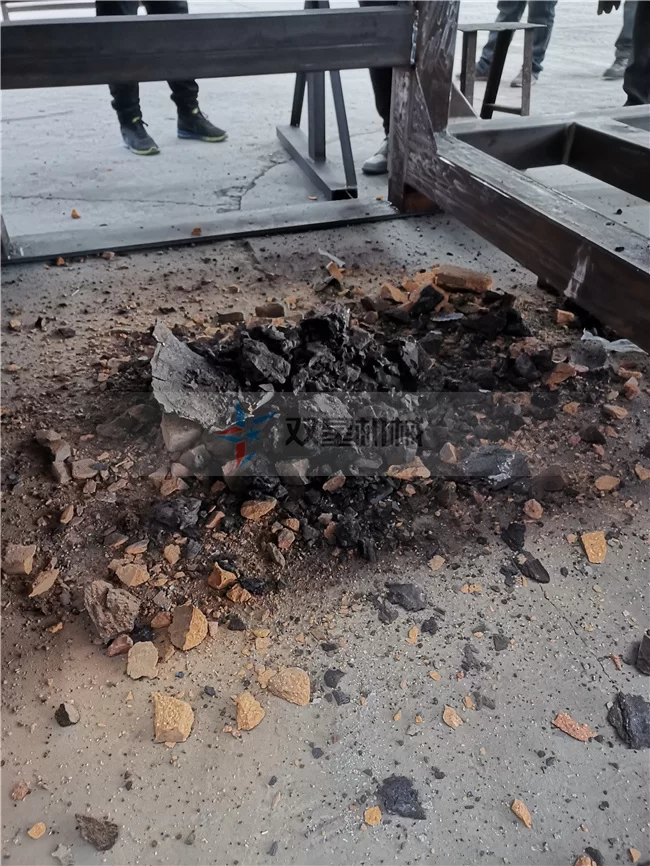
Field tests show that when processing copper-containing bricks, the single-machine output reaches 1.5–2 tons per hour, with a separation rate of copper from brick debris exceeding 95%. The rotor’s anti-jamming design and forward/reverse function effectively prevent brick powder from clogging. After shredding, the material undergoes magnetic or air separation, achieving a copper recovery rate of 98%. Compared with manual breaking, the rotor shredding improves efficiency by nearly 10 times while greatly reducing mechanical loss of copper. In conclusion, this rotor solution achieves the dual effect of “crushing hard and brittle brick bodies while separating tough copper materials,” making it an ideal choice for resource utilization of copper-containing bricks.