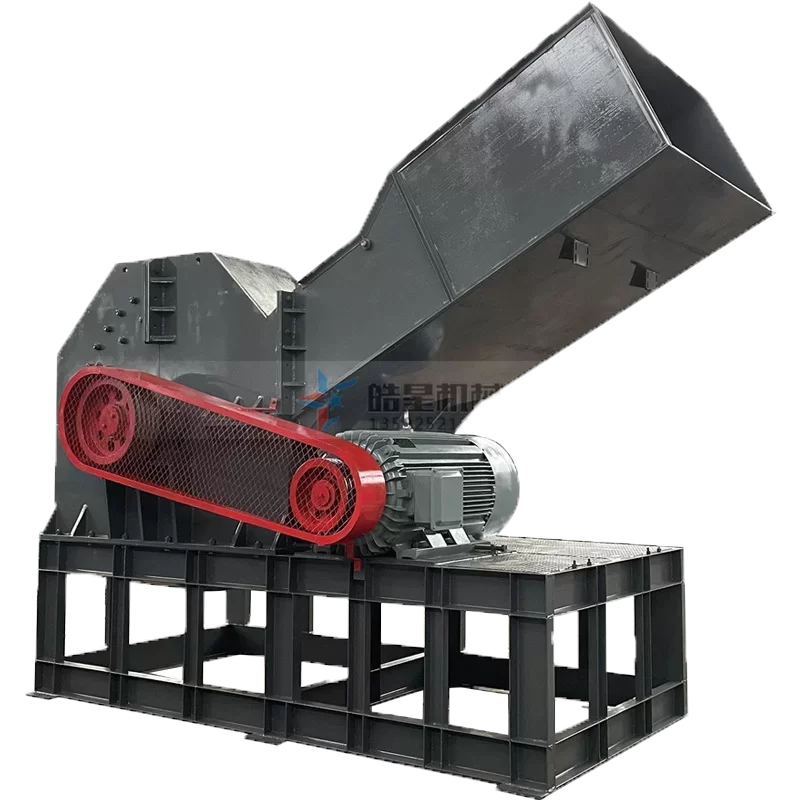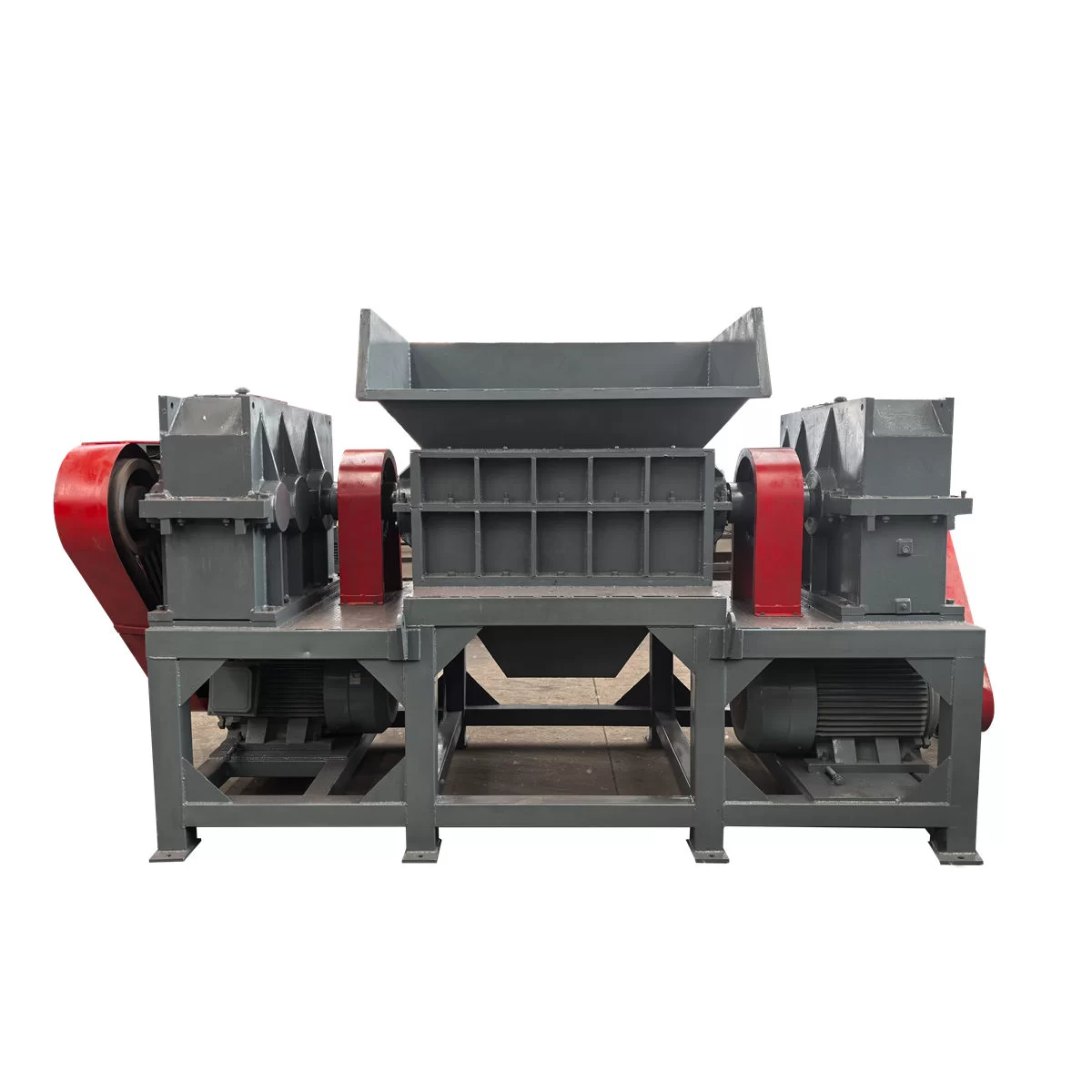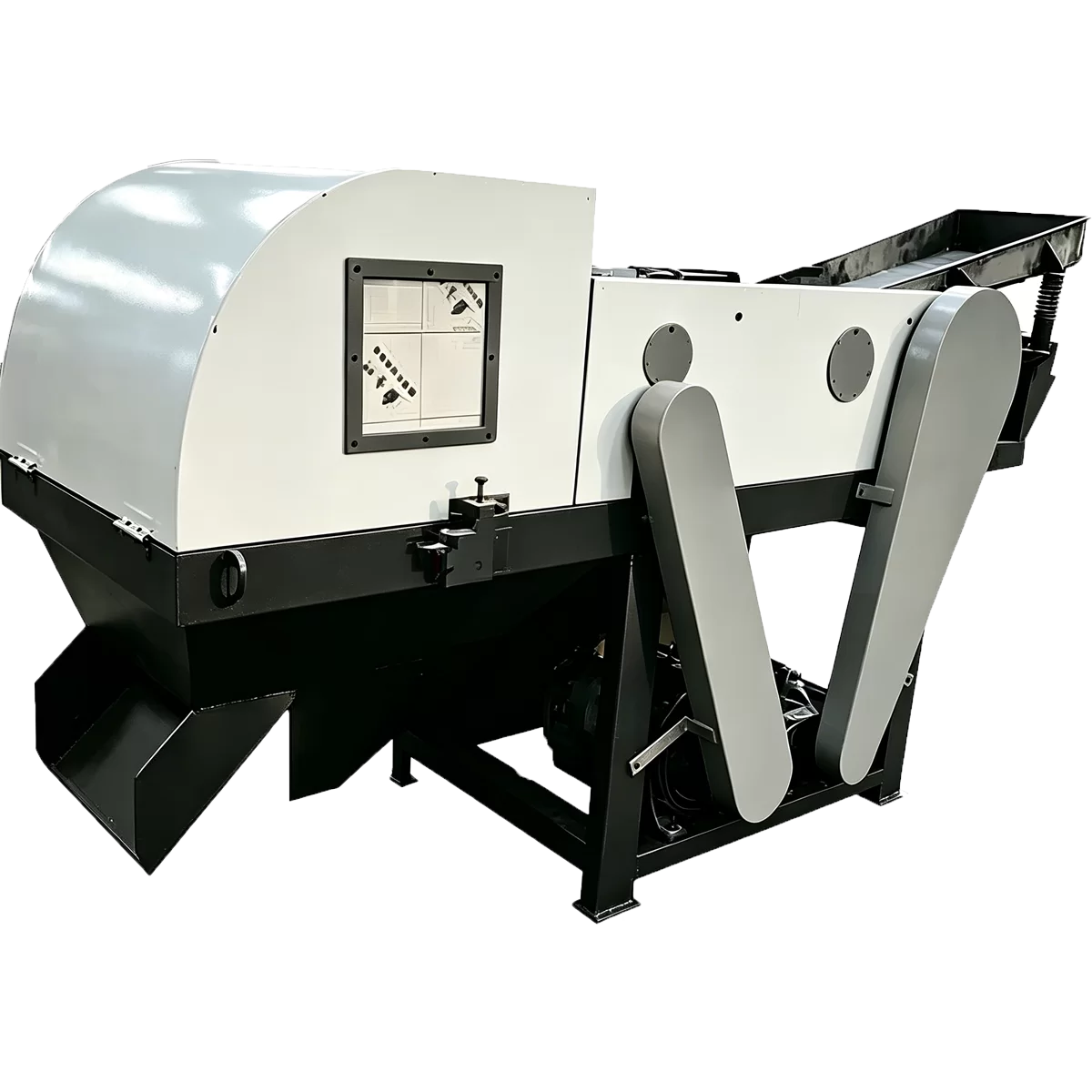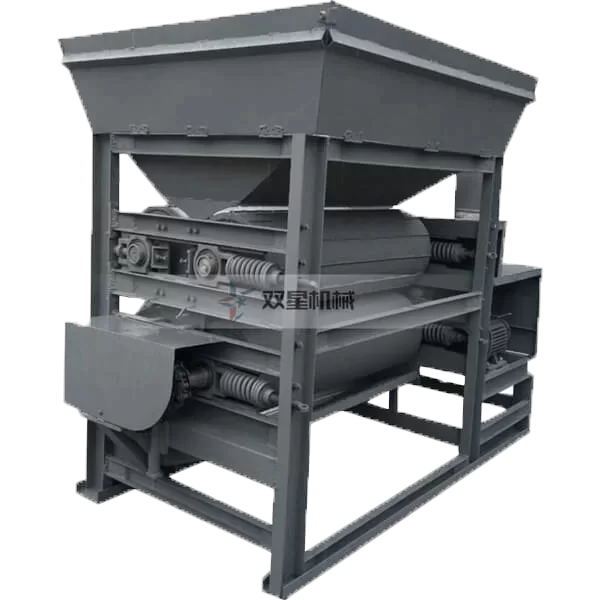
The hammer of an aluminum scrap shredder is a key consumable. A high-chrome cast iron hammer typically costs about twice as much as a high-manganese steel hammer, and manufacturers often claim its service life can be extended by more than three times. But does real-world test data support this claim? We tracked a six-month comparative test at three aluminum recycling companies in Hebei and Shandong provinces, using data to answer: Is the high-chrome hammer worth it?
1. Material differences determine different wear mechanisms
High-chrome cast iron (containing 15%-26% Cr) has a large number of high-hardness M7C3 type carbides in its structure, with a macro-hardness of HRC58-62, mainly resisting cutting wear. High-manganese steel (Mn13) has an initial hardness of only HB180-220, and its wear resistance relies on impact load to induce work hardening, which can raise the surface hardness to HRC45-50. In aluminum scrap shredding, the material is relatively soft and the impact force is moderate, so high-manganese steel struggles to fully harden, showing slow scratching and deformation. In contrast, high-chrome hammers, with their high-hardness phase, are better suited for low-impact, high-sliding wear conditions.
2. Measured service life: high-chrome lasts only 2.3 times longer than high-manganese, less than 3 times
The measured data from the three companies are as follows: Processing mixed aluminum scrap (including aluminum doors and windows, cans, thin aluminum sections), the average service life of high-manganese steel hammers was 180 tons per set, while high-chrome hammers averaged 420 tons per set. The life multiplier is 2.3 times, lower than the claimed 3 times. The reason is that hard foreign objects such as iron nails and stainless steel occasionally mix into the aluminum scrap. High-chrome hammers have poor toughness (impact toughness only 4-6 J/cm²), making them prone to chipping or breaking when encountering hard materials, leading to premature failure. Meanwhile, high-manganese steel, although wearing faster, does not fracture and can last until worn out.

3. Overall economic calculation: high-chrome gives lower processing cost per ton, but with prerequisites
Based on current market prices: high-manganese steel hammers cost 6,000 RMB/ton, each set weighs 80 kg, unit price 480 RMB; high-chrome hammers cost 12,000 RMB/ton, each set 80 kg, unit price 960 RMB. According to the measured service life, the cost per ton for high-manganese steel = 480 ÷ 180 = 2.67 RMB/ton; for high-chrome = 960 ÷ 420 = 2.29 RMB/ton. High-chrome saves about 14%. However, the prerequisite is that hard foreign objects such as iron and stainless steel in the material are strictly removed by magnetic separation; otherwise, after chipping, the service life of high-chrome drops sharply to below 150 tons, and the cost becomes higher. In addition, high-chrome hammers require less frequent replacement, reducing downtime, leading to better overall efficiency.
Conclusion: High-chrome hammers last about 2.3 times longer than high-manganese steel, not 3 times, but the cost per ton is still 14% lower. If on-site iron removal is thorough and hard foreign objects in the material are controllable, high-chrome hammers offer better cost-effectiveness; otherwise, high-manganese steel is safer. The choice of hammer for an aluminum scrap shredder should be based on the material being processed.