

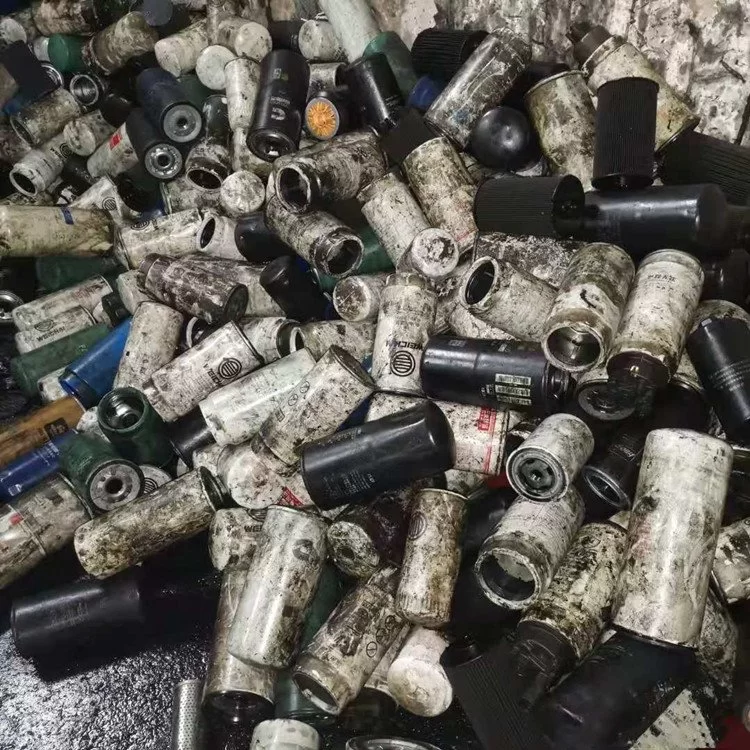
Scrap Oil Filters, Sheet Metal, and Color Steel Tile Shredding and Sorting Line: Complete Solutions from Light Contaminated Scrap to Clean Metal Granules
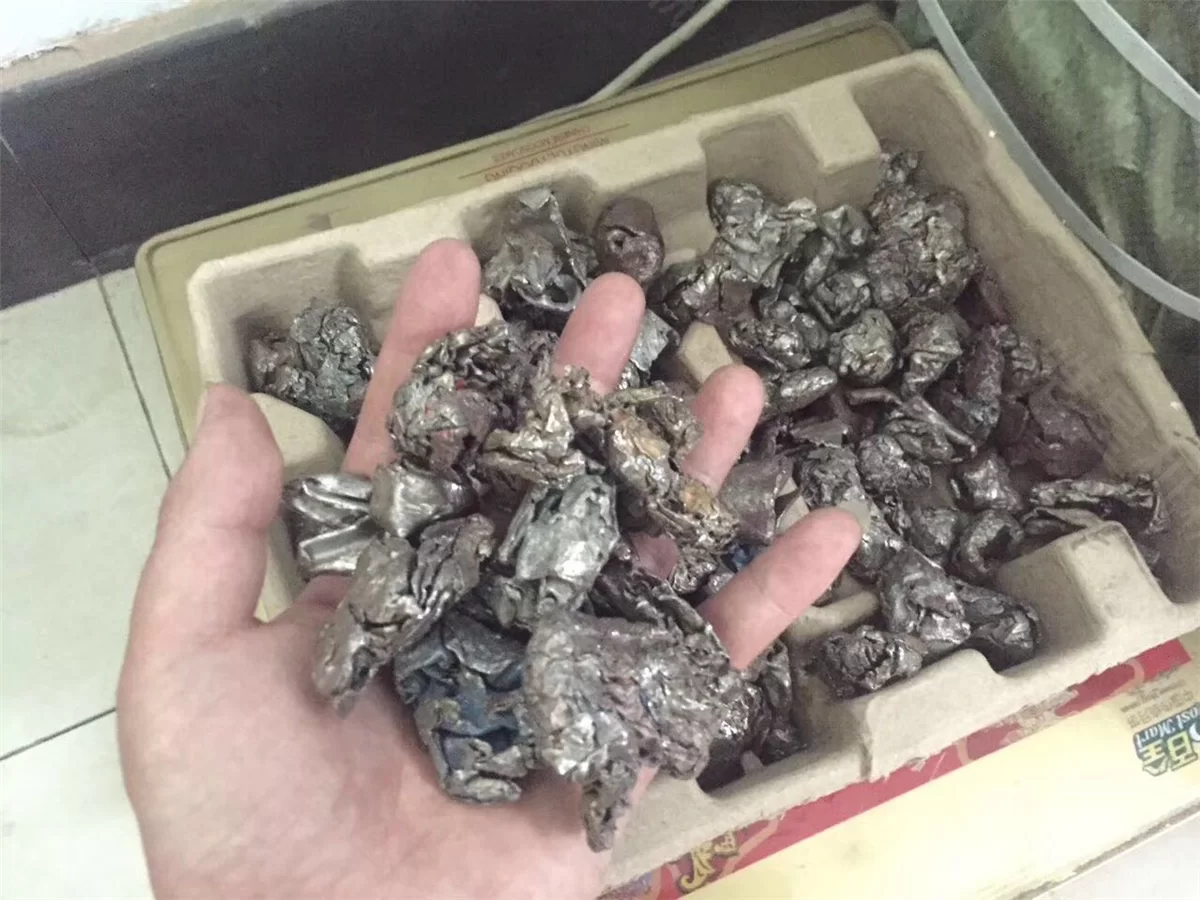
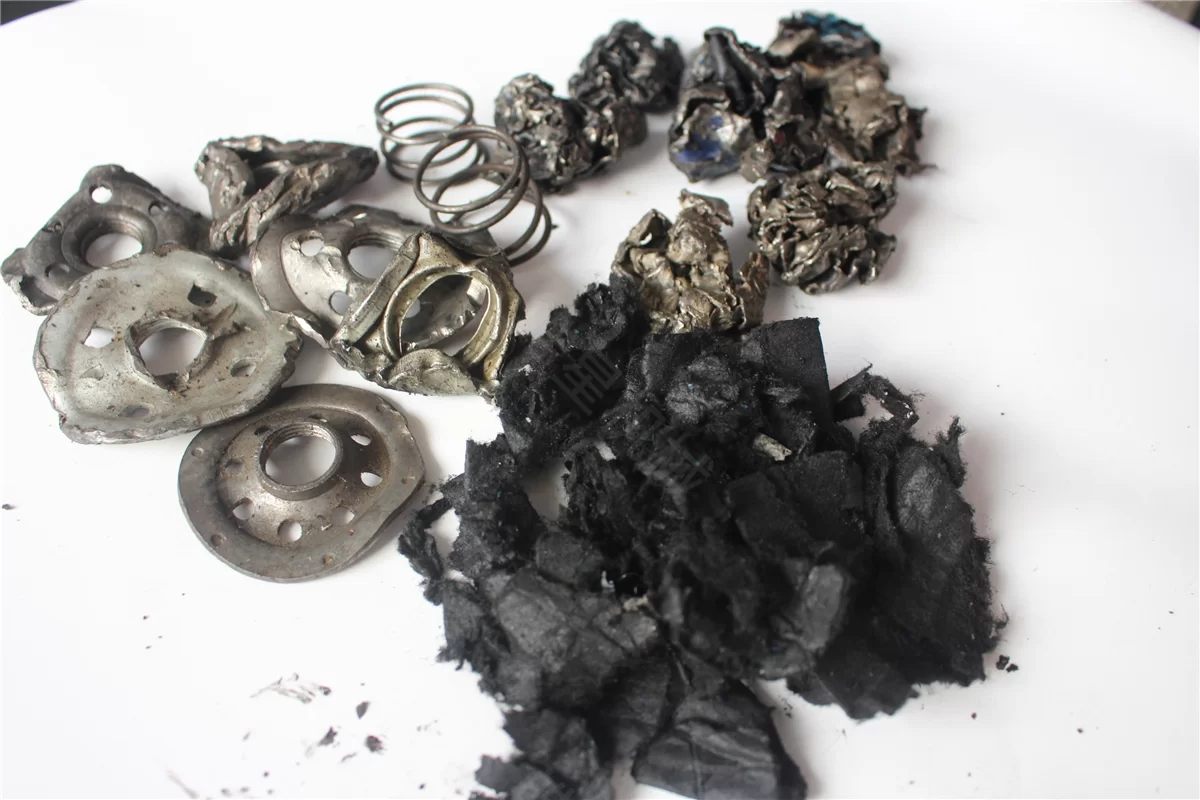
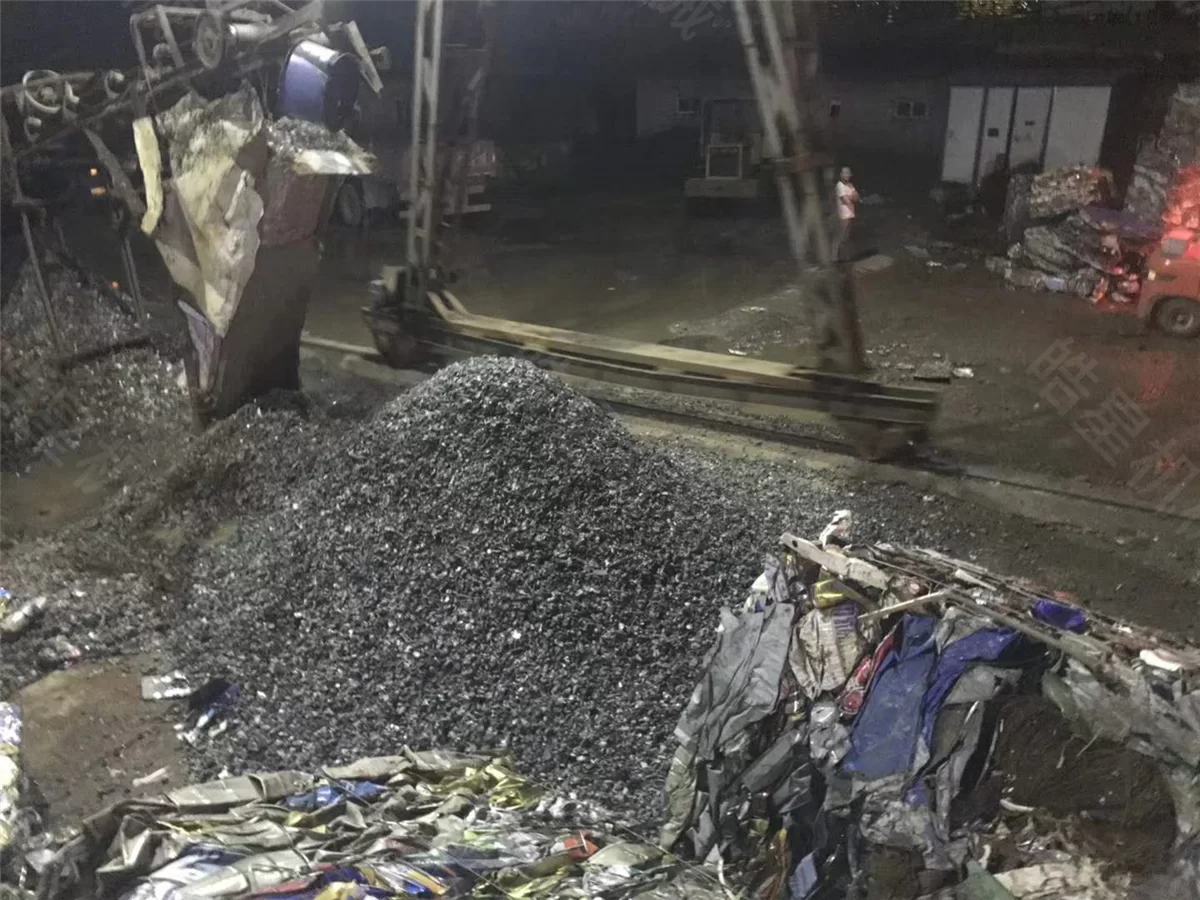
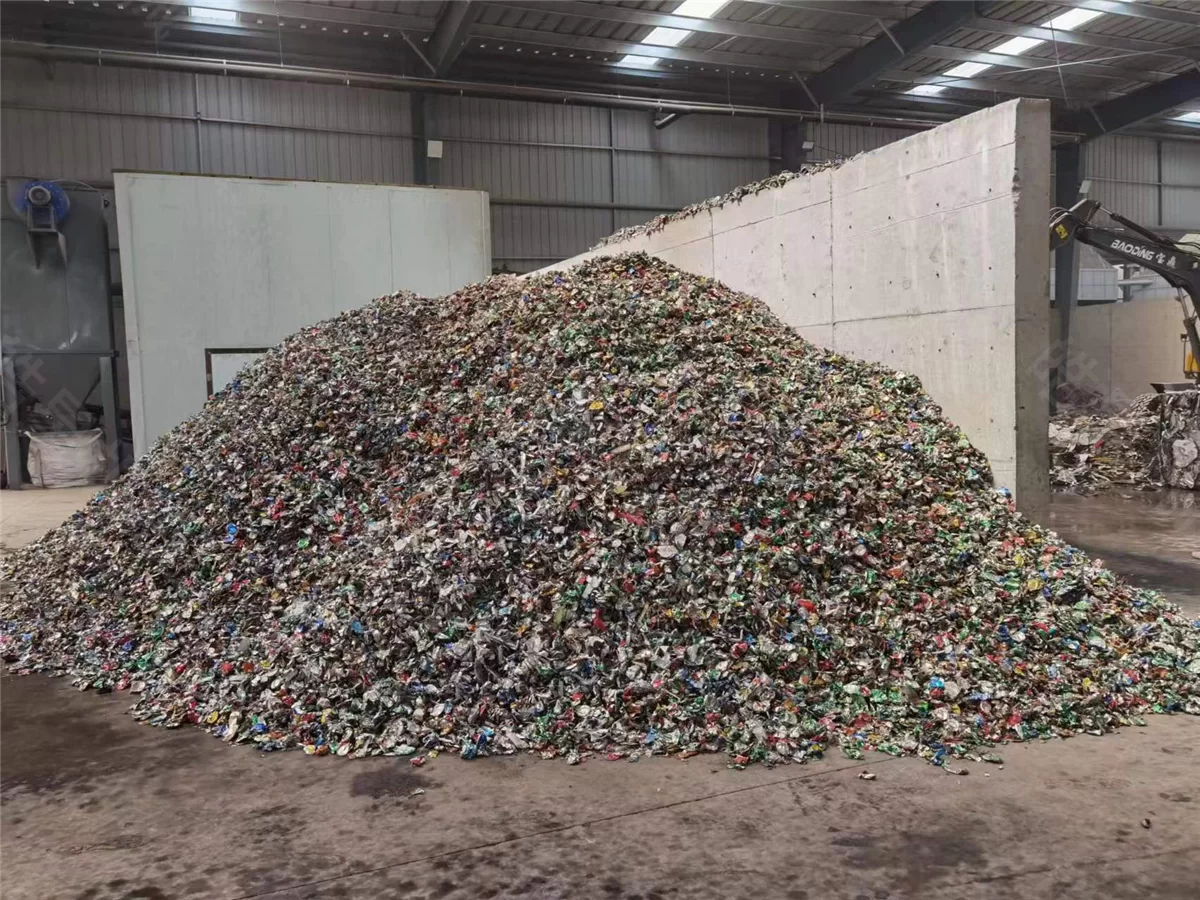
Scrap oil filters, sheet metal offcuts, color steel tiles, and other light-gauge ferrous scrap are common but challenging feedstocks in steel recycling. Oil filters contain residual waste oil, filter paper, and rubber seals, while color steel tiles and sheet metal are coated with paint or plating, are bulky, and incur high transport costs. Manual dismantling is inefficient and polluting, while direct furnace charging causes severe oxidation loss and flue gas emissions due to oil and coatings. Haoxing Machinery provides complete light contaminated scrap shredding and sorting lines, integrating scrap steel hammer mills, magnetic separators, eddy current separators, chain plate conveyors, belt conveyors, and pulse dust collectors. The line efficiently reduces oil filters, color steel tiles, and sheet metal into clean metal granules (5–20 mm) in a single pass, while effectively separating waste oil, filter paper, rubber, paint, rust, and non-metallic impurities. Metal recovery purity is high, and the entire process is safe and environmentally compliant, delivering premium furnace feedstock for steel mills.
1. Core Process Flow for Light Contaminated Scrap
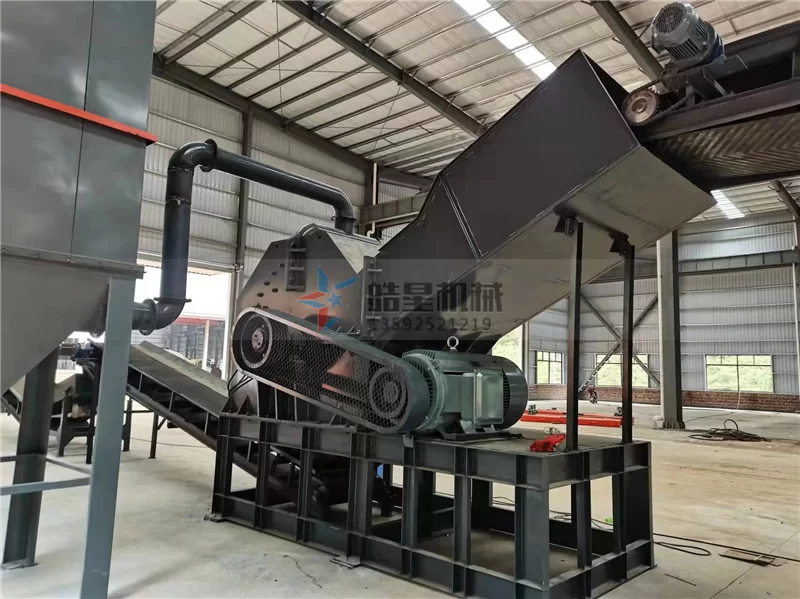
Addressing the flammability of oil filters and the bulkiness of sheet metal, Haoxing employs a "hammer milling + dual separation + full negative-pressure dust control" process:
Scrap Oil Filters / Sheet Metal / Color Steel Tiles → Chain Plate Conveyor (Feeding) → Scrap Steel Hammer Mill (Fine Grinding & Granulation) → Belt Conveyor (Discharge) → Magnetic Separator (Ferrous Purification) → Eddy Current Separator (Non-Ferrous / Non-Metallic Separation) → Dust Collection System (Explosion-Proof Purification) → Clean Metal Granules + Waste Oil/Filter Paper/Rubber/Plastic Residues
2. Equipment Functions and Key Parameters
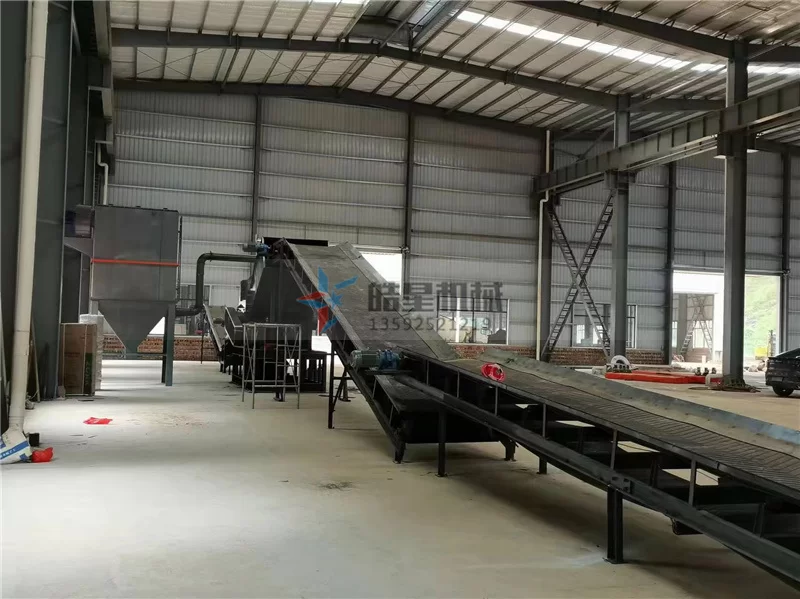
1. Feeding: Chain Plate Conveyor
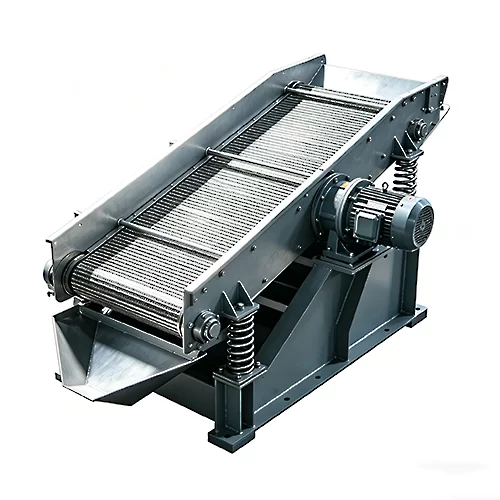
Function: Smoothly transports piles of oil filters and bulky sheet metal to the hammer mill inlet.
Features: Heavy-duty slat construction, impact and abrasion resistant. Slat width 1000–1200 mm, variable speed 0.5–15 m/min, interlocked with downstream load. Customizable length (8–15 m).
Recommended Model: LB1200×12m, 11 kW.
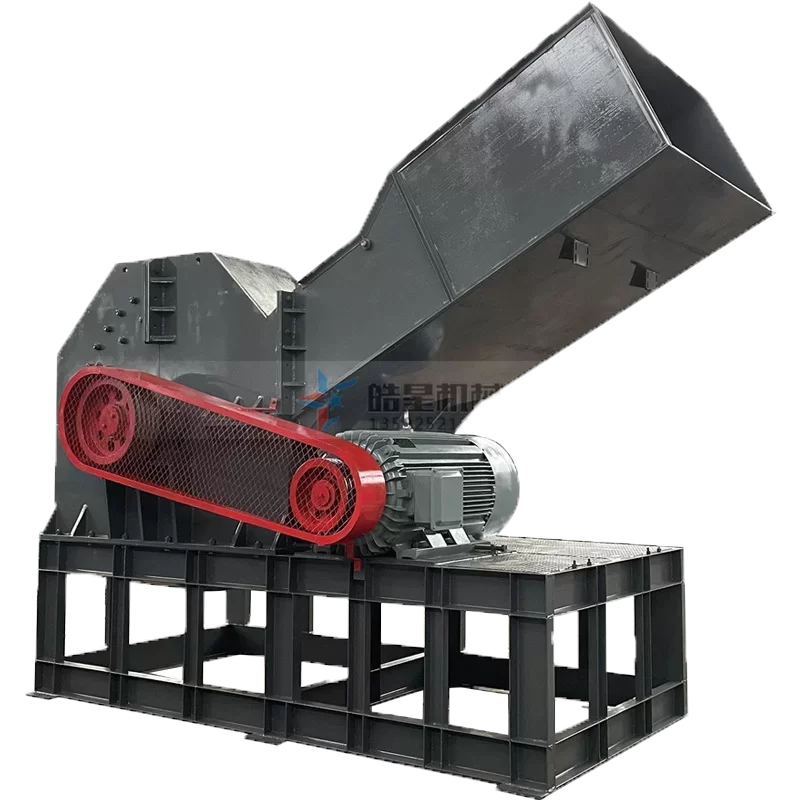
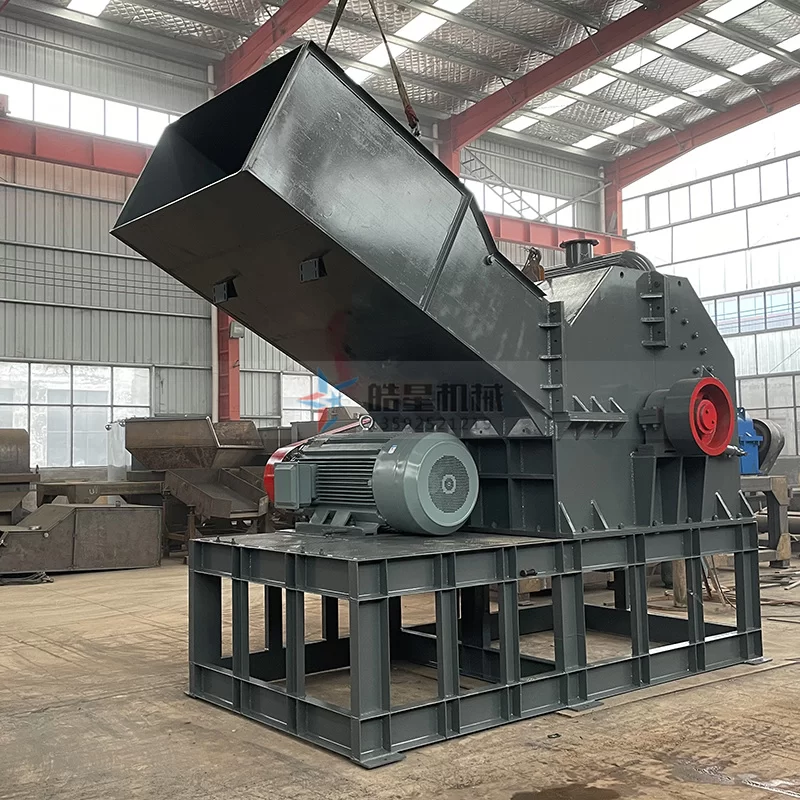
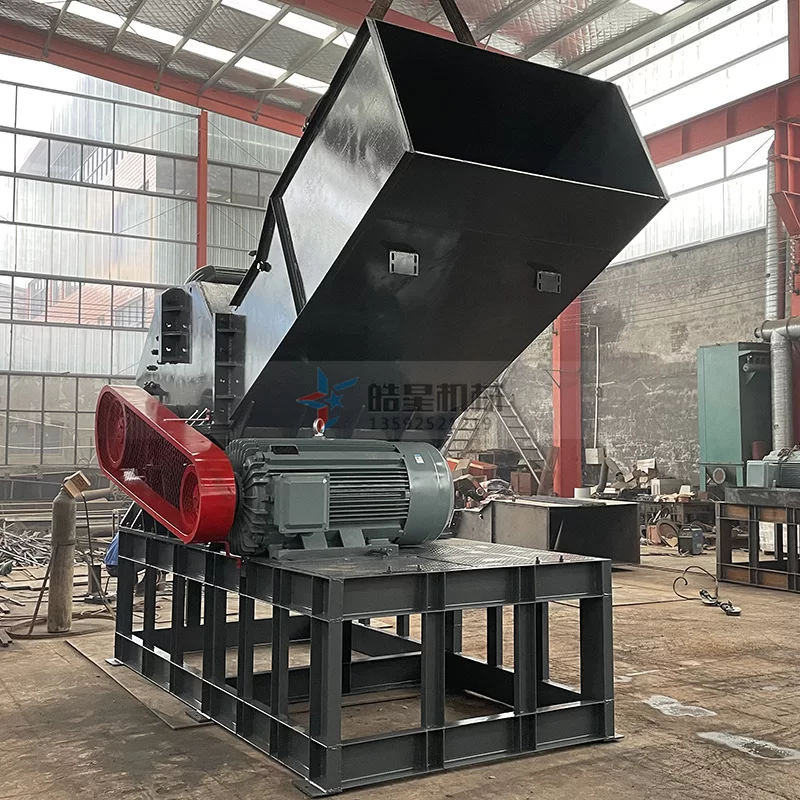
2. Fine Grinding: Scrap Steel Hammer Mill
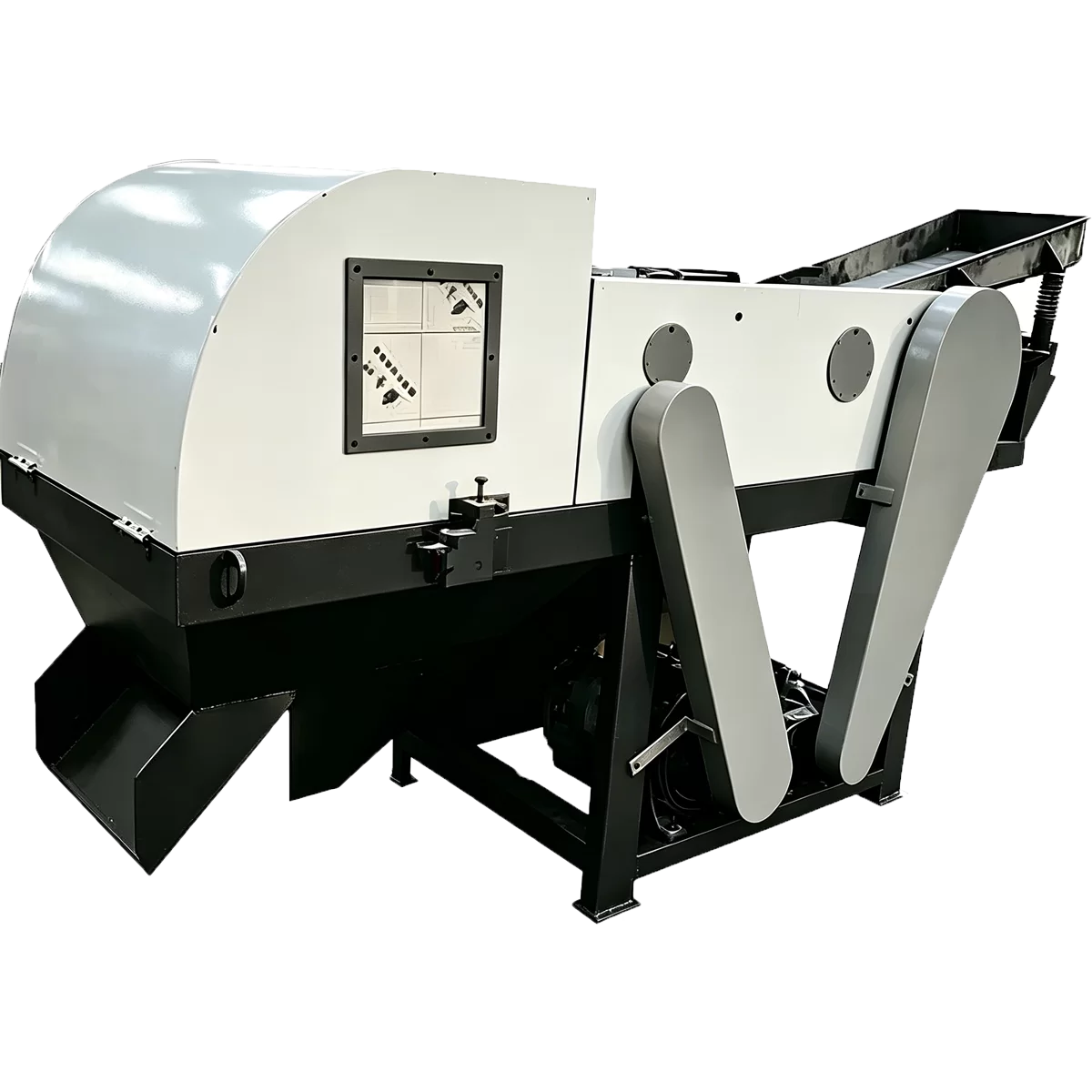
Function: Pulverizes oil filters, color steel tiles, and sheet metal into dense, spherical metal granules (5–20 mm) via high-speed hammer impact, while completely liberating oil, filter paper, rubber, and paint.
Features: Rotor diameter 1600 mm with 48 high-chromium alloy hammers (HRC 58–62) rotating at 800–1000 rpm. Material is repeatedly impacted and ground against high-manganese steel liners (ZGMn13). Bottom screen grate (10–20 mm aperture, interchangeable) controls output size. Paint, rust, and oil are stripped off and extracted by the dust collection system. Explosion-proof motor and sealed construction ensure safe processing of oily filters. Housing fabricated from 25–30 mm manganese steel plate with hydraulic lid opener. Feed opening 1600×1200 mm, optional forced feed rollers for bulky sheet metal.
Recommended Model: HXPS1600, 280 kW, capacity 12–18 t/h.
3. Magnetic Separation: Magnetic Separator
Function: Separates ferrous metals (steel, iron) from non-magnetic materials (copper, aluminum, filter paper, rubber, plastics), yielding clean scrap steel granules.
Features: Permanent magnetic self-cleaning drum, field strength ≥8000 Gauss. Belt width 1000 mm, capacity 20–35 t/h. Ferrous material is automatically ejected, non-magnetic material proceeds to next stage. Iron removal efficiency ≥99%.
Recommended Model: CX1000, 4 kW.
4. Non-Ferrous / Non-Metallic Separation: Eddy Current Separator
Function: Recovers valuable non-ferrous metals (copper, aluminum) from magnetic tailings and thoroughly separates non-metallic impurities (filter paper, rubber, plastics).
Features: High-speed rare-earth NdFeB magnetic rotor (0–3000 rpm adjustable) generates high-frequency alternating magnetic field. Non-ferrous particles are ejected by eddy current repulsion into a metal collection bin, while non-metallics fall freely into a waste chute. Tray width 1000 mm, processing size 3–100 mm, separation purity 96–99%.
Recommended Model: ECS1000, 7.5 kW, capacity 8–12 t/h.
5. Material Handling: Belt Conveyors
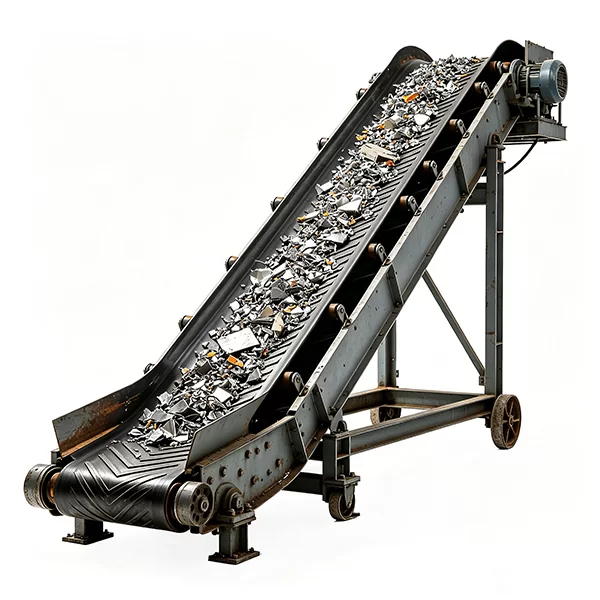
Function: Transports material between processing stages.
Features: Tear-resistant nylon belts (EP200), width 800–1000 mm, with self-aligning idlers and spring scrapers. Configurable for horizontal, inclined, or curved layouts.
Recommended Model: B1000×12m/15m, 5.5–7.5 kW.
6. Environmental and Safety Control: Pulse Jet Baghouse Dust Collector
Function: Captures airborne dust, paint powder, oil mist volatiles, and light filter paper fibers generated during shredding and conveying, ensuring safe, compliant emissions.
Features: Sealed negative-pressure ducting with explosion venting. Filtration area 200 m², airflow 15,000 m³/h. Pulse-jet cleaning, filtration efficiency ≥99.9%. Exhaust vented via 15 m stack, meeting environmental standards.
Recommended Model: DMC-200 (explosion-proof), 15 kW.
3. Adaptability to Different Light Contaminated Scrap Types
Scrap Oil Filters / Diesel Filters: Contain oil, filter paper, and rubber seals. Explosion-proof hammer mill design; magnetic separator recovers ferrous shells; eddy current separator recovers non-ferrous metals; filter paper and rubber discharged as waste. Metal recovery ≥97%.
Sheet Metal / Color Steel Tiles / Light Gauge Scrap: Bulky with paint or plating coatings. Optional forced feed rollers improve crushing efficiency. Hammer milling strips over 95% of coatings; dust collector extracts paint particles, yielding clean ferrous granules.
Waste Oil Drums / Paint Buckets: Contain residual liquids and paint. Entire line operates under sealed negative pressure with explosion-proof design, producing furnace-ready metal granules.
Mixed Light Scrap: Oil filters, color steel tiles, and sheet metal can be processed together. Magnetic and eddy current separation recover ferrous, copper, aluminum, and other valuable metals in a single integrated line.
4. Reference Light Contaminated Scrap Shredding and Sorting Line Configuration
| Equipment | Recommended Model | Power | Capacity | Key Parameter Notes |
|---|---|---|---|---|
| Chain Plate Conveyor | LB1200×12m | 11 kW | 30–50 t/h | Slat width 1200 mm, VFD, impact-resistant |
| Scrap Steel Hammer Mill | HXPS1600 | 280 kW | 12–18 t/h | Rotor φ1600 mm, 48 hammers, screen 10–20 mm, explosion-proof |
| Belt Conveyor | B1000×12m/15m | 5.5–7.5 kW | Matches crusher | EP200 nylon belt, trough idlers |
| Magnetic Separator | CX1000 | 4 kW | 20–35 t/h | ≥8000 Gauss, self-cleaning drum |
| Eddy Current Separator | ECS1000 | 7.5 kW | 8–12 t/h | Tray width 1000 mm, rotor speed 0–3000 rpm |
| Pulse Dust Collector | DMC-200 | 15 kW | 15,000 m³/h | Filtration area 200 m², explosion-proof, pulse-jet cleaning |
Haoxing Machinery's light contaminated scrap shredding and sorting lines operate reliably in numerous scrap steel processing centers, ELV dismantling facilities, and hazardous waste treatment plants worldwide. Whether processing flammable oil filters or bulky coated sheet metal, we provide safe, environmentally compliant, and efficient customized turnkey solutions that enable you to produce cleaner, higher-value scrap steel furnace feedstock at a lower processing cost.


FAQ:
Post a FAQ: