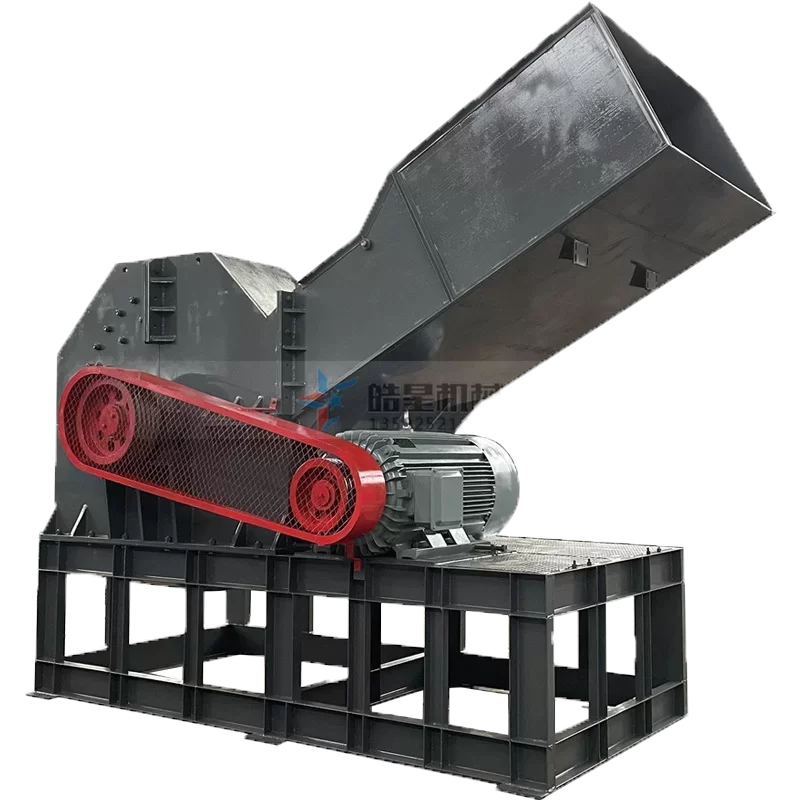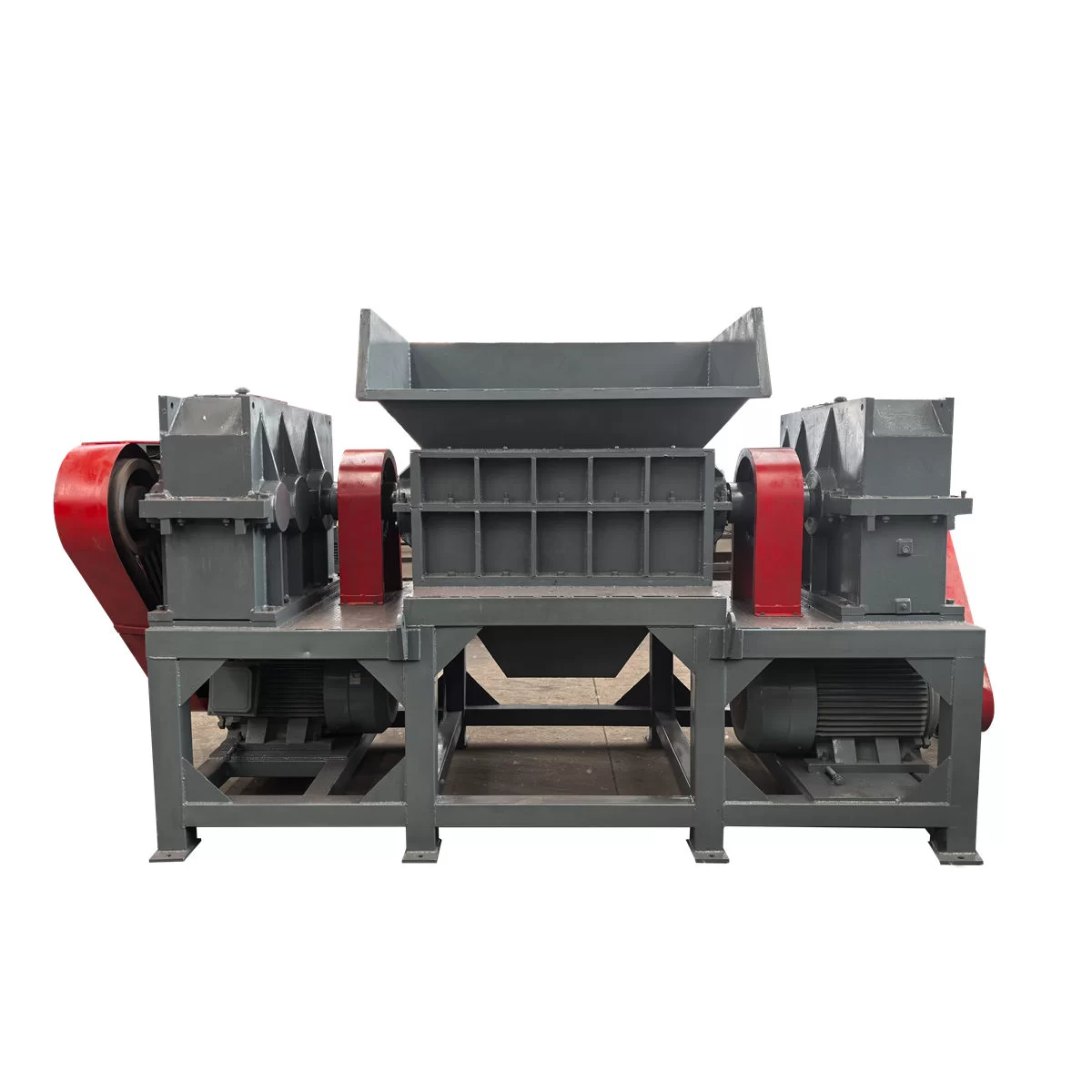
Are you struggling with low throughput and poor iron separation from your scrap motor crusher? A 30–50% drop in production capacity is common when the system is not optimized, and iron loss exceeding 8% can cut your profit margin in half. After analyzing over 60 recycling lines, we found that three technical parameters — cutter wear, speed-torque mismatch, and magnetic separation design — determine 90% of your iron output. Below is a data‑driven guide to fixing the problem.
1. Excessive Cutter Wear → Poor Bite and Tearing Action
The sharpness and clearance of crusher cutters directly decide how effectively motor housings (2–6 mm thick) are torn apart. When the wear height exceeds 15% of the original dimension — for example, a 65Mn blade dropping from 50 mm to less than 42 mm — or the blade tip radius becomes larger than R5 mm, the material cannot be bitten properly. This leads to repeated crushing and iron pieces still wrapped with copper and aluminum. In such cases, the iron recovery rate may fall from a normal 92% to below 60%.
Recommended actions:
Inspect cutter wear every 200–300 operating hours.
Replace blades once wear reaches 15% of original height.
Adjust the clearance between rotating and fixed knives to 0.3–0.8 mm.
Implementing these steps can increase single-machine output by 20–25% and raise iron recovery above 85%.
2. Mismatched Rotor Speed and Torque → Over‑crushed Fines
Many operators ignore the relationship between rotor speed and motor torque. For scrap motor shells with wall thickness of 2–6 mm, the optimal rotor speed range is 280–350 r/min, corresponding to a tip speed of 18–22 m/s.
Below 220 r/min: Iron pieces elongate rather than break, blocking the screen and reducing throughput.
Above 380 r/min: Iron is over‑crushed into fines smaller than 10 mm. The magnetic permeability of such fine particles drops by about 40%, making them extremely difficult to capture in downstream magnetic separators.
Field tests show that increasing the torque coefficient from 1.2 to 1.5, combined with a VFD (variable frequency drive) that keeps speed fluctuation within ±5%, adds 0.8–1.2 tons of iron per hour. Therefore, always match your rotor speed to the feed material thickness and install a torque‑controlled drive system.
3. Poor Magnetic Separator Configuration → Fine Iron Loss
Even if the crusher produces clean iron pieces, a poorly designed magnetic separation stage will waste 15% or more of the iron (especially particles of 0.5–3 mm). Two common mistakes:
Magnetic field intensity below 1,200 Gauss.
Belt speed exceeding 2.0 m/s, which throws fine iron into the tailings before it can be attracted.
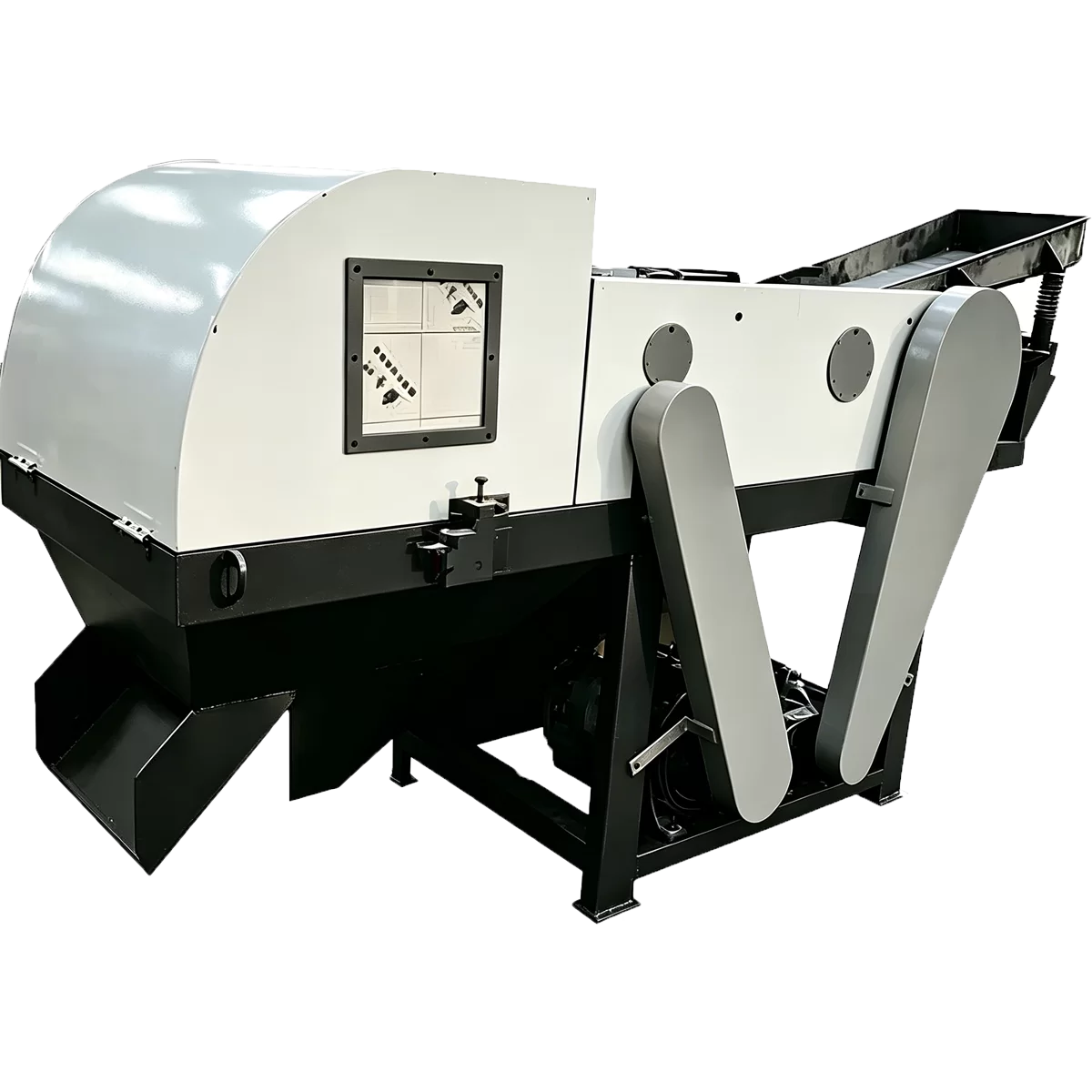
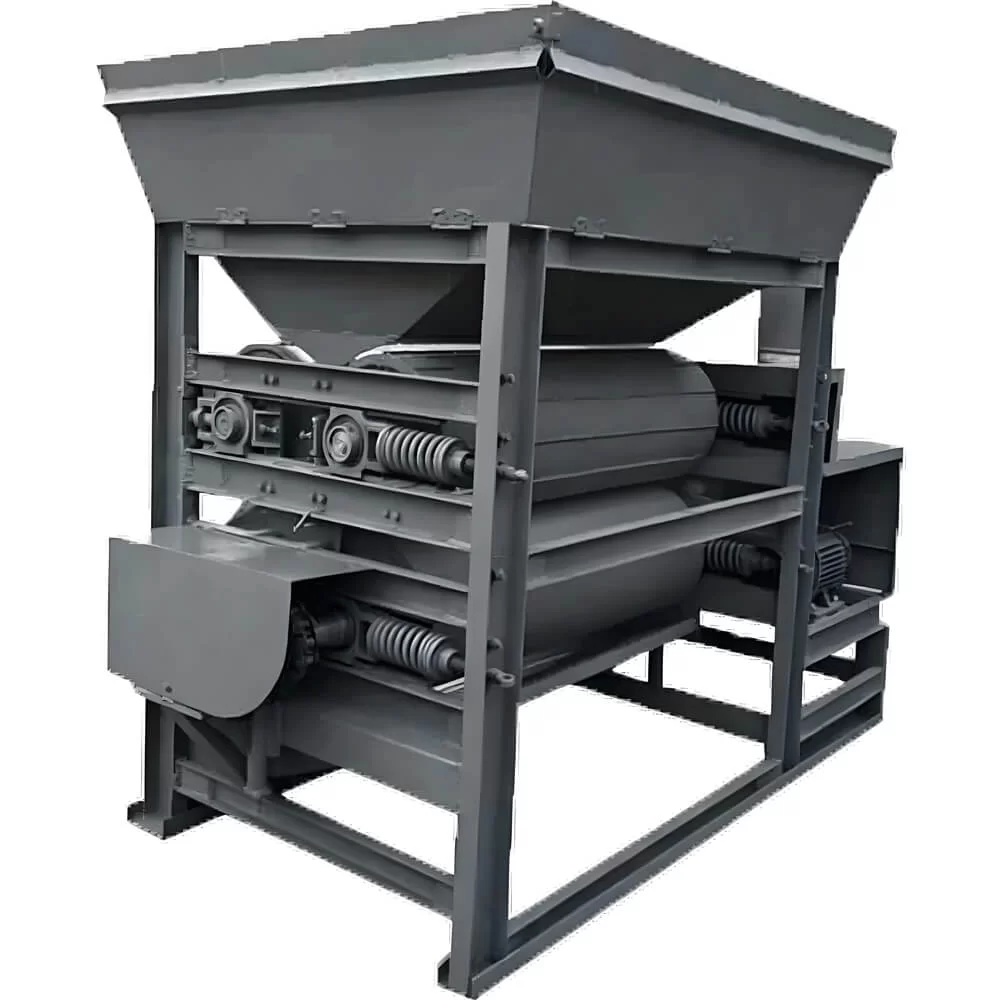
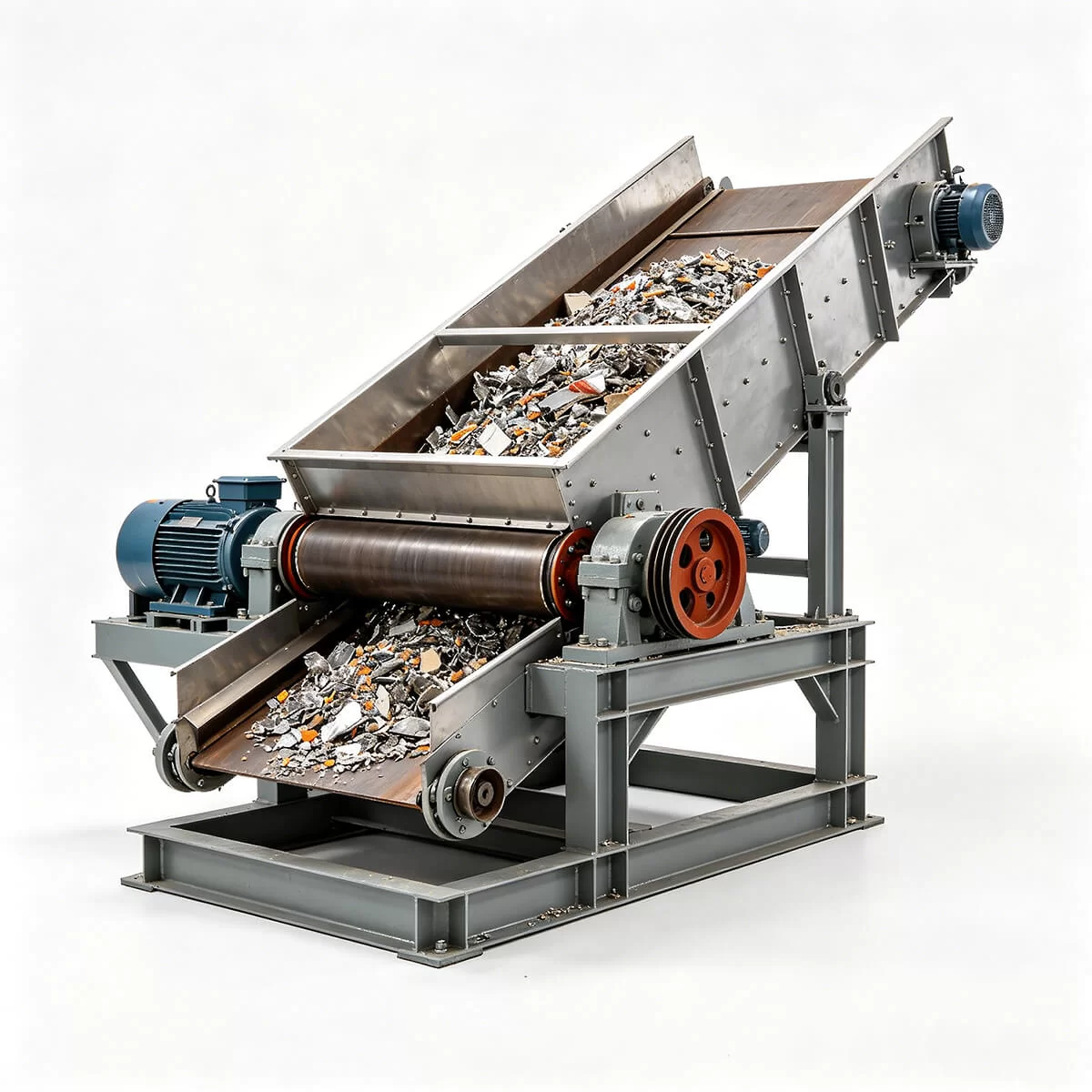
Proven solution – three‑stage magnetic separation:
Stage Equipment Intensity / Purpose Parameter
1st Permanent magnetic drum 1,800 Gauss – pre‑separation Remove bulk iron
2nd Pulse magnetic separator 2,500 Gauss – purification Capture weakly magnetic fines
3rd Eddy current separator Recover non‑ferrous metals (stainless steel, copper) Ensure purity of iron fraction
Additionally, control the belt speed at 1.2–1.5 m/s and maintain the material layer thickness below 50 mm. With these settings, the total iron recovery rate reaches 97% , and the crusher’s production capacity returns to 90–110% of its design value.
Conclusion: Build a Closed‑Loop Optimization System
To consistently achieve high output and >95% iron recovery, establish a maintenance and calibration routine:
Monitor cutter wear every 200–300 hours → replace at 15% wear.
Dynamically adjust rotor speed and torque according to feed material thickness (use VFD, target 280–350 r/min).
Calibrate the three‑stage magnetic separator every 500 hours – verify belt speed, field intensity, and layer thickness.
When these three factors are correctly managed, your scrap motor crushing line can increase iron recovery efficiency by over 35% , reduce re‑crushing energy costs, and produce a high‑purity iron product (grade >97%) that commands better market prices.
Need customized parameter recommendations for your specific crusher model? Contact our technical team with your machine specs (rotor diameter, motor power, feed size) and we will provide a free optimisation report within 48 hours.