Project Overview
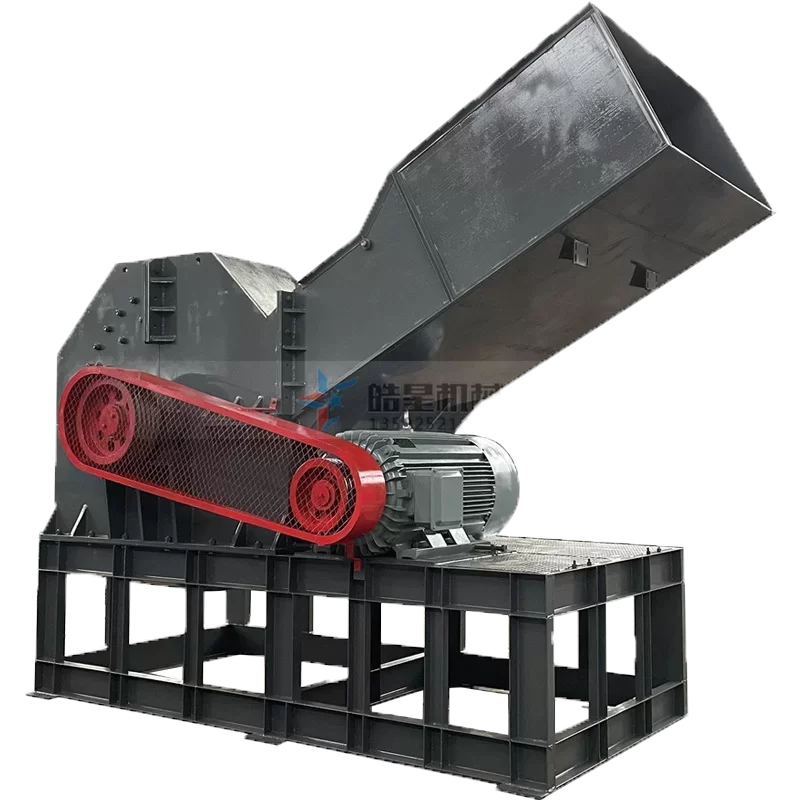
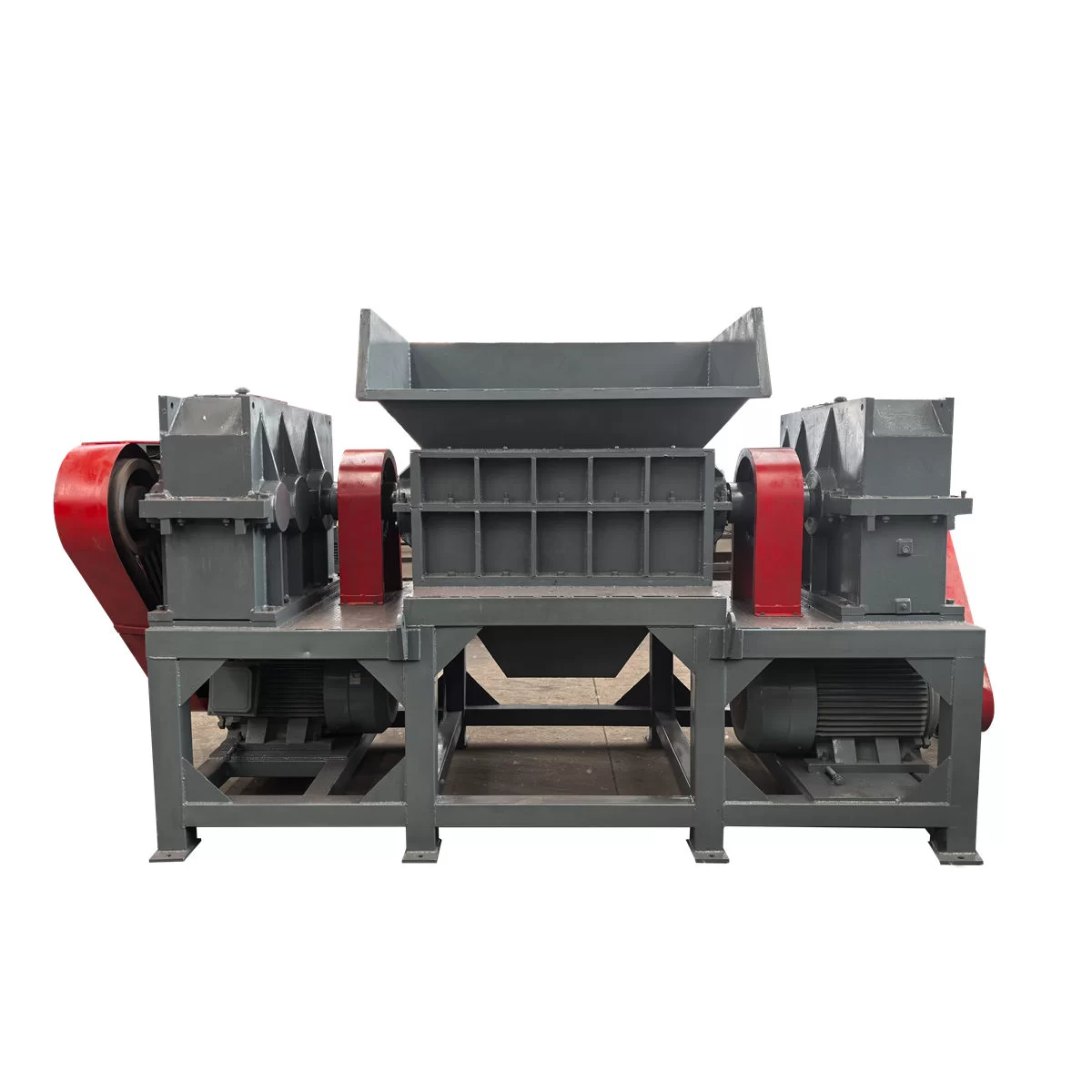
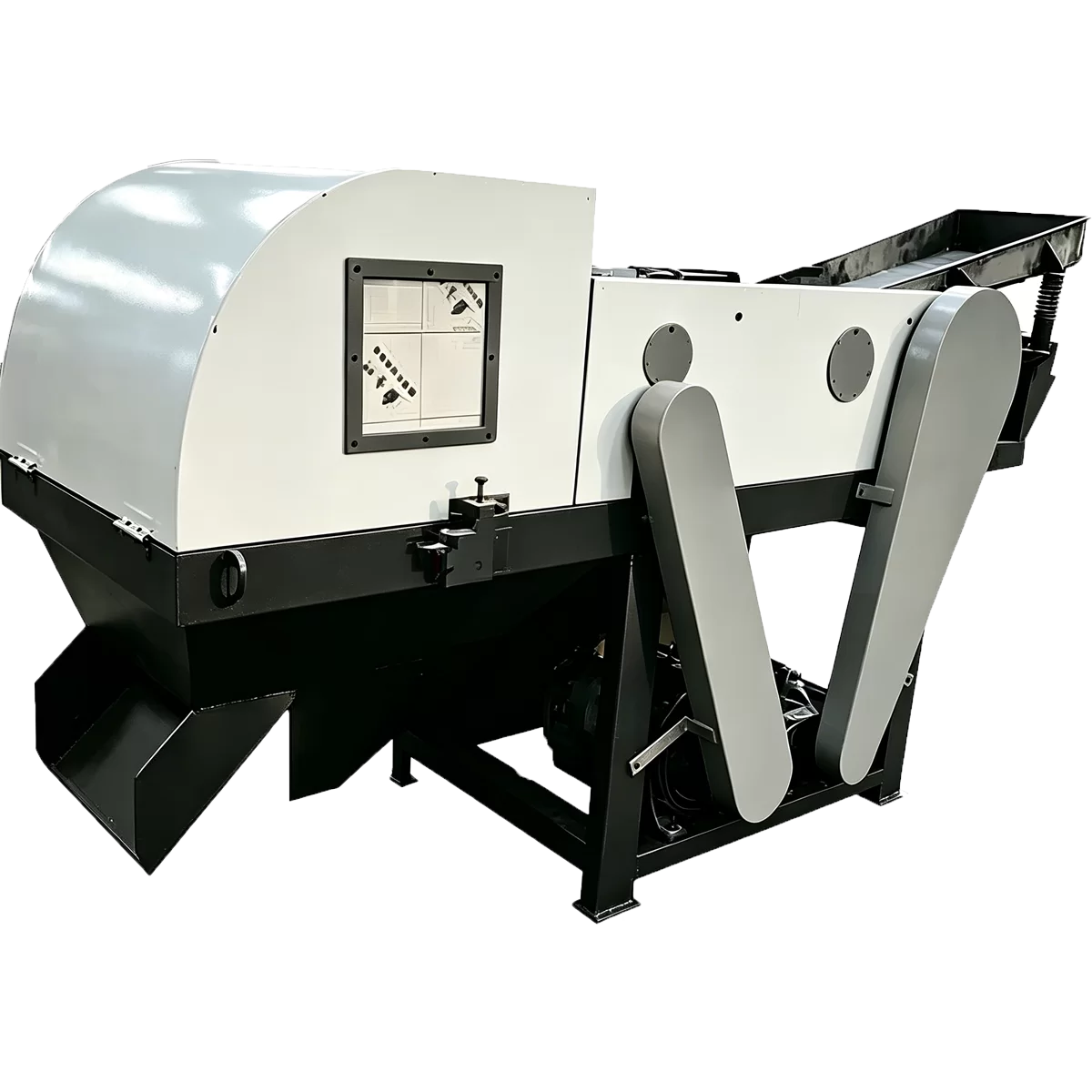
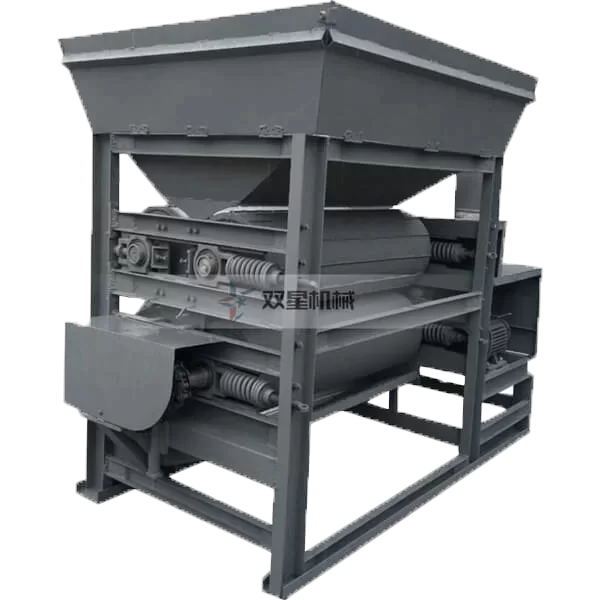
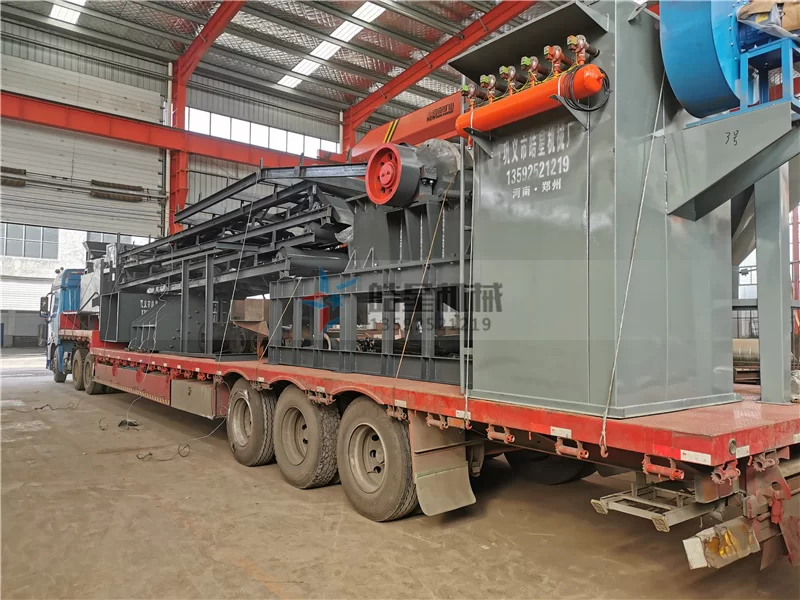
Circuit boards contain metals and resin fibers, which are tough and have uneven hardness. Ordinary crushers are prone to tangling or overheating adhesion. Using a dedicated circuit board crusher with an efficient rotor structure achieves an ideal crushing effect.The rotor adopts a layered staggered
Circuit boards contain metals and resin fibers, which are tough and have uneven hardness. Ordinary crushers are prone to tangling or overheating adhesion. Using a dedicated circuit board crusher with an efficient rotor structure achieves an ideal crushing effect.
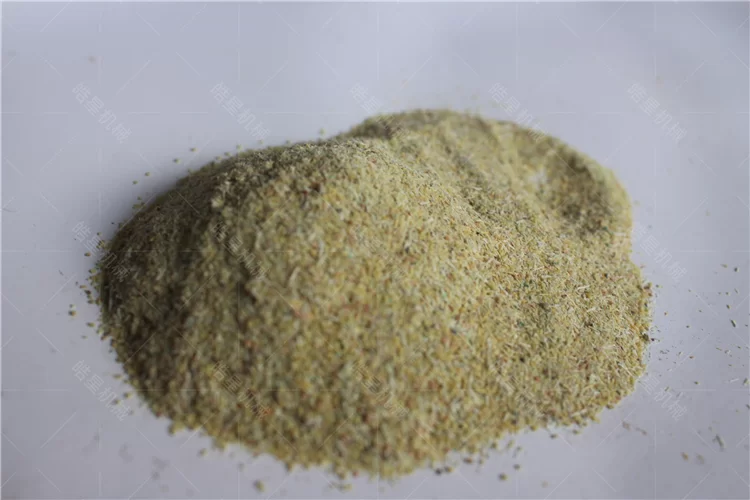
The rotor adopts a layered staggered cutter disc, made of high wear‑resistant alloy steel with a blade hardness of HRC60 or above. After circuit boards enter the crushing chamber, the rotor rotates at high speed (750–900 r/min). The cutter disc continuously cuts and impacts the circuit boards. The substrate is quickly broken into 10–20 mm fragments, while copper foil and solder are stripped into fine particles. After screening, the dissociation degree between metals and non‑metals exceeds 95%.
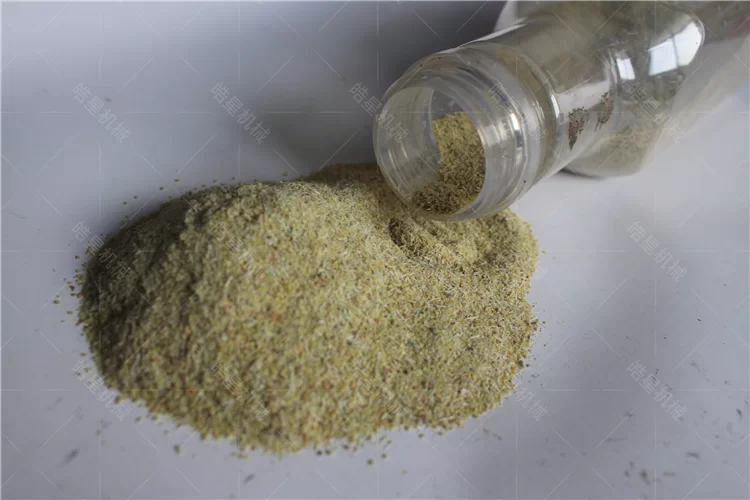
Field tests show that when processing waste circuit boards, the single‑machine output reaches 1.2–1.8 tons per hour, with energy consumption of about 52 kWh per ton. The rotor’s anti‑overheating design and water‑cooled chamber effectively prevent resin softening and sticking to the blades. The crushed material is then separated by electrostatic or air separation, achieving a copper recovery rate of 98%, while the resin powder can be used as a building filler. Compared with incineration or chemical treatment, the rotor crushing method produces no waste gas or wastewater and is environmentally friendly. In conclusion, this rotor solution achieves excellent results of “efficient dissociation, low‑temperature operation, and clean separation.”