Aluminum Cans Recycling
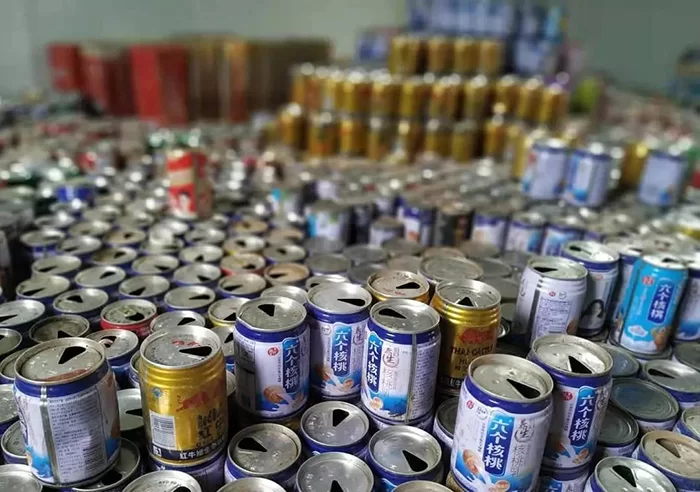
Aluminum cans are very common in daily life and therefore constitute an important part of scrap recycling materials. Based on current estimates of waste aluminum can recycling rates, China's recycling rate for waste aluminum cans is about 82%, making it one of the countries with the highest recycling rates in the world. At least 160,000 tons of waste aluminum cans are recycled annually, though most of the recycled cans are downgraded in use.
Applications of Recycled Aluminum Cans
The recycling and reuse of aluminum cans not only saves bauxite ore but also conserves 92% of the energy consumed in aluminum smelting, making a significant contribution to protecting and beautifying the Earth's environment. One-quarter of the recycled volume is used to manufacture new aluminum can stock, while the rest serves as raw material for castings and die-cast parts, such as automotive parts and motor components. A portion is also used as a deoxidizer in steelmaking. From used cans to recycled aluminum ingots, and then back into new cans, the material can undergo multiple cycles of reuse. No matter how many times aluminum cans are recycled, their quality does not degrade.
There are two main approaches to recycling aluminum cans: one is producing alloy aluminum ingots, and the other is remelting to produce off-grade aluminum ingots. These off-grade ingots can be used in industries such as ferroalloys and steelmaking, a model that seems more aligned with current practices. In the remelting process for off-grade aluminum ingots, under strict operating conditions (whether using a reverberatory furnace or a crucible furnace), the direct recovery rate of aluminum can reach at most about 83%, which includes secondary-grade aluminum recovered from aluminum dross after refining.
Recycling Process of Waste Aluminum Cans
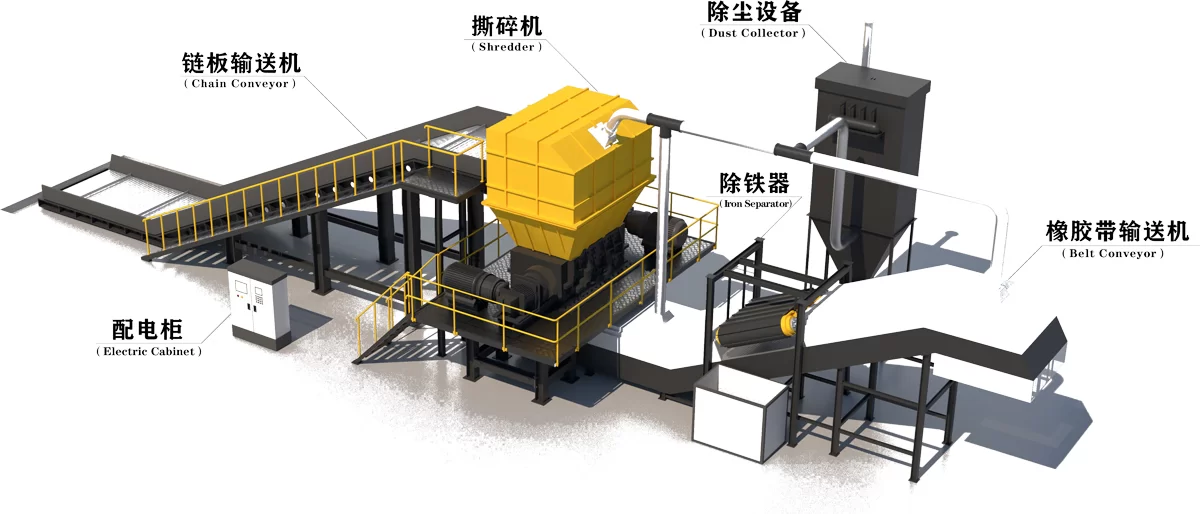
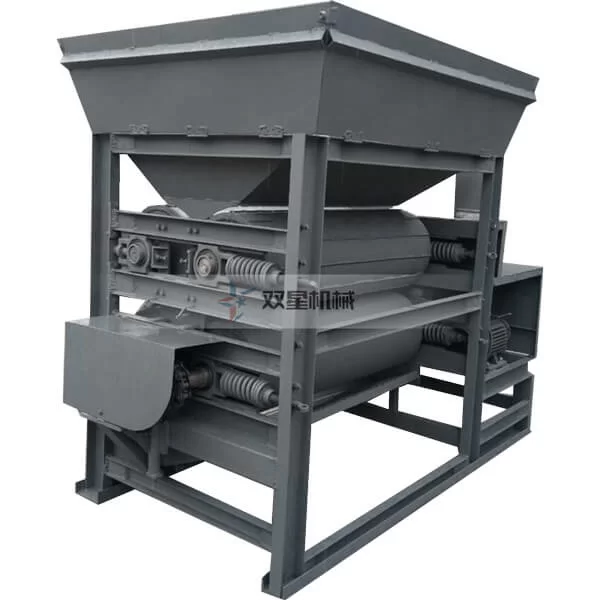
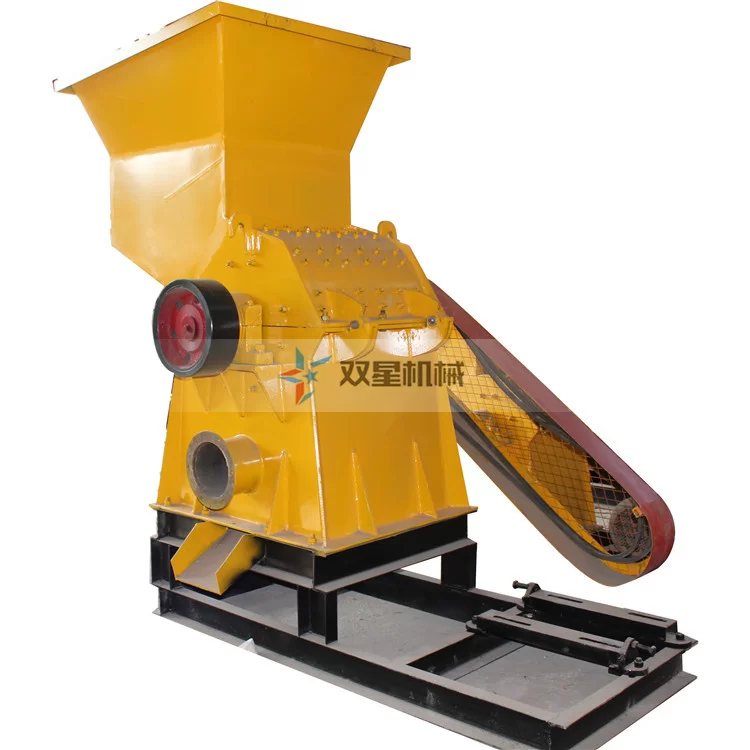
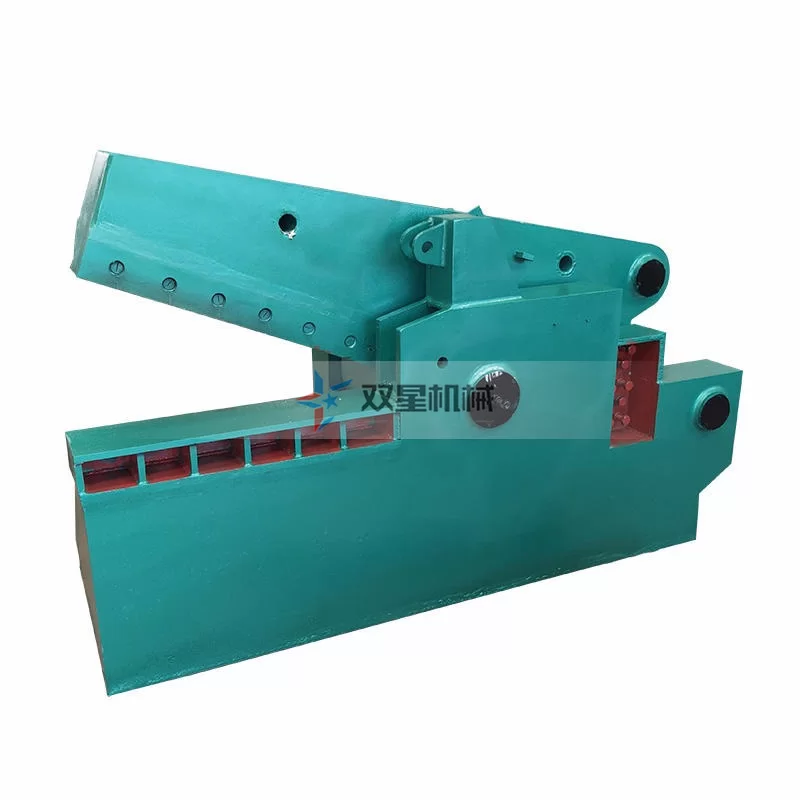
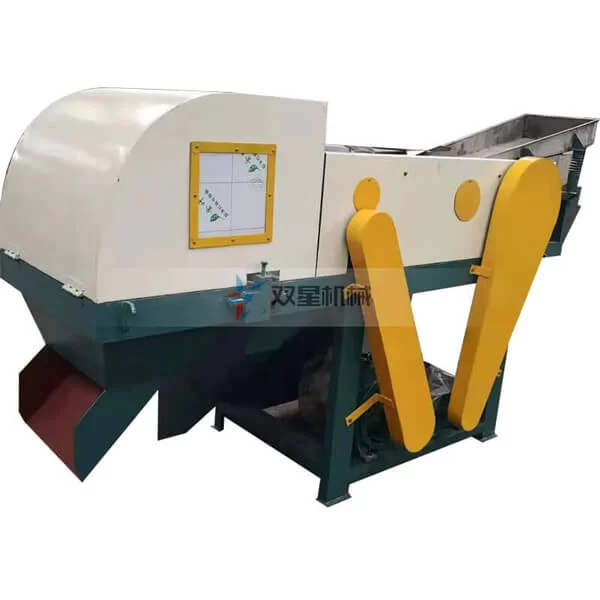
Collected waste aluminum cans first undergo simple flattening and baling, along with sorting and washing. The compressed and baled aluminum cans are then shredded and crushed using a metal shredder and an aluminum can crusher. The material is accurately separated and purified through sorting equipment to obtain clean aluminum particles. These particles are then concentrated and melted. Under high temperatures, they turn into molten aluminum, which is then cast into large aluminum ingots. Ultimately, the aluminum cans are melted down to produce recycled aluminum ingots.
Working Process of a Waste Aluminum Can Crushing Production Line